Why bluefin tuna charters cost so much
It's no secret that the dream of battling a giant bluefin tuna off the coast of Massachusetts comes with a significant price tag. Many anglers, myself included, have looked at the cost of a bluefin tuna charter and wondered, "Why bluefin tuna charters cost so much?" This isn't just a simple boat ride; it's an investment in a specialized, high-stakes fishing expedition, and understanding what goes into that cost can help you appreciate the value of the experience. This guide will break down all the major factors that contribute to the often eye-watering expense of chasing these magnificent pelagic giants.
The Allure and Challenge of Bluefin Tuna Fishing in Massachusetts
Before we dive into the costs, it's crucial to understand why anglers are willing to pay what it takes for a shot at bluefin tuna. These aren't your average pond fish; they are apex predators of the ocean, built for speed and power, and catching one is often described as the fight of a lifetime. The sheer physical challenge and the incredible reward of landing such a magnificent creature drive the demand for these specialized charters.
The Thrill of the Catch and High Demand
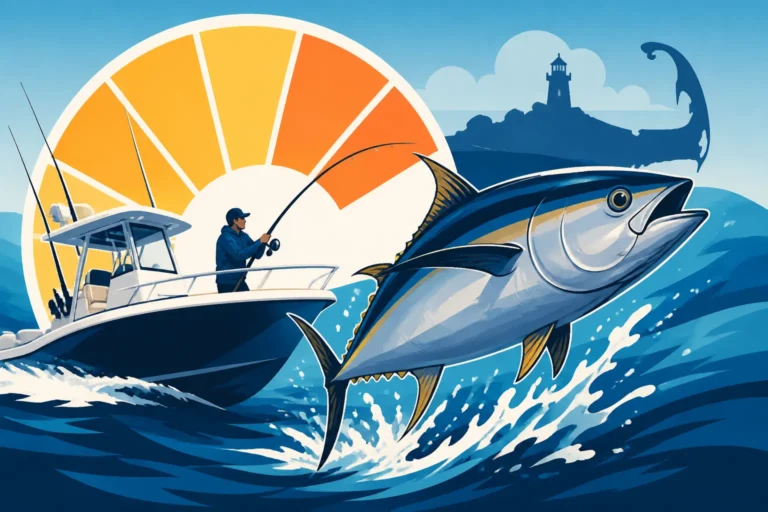
Imagine hooking into something that instantly rips line off your reel at an incredible speed, putting your tackle, your body, and your will to the ultimate test. That's bluefin tuna fishing in a nutshell. Massachusetts waters, particularly off Cape Cod and the Outer Cape, are renowned for their robust bluefin tuna population, drawing anglers from around the globe. This high demand, coupled with a limited number of captains truly equipped and experienced enough to consistently target these fish, naturally drives up prices. Everyone wants a piece of that action, and the charters that deliver are in high demand.
The experience isn't just about catching a fish; it's about the adventure itself. It’s the early morning departure, the long runs offshore, the anticipation as you scan the horizon for signs of life, and the camaraderie with your fellow anglers and crew. For many, it's a bucket-list item, a testament to their dedication to the sport, and a story they’ll tell for years to come.
The Elusive Nature of Bluefin Tuna
Bluefin tuna are migratory and incredibly intelligent. They don't just hang out in one spot waiting to be caught. Locating them requires extensive knowledge of ocean currents, baitfish movements, water temperature breaks, and even bird activity. It's a constant puzzle that changes daily, and even the most seasoned captains can go days without a hookup. This inherent unpredictability adds to the challenge and, consequently, the value of a successful trip. The captains and crews spend countless hours scouting, monitoring reports, and building a deep understanding of these fish, all to maximize your chances, even if success isn't guaranteed.
Unlike bottom fishing for cod or fluke, where you might drop anchor in a known spot, tuna fishing is a dynamic pursuit. You might be trolling a spread of baits over many miles, jigging deep beneath a school of bait, or live-lining a mackerel in a rip. Each technique requires specific conditions and an understanding of tuna behavior. This requires adaptability and a vast knowledge base from the crew, which is part of what you're paying for.
Breaking Down the Core Operational Expenses
When you book a bluefin tuna charter, you're not just paying for the time you spend on the water. You're contributing to a complex ecosystem of operational costs that keep these specialized vessels running. These expenses are substantial and form the backbone of the charter fee.
Fuel Consumption: A Major Financial Drain
This is often the single biggest expense for any offshore fishing operation, and especially for bluefin tuna. Chasing tuna means covering vast expanses of open ocean. A typical tuna trip might involve running 30, 50, or even 100 miles offshore to the fishing grounds, then spending hours trolling at specific speeds or repositioning to find fish, and finally, the long run back to port. These high-performance offshore vessels are powerful, but they are also incredibly thirsty, often burning dozens of gallons of diesel or gasoline per hour when running at cruising speed.
The price of marine fuel fluctuates, but it’s always a significant factor. A full day of tuna fishing can easily consume hundreds of gallons of fuel. When you consider the Massachusetts Bluefin Tuna Charter Cost, a substantial portion of that is directly allocated to keeping those engines running. These are not small, inshore boats; they are purpose-built machines designed for long-range travel and handling tough offshore conditions, and their fuel tanks are appropriately massive.
Vessel Maintenance, Insurance, and Dockage
Owning and operating a large offshore fishing vessel is akin to owning a small commercial enterprise. The boats themselves can cost hundreds of thousands, if not millions, of dollars. They require constant, meticulous maintenance to ensure safety and reliability far from shore. This includes regular engine servicing, hull cleaning, electronics checks, and repairs to anything that breaks – and things always break on a boat in the harsh marine environment. Haul-outs for bottom painting and major servicing are annual rituals that come with significant bills.
Beyond the physical upkeep, there's the cost of insurance. Liability insurance for carrying paying passengers on offshore trips is incredibly expensive due to the inherent risks involved. Furthermore, dockage fees at marinas, especially prime locations like Gloucester, Chatham, or Sandwich, where many tuna charters operate, can run into thousands of dollars annually. All these non-fishing-related costs are built into the charter price. You're effectively paying for the captain's investment and the peace of mind that comes from being on a well-maintained, insured vessel.
Licensing, Permits, and Regulatory Compliance
Operating a for-hire fishing vessel in Massachusetts and federal waters requires a host of commercial licenses and permits. The captain must hold a valid U.S. Coast Guard (USCG) Master's license, which involves extensive training, testing, and periodic renewal. The vessel itself needs to be federally documented and may require specific federal fishing permits for highly regulated species like bluefin tuna, which can be limited in availability and expensive to obtain or lease.
These permits and licenses aren't just one-time fees; they often involve annual renewals, inspections, and compliance with ever-changing federal and state regulations. Staying abreast of these rules, such as the Bluefin Tuna Size Limits off Massachusetts or specific reporting requirements, is a constant responsibility. The regulatory landscape for highly migratory species like tuna is complex and demands professional attention, another hidden cost factored into your charter.
Specialized Equipment and Advanced Technology
Bluefin tuna are not caught with a simple rod and reel combo. The gear required to target these powerful fish is incredibly specialized, robust, and expensive. It's designed to withstand immense pressures and brutal fights, and it comes with a price tag to match.
High-End Rods, Reels, and Tackle
Imagine trying to stop a runaway freight train with a bicycle chain. That's what it feels like to hook a bluefin on inadequate gear. Bluefin tuna gear is built for extreme power. Rods are heavy-duty, often custom-built, with massive pulling power. Reels are large, lever-drag models capable of holding hundreds of yards of heavy braided line, costing thousands of dollars each. Then there are the lines themselves – specialized monofilament and braided lines designed for maximum strength and abrasion resistance. Terminal tackle, including swivels, heavy leaders, and custom hooks, must be top-tier to avoid catastrophic failure mid-fight.
A single outfit (rod and reel) can easily cost as much as a small car payment, and a charter boat will carry multiple such setups, plus spares. Loss or damage to this gear during a fight is not uncommon, and replacement costs are significant. When you see a charter listed on a platform like FishingBooker, you know they're investing in this kind of top-tier equipment. The captain provides all of this specialized, expensive gear, which would be an enormous personal expense for an individual angler.
Advanced Electronics and Navigation Systems
Finding bluefin tuna far offshore is not a matter of luck; it's a science. Charter boats are outfitted with state-of-the-art marine electronics packages. This includes powerful radar for spotting birds working over bait, high-definition CHIRP sonar for locating baitfish schools and tuna beneath the surface, sophisticated GPS chart plotters for navigation and marking waypoints, and often satellite communication systems for safety and weather updates. These systems integrate to provide the captain with a comprehensive real-time picture of the underwater and surface environment.
The initial investment in these electronics can be tens of thousands of dollars, and they require regular software updates and maintenance. The ability to effectively use this technology to locate fish is a crucial skill for any tuna captain. Without this advanced suite of tools, the chances of finding bluefin in the vastness of the ocean would be drastically reduced.
Bait, Ice, and Consumables
While perhaps less glamorous than the big-ticket items, the daily consumables for a tuna trip add up quickly. Live bait, such as mackerel or pogies (menhaden), if used, can be expensive and require extra effort to catch or purchase before the main trip. Chunks of bait for chumming are also costly. Ice – and lots of it – is essential for preserving any tuna caught, keeping drinks cold, and storing bait. A large offshore cooler filled with ice for a day or more can involve bags and bags of ice.
Other consumables include leader material, hooks, lures (which can be pricey, especially those designed for big game), fuel additives, cleaning supplies, and general boat supplies. These are ongoing expenses that every trip incurs, and they are built into the charter fee. When you compare a regular inshore fishing trip to a specialized bluefin tuna hunt, the daily 'stocking' of the boat is considerably more involved and expensive.
The Unmatched Value of Expert Crew and Their Dedication
Beyond the tangible costs of the boat and gear, a significant portion of the charter fee goes towards the invaluable human element: the highly skilled captain and his crew. Their expertise, hard work, and commitment are what truly make a bluefin tuna charter a worthwhile, and often successful, endeavor.
The Captain's Experience and Knowledge
A bluefin tuna captain isn't just someone who knows how to drive a boat. They are seasoned mariners with years, often decades, of experience specifically targeting these formidable fish. They possess an encyclopedic knowledge of local waters, migratory patterns, weather systems, and the intricate behavior of bluefin tuna. This isn't knowledge you get from a book; it's gained through countless hours on the water, trial and error, and a deep understanding of the marine environment.
This expertise is what truly distinguishes a successful bluefin charter. They know where to go, when to go, what methods to use, and how to adapt when conditions change. Their ability to read the water, interpret sonar, and make split-second decisions is paramount to putting you on fish. This level of specialized knowledge and experience commands a premium, and rightly so. Reputable captains, often found on platforms like FishingBooker, have built their reputations on this very foundation.
First Mate's Role and Crew Compensation
Many bluefin tuna charters operate with a captain and at least one first mate, sometimes two. The first mate's role is absolutely critical. They are responsible for setting up the elaborate trolling spreads, rigging baits, assisting anglers during a fight, gaffing and safely bringing fish aboard, and constantly maintaining the boat and tackle. During a bluefin fight, the mate is often working tirelessly, clearing lines, coaching the angler, and ensuring everything runs smoothly under intense pressure.
This is physically demanding work, often involving long hours in challenging conditions. Mates are highly skilled individuals who contribute significantly to the success and safety of the trip. Their wages and tips are a necessary and deserved part of the charter's operating costs. A good mate can make or break a bluefin tuna trip, ensuring the client has the best possible experience and that the fish is handled properly once hooked.
Time Investment Beyond the Trip
The work of a bluefin tuna charter crew doesn't end when the boat returns to the dock. Long before your trip, the captain and mate are preparing. This includes scouting for bait, gathering intelligence on tuna movements, checking weather forecasts, and meticulously preparing all the gear. After the trip, there's the arduous task of cleaning the boat, washing down the deck, scrubbing out the fish boxes, cleaning and stowing all the tackle, and making any necessary repairs or maintenance.
If fish were caught, there's also the time spent filleting and packaging the catch, ensuring it's ready for the clients. This unseen labor adds significant hours to every "full day" of fishing. All of this pre- and post-trip effort ensures that when you step aboard, the vessel is in pristine condition, the gear is ready, and the crew is prepared to give you the best possible shot at a bluefin. This dedication and round-the-clock commitment are factored into the overall cost.
Factors Influencing Specific Trip Costs
While the underlying operational costs are significant, several variables can affect the final price you pay for a bluefin tuna charter. Understanding these can help you budget and choose the right trip for your goals.
Duration of the Trip
Bluefin tuna charters are rarely short affairs. Unlike a quick inshore half-day trip, targeting bluefin typically demands a full-day commitment, often extending to 10-12 hours or even longer for giant tuna trips or specific offshore canyon excursions. More time on the water directly translates to more fuel burned, more crew hours, and more wear and tear on the vessel and gear. Therefore, longer trips are inherently more expensive.
When researching, you'll see options for different trip lengths, and the price will scale accordingly. A longer trip increases your chances of encountering fish and provides more time to fight a big one, but it comes at a higher hourly cost. For detailed comparisons, checking how different platforms list their options is helpful. When comparing Massachusetts Fishing Charter Costs, it quickly becomes clear that bluefin trips stand out due to their extended duration.
Location and Departure Port
The specific departure port can also influence costs. Charters operating out of ports closer to the prime tuna grounds, such as Provincetown or Chatham, might have slightly lower fuel costs for the initial run to the fishing grounds compared to those departing from Boston or the South Shore. However, these more remote ports might have higher dockage fees or other logistical challenges that balance out the savings.
The overall fishing pressure and local competition in an area can also play a role. Popular areas like Stellwagen Bank or the waters east of Chatham consistently hold tuna, and charters in these areas are often in high demand. If you're looking for a Massachusetts Bluefin Tuna Charter Cost, you'll find prices can vary slightly between Cape Ann, Boston, and Cape Cod based on these factors.
Time of Year and Seasonality
The bluefin tuna season in Massachusetts typically runs from early summer through late fall, with peak times varying for different sizes of fish and specific techniques. The Best Month for Bluefin Tuna Charters off Massachusetts is often August or September, when the fish are abundant and aggressively feeding. During these peak periods, demand is highest, and charter prices may reflect this.
Some charters might offer slightly reduced rates during the shoulder seasons (early summer or late fall) if they have availability, but the core expenses remain largely the same. The weather is also a major factor; during the prime season, captains are constantly monitoring conditions, and a strong weather window can fill a boat quickly. Knowing when the Bluefin Tuna Charter Season Out of Boston, Massachusetts is in full swing can help you anticipate pricing and availability.
Specialized Techniques or Targets (e.g., Giant Bluefin)
While all bluefin charters are specialized, some trips are even more so. Targeting "giant" bluefin tuna (fish over 300 pounds) often requires even heavier tackle, different strategies, and a willingness to commit to a potentially very long fight. These trips can sometimes carry a higher price tag due to the increased wear on gear and the sheer effort involved. Similarly, specialized trips like Jigging and Popping for Bluefin Tuna may require different expertise and gear, influencing cost.
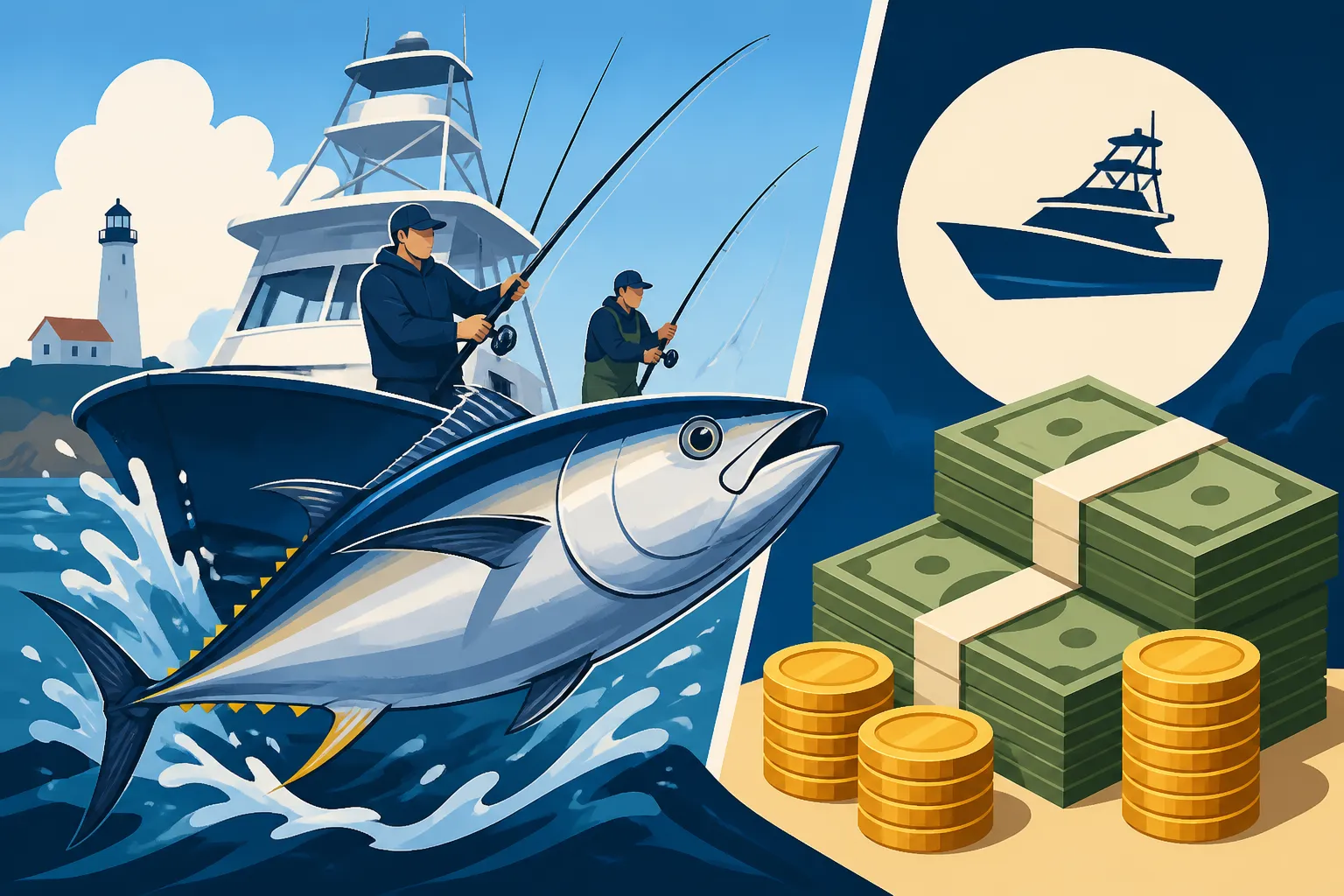
Ultimately, the high cost of a bluefin tuna charter in Massachusetts is a reflection of the significant investment, expertise, and sheer effort required to pursue these incredible creatures. It's a combination of expensive boats, specialized gear, immense fuel consumption, strict regulations, and the invaluable knowledge and dedication of the professional crew. When you book one of these trips, whether through a direct contact or via a service like FishingBooker, you're not just buying a day of fishing; you're buying access to a highly specialized operation designed to give you the best possible chance at a truly legendary catch.
| Cost Category | Breakdown & Contribution to Price |
|---|---|
| Vessel & Overhead | High purchase price, major maintenance, expensive insurance, dockage fees |
| Fuel | Hundreds of gallons per trip, long runs offshore, continuous running |
| Crew | Captain's extensive experience, mate's specialized skills, wages, tips |
| Equipment | Multi-thousand dollar rods, reels, lines, specialized lures, electronics |
| Consumables | Bait (live/dead), ice, terminal tackle (hooks, leaders, swivels) |
| Licenses/Permits | USCG captain's license, federal tuna permits, annual renewals |
| Time Investment | Pre-trip prep, scouting, post-trip cleaning, maintenance, administrative |
| Demand | Limited number of qualified charters, high angler desire for bluefin |
Disclaimer
This article is for general informational purposes only and does not constitute professional advice. Laws, prices and regulations vary by location and change over time. Consult a qualified professional for guidance on your specific situation.