Bluefin Tuna Size Limits off Massachusetts
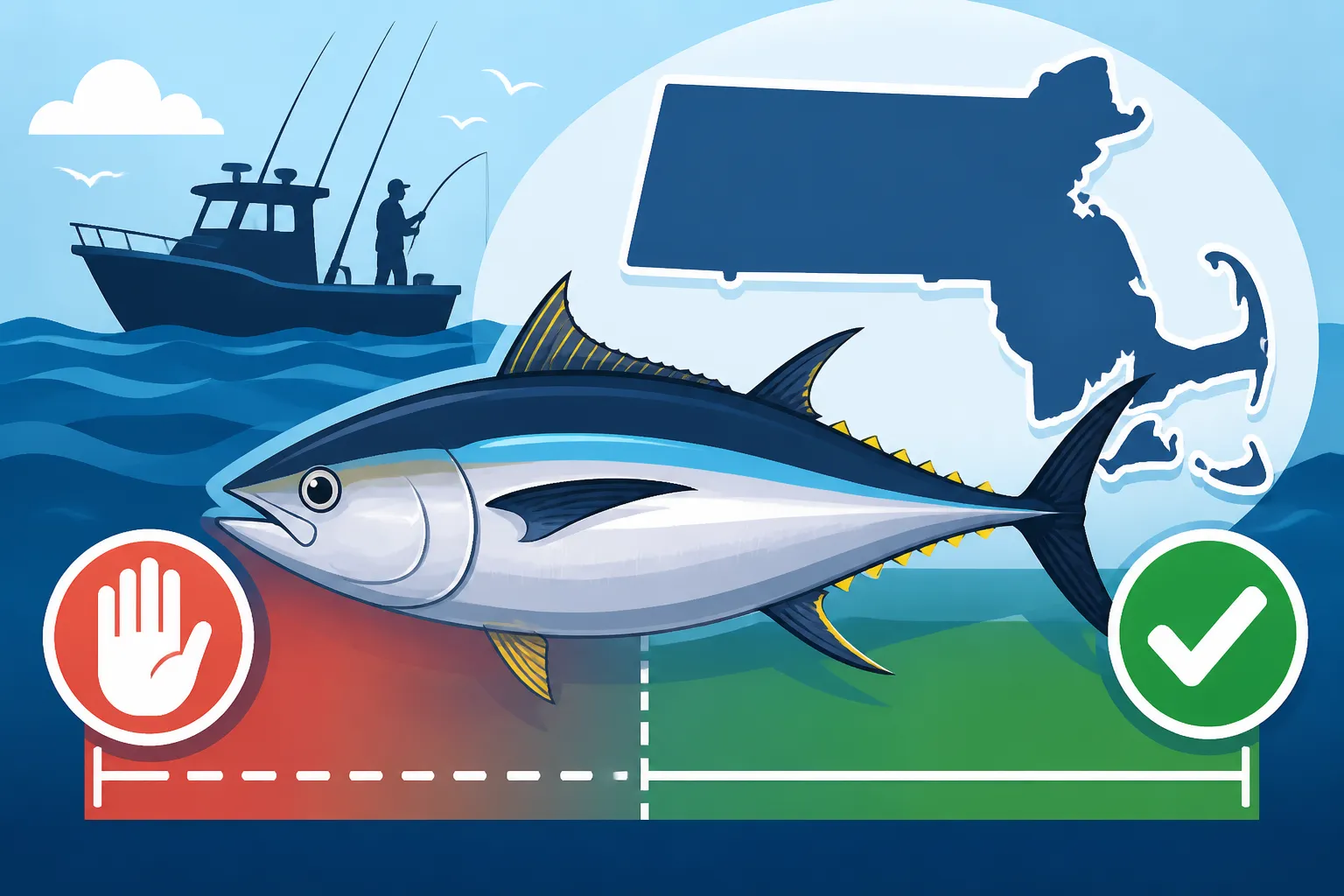
One of the most thrilling pursuits for any angler in the Bay State is the chance to hook into a powerful bluefin tuna. These magnificent creatures offer an unparalleled fight, a true test of skill and endurance. However, the excitement of the catch comes with a significant responsibility: understanding and adhering to the complex bluefin tuna size limits off Massachusetts. It's a world governed by federal and state rules that can feel like a moving target, leaving many anglers scratching their heads. This comprehensive guide aims to demystify these regulations, helping you navigate the waters with confidence, stay compliant, and contribute to the conservation of this incredible fishery.
Deciphering Bluefin Tuna Categories and Why They Matter
When you talk about bluefin tuna, it's not a one-size-fits-all situation, especially when it comes to regulations. The rules, set primarily by federal agencies, are designed to manage a highly migratory species that travels vast distances across the Atlantic Ocean. These regulations are meticulously crafted to ensure the sustainability of the bluefin population for future generations, which means breaking down tuna into various size classes, each with its own set of guidelines. Understanding these categories is the foundational step to fishing legally and responsibly in Massachusetts waters.
Recreational vs. Commercial Regulations: A Tale of Two Fisheries
It’s crucial to understand from the outset that the rules for recreational anglers targeting bluefin tuna are vastly different from those applied to commercial fishermen. While both aim to harvest bluefin, their allocations, permitted gear, reporting requirements, and crucially, size limits and bag limits, operate under entirely separate frameworks.
For the recreational angler, the regulations are typically more restrictive in terms of retention and often involve specific slot limits designed to protect breeding stock and very young fish. The intent here is to allow sport fishing while limiting overall recreational take to a sustainable level. You might encounter rules about minimum and maximum lengths, or even a 'slot limit' which means the fish must fall within a specific size range, neither too small nor too large. Think of it as a way to allow some harvest while safeguarding the future of the species. Meanwhile, commercial regulations are often about quotas, specific fishing areas, and specialized gear like harpoons or purse seines, none of which apply to the average sportfisherman. Trying to apply commercial rules to your recreational trip would lead to a heap of confusion and potential violations, so always be clear about which set of rules you're consulting.
Stock Management and Conservation: The Driving Force Behind the Rules
Why all the fuss about different sizes and categories? It boils down to robust stock management and the long-term conservation of bluefin tuna. These fish are highly prized globally, and without strict controls, their populations could quickly face severe decline. The regulations you see, including the various size limits, are a direct result of scientific assessments and international agreements aimed at preventing overfishing.
For instance, protecting smaller "school" bluefin ensures that more fish have the chance to mature and reproduce, contributing to the next generation. Conversely, sometimes there are regulations on very large "giant" bluefin, either to spread the catch among more anglers or to protect specific genetic lines. The goal is a delicate balance: allowing anglers to enjoy the thrill of the catch while ensuring that the bluefin tuna population remains healthy and viable for decades to come. When you adhere to these limits, you're not just avoiding a fine; you're actively participating in the global effort to conserve one of the ocean's most iconic species. It's a shared responsibility that every angler must embrace, especially when pursuing a magnificent fish like the bluefin.
Recreational Bluefin Tuna Size Limits in Massachusetts
Now, let's get into the nitty-gritty of what recreational anglers in Massachusetts need to know about bluefin tuna size limits. This is often the most confusing part, as these limits aren't static; they can change based on the fishing season, the current status of the stock, and federal management decisions. The key is understanding the categories of tuna and the types of limits applied, rather than trying to memorize specific numbers that might shift.
The Ever-Changing Nature of Regulations: Stay Alert!
This is perhaps the most important point: bluefin tuna regulations are incredibly dynamic. What was legal last month might not be legal today, and certainly, what was legal five years ago is probably completely different. These changes aren't arbitrary; they are made by federal agencies, primarily the National Oceanic and Atmospheric Administration (NOAA) Fisheries, based on scientific data, stock assessments, and input from various stakeholders, including international bodies.
Anglers often get caught off guard because they rely on outdated information or hear something secondhand. Imagine you've planned a dream Massachusetts Bluefin Tuna Charters trip for months, bought all your gear, and then arrive at the dock only to find the size limit has shifted, or the season for a particular size class is closed. It's incredibly frustrating, but it's a reality of this fishery. This means that before every trip, especially for bluefin, you absolutely must check the most current regulations directly from NOAA Fisheries or the Massachusetts Division of Marine Fisheries (MassDMF). These agencies typically issue updates through their websites, press releases, and sometimes even via email alerts if you sign up for them. Don't rely on dock talk or forum posts for critical regulatory information; go straight to the source.
How to Measure Your Catch Accurately: Every Inch Counts
When you finally land that bluefin, the adrenaline is pumping, and the excitement is through the roof. But before you cheer too loudly, you need to measure it accurately to ensure it meets the legal size limit. This isn't just a suggestion; it's a strict requirement, and an improper measurement could lead to a violation.
Bluefin tuna are typically measured from the tip of the jaw (the most forward point of the head) to the fork of the tail (the center of the notch in the tail). This is often referred to as "curved fork length" (CFL) or "straight fork length" (SFL) depending on the species and regulation, but for bluefin, it's generally a straight measurement. You'll need a reliable measuring device that can handle a large, potentially unwieldy fish. A good quality, flexible tape measure that can lay flat over the contours of the fish's body, or even a specialized tuna measuring tape, is essential. Many anglers keep a sturdy, collapsible measuring board on their boat for this purpose. When you're wrestling a large fish on a rocking boat, precision can be tough, but it's absolutely necessary. Make sure the fish is as straight as possible, the jaw is closed, and the tail is compressed before taking your measurement. For accurate and durable measuring tapes, especially the longer ones suitable for large pelagic fish, checking online retailers like Amazon can provide a wide selection of options designed for marine use.
Here’s a simplified breakdown of typical recreational bluefin tuna categories (remember, specific sizes fluctuate):
| Tuna Category | Typical Size Range (Conceptual) | General Regulatory Approach |
|---|---|---|
| School Tuna | Smallest recreational size | Often strict minimum length, sometimes a slot. |
| Large School Tuna | Mid-range recreational size | Often a slot limit (minimum and maximum length). |
| Giant Tuna | Largest recreational size | Often a very large minimum length. Bag limits are typically very restrictive (e.g., one per vessel per season or quota period). |
This table represents common types of categories and limits; always verify current numerical regulations before fishing.
Daily Bag Limits and Retention Rules for Bluefin Tuna
Beyond just the size of the fish, recreational anglers must also contend with daily bag limits and specific retention rules. It's not enough for your bluefin to be the right length; you also need to know how many you're allowed to keep per person or per vessel, and what steps you need to take after a successful catch. These regulations are just as critical as the size limits in managing the bluefin tuna stock.
Understanding the HMS Permitting System: Your Gateway to Tuna Fishing
Before you even think about targeting bluefin tuna, whether from your own boat or a Massachusetts Bluefin Tuna Charters trip, you need to be aware of the federal Highly Migratory Species (HMS) Angling Permit. This isn't your standard state fishing license; it's a federal permit specifically required for recreational vessels fishing for Atlantic HMS, which includes bluefin tuna, as well as sharks, swordfish, and other tuna species.
Operating without this permit, even if you have a valid state fishing license like the Massachusetts Fishing License Guide or a Massachusetts Saltwater Recreational Fishing Permit Explained, puts you at risk of significant penalties. The HMS permit is tied to your vessel, not to individual anglers, meaning the boat owner or operator is responsible for securing it. You'll typically apply for this permit through NOAA Fisheries. It's an annual permit, so you need to renew it each year. This permit helps federal agencies track fishing effort and allows them to communicate regulatory changes directly to permit holders. Without it, your bluefin tuna adventure won't even get off the ground legally.
Tagging and Reporting Requirements: Your Post-Catch Duties
So, you've battled a magnificent bluefin, brought it to the boat, measured it, and it's well within the legal size and bag limits. Congratulations! But your responsibilities aren't over. For bluefin tuna, there are often strict tagging and reporting requirements that must be followed precisely. These aren't just bureaucratic hurdles; they provide critical data that federal and state fisheries managers use to monitor the health of the bluefin stock and adjust regulations as needed.
Typically, if you retain a bluefin tuna, you'll be required to "tag" it immediately upon landing or bringing it onboard. This usually involves attaching a specific tag provided by NOAA Fisheries (or acquired as part of your HMS permit) to the fish. The tag often includes unique identifying information. Beyond tagging, you're usually required to report your catch within a very specific timeframe, often within 24 hours. This reporting can be done through an online system, a dedicated phone line, or at an authorized weigh station. When reporting, you'll need to provide details like the date of catch, the location, the length of the fish, and the tag number. Failing to tag or report your catch accurately and promptly can lead to fines and permit suspensions, effectively ending your bluefin fishing season. This data is vital for understanding fishing pressure and ensuring the sustainability of the resource, so take these steps seriously.
Essential Tools and Best Practices for Compliance
Navigating the complexities of bluefin tuna size limits and regulations requires more than just knowing the rules; it demands the right equipment and a commitment to best practices. Without the proper tools and a responsible approach, even the most well-intentioned angler can find themselves in hot water. This section explores what you need onboard and how to handle your catch responsibly.
Essential Gear for Measuring and Handling Bluefin Tuna
Imagine finally getting that once-in-a-lifetime bluefin tuna boat-side. It’s an exhilarating moment, but if you don't have the right gear, that excitement can quickly turn into frustration or, worse, a violation. The primary piece of equipment, as we've discussed, is an accurate measuring device.
For bluefin, this often means a long, flexible tape measure or a specialized tuna ruler, capable of accurately measuring several feet. Cheaper, flimsy measuring tapes simply won't cut it when you're trying to get a precise length on a slippery, powerful fish on a moving deck. Look for marine-grade, heavy-duty options. Many anglers find durable, retractable measuring tapes or even purpose-built fish rulers on Amazon, often with features like non-slip surfaces or bright markings that make them easier to read in challenging conditions. Beyond measuring, you'll need proper handling gear. This includes a sturdy gaff (if you intend to retain the fish and it's legal), a tail rope for securing larger fish, and ideally, a de-hooking tool if you plan on catch and release. Landing a big tuna can be dangerous, and having the right tools not only ensures compliance but also angler safety and the fish's well-being if it's going back in the water. Furthermore, a good quality camera is helpful to document your catch, especially if you're practicing catch and release, though it's not a substitute for official measurement or reporting.
Ethical Angling and Release Practices: Beyond the Regulation
Sometimes, the bluefin you catch might be just outside the legal slot limit, or perhaps you've already met your daily bag limit. In these situations, knowing how to properly release a bluefin tuna is just as important as knowing how to land one. Ethical angling practices are about minimizing harm to the fish, increasing its chances of survival, and upholding the spirit of conservation that underpins these regulations.
If a bluefin is undersized, oversized, or you've reached your limit, it must be released. The goal is a quick and clean release. Try to keep the fish in the water as much as possible. If it must come onto the boat for de-hooking, do so quickly and carefully, supporting its body weight to avoid internal organ damage. Use a de-hooking tool to remove the hook efficiently, rather than tearing at the fish's mouth with pliers. Cut the line as close to the hook as possible if it's too deeply swallowed. Avoid excessive handling, especially by the gills or eyes. When releasing, hold the fish by the tail and jaw, pointing its head into the current until it vigorously swims away. Consider using circle hooks, which are often recommended for bluefin tuna because they tend to hook in the corner of the mouth, making release easier and reducing gut-hooking. Investing in high-quality release tools, readily available on Amazon or at your local tackle shop, can make a huge difference in the survival rate of released fish. These practices aren't always explicitly mandated by law, but they are crucial for a healthy fishery and demonstrate true sportsmanship.
Common Challenges and Misconceptions for Tuna Anglers
Fishing for bluefin tuna, especially in a place like Massachusetts known for its vibrant tuna fishery, comes with its own set of unique challenges and common misunderstandings. Many anglers, even experienced ones, can find themselves perplexed by aspects of bluefin tuna identification or the sheer volume of regulatory updates. Addressing these head-on can save you headaches and ensure a more enjoyable and compliant fishing experience.
Identifying Tuna Species: A Crucial Distinction
It might sound obvious, but correctly identifying the tuna species you've hooked can be more challenging than you think, particularly for smaller individuals or when adrenaline is high. While this guide focuses on bluefin, other tuna species like yellowfin, bigeye, skipjack, and albacore (longfin tuna) also inhabit Massachusetts waters at various times. Their regulations, including size limits and bag limits, can be completely different from bluefin.
For instance, a smaller bluefin might be mistaken for a large bonito or even a different, less regulated tuna species. The most distinctive features of a bluefin tuna include its relatively short pectoral fins, which rarely extend past the beginning of the second dorsal fin, and the unique pattern of dots and stripes on its underside. The coloration can also be a clue, with bluefin typically having a dark blue back fading to silver on the belly. Yellowfin, for example, have much longer, sickle-shaped pectoral fins and often a golden stripe along their side. Making a mistake in identification could mean inadvertently keeping a fish that's illegal, or releasing a legal one. If in doubt, it’s always better to assume it’s a bluefin and adhere to the strictest regulations, or better yet, brush up on your fish identification skills before your trip. There are many excellent fish ID guides available, even compact waterproof ones you can keep on the boat, some of which you can find through Amazon.
Staying Informed on Regulatory Updates: Your Continuous Homework
As mentioned earlier, bluefin tuna regulations are far from static. They are fluid, reacting to scientific data, stock assessments, and management decisions by federal agencies. This constant evolution is arguably the biggest challenge for recreational anglers. What might have been the rule for Massachusetts Fishing Seasons Explained last year or even a few weeks ago for Bluefin Tuna Fishing off Massachusetts could be different tomorrow.
The misconception here is often that "no news is good news," meaning if you haven't heard of a change, there isn't one. This is a dangerous assumption. Federal agencies like NOAA Fisheries, which manages the HMS fishery, frequently issue notices of inseason adjustments, opening and closing dates for various sub-quotas, and changes to size or bag limits. These changes are designed to keep the fishery within its annual quota allocations and ensure sustainability. Therefore, staying informed requires continuous homework. Regularly check the NOAA Fisheries HMS website, sign up for their email alerts, and consult the Massachusetts Division of Marine Fisheries website. These are the official sources of truth. Many reputable charter captains and fishing tackle shops in Massachusetts are also excellent resources, as they usually stay on top of the latest rules. Treat checking the regulations as a mandatory pre-trip ritual, just like checking the weather or your boat's fuel levels. It's the only way to ensure you're compliant and avoid potential Penalties for Fishing Without a License in Massachusetts or for violating tuna regulations.
Navigating Specific Bluefin Tuna Scenarios
Fishing for bluefin tuna can present unique situations that require a clear understanding of the rules. From unexpected catches to specific local considerations, knowing how to react correctly is vital. Let's delve into a few common scenarios that recreational anglers might encounter in Massachusetts waters.
The Incidental Catch: What to Do When Tuna Aren't Your Target
Sometimes, a bluefin tuna might surprise you when you're targeting other species. Perhaps you're trolling for striped bass or bluefish, or bottom fishing for cod, and suddenly, a powerful bluefin takes your lure. This is known as an incidental catch. Even if bluefin weren't your primary target for the day, the same regulations regarding HMS permits, size limits, and bag limits still apply.
The key here is knowledge. If you're fishing in waters where bluefin tuna are present, it's prudent to have your HMS permit in order, even if you're not specifically targeting them. If you hook an undersized or oversized bluefin, or you don't have the necessary permit, you are legally required to release it immediately and with as little harm as possible. Do not bring it aboard the vessel if it's not legal to keep, as that could constitute a violation. If it's a legal-sized fish and you have the permit, then you can decide to retain it, in which case it counts towards your vessel's daily and seasonal limits, and you must follow all tagging and reporting requirements. This scenario highlights why every angler in Massachusetts waters, especially saltwater, should have at least a basic understanding of bluefin regulations, even if their focus is elsewhere.
Local Considerations: Specific Rules for Massachusetts Waters
While federal regulations govern bluefin tuna as a highly migratory species, specific local rules or advisories in Massachusetts can sometimes influence how or where you fish. These might not be additional size limits but rather recommendations or temporary closures in certain areas.
For example, while federal rules dictate the overall bluefin fishery, the Massachusetts Division of Marine Fisheries (MassDMF) might issue local advisories or manage state-specific aspects that complement the federal framework. These could include specific access rules for state-managed ports, or information on unusual fish behavior. Historically, regions like the Cape Cod Canal Fishing Guide for Massachusetts Anglers or areas off Cape Cod and the Islands, known for being prime bluefin territory, might have specific logistical considerations or local guidelines for safe operation among the dense fishing fleet. While bluefin are migratory and don't typically stay in one state's "territorial waters" for long, knowing the local context, even for things like boat traffic in prime Best Saltwater Fishing Spots on Cape Cod, Massachusetts, can significantly enhance your safety and fishing experience. Always consult both federal NOAA Fisheries and state MassDMF resources for the most comprehensive regulatory picture.
The Broader Picture: Conservation and Future of Bluefin Tuna Fishing
Understanding bluefin tuna size limits and regulations isn't just about compliance; it's about being a responsible steward of the ocean's resources. The future of this incredible fishery, and the thrill of pursuing these apex predators, rests on the collective actions of every angler. By adhering to the rules and advocating for sustainable practices, we ensure that bluefin tuna will continue to grace Massachusetts waters for generations to come.
The Role of Citizen Anglers in Data Collection
Beyond simply reporting your catch, recreational anglers play a vital, often unsung, role in bluefin tuna conservation through their participation in citizen science initiatives. Many programs, both federal and state, encourage anglers to voluntarily provide additional data beyond what's legally required. This might involve submitting detailed catch-and-release information, photos of tagged fish, or even biological samples from retained fish.
This additional data helps scientists understand migration patterns, growth rates, stock health, and the effectiveness of current management strategies. For example, if you participate in a Massachusetts Recreational Fishing Rules and Bag Limits program, you might be contributing to a larger dataset that informs future decisions about size limits or season lengths. Think of it as directly contributing to the science that ensures future fishing opportunities. Engaging with these programs is a fantastic way to deepen your understanding of the fishery and contribute meaningfully to its sustainability. It's a way to turn your passion into a direct positive impact, moving beyond just compliance to active participation in conservation.
Advocating for Sustainable Bluefin Tuna Management
Finally, being an informed angler means having a voice in the ongoing discussions about bluefin tuna management. The regulations aren't set in stone forever; they are regularly reviewed and updated. Agencies like NOAA Fisheries often hold public comment periods where anglers and other stakeholders can provide feedback on proposed rule changes, season structures, or new conservation measures.
By staying informed about these processes, perhaps through newsletters or by following official channels mentioned earlier, you can actively participate. You might join an angling group that lobbies for specific, science-based management approaches, or you could submit your own comments based on your experiences on the water. This advocacy is crucial because it ensures that the perspectives of recreational anglers are heard alongside those of commercial interests, scientists, and environmental groups. It's about shaping a future where the challenges of catching How to Catch Striped Bass in Massachusetts or How to Catch Bluefish in Massachusetts are exciting, but the challenge of finding bluefin tuna continues to be a rewarding one, managed sustainably for everyone who cherishes these magnificent fish. Understanding the Massachusetts Fishing Regulations Pamphlet, Explained can be a starting point for understanding how these regulations are communicated and how you might engage in the process.
Disclaimer
This article is for general informational purposes only and does not constitute professional advice. Laws, prices and regulations vary by location and change over time. Consult a qualified professional for guidance on your specific situation.