Cape Cod Canal Fishing Guide for Massachusetts Anglers
The Cape Cod Canal, a true marvel of engineering and a legendary fishing destination, often leaves anglers feeling a mix of excitement and intimidation. Its reputation for monstrous striped bass and powerful currents can make even seasoned fishermen hesitate, wondering if they truly have the right gear, the right technique, or even the right mindset to tackle its unique challenges. But don't let its mystique deter you! This comprehensive guide is designed to peel back the layers of this iconic waterway, providing you with the knowledge and confidence to approach the Canal, understand its rhythms, and hopefully, land that fish of a lifetime.
The Allure and Intimacies of the Cape Cod Canal
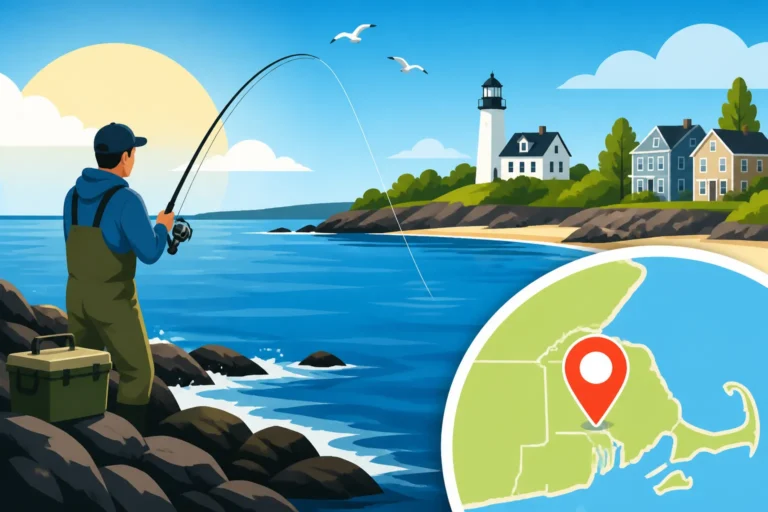
There’s just something about the Cape Cod Canal that draws anglers in, year after year, almost like a siren song. It’s more than just a waterway connecting Buzzards Bay to Cape Cod Bay; it's a dynamic, living ecosystem, a highway for baitfish, and a feasting ground for some of the most sought-after game fish in the Northeast. But with its charm comes a unique set of demands that every angler needs to understand.
Why the Canal is a Striper Mecca and More
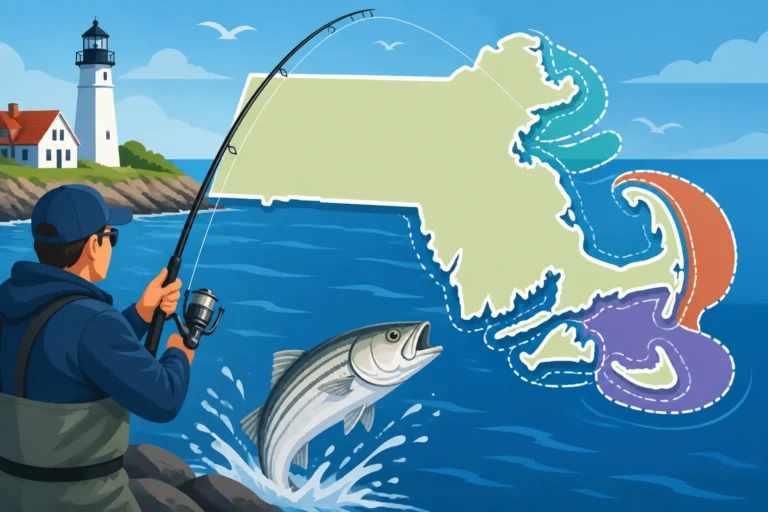
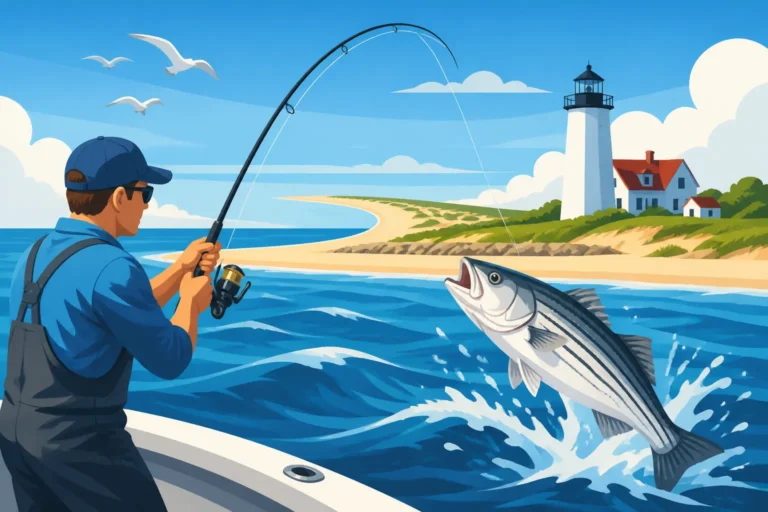
First and foremost, the Cape Cod Canal is synonymous with striped bass. This narrow, man-made channel funnels billions of gallons of water, along with immense schools of baitfish, between two major bodies of water. This creates a natural "conveyor belt" effect that predators simply can't resist. Imagine being a hungry striper, and suddenly, a massive influx of mackerel, herring, or pogies is swept right past your nose by a raging current – it’s an all-you-can-eat buffet delivered right to your doorstep!
This constant movement of water also concentrates bait, making it easier for large schools of striped bass to ambush their prey. The Canal's banks are lined with rock structures, eddies, and deeper pockets, providing perfect ambush points for these powerful fish to lie in wait, expending minimal energy while still getting plenty to eat. While stripers are the undeniable stars, the Canal's rich ecosystem also attracts bluefish, tautog, scup, and even bonito and false albacore during certain times of the year, especially on the Cape Cod Bay side. It’s a truly diverse fishery, offering something for every angler willing to learn its secrets.
Beyond the sheer volume of fish, the Canal offers incredible accessibility, particularly for shore anglers. Unlike many premier saltwater fishing spots that require a boat, large stretches of the Canal are accessible by foot, with paved service roads running along both sides. This democratic access is both a blessing and a curse; it allows everyone to experience world-class fishing, but it also means crowded conditions, especially during the peak of the striper run. Still, there’s nothing quite like feeling the raw power of a Canal striper on your line while standing firmly on solid ground.
Navigating the Canal's Unique Challenges
While the allure is undeniable, the Cape Cod Canal is not for the faint of heart, nor for the unprepared. Its defining characteristic is its incredibly strong current, which can reach speeds of 4-6 knots, sometimes even faster during a strong moon tide. This isn't just a gentle flow; it's a powerful river that can rip tackle, tangle lines, and even be dangerous if you're not careful. For shore anglers, this means needing exceptionally heavy lures to reach the bottom and strong gear to fight fish being pulled by the current. Boaters face even greater challenges, including navigating powerful eddies and strong cross-currents that demand expert boat handling and powerful engines.
The Canal is also a bustling commercial and recreational waterway. Beyond the fishing boats, you'll encounter cargo ships, tugboats, ferries, and recreational vessels of all sizes. This constant boat traffic means shore anglers need to be mindful of their surroundings, and boaters must adhere to strict navigation rules. The noise, wakes, and sheer presence of these vessels add another layer of complexity to an already challenging environment.
Finally, the popularity of the Canal often leads to crowded conditions, particularly at well-known hotspots during prime feeding times. It's not uncommon to find anglers standing shoulder to shoulder, especially during the famous mackerel or herring runs. This demands patience, respect, and a good understanding of fishing etiquette. Casting over someone's line or hogging a prime spot won't win you any friends here. Learning to navigate these social dynamics is as crucial as mastering your casting technique. Keep in mind that understanding the general Massachusetts Recreational Fishing Rules and Bag Limits will always stand you in good stead, no matter how crowded the spot.
Essential Gear for Conquering the Current
You can’t just show up at the Cape Cod Canal with any old rod and reel and expect to do battle with its legendary fish. The powerful currents and the sheer size of the striped bass here demand specialized gear. Skimping on tackle is a surefire way to end up frustrated, broken-off, and empty-handed. Let’s talk about what you’ll need to stand a chance.
Rod and Reel Setups That Can Handle the Force
For shore anglers, a heavy-duty surf rod is non-negotiable. We're talking about rods typically ranging from 10 to 12 feet, sometimes even 13 feet, with a fast action and a strong backbone. Look for rods rated to cast lures in the 3-8 ounce range, or even heavier if you plan on throwing the largest jigs. This length gives you the casting distance needed to reach distant rips and structure, and the power to control a large fish in a strong current. Brands like Lamiglas, St. Croix, Tsunami, and Penn offer excellent options designed for this kind of demanding environment.
Pairing that rod with the right spinning reel is equally critical. You'll need a large, robust reel, usually in the 8000 to 14000 series (like a Penn Spinfisher, Shimano Saragosa, or Daiwa Saltiga). The key features here are a powerful, sealed drag system that can withstand the strain of battling big fish and saltwater, and a high line capacity. You want to spool these reels with strong braided line, typically 50 to 80-pound test. Braid offers superior casting distance, minimal stretch for better sensitivity, and incredible strength for its diameter. Always tie on a fluorocarbon leader, usually 50 to 80-pound test and 3-6 feet long, connected with a strong knot like an FG knot or a good barrel swivel. Fluorocarbon is more abrasion-resistant against the Canal’s rocky bottom and less visible to wary fish.
For those who prefer a more direct, powerful approach, especially when jigging, a conventional reel setup can be a game-changer. These typically involve shorter, heavier rods (7-9 feet) paired with star-drag or lever-drag conventional reels (like a Penn Fathom or Avet SX). Conventional reels offer even more cranking power and can be easier to manage heavy jigs with. This setup is particularly effective when you're targeting fish holding deep in the current and need to maintain constant contact with the bottom.
Lures and Baits That Get the Job Done
The Canal's strong currents mean that many standard lures simply won't get down to where the fish are holding. This is a place for heavy metal and specialized plugs. The undisputed kings of Canal lures are heavy jigs, often called "Canal Specials" or "Guppy jigs." These typically weigh between 3 and 6 ounces, sometimes even more, and are designed with a specific head shape to cut through the current and sink quickly. Popular brands include A.O.K. Lures, Pt. Jude, and Gibbs. Colors like white, chartreuse, green, and blue/silver are perennial favorites.
Metal lip swimmers are another essential lure, particularly when fish are feeding closer to the surface or in the slower currents near the banks. These larger, often wooden plugs, like those made by Danny Pichney, Gibbs, or Choopy, have a wide swimming action that stripers find irresistible. They come in various sizes and colors, imitating large baitfish like mackerel and herring. Surface plugs, such as large poppers or "spook" style walking baits, can be incredibly exciting to use during low-light conditions or when stripers are actively busting bait on the surface. Nothing beats seeing a giant striper explode on a topwater plug!
Don't forget the power of eels, especially for night fishing. Live eels are perhaps the most effective bait for trophy stripers in the Canal. They are rigged simply, often with a large single hook through the jaw, and allowed to drift or "dead stick" in the current. If live eels aren't an option, large soft plastic eel imitations, like those from RonZ or Hogy, can be incredibly effective when rigged on heavy jig heads or weighted swimbait hooks. For insights into effective night fishing, consider checking out our guide on Can You Fish the Cape Cod Canal at Night?.
Here’s a quick rundown of popular Canal lure types and their ideal conditions:
| Lure Type | Description & Weight | Ideal Conditions | Target Species |
|---|---|---|---|
| Heavy Jigs | Metal, 3-8+ oz, narrow profile | Strong currents, deep water, day & night | Striped Bass, Bluefish |
| Metal Lip Swimmers | Large, often wooden, 2-5 oz | Moderate currents, surface to mid-depth | Striped Bass, Bluefish |
| Surface Plugs | Poppers, Spooks, 2-4 oz | Low light, calm water, active surface feeds | Striped Bass, Bluefish |
| Live/Rigged Eels | Natural bait or soft plastic, 6-12" | Night fishing, slow current, large Stripers | Striped Bass (especially trophy fish) |
| Soft Plastics | Paddletails, Slug-Gos, 1-3 oz | Varying conditions, slower drifts | Striped Bass, Bluefish, False Albacore (smaller) |
Understanding the Tides and Currents: The Canal's Heartbeat
If you want to catch fish in the Cape Cod Canal, you absolutely must understand its tides and currents. This isn't just a suggestion; it's the fundamental key to success. The Canal isn't like a typical beach or a quiet pond where you can just show up and cast. Here, the water movement dictates everything: where the fish are, when they feed, and even how you should present your lure.
Decoding the Canal's Tidal Flow
The Cape Cod Canal is unique because it connects two different tidal systems: the relatively small tidal range of Buzzards Bay (on the western end) and the much larger tidal range of Cape Cod Bay (on the eastern end). This difference in water level creates a massive pressure gradient, causing water to surge through the Canal with incredible force. The current runs in two primary directions: the "East Current" (also known as the "East Tide" or "east run"), which flows from Buzzards Bay towards Cape Cod Bay, and the "West Current" (or "West Tide," "west run"), which flows from Cape Cod Bay towards Buzzards Bay.
These currents don't just flow, they roar. The speed and direction of the current are constantly changing throughout the tidal cycle. Crucially, there are brief periods of "slack tide" where the current almost stops, before reversing direction and building back up to full strength. These slack periods, and the very beginning and end of the current runs, are often prime feeding windows. Fish don't want to fight the full force of the current all day; they prefer to conserve energy and ambush bait as it's swept past. Therefore, understanding when the current is slowing down, reversing, or just starting to pick up is vital. You can find detailed tidal charts and apps specifically for the Cape Cod Canal, and knowing how to read them will unlock your fishing potential here.
The timing of these currents is far more important than the actual height of the tide. Many anglers get fixated on high tide or low tide, but in the Canal, it's all about the current flow. A strong current brings bait, oxygen, and active fish. A weak current might mean slower fishing, as the fish disperse or become less aggressive. Planning your trip around the predicted current changes, particularly focusing on the "turn of the tide" or the "dead stop," will dramatically increase your chances of finding actively feeding fish. This intimate relationship between current and fish behavior is what makes Canal fishing so exhilarating and, at times, so challenging.
Fishing the East Current vs. West Current
Knowing which way the current is flowing isn't just academic; it directly influences where you should fish and how you should present your lure. Different stretches of the Canal "fish" better on different currents due to underlying structure, depths, and how bait is swept through. For instance, some legendary spots like the "Pumping Station" on the mainland side might be more productive on an east current, as the water pulls bait past a specific piece of structure. Conversely, areas on the Cape side might shine during a west current.
When the East Current is running, water is pushing from Buzzards Bay into Cape Cod Bay. Anglers often position themselves to cast either up-current (to let their lure drift naturally down) or across the current (to allow the lure to swing through a target zone). The trick is to cast your lure so that it hits the water and sinks to the desired depth, then retrieve it in a way that mimics a struggling baitfish being swept by the current. This often means a retrieve that is just fast enough to keep your lure moving but slow enough to let the current do some of the work, imparting a natural action.
Similarly, when the West Current is in full swing, water is flowing from Cape Cod Bay towards Buzzards Bay. You'll often see the same strategic positioning and lure presentations, just in reverse. Anglers will shift to different sections of the Canal or simply turn around and cast in the opposite direction. It’s not just about throwing a lure out there; it's about understanding the underwater dynamics and presenting your offering in the most natural way possible. For a more detailed look at optimal timing, our guide on the Best Time of Day to Fish the Cape Cod Canal offers some excellent insights into current dynamics and biting windows. Pay close attention to current charts; they are your best friend here, indicating not only direction but also predicted speed.
Prime Fishing Locations Along the Canal
The Cape Cod Canal is a long stretch of water, and not every spot fishes the same. Knowing where to go, especially for shore-bound anglers, can make a huge difference in your success. While boats offer flexibility, some of the most famous and productive spots are directly accessible from land.
Iconic Shore Fishing Hotspots
The "Jigging Bar" near the Bourne Bridge is probably the most famous, and often most crowded, spot on the Canal. It's a shallow bar that extends out into the channel, creating a natural rip where stripers love to ambush bait. On a strong current, it can be absolutely phenomenal for jigging, earning its name. However, be prepared for company; during peak season, anglers stand elbow-to-elbow, casting in synchronized rhythm. It’s an experience in itself, but definitely not for those seeking solitude. Parking can be an issue here, and respect for other anglers' space is paramount.
Another incredibly popular and productive area is the "Pumping Station" on the mainland side. This spot offers a deep drop-off and strong currents, creating ideal conditions for stripers, especially when they're feeding on schools of mackerel. The concrete structure itself provides excellent current breaks and ambush points. It’s easily accessible from the service road, but like the Jigging Bar, it draws a crowd. Both of these locations are often featured in discussions of the Cape Cod Canal Striped Bass Fishing Spots due to their consistent production.
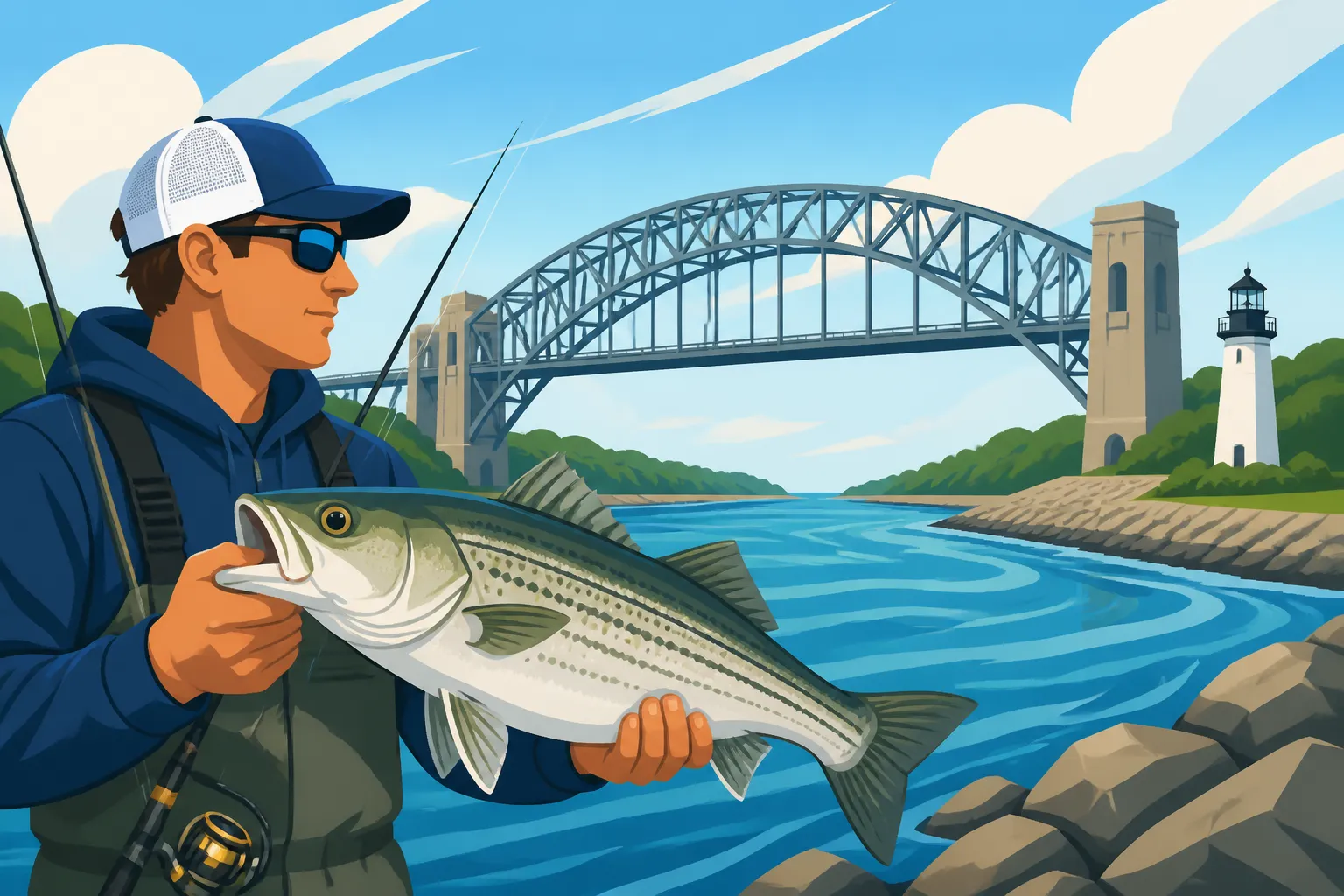
Moving further east, the areas around both the Sagamore and Bourne Bridges are also highly productive. The bridge pilings themselves create immense turbulence and eddies, attracting bait and holding hungry fish. Fishing here can be challenging due to the strong, unpredictable currents and the risk of snagging your line on underwater structure. However, the rewards can be substantial, with many trophy stripers caught right under these massive structures. Parking is available near both bridges, but it can fill up quickly. For those on the east end, Scusset Beach State Reservation offers excellent access to the mouth of the Canal on Cape Cod Bay, providing a different perspective as fish enter or exit the channel. On the west end, the Herring Run recreation area offers prime viewing of herring migrations and good fishing when stripers are chasing them.
Fishing by Boat: A Different Perspective
While the Canal is famous for its shore fishing, hitting the water in a boat offers a distinct advantage: mobility. Boaters can access deeper sections, target specific rips that are out of casting range from shore, and follow fish schools as they move. However, boat fishing the Canal is not for the inexperienced. The powerful currents demand a boat with sufficient horsepower to hold its position or make headway, and anchoring securely requires heavy tackle and expertise. Large, sudden wakes from commercial vessels can also be a hazard, requiring constant vigilance.
Many boaters launch from public ramps in Buzzards Bay (like the state ramp in Bourne) or Cape Cod Bay (such as Scusset Beach). From these points, you can navigate into the Canal, but always be aware of the strong currents at the entrances. Trolling with large plugs or live bait can be very effective from a boat, allowing you to cover more water and present your offering to fish holding at various depths. Drifting with the current, while carefully controlling your speed and lure depth, is another popular and effective boat technique.
It’s crucial for boaters to adhere to all navigation rules and give ample space to commercial traffic. The Canal is a designated federal waterway, and safety is paramount. Always have an updated marine chart, life jackets for everyone on board, and a reliable engine. Remember, even if you’re fishing from a private vessel, understanding your Massachusetts Recreational Saltwater Fishing Permit requirements, as well as general Fishing License Rules for Massachusetts Boaters, is essential for a worry-free day on the water. For anyone considering booking a boat trip, FishingBooker lists several local guides who specialize in navigating the Canal's unique currents and putting clients on fish.
Mastering Techniques for Canal Success
Fishing the Cape Cod Canal isn't just about casting and reeling; it's about understanding precise techniques that capitalize on the current, baitfish behavior, and the fish themselves. Different conditions call for different approaches, and mastering a few key methods will significantly increase your odds of success.
Effective Jigging Strategies
Jigging is arguably the most iconic and often most productive technique in the Cape Cod Canal, especially for striped bass. The goal is to get a heavy metal jig (like a Guppy or Canal Special) down to the bottom and "bounce" it along the rocky structure where stripers are lying in wait. This isn't a gentle process; you're often fighting strong currents that want to sweep your lure away.
The key to successful jigging is to cast your heavy jig up-current or slightly across the current, letting it sink rapidly. As it sinks, you need to feel for the bottom. Once you hit bottom, a sharp upward sweep of the rod tip will lift the jig, and then you quickly drop the rod tip, allowing the jig to fall back down while reeling in slack. The idea is to make the jig "dance" along the bottom, mimicking a struggling baitfish or a squid. You'll feel a distinctive "thump" or "tick" when the jig hits the bottom; that's your cue to lift again. The strike often comes on the fall, so always be ready. Vary your retrieve speed and the height of your rod sweeps until you find what the fish prefer on that particular day. For a deep dive into this, our guide on Jigging Techniques for Cape Cod Canal Stripers provides extensive details that can sharpen your skills. Remember, keeping your hooks needle-sharp is non-negotiable for setting the hook on those powerful, quick Canal strikes.
Swimmer and Topwater Presentations
While jigging dominates many discussions, metal lip swimmers and topwater plugs are incredibly effective, especially when stripers are feeding on bait near the surface or in calmer eddies. Metal lip swimmers, like the classic Gibbs Dannys or custom wooden plugs, are designed to have a wide, rolling wobble that imitates larger baitfish. Cast these plugs up-current or across, and retrieve them at a moderate pace, just fast enough to get the plug working. The key is to make the plug look like a confused or injured baitfish, struggling against the current. Vary your retrieve, adding pauses or slight twitches, until you find what triggers a strike.
Topwater plugs – think big poppers or walking baits – offer some of the most exciting fishing in the Canal. There’s nothing quite like witnessing a massive striped bass explode on a plug on the surface. These are best used during low-light conditions (dawn, dusk, or overcast days) or when you see stripers actively busting bait on the surface. Cast them to the edges of rips or over breaking fish, and work them with a "walk-the-dog" retrieve (for Spooks) or a series of pops and pauses (for poppers). The visual aspect of topwater strikes is addictive and can turn an ordinary morning into an unforgettable experience.
When baitfish like mackerel or herring are present in large numbers, "matching the hatch" with your swimmer or topwater plug becomes crucial. Choose lures that closely mimic the size, shape, and color of the dominant bait. For example, if large mackerel are being pushed through, a big mackerel-colored metal lip swimmer might be the ticket. If you're seeing smaller silversides, a more subtle, smaller soft plastic on a lighter jig might do the trick.
Night Fishing the Canal: Eels and Stealth
The Cape Cod Canal undergoes a magical transformation after dark. The crowds thin out, the boat traffic lessens, and the biggest striped bass often come out to play, especially trophy fish. Night fishing in the Canal is primarily about using live or rigged artificial eels. Stripers are highly nocturnal predators, and eels are their preferred midnight snack.
When night fishing with eels, the technique is often simpler than jigging, but requires patience and stealth. Rig a live eel on a large circle hook (8/0-10/0 is common) through its jaw, or use a large soft plastic eel imitation rigged on a weighted swimbait hook. Cast it out into a productive rip or eddy and let it drift naturally with the current. This is often called "dead sticking" an eel. The idea is to let the eel do its thing, swimming naturally in the current. You'll often feel a subtle "tap" or "pull" as a striper mouths the eel, then a steady, heavy pull as it swims away. Resist the urge to set the hook immediately; let the fish take the eel for a few seconds before leaning into it.
Safety is paramount when night fishing. The rocks can be treacherous in the dark, and visibility is minimal. Always wear a headlamp (preferably with a red light option to preserve night vision and avoid blinding other anglers) and sturdy, non-slip footwear. Be mindful of other anglers, keep your light use to a minimum, and speak softly. The quiet intensity of night fishing the Canal, with the stars overhead and the hum of the bridges in the distance, is an experience every serious angler should try. And for more specific pointers on this unique approach, our dedicated piece on Can You Fish the Cape Cod Canal at Night? is a must-read.
Essential Tips for a Safe and Enjoyable Trip
The Cape Cod Canal is an incredible fishing destination, but its unique characteristics demand a heightened sense of awareness and preparation. Safety, courtesy, and responsible angling practices aren't just good ideas here; they're absolutely essential for a successful and enjoyable trip for everyone involved.
Safety First: Currents, Crowds, and Conditions
The powerful currents of the Cape Cod Canal are its defining feature and also its greatest safety hazard. Underestimating the force of the water can lead to dangerous situations, especially if you venture too close to the edge or try to wade. Strong currents can sweep you off your feet, and the rocky bottom can be incredibly unstable. Always maintain a safe distance from the water's edge, particularly on slippery, seaweed-covered rocks. Wading in the Canal is generally not recommended unless you are extremely experienced, know the bottom intimately, and have appropriate safety gear like a wading staff and a personal flotation device.
Footwear is another critical safety consideration. The banks are often uneven, rocky, and can be slick with algae. Investing in sturdy, waterproof boots with aggressive traction, or even spiked wading boots, is a smart move. Regular sneakers simply won't cut it and can lead to dangerous slips and falls. Always scan your path, especially in low light, to avoid tripping hazards.
Beyond the natural elements, the Canal’s popularity means crowds. This translates to potential hazards from flying lures, tangled lines, and unexpected movements from other anglers. Maintain situational awareness at all times. Before you cast, always look around to ensure your backcast is clear and that no one is in your immediate vicinity. If you see someone else casting, give them plenty of space. When fishing from a boat, be acutely aware of commercial vessel traffic; those large ships cannot stop or turn quickly. Always check the local weather forecast and tidal charts before heading out. High winds combined with strong currents can make conditions extremely challenging and even dangerous, both from shore and especially from a boat. If you’re ever unsure, it’s always best to err on the side of caution and wait for better conditions. It's also vital to ensure you have your Massachusetts Recreational Fishing Rules and Bag Limits pamphlet handy to avoid any misunderstandings about legal catches.
Etiquette and Conservation on the Canal
Given the crowded nature of many Canal fishing spots, good etiquette is paramount. One of the biggest faux pas is casting over another angler’s line. This quickly leads to tangles, frustration, and can ruin someone's fishing experience. Always be mindful of who is around you and cast in a direction that respects their space and casting trajectory. If you arrive at a popular spot and it’s crowded, patiently wait for a space to open up, or seek out a less populated area. Remember, everyone is there to enjoy themselves.
Conservation is also crucial, particularly when it comes to striped bass. The Canal is a vital migratory route for these fish, and responsible angling practices help ensure their continued health. Always know and adhere to the Massachusetts Striped Bass Slot Limit Explained and any other species-specific regulations. If you're practicing catch and release, do so quickly and carefully. Avoid dragging fish onto dry rocks; instead, try to unhook them in the water or use a proper landing net. If you need a photo, do it swiftly, supporting the fish horizontally, and get it back into the water as soon as possible. Consider using circle hooks, especially when fishing with bait, as they significantly reduce gut-hooking.
Finally, leave no trace. The Canal's banks are beautiful, and it's everyone's responsibility to keep them that way. Pack out everything you pack in, including discarded fishing line, bait containers, and food wrappers. Nothing detracts from the experience more than stepping on trash or seeing discarded gear. By practicing good etiquette and prioritizing conservation, we ensure that the Cape Cod Canal remains a productive and enjoyable fishery for generations to come.
Best Times and Seasons to Fish the Canal
The Cape Cod Canal is a dynamic fishery that changes with the seasons, offering different opportunities throughout the year. Knowing when to target specific species and what to expect can significantly enhance your fishing success and help you plan your trips effectively.
Seasonal Hotspots and Target Species
Spring (April – June): This is when the Canal truly wakes up. Early spring sees the first "schoolie" stripers arriving, often chasing river herring that are running up the tributaries. These are smaller fish, but they offer fast action and are a great way to shake off the winter rust. As spring progresses into late May and June, the larger migratory striped bass start to push through. This is often when the first big waves of mackerel enter Cape Cod Bay, funneling into the Canal and igniting a feeding frenzy. Large jigs, metal lip swimmers, and live bait become incredibly effective. Some bluefish might also make an appearance by late spring, adding to the excitement.
Summer (July – August): Summer is peak season for the Canal, especially for trophy striped bass. While daytime fishing can be productive, the real magic often happens at night. Large stripers become more nocturnal in the warmer water, making live eels and big soft plastics the top choice after sunset. Bluefish are also abundant throughout the summer, often creating explosive topwater action. Anglers can also encounter bonito and false albacore on the Cape Cod Bay side of the Canal, especially towards late summer, offering a thrilling fight on lighter tackle. The summer crowds can be intense, so early mornings, late evenings, or targeting less popular spots can make for a more pleasant experience.
Fall (September – November): The fall run is legendary in the Canal. As water temperatures drop, baitfish begin their migration south, and hungry stripers and bluefish follow close behind. This period can see some of the most intense and consistent fishing of the year. Both day and night fishing can be exceptional, with large schools of stripers and bluefish aggressively feeding on bunker, herring, and mackerel. Heavy jigs, large swimmers, and even large topwater plugs can all produce fantastic results. This is often considered the last chance for anglers to connect with trophy stripers before they head south for the winter.
Winter (December – March): Winter is generally a quiet time on the Canal. Most migratory species have departed, and the harsh New England weather makes fishing challenging. However, some hardy anglers might find holdover stripers in deeper pockets or sheltered areas, often caught on smaller jigs or soft plastics. Tautog can also be targeted around rocky structures on days when the weather permits. While not known for its winter fishery, the Canal does offer a sense of solitude for those willing to brave the cold. For a broader view of what's biting when, our Massachusetts Fishing Seasons Explained guide can offer additional context.
Understanding Baitfish Movements
The success of your Canal fishing trip is inextricably linked to the movement of baitfish. Striped bass and bluefish are opportunistic predators, and their presence in the Canal is almost entirely dependent on what's available to eat. Keeping an eye on local baitfish reports is almost as important as checking the tides.
Mackerel: These fast-moving baitfish are a primary food source for large stripers in the Canal. When mackerel are abundant, especially during spring and fall runs, the fishing can be explosive. Matching your lure size and color to mackerel imitations (silver, green/silver) is often key.
River Herring (Alewives & Blueback Herring): These anadromous fish migrate into freshwater rivers and streams through the Canal in spring to spawn. Stripers stack up at the Canal entrances and along its banks to gorge on them. Large, dark soft plastics or swimmers that imitate herring can be deadly. For an understanding of when these fish generally arrive, our article on When striped bass arrive in Massachusetts waters can provide useful context.
Menhaden (Pogies): These large, oily baitfish also move through the Canal, particularly during summer and fall. When pogies are present, large, bunker-imitating plugs or live lining a pogie can entice massive stripers.
Squid: While less common than finfish, a squid run in the Canal can be a game-changer. Stripers absolutely love squid, and small, white jigs or soft plastics can be incredibly effective when they're around.
Sand Eels: These slender baitfish are a staple for many predators. Slim, silver jigs or soft plastics that mimic sand eels can be effective throughout the season.
Staying informed about which baitfish are in the Canal will help you choose the right lures and techniques. Local bait shops are often the best source for up-to-the-minute bait reports, letting you know exactly what the stripers are feeding on.
Beyond the Fish: Experiences and Resources
While the thrill of hooking a powerful striper in the Cape Cod Canal is undoubtedly the main draw, a trip to this iconic waterway offers so much more. It's an opportunity to immerse yourself in the unique culture of a truly special place, and to tap into a wealth of local knowledge.
Enhancing Your Canal Adventure
Beyond the fishing action, the Cape Cod Canal itself is a scenic wonder. Paved service roads run along both sides, providing not just access for anglers but also a fantastic 14-mile (each way) path for walking, running, and biking. Imagine cycling alongside the shipping channel, watching commercial vessels pass by, or simply enjoying the ocean breeze. It's a great way to stretch your legs and take a break from casting, offering a different perspective on the waterway and its surrounding natural beauty.
There are also several historical markers and interpretive signs along the Canal that delve into its fascinating history, from its challenging construction to its vital role in maritime commerce. A visit to the Cape Cod Canal Visitor Center in Sandwich can further enrich your understanding, offering exhibits and insights into the Canal's engineering, ecology, and significance. It's a perfect diversion for a non-fishing companion or for taking a midday break.
The camaraderie among anglers, despite the competition for prime spots, is another aspect of the Canal experience. You'll hear stories, observe seasoned veterans in action, and perhaps even strike up a conversation with a local who's been fishing these waters for decades. There's a shared passion for this place that transcends individual catches, creating a unique atmosphere of mutual respect and shared experience. You're not just fishing; you're participating in a living tradition.
Where to Find Local Knowledge and Supplies
To truly maximize your chances on the Canal, tapping into local knowledge is invaluable. The best place to start is always a local bait and tackle shop. Shops like Canal Bait and Tackle in Sagamore or Red Top Sporting Goods in Buzzards Bay are more than just places to buy gear; they are hubs of information. The staff, often seasoned Canal anglers themselves, can provide invaluable real-time reports on what's biting, what lures are working, and where the fish are holding based on the current conditions. They also stock the specialized heavy jigs, robust leaders, and local tackle that you simply won't find at every sporting goods store. A few minutes chatting with the folks behind the counter can save you hours of fruitless casting.
Online forums and social media groups dedicated to Cape Cod fishing are also excellent resources. You can find up-to-the-minute reports, ask questions, and learn from the collective experience of hundreds of anglers. Just be mindful that some information might be guarded, as the best spots are often closely held secrets!
Finally, for those who want an accelerated learning curve or prefer a guided experience, there are many excellent fishing guides who specialize in the Cape Cod Canal. These pros know the currents, the fish patterns, and the best techniques intimately. Platforms like FishingBooker are a great way to find and book a local guide who can take you out (either by boat or for a shore-based trip), provide all the necessary gear, and teach you the ropes of Canal fishing. Whether you're a beginner looking for a strong start or an experienced angler wanting to refine your technique, a guided trip can be a worthwhile investment, saving you time and dramatically increasing your chances of success. They often provide gear specifically tailored for the Canal, helping you understand what kind of equipment you might need if you decide to buy your own after your trip, perhaps even informing your decision about a Massachusetts Fishing License Guide if you haven't already obtained one.
Disclaimer
Please note that fishing regulations, seasons, and licensing requirements can change. Always consult the official Massachusetts Division of Fisheries and Wildlife (MassWildlife) website or Department of Marine Fisheries (DMF) for the most current and accurate information before planning your fishing trip. This guide is for informational purposes only and does not constitute legal advice regarding fishing regulations.