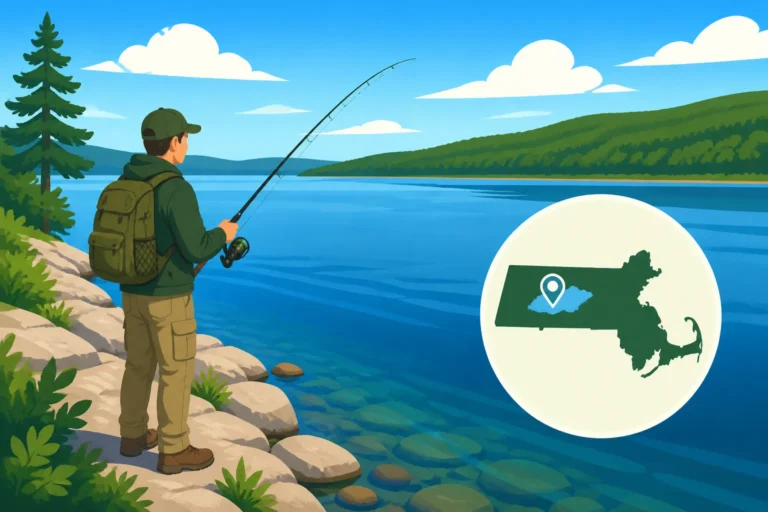
Sudbury Reservoir Fishing Access Guide in Massachusetts
Finding serene, productive fishing spots in Massachusetts can sometimes feel like a treasure hunt, especially when you're navigating the unique regulations that come with our state's vital water sources. Many anglers eyeing the beautiful Sudbury Reservoir imagine endless opportunities, only to be met with confusion about where they can actually cast a line. This guide will cut through that frustration, detailing exactly where and how you can enjoy shore fishing at Sudbury Reservoir, what you need to bring, and how to respect this sensitive watershed, ensuring a peaceful and successful outing.
Understanding Sudbury Reservoir's Unique Status for Anglers
The Sudbury Reservoir isn't just another pretty lake in Massachusetts; it's a critical component of the metropolitan Boston area's drinking water supply. This vital role means it operates under a different set of rules compared to most recreational ponds and lakes, which can often catch even experienced anglers by surprise. It's truly a beautiful body of water, but its primary purpose shapes every aspect of public access, especially for fishing.
Protecting Boston's Drinking Water: The Reservoir's Primary Role
The Massachusetts Water Resources Authority (MWRA) owns the Sudbury Reservoir, with the Department of Conservation and Recreation (DCR) managing the surrounding lands. This collaborative oversight means that public health and water quality protection are paramount. Every regulation, every access restriction, stems from the need to keep this water source as pristine as possible for the millions of people who rely on it for drinking water. Unlike a state park lake designed for swimming, boating, and various water sports, the Sudbury Reservoir's designation as a public water supply means that recreational uses are secondary and heavily controlled.
This focus on watershed protection often means limitations on activities that could introduce contaminants or otherwise compromise water quality. Anglers, while generally respectful of natural resources, are still subject to these strict guidelines. It’s easy to feel a bit put out by the seemingly endless rules, especially if you're used to more open-access fishing holes. However, understanding that these rules are in place for the health and safety of communities can help put things into perspective. It's a trade-off: a pristine, well-protected fishery, but with very specific guidelines for enjoyment.
Strict Access Rules: No Boats, No Wading, Limited Shoreline
Here’s the most crucial piece of information for anyone looking to fish the Sudbury Reservoir: absolutely no boats are allowed. This isn't just for motorboats; it includes kayaks, canoes, stand-up paddleboards, inflatable rafts, and any other watercraft. Wading into the water is also strictly prohibited. Your fishing experience here will be exclusively from the shore, and even then, only from designated areas. These restrictions are in place to prevent the introduction of invasive species, reduce erosion, and minimize human contact with the water supply. It's a stark contrast to many other Massachusetts fishing spots where a kayak can be your best friend.
For many, this immediately changes their expectations for a fishing trip. No covering vast amounts of water from a boat, no reaching those secluded coves, and no sight-fishing in the shallows from a comfortable vantage point on a kayak. It means embracing a different style of angling, one focused on patience, careful observation of the accessible shoreline, and effective casting techniques from a stationary position. While it might feel limiting, these rules are non-negotiable and are enforced to protect our natural resources. Understanding these restrictions upfront helps you plan a realistic and enjoyable outing, rather than arriving with a boat in tow and facing disappointment. Familiarizing yourself with the general Massachusetts Recreational Fishing Rules and Bag Limits before you head out is always a good idea, as they provide a foundational understanding of what's expected of anglers across the state.
Where You Can Fish: Designated Shoreline Access Points
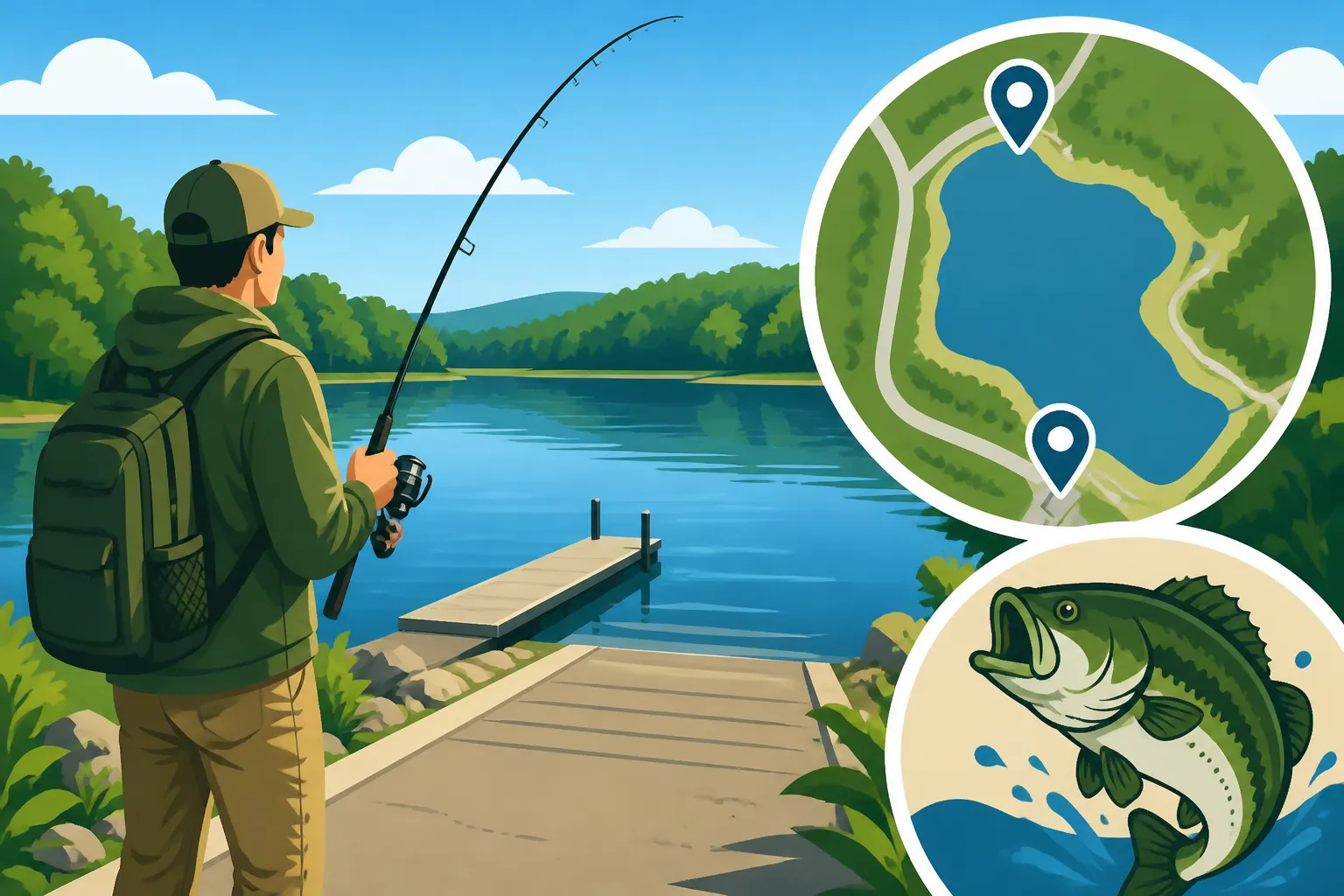
Given the strict regulations, finding legal and safe spots to cast a line at the Sudbury Reservoir becomes paramount. You can't just pull over anywhere along its extensive shoreline. The key is to look for DCR-managed areas that explicitly allow public access for fishing. These locations are carefully chosen to balance recreational opportunities with the critical need for watershed protection.
Identifying Legal Shore Fishing Locations Around the Reservoir
The Sudbury Reservoir sprawls across several towns, including Framingham, Southborough, and Marlborough, offering various potential shoreline access points. However, it's essential to emphasize that only areas clearly designated by DCR signage as allowing fishing are legal. Many parts of the shoreline are private property, restricted conservation land, or simply not safe for public access. Anglers should always look for official DCR parking areas or small pull-offs that have clear signs indicating public access and permitted activities.
Some of the more commonly referenced areas for shore fishing might be found near the causeways or bridges that cross parts of the reservoir. For instance, sections accessible from Route 30 in Framingham/Southborough or near the Marlborough side have historically offered some opportunities. These spots often feature a relatively flat bank, making casting easier, and are usually accompanied by limited roadside parking. Always verify current signage, as DCR regulations can change. It's also wise to use online mapping tools to scout these areas from a satellite view before you go, looking for clearings, parking possibilities, and the absence of "No Trespassing" or "No Fishing" signs. Respecting these boundaries not only keeps you out of trouble but also helps preserve access for all responsible anglers. If you're wondering, "Do I need a license to fish in Massachusetts ponds," the answer is a resounding yes for public waters like Sudbury Reservoir, so ensure you're compliant.
Navigating Parking, Permitted Hours, and General Conduct
Parking near the Sudbury Reservoir's designated fishing areas can be a bit of a challenge, especially during peak times or on weekends. Many spots offer limited roadside parking or small, unpaved pull-offs. It's crucial to park legally, ensuring you're not blocking private driveways, emergency access, or creating a traffic hazard. Local police frequently patrol these areas, and tickets for illegal parking are not uncommon. Always be mindful of "No Parking" signs or any restrictions posted by the DCR or municipal authorities. If an area feels overly crowded or parking is impossible, it’s best to move on rather than risk a fine or confrontation.
When it comes to hours, fishing is generally permitted from dawn until dusk. There are no provisions for overnight camping or night fishing at the Sudbury Reservoir due to its status as a public water supply. Anglers are expected to adhere to these timeframes. Furthermore, general conduct guidelines are strictly enforced. This means absolutely no littering – pack out everything you pack in, including discarded fishing line, bait containers, and any food wrappers. Maintaining a quiet and respectful demeanor is also important, as these areas are often shared with hikers and nature enthusiasts. For a comprehensive overview of general rules, consulting the official Massachusetts Fishing Regulations Pamphlet, Explained is highly recommended, as it covers statewide guidelines that apply to all public fishing spots.
| Sudbury Reservoir Fishing Access | Details | Important Considerations |
|---|---|---|
| Allowed Activities | Shore fishing only | No boats (kayaks, canoes, motorboats), no wading, no swimming |
| Access Points | Designated DCR areas in Framingham, Southborough, Marlborough | Look for official DCR signage; avoid private property |
| Parking | Limited roadside pull-offs or small designated lots | Park legally, respect local ordinances, avoid blocking access |
| Hours | Dawn until dusk | No night fishing or overnight stays |
| Required License | Valid Massachusetts Freshwater Fishing License | Must be carried at all times |
| Primary Goal | Water supply protection | Adhere strictly to Leave No Trace principles |
| Target Species | Largemouth/Smallmouth Bass, Chain Pickerel, Yellow Perch | No trout stocking (verify annually, but generally not for Sudbury) |
Your Fishing Checklist: Licenses, Gear, and What to Expect to Catch
Before you even think about heading out to the Sudbury Reservoir, it’s crucial to make sure you have all your ducks in a row. This isn’t just about having the right lure; it’s about being legally prepared and equipped for the specific environment of a major water supply reservoir. Neglecting these details could easily turn a relaxing day into a frustrating one, or worse, lead to penalties.
Securing Your Massachusetts Freshwater Fishing License
First and foremost, you absolutely need a valid Massachusetts freshwater fishing license. This isn't optional, even if you're only planning to catch and release. Fishing in any public water body in Massachusetts requires a license for anglers aged 15 and older. Failing to possess one can result in significant fines and an unpleasant encounter with environmental police. This license is your ticket to legally enjoy the state’s fantastic freshwater resources, including the Sudbury Reservoir.
The good news is that acquiring a license is a straightforward process. The most convenient way is to purchase it online through the MassFishHunt portal, which is the state's official licensing system. You can complete the entire transaction from the comfort of your home, print your license, or save a digital copy to your phone. For those who prefer an in-person experience or need assistance, many bait and tackle shops, sporting goods stores, and some town clerks are also authorized vendors. Regardless of how you purchase it, make sure to keep a physical or digital copy with you at all times while fishing. Understanding the current Massachusetts Freshwater Fishing License Costs and Rules can help you budget and plan accordingly, as fees vary by residency and age. For a step-by-step guide, check out our article on How to Buy a Massachusetts Fishing License Online.
Prime Species and Recommended Tackle for Shore Angling
While you won't be navigating the Sudbury Reservoir by boat, its waters still hold a healthy population of common freshwater game fish, making shore fishing a rewarding experience. The most frequently targeted species here are Largemouth Bass and Smallmouth Bass, both offering exciting fights and growing to respectable sizes. You'll also encounter Chain Pickerel, known for their aggressive strikes and sharp teeth, and various panfish like Yellow Perch, which are excellent for a more relaxed day of fishing or for introducing children to the sport. It's worth noting that, unlike some other large reservoirs in Massachusetts, the Sudbury is not typically stocked with trout by MassWildlife, so adjust your expectations and tackle accordingly.
For shore angling, a versatile light to medium action spinning rod and reel setup is ideal. A 6 to 7-foot rod spooled with 6-10 lb test monofilament or braided line will handle most of the fish you'll encounter. When targeting bass, consider using a variety of lures. Soft plastics rigged Texas or wacky style are incredibly effective, mimicking natural forage and enticing cautious fish. Spinnerbaits and shallow-diving crankbaits can cover water efficiently, especially near submerged structures or weed lines that might be accessible from shore. For pickerel, spoons and inline spinners often provoke strikes due to their flash and erratic action. And for the panfish, a simple bobber and hook setup with a worm or small jig will do the trick. Remember that since you're casting from fixed positions, accuracy and understanding how to work your lures in limited space become key. If you're specifically hoping to target bigger bass, our guide on Largemouth Bass Fishing in Massachusetts offers excellent tips, and for a general overview of what swims in our local waters, explore our article on Freshwater Fish Species in Massachusetts.
Responsible Angling and Conservation in a Sensitive Ecosystem
Fishing at Sudbury Reservoir is a privilege, not an inherent right. Because it's a vital source of drinking water, every angler carries a significant responsibility to uphold the highest standards of environmental stewardship. Your actions directly impact the water quality and the continued allowance of public access for fishing. Embracing responsible angling practices here is more critical than almost anywhere else.
Embracing Leave No Trace Principles at the Reservoir
The "Leave No Trace" philosophy is paramount when fishing at the Sudbury Reservoir. This means everything you bring in, you must take out. This isn't just about large pieces of trash; it includes everything from fishing line scraps, bait containers, snack wrappers, and even cigarette butts. Discarded fishing line, in particular, poses a severe threat to wildlife and is an eyesore. It's not enough to simply use the designated trash receptacles if they are present; it's about making a conscious effort to leave the area cleaner than you found it.
Beyond physical litter, "Leave No Trace" also extends to minimizing your impact on the natural environment. This means sticking to established trails and access points, avoiding trampling vegetation, and certainly not creating new paths. Refrain from building fires or disturbing wildlife, which is often abundant in these serene areas. The long-term health of the reservoir ecosystem, and the continuation of fishing access for everyone, relies heavily on the collective respect and vigilance of each individual angler. A pristine environment enhances the fishing experience for all and demonstrates that anglers are responsible stewards of our natural resources.
Understanding Catch and Release Best Practices and Local Regulations
While the Sudbury Reservoir does have various fish species, practicing catch and release, especially for larger game fish like bass, is a highly recommended practice to help sustain the fishery. If you do plan to keep fish, it's absolutely essential to know and adhere to all MassWildlife regulations concerning size and bag limits for each species. These regulations are designed to protect fish populations and ensure healthy breeding stock. Always consult the most current regulations, as they can change seasonally or annually. Our guide to Massachusetts Freshwater Daily Catch Limits provides details on these statewide rules.
Beyond legal limits, responsible catch and release involves proper fish handling. Minimize the time a fish is out of the water, use wet hands when handling them, and use de-hooking tools to quickly and gently remove hooks. For fish that you intend to keep, dispatch them quickly and humanely. A critical, often overlooked, aspect of conservation at water supply reservoirs is the prohibition of using live baitfish from other water bodies. Introducing bait from another pond or stream could inadvertently transfer invasive species or diseases into the reservoir, with potentially devastating consequences for the ecosystem and water quality. Always use commercially purchased bait or bait collected from the same water body if allowed.
Exploring Broader Freshwater Fishing Opportunities in Massachusetts
While the Sudbury Reservoir offers a unique, albeit restricted, fishing experience, it's certainly not the only game in town when it comes to freshwater angling in Massachusetts. Sometimes, the stringent rules of a water supply reservoir can feel a bit stifling, leading anglers to seek out spots with more varied access and recreational opportunities. Luckily, the Bay State is brimming with fantastic alternatives.
Nearby Reservoirs and Ponds with Different Access Rules
If you're looking for freshwater fishing near the Sudbury area but desire more flexibility than the reservoir allows, you have some excellent options. Lake Cochituate, which spans Framingham, Natick, and Wayland, is a great example. Unlike Sudbury, Lake Cochituate permits motorboats, canoes, kayaks, and even has designated swimming beaches and public boat launches at Cochituate State Park. This vastly expands your fishing options, allowing you to troll, cast to deeper structures, or explore expansive weed beds that are unreachable from shore at Sudbury. The lake is well-known for its largemouth and smallmouth bass, pickerel, and panfish.
Another fantastic option nearby is Hopkinton State Park in Hopkinton and Ashland. This popular spot features a large lake that also allows boating (with specific horsepower limits) and offers ample shoreline access, making it a great family-friendly destination. Here, you can target similar species to Sudbury, but with the added benefit of being able to move around more freely on the water. While large water supply reservoirs like Wachusett have their own strict rules, they too, offer a completely different experience once you understand their specific access points. You can learn more about this impressive body of water in our Wachusett Reservoir Fishing Guide for Massachusetts Anglers. For a broader list of places to explore, consult our Best Freshwater Ponds and Lakes in Massachusetts guide.
Finding Guided Freshwater Trips for Enhanced Experiences
Sometimes, the best way to explore new waters, learn new techniques, or simply enjoy a hassle-free day of fishing is to enlist the help of a professional guide. While you won't find guides taking clients onto the Sudbury Reservoir itself due to the boating restrictions, many excellent freshwater guides operate on other, more accessible lakes and rivers across Massachusetts. These experts can provide all the necessary gear, share invaluable local knowledge, and put you on fish, making for a truly memorable outing, especially if you're looking to target specific species like trophy bass or trout in a river setting.
For anglers eager to explore Massachusetts's more accessible waters with a seasoned pro, online platforms are a great resource. You can often browse local guides, compare their specialties, read reviews, and book trips with ease. For instance, FishingBooker lists numerous experienced freshwater fishing guides throughout Massachusetts, offering everything from bass fishing excursions on large lakes to fly fishing trips on trout streams. Engaging a guide takes the guesswork out of where to go and what to use, allowing you to focus purely on the joy of fishing. This can be especially valuable for beginners or those visiting the state for the first time. Even with a guide, you'll still need your own Massachusetts Fishing License Guide, so make sure to take care of that formality before your trip. For those interested in alternative methods of fishing, like exploring waters by kayak, our guide on Where to fish with a canoe or kayak in Massachusetts can provide inspiration for future adventures on more accommodating bodies of water.
Disclaimer
The information provided in this guide is for general informational purposes only and is subject to change. Fishing regulations, access rules, and license requirements in Massachusetts can be updated by state agencies (such as MassWildlife and DCR) at any time. It is the angler's sole responsibility to check the most current regulations and obtain all necessary licenses and permits before fishing. Failure to do so may result in fines or penalties. Always prioritize safety, respect private property, and practice ethical angling.