Freshwater Fish Species in Massachusetts
Many anglers often dream of casting a line into the vast Atlantic, chasing striped bass or bluefin tuna, but sometimes overlook the incredible diversity and thrill awaiting them in Massachusetts' freshwater ecosystems. It can feel daunting to switch gears from ocean fishing to deciphering the endless lakes, ponds, and rivers, each holding its own unique cast of characters beneath the surface. This comprehensive guide is here to demystify the rich array of freshwater fish species you can encounter across the Commonwealth, from the feisty bass to the elusive trout, helping you understand where to find them and how to hook into your next unforgettable inland adventure.
The Lure of Massachusetts Freshwater Fishing
While the call of the ocean is undeniably strong for many, the freshwater opportunities in Massachusetts are truly something special, offering a different kind of peace and challenge. From the smallest streams trickling through the Berkshires to the expansive Quabbin and Wachusett Reservoirs, there's an entire aquatic world thriving, often just a short drive from home. It's a chance to escape the hustle and bustle, to find quiet coves, serene rivers, and vibrant ponds where you can connect with nature and experience the joy of a bending rod.
A Rich Tapestry of Aquatic Life
Massachusetts' inland waters are not just bodies of water; they are intricate ecosystems supporting a remarkable variety of fish species. You'll find everything from powerful predators to delicate panfish, each playing a vital role in their environment. This diversity means that whether you're a seasoned angler seeking a trophy fish or a family looking for a fun, accessible day out, there's always something to pique your interest. The state's commitment to conservation and stocking programs ensures that these waters remain healthy and productive, year after year.
Imagine dropping a line into a crystal-clear pond, watching dragonflies dance above the surface, and knowing that below, a thriving community of fish is going about its day. You might hook into a spirited largemouth bass hiding among lily pads, or a shimmering rainbow trout darting through a cool current. It's this rich tapestry of life that makes freshwater fishing in Massachusetts such a rewarding experience, a constant discovery of new species and new challenges.
Beyond the Coastline: Unsung Inland Adventures
For those accustomed to the salty spray of the ocean, venturing inland can feel like stepping into a completely different world. The pace is often slower, the scenery shifts from dunes and jetties to lush forests and rolling hills, and the targets change from migrating pelagics to resident freshwater denizens. Many anglers who discover the charm of freshwater fishing find themselves captivated by the variety of techniques and the sheer abundance of spots to explore.
Think about the quiet morning fog lifting off a pond in central Massachusetts, revealing a perfectly still surface mirroring the trees. Or the exhilarating feeling of wading a rocky river, casting a fly for a native brook trout. These are experiences that coastal fishing, for all its glory, simply can't provide. And with so many ponds, lakes, and rivers spread across the state, you're never far from an opportunity to discover your next favorite fishing hole. This guide aims to shine a light on these often unsung inland adventures, highlighting the incredible fish that make them so special. Best Freshwater Ponds and Lakes in Massachusetts offers a glimpse into some prime locations.
The Iconic Trout Species of Massachusetts
When many anglers think of freshwater fishing, especially in cooler climes, trout often come to mind first. Massachusetts is no exception, boasting a vibrant trout fishery fueled by both wild populations and extensive stocking programs. These beautiful fish are renowned for their striking colors, powerful fights, and preference for clean, cool water, making them a favorite target for fly anglers and spin fishermen alike. Understanding the different species and their habits is key to successful trout fishing in the Commonwealth.
Brook Trout: Native Gems of Coldwater Streams
The brook trout (Salvelinus fontinalis) holds a special place in the hearts of Massachusetts anglers, being the only trout species truly native to the state. These fish are absolute jewels, recognizable by their vibrant, worm-like markings (vermiculations) on a dark olive-green back, brilliant red or orange spots on their sides, and distinctive white leading edges on their lower fins. They rarely grow very large in the small, pristine streams they call home, often measuring just 6-10 inches, but what they lack in size, they make up for in beauty and tenacity.
Brook trout are indicator species, meaning their presence signifies excellent water quality and healthy riparian habitats. You'll typically find them in the coldest, clearest headwater streams and spring-fed ponds, particularly in the western and central parts of the state where the landscape provides ample shade and groundwater sources. They are ambush predators, often hiding behind rocks or submerged logs, waiting for insects, small crustaceans, or tiny baitfish to drift by. Catching a wild brook trout on a small stream, often with light tackle or a delicate fly, is a truly spiritual experience for many, a testament to the wildness of our local environment.
Brown and Rainbow Trout: Stocked Beauties for All Anglers
While brook trout are cherished natives, brown trout (Salmo trutta) and rainbow trout (Oncorhynchus mykiss) make up the bulk of Massachusetts' stocked trout fishery. These species are raised in state hatcheries and released into hundreds of rivers, streams, and ponds each spring and fall, providing abundant opportunities for anglers of all skill levels. They grow larger than brook trout and are generally more tolerant of warmer water temperatures, making them suitable for a wider range of water bodies.
Brown trout are known for their golden-brown coloration, often with dark spots surrounded by lighter halos, sometimes with red or orange spots mixed in. They can be incredibly wary and cunning, earning them a reputation as challenging, but highly rewarding, fish to catch. Rainbow trout are perhaps the most popular stocked species, easily identified by the iridescent pink or red band running along their sides, especially prominent during spawning season. They are often more aggressive and willing to bite, making them a fantastic target for beginners and experienced anglers alike. The Massachusetts Division of Fisheries and Wildlife (MassWildlife) publishes a Massachusetts Trout Stocking Schedule detailing where and when these fish are released, helping anglers plan their trips. Whether you're casting PowerBait from shore or drifting a nymph in a river, these stocked trout provide consistent action throughout the year.
Unraveling the Mystery of Tiger Trout
Among the various trout species, the tiger trout (Salmo trutta x Salvelinus fontinalis) stands out as a true enigma, a rare and beautiful hybrid. This unique fish is a cross between a brown trout and a brook trout, and it gets its name from the distinctive, worm-like, maze-like patterns on its sides, reminiscent of a tiger's stripes. Tiger trout are sterile, meaning they cannot reproduce, and are typically produced in hatcheries for stocking purposes.
MassWildlife occasionally stocks tiger trout in various locations across the state, adding an exciting element of surprise for anglers. Because of their rarity and striking appearance, catching a tiger trout is often considered a bucket-list achievement for many. They exhibit the best characteristics of both parent species – the fighting spirit of a brook trout combined with some of the size potential of a brown trout. While not as common as the other trout species, the possibility of hooking into one of these magnificent hybrids adds an extra layer of allure to Massachusetts' freshwater fishing scene. Keep an eye on stocking reports for any mention of these elusive beauties!
Bass Bonanza: Largemouth and Smallmouth in Mass
Beyond trout, the bass species are kings of Massachusetts' warmwater fisheries, offering explosive strikes and powerful fights that thrill anglers of all stripes. The state is home to both largemouth and smallmouth bass, each with distinct preferences for habitat and feeding behaviors, providing diverse angling challenges. Whether you're a seasoned tournament angler or just enjoy a casual day on the water, targeting bass in Massachusetts can be incredibly rewarding.
Largemouth Bass: The Apex Predator of Warmwater Ponds
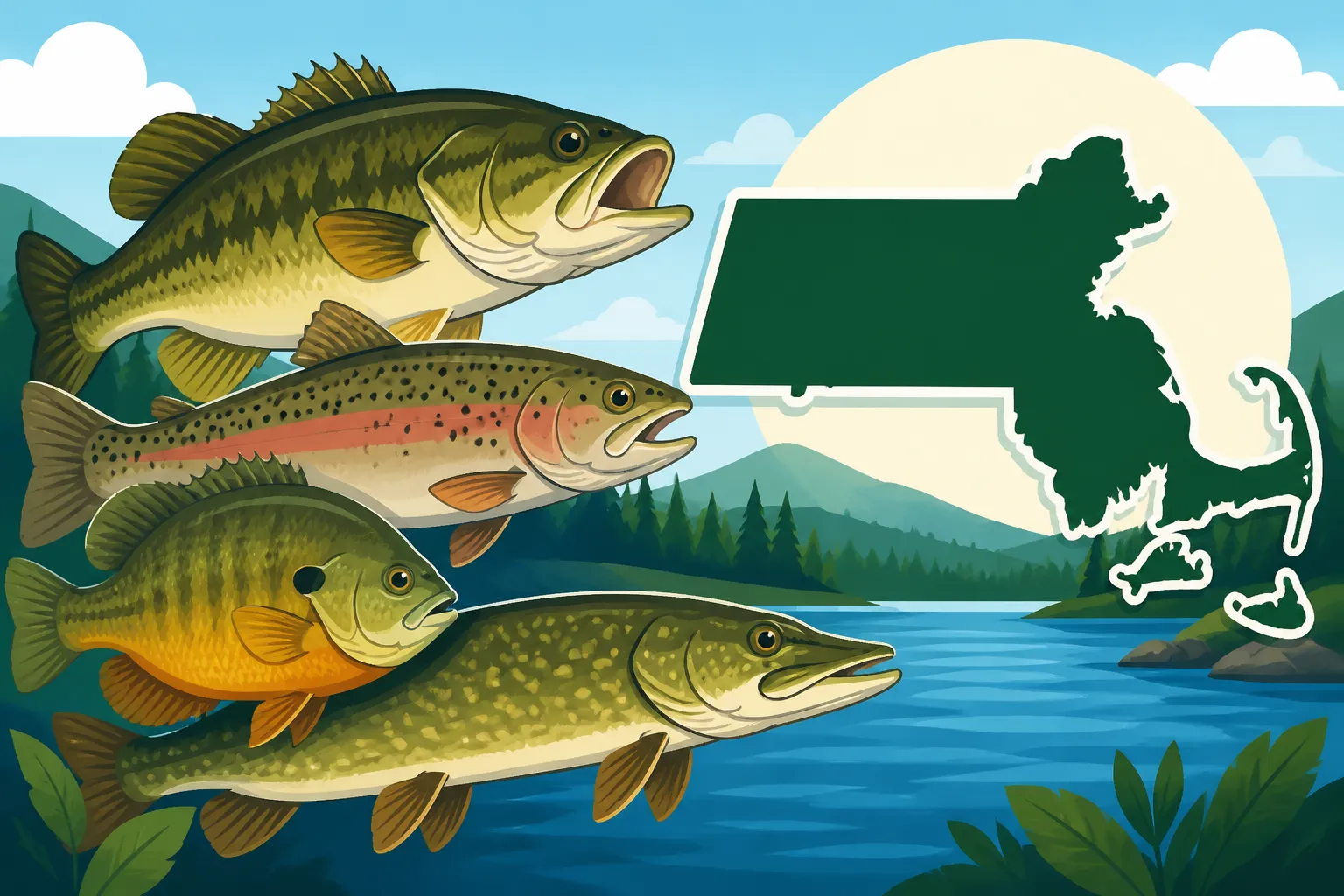
The largemouth bass (Micropterus salmoides) is arguably the most popular freshwater game fish in Massachusetts, and for good reason. These aggressive predators thrive in warm, weedy, and shallow waters, making them abundant in the countless ponds, lakes, and slow-moving rivers across the Commonwealth. You can easily identify a largemouth by its prominent jawline that extends beyond its eye, a dark, irregular lateral line running down its side, and its generally stout, muscular body. They love cover – think lily pads, submerged timber, docks, and thick weed beds – where they ambush unsuspecting prey.
Fishing for largemouth bass is an art form, with a vast array of techniques and lures designed to entice these opportunistic eaters. Topwater lures like poppers and frogs create explosive strikes, especially during dawn and dusk. Soft plastic baits, such as Texas-rigged worms or Senkos, are incredibly versatile for probing dense cover. Crankbaits and spinnerbaits are excellent for covering water and triggering reaction bites. The thrill of a largemouth shattering the surface to engulf a topwater bait is an experience that keeps anglers coming back for more. Many anglers will head to Amazon to stock up on their favorite bass lures before a trip. For more in-depth strategies, check out How to Catch Largemouth Bass in Massachusetts.
Smallmouth Bass: River and Lake Fighters
While their largemouth cousins prefer the slop, smallmouth bass (Micropterus dolomieu) are true gladiators of clear, cool water. These hard-fighting fish are typically found in rocky lakes, deep clear ponds, and flowing rivers, particularly those with gravel or current-swept bottoms. You can distinguish a smallmouth from a largemouth by its smaller mouth (the jaw doesn't extend past the eye), its more bronze or golden-brown coloration, and vertical bars or blotches along its sides rather than a distinct lateral line. They are incredibly strong for their size, known for acrobatic leaps and powerful runs once hooked.
Targeting smallmouth bass requires a different approach than largemouth. They often relate to rocky points, humps, ledges, and current breaks in rivers. Popular baits include small crankbaits that mimic crawfish, tube jigs fished along the bottom, finesse worms, and blade baits. In rivers, current management and finding eddies are crucial. When you hook into a smallmouth, be prepared for a spirited fight, as they often make multiple jumps and dives. They're a fantastic challenge for anglers seeking a powerful tug at the end of their line. For a comparison, read Largemouth vs Smallmouth Bass in Massachusetts.
Panfish Paradise: Crappie, Perch, and Sunfish
For those looking for consistent action, family-friendly fishing, or simply a delicious meal, Massachusetts' panfish offer an unbeatable experience. These smaller, schooling fish are abundant in many freshwater bodies and are relatively easy to catch, making them perfect for beginners, children, and experienced anglers who enjoy a high-volume day on the water. Don't let their size fool you; panfish provide plenty of fun and can be incredibly rewarding.
Crappie: Speckled Delights for the Dinner Table
Crappie, encompassing both black crappie (Pomoxis nigromaculatus) and white crappie (Pomoxis annularis), are among the most popular panfish in Massachusetts. Black crappie are more common, identifiable by their mottled, irregular black spots on a silvery background, and typically seven or eight dorsal spines. White crappie have more defined vertical bars and usually six dorsal spines. Both species are known for their delicate, flaky white meat, making them prized table fare.
Crappie are schooling fish that love to hang around submerged structure like brush piles, fallen trees, docks, and bridge pilings. They're often found suspended in the water column at certain depths. They feed primarily on small baitfish and insects. The best way to catch them is often with light tackle, tiny jigs (like a 1/32 or 1/16 ounce jig head with a small plastic grub), or minnows suspended under a bobber. Finding one crappie usually means finding a whole school, leading to fast and furious action. For more tips, check out Crappie Fishing in Massachusetts Ponds.
Yellow Perch: The Striped Staple
The yellow perch (Perca flavescens) is another beloved panfish in Massachusetts, instantly recognizable by its vibrant golden-yellow body adorned with distinct dark vertical stripes. They have a spiny dorsal fin and are typically found in cooler, clear lakes and ponds, often near the bottom but also schooling in open water. Yellow perch are hardy fish that are active year-round, making them an excellent target for ice fishing enthusiasts as well.
These eager biters are perfect for anglers of all ages. Small jigs, worms, minnows, or pieces of cut bait fished near the bottom are usually irresistible to them. They're often found in schools, so once you locate them, you can typically catch several in a short amount of time. Like crappie, yellow perch offer delicious fillets and are a staple for many Massachusetts anglers, providing a dependable and enjoyable fishing experience.
Sunfish Family: Bluegill, Pumpkinseed, and Beyond
The true workhorses of family fishing, sunfish are ubiquitous across Massachusetts' freshwater systems. This broad category includes species like the bluegill (Lepomis macrochirus), pumpkinseed (Lepomis gibbosus), and redbreast sunfish (Lepomis auritus), among others. These small, disc-shaped fish are incredibly numerous and aggressive, making them the perfect target for children and beginners learning the ropes of fishing.
Bluegill are perhaps the most well-known, with a deep body, small mouth, and a distinctive dark spot on their gill flap. Pumpkinseeds are equally beautiful, featuring iridescent spots and wavy blue lines on their heads, resembling a stained-glass window. You'll find sunfish in virtually every pond, lake, and slow-moving river, often congregating near shore in shallow, weedy areas. They readily bite on small pieces of worm, corn, bread, or tiny artificial lures. Catching a bucketful of sunfish on a warm summer afternoon is a quintessential Massachusetts fishing experience, teaching patience, casting skills, and the pure joy of a tug on the line. Freshwater Panfish Found in Massachusetts provides more details on these charming fish.
Pike, Pickerel, and Catfish: The Lesser-Known Giants
While trout and bass often steal the spotlight, Massachusetts' freshwater bodies also harbor several other intriguing and often larger fish species. These include the toothy predators like chain pickerel and northern pike, and the bottom-dwelling catfish, all of which offer unique challenges and exciting encounters for the adventurous angler.
Chain Pickerel: The Tooth-Filled Thrill
The chain pickerel (Esox niger) is a common and aggressive freshwater predator found throughout Massachusetts, often in the same shallow, weedy waters preferred by largemouth bass. These torpedo-shaped fish are easily identifiable by their distinctive chain-like pattern on their olive-green sides, a fully scaled cheek and gill cover, and a long, duck-bill-like snout armed with razor-sharp teeth. They are incredibly opportunistic, ambushing prey from dense cover.
Pickerel are a blast to catch, known for their explosive strikes and spirited fights. They'll readily hit a variety of lures, including spoons, spinnerbaits, jerkbaits, and even topwater lures. Live shiners are also a highly effective bait. Be warned: due to their sharp teeth, it's crucial to use a steel leader or heavy fluorocarbon leader to prevent bite-offs, and a pair of long-nosed pliers is essential for safe hook removal. While sometimes overlooked, the chain pickerel provides consistent action and a thrilling fight, especially during the colder months when other species become less active.
Northern Pike: The Elusive Freshwater Shark
The northern pike (Esox lucius) is a true trophy fish in Massachusetts, though less common than its pickerel cousin. These impressive predators can grow much larger than pickerel, sometimes exceeding 40 inches and weighing over 20 pounds, earning them the nickname "freshwater sharks." They share the elongated body shape and duck-bill mouth of the pickerel, but have distinct bean-shaped spots on their sides rather than a chain pattern, and their cheek is fully scaled while only the upper half of the gill cover is scaled. Pike prefer larger lakes and slow-moving rivers with ample cover.
Catching a northern pike in Massachusetts is often a significant accomplishment. They require heavy-duty gear, strong leaders, and large lures or baitfish. Large spoons, spinnerbaits, and big swimbaits are effective, as are live or dead large shiners, herring, or suckers. Pike are fierce fighters, making powerful runs and head shakes once hooked. Due to their rarity in many waters, and their impressive size, they are often a highly sought-after species by dedicated trophy anglers.
Channel Catfish and Bullheads: Bottom Dwellers
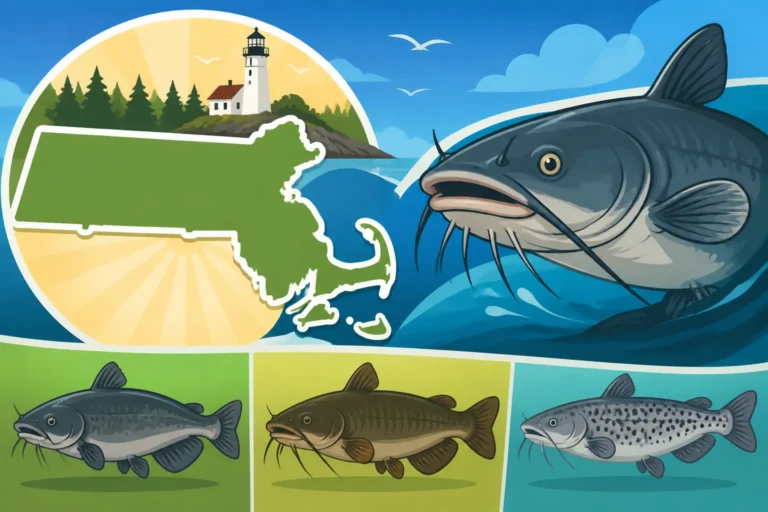
For those who enjoy a different kind of fight and prefer bait fishing, the various catfish species in Massachusetts offer a rewarding experience. The channel catfish (Ictalurus punctatus) is the most prominent, characterized by its sleek, scaleless body, deeply forked tail, and barbels around its mouth that it uses to find food. Bullheads, including brown bullhead (Ameiurus nebulosus) and yellow bullhead (Ameiurus natalis), are smaller, more stout-bodied catfish with square or slightly emarginate tails.
Catfish are primarily bottom feeders, using their sensitive barbels to detect food in murky waters, often at night. They thrive in warmer, often muddier, ponds and rivers. They're not particular about their diet, eagerly taking a wide variety of smelly baits like worms, cut bait, chicken livers, and specially prepared stink baits. While not known for acrobatic fights, catfish offer a powerful, steady pull that can be quite exciting, especially on light tackle. They also provide excellent table fare, with sweet, mild white meat.
| Species | Typical Size Range (Massachusetts) | Preferred Habitat | Common Baits/Lures | Notable Characteristics |
|---|---|---|---|---|
| Brook Trout | 6-10 inches | Cold, clear headwater streams, spring-fed ponds | Small flies, worms, tiny spinners | Native, vibrant vermiculations, white fin edges |
| Rainbow Trout | 10-20 inches | Stocked rivers, streams, lakes, ponds | PowerBait, worms, inline spinners, flies | Iridescent pink band, aggressive fighters |
| Brown Trout | 10-25 inches | Stocked rivers, streams, lakes, ponds | Minnows, worms, crankbaits, flies | Golden-brown, dark spots with halos, wary |
| Largemouth Bass | 12-24 inches (up to 8+ lbs) | Warm, weedy lakes, ponds, slow rivers | Soft plastics, topwater frogs, spinnerbaits | Large mouth extends past eye, distinct lateral line |
| Smallmouth Bass | 10-18 inches (up to 6 lbs) | Clear, rocky lakes, swift rivers | Jigs, crankbaits, tube baits, minnows | Smaller mouth, bronze/brown, vertical bars, acrobatic |
| Black Crappie | 8-12 inches | Submerged structure in lakes & ponds | Small jigs, minnows, tiny plastic grubs | Mottled black spots, schooling, excellent eating |
| Yellow Perch | 7-10 inches | Cooler lakes & ponds, often near bottom | Worms, small jigs, minnows | Distinct vertical stripes, schooling, good table fare |
| Chain Pickerel | 15-25 inches (up to 5 lbs) | Weedy shallow lakes, ponds, slow rivers | Spoons, spinnerbaits, live shiners | Chain-like pattern, sharp teeth, aggressive |
| Northern Pike | 25-40+ inches (up to 20+ lbs) | Large lakes, slow rivers with cover | Large spoons, swimbaits, large live bait | Bean-shaped spots, trophy fish, powerful fight |
| Channel Catfish | 15-30 inches (up to 20+ lbs) | Warm, murky lakes, ponds, rivers | Cut bait, worms, chicken liver, stink baits | Forked tail, barbels, bottom feeder |
Other Notable Freshwater Species and Conservation
Beyond the popular game fish, Massachusetts' freshwater ecosystems are home to a fascinating array of other species that play crucial ecological roles. From the smallest baitfish to the often-misunderstood common carp, each species contributes to the health and balance of our aquatic environments. Understanding these fish, and our role in protecting them, is vital for ensuring healthy fishing for future generations.
The Role of Baitfish: Shiners and Suckers
Often overlooked by anglers focused on predators, species like golden shiners (Notemigonus crysoleucas), common shiners (Luxilus cornutus), and various suckers (Catostomus commersonii) are the unsung heroes of the freshwater food web. These smaller fish serve as the primary forage for larger game fish like bass, pickerel, and even larger trout, sustaining the very populations that anglers love to target. Shiners are sleek, silvery fish that school in open water or around vegetation, while suckers are bottom-feeders, recognizable by their fleshy, protractile lips.
These fish are not typically targeted by rod and reel for sport, but they are incredibly important for the ecosystem. Many anglers use them as live bait, which means understanding the regulations around baitfish collection and use is crucial to prevent the spread of diseases or invasive species. Always source your bait responsibly and never release unused baitfish into the water. Knowing about these forage fish helps us appreciate the intricate connections within a healthy aquatic environment. You can often find baitfish traps or small minnow nets for sale on Amazon for those who prefer to catch their own bait where legal.
Common Carp: The Underrated Fighter
The common carp (Cyprinus carpio) often gets a bad rap, sometimes mistakenly labeled as a "trash fish" or an invasive species (though they were introduced to North America centuries ago). However, for a growing number of dedicated anglers in Massachusetts, carp are a highly prized target, known for their incredible size and brute strength. These large, robust fish can grow to impressive weights, often exceeding 20 pounds, and are found in many warmer, nutrient-rich lakes, ponds, and slow-moving rivers.
Carp are primarily bottom feeders, recognizable by their thick, scaled bodies, two barbels on each side of their mouth, and large, powerful tail. They root around in the sediment for insects, crustaceans, and plant matter. Anglers who target carp use specialized tactics, often "chumming" an area with corn or other grains, and fishing with dough baits, boilies, or simple corn on the hook. When hooked, a large carp will make long, powerful runs, testing an angler's tackle and stamina to the limit. They offer a unique, challenging, and surprisingly rewarding fishing experience that many in Massachusetts are now discovering.
Protecting Our Aquatic Ecosystems
As anglers, we have a responsibility to be stewards of the freshwater environments we enjoy. The health and abundance of all these fish species depend on clean water and healthy habitats, which in turn rely on responsible angling practices and robust conservation efforts. MassWildlife works tirelessly to manage fish populations, monitor water quality, and educate the public on best practices.
Catch-and-release is a fundamental principle, especially for larger or rarer fish, ensuring they can continue to grow and reproduce. Always handle fish carefully, minimizing their time out of water and using appropriate tools for hook removal. Preventing the spread of invasive species by cleaning boats and gear between water bodies is also critically important. Understanding and adhering to Massachusetts Freshwater Daily Catch Limits and Massachusetts Fishing Seasons Explained are not just rules, but essential contributions to conservation. Every angler plays a role in preserving the natural beauty and fishing opportunities found in Massachusetts' freshwater ecosystems for generations to come. It’s about more than just catching fish; it’s about participating in the ongoing health of the environment.
Essential Gear and Tactics for Massachusetts Freshwater Species
Having the right equipment and understanding basic tactics can make all the difference in your freshwater fishing success in Massachusetts. You don't need to break the bank, but a few key items tailored to the species you're targeting will set you up for a much more enjoyable and productive experience. Thinking about the fish's natural environment and feeding habits will guide your choices.
Rods, Reels, and Lines for Inland Adventures
For most freshwater species in Massachusetts, a versatile medium-light to medium action spinning rod, typically 6 to 7 feet long, paired with a matching spinning reel, is an excellent all-around setup. This combination is capable of handling everything from panfish to decent-sized bass and trout. For line, 6 to 10-pound monofilament or fluorocarbon is generally sufficient, offering a good balance of strength and castability. Braided line in a similar breaking strength can also be used, especially for bass, as it offers superior sensitivity and strength, often with a fluorocarbon leader. You can find many affordable and reliable rod and reel combos for freshwater fishing on Amazon that are perfect for getting started.
If you're specifically targeting larger fish like northern pike or big carp, you might want to step up to a medium-heavy rod and a reel spooled with heavier line (12-20 pound test), possibly even a baitcasting setup for more control and power. Conversely, if your focus is solely on panfish or small stream trout, a lighter action rod and 4-pound test line will provide maximum sport. The key is to match your gear to the size and fighting power of your target species, ensuring both effectiveness and enjoyment.
Lures, Baits, and Techniques for Success
The beauty of freshwater fishing in Massachusetts is the sheer variety of baits and lures that can be effective, depending on the species and conditions.
- For Trout: Stocked trout often respond well to prepared baits like PowerBait or small worms (nightcrawlers, mealworms) fished off the bottom with a small sinker, or under a bobber. Small inline spinners (e.g., Mepps, Rooster Tail) and tiny spoons are also deadly. For wild brook trout in streams, small spinners, dry flies, or nymphs are often the ticket. Don't forget to pack a variety of colors and sizes for these finicky eaters.
- For Bass (Largemouth & Smallmouth): Bass fishing opens up a world of options. Soft plastics, such as Texas-rigged worms, Senkos, and creature baits, are incredibly effective in weeds and around structure. Topwater lures (frogs, poppers) create exciting surface strikes. Spinnerbaits and crankbaits are great for covering water. For smallmouth, consider tube jigs, small crankbaits, and finesse worms, especially around rocky areas. Having a selection of these different types will serve you well.
- For Panfish (Crappie, Perch, Sunfish): Keep it simple and light! Small pieces of worm, corn, or bread on a tiny hook (size 8-12) under a bobber are universally effective. For crappie, tiny jigs (1/32 or 1/16 oz) tipped with a small plastic grub or a minnow work wonders. Yellow perch will also hit small jigs and minnows. These are great species for teaching patience and finesse, often leading to a high catch rate. You can find economical assortments of small jigs and hooks on Amazon to get you started.
Always observe the water, look for signs of fish activity, and be willing to experiment with different presentations and retrieve speeds. Local bait shops are fantastic resources for current hot baits and techniques for your specific area.
Navigating Regulations for Massachusetts Freshwater Fishing
Even with all the excitement of discovering new species and techniques, it's absolutely crucial to stay informed about the rules and regulations governing freshwater fishing in Massachusetts. These regulations are designed to protect fish populations, maintain healthy ecosystems, and ensure fair and sustainable fishing opportunities for everyone. Ignorance of the law is never an excuse, and adhering to these guidelines is part of being a responsible angler.
Understanding Your License Requirements
First and foremost, almost everyone fishing in Massachusetts' freshwater bodies needs a valid fishing license. This isn't just a formality; the revenue generated from license sales directly funds MassWildlife's conservation efforts, including fish stocking programs, habitat restoration, and enforcement. There are different types of licenses available, including resident and nonresident options, and various durations.
There are specific age requirements, with certain age groups (typically very young children and sometimes older seniors) being exempt. However, even if you're exempt, it's wise to carry some form of identification. Always ensure your license is current and that you carry proof of it while fishing. MassWildlife's MassFishHunt system makes it easy to purchase and manage your license online. For a full breakdown, consult the Massachusetts Fishing License Guide and Massachusetts Fishing License Requirements by Age.
Bag Limits and Seasons
Beyond the license, understanding species-specific bag limits and seasons is paramount. These rules dictate how many fish of a particular species you can keep in a day (the daily bag limit), and sometimes, minimum or maximum size requirements (slot limits). For certain species, like trout in some waters, there might also be specific open or closed seasons. These regulations are subject to change, so always check the most current MassWildlife regulations guide, which is updated annually.
For example, there are specific Massachusetts Freshwater Daily Catch Limits for trout, bass, and other species. These limits help prevent overfishing and allow populations to sustain themselves. Keeping an undersized fish, or too many fish, can result in fines and penalties. It's not about being restrictive; it's about preserving the incredible resource we have. A quick check of the MassWildlife website or a stop at a local bait shop for a regulations pamphlet before you hit the water can save you a lot of trouble and ensure you're fishing responsibly and legally.
Disclaimer
This article is for general informational purposes only and does not constitute professional advice. Laws, prices and regulations vary by location and change over time. Consult a qualified professional for guidance on your specific situation.