Saltwater Fish Species in Massachusetts
Stepping onto the shores of Massachusetts, with the salty air filling your lungs and the endless expanse of the Atlantic before you, it's easy to feel a mix of excitement and overwhelm. Our coastal waters are brimming with life, but if you're new to saltwater angling, knowing what you're even trying to catch can feel like a mystery. This comprehensive guide will pull back the curtain on the most sought-after and commonly encountered saltwater fish species in Massachusetts, helping you understand their habits, habitats, and how you might just land one on your next outing.
Introduction to Massachusetts' Salty Diversity
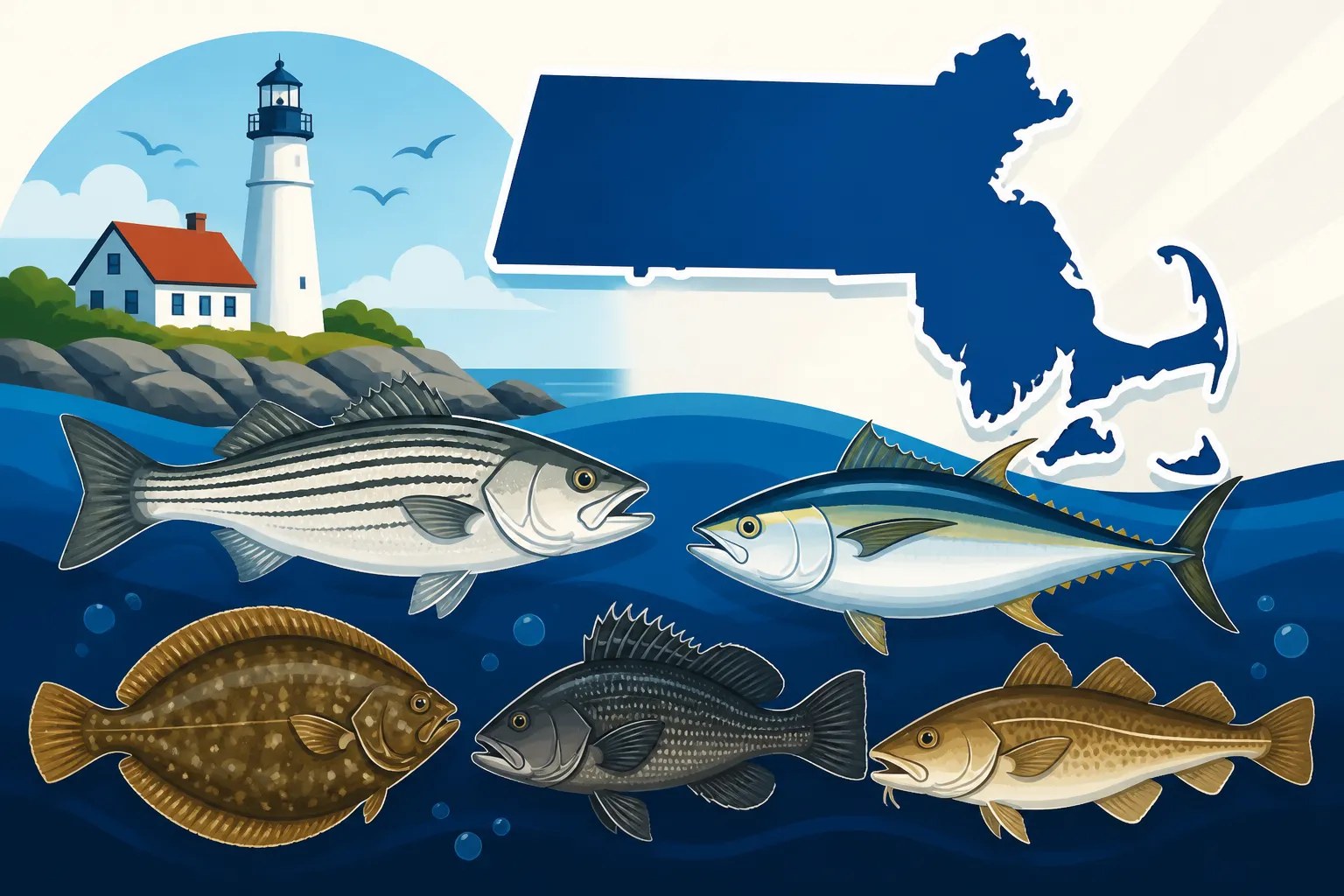
Massachusetts boasts an incredible array of marine environments, from the rocky shorelines of the North Shore to the sandy beaches of Cape Cod and the islands, and the deep, rich waters offshore. This diverse aquatic landscape provides a perfect home for a multitude of saltwater fish species, each with its own unique characteristics and angling appeal. You’ve got the mighty predators that chase baitfish into a frenzy, the sneaky bottom dwellers that require a bit more finesse, and the offshore giants that test even the most seasoned angler.
When you're first getting into saltwater fishing, it can feel like everyone else knows exactly what they're doing and what fish they're targeting. Don't worry, we've all been there! The beauty of fishing here is that there's always something new to learn and another species to chase. Understanding the different fish you might encounter is the first step to becoming a more successful and confident angler, whether you're casting from a pier, wading in the surf, or heading out on a boat. It's about connecting with the natural world and appreciating the incredible bounty our ocean provides.
Why Knowing Your Target Matters
Fishing effectively isn't just about throwing a line in the water and hoping for the best (though sometimes that works, right?). It’s about strategy, understanding, and respect for the fish. Knowing which species you're likely to encounter in a particular area, at a specific time of year, and with certain bait or lures, dramatically increases your chances of success. It also helps you adhere to local regulations, which can vary significantly between species. You wouldn't use the same tackle for a delicate flounder as you would for a powerful tuna, and understanding the fish's behavior dictates your approach.
Beyond just catching, knowing your target species is crucial for conservation. Different fish have different vulnerabilities, and responsible angling means understanding those and acting accordingly. Catch-and-release practices, proper handling, and adherence to Massachusetts Saltwater Bag Limits by Species are all part of being a good steward of our marine resources. It’s not just about the thrill of the catch; it’s about ensuring these amazing fish continue to thrive for generations to come.
The Elusive Striped Bass: Massachusetts' Prized Catch
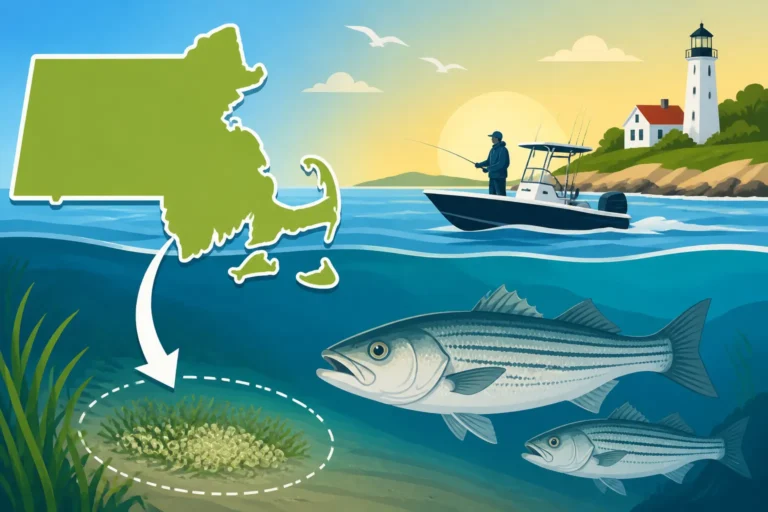
Ah, the striped bass. If there’s one fish that embodies Massachusetts saltwater fishing, it’s the striper. These majestic fish are powerful, aggressive, and provide an incredible fight, making them a top target for countless anglers from spring through fall. From the moment they arrive in our waters after their migration, usually in April or May, until they head south again in late fall, the pursuit of striped bass becomes an obsession for many.
They can be found in almost any saltwater environment, from tidal rivers and estuaries to rocky shorelines, sandy beaches, and offshore rips. Their adaptability and willingness to chase a variety of baits and lures make them accessible to anglers of all skill levels. However, their intelligence and tendency to be finicky can also present a significant challenge, which is part of their allure. It’s never just a given that you’ll catch them, and that makes the successful outings all the more rewarding.
Striped Bass Identification and Habitat
Striped bass, often simply called "stripers" or "linesiders," are easily identifiable by the distinctive horizontal dark stripes running along their silver-white bodies. They have a sleek, torpedo-shaped build, indicative of their powerful swimming ability. Their size can range from small "schoolie" stripers, often just over the legal minimum, to truly massive "cow" bass weighing upwards of 50 pounds or more.
You'll find stripers in a huge variety of habitats across Massachusetts. Early in the season, they're often found in warmer, shallower waters of estuaries, rivers, and bays, chasing herring and other baitfish. As the summer progresses, they move to cooler, deeper waters or concentrate in areas with strong currents like the Cape Cod Canal Fishing Guide for Massachusetts Anglers, where bait is funneled through. Look for them around rocky structure, jetties, rips, and near the mouths of rivers where they ambush schooling bait. How to Catch Striped Bass in Massachusetts goes into detail on specific techniques.
Regulations and Conservation of Striped Bass
Striped bass populations have faced significant pressure over the years, and as a result, strict regulations are in place to help protect them. These regulations, including size limits and bag limits, are crucial for the species' recovery and long-term health. It’s absolutely essential for every angler to know and respect these rules, as they can change. Always check the most current regulations before heading out, especially regarding the Massachusetts Striped Bass Slot Limit Explained.
Many anglers also practice catch-and-release, especially for larger breeding-size fish. If you do plan to release a striper, it's vital to handle it gently, minimize its time out of the water, and ensure it's revived properly before swimming away. Using circle hooks when fishing with natural bait is also highly recommended to reduce gut-hooking and improve the survival rate of released fish. This collective effort from the angling community is what helps ensure we have healthy striped bass populations for future generations to enjoy.
Bluefish: The Blitzing Brawlers of the Bay
If striped bass are the prized catch, bluefish are the gladiators of Massachusetts' inshore waters. Known for their voracious appetites, razor-sharp teeth, and incredibly aggressive fighting style, bluefish bring an unparalleled level of excitement to saltwater fishing. When a school of bluefish arrives and starts feeding, it's often referred to as a "bluefish blitz," characterized by birds diving, baitfish scattering, and water exploding as these powerful predators tear through their prey.
They might not have the same "trophy" status as a giant striper, but catching a bluefish is an experience in itself. They hit lures and baits with incredible force, fight hard all the way to the boat or shore, and are an absolute blast on light tackle. Just be warned: their teeth are no joke, and they can inflict serious damage on careless fingers or expensive lures!
Bluefish Behavior and Preferred Haunts
Bluefish are migratory, typically arriving in Massachusetts waters a bit later than stripers, usually by late May or early June, and staying through the warmer months into early fall. They're primarily pelagic, meaning they live in the open ocean, but they come close to shore and into bays and estuaries to feed. Their diet consists almost entirely of other fish, and they'll eat just about anything they can get their jaws around, including smaller stripers, mackerel, herring, and squid.
You'll find bluefish in many of the same areas as striped bass: around rips, shoals, sandy beaches, rocky points, and estuaries. They are often found patrolling deeper channels and areas with good current. The key to finding them is often locating baitfish schools. Look for tell-tale signs like diving birds or surface commotion, which often indicate a bluefish feeding frenzy. They're not shy, and once you find them, the action can be non-stop.
Tackling Bluefish and Knowing the Rules
Because of their sharp teeth, heavy monofilament or fluorocarbon leaders can often get snipped clean off. Many anglers opt for wire leaders, especially if they are targeting bluefish specifically, to prevent bite-offs. However, wire can sometimes deter stripers, so it's a trade-off depending on what you're hoping to catch. Using strong hooks and durable lures is also a good idea, as bluefish are notorious for destroying tackle. You can find robust jigs, poppers, and spoons on platforms like Amazon that stand up to their abuse.
Regulations for bluefish tend to be more generous than for stripers, but they still exist and are important to follow. Knowing the Massachusetts Bluefish Bag Limit and Season ensures you're fishing responsibly. While delicious when fresh, bluefish have a stronger, oilier flavor than some other species, so many anglers choose to bleed them immediately after catching to improve their taste. They're also fantastic smoked!
Bottom Dwellers: Tautog, Fluke, and Black Sea Bass
While the striped bass and bluefish dominate the surface and mid-water action, there’s a whole other world of exciting fishing happening down deep. Massachusetts' inshore and nearshore waters are home to several prized bottom-dwelling species that offer a different kind of angling challenge and reward. These fish typically prefer structure, whether it's natural rock piles, wrecks, reefs, or even man-made structures like bridges and jetties.
Targeting bottom dwellers often requires a more patient approach, specialized rigs, and sometimes, a very specific type of bait. But the payoff is worth it: these species are generally excellent eating and provide a unique satisfaction when you successfully entice them from their rocky or sandy hideaways. It’s a game of feel, subtlety, and often, outsmarting a fish that's perfectly camouflaged and well-acquainted with its underwater surroundings.
Tautog: The Crabby Crusher
Tautog, also known as "tog" or "white chins" due to the distinct white patch on the chin of males, are one of the most sought-after bottom fish in Massachusetts. They are masters of their rocky domain, incredibly powerful for their size, and possess a unique set of crushing teeth perfectly adapted for cracking shellfish, their primary diet. Catching a large tog is a true test of an angler's skill and patience.
You'll find tautog concentrated around any kind of hard structure: rocky reefs, mussel beds, jetties, bridge pilings, and wrecks. They are particularly active during the spring and fall, with specific seasons and bag limits that can change, so always check the current rules, especially for Massachusetts Tautog Size and Bag Limit by Season. The key to success often lies in using fresh crab (green crabs, hermit crabs, or fiddler crabs) as bait, presented on a stout hook with just enough weight to hold bottom, and being ready for a subtle bite followed by an immediate, powerful run for cover. Tautog Fishing in Massachusetts offers more detailed advice.
Fluke (Summer Flounder): The Flat Fish Favorite
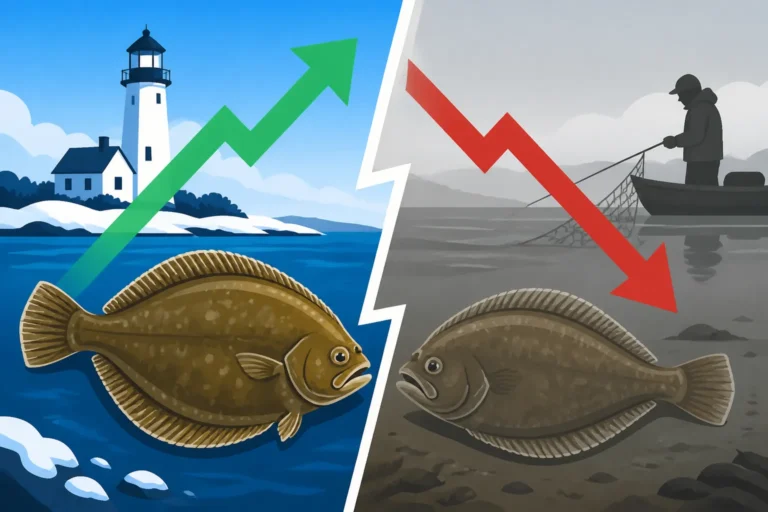
Fluke, or summer flounder, are another popular bottom species, particularly during the warmer months. These fascinating flatfish lie camouflaged on sandy or muddy bottoms, ambushing baitfish and squid that swim too close. They are known for their delicious white meat and can grow to impressive sizes, offering a good fight on lighter tackle.
Fluke prefer sandy or gravelly bottoms, often found near channels, inlets, and the edges of reefs where bait is plentiful. They migrate into our shallower coastal waters as the water warms in late spring and summer. Targeting fluke typically involves drift fishing with bait (like strips of squid or spearing) or bucktail jigs tipped with soft plastics or bait. The idea is to present your offering naturally as the current moves your boat or kayak, mimicking a fleeing baitfish. Be sure to understand Massachusetts Fluke Size Limits Explained as they can vary slightly between boat and shore anglers.
Black Sea Bass: The Colorful Fighters
Black sea bass are beautiful, often iridescent fish that are a blast to catch and even better to eat. They are aggressive feeders, often found in schools, and provide a spirited fight on light-to-medium tackle. Their firm, white flesh makes them a favorite for the dinner table.
These fish are primarily found around rocky bottoms, wrecks, artificial reefs, and other underwater structures, preferring somewhat deeper water than tautog or fluke, though they can be found in relatively shallow spots too. They're common in southern Massachusetts waters, like Buzzards Bay and Nantucket Sound. Black sea bass are opportunistic feeders and will readily hit bait like squid, clams, or strips of fish, as well as jigs and small bucktails. Anglers often target them by anchoring over structure and jigging or bottom fishing. Like all regulated species, check the current rules for their season and bag limits, as these can be quite specific.
The Tuna Dynasty: Bluefin and Beyond
For many anglers, the ultimate Massachusetts saltwater fishing dream involves heading offshore in pursuit of pelagic giants, and at the top of that list is the bluefin tuna. These magnificent, powerful fish are some of the fastest and strongest creatures in the ocean, and landing one is a monumental accomplishment, often requiring specialized gear, experienced captains, and a whole lot of grit.
Massachusetts waters, particularly off Cape Cod and the islands, are world-renowned bluefin tuna hotspots. But the tuna opportunities don't stop there; depending on the season and water temperatures, other tuna species like yellowfin and even bigeye can make appearances, adding to the allure of offshore angling. These are not your casual fishing trips; they are expeditions that test limits and create unforgettable memories.
Bluefin Tuna: The Apex Predator
Bluefin tuna are the kings of the North Atlantic. They are incredibly powerful, grow to immense sizes (with some giants exceeding 1,000 pounds!), and migrate long distances. Their presence in Massachusetts waters, especially from summer through fall, draws anglers from all over the globe. Targeting bluefin requires heavy-duty tackle, often 80-pound or even 130-pound class outfits, specialized boats, and a deep understanding of their behavior.
Anglers pursue bluefin using various techniques:
- Trolling: Dragging large lures or rigged baits behind a moving boat.
- Chunking: Anchoring and creating a chum slick to draw tuna to the boat, then fishing with fresh bait.
- Jigging and Popping: Actively casting and retrieving large jigs or surface poppers, a highly athletic and exciting method.
The waters around Stellwagen Bank, off Cape Cod, and further offshore are prime spots. Landing a bluefin is an epic battle that can last for hours, pushing both angler and tackle to their limits. Read up on Bluefin Tuna Fishing off Massachusetts if you dream of tackling these giants.
Yellowfin and Other Offshore Opportunities
While bluefin get most of the glory, warmer water species like yellowfin tuna can also be found offshore in Massachusetts, especially during warmer late summer and early fall months. Yellowfin are also incredibly fast and strong, and while they don't reach the colossal sizes of bluefin, they provide an exceptional fight and are highly prized for their delicious meat.
Targeting yellowfin often involves similar techniques to bluefin, though sometimes on slightly lighter tackle. Trolling with spreader bars, daisy chains, and ballyhoo rigs is common, as is chunking. For those looking for an even deeper-sea adventure, giant bluefin and sometimes bigeye tuna are found further offshore in canyon areas, but these trips are serious undertakings, often involving overnight stays and significant travel distances. These are typically chartered trips, and if you're considering one, it's wise to discuss all the options and target species with your captain.
Groundfish and Other Coastal Favorites: Cod, Haddock, Scup
Beyond the glamorous tuna and the popular inshore species, Massachusetts has a rich history of groundfishing – targeting fish that live on or near the seabed. While groundfish populations have fluctuated over the years, certain species like cod, haddock, and scup remain important targets for recreational anglers, offering both a fun fishing experience and excellent table fare. These fish are often found in cooler, deeper waters, though some will move closer to shore at certain times.
Groundfishing usually involves drifting or anchoring over specific underwater structures, rocky reefs, or banks, and using bait or jigs to tempt these bottom dwellers. It’s a classic style of fishing that many generations of New Englanders have enjoyed, connecting them directly to the state’s maritime heritage.
Cod and Haddock: Classic New England Catches
Cod and haddock are iconic New England fish, central to our region's fishing history and culinary identity. Both are delicious white-fleshed fish, but they have faced significant conservation challenges, leading to strict regulations. Recreational opportunities for these species can vary greatly, so checking the current rules and seasons is paramount.
- Cod: Known for their distinct barbel on their chin, cod are strong fighters and can grow quite large. They prefer cooler, deeper water over rocky or uneven bottom. Recreational anglers often find them on offshore banks or deeper ledges.
- Haddock: Similar in appearance to cod but with a distinctive black lateral line and a "thumbprint" spot above the pectoral fin, haddock typically prefer slightly softer bottoms and are often found in similar offshore areas.
Anglers targeting cod and haddock usually use heavy jigs, often tipped with bait like clams or strips of mackerel, fished directly on the bottom. The bite can be subtle, but once hooked, they put up a good fight, especially in deeper water. Access to these fish often requires a boat trip to deeper offshore grounds.
Scup (Porgy): Abundant and Delicious
Scup, also commonly called porgies, are an often-underestimated saltwater species in Massachusetts. They are incredibly abundant, relatively easy to catch, and absolutely delicious to eat, making them a fantastic target, especially for families or new anglers. They don't reach huge sizes, but what they lack in heft, they make up for in sheer numbers and accessibility.
Scup are bottom feeders, found over a variety of habitats including sandy, gravelly, and rocky bottoms, often in shallower bays and nearshore areas during the warmer months. They are particularly fond of structures like jetties, piers, and mussel beds. Targeting scup is typically done with simple bottom rigs (like a hi-lo rig) baited with small pieces of clam, squid, or sea worms. You can find pre-tied rigs and bait holders easily on Amazon, which simplifies setup. The bite is often aggressive, and it's not uncommon to catch multiple scup in a short period once you find a school. They provide consistent action and are a great way to introduce kids to the joys of saltwater fishing.
Lesser-Known but Worthy Catches: Bonito, False Albacore, Mackerel
While the "marquee" species get most of the attention, Massachusetts' diverse marine ecosystem hosts many other exciting saltwater fish that offer fantastic angling opportunities. These species might not always be the primary target, but they provide thrilling bycatch, challenging fights, and often, delicious rewards. Learning about these "supporting cast" members can expand your fishing horizons and add unexpected excitement to your trips.
From the lightning-fast schoolers that provide incredible light tackle action to the powerful pelagics that scream line off your reel, these species are well worth getting to know. They often make their appearance during specific seasons or in certain conditions, adding a dynamic element to the Massachusetts fishing calendar.
Bonito and False Albacore: The Hard-Fighting "Albies"
For light tackle enthusiasts, the arrival of bonito and false albacore (often affectionately called "albies") in late summer and early fall is a highly anticipated event. These members of the tuna family are smaller than bluefin but are renowned for their incredible speed, blistering runs, and tough fights on appropriate gear. They are pure adrenaline on a spinning rod!
- Bonito: Slightly slower and with a more streamlined body than albies, bonito have distinct dark stripes running diagonally along their backs. They are excellent eating, especially grilled.
- False Albacore: Often mistaken for bonito, albies have worm-like markings on their backs and are pure speed demons. They are catch-and-release only for most anglers, as their meat is dark and oily.
Both species are pelagic, chasing baitfish like peanut bunker and silversides along the coast. You'll find them around rips, shoals, and sometimes even in casting distance from shore, particularly on Cape Cod and the islands. Anglers target them with small metal jigs, flies, or soft plastics, often requiring precise casts and quick retrieves to match their erratic feeding behavior. The challenge and reward of landing one of these speedsters on light tackle is immense.
Mackerel and Herring: The Lifeblood of the Ecosystem
While often thought of as baitfish, mackerel and herring are also popular targets for recreational anglers, especially when they are abundant. They are schooling fish that form the base of the food chain for many larger predators, and when they are around, the entire ecosystem comes alive.
- Mackerel (Atlantic Mackerel): These beautiful, iridescent green-blue fish with wavy stripes are fast swimmers and provide a surprising fight on light gear. They arrive in large schools in spring and stay through summer. They are excellent fresh eating and prime bait for stripers and tuna.
- Herring (Alewives, Blueback Herring, Atlantic Herring): Various species of herring are crucial forage fish. While many are protected (especially river herring during their spawning runs), Atlantic herring are often found offshore and can be caught for bait or sometimes consumption.
Mackerel are often caught using Sabiki rigs (multi-hook rigs designed for baitfish) or small jigs and spoons. They can be found in bays, harbors, and offshore, often near structure or where bait is concentrated. Catching a cooler full of fresh mackerel is a fantastic way to stock up on bait for a striper trip or simply enjoy a delicious, healthy meal. Always be aware of regulations regarding herring, especially river herring, as they are often protected during certain times and locations.
Conservation and Responsible Angling Practices in Massachusetts
As anglers, we are deeply connected to the marine environment, and with that connection comes a profound responsibility. The health and abundance of Massachusetts' saltwater fish species depend heavily on our collective commitment to conservation and responsible angling practices. This isn't just about following the rules; it's about embracing a mindset that values sustainability and ensures that the incredible fishing opportunities we enjoy today will be there for future generations.
It's easy to get caught up in the thrill of the catch, but taking a moment to consider the impact of our actions can make a huge difference. From understanding regulations to practicing proper fish handling and minimizing our environmental footprint, every choice we make contributes to the bigger picture.
Understanding and Following Regulations
The most fundamental aspect of responsible angling is knowing and strictly adhering to all fishing regulations. These rules are not arbitrary; they are developed by fisheries scientists and managers based on the best available data to protect fish stocks. Regulations dictate:
- Size Limits: Minimum or maximum lengths (like the striper slot limit) to protect juvenile fish or large breeding adults.
- Bag Limits: The number of fish of a particular species you can keep per day.
- Seasons: Specific periods when certain species can or cannot be harvested.
- Gear Restrictions: Rules about hook types (e.g., circle hooks for bait fishing), number of rods, or specific tackle.
It's essential to consult the Massachusetts Division of Marine Fisheries (DMF) website or obtain the latest fishing guide before each season or trip. Regulations can change, and ignorance is not an excuse for non-compliance. Obtaining your Massachusetts Saltwater Recreational Fishing Permit Explained is the first step, and understanding the nuances of Massachusetts Fishing Seasons Explained is crucial for all anglers.
Ethical Fish Handling and Catch-and-Release
For many species, or when you've reached your bag limit, catch-and-release is a vital conservation tool. To maximize the survival of released fish, follow these best practices:
- Minimize Handling: Keep the fish in the water as much as possible. If you must remove it, do so quickly and gently.
- Wet Hands: Always wet your hands before touching a fish to avoid removing its protective slime coat.
- Support the Fish: Support the fish horizontally, especially larger fish, to protect its internal organs and spine. Avoid holding it vertically by the jaw or tail.
- Use Barbless or De-barbed Hooks: These make hook removal much easier and faster, reducing stress on the fish. You can buy barbless hooks, or simply crimp down the barb on your existing hooks with a pair of pliers.
- Quick Hook Removal: Use pliers or a de-hooking tool to remove the hook as quickly and carefully as possible. If a fish is deeply hooked, cut the line as close to the hook as you can rather than trying to rip the hook out.
- Revive the Fish: If a fish seems sluggish, hold it gently in the water, facing into the current, until it regains its strength and can swim away on its own.
Practicing ethical fish handling demonstrates respect for the marine life we pursue and helps ensure that released fish survive to spawn and be caught another day. Investing in good fishing pliers and a de-hooker (readily available on Amazon) is a small price to pay for responsible angling.
Table of Common Massachusetts Saltwater Fish Species
Here's a quick overview of some of the most common saltwater species you'll encounter in Massachusetts, to give you a clearer picture of what's out there:
| Species | Typical Habitat | Primary Diet | Best Season (General) | Notable Characteristics |
|---|---|---|---|---|
| Striped Bass | Estuaries, rocky shore, beaches, rips | Baitfish (herring, mackerel, squid) | Spring, Summer, Fall | Distinct stripes, powerful fight, prized catch |
| Bluefish | Beaches, bays, offshore rips | Baitfish (any), squid | Summer, Early Fall | Razor-sharp teeth, aggressive, hard fighters |
| Tautog | Rocky bottoms, wrecks, jetties | Crabs, shellfish, worms | Spring, Fall | Crushing teeth, powerful for size, structure-oriented |
| Fluke | Sandy/muddy bottoms, channels, inlets | Baitfish, squid, worms | Summer | Flatfish, delicious, ambushes prey from bottom |
| Black Sea Bass | Rocky bottoms, wrecks, reefs | Crabs, shrimp, small fish | Summer, Early Fall | Colorful, aggressive, excellent eating |
| Bluefin Tuna | Offshore banks, rips | Mackerel, herring, squid | Summer, Fall | Massive size, incredible strength, migratory |
| Scup (Porgy) | Sandy/gravelly bottoms, piers, jetties | Worms, clams, small crustaceans | Summer | Abundant, easy to catch, very good eating |
| Bonito | Rips, shoals, nearshore ledges | Small baitfish | Late Summer, Fall | Fast, strong runs, good eating, light tackle |
| False Albacore | Rips, shoals, nearshore ledges | Small baitfish | Late Summer, Fall | Blistering speed, incredible fighter, catch-and-release |
| Atlantic Mackerel | Bays, harbors, offshore schools | Small crustaceans, plankton, baitfish | Spring, Summer | Fast, good bait and food, schooling fish |
Disclaimer
This article is for general informational purposes only and does not constitute professional advice. Laws, prices and regulations vary by location and change over time. Consult a qualified professional for guidance on your specific situation.