Are There Landlocked Salmon in Massachusetts?
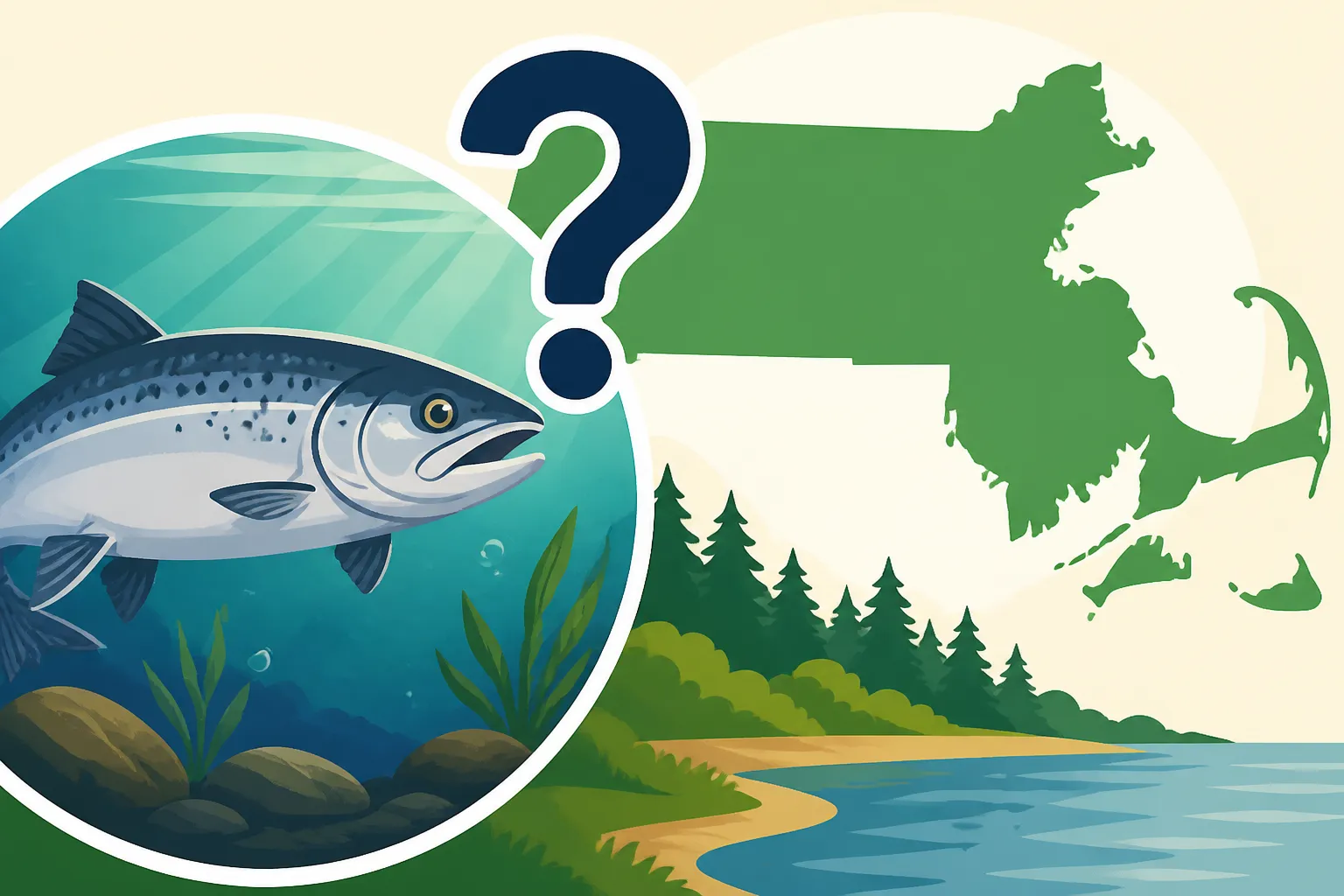
If you're an angler in Massachusetts, you've probably heard whispers or maybe even outright confusion about salmon. Most folks think of salmon as a purely anadromous fish, heading out to sea and returning to rivers, or perhaps envision vast lakes up in Maine. So, when the question comes up, "Are there landlocked salmon in Massachusetts?" it's perfectly natural to feel a bit unsure. Well, good news, dreamers! While they are certainly one of our rarer and more elusive catches, landlocked salmon do exist in the Bay State. This guide will take a deep dive into where you might find these magnificent fish, what makes them special, and how you might, with a lot of luck and skill, add one to your Massachusetts fishing memories.
Understanding Landlocked Salmon in Massachusetts: A Rare Gem
The very idea of "landlocked salmon" can be a bit of a head-scratcher. After all, isn't salmon a saltwater fish? Yes, and no! Let's clear up some of that mystery.
What Exactly is a Landlocked Salmon?
To understand landlocked salmon, it helps to first think about their more famous cousins: Atlantic salmon. True Atlantic salmon are anadromous, meaning they're born in freshwater rivers, migrate to the ocean to grow, and then return to those same rivers to spawn. It's a truly incredible journey!
Landlocked salmon (scientific name Salmo salar sebago) are, genetically speaking, the exact same species as Atlantic salmon. The key difference, as the name suggests, is that they live their entire lives without ever reaching the ocean. Over millennia, populations of Atlantic salmon became isolated in vast freshwater lakes due to geological changes, like receding glaciers or land uplift. These fish adapted to a purely freshwater existence, retaining all the power and beauty of their anadromous relatives but completing their entire life cycle within a lake system. They're often streamlined and silver, much like a sea-run salmon, and known for their acrobatic fights once hooked. They typically feed on baitfish like alewives or smelt, which thrive in the deep, cold waters they call home.
The Elusive Presence in Massachusetts Waters
Now, getting to the heart of the matter for us here in Massachusetts: are they truly here? The answer is a resounding, albeit quiet, yes. However, it's crucial to understand that their presence is incredibly limited and largely sustained through stocking efforts, rather than extensive natural reproduction. You won't find them in every cold lake or river; they require very specific conditions to thrive.
Catching a landlocked salmon in Massachusetts is considered a significant achievement among anglers, akin to finding a four-leaf clover. They are truly the "unicorn" of our freshwater species, offering a thrilling challenge that attracts dedicated enthusiasts. Their elusive nature only adds to their allure, making every twitch of the line a moment of heightened anticipation. While not native to all Massachusetts waters, their introduction and careful management in select locations provide a unique and exciting fishery for those willing to put in the effort.
Where to Find Landlocked Salmon in Massachusetts (If You're Lucky!)
When it comes to targeting landlocked salmon in Massachusetts, there's one location that stands head and shoulders above the rest as the primary stronghold for these fish.
Quabbin Reservoir: The Primary Stronghold
If you're serious about trying to catch a landlocked salmon in Massachusetts, then the Quabbin Reservoir Fishing Guide for Massachusetts Anglers needs to be your bible. Quabbin Reservoir, a massive body of water spanning over 40 square miles, is by far the most well-known and consistent (and by consistent, we mean most likely) place to find landlocked salmon. This incredible reservoir was created in the 1930s to supply drinking water to Boston and its surrounding communities, and its deep, cold, and pristine waters have proven to be an ideal habitat for these cold-water species.
MassWildlife has actively stocked landlocked salmon in Quabbin for decades, aiming to create a trophy fishery. These salmon thrive on the reservoir's abundant populations of baitfish, primarily smelt, which are crucial to their growth into powerful, hard-fighting fish. The sheer size and depth of Quabbin mean that these salmon have vast amounts of water to roam, making them challenging to locate. Anglers often focus on specific areas, especially near drop-offs, underwater islands, and where feeder streams enter the reservoir, particularly during the cooler spring and fall months. Understanding the unique rules and regulations for this body of water, including obtaining specific Quabbin Reservoir Fishing Permits and Rules in Massachusetts, is absolutely essential before you even think about wetting a line there.
Other Potential, Though Unlikely, Locations
While Quabbin Reservoir is the primary (and arguably only truly viable) spot, anglers occasionally wonder about other large, cold lakes in the state. Historically, some smaller, colder lakes might have received experimental stockings decades ago, but these efforts were typically not sustained due to habitat limitations or lack of suitable forage.
The reality is that very few other bodies of water in Massachusetts possess the combination of deep, cold, oxygenated water, and a robust forage base necessary to support a healthy landlocked salmon population. Most Massachusetts lakes simply get too warm in the summer or lack the necessary depth and structure. So, while it's fun to dream of discovering a hidden gem, setting your sights on Quabbin Reservoir is truly your best bet for a chance at these magnificent fish. Don't fall for old tales of salmon in ponds that haven't seen a stocking in generations; focus your efforts where the fish actually are.
Tips for Targeting Landlocked Salmon (If You Dare to Dream)
Alright, you've decided to embark on the quest for a Massachusetts landlocked salmon. It's a challenging endeavor, but with the right approach and a bit of luck, it's not impossible.
Gear and Tactics for Success
Catching landlocked salmon isn't like casting a worm for sunfish. These are powerful, fast-swimming predators that require specialized gear and techniques, especially in a vast reservoir like Quabbin.
- Trolling is Key: The most effective method for targeting landlocked salmon is trolling. This involves slowly moving a boat while dragging lures at specific depths. Because salmon often suspend in the water column, covering a lot of water and presenting your lure at the right depth is crucial.
- Downriggers or Lead Core Line: To get your lures down to where the salmon are feeding, you'll often need specialized equipment. Downriggers are devices that use a heavy ball and a release clip to carry your lure down to a precise depth. Alternatively, lead core line, which is weighted fishing line, can help get lures deeper without additional weights. For a variety of trolling weights and downrigger accessories, you can often find good options on Amazon.
- Lures: Landlocked salmon are typically feeding on baitfish, so lures that imitate smelt or alewives are highly effective. Common choices include:
- Spoons: Thin, wobbling metal lures like the Sutton Spoon or Daredevle in silver, blue, or green patterns.
- Stickbaits/Minnow Plugs: Lures that mimic the shape and action of a baitfish, such as a Rapala or similar designs.
- Flasher/Dodger Combinations: These aren't lures themselves but attractors that precede a shorter leader with a fly or small spoon, creating flash and vibration to draw salmon in.
- Rod and Reel: You'll want a medium-action trolling rod, typically 7-9 feet long, paired with a reliable baitcasting reel spooled with strong monofilament or braided line. When a salmon hits, it hits hard, and you'll need the stopping power and drag system to handle those initial runs. Look for combos with good reviews on Amazon to start your research.
- Electronics: A good fishfinder and GPS are invaluable. The fishfinder will help you identify baitfish schools and potential salmon arches, while GPS allows you to mark productive trolling passes and navigate the vast waters of Quabbin.
Remember, precision and persistence are your greatest allies. Pay attention to your depth, speed, and lure action. Sometimes a subtle change can make all the difference.
Best Times and Conditions
Just like any other fish, landlocked salmon have preferred times and conditions for feeding.
- Seasons: Spring and fall are generally considered the best times to target landlocked salmon in Massachusetts. In spring, as ice melts, salmon often move shallower, closer to the surface or near spawning areas of their forage fish. The fall bite can also be excellent as water temperatures cool, and salmon become more active before winter. Summertime fishing can be challenging as salmon retreat to deeper, cooler thermal refuges.
- Water Temperature: Landlocked salmon prefer cold water, ideally in the 45-60 degree Fahrenheit range. This is why targeting them in the spring and fall, or in the deeper sections of Quabbin during summer, is crucial.
- Time of Day: Early mornings and late evenings, when light levels are low, often provide the best feeding windows. These crepuscular periods are when salmon are most actively hunting baitfish. Overcast days can also extend these feeding windows throughout the day.
- Weather: Stable weather patterns are generally more favorable. Sudden cold fronts or drastic changes in barometric pressure can put fish off the bite.
Before heading out, always check the local weather forecast and water temperature reports (if available) to help plan your trip for optimal conditions.
Rules and Regulations for Landlocked Salmon in MA
Fishing for landlocked salmon, especially in a managed water body like Quabbin Reservoir, comes with specific responsibilities and regulations that you must absolutely adhere to.
Licensing Requirements
First and foremost, you need a valid Massachusetts fishing license. There's no separate "salmon license" for inland waters. Whether you're a resident or a non-resident, you'll need to secure the appropriate license for freshwater fishing. This can often be done online through the MassFishHunt system, or in person at various vendors across the state. For a complete guide on how to get started, check out the Massachusetts Fishing License Guide. Remember, having your license with you while fishing is non-negotiable, and failing to do so can result in penalties.
Beyond the general state license, Quabbin Reservoir has its own set of rules and specific permits. These rules are in place to protect the reservoir as a drinking water source and to manage its unique fishery. You’ll need to understand boat launch restrictions, approved boat types, and potentially special daily access permits. Always consult the most current regulations for Quabbin before your trip.
Catch Limits and Conservation
Landlocked salmon are a prized sport fish, and their populations, particularly in Massachusetts, are carefully managed to ensure sustainable fishing opportunities. This means there are strict rules regarding what you can keep.
Specific catch limits (bag limits and minimum size limits) are set by MassWildlife and can change, so always check the most current regulations pamphlet or the MassWildlife website before you head out. For instance, there might be a limit of one or two fish per day, and they might need to be over a certain length. These regulations are designed to allow enough fish to survive and potentially spawn, or to ensure that stocked fish have a chance to grow into trophy sizes.
Conservation is paramount. Many anglers, especially those targeting these rare fish, practice catch and release to help sustain the population. If you do intend to keep a fish within the legal limits, make sure you know how to properly handle it to minimize stress if you decide to release it, or to quickly dispatch and care for it if you're keeping it for the table. Knowing Massachusetts Freshwater Daily Catch Limits and adhering to them is not just about avoiding a fine; it's about being a responsible angler and contributing to the health of our fisheries.
Remember, the goal is not just to catch a fish, but to respect the resource and ensure that future generations can also experience the thrill of pursuing these elusive landlocked salmon.
Comparing Salmon Types and Fishing Preparations
To help clarify the differences and sum up what you might need, here's a quick comparison.
| Characteristic | Anadromous (Sea-Run) Atlantic Salmon | Landlocked Atlantic Salmon (Massachusetts) |
|---|---|---|
| Life Cycle | Born in freshwater, migrates to ocean, returns to freshwater to spawn | Lives entire life cycle in freshwater lakes |
| Primary Location MA | Historically in some rivers (highly protected, restoration efforts) | Primarily Quabbin Reservoir (stocked fishery) |
| Size Potential | Can grow very large in the ocean | Large, but generally smaller than sea-run, dependent on forage in lake |
| Fishing Gear | Fly fishing (for returning adults), specialized ocean gear | Trolling gear (downriggers, lead core), spoons, stickbaits, fly fishing |
| Availability MA | Extremely rare, catch & release only (if encountered) | Rare, but catchable by dedicated anglers in Quabbin |
| Regulations | Very strict, often catch & release, special permits for specific areas | MA freshwater license + Quabbin permit, specific size/bag limits apply |
When preparing for your landlocked salmon adventure, think big water, deep fish, and sharp hooks. It's a journey into the wild, even in our well-managed Massachusetts waters!
Disclaimer
This article is for general informational purposes only and does not constitute professional advice. Laws, prices and regulations vary by location and change over time. Consult a qualified professional for guidance on your specific situation.