Why herring runs are protected in Massachusetts
For anyone who loves casting a line in Massachusetts, whether it's in a quiet freshwater pond or along the bustling coastline, you've probably heard chatter about river herring and why they're so heavily protected. It can feel a bit restrictive sometimes, especially if you're just trying to enjoy a day out, but the truth is, the strict rules around these small fish are absolutely vital for the health of our entire ecosystem and, ultimately, for the future of fishing in the Commonwealth. This guide will walk you through exactly why river herring runs are such a big deal and why MassWildlife and anglers alike are so committed to their protection.
The Critical Role of River Herring in Massachusetts Ecosystems
It might seem like a lot of fuss for a relatively small fish, but river herring – which primarily refers to alewives and blueback herring – are truly the unsung heroes of many Massachusetts waterways. They're a cornerstone species, meaning their presence, or absence, has massive ripple effects throughout the food chain.
A Vital Forage Fish: Fueling the Food Chain
Imagine a vast, intricate web, where every strand is connected. River herring are like a central knot in that web. They are a "forage fish," which means they're a primary food source for a huge array of other animals. From the moment they hatch in freshwater, they become sustenance for various aquatic insects, larger fish, and even birds. Once they migrate out to sea, and then return as adults, they're a literal buffet for some of the most sought-after game fish and wildlife we have in Massachusetts.
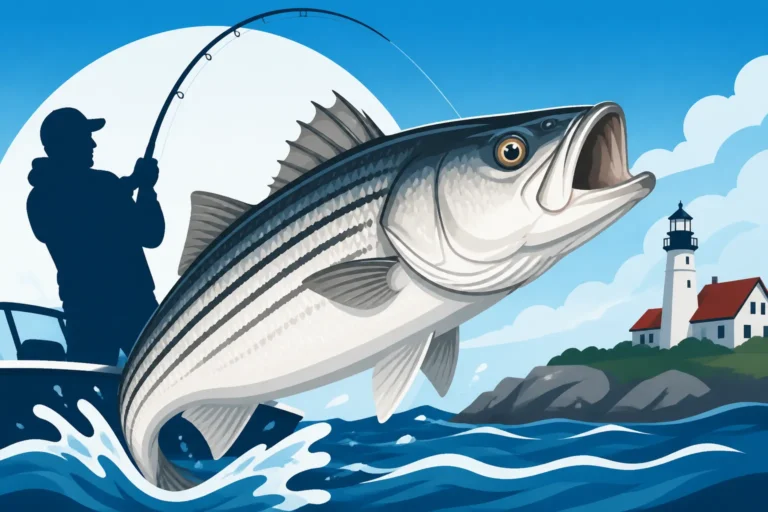
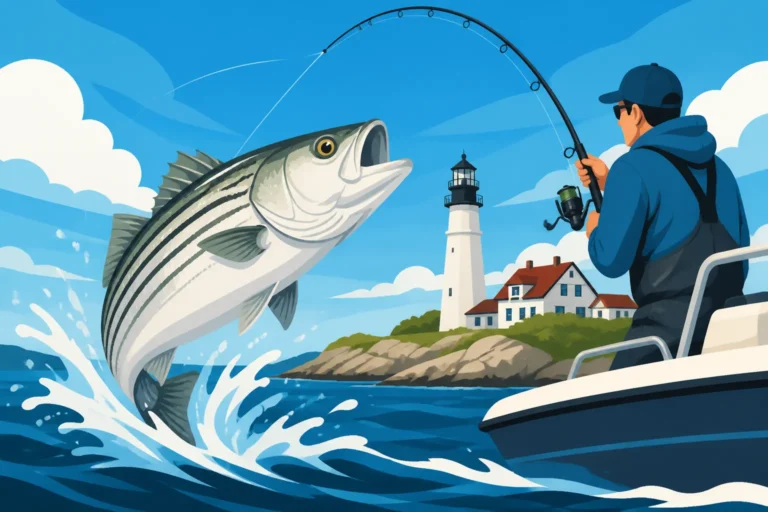
Think about it: those big, beautiful striped bass that everyone chases? They follow the herring. Bluefish? Absolutely love to smash through schools of them. Even cod and tuna offshore rely on these abundant baitfish. Beyond fish, migratory birds like ospreys and bald eagles time their nesting and hunting around the spring herring runs, while seals and larger marine mammals also feast on them in our coastal waters. Without a healthy population of river herring, these predator species would struggle immensely, leading to declines across the board. It's truly a case of the small supporting the mighty.
An Anadromous Journey: The Freshwater-Saltwater Link
What makes river herring even more special is their incredible life cycle. They're what we call "anadromous" fish, meaning they spend most of their adult lives in saltwater but migrate to freshwater to spawn. This incredible journey connects our oceans with our rivers, ponds, and lakes in a profound way. Every spring, these determined fish swim upstream, often against strong currents, to lay their eggs in the same freshwater bodies where they were born. What an anadromous fish is and which ones live in Massachusetts delves deeper into this fascinating phenomenon.
This migration isn't easy. Historically, natural obstacles like waterfalls posed challenges, but human-made barriers like dams, culverts, and even pollution have made their upstream journey incredibly difficult, if not impossible, in many areas. When these fish can't reach their traditional spawning grounds, they can't reproduce successfully, and their populations plummet. Protecting the runs isn't just about the fish themselves; it's about preserving a fundamental connection between two vital ecosystems and ensuring the continuation of a natural spectacle that has played out for millennia.
Economic and Recreational Value
While most anglers aren't directly targeting river herring to put on their dinner plate, the economic and recreational value of these fish is immense, albeit indirect. Consider the entire Massachusetts fishing industry. Commercial fishermen target species like striped bass, bluefish, and even some offshore tuna, all of which rely heavily on river herring as a food source. Without healthy herring populations, the viability of these commercial fisheries would be significantly impacted, affecting jobs, seafood markets, and local economies.
On the recreational side, it’s much the same story. Anglers flock to the Massachusetts coast for striped bass and bluefish, driving tourism, generating sales for bait and tackle shops, and boosting charter services. If the forage base declines, so too will the populations of these popular game fish, leading to fewer fishing opportunities and less money flowing into the local outdoor recreation economy. Beyond the direct catch, the annual herring runs themselves are a draw. Many towns have viewing platforms where families can watch thousands of fish making their incredible journey upstream – a truly magical experience. Supporting river herring protection also means supporting these unique natural spectacles.
Historical Decline and the Urgent Need for Protection
The stringent protections we see today didn't just appear out of nowhere. They are a direct response to a very real and severe crisis that river herring populations faced for decades, threatening to unravel the delicate balance of our marine and freshwater environments.
Overfishing and Habitat Loss: A Double Whammy
For many years, river herring were a commercially important species, caught in large numbers for bait, food, and even agricultural fertilizer. Combine this historical fishing pressure with rapid industrialization and development along our rivers, and you have a recipe for disaster. Dams were built for mills and power, blocking access to critical spawning habitats. Rivers became polluted with industrial waste and agricultural runoff, further degrading the water quality necessary for herring to reproduce and thrive.
Imagine miles upon miles of prime spawning habitat suddenly cut off by a concrete wall, or made uninhabitable by toxic waste. This "double whammy" of intense fishing pressure and widespread habitat destruction led to catastrophic declines in river herring numbers. By the late 20th century, many runs that once numbered in the millions were reduced to mere thousands, if they hadn't disappeared entirely. It became clear that without drastic intervention, we risked losing these vital fish forever. You can learn more about specific regulations in the Massachusetts Recreational Fishing Rules and Bag Limits guide.
The Impact on Other Fisheries
The decline of river herring wasn't just bad news for the herring themselves; it sent shockwaves throughout the entire ecosystem. As we discussed, these fish are a critical food source. When their numbers plummeted, it directly affected their predators. Imagine a grocery store suddenly running out of its most popular item, week after week. Shoppers would go elsewhere, or they'd simply starve. That's essentially what happened to species like striped bass, bluefish, and even some of the larger offshore predators.
When striped bass, in particular, couldn't find enough river herring to eat, their growth rates suffered, their overall health declined, and their populations became less resilient. Anglers started noticing fewer and smaller fish, and the vibrant coastal fisheries that Massachusetts is known for began to show signs of strain. It highlighted a crucial ecological principle: you can't have a healthy population of predators without a healthy population of prey. The health of our most beloved game fish, including those subject to Massachusetts Striped Bass Slot Limit Explained and Massachusetts Bluefish Bag Limit and Season, is inextricably linked to the abundance of river herring.
Conservation Efforts Take Center Stage
Recognizing the severity of the situation, Massachusetts, along with other New England states, took significant action. State agencies like the Massachusetts Division of Marine Fisheries (DMF) and MassWildlife stepped up their efforts, shifting from simply managing catch to actively trying to rebuild these crucial populations. This involved comprehensive studies, habitat assessments, and the implementation of strict protection measures.
The realization dawned that protecting river herring wasn't just about saving one species; it was about safeguarding the integrity of our marine and freshwater ecosystems and ensuring the sustainability of countless other fisheries, both commercial and recreational. The focus became not just on stopping the decline but on actively fostering recovery, understanding that a strong foundation of forage fish is essential for a thriving aquatic environment.
Key Protections and Their Effectiveness in Massachusetts
So, what exactly has Massachusetts done to protect river herring, and how are these efforts making a difference? It's a multi-pronged approach that combines strict regulations with active habitat restoration.
Fishing Bans and Catch Limits
One of the most direct and impactful actions taken was to implement strict regulations on harvesting river herring. In most Massachusetts waters, there is a complete ban on the harvest, possession, and sale of alewives and blueback herring. This means anglers cannot intentionally catch them, keep them, or use them as bait unless explicitly authorized through very specific, limited programs or permits, often related to traditional cultural uses or scientific research. Whether you can keep river herring in Massachusetts explores this in more detail.
These bans and limits are crucial because they significantly reduce direct mortality on the struggling populations, allowing more adult fish to survive their spawning runs and contribute to the next generation. It’s a bit like giving a critically ill patient time to recover without further stress. While it can sometimes be frustrating for anglers who might accidentally snag a herring or wish to use them for bait, this "hands-off" policy is universally understood to be essential for their recovery. The penalties for fishing without a license or violating these specific regulations can be stiff, as outlined in Massachusetts fishing license fine for a first offense, underscoring the seriousness of these protections.
Restoring Passage: Fish Ladders and Dam Removals
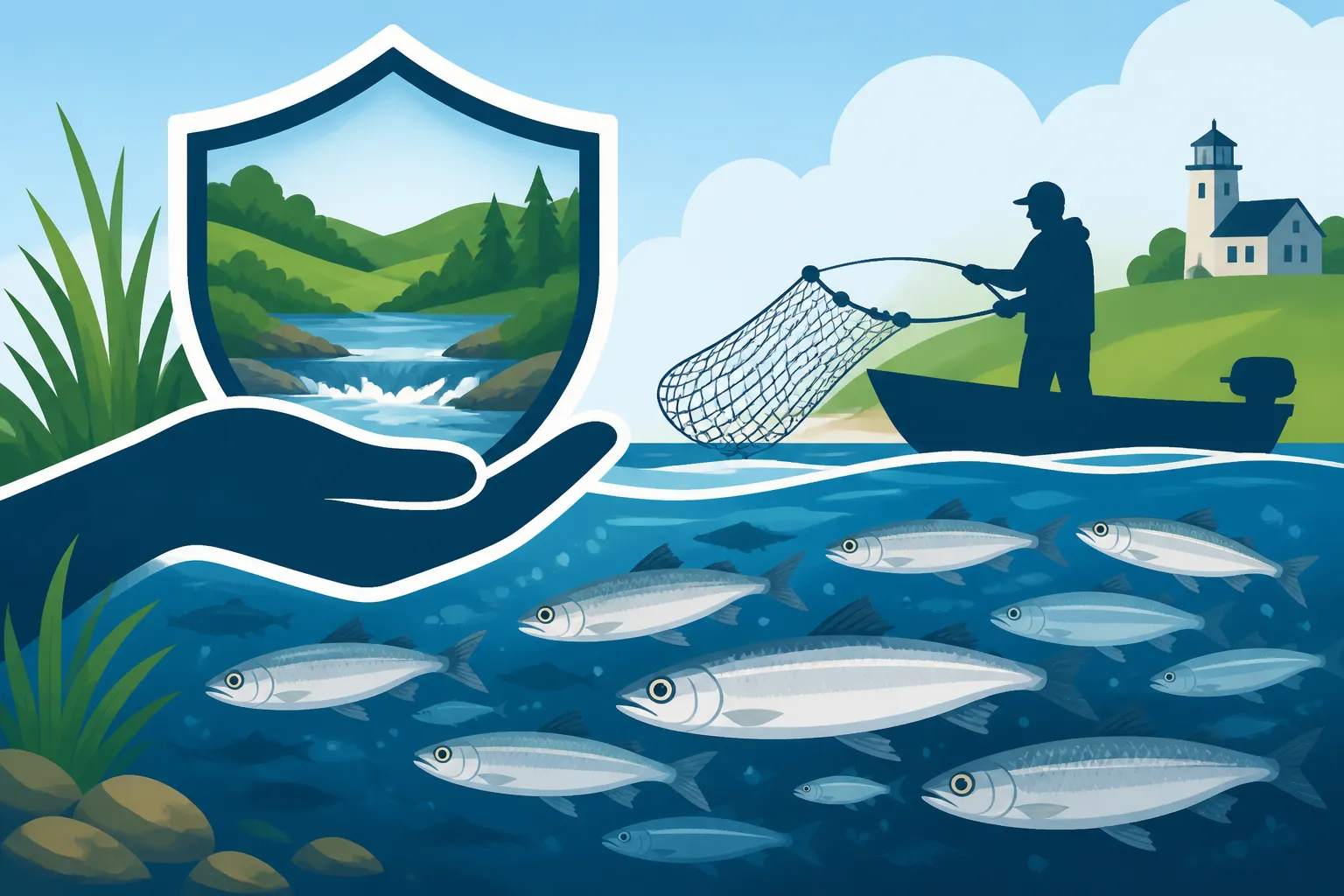
Beyond just preventing people from catching them, a massive effort has gone into addressing the historical damage to river herring habitat. The primary focus here has been on restoring upstream passage to spawning grounds that were blocked by dams for centuries. This is where initiatives like building fish ladders, replacing outdated culverts, and even outright dam removals come into play.
- Fish Ladders: These ingenious structures, often a series of stepped pools or a sloping channel, allow fish to navigate around dams, giving them access to miles of habitat that were previously unreachable. MassWildlife and environmental groups work tirelessly to maintain existing ladders and install new ones where feasible.
- Culvert Replacements: Many old road culverts beneath roadways act as barriers, either too high or too fast-flowing for fish to pass. Replacing these with larger, more natural stream-friendly designs can reconnect fragmented habitats.
- Dam Removals: In cases where dams are obsolete, unsafe, or simply no longer serve a critical purpose, removing them entirely is often the best solution. This completely restores the natural flow of the river and provides unimpeded access for fish.
These habitat restoration projects are expensive and complex, but their impact is profound. They literally open up new avenues for herring to reproduce, leading to dramatic increases in population numbers in restored rivers. These efforts are often a collaboration between state agencies, local communities, and conservation organizations, sometimes funded through grants.
Monitoring and Research
Effective conservation isn't a "set it and forget it" kind of deal. State agencies like the Massachusetts Division of Marine Fisheries (DMF) and MassWildlife continuously monitor river herring populations. This involves counting fish at ladders, surveying spawning grounds, and analyzing data on their health and migration patterns. This ongoing research helps to assess the effectiveness of current protection measures and informs future management decisions.
For instance, biologists will check the age and size distribution of fish, look for signs of disease, and analyze water quality. This data is critical for understanding population trends and making informed choices about where to focus restoration efforts next. There's even technology available, like specialized cameras and remote sensors (some of which you can find on Amazon for general environmental monitoring, though state agencies use highly specialized versions), to help with counts and observations, providing a clearer picture of how these populations are recovering. Without this diligent oversight, we'd be flying blind, and the progress made could easily be undone.
| Key Protection Strategy | Primary Goal | Impact on Herring Populations |
|---|---|---|
| Fishing Bans | Reduce direct mortality | Allows more adults to spawn, boosts recruitment |
| Habitat Restoration | Reconnect spawning grounds | Increases available habitat, improves reproductive success |
| Monitoring & Research | Track populations, inform management | Ensures strategies are effective and adaptive |
How Anglers and the Public Can Contribute to Herring Conservation
As anglers and citizens of Massachusetts, we all have a role to play in protecting these vital fish. Our actions, big or small, can make a difference in ensuring the long-term health of river herring runs and, by extension, our entire aquatic environment.
Respecting Regulations and "Hands Off" Policies
The most crucial thing any angler can do is to strictly adhere to the "no take" policy for river herring. This means:
- No Intentional Targeting: Do not try to catch river herring.
- Immediate Release: If you accidentally snag one while fishing for other species, release it immediately and gently. Minimize handling, and get it back into the water as quickly as possible.
- No Use as Bait: Do not use river herring, whether live or dead, as bait unless you are part of a specific, legally authorized program. Even if you see them for sale somewhere, confirm their legality for use, as often it's prohibited.
- Know the Rules: Familiarize yourself with the regulations. The Massachusetts Fishing Regulations Pamphlet, Explained is an excellent resource, often available through MassFishHunt, the state's licensing and reporting system, which you can read about in How MassFishHunt Works for Buying a Massachusetts License.
Understanding that these rules are in place for the greater good, and not to simply inconvenience you, is paramount. Every fish counts, especially when a species is in recovery. Observing a beautiful spring herring run is a privilege, and keeping your distance ensures minimal disturbance to the spawning fish.
Supporting Habitat Restoration Initiatives
While you might not be able to personally remove a dam, you can still support the organizations and agencies that do this crucial work. Many local conservation groups, river councils, and state divisions are constantly seeking volunteers, donations, or simply public awareness for their habitat restoration projects. Whether it's helping with a river cleanup, attending a public meeting to voice support for a restoration project, or contributing financially to a non-profit dedicated to river health, every bit helps.
Healthy rivers and streams benefit everyone, not just river herring. They improve water quality, provide habitat for a diverse range of freshwater fish and wildlife, and create beautiful natural spaces for us to enjoy. Thinking about the broader ecological picture, and how fish like river herring are critical to it, helps us understand the importance of these efforts.
Spreading Awareness and Education
Finally, simply being an informed and responsible angler can make a huge difference. Talk to your fellow fishermen about why these protections are in place. Share what you've learned about the importance of forage fish and the anadromous life cycle of species like What a river herring is. The more people who understand the "why" behind the regulations, the more likely they are to comply and support conservation efforts.
You might even consider expanding your knowledge beyond just the fish you target. A good book on local fish species or marine ecology (easily found on Amazon) can deepen your appreciation for the complex ecosystems we're a part of. By educating ourselves and others, we become better stewards of Massachusetts' incredible natural resources, ensuring that future generations can also experience the magic of a healthy herring run and the thrill of fishing in thriving waters.
Disclaimer
This article is for general informational purposes only and does not constitute professional advice. Laws, prices and regulations vary by location and change over time. Consult a qualified professional for guidance on your specific situation.