What an anadromous fish is and which ones live in Massachusetts
Many anglers in Massachusetts have heard terms like "anadromous" tossed around, often without a clear understanding of what it truly means for a fish or for our local waterways. It can be confusing to keep track of which fish migrate, why they do it, and what implications their unique lifecycles have for fishing and conservation. This comprehensive guide will demystify anadromous fish, explore the specific species that inhabit Massachusetts waters, and explain why their journeys are so vital to our ecosystems and our angling traditions.
What Exactly Is an Anadromous Fish? Unpacking the Definition
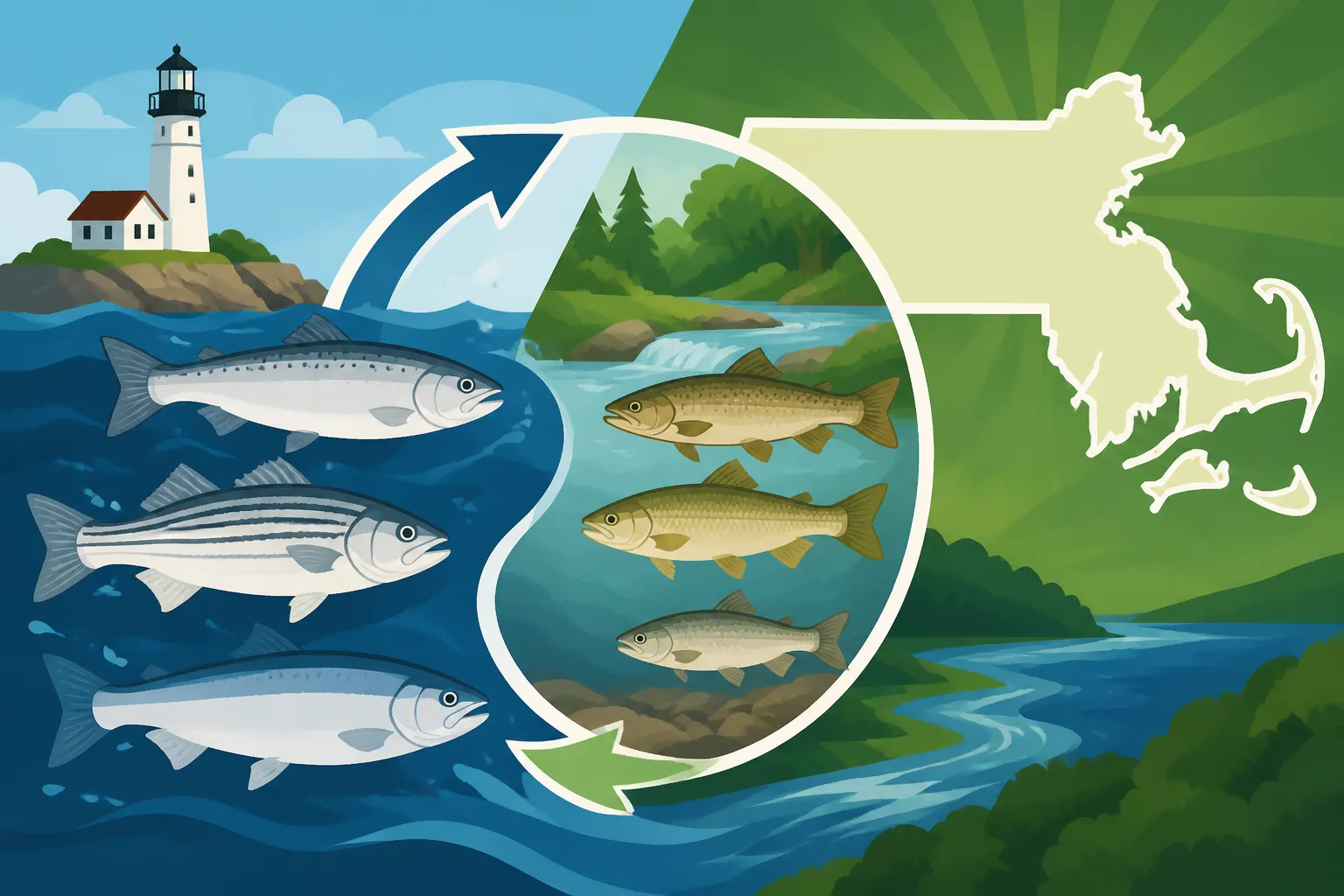
When we talk about anadromous fish, we're describing a fascinating and incredibly resilient group of species that live a double life, splitting their time between fresh and saltwater environments. This isn't just a casual swim; it's a fundamental part of their reproductive cycle, driven by an instinct to return to the very rivers and streams where they were born. Understanding this journey is key to appreciating these incredible creatures.
The Incredible Journey: From Salt to Fresh
At its core, anadromy describes fish that spend most of their adult lives in saltwater, growing and maturing, but then migrate to freshwater to spawn. Think of it like someone growing up in a bustling city (the ocean) but returning to their childhood home in a quiet rural town (the river) to raise their family. This migration often involves incredible feats of endurance, as fish must navigate currents, overcome obstacles, and adapt their bodies from a saline environment to a freshwater one. Their physiology undergoes remarkable changes to manage the different osmotic pressures – essentially, how their bodies handle salt and water balance.
Once they reach their natal spawning grounds in freshwater rivers, lakes, or streams, they lay their eggs. After the eggs hatch, the juvenile fish, or "fry," will spend a period in freshwater, growing larger and stronger, before they undertake their own migration downstream to the ocean. This cycle is critical for their survival, providing the young fish with protection from certain marine predators and access to rich freshwater food sources during their vulnerable early stages. It’s a delicate balance that has evolved over millennia.
Anadromous vs. Catadromous: Knowing the Difference
While anadromous fish are widely recognized, it's worth briefly touching on their lesser-known counterparts: catadromous fish. The names sound similar, but their migratory patterns are precisely opposite. Where anadromous fish go from salt to fresh to spawn, catadromous fish do the reverse: they live most of their adult lives in freshwater and then migrate to saltwater to spawn. The most famous example of a catadromous fish in our region is the American Eel.
Knowing this distinction helps us appreciate the diversity of migratory strategies in the aquatic world. Both types of migration highlight the interconnectedness of different aquatic habitats. A healthy ocean is important for anadromous fish, but so are clean, accessible rivers. Likewise, the health of our freshwater systems impacts catadromous species, which then depend on the ocean for reproduction. It’s a grand circle of life, constantly in motion.
Key Anadromous Species Gracing Massachusetts Waters
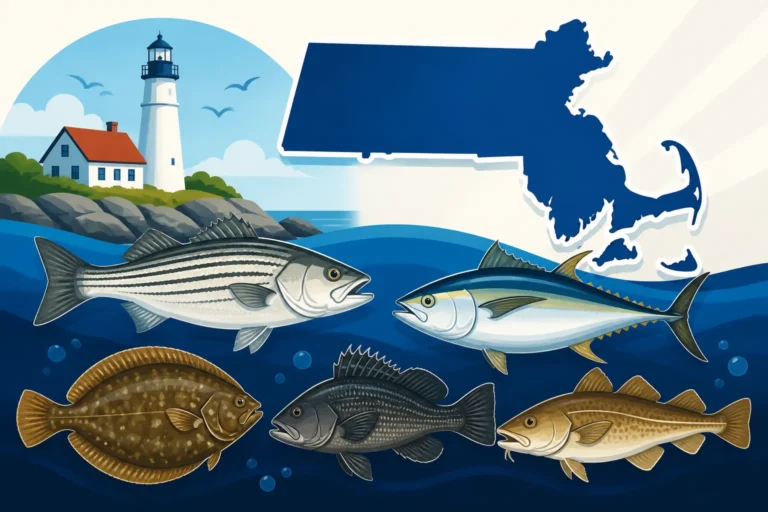
Massachusetts, with its rich coastline, numerous rivers, and diverse freshwater bodies, is home to several important anadromous fish species. These fish not only provide fantastic angling opportunities but also play crucial roles in the ecosystem, acting as a vital food source for everything from larger fish and birds to marine mammals.
The Mighty River Herring: Alewives and Blueback Herring
When people talk about river herring in Massachusetts, they are typically referring to two distinct species: alewives and blueback herring. Both are incredibly important forage fish, meaning they are a primary food source for many other predators, both in freshwater and saltwater. Each spring, usually starting in March and continuing into May, these fish return from the ocean to spawn in the same rivers, streams, and ponds where they were born. You might even see large concentrations of them gathered at the base of dams or fish ladders, waiting to make their ascent.
Their sheer numbers during their runs are astounding, forming dense schools that can literally fill the rivers. The juveniles, after spending the summer and early fall in freshwater, will then migrate back out to sea. Unfortunately, river herring populations have faced significant challenges due to habitat loss, pollution, and historical overfishing. This is why strict regulations are often in place regarding their harvest, and many river systems are actively working on restoration projects to remove dams and install fish passages to help these crucial species complete their journey. You can learn more about these fascinating fish by reading What a river herring is.
American Shad: The Delicacy of Spring
Another iconic anadromous fish in Massachusetts is the American shad, often called the "poor man's salmon" for its delicious flesh and powerful fight. American shad are the largest members of the herring family, and like their river herring cousins, they embark on impressive migrations from the ocean into freshwater rivers to spawn. Their runs typically occur slightly later than river herring, often peaking in May and early June, coinciding with warmer spring temperatures. Anglers eagerly anticipate the "shad run" on rivers like the Connecticut River, where fishing for them with small jigs or flies can provide thrilling action.
Shad don't build nests; instead, they broadcast their eggs in shallow, flowing water, often at dusk. The adults typically return to the ocean after spawning, and some may even survive to spawn in subsequent years, unlike some salmon species that die after their first spawning. The young shad will grow quickly in the freshwater nurseries before migrating to the sea in the late summer and fall. Their presence is a strong indicator of a healthy river system, signifying good water quality and unobstructed migratory routes. For those interested in pursuing these fish, checking out American Shad in the Connecticut River can provide valuable insights into their habits and habitats.
Striped Bass: A Prized Anadromous Sportfish
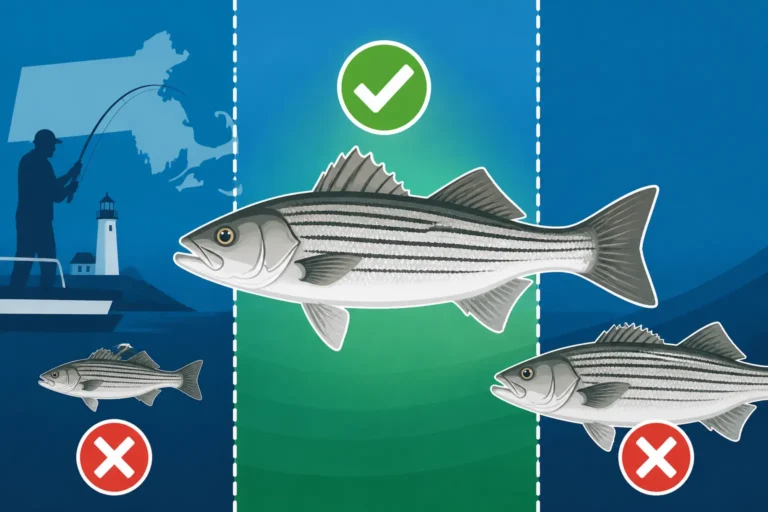
Perhaps the most famous anadromous fish in Massachusetts, especially for recreational anglers, is the striped bass. While many anglers associate stripers with the surf and rocky coastlines, they are fundamentally anadromous. Adult striped bass spend the majority of their lives in coastal ocean waters, but they migrate into freshwater rivers to spawn. Unlike the salmon, which typically return to specific small tributaries, striped bass primarily spawn in the tidal freshwater sections of large river systems, such as the Hudson River or the Chesapeake Bay tributaries further south.
Massachusetts waters are a crucial feeding and growing ground for striped bass, especially during their summer migration. While we don't have major spawning rivers for stripers within Massachusetts, the health of these northern feeding grounds is intrinsically linked to the reproductive success of the fish in their southern spawning grounds. The young stripers that hatch in those large river systems will eventually migrate north to feed along the Massachusetts coast. The powerful fight and delicious meat make them a highly sought-after species. Understanding their migratory patterns is vital for effective management and conservation, which is why there are specific regulations regarding their catch. You can dive deeper into the world of striped bass by exploring Striped Bass Fishing in Massachusetts.
The Resurgent Atlantic Salmon (with caveats for MA)
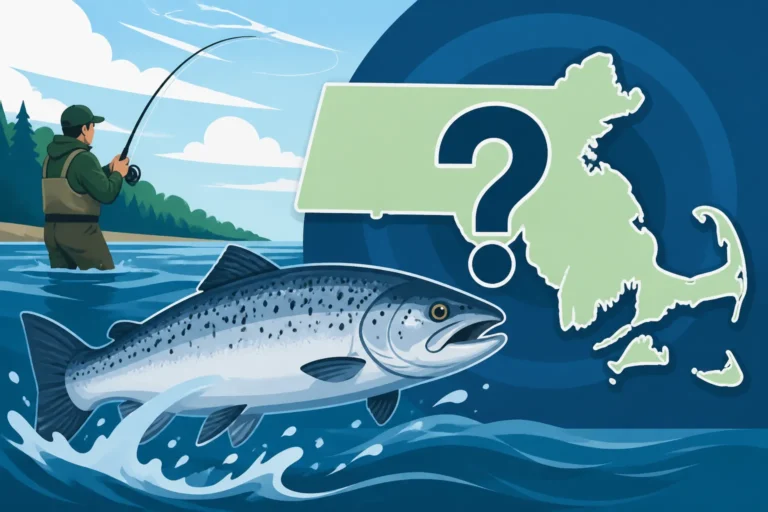
Historically, Atlantic salmon were abundant anadromous fish in many New England rivers, including some in Massachusetts. These magnificent fish spend several years in the ocean, feeding and growing, before returning to their natal freshwater rivers to spawn. Unfortunately, dam construction, pollution, and overfishing in centuries past decimated most of the native Atlantic salmon runs in Massachusetts.
Today, efforts are underway to restore Atlantic salmon to some New England rivers, though wild, self-sustaining populations in Massachusetts are still a long-term goal. The Connecticut River watershed, for instance, has seen significant restoration work, including dam removals and fish ladder installations, to facilitate salmon passage. While catching a truly wild, ocean-run Atlantic salmon in Massachusetts is exceptionally rare, there are opportunities to fish for landlocked salmon, which are a freshwater-only variant of the species, notably in places like the Quabbin Reservoir. If you’re curious about these efforts and unique fishing opportunities, Atlantic Salmon at Quabbin Reservoir provides more details.
| Species | Primary Habitat (Adult) | Spawning Habitat | Typical Spawning Season | Key Characteristic |
|---|---|---|---|---|
| Alewife | Coastal Ocean | Rivers, Streams, Ponds | Early Spring (March-May) | Abundant forage fish, strong spring runs |
| Blueback Herring | Coastal Ocean | Rivers, Streams, Ponds | Spring (April-May) | Similar to Alewife, slightly later run |
| American Shad | Coastal Ocean | Larger Rivers | Late Spring (May-June) | Largest herring, prized game fish, delicious meat |
| Striped Bass | Coastal Ocean | Large Tidal Rivers | Spring (April-June) | Highly migratory sportfish, important commercially |
| Atlantic Salmon | Coastal Ocean | Cold, Clean Rivers | Fall (Oct-Nov) | Historically significant, rare wild populations |
Why These Migratory Fish Are So Important to Massachusetts
The presence of healthy anadromous fish populations is more than just a biological curiosity; it's a cornerstone of the ecological, economic, and cultural fabric of Massachusetts. Their annual migrations bring nutrients and energy between vastly different ecosystems, enriching both.
Ecological Cornerstones: Food Chain Dynamics
Anadromous fish are absolutely vital to the health of our ecosystems. When millions of river herring or shad migrate into freshwater, they bring a massive influx of marine-derived nutrients that fertilize the rivers and surrounding riparian zones. Conversely, when the juveniles migrate out to sea, they provide a crucial food source for marine predators. Think of it: when you see ospreys diving into rivers, bald eagles patrolling the banks, or seals hunting near river mouths, often they are targeting these migrating fish.
Larger predatory fish, both freshwater and saltwater, also depend heavily on anadromous species. Striped bass, bluefish, and cod will gorge themselves on river herring and shad as they stage near river mouths or along the coast. In freshwater, landlocked salmon, trout, and bass will feed on young herring and shad. Without these vast schools of migrating fish, the entire food web would suffer, impacting countless other species and potentially disrupting delicate ecological balances. They are, quite simply, the engines that drive much of our coastal and riverine biodiversity.
Angling Opportunities: Seasons and Species
For recreational anglers in Massachusetts, anadromous fish mean exciting and often predictable fishing opportunities. The spring shad run on the Connecticut River, for instance, draws anglers from all over, eager to hook into a hard-fighting American shad on light tackle or a fly rod. The arrival of striped bass along our coast marks the true beginning of the saltwater fishing season, offering chances to catch one of the most beloved game fish in the Northeast.
Even species like river herring, though largely protected from direct harvest, attract other game fish, creating fantastic opportunities for those targeting the predators that follow the runs. Knowing when and where these migrations occur is essential for planning a successful fishing trip. Whether you're chasing the spring run of American shad or casting for striped bass in the fall, these anadromous fish provide a rhythm to the angling calendar that is deeply cherished by the fishing community. Getting the right gear for these seasons is always a good idea, and you can often find a wide selection of lures and tackle on Amazon for whatever species you're targeting.
Cultural Heritage and Historical Significance
Beyond their ecological and recreational value, anadromous fish hold a deep cultural and historical significance in Massachusetts. Native American tribes relied on these fish for sustenance for thousands of years, developing sophisticated methods for harvesting river herring and shad as they ascended the rivers. Early European settlers quickly learned the importance of these fish, establishing fisheries and building towns around river systems where the runs were strong.
The history of Massachusetts' fishing industry is intricately tied to these migratory patterns. From the wharves of Boston to the small fishing villages on Cape Cod, the abundance of anadromous fish has shaped communities and traditions. Even today, the annual return of the fish is a celebrated event, a reminder of the timeless connection between humans and the natural world. Maintaining these populations means preserving a vital part of our shared heritage.
Protecting and Restoring Massachusetts' Anadromous Fisheries
The future of anadromous fish in Massachusetts isn't guaranteed; it depends heavily on ongoing conservation efforts and the responsible actions of anglers and communities. Many organizations, state agencies, and passionate individuals are working tirelessly to ensure these incredible migrations continue for generations to come.
Conservation Efforts: Dam Removals and Fish Ladders
One of the biggest historical threats to anadromous fish has been the construction of dams. Dams block their migratory routes, preventing them from reaching their ancestral spawning grounds. Over the past few decades, there has been a significant movement to remove obsolete dams and construct fish ladders or fishways on essential rivers. These structures allow fish to bypass obstructions and continue their upstream journey.
Massachusetts has been at the forefront of some of these restoration efforts. For example, projects on the Ipswich River, the Taunton River, and other waterways have dramatically improved fish passage, leading to measurable increases in river herring and American shad populations. These efforts are often complex, involving engineering, environmental science, and community engagement, but their success is vital. When an old dam comes down, it's not just a physical barrier removed; it's a reconnection to a natural cycle, opening up miles of crucial spawning habitat. For more on how our waters are managed, consider reviewing the Massachusetts Fishing Regulations Pamphlet, Explained.
How Anglers Can Help Preserve These Vital Species
Anglers have a critical role to play in the conservation of anadromous fish. First and foremost, adhering to all fishing regulations is paramount. This includes understanding Massachusetts Recreational Fishing Rules and Bag Limits for species like striped bass, and respecting seasonal closures or harvest restrictions for others, especially river herring, which often have prohibitions on taking them. Catch-and-release practices, especially for breeding adults, help ensure future generations. Using appropriate tackle that minimizes harm, such as single hooks or circle hooks when required, can also significantly increase a fish's survival rate after release.
Beyond direct fishing practices, anglers can become advocates. Supporting local conservation groups, participating in river cleanups, and reporting illegal fishing activities are all ways to contribute. Learning about river herring runs and American shad migrations, and appreciating them as part of the ecosystem rather than just a target, fosters a deeper connection to these unique species. Educational materials on topics like these can even be found on Amazon, helping to broaden your knowledge.
Navigating Regulations and Supporting Local Initiatives
Staying informed about current regulations is crucial. Rules for anadromous species like striped bass can change frequently based on stock assessments and conservation needs. Always check the most up-to-date information from MassWildlife or NOAA Fisheries before heading out. Understanding whether you need a freshwater license, a saltwater permit, or both, depending on where and what you're fishing, is also key. Massachusetts Freshwater vs Saltwater License Differences can help clarify those requirements.
Supporting local initiatives, whether through volunteering or donations, directly benefits these fish. Many organizations are involved in habitat restoration, water quality monitoring, and educational programs that raise awareness about the importance of anadromous species. These efforts help ensure that the incredible journeys of these fish continue to enrich Massachusetts' natural beauty and provide outstanding fishing opportunities for years to come.
Disclaimer
This article is for general informational purposes only and does not constitute professional advice. Laws, prices and regulations vary by location and change over time. Consult a qualified professional for guidance on your specific situation.