Massachusetts Freshwater vs Saltwater License Differences
It can be incredibly confusing to figure out the exact fishing license you need in Massachusetts, especially when you're transitioning between freshwater ponds and the vast saltwater coastline. Many anglers get tripped up by the subtle yet crucial distinctions between a freshwater fishing license and a saltwater recreational fishing permit, leading to uncertainty or even accidental non-compliance. This comprehensive guide will unravel these differences, helping you understand precisely what's required so you can focus on catching fish, not fines.
Understanding the Basics: Freshwater vs. Saltwater Fishing in Massachusetts
Massachusetts offers an incredible diversity of fishing experiences, from tranquil inland lakes and rivers teeming with trout and bass to the dynamic, fish-rich waters of Cape Cod and the North Shore. However, this very diversity necessitates a clear regulatory framework to manage fish populations and ensure sustainable angling for everyone. This framework starts with distinguishing between the two primary types of fishing environments and, by extension, the permits required for each.
The Core Distinction: Inland vs. Coastal Waters
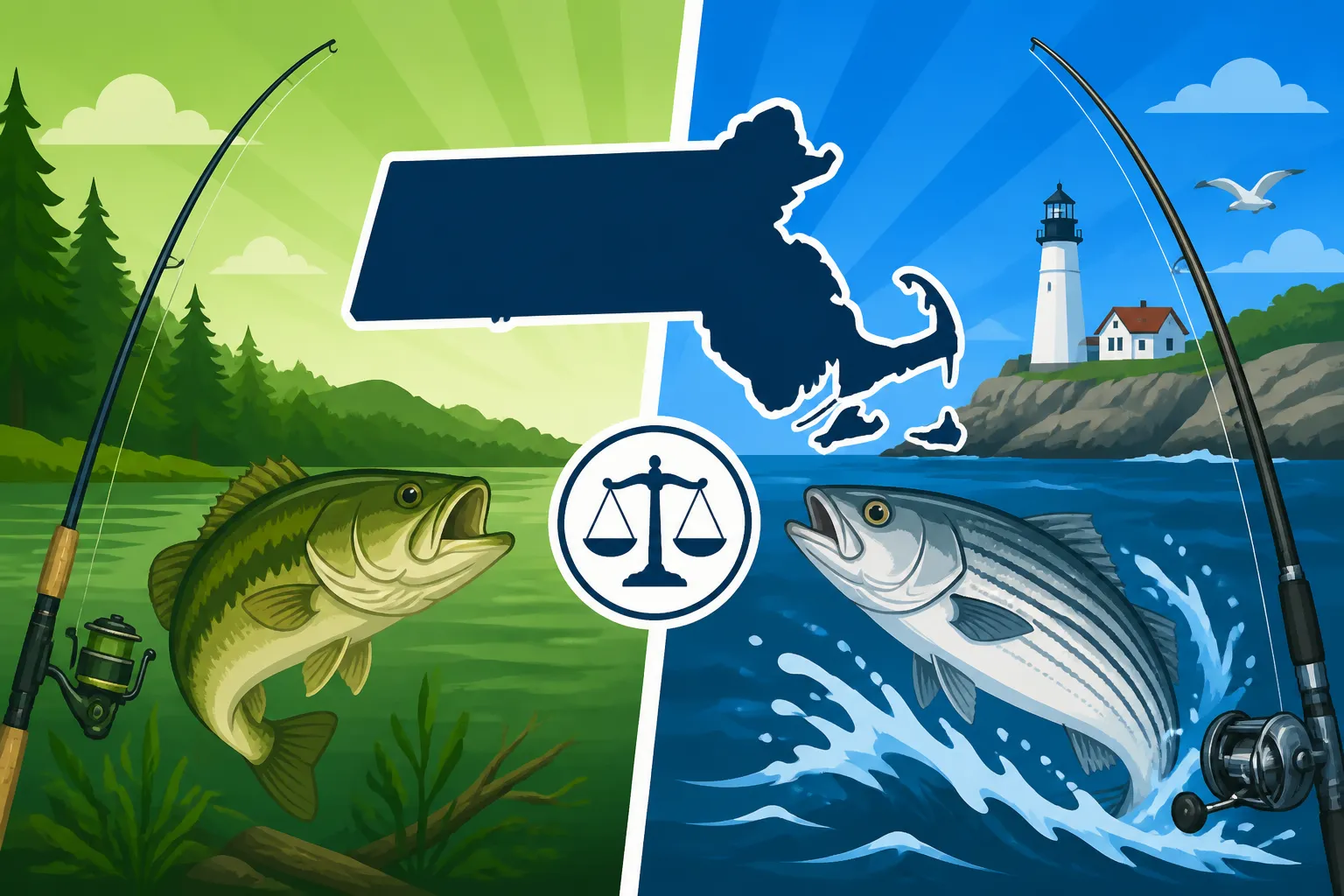
At its heart, the difference between a freshwater license and a saltwater permit boils down to where you're casting your line: inland waters versus coastal marine environments. Freshwater fishing encompasses all non-tidal rivers, lakes, ponds, and streams throughout the state. Think of places like the Quabbin Reservoir, Lake Quinsigamond, or the hundreds of smaller ponds scattered across the Commonwealth. These are typically managed by the Massachusetts Division of Fisheries and Wildlife (MassWildlife), which oversees species stocking, habitat protection, and regulatory enforcement for freshwater resources.
On the other hand, saltwater fishing, often referred to as marine recreational fishing, takes place in the Atlantic Ocean, its bays, estuaries, and tidal rivers. This includes iconic spots like the Cape Cod Canal, Boston Harbor, Buzzards Bay, and the waters off Martha's Vineyard and Nantucket. These marine areas fall under the jurisdiction of the Massachusetts Division of Marine Fisheries (DMF), which focuses on managing commercial and recreational marine species, ensuring healthy ocean ecosystems, and setting bag limits for popular species like striped bass and cod. The rules can be quite different for saltwater fishing compared to freshwater angling.
Why Separate Licenses Exist
The separation of licensing for freshwater and saltwater isn't just bureaucratic red tape; it's a fundamental aspect of effective fisheries management and conservation. Different fish species inhabit different environments, requiring distinct management strategies. For instance, MassWildlife uses funds from freshwater license sales to stock trout, improve boat ramps on lakes, and monitor freshwater fish health. If you're wondering how these funds are used, you might be interested in knowing more about how Massachusetts fishing license fees fund conservation programs. These dedicated funds ensure that the particular needs of freshwater ecosystems, which face unique pressures from development and pollution, are adequately addressed.
Similarly, the revenue generated from saltwater recreational fishing permits directly supports the DMF's efforts in marine research, stock assessment, habitat restoration in coastal areas, and enforcement of marine fishing regulations. Managing migratory species like striped bass and bluefin tuna, or localized populations of tautog and flounder, requires a deep understanding of marine biology and oceanographic conditions, which is vastly different from managing a landlocked pond. By having separate licensing systems, the state can tailor its conservation efforts and funding where they are most needed, ensuring both freshwater and marine resources remain healthy and productive for generations to come.
Massachusetts Freshwater Fishing License: What You Need to Know
If you're planning on casting a line into any of Massachusetts' beautiful lakes, ponds, or rivers that aren't influenced by tides, a freshwater fishing license is your absolute must-have. This is the cornerstone for enjoying the state's abundant inland fisheries, whether you're targeting largemouth bass, rainbow trout, or panfish. It's not just a piece of paper; it's your contribution to the ongoing health and management of these vital aquatic ecosystems.
Who Needs a Freshwater License
Generally speaking, anyone aged 15 or older needs a freshwater fishing license to fish in inland waters in Massachusetts. This applies to both residents and non-residents alike, with differing fee structures. It's a common misconception that if you're just doing catch-and-release, you don't need a license, but that's simply not true – you absolutely do. The requirement is based on the act of fishing itself, not whether you intend to keep your catch. There are some specific exemptions, for instance, certain disabled veterans may be eligible for a free license, which you can learn more about by checking if Do Disabled Veterans Get a Free Fishing License in Massachusetts?. Always check the latest regulations to see if you fall into any exempt categories, but for most adult anglers, a license is required.
It's also worth noting that age requirements can be a bit tricky, especially for younger anglers. While those under 15 don't need a license, it's a good idea to introduce them to the rules early. If you're curious about the specifics, you can always check out information on if Do Kids Need a Fishing License in Massachusetts?. Even if they don't legally need one, teaching them about responsible angling and the importance of licenses sets them up to be good stewards of the environment later on.
What a Freshwater License Covers
A Massachusetts freshwater fishing license grants you the legal right to fish in all inland lakes, ponds, rivers, and streams within the state, as long as they are not tidal. This means you can pursue a wide variety of species, from the elusive trout found in many of MassWildlife's stocked waters to the feisty bass lurking in lily pads. It allows you to use legal methods of take, typically including rod and reel, and sometimes other methods like ice fishing equipment, adhering always to species-specific regulations and daily catch limits.
However, a freshwater license does not cover fishing in tidal rivers, estuaries, or any part of the ocean. Even if you're fishing in a river that eventually flows into the sea, if the section you're in is influenced by the tide, you'll need a saltwater permit. This distinction is crucial, as many popular fishing spots in Massachusetts, particularly closer to the coast, can be brackish or tidal. For example, fishing for some species that migrate between fresh and saltwater might require specific considerations. It's also important to remember that a freshwater license doesn't cover commercial fishing or shellfishing; those activities require entirely separate permits. If you're venturing out, you'll also want to know about Massachusetts Freshwater Daily Catch Limits to stay compliant.
Where to Purchase Your Freshwater License
Getting your Massachusetts freshwater fishing license is straightforward these days, thanks to modern technology. The easiest and most common way is online through the MassFishHunt portal, which is the official licensing system for Massachusetts. You can access it from any computer or mobile device, purchase your license, and often print it at home or save it to your phone. This is incredibly convenient, allowing you to buy your license even on your way to a fishing spot.
However, if you prefer a more traditional approach, or simply enjoy supporting local businesses, you can also purchase your license in person. Many sporting goods stores, bait and tackle shops, and town clerks' offices throughout Massachusetts are authorized vendors. These locations often have knowledgeable staff who can answer questions about local fishing spots or regulations. Just remember to bring a valid form of identification. For a detailed guide on how this system works, you might want to look at How MassFishHunt Works for Buying a Massachusetts License. Whether you buy online or in person, ensuring you have your license before you cast your first line is paramount.
Massachusetts Saltwater Recreational Fishing Permit: The Coastal Angler's Essential
Massachusetts boasts one of the most productive and diverse saltwater fisheries on the East Coast, attracting anglers from all over for species ranging from striped bass to bluefin tuna. If your angling dreams involve the crashing waves, the salty air, and the pull of a marine game fish, then a Massachusetts Saltwater Recreational Fishing Permit is your ticket to these incredible coastal adventures. It's distinct from a freshwater license and serves a critical role in managing our ocean resources.
Who Needs a Saltwater Permit
Similar to freshwater fishing, most individuals aged 16 or older need a Massachusetts saltwater recreational fishing permit to fish in the marine waters of the Commonwealth. This includes fishing from shore, piers, beaches, or any vessel in state waters. The age requirement shifts slightly from freshwater, starting at 16 instead of 15. This permit is required for both residents and non-residents, and it applies even if you're just practicing catch-and-release. The key here is engaging in recreational fishing in marine or estuarine environments.
There are some important exemptions to be aware of. For instance, if you are fishing on a for-hire vessel (like a charter boat or a party boat) that holds a valid federal Highly Migratory Species (HMS) permit or a state for-hire permit, you might not need your own individual permit. The vessel's permit covers its passengers. Also, anglers under 16 years of age are generally exempt from needing a permit. For more details on who needs one, especially regarding age, you can check out Massachusetts Saltwater Permit Age Requirements. Always confirm your specific situation with the Division of Marine Fisheries or your charter captain if you're unsure.
What a Saltwater Permit Covers
The Massachusetts saltwater recreational fishing permit grants you the legal authority to fish recreationally in all marine waters of Massachusetts, including the open ocean, bays, sounds, and tidal portions of rivers and estuaries. This means you can legally pursue popular species like striped bass, bluefish, flounder, tautog, cod, and even highly migratory species like tuna (though additional federal permits may be needed for certain HMS). The permit covers typical recreational fishing methods, such as rod and reel, and allows for the take of fish within established bag and size limits.
Crucially, this permit does not cover freshwater fishing. If you decide to switch from chasing stripers in the harbor to targeting bass in a local pond, you'll need a separate freshwater license. Similarly, it doesn't authorize commercial fishing activities, which require different, more extensive permits and licenses. Shellfishing, such as digging for clams or oysters, also falls under separate local and state regulations and requires distinct permits. It’s also important to understand specific regulations by species, for example, the Massachusetts Striped Bass Slot Limit Explained or Massachusetts Saltwater Bag Limits by Species. Having the permit means you can participate in a wide array of coastal fishing, but always within the specific rules for each species and location.
How to Obtain Your Saltwater Permit
Acquiring your Massachusetts saltwater recreational fishing permit is quite simple. Just like freshwater licenses, the primary method is through the MassFishHunt online licensing system. This digital platform allows you to purchase and manage your permit from anywhere at any time. Once purchased, you can print a copy or keep an electronic version on your phone, though it's always wise to have a physical backup if possible.
You can also purchase a saltwater permit in person at various authorized vendors across the state. These typically include many bait and tackle shops, some sporting goods stores, and certain town clerks. These local vendors are often excellent resources for up-to-date fishing reports and local knowledge. While browsing for your permit, you might even find some useful fishing gear, perhaps a new lure or a comfortable fishing shirt, which you can easily find on platforms like Amazon if your local shop doesn't have it in stock. No matter how you get it, ensure your permit is valid for the current season, which typically runs from January 1st to December 31st each year. If you need a refresher on renewing, check out the Massachusetts Recreational Saltwater Permit Renewal Deadline.
Key Differences in Regulations, Costs, and Exemptions
Beyond the fundamental distinction of water type, freshwater and saltwater licenses in Massachusetts come with their own sets of rules regarding pricing, who is exempt, and how they interact with other states' licenses. Understanding these nuances can save you time, money, and potential headaches, ensuring your fishing experience is smooth and compliant.
Cost Comparison: Freshwater License vs. Saltwater Permit
The cost structure for Massachusetts fishing licenses and permits differs between freshwater and saltwater, and also varies based on residency and age. For Massachusetts residents, a freshwater fishing license typically costs around $25. Non-residents will pay a higher fee, often closer to $35-$40 for an annual license. There are also various short-term options, like 1-day or 3-day licenses, available for both residents and non-residents, which can be ideal for visitors or those just trying out the sport. You can explore these options further by looking into Short-Term Massachusetts Fishing License Options.
The Massachusetts saltwater recreational fishing permit, on the other hand, is currently free for Massachusetts residents, which is a fantastic benefit for local anglers. Non-residents, however, must purchase a permit, which typically costs around $10. This difference in pricing reflects different funding mechanisms and policy priorities for managing marine versus inland resources. It's always best to check the MassFishHunt website or the official MassWildlife/DMF sites for the most current fee schedules, as these can be subject to change.
Here’s a quick overview of the typical costs:
| License Type | Massachusetts Resident (Annual) | Non-Resident (Annual) | Notes |
|---|---|---|---|
| Freshwater License | ~$25 | ~$35 – $40 | Also offers short-term options (1, 3, 7-day). |
| Saltwater Permit | Free | ~$10 | Required for individuals 16+. |
| Wildlands Stamp | ~$5 (Required for most 15-69) | ~$5 (Required) | Added to your first license purchase of the calendar year. |
Note: The Wildlands Conservation Stamp is a separate fee that supports habitat conservation and is typically added to your first license purchase of the calendar year, whether it's a freshwater, hunting, or combination license. If you're wondering about this, a good resource is The Massachusetts Wildlands Conservation Stamp Explained.
Age and Residency Exemptions
Exemptions are a critical aspect of Massachusetts fishing regulations, and they differ notably between freshwater and saltwater permits. For freshwater fishing, children under 15 years old are exempt from needing a license. This is a wonderful way to introduce youngsters to the joys of angling without an immediate financial barrier. Similarly, certain senior residents (e.g., those 70 years of age and older) may be eligible for a free freshwater fishing license, although sometimes a small processing fee might apply. Understanding these specifics can be helpful, so you might want to learn more about Massachusetts Senior Fishing License Discounts.
For saltwater fishing, the age exemption is slightly different: individuals under 16 years old do not need a saltwater recreational fishing permit. As mentioned previously, residents receive their annual saltwater permit for free, which is a significant advantage. It's important to differentiate between resident and non-resident status accurately. Simply owning property in Massachusetts might not automatically qualify you as a resident for licensing purposes; typically, you need to live in the state for a certain period or meet specific criteria. If you're an out-of-state college student, for instance, you'll want to check Can Out-of-State College Students Buy a Resident Massachusetts License? to understand your options.
Reciprocity and Out-of-State Anglers
One of the most common questions from anglers who live near state borders or are visiting Massachusetts is about license reciprocity. Can you fish in Massachusetts with a fishing license from Rhode Island, Connecticut, or New Hampshire? The simple answer is generally no, especially for inland waters. Massachusetts does not have a broad reciprocal agreement with neighboring states for freshwater fishing licenses. This means if you want to fish in a Massachusetts freshwater body, you must have a Massachusetts freshwater fishing license, regardless of what other state licenses you hold. For specific details on this, you can explore Out-of-State Fishing License Reciprocity and Massachusetts.
For saltwater, the situation is a bit more nuanced. While Massachusetts requires its own state saltwater recreational fishing permit for non-residents (even if free for residents), there is some federal recognition of state permits. If you hold a valid marine recreational fishing permit from a state that is recognized by NOAA Fisheries as having a valid recreational fishing registry, you may not need a separate Massachusetts saltwater permit if that state's permit program meets federal guidelines. However, it's always safest and recommended to obtain the Massachusetts saltwater permit, especially since it's free for residents and only a small fee for non-residents, to avoid any confusion or potential issues. Fishing on an officially licensed charter boat often simplifies this, as the vessel's permit covers its passengers.
Navigating Hybrid Fishing Scenarios
The world of fishing isn't always black and white, especially in a state with such diverse aquatic environments as Massachusetts. There are many spots where freshwater meets saltwater, creating unique "hybrid" scenarios that can be confusing for anglers trying to figure out which license or permit they need. Understanding these transition zones is key to staying compliant and enjoying your time on the water without worry.
Estuaries and Brackish Water: A Gray Area
Estuaries and areas with brackish water are where many anglers get tripped up. These are zones where freshwater rivers or streams meet the sea, resulting in a mix of fresh and saltwater that fluctuates with the tides. Popular examples include the lower sections of the Merrimack River, the Charles River near Boston Harbor, or numerous tidal creeks and embayments on Cape Cod. Fish species from both environments can often be found here, making them incredibly productive but also regulatory headaches.
The rule of thumb for these areas is that if the water is tidal in nature, you generally need a Massachusetts saltwater recreational fishing permit. Even if the water tastes mostly fresh, if it's influenced by the ebb and flow of the ocean tide, the Division of Marine Fisheries typically claims jurisdiction. Determining the exact demarcation line can sometimes be tricky, but often signs will indicate the boundary, or local bait shops can provide clarification. When in doubt, it’s often best to carry both a freshwater license and a saltwater permit if you plan on fishing in areas where the salinity levels and tidal influence are ambiguous. This ensures you're covered no matter which side of the line you're on.
Fishing from Piers, Bridges, and Beaches
Another common point of confusion arises when fishing from structures like piers, bridges, or directly from beaches. These locations can sometimes span both freshwater and saltwater territories or offer access to areas where the distinction is unclear. For example, some bridges might cross a tidal river, while others might span a purely freshwater lake.
If you are fishing from a pier, bridge, or beach that extends into or borders marine waters (i.e., saltwater or tidal areas), you will need a Massachusetts saltwater recreational fishing permit. This is true whether you're casting into the ocean from a beach on Plum Island or dropping a line from a pier in New Bedford Harbor. The location of your feet, or the structure you're on, determines the requirement based on the water body it's connected to. Conversely, if you're on a pier or bridge over a purely freshwater pond or river, your freshwater license is what you'll need. Always consider the specific body of water you're interacting with. For surfcasting from a beach, the saltwater permit rules are quite clear, as detailed in Saltwater permit rules for surfcasting from a Massachusetts beach. It's about the water, not just the land you're standing on.
Consequences of Not Having the Right License
It's tempting for some to think that skipping the license or permit is a minor infraction, a way to save a few bucks. However, fishing without the correct license in Massachusetts isn't just a regulatory oversight; it's a violation of state law that carries real consequences. Beyond the legal ramifications, it also undermines the very conservation efforts that make Massachusetts such a fantastic place to fish.
Fines and Penalties
If you're caught fishing without the required Massachusetts freshwater fishing license or saltwater recreational fishing permit, you could face fines and penalties. While the exact amount can vary depending on the officer, the specific circumstances, and whether it's a first offense, you can generally expect a fine. These fines are not insignificant and can quickly eclipse the cost of an annual license, making the attempt to save money quite counterproductive. You might be interested in what happens if you fish without a license in Massachusetts to understand the full scope of potential issues.
In addition to financial penalties, conservation officers (MassWildlife Environmental Police Officers or DMF Marine Fisheries Officers) have the authority to confiscate your fishing gear and even the fish you've caught. Repeat offenses can lead to much stiffer penalties, including higher fines, court appearances, and even the suspension of your fishing privileges for a period of time. It's simply not worth the risk. A quick check on the MassFishHunt system or a visit to a local vendor for a legitimate license is a far better investment than facing the legal repercussions of non-compliance.
Importance of Compliance for Conservation
Beyond the personal legal risks, adhering to licensing requirements is fundamentally about responsible angling and supporting conservation. The fees collected from both freshwater license sales and non-resident saltwater permits are vital funding sources for the Massachusetts Division of Fisheries and Wildlife (MassWildlife) and the Division of Marine Fisheries (DMF). These funds directly support critical programs such as:
- Stocking Programs: Ensuring vibrant populations of popular species like trout in freshwater bodies.
- Habitat Restoration: Improving and protecting aquatic habitats for all fish species.
- Research and Monitoring: Conducting scientific studies to understand fish populations, migration patterns, and ecosystem health.
- Law Enforcement: Funding the officers who patrol waterways, educate anglers, and enforce regulations to prevent overfishing and poaching.
- Public Access: Developing and maintaining boat ramps, piers, and shore access points for anglers.
When you purchase a license or permit, you're not just buying a right to fish; you're actively contributing to the health and sustainability of Massachusetts' incredible aquatic resources. It's a small price to pay for the preservation of a beloved pastime and the protection of the natural environment for future generations of anglers. For a deeper dive, you might want to consider How Massachusetts fishing license fees fund conservation programs.
Disclaimer
Please remember that fishing regulations and license requirements can change. While this guide provides comprehensive information, it is always your responsibility to consult the most current official sources from MassWildlife and the Division of Marine Fisheries before you go fishing. This content is for informational purposes only and should not be considered legal advice.