Can Out-of-State College Students Buy a Resident Massachusetts License?
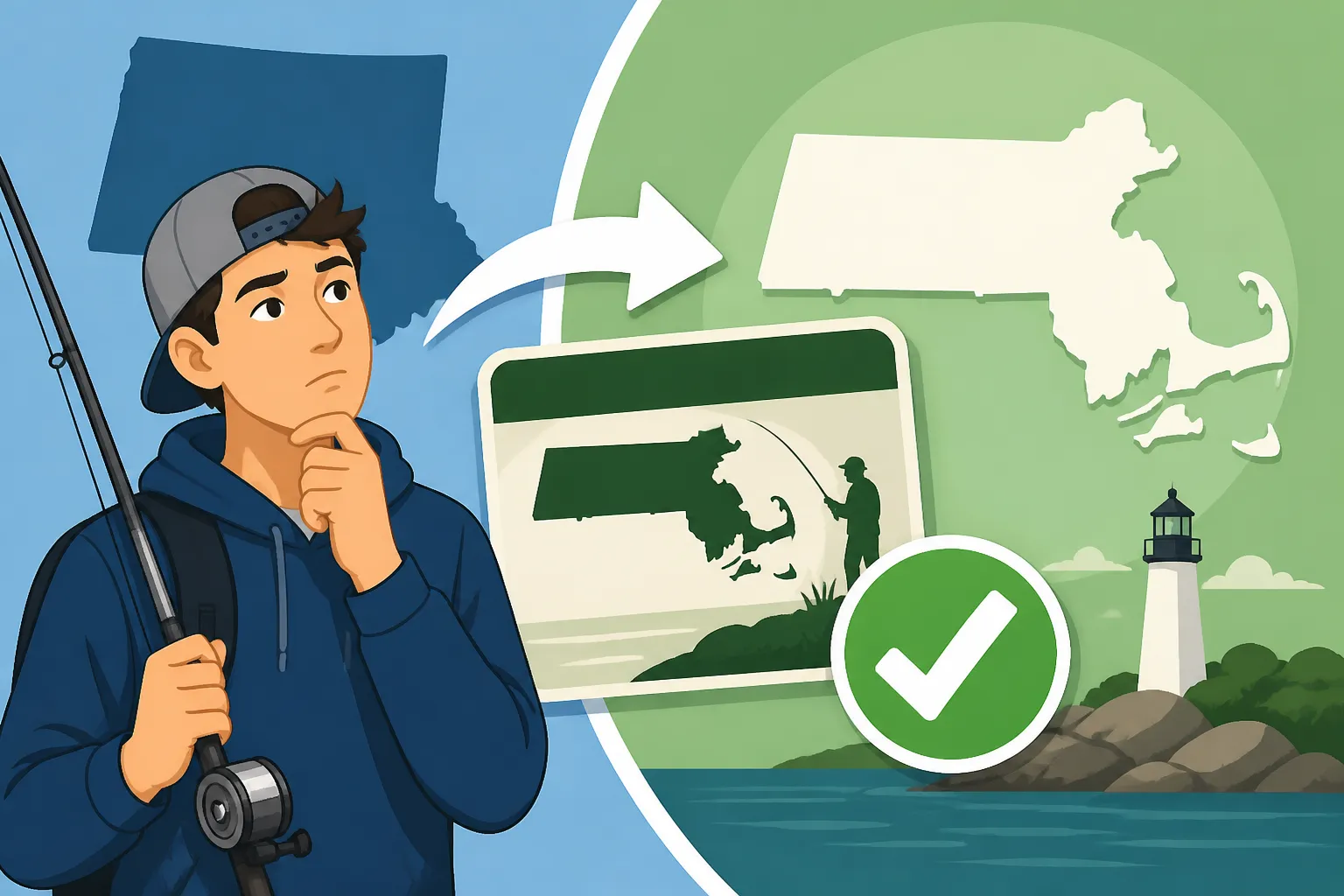
It's a common dilemma for college students coming to Massachusetts from out-of-state: you're living here, attending classes, and starting to feel like a local, but when it comes to snagging a fishing license, things get a bit murky. Do you qualify for the resident price, or are you stuck with the nonresident fees? This guide is here to untangle that confusion and help you understand exactly what Massachusetts fishing license you need, no matter where your permanent address may be.
Understanding Massachusetts Residency for Fishing Licenses
When you're eager to cast a line into the beautiful waters of Massachusetts, whether it's for striped bass in Boston Harbor or trout in a Berkshire stream, the first hurdle is always the fishing license. And for out-of-state college students, figuring out your "resident" status can feel like trying to solve a complex calculus problem when all you want to do is relax by the water. The core issue lies in how Massachusetts legally defines a resident for recreational licensing, and it's often more nuanced than simply living here for school.
What Defines a Massachusetts Resident for Licensing?
Here's the rub: for most official purposes, including recreational licenses like fishing, Massachusetts defines a resident as someone who has their "domicile" in the state. Domicile isn't just where you currently lay your head; it implies a true, fixed, and permanent home and principal establishment, to which you intend to return whenever you are absent. It's about your intent to reside here indefinitely, not just temporarily for education.
Think about it this way: if your parents live in New York, and your driver's license, voter registration, and vehicle registration are still tied to that New York address, Massachusetts generally won't consider you a resident for fishing license purposes. Even if you're living in a dorm room or an off-campus apartment for nine months out of the year, the state typically views that as a temporary stay for educational pursuits, not a change in your legal home. This distinction is crucial because it directly impacts the type and cost of the fishing license you'll need. It's not about trying to squeeze money out of students; it's about maintaining consistent definitions across various state regulations.
The Specifics for Out-of-State College Students
This brings us to the core of the issue for college students: simply enrolling in a Massachusetts college or university does not automatically grant you resident status for a fishing license. MassWildlife, the agency that oversees hunting and fishing licenses, has specific criteria, and temporary residence for educational purposes usually doesn't cut it. Your out-of-state driver's license, your voter registration back home, or the fact that your parents still claim you as a dependent in another state often points to your domicile being elsewhere.
For many students, the idea of legally changing all these identifiers just to save a few dollars on a fishing license isn't practical or even advisable. You might not want to switch your driver's license if you plan to move back to your home state after graduation, for example. The state is looking for clear evidence of your intent to make Massachusetts your permanent home. This means if you're here solely for school, with plans to return to your home state or move elsewhere after your degree, you're generally going to be considered a nonresident when it comes to purchasing a Massachusetts fishing license. It's a frustrating reality for many, but understanding these definitions from the outset can save you a lot of headache down the line. To fully grasp all the state's expectations, it's always wise to refer to the official Massachusetts Fishing License Guide for the most up-to-date information.
Navigating License Options for Out-of-State College Students
So, if simply attending college doesn't automatically make you a Massachusetts resident for fishing license purposes, what are your options? It boils down to understanding the pathways to potential residency versus embracing the more straightforward nonresident options available. Don't worry, there's still plenty of great fishing to be had!
When an Out-of-State Student Qualifies as a Resident
While challenging, it's not impossible for an out-of-state college student to qualify for a resident Massachusetts fishing license. The key is to demonstrate that you have established domicile in Massachusetts, meaning you intend for this state to be your permanent home, even if you’re currently studying. This isn't just a casual declaration; it requires tangible proof.
To qualify, you would typically need to undertake several formal steps, similar to how anyone else would establish residency. This includes:
- Obtaining a Massachusetts Driver's License or State ID: This is a significant piece of evidence that you've officially identified yourself as a Massachusetts resident.
- Registering Your Vehicle in Massachusetts: If you have a car, changing its registration from your home state to Massachusetts further supports your claim of domicile.
- Registering to Vote in Massachusetts: This shows a clear intent to participate in the civic life of the state you now call home.
- Filing Massachusetts State Income Taxes as a Resident: If you have any income, filing your taxes as a Massachusetts resident indicates your long-term commitment.
- Evidence of Long-Term Residence: Lease agreements that extend beyond academic terms, utility bills in your name, and other documents showing a continuous presence might also be considered.
Essentially, MassWildlife wants to see that you've cut ties with your previous state of residence and have made a concerted effort to establish all aspects of your legal life in Massachusetts. It’s a pretty high bar, and for many students who plan to move after graduation, it's often more effort than it's worth just for a fishing license. However, if you genuinely intend to stay in Massachusetts post-college, these steps would be necessary anyway. If you're wondering about the costs involved, you can always check out the latest information on the Massachusetts Resident Fishing License Cost.
The Realistic Option: Nonresident Licenses
For most out-of-state college students, the most realistic and hassle-free approach is to simply purchase a nonresident fishing license. This option acknowledges your temporary status in the state for educational purposes and allows you to enjoy all the fantastic fishing opportunities Massachusetts has to offer without jumping through complex residency hoops. It’s generally the path of least resistance and ensures you're fully compliant with state regulations from day one.
Massachusetts offers several convenient nonresident license options to suit different fishing schedules:
- Annual Nonresident Fishing License: This is a full-year license that covers both freshwater and saltwater fishing (if you also obtain the saltwater permit, which is often bundled or a small additional fee). It's perfect if you plan on fishing regularly throughout the academic year and during breaks. You can find detailed information on the Massachusetts Nonresident Fishing License Cost.
- Short-Term Nonresident Licenses: If you only plan to fish during specific visits, a long weekend, or maybe just a spring break trip, Massachusetts provides shorter-duration options. These include 3-day or 7-day licenses, which can be incredibly convenient and cost-effective for occasional anglers. These are great if you're just dabbling or want to try fishing during a particular season. Learn more about these flexible choices in the Short-Term Massachusetts Fishing License Options guide.
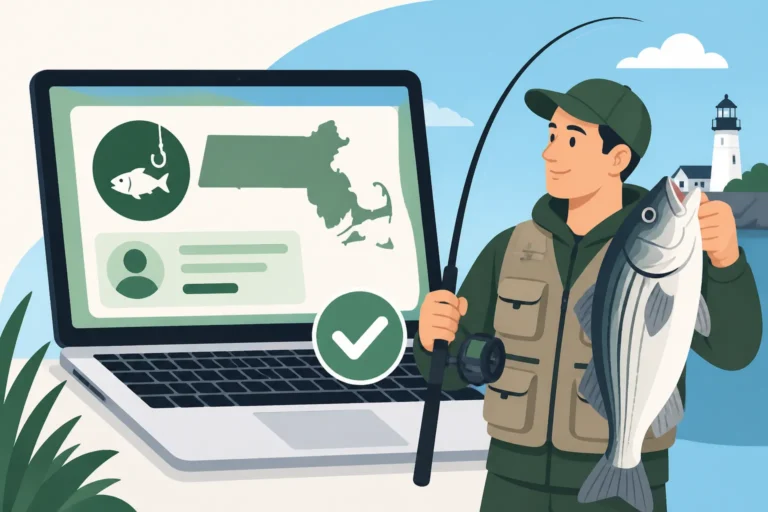
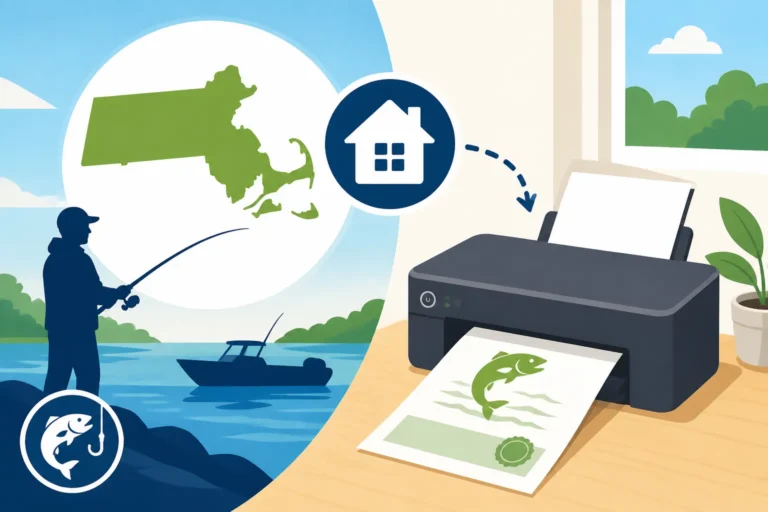
Purchasing a nonresident license is straightforward. You can easily do it online through the MassFishHunt system, which is the official portal for all Massachusetts hunting and fishing licenses. It’s a user-friendly platform where you can quickly select the license type you need, pay, and print your license from home. While you're at it, if you're looking for new gear or need to replace some worn-out tackle before hitting the water, a quick search on Amazon can get you set up with everything from fresh line to a new rod holder. Even something as simple as a good fishing knife or a pair of pliers can be found with ease on platforms like Amazon.
Practical Advice for College Anglers in Massachusetts
Deciding which license to get can sometimes feel like a daunting task, especially when you're balancing academics and a desire to explore new fishing grounds. For out-of-state college students in Massachusetts, making an informed choice between attempting to prove residency and opting for a nonresident license is key. Let's break down the practicalities to help you make the best decision for your angling adventures.
Proving Residency vs. Embracing Nonresident Status
The decision to pursue resident status for a Massachusetts fishing license versus simply buying a nonresident one often comes down to a cost-benefit analysis of time, effort, and long-term intentions.
Trying to prove residency, as we've discussed, is a multi-step process that involves changing official documents like your driver's license, vehicle registration, and voter registration to Massachusetts. While the resident annual fishing license is typically more affordable than its nonresident counterpart (sometimes significantly so, especially for freshwater licenses), the administrative burden of changing all those official documents might not be worth the savings if your stay in Massachusetts is truly temporary. For instance, if you're only here for a two-year master's program and then plan to move back home or to another state, going through the full residency change process could create more hassle than it solves, particularly when you eventually have to reverse those changes.
Moreover, many college students don't own vehicles that require registration, or they may not have enough income to trigger state income tax filing. In such cases, providing sufficient proof of domicile can become even more challenging. It's often simpler to embrace your nonresident status, enjoy the convenience, and focus your energy on studying and fishing! If you’re also keen on understanding the differences in what each license covers, our guide on Massachusetts Freshwater vs Saltwater License Differences can shed more light.
On the other hand, if you are an out-of-state student who has genuinely decided to make Massachusetts your permanent home – perhaps you've found a job here, plan to settle down after graduation, and are already taking steps to establish your life in the state – then pursuing full residency for all purposes, including your fishing license, makes perfect sense. In this scenario, the initial effort will pay off in the long run.
Where to Buy Your Massachusetts Fishing License
Regardless of whether you determine you qualify for a resident or nonresident license, actually acquiring it is quite straightforward. The primary and most convenient method for purchasing a Massachusetts fishing license is through the MassFishHunt online licensing system. This platform, managed by MassWildlife, allows you to purchase all types of fishing licenses (freshwater, saltwater recreational permits, combination licenses) from the comfort of your dorm room or apartment. It's available 24/7, making it incredibly flexible for busy student schedules.
When you use MassFishHunt, you'll create an account if you don't already have one, select the appropriate license type (either resident or nonresident, annual or short-term), complete the payment, and then you can immediately print your license. It’s also important to know that you can use a digital copy of your license on your phone, though carrying a printed copy or a photo in a waterproof case, perhaps found on Amazon, is always a good idea in case your phone battery dies. Our detailed guide on How to Buy a Massachusetts Fishing License Online walks you through each step. For further information on carrying proof of your license, check out Carrying Proof of Your Massachusetts Fishing License.
Alternatively, if you prefer an in-person transaction, you can purchase your Massachusetts fishing license at various authorized vendor locations across the state. These often include sporting goods stores like DICK'S Sporting Goods or local bait and tackle shops. While these vendors can provide helpful local advice, the online system is generally quicker and more accessible, especially if you're not near a physical vendor. Before you head out, if you're already stocking up on essentials like hooks, lines, and sinkers, consider browsing Amazon for any specialized gear or unique tackle you might want to try out! And for all the specific rules you need to follow once you’re fishing, don’t forget to consult the Massachusetts Recreational Fishing Rules and Bag Limits.
| License Type | Eligibility for Out-of-State College Students | Typical Duration | Cost Factor (vs. Resident) | Proof Needed (if claiming residency) | Recommended For |
|---|---|---|---|---|---|
| Resident Annual | Only if legal domicile established (high bar) | Full Calendar Year | Standard (Lowest) | MA Driver's License, Vehicle Registration, Voter Registration, MA Tax Filings (all demonstrating intent for permanent residency) | Students with clear, documented intent to make MA their permanent home post-graduation |
| Nonresident Annual | Yes, most common option | Full Calendar Year | Higher | Out-of-state ID (as proof of nonresident status) | Students who will fish frequently throughout the year but don't intend to establish permanent MA residency |
| Nonresident Short-Term | Yes, excellent for occasional fishing | 3-day or 7-day | Moderate (per day) | Out-of-state ID | Students who only plan to fish during specific trips, weekends, or limited breaks |
Disclaimer
Please note that fishing regulations, license requirements, and fees in Massachusetts are subject to change. While we strive to provide accurate and up-to-date information, it is always recommended to consult the official MassWildlife website or contact their offices directly for the most current and authoritative details before purchasing your license or heading out to fish. This guide is for informational purposes only and should not be considered legal advice.