Massachusetts Fishing License Guide
Oh, the joy of hitting the water with your rod and reel, feeling that first tug on the line – it's pure bliss, isn't it? But before you even cast a line in Massachusetts, you've got to navigate the often-confusing world of fishing licenses. It can feel like you need a law degree just to figure out what permit you need, where to get it, and what all those different rules mean. This comprehensive guide is here to cut through the jargon, validate your frustrations, and make sure you're fully prepared and legally compliant for your next fishing adventure across the Bay State.
Understanding the Basics: Why You Need a License in Massachusetts
Let's start with the big question: why do we even need a fishing license in the first place? It's not just some bureaucratic hurdle to jump over; there's a really good reason behind it all. When you purchase a Massachusetts fishing license, you're not just buying a piece of paper or a digital confirmation – you're directly contributing to the health and sustainability of the very waters and fish populations you love to enjoy.
Think about it: who manages the stocking of trout in local ponds, or ensures that important fish habitats are protected from pollution and development? Who funds the scientific research that tracks fish populations, helping to set responsible bag limits and seasons? That's right, it's largely supported by the fees collected from fishing licenses. Without these funds, our fishing opportunities would quickly dwindle, and the vibrant ecosystems that support them would suffer.
The Role of Conservation and Management
Every dollar spent on a fishing license in Massachusetts goes towards vital conservation and management efforts carried out by the Massachusetts Division of Fisheries and Wildlife (MassWildlife). These funds are crucial for maintaining healthy fish populations, ensuring public access to fishing spots, and educating anglers on responsible practices. From freshwater streams in the Berkshires to the vast saltwater expanses of Cape Cod, these funds are hard at work.
For instance, MassWildlife operates several hatcheries across the state, like the one in Palmer, that raise and release hundreds of thousands of trout into public waters each year. This means more opportunities for anglers to catch beautiful brook, brown, and rainbow trout. Beyond stocking, these funds support habitat restoration projects, research into fish migration patterns, and enforcement efforts to prevent poaching and ensure everyone is playing by the rules. It's an investment in the future of fishing for all of us.
Legal Requirements and Enforcement
Simply put, if you plan to fish in Massachusetts, whether in fresh or saltwater, you need to know the law. With very few exceptions, failing to possess the proper license can lead to fines and legal penalties. Conservation Officers, often seen patrolling lakes, rivers, and coastal areas, have the authority to check for licenses at any time. They're not just looking to catch people doing something wrong; they're ensuring that the resources we all share are protected.
Imagine being out on a beautiful day, reeling in a nice catch, only to have your trip cut short by a hefty fine because you overlooked a small detail in the regulations. It's a frustrating scenario that's easily avoidable. The state's strict licensing system is designed to provide a clear framework, and understanding it is your first step towards a worry-free fishing experience. This guide will walk you through exactly what's required so you can focus on the fish, not the paperwork.
Types of Massachusetts Fishing Licenses
Massachusetts offers a variety of fishing licenses, and understanding which one you need can sometimes feel like solving a riddle. It largely depends on where you plan to fish – freshwater, saltwater, or both – and what species you're targeting. Each license type has specific rules and covers different jurisdictions, making it essential to choose wisely.
Freshwater vs. Saltwater vs. Combination Licenses
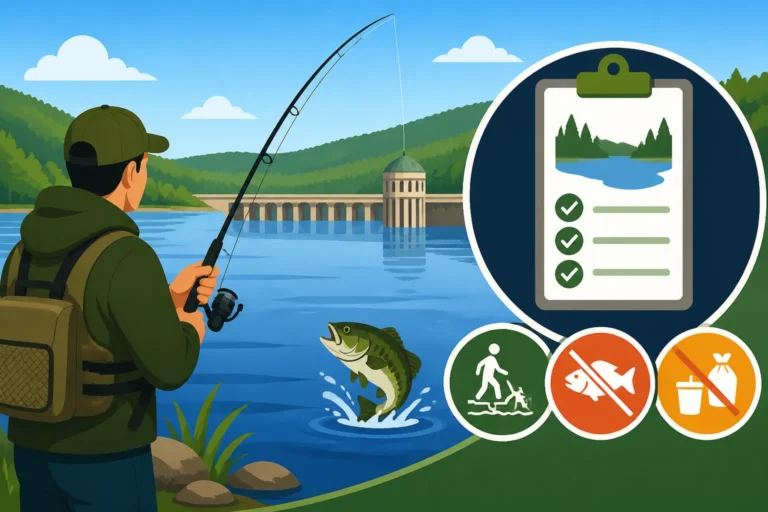
The most fundamental distinction is between freshwater and saltwater fishing. A Massachusetts freshwater fishing license is required for fishing in any inland waters, including ponds, lakes, rivers, and streams. This covers species like largemouth and smallmouth bass, trout, pike, perch, and panfish. If you're planning a trip to the Quabbin Reservoir Fishing Permits and Rules in Massachusetts or casting your line in a local pond, this is your primary permit.
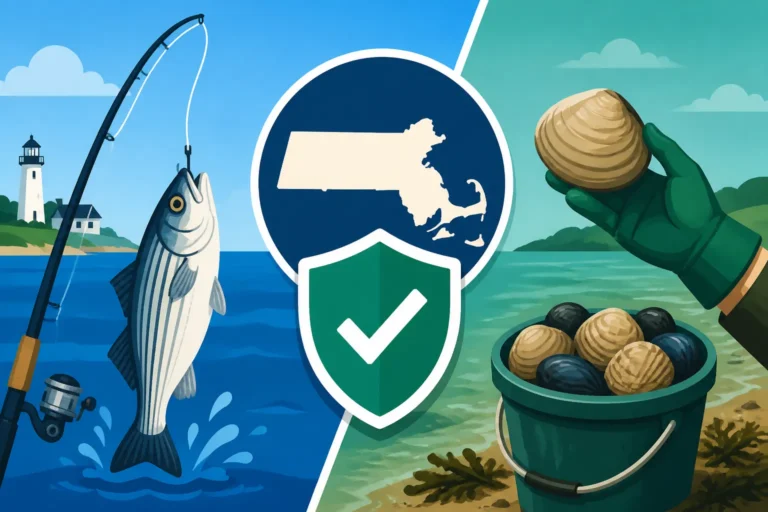
On the other hand, the Massachusetts Saltwater Recreational Fishing Permit is necessary for fishing in coastal waters, the ocean, and tidal rivers. This permit covers popular species like striped bass, bluefish, cod, fluke, and tautog. It’s a separate requirement and a common point of confusion for anglers accustomed to other states' systems. For many, the simplest solution is a Combination Hunting and Fishing License, which covers both freshwater fishing and hunting, though a separate saltwater permit is still often needed for coastal adventures. For a deeper dive into these differences, check out our guide on Massachusetts Freshwater vs Saltwater License Differences.
Special Permits and Stamps
Beyond the basic freshwater or saltwater permits, Massachusetts has a few additional requirements for certain situations or locations. One of the most important is the Wildlands Conservation Stamp. This stamp is mandatory for residents and non-residents aged 18 and older who purchase certain sporting licenses, including the freshwater fishing license. The funds from this stamp go directly to conserving undeveloped lands for wildlife habitat and public access. It's an additional fee, but it supports an incredibly valuable cause. You can learn more about this vital contribution in our detailed explanation of The Massachusetts Wildlands Conservation Stamp Explained.
Additionally, specific bodies of water, like the Quabbin Reservoir, require special permits beyond the standard state fishing license due to their unique management and environmental sensitivities. The Quabbin Reservoir, a major drinking water supply for Boston, has its own set of rules, including specific permits for boat launching and fishing. These additional permits ensure the pristine quality of the water and the unique ecosystem are preserved. Always check the specific regulations for reservoirs like Quabbin or Wachusett before you go.
Who Needs a License and Who is Exempt?
Understanding who needs a license and who might be exempt is crucial to avoid any unexpected run-ins with conservation officers. Age plays a significant role, as does your residency status and the specific circumstances of your fishing trip. Massachusetts tries to make fishing accessible while still ensuring proper conservation funding.
Age Requirements
Massachusetts has clear guidelines when it comes to age and fishing licenses. Generally, anyone 15 years of age or older needs a valid license to fish in freshwater or saltwater. This means if you're 14 or younger, you can enjoy fishing without needing to purchase a state license. This is fantastic news for families looking to introduce their kids to the sport without the added expense or hassle of permits.
However, once a young angler turns 15, they are officially required to have a freshwater fishing license or a saltwater recreational permit, depending on where they are fishing. It's a rite of passage for many young anglers, signifying their full participation in the angling community and its conservation efforts. We have a detailed resource specifically addressing this, titled Massachusetts Fishing License Requirements by Age, which covers all the nuances. Similarly, for our senior anglers, there are specific considerations; you can find more information in our guide on Massachusetts Senior Fishing License Discounts.
Residency Defined and Non-Resident Rules
Your residency status is a key factor in determining the cost and type of license you'll purchase. Generally, a Massachusetts resident is someone who has lived in the state for at least six consecutive months immediately prior to applying for a license. This typically involves proving residency with documents like a driver's license, utility bills, or a voter registration card. Out-of-state college students attending school in Massachusetts usually do not qualify as residents for licensing purposes unless they meet the six-month residency requirement and establish Massachusetts as their primary domicile.
For non-residents, the rules are designed to ensure fair contribution to the state's conservation programs. While non-resident licenses are generally more expensive than resident ones, Massachusetts offers various options, including annual licenses and shorter-term permits, to accommodate visitors. If you're just visiting for a weekend trip to fish the Cape Cod Canal or a summer vacation on Martha's Vineyard, you'll want to explore the non-resident options. Our guide on Massachusetts Fishing License for Nonresidents breaks down all the specific requirements and costs for out-of-state anglers.
Specific Exemptions
While the general rule is "if you're 15 or older and fishing, you need a license," there are a few important exceptions to be aware of:
- Free Fishing Days: MassWildlife typically designates specific days during the year as "Free Fishing Days" where anglers can fish without a license. These are wonderful opportunities for anyone to try fishing, introduce friends to the sport, or simply enjoy a day on the water without the permit requirement. It's a great way to explore the waters without commitment. Check out our post on Free Fishing Days in Massachusetts for more information on these dates.
- Private Ponds: If you are fishing in a pond or lake that is entirely privately owned and contains no public access, and the water body itself is not connected to any public waters, you generally do not need a state fishing license. However, always verify this with the landowner and ensure there are no local ordinances or state regulations that might still apply. "Private" can be a tricky definition in Massachusetts.
- Disabled Veterans and Military Members: Massachusetts offers specific exemptions and discounts for eligible military personnel and disabled veterans as a token of gratitude for their service. These benefits vary, so it's always best to check the current MassWildlife guidelines to understand the full scope of eligibility. You can find more details in our articles covering Massachusetts Fishing License for Military Members and Massachusetts Fishing License for Disabled Veterans.
How to Obtain Your Massachusetts Fishing License
Getting your fishing license in Massachusetts is a fairly straightforward process, especially with the convenience of online systems. However, it's good to know all your options and what information you'll need ready. Don't let the process deter you from enjoying the amazing fishing opportunities the state offers!
Online Purchase Through MassFishHunt
For most anglers, the easiest and most efficient way to purchase your Massachusetts fishing license is through the MassFishHunt online portal. This digital platform is managed by MassWildlife and allows you to buy licenses, permits, and stamps from the comfort of your home, 24/7. It's incredibly user-friendly and walks you through each step. All you need is internet access, a valid credit card, and your personal information.
The biggest advantage of MassFishHunt is instant access. Once your purchase is complete, you can immediately print your license at home or save a digital copy to your smartphone. This means no waiting in line, no travel, and you can secure your license right before heading out to your favorite fishing spot. For a step-by-step guide, check out How to Buy a Massachusetts Fishing License Online and get familiar with How MassFishHunt Works for Buying a Massachusetts License. It's a reliable system that has streamlined the process significantly for thousands of anglers. You can even grab some printer paper from Amazon if you're running low to make sure you have a physical copy handy!
In-Person Vendors and Mail-In Options
While online is king for convenience, some anglers prefer or need to purchase their license in person. Massachusetts provides several options for this:
- MassWildlife Offices: You can visit one of MassWildlife's district offices across the state during business hours. Their knowledgeable staff can answer questions and assist with your purchase.
- Sporting Goods Stores: Many bait and tackle shops, as well as larger sporting goods retailers like Cabela's or Dick's Sporting Goods, are authorized license vendors. This is often a popular choice as you can pick up your license and any last-minute gear or bait all in one go. They're usually well-versed in the local regulations too.
- City and Town Clerks: Some municipal offices also sell fishing licenses. It's always a good idea to call ahead to confirm their hours and services.
While mail-in applications for fishing licenses are less common these days due to the efficiency of online and in-person options, they may still be available for specific circumstances. Always check the MassWildlife website for the most current information if you believe this is your only viable option. Our article Where to buy a Massachusetts fishing license in person offers a comprehensive list of vendor locations across the state.
Required Documentation and Information
Before you start the purchase process, whether online or in person, make sure you have the following information readily available:
- Identification: A valid government-issued ID (like a driver's license or state ID) is essential for proving your identity and residency.
- Date of Birth: This is critical for determining age-related requirements and exemptions.
- Social Security Number: Your SSN is required by federal law for all recreational licenses issued by state agencies. This helps with tracking compliance across state lines.
- Residency Proof: If you are claiming Massachusetts residency, be prepared to provide documentation if purchasing in person, or confirm your residency status online.
- Payment: A credit card (Visa, Mastercard, Discover) is typically accepted for online purchases, while in-person vendors may accept cash, check, or card.
Having all this information ready will make the process smooth and quick, getting you closer to the water and that first bite! You might even find some useful fishing guides or gear on Amazon to complement your new license.
Understanding License Costs and Validity
The cost of a Massachusetts fishing license can vary depending on your residency, age, and the type of license you need. It's important to understand these differences and also how long your license will be valid. Getting the right information upfront will save you from any surprises down the line.
Current Pricing for Resident and Non-Resident Licenses
Massachusetts, like most states, structures its license fees to be more affordable for residents who contribute to the state's tax base. Here's a general overview of typical costs, but remember that prices can change, so always check the official MassWildlife website for the most up-to-date figures.
Massachusetts Fishing License Costs (Approximate, as of 2024-2025):
| License Type | Resident Adult (18-69) | Resident Senior (70+) | Non-Resident Adult (18-69) | Non-Resident Minor (15-17) |
|---|---|---|---|---|
| Freshwater Fishing | $20 – $30 | Free | $30 – $40 | $10 – $20 |
| Saltwater Recreational Permit | $10 – $20 | Free | $10 – $20 | Free |
| Combination (Fish & Hunt) | $40 – $50 | N/A | $90 – $100 | N/A |
| 3-Day Non-Resident Freshwater | N/A | N/A | $15 – $25 | N/A |
| 7-Day Non-Resident Freshwater | N/A | N/A | $20 – $30 | N/A |
Note: The Wildlands Conservation Stamp fee ($5) is usually an additional charge for most adult freshwater fishing and combination licenses.
As you can see, there are significant savings for residents, especially for seniors who enjoy free fishing licenses. For non-residents, the option of a short-term license (like a 3-day or 7-day permit) is perfect for a quick fishing getaway without committing to a full annual fee. You can find detailed breakdowns in our articles on Massachusetts Resident Fishing License Cost and Massachusetts Nonresident Fishing License Cost.
License Duration and Renewal
Most Massachusetts fishing licenses are valid for a calendar year, running from January 1st through December 31st. This means that if you purchase a license in July, it will still expire on December 31st of that same year, not 12 months from your purchase date. This is a crucial point to remember to avoid unknowingly fishing with an expired license.
However, some licenses, particularly those purchased through the online MassFishHunt system, might be valid for 365 days from the date of purchase. Always double-check the specifics of your license when you acquire it. Regardless of the exact expiration, it's a good habit to mark your calendar or set a reminder to renew your license before it expires. The MassFishHunt system often sends out email reminders, which is a helpful feature. For a complete walkthrough of the renewal process, consult our Massachusetts Fishing License Renewal Guide. Don't let an expired license cut short a perfect day on the water!
Additional Fees and the Wildlands Conservation Stamp
When you purchase a fishing license, especially online, you might notice a few additional charges tacked onto the base price. These typically include:
- Agent/Processing Fees: Many vendors, both online and in-person, charge a small processing fee to cover the cost of issuing the license. This is usually a few dollars.
- Wildlands Conservation Stamp: As mentioned earlier, this $5 stamp is mandatory for most adult freshwater fishing licenses and combination licenses. It's a direct contribution to land conservation, critical for protecting habitats and ensuring public access for outdoor recreation. This isn't just an arbitrary fee; it's an investment in the future of the state's natural beauty. Our article Who pays the Massachusetts Wildlands Conservation Stamp fee elaborates on its importance and applicability.
It's important to factor these small additional costs into your budget when planning to purchase your license. While they might seem like minor additions, they all contribute to the larger effort of preserving Massachusetts' incredible natural resources for current and future generations of anglers.
Key Regulations Beyond the License Itself
Having a valid fishing license is just the first step. To be a truly responsible and successful angler in Massachusetts, you also need to be familiar with the various regulations that govern what you can catch, how much, and when. These rules are designed to protect fish populations and ensure sustainable fishing for everyone. Ignoring them can lead to significant penalties, even if you have your license in hand.
Bag Limits and Size Restrictions
One of the most important sets of rules to understand are bag limits and size restrictions. These vary significantly by species, location (freshwater vs. saltwater), and even time of year. For example, striped bass in Massachusetts coastal waters currently have a slot limit, meaning you can only keep fish within a very specific size range (e.g., 28 to 31 inches). Keeping a fish outside that slot, whether it's too small or too large, is illegal. Similarly, freshwater species like trout or bass have daily bag limits, restricting the number of fish you can keep in a 24-hour period.
Why are these rules so strict? They are based on scientific data about fish reproduction rates, population health, and migration patterns. Size limits ensure that fish have a chance to spawn at least once before being harvested, contributing to future generations. Bag limits prevent overfishing, especially of popular species that could quickly become depleted. It's your responsibility to know these limits before you cast your line. You can find comprehensive details in our Massachusetts Recreational Fishing Rules and Bag Limits guide.
Season Dates and Closed Waters
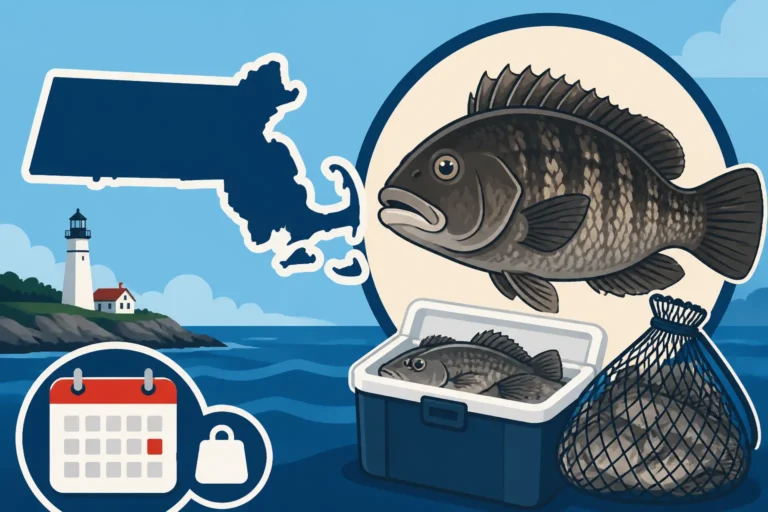
Just as important as bag limits are season dates and restrictions on closed waters. Many species have specific open and closed seasons to protect them during critical times, such as spawning. For instance, certain trout waters might be closed during parts of the year to allow newly stocked fish to acclimate or to protect wild trout during their breeding cycles. Saltwater species like black sea bass or tautog often have complex seasonal regulations with varying bag limits throughout the year.
Beyond seasonal closures, some specific bodies of water, or parts of them, may be permanently closed to fishing or have highly restricted access. The Quabbin and Wachusett Reservoirs are prime examples, with designated fishing areas, strict entry times, and often seasonal closures for certain types of fishing. Always consult the latest MassWildlife Angler's Guide, available on their website or from local vendors, to confirm current season dates and any specific water body restrictions. Being informed means being a better, more ethical angler.
Gear Restrictions and Permitted Methods
Massachusetts also has rules about the tackle and methods you can use. These might include:
- Number of Rods: There are usually limits on how many rods an individual angler can actively use at one time, especially in freshwater. For example, in most freshwater bodies, an angler is limited to two lines.
- Bait Restrictions: Certain baits might be prohibited in specific waters to prevent the spread of invasive species or diseases. For instance, using live baitfish from one water body in another is often restricted.
- Lead Tackle Ban: Massachusetts has a ban on the use of lead sinkers and jigs weighing less than one ounce in all freshwater bodies. This is to protect waterfowl that can ingest small lead tackle. Using non-toxic alternatives like steel, bismuth, or tungsten is mandatory. You can find plenty of compliant options on Amazon if you need to update your tackle box.
- Ice Fishing Rules: Ice fishing has its own set of regulations concerning the number of tip-ups you can use, ice shanty requirements, and safety guidelines.
These gear restrictions are in place for various reasons, from promoting fair chase to protecting the environment. Always check the MassWildlife regulations pamphlet, which you can usually pick up at most license vendors or download online, for the most current and detailed information on permitted methods and gear.
Special Considerations for Different Anglers
Massachusetts aims to make fishing accessible to a wide range of people, and in doing so, they've implemented special rules and provisions for certain groups. Whether you're a military veteran, a visiting tourist, or a commercial fisherman, there are specific guidelines that apply to you.
Military and Disabled Veteran Benefits
Massachusetts recognizes the sacrifices made by its military personnel and veterans. As such, the state offers specific benefits regarding fishing licenses. For example, active duty military personnel who are residents of Massachusetts may be eligible for a discounted freshwater fishing license.
Even more significantly, disabled veterans who meet specific criteria (often related to their disability rating and residency) can often receive a free fishing license. This is a heartfelt gesture to honor their service and provide an opportunity to enjoy the therapeutic benefits of fishing. However, it's crucial to check the specific eligibility requirements, as these can be quite detailed. Documents proving your active duty status or veteran disability rating will be required. Our comprehensive articles on Massachusetts Fishing License for Military Members and Massachusetts Fishing License for Disabled Veterans provide all the necessary details to determine your eligibility and apply for these benefits.
Out-of-State Visitors and Short-Term Options
If you're an angler visiting Massachusetts from another state, you're absolutely welcome to enjoy our incredible fishing opportunities, but you'll need a non-resident license. Recognizing that not every visitor needs an annual permit, Massachusetts offers several flexible options:
- Annual Non-Resident License: This is perfect if you plan multiple trips throughout the year or an extended stay.
- Short-Term Non-Resident Licenses: For those quick weekend getaways or short vacations, Massachusetts often provides 3-day or 7-day non-resident freshwater fishing licenses. These are a cost-effective way to get out on the water without paying for a full year. They're ideal if you're hitting up the Berkshires for a quick trout trip or enjoying some freshwater angling during a Cape Cod vacation.
These short-term options are designed to encourage tourism and make fishing accessible for visitors. Remember, even with a short-term license, all other state fishing regulations regarding bag limits, size restrictions, and gear still apply. For more information on these convenient options, refer to our guide on Short-Term Massachusetts Fishing License Options.
Commercial vs. Recreational Fishing
It's important to understand the fundamental difference between recreational and commercial fishing in Massachusetts, as they operate under entirely separate regulatory frameworks.
- Recreational Fishing: This is what we've been discussing – fishing for personal enjoyment, sport, and sustenance, subject to bag limits and size restrictions, and requiring the appropriate recreational fishing licenses or permits. You're catching fish for your table, not for sale.
- Commercial Fishing: This involves harvesting fish for sale or profit. Commercial fishing operations require vastly different and more stringent licenses, permits, and reporting requirements, often issued by the Division of Marine Fisheries (DMF) rather than MassWildlife. They operate under different quotas, gear restrictions, and often have specific vessel requirements. If you're considering selling any fish you catch, even a small amount, you must understand and comply with commercial regulations, which are far more complex than recreational ones. For example, certain species, like striped bass, have entirely different sets of rules for commercial harvesting compared to recreational.
Understanding this distinction is crucial, as attempting to sell fish caught under a recreational license can lead to severe penalties. Always ensure your activities align with the type of license you possess.
Penalties for Non-Compliance and Enforcement
No one wants to think about the negative consequences, but it's vital to understand what can happen if you don't adhere to Massachusetts fishing license requirements and regulations. Ignorance of the law is generally not considered an excuse, and enforcement officers are serious about protecting the state's natural resources.
Fines and Legal Consequences
Fishing without a valid license, or violating other fishing regulations like exceeding bag limits or keeping undersized fish, can lead to substantial fines and other legal repercussions in Massachusetts. The specific penalties can vary depending on the severity of the offense and whether it's a first-time violation or a repeat offense.
For a first offense of fishing without a license, you could face fines ranging from $50 to several hundred dollars. Repeat offenders often face stiffer penalties, potentially including higher fines, suspension of fishing privileges, or even confiscation of fishing gear. In serious cases, such as egregious poaching or commercial fishing without proper permits, the consequences can escalate to criminal charges, significant monetary penalties, and even jail time. Conservation Officers are trained professionals, and they have the authority to issue citations on the spot. It's a risk simply not worth taking, as our article on Penalties for Fishing Without a License in Massachusetts clearly outlines.
Importance of Carrying Proof
It might seem old-fashioned in our digital age, but always having proof of your valid fishing license with you while actively fishing in Massachusetts is absolutely essential. This means either a physical copy of your license (printed from MassFishHunt or obtained from a vendor) or a digital copy clearly displayed on a smartphone.
While many officers are increasingly accepting of digital proof, a dead phone battery or poor cell service could leave you in a bind. It's always a good practice to have a physical backup. Think of it like your driver's license – you wouldn't drive without it, and you shouldn't fish without proof of your permit. This simple act can prevent misunderstandings and unnecessary delays if a Conservation Officer approaches you. For more guidance on what constitutes acceptable proof, refer to Carrying Proof of Your Massachusetts Fishing License. Making sure you're properly documented is the easiest way to ensure a smooth and enjoyable day on the water.
Disclaimer
The information provided in this guide is intended for general informational purposes only and does not constitute legal advice. Fishing regulations in Massachusetts can change, and it is the sole responsibility of each angler to consult the most current official regulations published by the Massachusetts Division of Fisheries and Wildlife (MassWildlife) and the Division of Marine Fisheries (DMF) before engaging in any fishing activities. Always prioritize official state resources for up-to-date and accurate information.