Massachusetts Fishing License for Disabled Veterans
Navigating the world of fishing licenses can often feel like trying to untangle a particularly stubborn knot in your fishing line, especially when you're a disabled veteran trying to understand specific benefits. Many veterans in Massachusetts find themselves wondering if their service and sacrifice translate into special considerations for outdoor recreation, and the good news is, for fishing licenses, they absolutely do. This comprehensive guide is here to cut through the confusion, clearly outlining the eligibility requirements, application process, and other crucial details for disabled veterans seeking a Massachusetts fishing license, ensuring you can spend less time on paperwork and more time enjoying the calming waters of the Commonwealth.
Understanding Massachusetts Fishing License Benefits for Disabled Veterans
Massachusetts recognizes the profound sacrifices made by its disabled veterans and offers specific benefits for recreational fishing licenses as a small token of gratitude. These provisions are not just about a piece of paper; they represent an acknowledgment of service and a commitment to ensuring that those who have given so much can easily access the therapeutic and recreational opportunities our natural resources provide.
The Financial Relief: Reduced or Free Licenses
For many disabled veterans, the cost of recreational activities can be a barrier, especially when living on a fixed income or managing ongoing medical expenses. Massachusetts addresses this directly by offering significantly reduced fees, or in many cases, entirely free fishing licenses for qualifying disabled veterans. This isn't just a minor discount; it’s a substantial benefit designed to make enjoying the state's abundant freshwater and saltwater fisheries accessible without financial strain. Imagine being able to cast a line into the Cape Cod Canal Fishing Guide for Massachusetts Anglers or a serene freshwater pond without worrying about the annual license fee. This benefit empowers disabled veterans to pursue a hobby that can be incredibly beneficial for mental and physical well-being. It’s a practical way the Commonwealth says "thank you" by easing the burden on those who have already carried so much.
Why These Provisions Exist: Acknowledging Service
The roots of these special provisions for disabled veterans' fishing licenses run deep, stemming from a collective desire to honor military service and provide tangible support. These benefits are a direct reflection of the state's respect for individuals who have served our country and incurred disabilities as a result. Beyond the financial aspect, these licenses symbolize a recognition of the therapeutic value of connecting with nature. Fishing is often touted for its stress-reducing qualities, its ability to foster patience, and its gentle encouragement of outdoor activity. For veterans managing physical or mental health challenges, these opportunities are invaluable. The state understands that providing easier access to such activities contributes positively to the overall quality of life for disabled veterans, allowing them to find peace and recreation on Massachusetts' beautiful waterways.
Who Qualifies: Eligibility Requirements Explained
The path to securing your Massachusetts disabled veteran fishing license starts with understanding the specific criteria established by the Commonwealth. It's not a one-size-fits-all situation, and meeting the legal definitions is crucial for eligibility. This often involves specific percentages of service-connected disability and proof of residency.
Defining "Disabled Veteran" in Massachusetts Law
In Massachusetts, the eligibility for special veteran fishing license benefits hinges on a specific definition of "disabled veteran." Generally, this refers to a person who has served in the U.S. armed forces and has received a service-connected disability rating. The key here is "service-connected" – meaning the disability must be directly related to or incurred during military service. The Massachusetts Division of Fisheries and Wildlife (MassWildlife) typically follows the federal Veterans Affairs (VA) disability rating system. To qualify for the free fishing license, a veteran must generally have a service-connected disability of 10% or more. This percentage is critical; a 0% service-connected disability, while still acknowledging a service connection, typically doesn't meet the threshold for this particular benefit. It's important to remember that these regulations are in place to ensure the benefits reach those for whom they are specifically intended, aligning with the spirit of acknowledging service-related sacrifices.
Required Documentation for Verification
Once you believe you meet the disability criteria, the next step is gathering the necessary documentation to prove your status. This is where many veterans can get a bit bogged down, but with a clear checklist, it becomes much simpler. You'll need official proof of your service-connected disability rating, which typically comes from the U.S. Department of Veterans Affairs. This usually involves a letter or document from the VA clearly stating your disability percentage. In addition to proving your veteran status and disability, you will also need to provide proof of Massachusetts residency. This might include a valid Massachusetts driver's license or state ID, a utility bill, or other official documents showing your current address within the Commonwealth. Make sure all your documentation is current and accurate to avoid any delays in processing your application. Having these papers readily accessible, perhaps organized in a folder, will streamline the entire application process, whether you're applying online or in person.
Here's a quick summary of typical documentation:
| Document Type | Purpose | Details |
|---|---|---|
| VA Disability Letter | Proof of service-connected disability | Official letter from U.S. Department of Veterans Affairs stating disability percentage (must be 10% or more). |
| Proof of Residency | Establishes Massachusetts residency | Valid MA Driver's License/State ID, utility bill, voter registration, or property tax bill. |
| Proof of Military Service | Verifies veteran status (often on VA letter) | DD-214 or other official discharge papers (may not be explicitly required if VA letter is sufficient). |
Applying for Your Discounted or Free License
The process of actually getting your hands on that fishing license for disabled veterans is designed to be as straightforward as possible, recognizing that convenience is key. Massachusetts provides several avenues for application, catering to different preferences and levels of digital comfort.
Step-by-Step Online Application Process
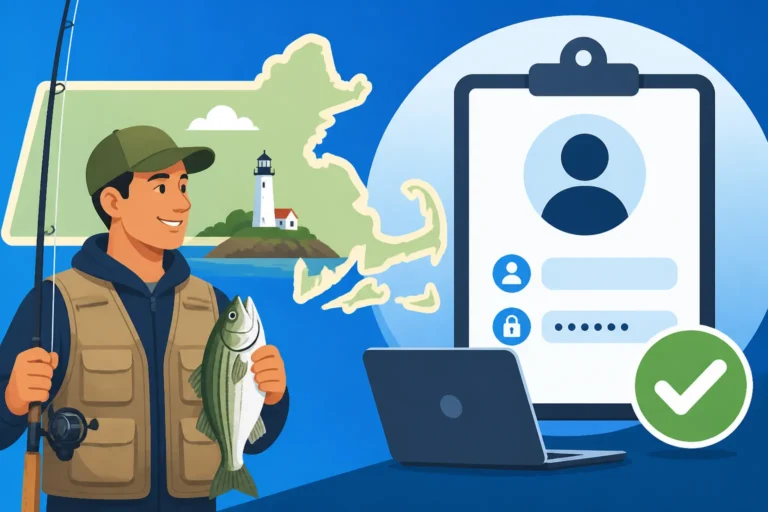
For many, the easiest and quickest way to apply is online through the MassFishHunt portal. This system is designed to be user-friendly, allowing you to manage your licenses from the comfort of your home. First, you'll need to create an account on the MassFishHunt system if you don't already have one. This involves setting up a profile with your personal information. Once your account is established, you can navigate to the license purchasing section. Here, you'll find options for various licenses, including the specific one for disabled veterans. You'll be prompted to provide information regarding your veteran status and disability, and in some cases, you might be asked to upload scanned copies of your VA disability letter and proof of residency. The system is usually quite intuitive, guiding you through each step. After successful verification and selection of your license, the fee, if any, will be calculated, and you can complete the transaction electronically. For detailed instructions on setting up your account, you can refer to our guide on How MassFishHunt Works for Buying a Massachusetts License.
In-Person Application Options and Vendor Locations
While the online system is convenient, some individuals prefer or require an in-person application experience. Massachusetts understands this and offers traditional methods as well. You can visit authorized license vendor locations throughout the state. These vendors often include sporting goods stores, bait shops, and some town clerk offices. When you go in person, make sure to bring all your required documentation with you: your VA disability letter, proof of Massachusetts residency, and any other relevant identification. The staff at these locations can help you navigate the application form and ensure all information is correctly entered. Buying your license in person also provides an opportunity to ask any specific questions you might have about the process or other Massachusetts Recreational Fishing Rules and Bag Limits. You can find a list of Massachusetts Fishing License Vendor Locations on the MassWildlife website, which is incredibly helpful for planning your visit. Just remember that while many local vendors are knowledgeable, it's always a good idea to double-check the latest requirements online before heading out.
Renewing Your Disabled Veteran Fishing License
Just like any other fishing license, your disabled veteran fishing license will have an expiration date. In Massachusetts, freshwater and saltwater recreational fishing licenses generally operate on a calendar year basis, expiring on December 31st, regardless of when they were purchased. However, MassWildlife does offer a 365-day license option as well. For disabled veterans, the good news is that renewing your license is often simpler than the initial application. If your disability status and residency haven't changed, you can typically renew your license online through your existing MassFishHunt account. The system should already have your verified veteran status on file, making the renewal a quick process of selecting the license and completing the transaction. If there have been any changes to your disability status or residency, or if the system requires re-verification, you might need to resubmit documentation. It's always a good idea to renew before the previous one expires to avoid any lapse in coverage and to ensure you're ready for the next season. Our Massachusetts Fishing License Renewal Guide provides further details on keeping your license current.
The Wildlands Conservation Stamp and Other Endorsements
Beyond the basic fishing license, Massachusetts has additional requirements and options that anglers, including disabled veterans, need to consider. Understanding these helps ensure you're fully compliant and can enjoy all aspects of fishing that appeal to you.
Is the Wildlands Conservation Stamp Required for Veterans?
The Wildlands Conservation Stamp is a key component of fishing and hunting licenses in Massachusetts, contributing vital funds to wildlife and habitat conservation efforts across the Commonwealth. This stamp supports the acquisition of open space, wildlife management, and public access projects. A common question among veterans is whether they are exempt from purchasing this stamp, given their other license benefits. As of current regulations, qualifying disabled veterans who receive a free fishing or hunting license are generally exempt from purchasing the Wildlands Conservation Stamp. This means if your service-connected disability rating of 10% or more qualifies you for a free fishing license, you will typically not need to pay for the Wildlands Conservation Stamp either. This exemption further reduces the financial burden, allowing you to contribute to conservation simply by participating in the system without an additional direct cost. For more detailed information on its purpose and who is exempt, you can check out The Massachusetts Wildlands Conservation Stamp Explained.
Considering Combination Licenses and Special Permits
Massachusetts offers a variety of licenses and permits beyond just the basic freshwater or saltwater recreational fishing permits. Many disabled veterans enjoy hunting as well, and for those individuals, a Massachusetts Combination Hunting and Fishing License might be a more convenient and cost-effective option. While the fishing portion might be free or discounted for qualifying veterans, the hunting portion would follow specific rules. It's crucial to check the exact fees and requirements for combination licenses, as they can sometimes differ slightly from individual licenses. Additionally, certain specific fishing locations, like the Quabbin Reservoir Fishing Permits and Rules in Massachusetts, or specific fishing activities, like targeting certain species with specialized gear, might require additional permits or endorsements. Always double-check the specific regulations for the body of water you plan to fish or the species you intend to target to ensure full compliance. Sometimes these additional permits are separate from the general fishing license and may not fall under the disabled veteran fee waiver.
Key Regulations and Practical Advice for Disabled Veteran Anglers
Having your license in hand is just the first step. To truly enjoy your time on the water, it's important to be aware of the ongoing rules and consider how to make your fishing experience as comfortable and accessible as possible.
Understanding Bag Limits and Season Regulations
Even with a free or discounted license, all anglers in Massachusetts, including disabled veterans, must adhere to the state's fishing regulations concerning bag limits, minimum/maximum sizes, and seasons for specific species. These rules are in place to protect fish populations and ensure sustainable fishing for generations to come. For instance, there are strict Massachusetts Striped Bass Slot Limit Explained and specific dates for when you can target species like tautog or black sea bass. Failure to follow these regulations, even unknowingly, can result in fines and other penalties. Before each fishing trip, especially if you're targeting a new species or fishing in a new area, take a moment to review the current regulations published by MassWildlife. Many anglers find it helpful to keep a copy of the regulations pamphlet, which can often be picked up at bait shops or downloaded from the MassWildlife website. Staying informed ensures your fishing adventures are both enjoyable and responsible.
Accessibility and Accommodations for Anglers with Disabilities
Massachusetts is committed to making its outdoor resources accessible to everyone, including anglers with disabilities. Many state parks, boat launches, and fishing piers have been designed or upgraded to be ADA compliant, featuring paved paths, accessible restrooms, and specially designed fishing platforms. For instance, places like the accessible fishing pier at Lake Dennison State Park or certain spots along the Connecticut River Fishing in Massachusetts offer excellent opportunities. If you have specific accessibility needs, it's always a good idea to research the particular fishing spot you plan to visit beforehand. The MassWildlife website often provides information on accessible areas, and many fishing groups and local organizations can offer insights into the best spots for various mobility challenges. Furthermore, consider gear that might make your experience more comfortable, such as rod holders, specialized seating, or adaptive fishing equipment that can be found on platforms like Amazon, offering a wide array of options for different needs. The goal is to maximize your comfort and enjoyment, making fishing a truly relaxing and rewarding activity.
Carrying Proof and Avoiding Penalties
It's one thing to have a fishing license; it's another to have proof of it when you're out on the water. Massachusetts law requires anglers to carry proof of their valid fishing license while actively engaged in fishing. This is true for all anglers, including disabled veterans. A physical copy of your license is always a safe bet, whether it's printed at home after an online purchase or obtained from a vendor. However, in today's digital age, a clear photograph of your license on your smartphone might be accepted in many situations, though it's always best to check the most current regulations on this. The key is that enforcement officers need to be able to verify your license quickly and easily. Getting caught fishing without a valid license, or without proof of it, can lead to Penalties for Fishing Without a License in Massachusetts, including fines. Don't let a simple oversight ruin your day on the water; always ensure you have your license or its verifiable proof with you.
Beyond the License: Community and Resources
While securing your fishing license is a critical step, the world of fishing for disabled veterans in Massachusetts extends far beyond just the regulatory requirements. There's a vibrant community and a wealth of resources available to enhance your experience.
Veteran Fishing Programs and Groups
One of the most enriching aspects of fishing for disabled veterans can be connecting with others who share similar experiences. There are numerous organizations dedicated to providing fishing opportunities and camaraderie for veterans. Groups like Project Healing Waters Fly Fishing or Heroes on the Water often organize events, workshops, and guided trips specifically for disabled veterans, focusing on the therapeutic benefits of fly fishing and kayak fishing. These programs not only teach fishing skills but also foster a strong sense of community and support, which can be incredibly beneficial for mental well-being. Look for local chapters in Massachusetts; a quick online search or inquiry at a local tackle shop can often point you in the right direction. Participating in such groups can provide not only new fishing techniques but also invaluable friendships and a supportive network.
Finding Gear and Equipment That Works For You
Outfitting yourself with the right gear is essential for any angler, but for disabled veterans, it might involve considering specific adaptive equipment or features that enhance comfort and ease of use. For example, if mobility is a concern, a comfortable, lightweight fishing chair might be more important than a fancy rod. If grip strength is an issue, look for rods with larger, easier-to-hold handles or consider a reel designed for one-handed operation. Online retailers like Amazon offer a vast selection of fishing equipment, including ergonomic designs, automatic hook-setters, or specialized waders that could make a significant difference. Don't be afraid to experiment or ask for recommendations from other disabled anglers in veteran fishing groups. They often have firsthand experience with what works best in various situations. The goal is to find gear that minimizes effort and maximizes enjoyment, allowing you to focus on the peaceful rhythm of casting and reeling.
Disclaimer
Please note that fishing regulations, license requirements, and eligibility criteria can change. This guide is intended for informational purposes only and should not be considered legal advice. Always consult the official Massachusetts Division of Fisheries and Wildlife (MassWildlife) website or contact them directly for the most current and accurate information before planning your fishing activities.