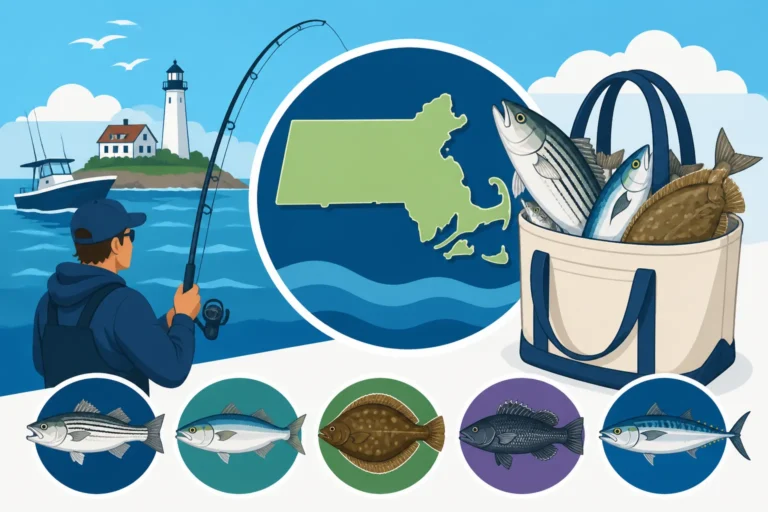
Massachusetts nonresident senior fishing license cost
Many seasoned anglers from out of state dream of casting a line in Massachusetts' abundant waters, from its pristine freshwater lakes to its productive coastline. However, navigating the specific regulations and costs, especially for nonresident seniors, can feel like a complex puzzle. Trying to figure out if you even qualify for a discount or what license type you truly need can be frustrating. This guide will meticulously break down everything you need to know about the Massachusetts nonresident senior fishing license cost, ensuring you're fully prepared to enjoy your fishing adventure without any unexpected surprises.
Unraveling Nonresident Senior Fishing License Requirements in Massachusetts
It's completely understandable to feel a bit overwhelmed when trying to understand fishing license rules, especially when you're visiting from out of state and hitting that "senior" age bracket. Many states have different classifications and pricing structures, and Massachusetts is no exception. Let's peel back the layers and clarify what you need to know to fish legally and confidently in the Commonwealth.
Defining "Nonresident" and "Senior" for Licensing
First things first, let's establish who MassWildlife considers a "nonresident." Simply put, if your primary legal residence – your actual home where you pay taxes, register your vehicles, and generally live most of the year – is not within the Commonwealth of Massachusetts, then you are a nonresident for licensing purposes. This distinction is crucial because resident licenses are almost always offered at a lower price point, a benefit designed for those who contribute to the state's tax base year-round. It means that even if you spend several months of the year vacationing on Cape Cod, if your official address is, say, Florida or New York, you'll be purchasing a nonresident license. You can learn more about these distinctions in our comprehensive guide on a Massachusetts Fishing License for Nonresidents.
Now, regarding the "senior" status: Massachusetts offers specific age-based discounts for seniors. For fishing licenses, the senior categories typically begin at age 65. There are often different price tiers for those aged 65-69 and then a more significant discount, or even a free license, for those aged 70 and over. It's a thoughtful gesture to recognize the dedication and passion of our more experienced anglers, allowing them to continue enjoying the sport without excessive financial burden. However, these senior discounts, as you'll see, are often more generous for residents than for nonresidents, which can sometimes feel a bit unfair if you've been fishing in Massachusetts for decades as a visitor.
Why Nonresidents Often Pay More for Fishing Licenses
It's a common point of contention and certainly a frustration for many visiting anglers: why do nonresidents have to pay more for a fishing license? The answer lies in how state wildlife agencies, including the Massachusetts Division of Fisheries and Wildlife (MassWildlife), fund their vital conservation efforts. The revenue generated from fishing license sales directly supports the management of fish populations, habitat restoration projects, enforcement of fishing regulations, and the stocking of fish in freshwater bodies across the state. This helps maintain the vibrant fisheries that Massachusetts is known for.
Residents, through their state taxes, contribute to these broader conservation initiatives year-round. Nonresidents, while certainly welcome and valued contributors to the local economy through tourism, don't pay into those same state tax coffers. Therefore, the higher nonresident license fees are designed to ensure that everyone who benefits from Massachusetts' natural resources contributes equitably to their preservation and management. While it might sting a little to pay more, remember that your license fee is directly funding the healthy fisheries that draw you back to Massachusetts year after year. It's an investment in the future of the sport here, which is something all anglers can appreciate. This system helps support the very ecosystem that provides your fishing opportunities.
A Comprehensive Look at Massachusetts Nonresident Senior Fishing License Costs
Understanding the exact dollar amount is probably why you're here, and it can be a bit tricky to pin down without a clear breakdown. Massachusetts has a few different types of licenses depending on whether you're casting in freshwater or saltwater, or both, and these categories influence the cost. Moreover, your specific age within the "senior" bracket can make a difference. Let’s dive into the specifics, using current pricing as our guide. Keep in mind that these fees are typically set on an annual basis and can be subject to minor adjustments, so it's always good to check the official MassWildlife site before your trip for the most up-to-date information on the Massachusetts Nonresident Fishing License Cost.
Freshwater vs. Saltwater vs. Combination Licenses
When you're looking at getting your license, you'll primarily encounter three main types: freshwater, saltwater, and a combination that covers both. Each has its own cost structure, especially for nonresidents in the senior age groups. The specifics of Massachusetts Freshwater Fishing License Costs and Rules should be reviewed carefully.
For freshwater fishing, which covers all the beautiful ponds, lakes, and rivers across Massachusetts, the cost for a nonresident senior (age 65-69) is typically around $20.00. However, if you are a nonresident senior aged 70 or older, you'll be pleased to know the cost drops even further to approximately $10.00. This makes freshwater fishing incredibly accessible for older visiting anglers, allowing them to enjoy the state's many diverse inland waterways.
The saltwater recreational permit in Massachusetts is a unique and wonderfully angler-friendly situation. Whether you're a resident or a nonresident, and regardless of your age, the Massachusetts saltwater recreational permit is free. That's right, free! This means if your fishing plans are exclusively focused on the ocean, estuaries, or tidal rivers, you can obtain this permit at no cost. You still need to register for it, though, and carry proof while fishing. This is a huge benefit for those who love to fish the coast, from the sandy beaches of Cape Cod to the rocky shores of the North Shore. You can learn more about the specifics of the Massachusetts Saltwater Recreational Fishing Permit Explained.
If you plan to enjoy both worlds – chasing trout in a pristine stream one day and battling striped bass off the coast the next – the combination freshwater and saltwater license is your best bet. For a nonresident senior aged 65-69, this combination license usually costs around $30.00. For those nonresident seniors who are 70 years or older, the combination license is a fantastic deal, coming in at approximately $10.00. This single license simplifies things immensely, allowing you to seamlessly transition between freshwater and saltwater adventures without needing multiple pieces of paper.
It's also important to be aware of the Wildlands Conservation Stamp. This $5.00 stamp is required for anyone age 15 and older purchasing most types of hunting or fishing licenses in Massachusetts. Even if you qualify for a free or significantly discounted license, you might still need to purchase this stamp. It’s a small, additional fee that directly funds wildlife habitat conservation, so it’s money well spent, supporting the very ecosystems you enjoy. You can get a deeper understanding of The Massachusetts Wildlands Conservation Stamp Explained.
Age-Based Discounts for Nonresident Seniors
Massachusetts is quite thoughtful in offering specific age-based discounts, even for nonresidents, though they differ from what residents receive. As mentioned, the 65-69 age bracket receives a reduced rate compared to a regular adult nonresident license, and then a further reduction, or significantly low cost, applies to those 70 and over.
For example, a standard nonresident adult freshwater license is currently around $37.40. A nonresident senior aged 65-69 pays $20.00, which is a considerable saving. Then, a nonresident senior aged 70+ only pays $10.00 for the same license. This tiered system is designed to provide increasing affordability as you reach those golden years of fishing. While it's not entirely free as it is for Massachusetts residents 70 and over, it's still a fantastic discount that makes fishing in the Commonwealth highly accessible for our elder visitors. These discounts are truly appreciated, especially when you consider the Massachusetts Senior Fishing License Discounts available to residents, which are even more generous.
Short-Term Options for Visiting Senior Anglers
Perhaps you're only visiting Massachusetts for a long weekend or a short vacation, and an annual license doesn't make sense. MassWildlife understands this, which is why they offer short-term license options. For nonresidents, the most common short-term option is the 3-day freshwater fishing license.
A 3-day nonresident freshwater fishing license typically costs around $23.60 for all nonresident ages, including seniors. While this might seem slightly more expensive per day than an annual license if you plan to fish frequently, it's a perfect solution for a quick getaway. It eliminates the need to commit to a full year's license when your visit is brief. Before you opt for this, take a moment to calculate whether a full annual license might be more economical if you anticipate multiple visits throughout the year or a longer single trip. You can explore more about these Short-Term Massachusetts Fishing License Options to see if they fit your travel plans.
Here’s a quick summary table of the key nonresident senior fishing license costs in Massachusetts:
| Massachusetts Nonresident Senior Fishing License Costs (As of 2024) |
|---|
| License Type |
| Freshwater Fishing License |
| Saltwater Recreational Permit |
| Combination Freshwater/Saltwater |
| Wildlands Conservation Stamp |
| 3-Day Freshwater Fishing (all nonresident ages) |
Note: These prices are subject to change, so always verify the most current fees on the official MassWildlife website before purchasing.
Navigating the Purchase Process for Your Nonresident Senior Fishing License
Once you know which license you need, the next step is actually getting your hands on it. Thankfully, MassWildlife has streamlined the process, offering convenient online and in-person options. The ease of purchase means less time dealing with paperwork and more time on the water, which is exactly what we all want! This is a part of the broader Massachusetts Fishing License Guide.
Online Purchase via MassFishHunt
The most straightforward and often preferred method for purchasing any Massachusetts fishing license, including nonresident senior licenses, is through the MassFishHunt online licensing system. This platform is incredibly user-friendly and accessible 24/7, making it easy to buy your license from the comfort of your own home, well before you even set foot in the Commonwealth.
To use MassFishHunt, you'll typically need to create an account if you don't already have one. This involves providing some basic personal information, and then you can select the specific license type you need. The system will guide you through the process, verifying your age to apply the correct senior discount if applicable. You'll pay securely online, often with a small processing or convenience fee added to the total cost. After completing the transaction, you'll receive an email confirmation, and often a printable version of your license. This digital copy can usually be saved to your smartphone, which is incredibly convenient. To get started, you might find our guide on How to Buy a Massachusetts Fishing License Online or the detailed MassFishHunt account setup guide particularly helpful. While you're at it, a good waterproof license holder can be easily found on Amazon to keep your printed license safe and sound while you're out fishing.
In-Person Purchase Options
For those who prefer a more traditional approach or want to speak with someone directly, Massachusetts offers several in-person purchase locations. These usually include town and city clerks’ offices, as well as many bait and tackle shops or sporting goods stores that are authorized vendors. These locations can be a great resource, as the staff are often knowledgeable about local fishing conditions and regulations, offering valuable insights that an online purchase can't.
When purchasing in person, you'll need to bring a valid form of identification, such as a driver's license, to verify your residency status and age. Be sure to call ahead to confirm their hours of operation and that they are indeed an authorized vendor for fishing licenses. For instance, you might find licenses available at local independent bait shops in fishing towns, or at larger retailers. Just remember that not every convenience store sells them, so it's worth checking the MassWildlife website for an up-to-date list of vendor locations. Sometimes there are even Massachusetts fishing license office locations in Boston and other major cities, which can be convenient if you're flying in. This method can sometimes feel a bit like stepping back in time, but it’s still a reliable way to get your license.
What to Carry and Proof of Purchase
Once you’ve acquired your license, the final, and critical, step is ensuring you have valid proof of it on your person whenever you are fishing. Enforcement officers can and do check licenses, and being caught without one, or without proper proof, can lead to fines. It's simply not worth the hassle or potential cost of a penalty.
The most straightforward proof is your printed license, either from the MassFishHunt system or issued by an in-person vendor. Many anglers laminate their paper licenses or carry them in a clear plastic sleeve to protect them from the elements. As technology progresses, showing a digital image of your license on your smartphone or through a dedicated MassWildlife app is often accepted. However, it's always wise to have a backup or double-check current regulations regarding digital proof, as cell service can be spotty in remote fishing locations. Our article on Carrying Proof of Your Massachusetts Fishing License provides more detailed advice on this. Don't risk a perfectly good fishing day turning sour over a forgotten license!
Key Considerations for Nonresident Senior Anglers in Massachusetts
Beyond just the license, there are a few other things that nonresident senior anglers should keep in mind to make their Massachusetts fishing trip as enjoyable and stress-free as possible. From understanding state-specific rules to having the right gear, a little preparation goes a long way.
Reciprocity with Other States
A common question, especially for those living near the Massachusetts border, is about license reciprocity. Can you use a fishing license from Rhode Island, Connecticut, or another neighboring state to fish in Massachusetts waters? Generally, the answer is no. Each state has its own independent licensing system, and a Massachusetts fishing license is typically required to fish in the Commonwealth's waters, regardless of what licenses you hold elsewhere.
While there might be very specific, limited agreements on certain shared border waters with neighboring states, these are the exception rather than the rule. It's always safest to assume you'll need a Massachusetts license unless you've confirmed a specific reciprocity agreement for the exact body of water you intend to fish. Fishing without the proper license can lead to significant penalties, so it's not worth the risk. For example, if you live in Rhode Island, you cannot simply use your Rhode Island license to fish Massachusetts waters; you'll need a separate Massachusetts license.
Essential Gear and Supplies
Having the right license is just the first step; having the right gear makes the experience truly great. For freshwater fishing, you'll want a reliable rod and reel setup suitable for species like trout, bass, or pickerel, along with a selection of appropriate lures or bait. For saltwater, your gear will need to withstand corrosive salt, and you'll likely need heavier tackle for species like striped bass or bluefish.
While you're planning your trip and securing your license, it's also a great time to check out Amazon for any gear upgrades you might need. Maybe a new pair of polarized sunglasses to cut through the glare on the water, or even a specialized reel designed for those bigger striped bass. Amazon offers a vast array of fishing equipment that can be delivered right to your doorstep, making preparation incredibly convenient. For those longer days on the water, especially in the variable New England weather, a comfortable fishing vest with plenty of pockets or a reliable waterproof jacket can make all the difference, and you can find a huge selection on Amazon before you even leave home. Don't forget the essentials like strong sunscreen, effective insect repellent, and a good cooler to keep your catch fresh – Amazon offers countless options for delivery right to your door or destination, ensuring you're fully equipped for success.
Staying Informed About Regulations
Massachusetts fishing regulations, like those in any state, are dynamic. They can change annually or even seasonally, particularly concerning bag limits, size restrictions, and open seasons for various species. This is especially true for popular species like striped bass or trout. What was legal last year might have changed this year, so staying informed is crucial to avoid any unexpected citations.
MassWildlife publishes an annual "Abstract of the Fish and Wildlife Laws," which is essentially the official guide to all regulations. This pamphlet is invaluable, and you can usually pick up a physical copy wherever licenses are sold, or find it digitally on the MassWildlife website. It's truly a must-read for any angler, resident or nonresident. You can find out more about the Massachusetts Fishing Regulations Pamphlet, Explained to ensure you're always fishing within the legal parameters. Being a senior angler often comes with a wealth of experience, but even the most seasoned fisher needs to stay current with the rules to avoid inadvertently breaking them.
Disclaimer
Please note that fishing regulations and license costs in Massachusetts are subject to change by MassWildlife and the state legislature. While this guide aims to provide the most accurate and up-to-date information, it is always recommended to verify all details directly with the official Massachusetts Division of Fisheries and Wildlife website or contact them directly before planning your fishing trip.