Massachusetts fishing license discount for active military
It’s tough enough navigating life as an active military member, with deployments, frequent moves, and demanding schedules. When you finally get a moment to yourself, perhaps hoping to cast a line and find some peace on the water, the last thing you need is a confusing maze of state-specific fishing license rules and costs. This guide is here to untangle that complexity, specifically focusing on how active military personnel can access fishing license discounts in Massachusetts, ensuring your well-deserved relaxation time isn't spent battling bureaucracy.
Understanding Massachusetts Fishing License Requirements for Military Members
Let's be honest, deciphering state regulations can feel like a mission in itself, especially when you're already juggling so much. Massachusetts is one of those states that recognizes the service of its military members, and while it doesn't offer a blanket "free license," there are indeed specific provisions that can significantly reduce the cost of your freshwater or saltwater fishing permits. This can be a huge relief, allowing you to invest those savings into better gear, like that new fishing reel you've been eyeing on Amazon, or just putting gas in the boat.
Who Qualifies for Military Discounts?
Massachusetts offers a reduced fee for fishing licenses to active duty military personnel who are residents of the state. This means if you're actively serving in any branch of the U.S. Armed Forces (Army, Navy, Air Force, Marines, Coast Guard, Space Force, or National Guard/Reserves called to active duty) and you can prove Massachusetts residency, you're in luck. For those currently serving and stationed outside Massachusetts but who maintain their Massachusetts residency, you would typically still qualify. It’s important to note that this specific discount usually applies to active service members, not necessarily veterans or retirees, though other programs might exist for them. However, for active duty folks, it’s a real perk that makes getting out on the water much more accessible.
If you're a non-resident active military member stationed in Massachusetts, the rules can get a bit more nuanced. While some states extend resident pricing to military members stationed within their borders, Massachusetts typically requires you to establish residency to qualify for the resident active military discount. If you are an active military member from another state but are simply stationed at, say, Otis Air National Guard Base, you would generally be considered a nonresident for licensing purposes unless you take steps to establish Massachusetts residency. You can find more comprehensive details on general requirements in our Massachusetts Fishing License Guide.
What Documentation is Needed?
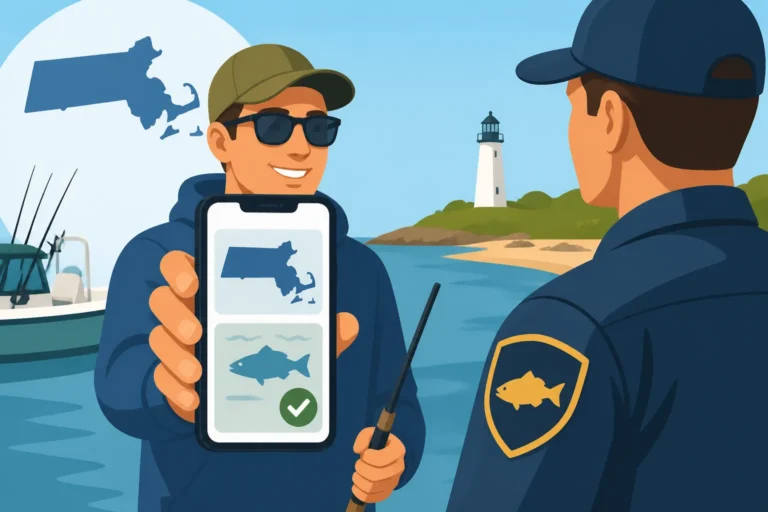
Proof, proof, and more proof! Like any official discount, you'll need to demonstrate your eligibility. For active military members, this typically involves presenting official military identification and proof of your active duty status. This could be a current Leave and Earning Statement (LES) or a military ID card (DD Form 2, DD Form 2574, or Common Access Card, for example). It's crucial that whatever documentation you provide clearly shows your active status and, for the resident discount, your Massachusetts residency.
Imagine trying to get your license and realizing you left the one crucial document at home. It’s a pain! To avoid this kind of frustration, it's always a good idea to call ahead to MassWildlife or check their official website for the most current and specific documentation requirements. Sometimes they even have specific forms they prefer. A good rule of thumb is to have your military ID and a recent LES with you. For proof of residency, a valid Massachusetts driver's license or state ID is usually sufficient. Remember, the goal is to make it as easy as possible for the clerks processing your application. Having everything neatly organized, perhaps in a folder alongside your other fishing essentials that you picked up from Amazon, will save you time and hassle.
Required Documentation Checklist for Active Military Discount
| Document Type | Purpose | Notes |
|---|---|---|
| Military ID Card | Proof of Active Duty Status | Common Access Card (CAC), DD Form 2, or DD Form 2574. |
| Leave and Earning Statement (LES) | Verification of Active Status & Residency | A recent LES confirming active duty service is often required. |
| Proof of Massachusetts Residency | To Qualify for Resident Discount | Valid MA Driver's License/State ID, utility bill with MA address. |
| Prior Year's License (if applicable) | For Renewal Purposes | If you're renewing, having your old license can simplify the process. |
The Importance of the Wildlands Conservation Stamp
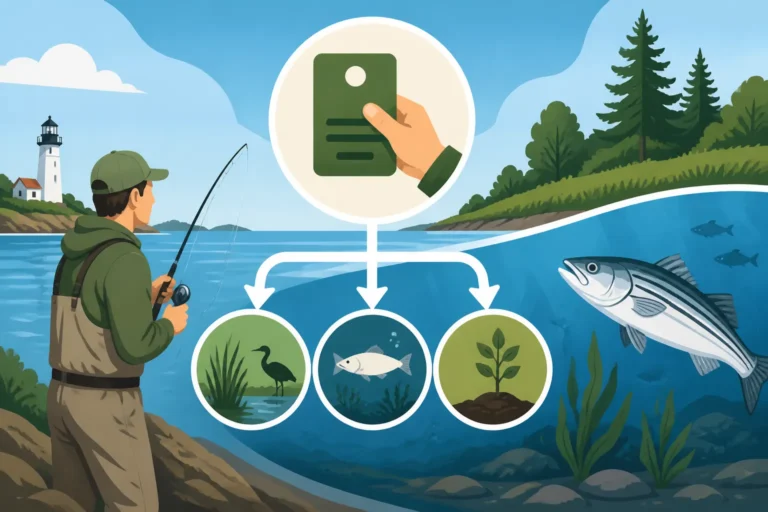
When you're getting your fishing license in Massachusetts, you'll often come across something called the "Wildlands Conservation Stamp." This stamp is a mandatory purchase for most resident anglers aged 12 and older, including military members, when buying any annual hunting, fishing, or trapping license. The funds generated from this stamp go directly towards critical conservation efforts across the state, like habitat restoration, land acquisition, and wildlife management.
While you might be getting a discount on the base license fee as an active military member, the Wildlands Conservation Stamp is typically a separate, fixed charge that you'll still need to pay. Think of it as your contribution to keeping Massachusetts' natural beauty and diverse fish populations thriving for generations to come. It’s a small extra cost that has a big impact, ensuring there are plenty of healthy waterways for you to enjoy your fishing adventures. Our detailed explanation of The Massachusetts Wildlands Conservation Stamp Explained can give you even more insight into why this stamp is so vital for the state's natural resources.
How to Obtain Your Discounted Massachusetts Fishing License
Getting your fishing license should be straightforward, not another obstacle course. Thankfully, Massachusetts has a pretty user-friendly system, especially online, which can be a real time-saver for active military personnel who might not have a lot of free time to visit a physical office. Whether you prefer the convenience of your computer or a face-to-face interaction, there are options available to ensure you get your license with the appropriate discount.
Online Application Through MassFishHunt
The easiest and often quickest way for anyone, including active military members, to purchase a fishing license in Massachusetts is through the MassFishHunt online licensing system. This platform is run by the Massachusetts Division of Fisheries and Wildlife (MassWildlife) and is designed to streamline the entire process. If you already have an account, great! If not, setting one up is relatively simple.
When you go to purchase your license, you'll be prompted to select your residency status and the type of license you need (freshwater, saltwater, or a combination). This is where you'll need to be attentive. After selecting the appropriate resident annual fishing license, the system should allow you to indicate your active military status, which will then apply the discounted rate. You may be asked to upload documentation or verify your status. It’s worth checking the MassFishHunt website directly or contacting MassWildlife if you're unsure about how the discount is applied online to ensure you get the correct price. You can learn more about navigating the system in our guide, How MassFishHunt Works for Buying a Massachusetts License.
The beauty of the online system is that you can do it anytime, anywhere – perfect for those unpredictable military schedules. Just make sure you have your documentation ready to go, and you can even print your license right at home, or save a digital copy to your phone, which is generally accepted as proof.
In-Person Purchase at Vendor Locations
Sometimes, you just prefer the human touch, or perhaps you have questions that are easier to ask in person. Many sporting goods stores, bait and tackle shops, and town clerks across Massachusetts are authorized vendors for selling fishing licenses. This can be a great option if you want to chat with someone knowledgeable, especially if you're new to the area or have specific questions about local fishing spots.
When purchasing in person, this is where having all your active military ID and residency documentation becomes absolutely critical. Be prepared to present these documents to the vendor so they can verify your eligibility for the discounted rate. Don't be shy about asking questions if you're unsure. The staff at these vendor locations are usually very helpful and can guide you through the process, ensuring you get your Massachusetts Freshwater Fishing License Costs and Rules or Massachusetts Saltwater Recreational Fishing Permit Explained at the correct price. They can also offer advice on local tackle or even recommend some good fishing spots nearby. This direct interaction can also be helpful for those who prefer to pay with cash or are simply more comfortable with a traditional transaction.
What to Do if You Encounter Issues
It happens. Technology glitches, misunderstandings, or just plain confusion. If you run into any trouble applying for your discounted license, whether online or in person, don't just give up. Your service deserves to be recognized, and you deserve that discount.
First, if you're using MassFishHunt and the discount isn't appearing as expected, double-check that you've selected all the correct options for active military status and residency. If it's still an issue, clear your browser cache or try a different browser. Sometimes, a simple technical hiccup is all it is. If the problem persists, contact MassWildlife's licensing department directly. Their contact information is usually available on the MassFishHunt website.
If you're at a vendor location and they seem unfamiliar with the active military discount, politely explain the policy and show them the relevant section on the MassWildlife website if you can access it. If they are still unable to process it, don't get frustrated with them, as they might genuinely be unaware. Instead, thank them for their time and contact MassWildlife for clarification. It's always best to get confirmation from the source. Remember, patience and persistence are key, just like when you're waiting for that big bite!
Beyond the Discount: Other Important Considerations for Military Anglers
Getting your discounted license is a great first step, but being a responsible and successful angler in Massachusetts involves a bit more. Understanding the nuances of different license types, where your license is valid, and how to stay informed about changing regulations will enhance your fishing experience and keep you out of trouble. After all, nobody wants to get a ticket for a simple misunderstanding when you're just trying to enjoy a peaceful afternoon.
Freshwater vs. Saltwater Licenses
This is a common point of confusion for many anglers, and it's especially important in a state like Massachusetts that offers both incredible freshwater and saltwater fishing opportunities. You might think one license covers it all, but that's not typically the case.
In Massachusetts, a freshwater fishing license is required for fishing in lakes, ponds, rivers, and streams. This covers popular species like largemouth bass, trout, and pike. The active military discount applies to this license for eligible residents. If you plan to explore the beautiful freshwater bodies of the state, from the Berkshires to the Quabbin Reservoir, this is the license you'll need.
On the other hand, the saltwater recreational fishing permit is required for fishing in marine waters, which include coastal bays, estuaries, and the open ocean. This permit is necessary for targeting species like striped bass, bluefish, cod, and fluke. Interestingly, the Massachusetts saltwater permit is free for all residents (including active military) aged 60 and over, but for active military residents under 60, there is a small fee, which you might also be eligible for a discount on. You'll need to double-check the exact discount structure for the saltwater permit specifically through MassWildlife. Many anglers, especially those interested in both types of fishing, opt for a combination license if available, or simply buy both. Understanding the difference is key, as explained further in our article on Massachusetts Freshwater vs Saltwater License Differences.
State and Federal Waters Explained
Another layer of complexity comes with understanding where your Massachusetts fishing license is actually valid. Most recreational fishing takes place in state waters, which generally extend three nautical miles from shore. Within these waters, Massachusetts fishing regulations, including size and bag limits, apply. Your state-issued freshwater license or saltwater permit covers fishing within these state limits.
However, if you venture further offshore into federal waters (beyond three nautical miles), federal regulations may also come into play, especially for certain species like tuna, swordfish, and some groundfish. While your Massachusetts saltwater permit is usually still required for access from a Massachusetts port, you might need to register with the National Marine Fisheries Service (NMFS) or comply with additional federal permits and reporting requirements for specific species or types of fishing in federal waters. This is less common for casual recreational anglers but becomes crucial for offshore enthusiasts. Always check both state and federal rules, especially if you're planning a deep-sea charter. Your gear, like a sturdy rod and reel combo that you found on Amazon, might be ready for the deep, but make sure your paperwork is too!
Staying Up-to-Date with Regulations
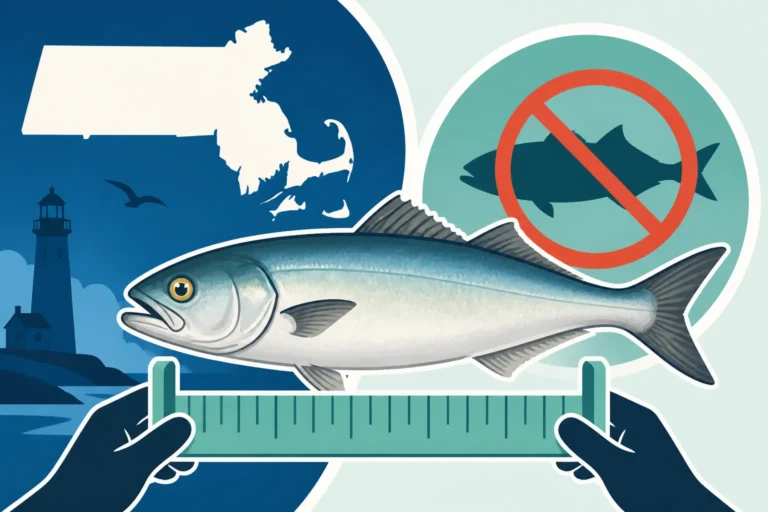
Fishing regulations are not static; they change! Bag limits, size restrictions, season dates, and even allowed gear types can be updated annually, or sometimes even more frequently, by MassWildlife and federal agencies. These changes are often driven by scientific assessments of fish populations, conservation needs, and sometimes even by public input.
As an active military member, with your demanding schedule, it can be hard to keep up. However, staying informed is critical to avoiding fines and ensuring the sustainability of the fishery. Here’s how you can do it:
- MassWildlife Website: The official MassWildlife website is your best friend. They publish annual guides, regulation updates, and news releases.
- Regulations Pamphlet: When you get your license, whether online or in person, you'll typically be directed to or given a copy of the current Massachusetts fishing regulations pamphlet. This booklet contains all the essential rules.
- Sign up for Email Alerts: Many state agencies offer email newsletters or alerts for regulation changes. This is a convenient way to get updates delivered right to your inbox.
- Local Bait Shops: These places are goldmines of local information. The folks who run them usually know the current regulations inside and out and can offer practical advice.
- Carrying Proof: Always have proof of your license on you. Whether it's a printed copy or a digital version on your phone, you need to be able to show it if asked. Learn more about Carrying Proof of Your Massachusetts Fishing License. Ignoring or being unaware of regulations is not an excuse, and penalties for fishing without a license in Massachusetts can be steep.
By staying informed, you not only protect yourself but also contribute to the conservation efforts that make Massachusetts such a fantastic fishing destination. It ensures that when you get that rare moment of peace on the water, it's truly relaxing, free from worries about fines or unknowingly harming the environment. And who knows, maybe that new fishing sonar you added to your Amazon cart will help you find those fish hiding in compliance with all the rules!
Disclaimer
The information provided in this guide is for general informational purposes only and does not constitute legal advice. Fishing regulations in Massachusetts are subject to change, and it is the responsibility of each angler to consult the official MassWildlife website or contact the agency directly for the most current and accurate regulations before fishing.