How Long a Massachusetts Fishing License Lasts
One of the most common headaches for anglers in Massachusetts, whether you're a seasoned local or just visiting, is figuring out exactly how long your fishing license is actually good for. It's easy to assume it lasts a full year from the purchase date, but in Massachusetts, that's often not the case, leading to confusion, accidental expired licenses, and potentially missed fishing opportunities. This comprehensive guide will clear up all the ambiguities surrounding the duration of Massachusetts fishing licenses and saltwater permits, ensuring you're always legal and ready to cast your line.
Understanding the Massachusetts Fishing License System
Navigating the licensing system can feel like trying to untangle a particularly stubborn fishing knot, especially when different states have different rules. In Massachusetts, the Division of Fisheries and Wildlife (MassWildlife) manages freshwater licenses, while the Division of Marine Fisheries (DMF) handles saltwater recreational permits. While they are distinct, they generally follow a similar duration principle, though with some nuances that are crucial to understand. The key takeaway here is that most annual licenses operate on a calendar year basis, not a 365-day cycle from your purchase date.
The Calendar Year Standard
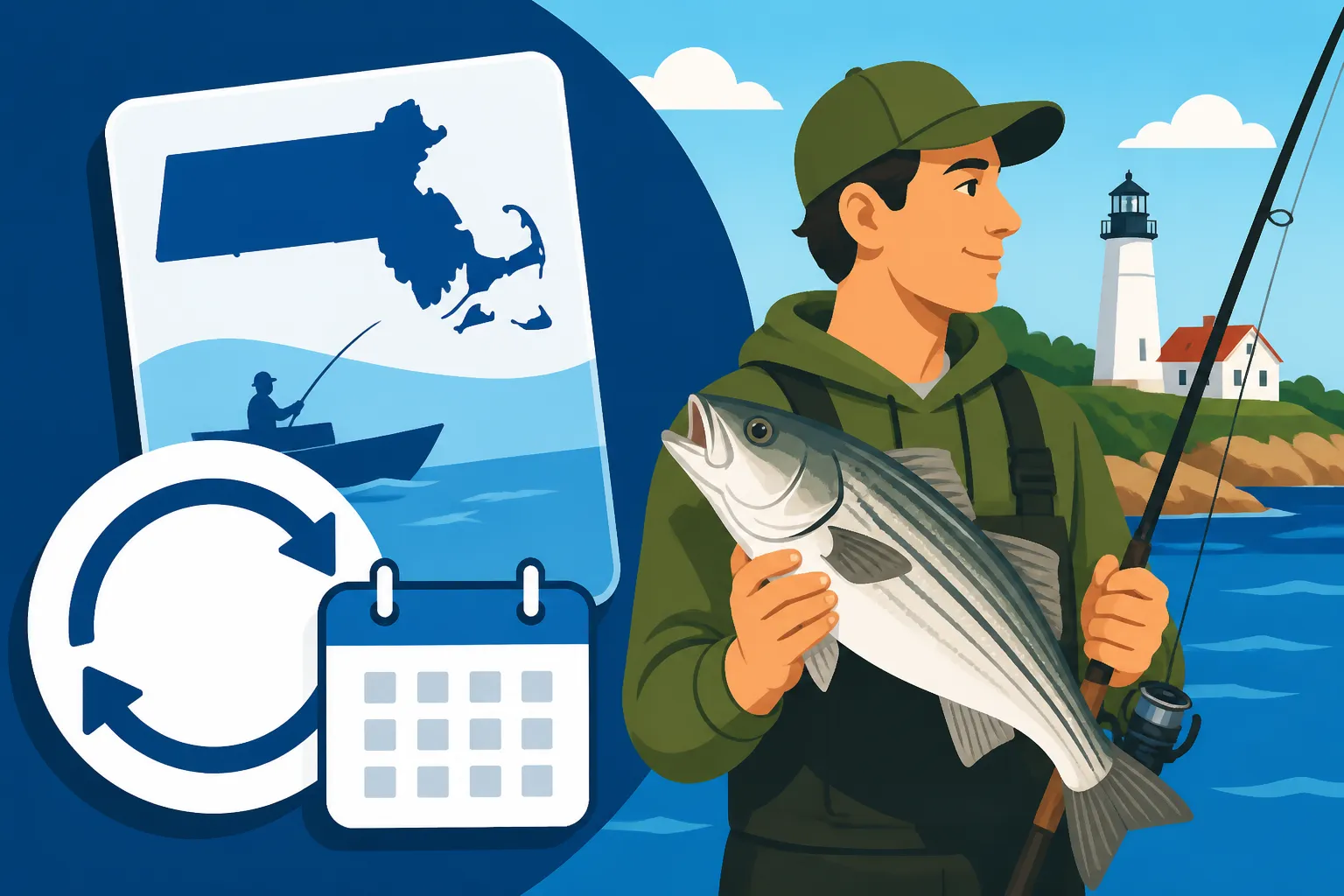
For the vast majority of freshwater fishing licenses and saltwater recreational permits in Massachusetts, your license is valid from January 1st through December 31st of the year for which it's issued. This means if you purchase an annual freshwater fishing license on July 1st, it will still expire on December 31st of that same year, not the following July. This can be a real gotcha for many anglers who purchase their licenses mid-year, assuming they've got a full 12 months of fishing ahead of them. It's a system designed for administrative ease, but it certainly requires anglers to be mindful of the expiration date, especially as the year draws to a close.
Think about it this way: if you bought your fishing license in March, you'd get nine months of use out of it for that year. If you waited until November, you'd only get two months. This isn't a flaw in the system, just how it's structured, and it’s important to factor this into your plans. Many experienced anglers will renew their licenses early in the new year to maximize their fishing time. You can learn more about the general requirements in our comprehensive Massachusetts Fishing License Guide.
Why the January 1st to December 31st Cycle?
The calendar year cycle, running from January 1st to December 31st, is a pretty common approach for state agencies managing recreational licenses. It simplifies administration, enforcement, and data collection. Imagine the complexity if every single license had its own unique 365-day expiration date! Wardens would need to calculate individual expiration dates on the fly, and the state would have a constant, rolling wave of renewals rather than a concentrated period.
From an administrative perspective, this standardized expiration allows MassWildlife and the DMF to align their annual reporting, budget cycles, and conservation funding efforts. The fees collected from licenses are crucial for supporting fish stocking programs, habitat restoration, scientific research, and enforcement. By having a clear start and end to the licensing year, they can better project revenue and allocate resources to benefit the state's diverse fisheries. While it might seem a bit counterintuitive for a mid-year purchase, it streamlines operations that ultimately benefit the health and sustainability of Massachusetts' aquatic ecosystems. This system also ties in neatly with annual regulatory updates, which often come into effect at the start of a new calendar year, making it easier for anglers to stay up-to-date on rules.
Differentiating Freshwater and Saltwater Permits
While both freshwater and saltwater recreational fishing in Massachusetts operate on an annual calendar-year basis for most permits, there are important distinctions in what each covers and where you need them. Understanding these differences is key to making sure you're properly licensed for your intended fishing adventure. It’s not a "one size fits all" situation, and mistaking one for the other can lead to penalties.
Freshwater Licenses: The Annual Deal
A Massachusetts freshwater fishing license, available for residents and non-residents, covers all inland waters of the Commonwealth. This includes lakes, ponds, rivers, and streams. As mentioned, an annual freshwater license is valid from January 1st through December 31st of the year it's purchased. So, if you're planning on chasing largemouth bass in Lake Quinsigamond, targeting trout in the Deerfield River, or ice fishing on Otis Reservoir, this is the license you'll need.
The cost of a freshwater license varies depending on your residency and age. For instance, there are different fees for adults, minors, and seniors, with some exemptions for certain age groups or circumstances. It's always best to check the latest fee schedule before purchasing. You can find detailed information on costs and rules in our Massachusetts Freshwater Fishing License Costs and Rules guide. Keep in mind that while the license itself expires on December 31st, you can typically purchase the next year's license in mid-December, allowing you to be ready for the very first day of the new year's fishing season without a lapse.
Saltwater Permits: A Separate but Similar Story
Recreational saltwater fishing in Massachusetts requires a separate permit, distinct from the freshwater license. This permit, issued by the Division of Marine Fisheries, covers fishing in all marine waters within the state's jurisdiction. This means if you're surfcasting for striped bass on Cape Cod, bottom fishing for tautog in Buzzards Bay, or heading out on a charter for bluefish, you'll need this permit. Just like the freshwater license, the annual Massachusetts Saltwater Recreational Fishing Permit is valid from January 1st through December 31st.
There's often confusion about the term "permit" versus "license," but for all intents and purposes, it functions like a license. The good news is that for Massachusetts residents, the annual saltwater recreational fishing permit is typically free! Non-residents, however, usually need to pay a fee. It's worth noting that if you have a valid recreational saltwater fishing permit from a state that has reciprocity with Massachusetts (like Rhode Island or New Hampshire), you might not need a Massachusetts permit for certain activities, but this is a complex area and always warrants a double-check with the DMF regulations. To understand more about what this permit entails, refer to our article on the Massachusetts Saltwater Recreational Fishing Permit Explained. Remember, always confirm the current regulations, especially when dealing with interstate agreements.
Short-Term and Special License Durations
While most annual licenses follow the calendar year, Massachusetts does offer some flexibility for visitors or those who only plan to fish for a short period. These short-term options are perfect for a weekend getaway or a quick vacation where you want to drop a line without committing to a full year's license.
Exploring Temporary Options
For freshwater fishing, Massachusetts offers short-term licenses, typically a 1-day or 3-day option. These are often utilized by non-residents who are visiting the state for a brief period or by residents who only fish occasionally and want to try out a new spot. Unlike annual licenses, these temporary permits are valid for a consecutive number of days from the date of purchase or the specified start date. So, if you buy a 3-day license on a Friday, it will be valid for Friday, Saturday, and Sunday, regardless of the calendar year end. This makes them a straightforward choice for short trips.
It's important to weigh the cost of these short-term options against an annual license if you anticipate fishing more than just a couple of times. Sometimes, depending on when you buy it, a full annual license might offer better value even if you're not using it for the entire year. For saltwater fishing, the recreational permit is typically an annual affair, even for non-residents who pay a fee, so there aren't usually short-term saltwater-specific permits in the same way there are for freshwater. However, if you are a non-resident coming from a state with a reciprocal agreement, your home state's permit might cover you for a certain duration in Massachusetts waters. Make sure to check our guide on Short-Term Massachusetts Fishing License Options for more details.
Special Circumstances and Exemptions
Beyond the standard annual and short-term licenses, Massachusetts also provides specific exemptions or special license considerations based on age, disability, or military service. For example, individuals in certain age brackets (e.g., very young children or older seniors) may be exempt from needing a license altogether, or eligible for a free license. Similarly, active-duty military personnel and disabled veterans often qualify for reduced fees or free licenses as a thank you for their service. These special licenses, when issued, typically follow the same January 1st to December 31st calendar year duration as standard annual licenses.
It's absolutely essential to consult the official MassWildlife and DMF regulations for the most current information regarding exemptions. Eligibility criteria can change, and you'll usually need to provide specific documentation to qualify. Even if you're exempt, it's a good practice to carry proof of your age, disability, or military status while fishing, just in case you're asked by an Environmental Police Officer. This ensures you can quickly demonstrate your eligibility and avoid any misunderstandings.
The Wildlands Conservation Stamp: An Add-On Duration
When you purchase a fishing or hunting license in Massachusetts, you might notice an additional charge for something called the Wildlands Conservation Stamp. This stamp is often misunderstood, but it plays a vital role in funding important conservation efforts across the state. It's an important component of the overall licensing system and its duration is directly tied to your primary license.
What is the Wildlands Conservation Stamp?
The Wildlands Conservation Stamp is a mandatory purchase for most individuals buying an annual hunting or fishing license in Massachusetts. It's an additional fee that directly supports the acquisition and management of public lands for wildlife habitat, open space, and recreational purposes. Essentially, when you pay for this stamp, you're contributing to the protection and expansion of the very places where you, and future generations, can enjoy fishing, hunting, hiking, and wildlife observation. It's a small fee that makes a big impact on preserving Massachusetts' natural beauty and biodiversity.
Many people don't realize this stamp isn't just a regulatory hurdle but a direct investment in the outdoors. It's a testament to how license fees are channeled back into the resources anglers and hunters cherish. You can learn more about its purpose and requirements by reading The Massachusetts Wildlands Conservation Stamp Explained. This fund helps maintain boat launches, restore critical wetland areas, and secure future access for outdoor enthusiasts.
Its Duration in Relation to Your License
Crucially, the Wildlands Conservation Stamp's validity period is tied directly to the annual license you purchase. If you buy an annual freshwater fishing license, the Wildlands Conservation Stamp associated with that purchase will also be valid for the same calendar year, from January 1st to December 31st. It's not a standalone stamp that you can use across multiple years or different licenses; it's an annual requirement that renews with your primary annual license.
This means you only need to purchase one Wildlands Conservation Stamp per calendar year, regardless of how many annual licenses (e.g., freshwater, hunting, or combination) you buy within that year. If you buy a freshwater license in April, the stamp is good until December 31st. If you then decide to buy a hunting license in September, you won't need to purchase another stamp for that year. It's a one-time annual fee that ensures your contribution to conservation covers all your annual recreational licensing for that specific calendar period. So, while it's an add-on, its duration is seamlessly integrated with your main license's validity.
How to Check Your License Expiration and Plan for Renewal
It's easy to forget when your license expires, especially if you bought it months ago. Nothing ruins a planned fishing trip faster than realizing your license is expired at the water's edge. Fortunately, Massachusetts has made it relatively simple to check your license status and plan for renewal, saving you from potential fines and disappointment. Many anglers find tools available online incredibly helpful in staying compliant, often more so than relying solely on a physical printout.
Utilizing MassFishHunt Online
The MassFishHunt online licensing system is your best friend when it comes to managing your Massachusetts fishing and hunting licenses. It's a comprehensive portal where you can purchase new licenses, renew existing ones, and most importantly, check the validity and expiration dates of all your current permits. By logging into your MassFishHunt account, you can quickly see a clear overview of all your active licenses, including their issue dates and expiration dates. This is particularly useful if you have multiple licenses (e.g., freshwater, saltwater, hunting) and want to keep track of them all in one place.
The system also allows you to print or save a digital copy of your license, which is incredibly handy. You can easily access it on your smartphone or print a backup copy to keep in your tackle box. Many people rely on the digital version, but it's wise to have a physical copy too, especially in areas with spotty cell service. Staying on top of your license renewal is crucial, and MassFishHunt makes it straightforward. Find out more about how this system works in our guide: How MassFishHunt Works for Buying a Massachusetts License.
Physical License Cards and Reminders
While the online system is a powerful tool, many anglers still prefer or need a physical license card. When you purchase your license through MassFishHunt or at an authorized vendor, you'll often receive a physical card or a printable document. This physical proof also clearly states the issue date and the expiration date, which, as we've discussed, is usually December 31st of the purchasing year for annual licenses. It's a good habit to check this card periodically, perhaps at the beginning of each season or every few months, just to ensure you're aware of its upcoming expiration.
Some anglers even set calendar reminders on their phones or mark it on a physical calendar to prompt them to check their license status around late fall or early winter. This proactive approach ensures you have ample time to renew your Massachusetts Fishing License Renewal Guide before the new year starts. While you can find plenty of great fishing gear on Amazon, remember that the most important piece of "gear" is a valid license. Many vendors, like those found at local tackle shops or MassWildlife offices, will also be able to help you look up your license details or provide information.
Here’s a quick overview of typical license durations:
| License Type | Duration | Notes |
|---|---|---|
| Annual Freshwater Fishing | January 1st – December 31st | Calendar year validity, regardless of purchase date. |
| Annual Saltwater Rec. Permit | January 1st – December 31st | Calendar year validity, free for MA residents. |
| 1-Day Freshwater Fishing | 24 hours | Valid for 24 consecutive hours from chosen start time. |
| 3-Day Freshwater Fishing | 72 hours | Valid for 72 consecutive hours from chosen start time. |
| Wildlands Conservation Stamp | January 1st – December 31st | Required for most annual licenses, valid for the calendar year. |
Consequences of an Expired License
Fishing without a valid license in Massachusetts isn't just a minor oversight; it's a violation of state law that can lead to significant headaches, including fines and other legal repercussions. It's one of those things that seems small until you're actually caught, and then it becomes a very big deal. Environmental Police Officers are out there specifically to ensure compliance, and they take their job seriously.
Penalties and What to Avoid
If an Environmental Police Officer checks your license and finds it to be expired or non-existent, you could face penalties. The exact fine can vary depending on the specific violation and whether it's your first offense or a repeat occurrence. However, generally, fishing without a valid license can result in a monetary fine. These fines are not trivial and can easily outweigh the cost of an annual license, making it a truly costly mistake. Beyond the immediate fine, there could be other consequences, such as confiscation of your fishing gear or, in more severe cases, restrictions on your ability to obtain future licenses.
It's always better to be safe than sorry. Imagine spending a whole day fishing, catching some beautiful fish, only to have them confiscated and receive a hefty ticket because you forgot to renew. It happens more often than you'd think. The officers are simply enforcing the law, which is there to protect the state's natural resources and ensure everyone contributes their fair share to conservation. Our guide on Penalties for Fishing Without a License in Massachusetts offers a more detailed look at the consequences.
Planning Ahead to Stay Legal
The best way to avoid the stress and expense of an expired license is to be proactive. Make it a habit to check your license status at the beginning of each year, or whenever you plan your first fishing trip of the season. The MassFishHunt system makes this incredibly easy, as you can log in from any device with internet access. Consider purchasing your annual license in December or January for the upcoming year to ensure continuous coverage. This way, you're set for the entire calendar year and don't have to worry about mid-year expirations.
Always carry proof of your current license while fishing. Whether it's a physical card, a printout, or a digital copy on your phone, having it readily available can save you time and hassle if approached by an officer. Even if you're out fishing in a remote spot, having a clear photo of your license on your phone is usually accepted. Many anglers forget the critical importance of Carrying Proof of Your Massachusetts Fishing License. Fishing should be a relaxing and enjoyable experience, and knowing you're fully compliant with the regulations allows you to focus on the thrill of the catch rather than worrying about legal technicalities.
Disclaimer
Please note that fishing regulations, license requirements, and fees are subject to change by the Commonwealth of Massachusetts. While every effort has been made to provide accurate and up-to-date information, it is the angler's responsibility to verify current regulations directly with the Massachusetts Division of Fisheries and Wildlife (MassWildlife) and the Division of Marine Fisheries (DMF) before engaging in any fishing activities. This guide is for informational purposes only and should not be considered a substitute for official legal advice or current regulatory documents.