What a slot limit means and how it works in Massachusetts
The world of fishing regulations can feel like a labyrinth, especially when you encounter specific terms like "slot limit." It's frustrating to want to do the right thing and conserve our fish populations, but feel unsure about the exact rules that apply to your catch. This guide is here to untangle the confusion, explaining precisely what a slot limit means in Massachusetts fishing, how it functions, and what it means for you out on the water.
Understanding the Basics of a Slot Limit in Fishing
When you hear "slot limit," it might sound like something complex, but at its heart, it's a conservation tool designed to create a healthier, more sustainable fishery. Unlike simple minimum or maximum size limits, a slot limit requires anglers to keep fish only within a specific size range, letting the very small and the very large ones go.
Why Slot Limits Exist for Fish Conservation
The primary reason state agencies like MassWildlife implement slot limits is for effective fish conservation. Think about it: every fish population has different age classes, and each plays a vital role. The smaller, younger fish are the future breeders, still growing and contributing to the next generation. Removing too many of them, as a simple minimum size limit might allow, could deplete the stock over time. On the other hand, the very large, older fish, particularly the females, are often the most prolific spawners. These "trophy" fish produce the highest number of eggs and are crucial for maintaining the genetic diversity and strength of the population. By protecting both the juvenile and the mature, highly reproductive fish, a slot limit helps ensure a continuous, robust cycle of life in our waters. It's a nuanced approach to managing fish stocks, aiming for ecological balance rather than just preventing overfishing of a single size class.
This strategy helps maintain a healthy age structure within the fish population, promoting resilience against environmental changes or fishing pressure. It's about thinking long-term, beyond just what we can catch today, and making sure there are plenty of fish for future generations of anglers. For more on the broader rules, you might want to check out the Massachusetts Recreational Fishing Rules and Bag Limits for a comprehensive overview of regulations.
How a Slot Limit Differs from Minimum or Maximum Sizes
To really grasp what a slot limit is, it's helpful to see how it stands apart from the more common minimum or maximum size regulations.
- Minimum Size Limit: This is probably the most familiar. It means any fish you catch below a certain length must be released. The idea here is to protect young fish, giving them a chance to grow and spawn at least once before being harvested. For example, if there's a 15-inch minimum, you can only keep fish that are 15 inches or longer.
- Maximum Size Limit: Less common, this rule means you can only keep fish below a certain length. Any fish caught that is above the maximum size must be released. This is often used to protect large, mature breeding stock, especially in species where the biggest individuals are vital for reproduction.
- Slot Limit: This combines elements of both. With a slot limit, you can only keep fish that fall within a specified length range – a "slot." Any fish smaller than the minimum and any fish larger than the maximum must be released. So, if the slot limit is 28 to 31 inches, you must release fish under 28 inches AND release fish over 31 inches. Only fish measuring exactly within that 28-to-31-inch window are legal to keep.
This table helps illustrate the difference:
| Type of Size Limit | What You Can Keep | What You Must Release | Primary Conservation Goal |
|---|---|---|---|
| Minimum Size | Fish ≥ X inches | Fish < X inches | Protect juveniles, allow spawning |
| Maximum Size | Fish ≤ Y inches | Fish > Y inches | Protect large breeders, genetic diversity |
| Slot Limit | Fish ≥ X and ≤ Y inches | Fish < X or > Y inches | Protect both juveniles and prime breeders |
This nuanced approach helps managers sculpt the fish population more precisely, ensuring a healthy balance of age and size classes. It's a thoughtful approach that recognizes the ecological roles of different sized fish.
Massachusetts' Most Prominent Slot Limit: Striped Bass
In Massachusetts, when anglers talk about slot limits, they are almost invariably referring to striped bass. This iconic species is heavily regulated due to its immense popularity and the need for careful management across its migratory range. The striped bass slot limit has seen adjustments over the years, reflecting ongoing efforts to rebuild and sustain its population. For a broader understanding of the requirements to fish here, consider reading our Massachusetts Fishing License Guide.
The Specifics of the Massachusetts Striped Bass Slot Limit
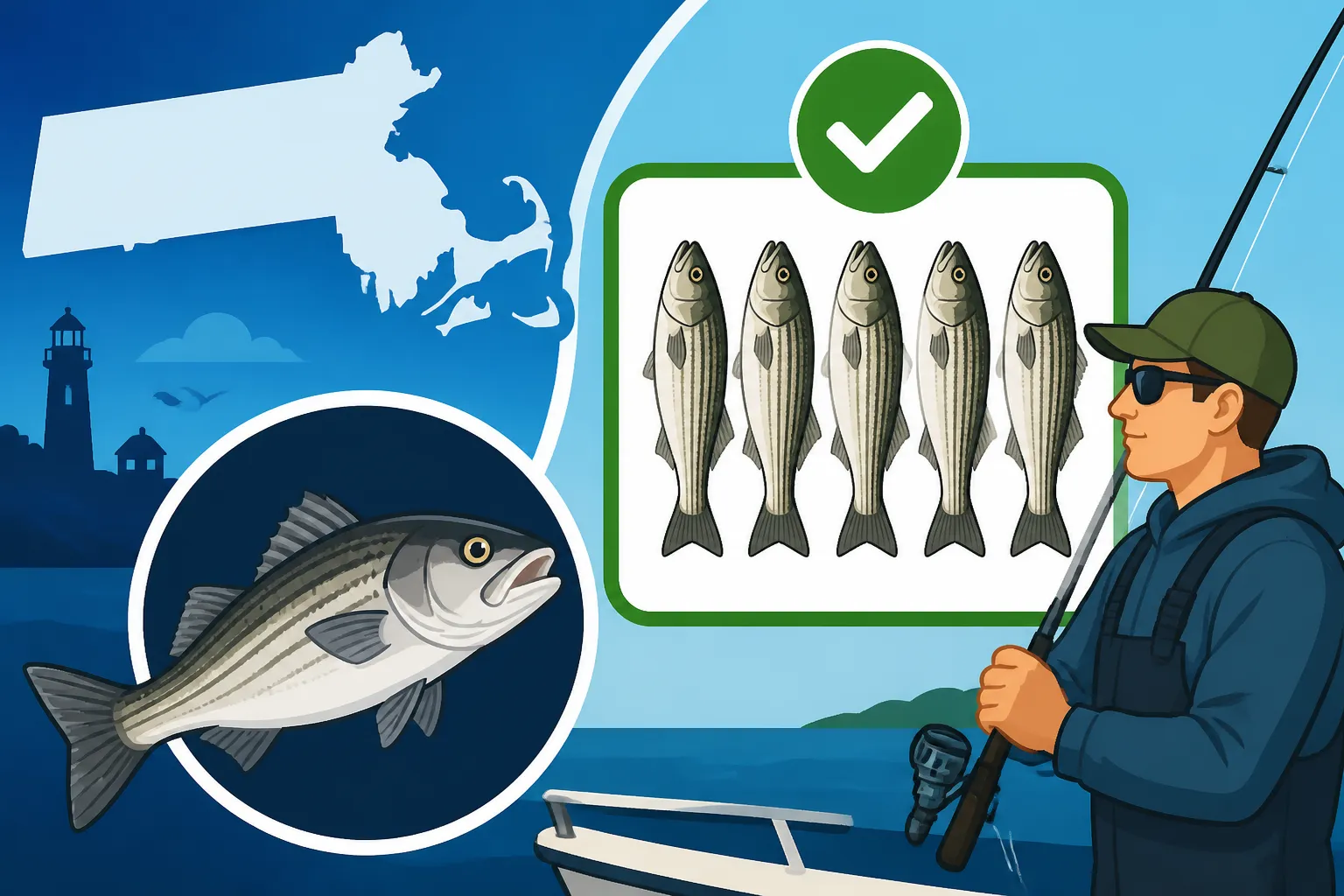
Currently, the most significant slot limit in Massachusetts applies to striped bass. Recreational anglers are permitted to keep one striped bass per person per day, provided it measures between 28 and 31 inches, inclusive. What does "inclusive" mean? It means a fish that measures exactly 28 inches is legal to keep, as is a fish that measures exactly 31 inches. Anything under 28 inches must be immediately released, and anything over 31 inches must also be immediately released.
This regulation is a critical part of the interstate management plan for striped bass, a species that migrates extensively along the Atlantic coast. The 28 to 31-inch slot is designed to protect both the younger, growing fish, which haven't yet had a chance to reproduce, and the large, older, and most fecund breeding females. By targeting the middle-sized fish, the regulation aims to maintain a robust population structure and ensure the long-term health of the species. It's a clear mandate from MassWildlife and federal agencies to ensure sustainable fishing practices. If you're specifically targeting this species, knowing the Massachusetts Striped Bass Size and Bag Limit is absolutely crucial before you even cast a line.
How to Accurately Measure Your Catch
Proper measurement is absolutely non-negotiable when dealing with slot limits, especially for striped bass. A few inches, or even fractions of an inch, can be the difference between a legal fish and a violation. Here’s how to do it correctly:
- Lay the Fish Flat: Place the fish on a flat, hard surface. A measuring board or a specialized fish measuring mat is ideal for this. You can find excellent, durable measuring mats on platforms like Amazon that are designed for precise fish measurement.
- Nose to Tail Fork: The official measurement for most Massachusetts fish, including striped bass, is from the tip of the snout (nose) to the fork of the tail. Ensure the fish’s mouth is closed.
- Squeeze the Tail: Gently squeeze the tail lobes together so they are parallel to the measuring device. This ensures you're measuring to the absolute farthest point of the tail fork. Do not "stretch" the fish or jam its head against the measuring device; just a gentle, firm positioning.
- Read Clearly: Read the measurement at the point where the tail fork meets the measuring device. Double-check your reading.
It's a good practice to have a reliable measuring device with you at all times when fishing. Many anglers opt for a roll-up measuring tape that's easy to store in a tackle box, or even a dedicated fish ruler mounted on their boat or kayak. Investing in a good quality measuring tool, easily available from sporting goods stores or online retailers like Amazon, can save you a lot of grief and ensure compliance with the rules. For those who want to dive deeper into this specific skill, there are resources on How to Accurately Measure a Striped Bass for the Slot Limit.
Consequences of Violating the Striped Bass Slot Limit
Fishing regulations in Massachusetts are not suggestions; they are laws. Violating the striped bass slot limit, or any other fishing regulation, carries significant consequences. Ignorance of the law is generally not considered a valid defense, so it's paramount that every angler understands and adheres to these rules.
- Fines and Penalties: If you're caught with an undersized or oversized striped bass (outside the legal slot), you could face substantial fines. These fines can vary depending on the severity of the violation, whether it's a first offense, and the discretion of the enforcing officer.
- Confiscation of Catch and Gear: Conservation officers have the authority to confiscate illegally caught fish. In some cases, repeated or severe violations could even lead to the confiscation of fishing gear, including rods, reels, or even boats.
- License Suspension: Serious infractions can result in the suspension or revocation of your fishing license, meaning you would be legally prohibited from fishing in Massachusetts waters for a set period. This can be particularly disheartening for passionate anglers.
- Reputation and Conservation Impact: Beyond the legal ramifications, there's the ethical consideration. Violating regulations undermines conservation efforts that are critical for sustaining fish populations. It impacts the very resource we all enjoy.
It’s always better to err on the side of caution. If you're even slightly unsure if a fish is within the slot, or if you don't have a reliable measuring device, the safest and most responsible action is to release the fish. The future of Striped Bass Fishing in Massachusetts depends on our collective adherence to these important rules. Remember, understanding Penalties for Fishing Without a License in Massachusetts is also crucial, as similar enforcement principles apply to other regulatory violations.
Practical Application and Compliance for Anglers
Navigating fishing regulations, particularly nuanced ones like slot limits, requires preparation and vigilance. It’s not just about having the right gear; it’s about having the right knowledge and mindset before you even get to the water.
Preparing for a Trip with Slot Limits in Mind
Before you even pack your tackle box, a little preparation can go a long way in ensuring a legal and enjoyable fishing trip, especially when slot limits are in play.
- Know the Current Regulations: Always, always check the latest regulations from MassWildlife (the Massachusetts Division of Fisheries and Wildlife) before you head out. Regulations can and do change, sometimes annually, based on scientific assessments of fish stocks. What was legal last year might not be this year. Their website is a treasure trove of information, and they often publish an annual fishing guide.
- Bring a Reliable Measuring Device: As discussed, this is non-negotiable. A good, rigid measuring board or a flexible, clearly marked measuring mat is essential. Make sure it's accessible and easy to use when you land a fish. Having one that floats can be a real bonus if you're on a boat! Many anglers prefer the convenience of an Amazon purchased roll-up mat for saltwater species.
- Understand Catch-and-Release Protocol: Since you'll likely be releasing fish both smaller and larger than the slot, prepare for proper catch-and-release techniques. This includes having a de-hooking tool, needle-nose pliers, and potentially a landing net with knotless, rubberized mesh to minimize harm to the fish.
- Confirm Your Licensing: While not directly related to slot limits, ensure your Massachusetts Fishing License Guide is current and appropriate for the waters you plan to fish. Understanding Massachusetts Freshwater vs Saltwater License Differences is also important to avoid issues.
Taking these steps ensures you're not only compliant but also contributing positively to conservation efforts. It's about being a responsible steward of our natural resources.
Catch-and-Release Best Practices for Slot-Limited Species
With a slot limit, catch-and-release isn't just for undersized fish; it's also for those prized "oversized" specimens that are often the best breeders. To ensure these fish survive and thrive after release, follow these best practices:
- Minimize Fight Time: Bring the fish in as quickly as possible without "horsing" it. A prolonged fight can exhaust a fish, making it more vulnerable after release.
- Handle with Care: Wet your hands before touching the fish to protect its protective slime coat. Avoid touching the gills or eyes. If possible, keep the fish in the water while de-hooking.
- Use Appropriate Gear: Circle hooks are highly recommended, especially when fishing with bait, as they significantly reduce gut-hooking. Barbless hooks also make de-hooking faster and cause less damage.
- Quick Measurement and Photography: If you must take the fish out of the water for measurement or a photo, do it quickly. Lay it gently on a wet measuring mat (like those available on Amazon) and snap your picture fast. Return it to the water immediately.
- Revive if Necessary: If the fish seems sluggish or disoriented, gently hold it upright in the water, facing into a current, allowing water to flow over its gills. Don't pump it back and forth; this can actually damage the gills. Wait until it swims away under its own power.
By following these practices, you give every released fish the best chance of survival, allowing them to continue their life cycle and contribute to the fishery. This is especially vital for the large, spawning-size fish that are protected by the slot limit. If you want to learn more about how to pursue these fish, check out our guide on How to Catch Striped Bass in Massachusetts.
Staying Informed About Regulation Changes
Fishing regulations are not static; they evolve based on scientific data, stock assessments, and management goals. What's legal today might change next season. This is particularly true for migratory species like striped bass, which are managed cooperatively by multiple states along the coast.
- MassWildlife Website: The official Massachusetts Division of Fisheries and Wildlife website is your authoritative source for all current regulations. Bookmark it and check it regularly, especially before each new fishing season or if you plan a trip to a new area.
- Annual Guides: MassWildlife typically publishes an annual freshwater and saltwater fishing guide or abstract. These are invaluable resources that summarize all current rules, bag limits, and seasons. You can usually download them as PDFs or pick up physical copies at license vendors.
- Sign Up for Email Alerts: Many state agencies offer email newsletters or alerts that inform anglers of important regulation changes. Subscribing to these can be a convenient way to stay updated without constantly checking the website.
- Local Bait Shops and Forums: While official sources are paramount, local bait and tackle shops are often excellent places to get current information and hear about any recent changes. Experienced anglers on online forums can also share insights, but always cross-reference with official sources.
Being proactive about staying informed ensures that every time you cast a line, you're doing so responsibly and in full compliance with the law. This commitment helps preserve the amazing fishing opportunities we have in Massachusetts for everyone. Knowing when and where to fish, as covered in articles like Best Fishing Spots in Massachusetts and Massachusetts Fishing Seasons Explained, becomes even more valuable when coupled with up-to-date knowledge of the regulations.
Disclaimer
Please remember that fishing regulations, including slot limits, bag limits, and seasons, are subject to change. Always consult the official Massachusetts Division of Fisheries and Wildlife (MassWildlife) website or their most current printed regulations guide before heading out to fish. The information provided in this article is for general guidance only and should not be considered a substitute for official legal advice or current state regulations.