Massachusetts black sea bass season dates
It can be incredibly frustrating trying to keep up with all the fishing regulations here in Massachusetts, especially when specific species have seasons that seem to shift around year after year. If you're passionate about catching black sea bass, you know the struggle of trying to pinpoint those elusive season dates, bag limits, and size restrictions. This comprehensive guide is here to clear up that confusion, providing you with the most up-to-date information on Massachusetts black sea bass season dates and related rules so you can hit the water with confidence.
Understanding Massachusetts Black Sea Bass Regulations
Black sea bass are an incredibly popular and delicious saltwater species found in our coastal waters, from Buzzards Bay all the way up to Cape Ann. They're known for their aggressive bites and firm, white meat, making them a highly sought-after catch for recreational anglers. However, because they are so popular, and their populations are managed regionally along the Atlantic coast, the regulations surrounding them can feel like a moving target.
The primary reason for these regulations is conservation. Marine fisheries agencies, like the Massachusetts Division of Marine Fisheries (DMF), work tirelessly to ensure that black sea bass populations remain healthy and sustainable for future generations of anglers. This means setting strict limits on when you can fish for them, how many you can keep, and how big they need to be. These rules are a vital part of responsible angling, helping to prevent overfishing and protect spawning fish. It’s not just about what's legal, it’s about doing our part for the ecosystem. If you're looking for a broader overview of all the rules, our guide on Massachusetts Recreational Fishing Rules and Bag Limits can be a great starting point for understanding the general landscape of saltwater fishing laws in our state. These specific black sea bass rules are just one piece of the larger puzzle, often aligning with regional management plans developed by organizations like the Atlantic States Marine Fisheries Commission (ASMFC) and the Mid-Atlantic Fishery Management Council (MAFMC).
The Official Black Sea Bass Season Dates in Massachusetts
Let's get right down to it: when can you actually target black sea bass in Massachusetts? The recreational black sea bass season dates are announced annually by the Massachusetts Division of Marine Fisheries (DMF). These dates are subject to change each year based on stock assessments and federal guidelines, so it's always critical to verify the latest information directly from the DMF website before heading out.
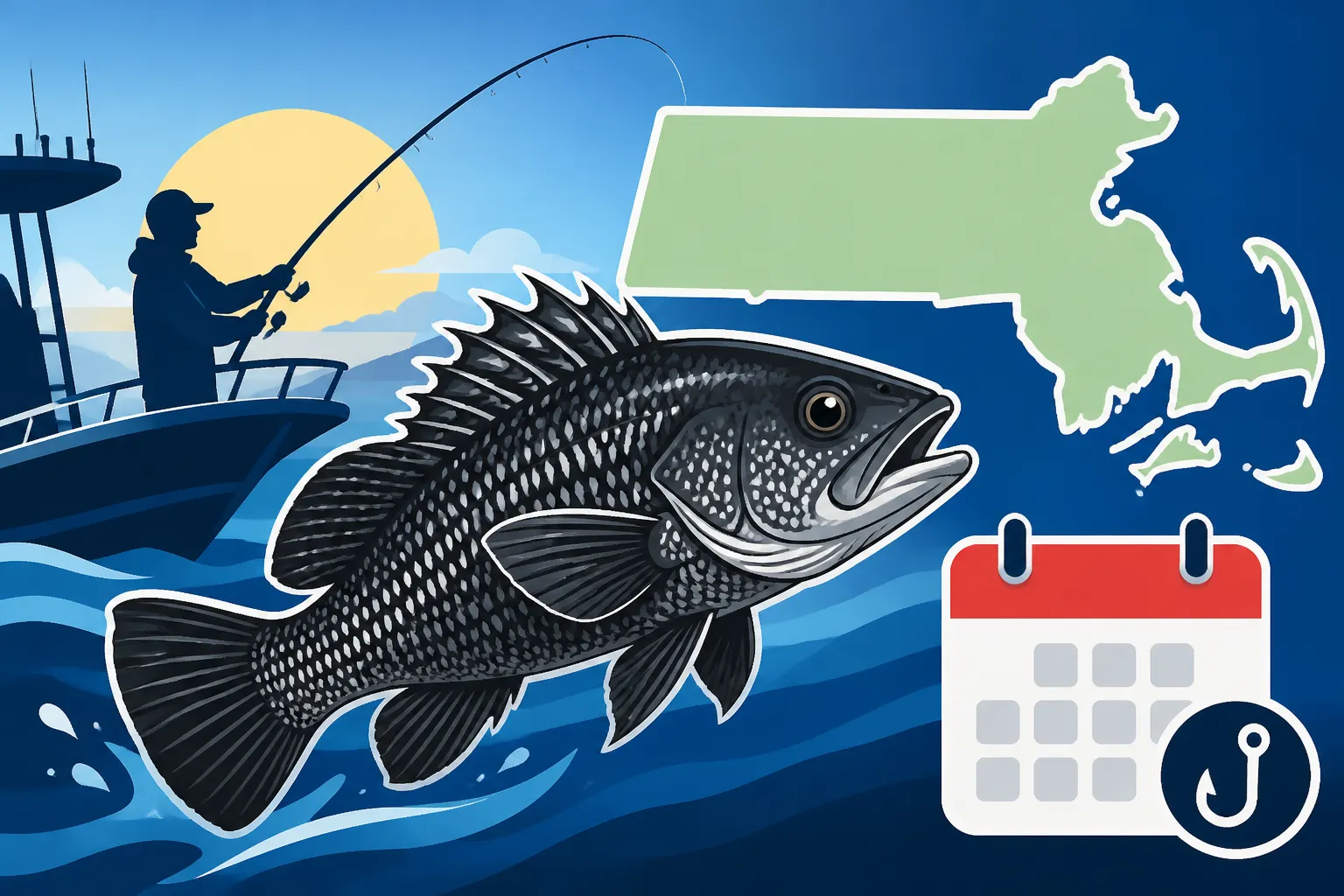
Typically, the recreational black sea bass season in Massachusetts kicks off in mid-May and runs through the first few days of September. This primary season usually offers the most generous bag limits and provides ample opportunity to target these feisty fish during their peak activity. Following a brief closure, there often reopens a shorter, secondary season in the mid-September to mid-October timeframe, though this fall season usually comes with a reduced bag limit. This dual-season approach allows for both sustained fishing pressure during the warmer months and a targeted effort later in the year, balancing angler opportunity with conservation needs. Understanding Massachusetts Saltwater Fishing Seasons for all species can provide context, but for black sea bass, these specific windows are paramount. It's a dance between science and angler demand, constantly adjusted to find that sweet spot for healthy fish stocks.
For example, for the most recent 2024 season, the Massachusetts recreational black sea bass season was structured as follows:
- Period 1 (Main Season): May 18 – September 4
- Period 2 (Fall Season): September 15 – October 13
Please remember that these dates are for illustrative purposes based on recent patterns and are subject to change by the Massachusetts Division of Marine Fisheries (DMF) each year. Always consult the official DMF regulations for the most current information.
Diving Deeper into Black Sea Bass Limits: Size, Bag, and Vessel Type
Beyond just knowing when you can fish, it’s absolutely vital to understand how many you can keep and how big they need to be. These specifics are where many anglers get tripped up, and they can vary depending on whether you're fishing from your own boat or on a for-hire charter.
Recreational Bag Limits for Black Sea Bass
The number of black sea bass you can keep per day, known as the "bag limit," can actually vary throughout the season and also by the type of vessel you're fishing from. For private recreational anglers, the limit during the primary season is generally more generous. However, during any secondary or fall season, this limit is often reduced significantly to protect the stock as the fish begin to stage for their migration or post-spawning recovery.
It's also important to note that the bag limit for individuals fishing on for-hire vessels (like a charter boat or party boat) can be different from those on private recreational boats. Charter captains often operate under specific federal permits that sometimes allow different bag limits, but passengers must still adhere to those limits. This distinction is crucial, and it's always best to confirm the specific bag limits with your captain if you're on a guided trip. If you're interested in the nuances of regulations for commercial versus recreational vessels, our article on For-hire vessel bag limits versus private boat limits in Massachusetts offers a deeper dive into these complexities.
Minimum Size Requirements
The minimum size limit for black sea bass in Massachusetts is currently 15 inches. This means any black sea bass you catch must measure at least 15 inches from the tip of its snout to the end of its tail (known as total length) to be legally kept. Any fish shorter than this must be immediately and carefully released back into the water. This minimum size ensures that most fish have had a chance to mature and reproduce at least once, contributing to the health of the population before they are harvested.
Measuring your catch accurately is key. It's not uncommon for anglers to accidentally keep an undersized fish if they don't have a reliable measuring device. A sturdy, clearly marked measuring tape or a fish ruler is an essential piece of gear for any saltwater angler. You can find excellent options on Amazon or at any local tackle shop to ensure you're always compliant. When measuring, lay the fish flat, pinch the tail to get the maximum length, and make sure the snout is against a fixed point. Remember, if there's any doubt, err on the side of caution and release the fish.
Understanding Vessel Category Rules
As mentioned, regulations for black sea bass are not always one-size-fits-all. The rules can differ quite a bit between private recreational anglers and those fishing on a for-hire vessel (charter or head boat). This isn't meant to complicate things; rather, it's a management strategy to help control total harvest rates across different fishing sectors.
Private recreational anglers fishing from their own boats or from shore fall under one set of rules, which are typically found on the Mass DMF website under "Private Anglers" or "Recreational Regulations." However, if you're booking a trip with a professional outfit, like one of the many Massachusetts Fishing Charter Costs options available, those vessels operate under specific federal permits. These permits often come with their own set of rules regarding season dates, bag limits, and sometimes even minimum sizes. It’s the captain’s responsibility to know and enforce these rules, but as an angler, it’s always wise to be aware. For captains, there are also specific guidelines and permits they must adhere to, which you can learn more about in our piece on Massachusetts Saltwater Permit Rules for Boat Captains. Always ask your charter captain about the specific regulations for the day's trip to avoid any misunderstandings.
Here’s a quick summary table of common black sea bass regulations, keeping in mind these are subject to annual changes:
| Category | Season Dates (Typical) | Daily Bag Limit (Private Recreational) | Daily Bag Limit (For-Hire Vessels) | Minimum Size Limit |
|---|---|---|---|---|
| Main Season | Mid-May to Early September | 5 fish per angler | 7 fish per angler | 15 inches (Total Length) |
| Fall Season (if applicable) | Mid-September to Mid-October | 2 fish per angler | 2 fish per angler | 15 inches (Total Length) |
| Closed Season | All other dates | 0 fish per angler | 0 fish per angler | N/A |
Note: This table represents common historical regulations and is for quick reference only. Always consult the current year's Massachusetts Division of Marine Fisheries (DMF) regulations for precise and up-to-date information.
Staying Up-to-Date with Black Sea Bass Information
With regulations that can shift, it’s not enough to just know the rules once; you need to know how to stay informed. This will save you potential fines and ensure you're always fishing responsibly.
Official Sources for Regulations
The absolute best and most reliable source for current Massachusetts fishing regulations, including black sea bass season dates, bag limits, and size restrictions, is the Massachusetts Division of Marine Fisheries (DMF). Their website is regularly updated and provides official, legally binding information. You can often find a comprehensive regulations pamphlet there, which we explore in more detail in Where to find the Massachusetts fishing regulations pamphlet. Many local tackle shops across the state, from those on Cape Cod to those near Boston Harbor, also receive updated pamphlets and are usually very knowledgeable about the current rules. Don't be shy about asking them for guidance! For anglers who like to have resources at their fingertips, regional fishing guides, sometimes available digitally through platforms like Amazon Kindle, can offer a good general overview, but always cross-reference with the official DMF site for the most current legal details.
Another great way to stay informed is through the MassWildlife agency, particularly for general licensing and freshwater rules, but they often link back to DMF for marine species. Many local bait and tackle shops are also fantastic resources; they often get updates directly and can offer practical advice on what's biting and what the current rules are.
Planning Your Trip Around the Season
Knowing the black sea bass season dates allows you to plan your fishing adventures effectively. If you're keen on targeting these fish, make sure your trip aligns with the open season. The best time of year to fish in Massachusetts varies greatly by species, but for black sea bass, that late spring to early summer window is prime. For a broader understanding of when to target various species, check out our guide on Best Time of Year to Fish in Massachusetts.
When planning, consider the gear you’ll need. Black sea bass respond well to jigs, soft plastics, and natural baits like squid or clams. Make sure your tackle box is stocked, perhaps with some fresh supplies from Amazon or your favorite local tackle store like Rivers Edge Bait and Tackle. Don’t forget your Massachusetts Saltwater Recreational Fishing Permit Explained – it’s a non-negotiable requirement for anyone 16 and older engaging in saltwater recreational fishing in Massachusetts. Keep an eye on the expiration date, as fishing without a valid permit can lead to penalties. If you're unsure about the renewal process, our Massachusetts Fishing License Renewal Guide provides all the details you’ll need.
Conservation and Responsible Angling
Adhering to black sea bass regulations isn't just about avoiding fines; it's about being a responsible angler and contributing to the health of our marine ecosystems. Every regulation, from season dates to size and bag limits, is put in place to ensure sustainable fishing practices.
Practicing catch and release, especially for fish outside the slot limit or when you've reached your bag limit, is a critical part of conservation. Learn proper handling techniques to minimize stress and injury to released fish. This includes using circle hooks where appropriate, minimizing air exposure, and handling fish gently. By following the rules and practicing ethical angling, we can all help ensure that future generations can enjoy the thrill of catching black sea bass in Massachusetts waters. For a comprehensive overview of everything you need to fish legally in Massachusetts, our ultimate Massachusetts Fishing License Guide is an invaluable resource. Remember, understanding and respecting the rules, including specific regulations like Massachusetts Recreational Fishing Rules and Bag Limits, helps preserve our natural resources for everyone.
Disclaimer
The information provided in this guide is for general informational purposes only and is subject to change. Fishing regulations in Massachusetts, particularly for saltwater species like black sea bass, are updated annually and can be amended at any time by the Massachusetts Division of Marine Fisheries (DMF) or federal agencies. Always consult the official Massachusetts DMF website or current year's regulatory pamphlets for the most accurate and up-to-date fishing laws before you head out on the water. Following outdated regulations could result in fines or penalties.