Massachusetts Saltwater Fishing Seasons
Oh, the ever-changing world of Massachusetts saltwater fishing seasons! If you've ever felt like you need a secret decoder ring or a direct line to the Division of Marine Fisheries just to figure out what you can fish for and when, you are absolutely not alone. It's a common frustration among even the most seasoned anglers in our state, with regulations seemingly shifting faster than the tides. This comprehensive guide is here to untangle the complexities, walk you through the prime seasons for various species, explain why these regulations exist, and help you plan your saltwater adventures across Massachusetts' incredible coastline, from the shores of Cape Ann down to Buzzards Bay and beyond.
Understanding Massachusetts Saltwater Fishing Seasons: Why They Matter
When it comes to saltwater fishing in Massachusetts, it's not simply a matter of grabbing your rod and heading to the coast whenever the mood strikes. There's a carefully orchestrated calendar of seasons and regulations that govern what fish species you can target, when you can target them, how many you can keep, and even what size they need to be. These rules aren't just there to make our lives difficult; they are crucial for the health and sustainability of our marine ecosystems, ensuring that future generations of anglers can enjoy the same incredible fishing opportunities we do today.
The Role of Conservation in Seasonal Regulations
Think about it this way: if everyone could catch as many fish as they wanted, whenever they wanted, our fish stocks would quickly dwindle. That's why the Massachusetts Division of Marine Fisheries (DMF) works tirelessly with federal agencies like the National Oceanic and Atmospheric Administration (NOAA) Fisheries, and regional bodies like the Atlantic States Marine Fisheries Commission (ASMFC) and the New England Fishery Management Council (NEFMC) to set these rules. They use scientific data, stock assessments, and input from various stakeholders to determine seasons, size limits, and bag limits. It's a delicate balancing act designed to allow fish populations to reproduce, grow, and thrive, while still providing ample recreational opportunities for anglers. Understanding this underlying purpose can really help alleviate some of the frustration when a favorite season feels too short or a bag limit seems too restrictive.
How Regulations Can Change and Where to Find Updates
One of the biggest headaches for anglers is that these regulations aren't set in stone. They can, and often do, change year to year, and sometimes even mid-season, based on new scientific data or conservation needs. This means that a regulation you learned last year might be different this year. It's why staying informed is so important. Your primary source for the most up-to-date and official information should always be the Massachusetts Division of Marine Fisheries website. They publish all the current regulations, often in easy-to-read guides and tables. You'll also want to make sure you have your Massachusetts Saltwater Recreational Fishing Permit Explained. This permit is a fundamental requirement for most saltwater angling in the state, and knowing its details is step one in responsible fishing. Don't rely solely on word-of-mouth from the bait shop, as well-meaning as it might be; always double-check the official sources before you cast your line.
Prime Time for Striped Bass: The Most Sought-After Gamefish
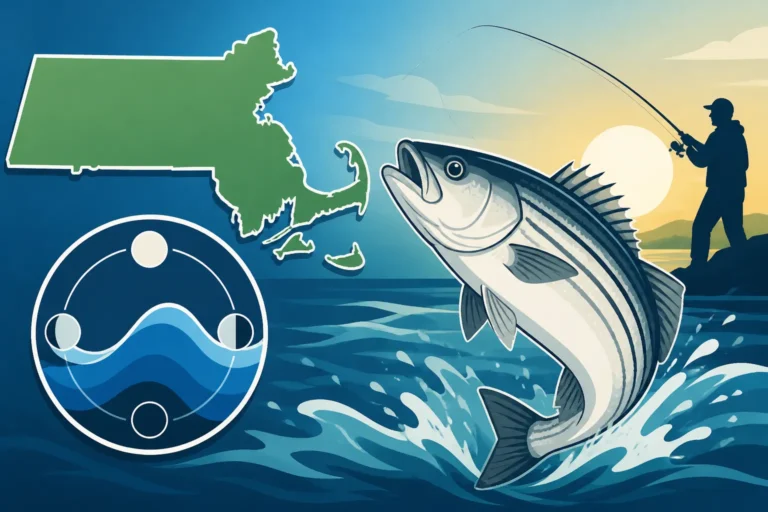
Ah, the striped bass. For many, this is the fish that defines saltwater angling in Massachusetts. These powerful, elusive predators draw thousands of anglers to our coastlines each year, making their season perhaps the most anticipated of all. The striped bass migration is a spectacle, with fish arriving in our waters in spring, staying through summer, and then heading south as autumn cools the water.
The Striped Bass Migration and Season Opening
Striped bass begin to appear in Massachusetts waters typically in late April or early May, following the warmer water and baitfish migrations. The season officially opens for recreational harvest on May 15th, and extends all the way through November 30th. However, while the season for striped bass is quite long, the best fishing usually starts heating up in late May and peaks in June and July. This is when the bigger "cow" stripers are often found closer to shore, feasting on pogies, mackerel, and squid. You'll find anglers targeting them from beaches, jetties, and boats all along the coast, from the iconic shores of the Cape Cod Canal Fishing Guide for Massachusetts Anglers to the rocky outcrops of the North Shore. As the summer progresses and water temperatures climb, stripers might move to deeper, cooler waters or become more active during dawn, dusk, and nighttime hours.
When you're out there, remember that regulations are specific. Currently, there's a strict slot limit for striped bass in Massachusetts. This means you can only keep fish within a certain size range, typically 28 to 31 inches. Fish smaller or larger than this slot must be immediately released. This is a critical conservation measure designed to protect both the younger, immature fish and the large, reproductively important breeding stock. Understanding the Massachusetts Striped Bass Slot Limit Explained is crucial for any angler hoping to keep a striper, so be sure to check the latest rules before heading out.
Peak Season Tactics and Fall Run Opportunities
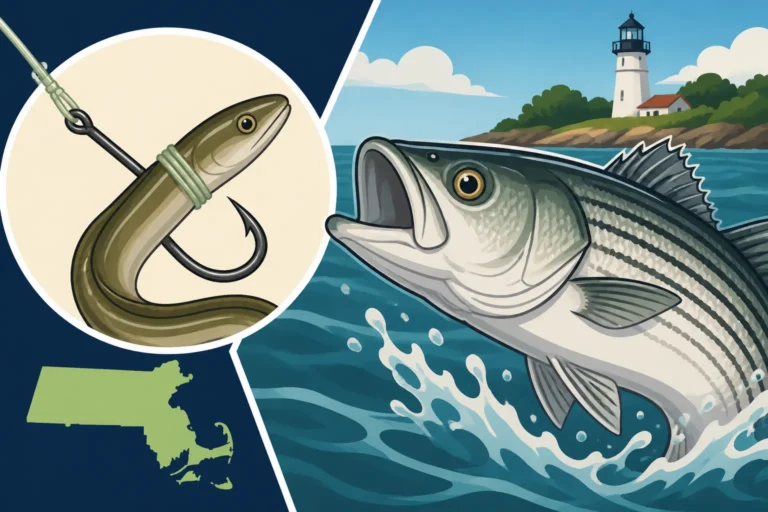
During the peak summer months, especially June and July, striped bass fishing can be absolutely phenomenal. Anglers use a variety of techniques, from casting artificial lures like topwater plugs and swimming minnows (many excellent options are available on Amazon for different conditions) to live-lining bait like mackerel, eels, or pogies. Early morning and late evening often offer the best bites, especially for larger fish. The fall run, typically from late September through November, offers another fantastic opportunity. As water temperatures drop, stripers gather to feed heavily before their migration south, often creating incredible blitzes as they chase schools of baitfish. This can be a prime time for surfcasters on Cape Cod beaches or boat anglers working rips and estuaries. Knowing How to Catch Striped Bass in Massachusetts with various methods can dramatically increase your success during these peak periods.
Chasing Bluefish: Aggressive Angling Opportunities
While stripers often steal the spotlight, bluefish are another incredibly popular and exciting saltwater species in Massachusetts. Known for their aggressive nature, razor-sharp teeth, and tenacious fighting spirit, bluefish provide thrilling action, often when striped bass fishing slows down in the heat of summer.
Bluefish Arrival and Peak Summer Action
Bluefish generally arrive in Massachusetts waters a bit later than striped bass, typically showing up in numbers by late May or early June, as water temperatures warm further. They stay through the summer and into early fall, usually departing by late October or early November. Their presence is often heralded by chaotic scenes on the water—schools of baitfish jumping out of the water, seabirds diving, and the unmistakable "chopping" action of bluefish tearing through their prey. They are often found in the same areas as striped bass, especially around bait schools, rips, and inlets, but tend to be more active during midday hours when stripers might be less inclined to feed.
The daily bag limit for bluefish is usually quite generous compared to stripers, often set at three fish per person, with no minimum size limit. However, as with all regulations, it’s always best to verify the current Massachusetts Bluefish Daily Bag Limit before you go. This species provides fantastic light tackle action, and even relatively small bluefish can put up an impressive fight. Their powerful jaws mean you'll want to use wire leader or heavy fluorocarbon to prevent bite-offs, an essential piece of gear you can easily order from Amazon.
Fall Feeding Frenzies and Departures
As summer transitions into fall, bluefish, much like stripers, engage in a frantic feeding spree to bulk up for their southward migration. This "fall run" can offer some of the most exciting bluefish action of the year, with large schools aggressively chasing bait along the coast. Locations like the Outer Cape, Buzzards Bay, and the waters around Martha's Vineyard and Nantucket Sound become prime hunting grounds. They will typically depart our waters as the cooler temperatures of late autumn arrive.
Bluefish are relatively easy to catch, responding well to a variety of lures, including metal jigs, poppers, and swimming plugs. They'll also readily strike chunk bait or live bait. Just be prepared for their powerful runs and sharp teeth – a dehooker tool is a must-have for safe release, and plenty of options are available on Amazon. Despite their reputation for being oily, fresh bluefish can be delicious, especially when grilled or smoked.
Bottom Fishing Delights: Tautog, Fluke, Scup, and Black Sea Bass
While the migratory species like stripers and bluefish get a lot of attention, Massachusetts' bottom fishing scene offers a diverse and incredibly rewarding experience. These species often reside in specific habitats, providing consistent action for anglers willing to explore rocky structures, sandy bottoms, and wrecks.
Tautog: The Wily Togzilla of the Rocks
Tautog, affectionately known as "tog" or "white chins," are a favorite among many bottom anglers for their challenging fight and delicious white meat. These fish are structure-oriented, meaning you'll find them around rocky reefs, jetties, wrecks, and mussel beds. Their season is usually split into spring and fall, with a closed period during the summer months to protect spawning fish.
Typically, the tautog season opens in spring (often around April 1st to May 31st), then closes for a period in summer, reopening in late summer or early fall (August 1st through October 14th), and then a more generous period in late fall (October 15th to December 31st). The bag limits and size limits can vary significantly by season, sometimes allowing only one fish in spring and more in the fall. It is imperative to check the most current Massachusetts Tautog Season Dates and Bag Limits before planning your trip, as these are some of the most frequently adjusted regulations. You'll need stout tackle and patience to pull these powerful fighters out of their rocky lairs, using baits like green crabs, fiddler crabs, or even pieces of conch.
Fluke (Summer Flounder): Drifting for Dinner
Summer flounder, or "fluke," are a highly sought-after flatfish, prized for their delicate flavor. They prefer sandy or muddy bottoms, often near structure or in channels, ambushing baitfish like spearing, squid, or various crustaceans. Fluke season in Massachusetts typically runs through the warmer months, generally from late May through September, though the exact start and end dates can shift.
Fluke regulations include both a minimum size limit and a daily bag limit, which can sometimes differ depending on whether you're fishing from shore or from a boat. Always consult the latest Massachusetts Fluke Minimum Size, Shore Versus Boat rules. Drift fishing with bucktail jigs tipped with Gulp! artificial baits or strips of natural bait like squid is a popular and effective method. Many anglers also find success slow-trolling or casting soft plastics along sandy edges. The waters of Nantucket Sound, Buzzards Bay, and along the South Shore are particularly productive fluke grounds.
Scup (Porgy): Abundant and Fun for All Ages
Scup, also known as porgy, are one of the most abundant and easy-to-catch saltwater species in Massachusetts, making them a fantastic target for beginners and seasoned anglers alike, especially when fishing with kids. They arrive in our waters typically by late spring (May/June) and stay well into the fall (October/November), providing a long and consistent season.
Scup are often found over rocky bottom, shell beds, or even sandy areas, and are notorious bait-stealers, making them a fun challenge to hook. Their bag limits are usually quite generous, often allowing 30 to 40 fish per person per day with a minimum size of 10 inches. This means a single trip can yield a bounty of delicious white-fleshed fish, perfect for a fresh seafood dinner. Simple bottom rigs with small hooks baited with clam, squid, or sea worms are all you need to get in on the action.
Black Sea Bass: A Delicious Deepwater Treat
Black sea bass are another popular bottom-dwelling species that have seen a resurgence in recent years, offering excellent fishing from late spring through fall. They inhabit rocky bottoms, wrecks, and artificial reefs, often in slightly deeper waters than scup.
The Massachusetts Black Sea Bass Season Dates usually run from late May through early September, with specific bag and size limits that can sometimes change annually. Historically, regulations have allowed for a few fish per angler per day, with a minimum size of around 15 inches. These fish are strong fighters for their size and are highly prized for their firm, flaky, white meat. They readily take baits like clam, squid, or crab, as well as jigs and soft plastics. Many anglers target black sea bass from head boats or private charters that specialize in bottom fishing in areas like Buzzards Bay, Vineyard Sound, and offshore structures.
| Species | Typical Season Range | Common Minimum Size | Common Bag Limit | Prime Locations | Notes |
|---|---|---|---|---|---|
| Striped Bass | Mid-May to Nov 30 | 28-31" slot | 1 fish | Cape Cod Canal, Boston Harbor, South Shore | Highly migratory; strong fighters. Check slot limits. |
| Bluefish | Late May to Oct/Nov | None | 3 fish | Outer Cape, Buzzards Bay, Nantucket Sound | Aggressive, sharp teeth. Good for light tackle. |
| Tautog | Spring (Apr-May), Fall (Aug-Dec) | 16" | 1-3 fish (varies) | Rocky areas, jetties, wrecks | Challenging, structure-oriented. Season often split. |
| Fluke | Late May to Sept | 17" (boat), 16" (shore) | 5 fish | Nantucket Sound, Buzzards Bay, sandy bottoms | Drift fishing with bait/jigs. Size limits can vary. |
| Scup | May to Nov | 10" | 30-40 fish | Rocky bottoms, shell beds, channels | Abundant, great for kids. |
| Black Sea Bass | Late May to Early Sept | 15" | 2-5 fish (varies) | Wrecks, reefs, rocky bottoms | Delicious, strong fighters. Limits can change. |
| Cod | Year-round (highly restricted) | 21" (recreational) | 1-5 fish (varies) | Stellwagen Bank, offshore ledges | Highly regulated, often closed for recreational harvest. |
| Bluefin Tuna | June to Nov | Varies by quota/permit | Highly restricted | Offshore Cape Cod, Stellwagen Bank | Commercial and recreational highly regulated by quota. |
Note: All regulations are subject to change. Always verify with the Massachusetts Division of Marine Fisheries for the most current rules before fishing.
The Offshore Frontier: Tuna and Other Pelagic Species
Beyond the inshore and nearshore waters, Massachusetts offers world-class opportunities for offshore fishing, primarily targeting various species of tuna, including the legendary bluefin. This is a different ballgame altogether, requiring specialized boats, gear, and a significant investment in time and resources, but the rewards can be truly epic.
Bluefin Tuna: A Massachusetts Icon
Bluefin tuna are one of the most powerful and sought-after gamefish on the planet, and Massachusetts, particularly off Cape Cod and Stellwagen Bank, is a prime destination for them. The Bluefin Tuna Fishing off Massachusetts season generally runs from early June through November, with peak action often occurring in late summer and fall. However, bluefin tuna fishing is highly regulated by federal quotas, which are distributed among commercial, recreational, and charter boat categories.
Recreational anglers often need a specific Highly Migratory Species (HMS) Angling Permit, and even then, the season length, bag limits, and size restrictions can change frequently based on quota availability. Sometimes the recreational season can close early if the quota is met. Bluefin are targeted using various methods, including trolling with large lures, jigging with heavy metal jigs, and chunking with baitfish. It's an incredibly exciting fishery, but definitely one that requires thorough research into current regulations and often, the guidance of an experienced captain or charter.
Other Offshore Species: Yellowfin, Sharks, and More
While bluefin tuna might be the headline act, Massachusetts offshore waters also offer opportunities for other pelagic species. Yellowfin tuna, though less common than bluefin, can sometimes be found further offshore, usually in warmer canyon waters during the summer and early fall. Similar HMS permits are required for yellowfin, and their seasons and limits are also subject to federal management.
For those seeking a different kind of thrill, offshore shark fishing charters target species like thresher, mako, and blue sharks. These seasons are also federally regulated, often with catch-and-release provisions or very limited retention. These trips typically run from late spring through early fall. Additionally, bottom fishing in deeper offshore waters can yield species like cod and haddock, though recreational fishing for cod has been heavily restricted in recent years due to stock concerns. These species require specific gear capable of handling deep water and strong currents, much of which you can find through specialty retailers or online at Amazon.
Year-Round Opportunities and Winter Fishing
While many anglers pack away their gear as the cold winds of winter blow in, Massachusetts actually offers some limited, but dedicated, saltwater fishing opportunities year-round. It might not be as diverse or comfortable as summer fishing, but dedicated anglers can still find success.
Winter Holdovers and Hardier Species
During the coldest months, from December through March, most migratory species have left Massachusetts waters. However, you can sometimes find "holdover" striped bass in brackish estuaries or protected harbors, though targeting them often falls into a catch-and-release ethic given their vulnerability in cold water. Species like tautog can also be targeted late into December in rocky areas, offering a chance for a wintertime fight.
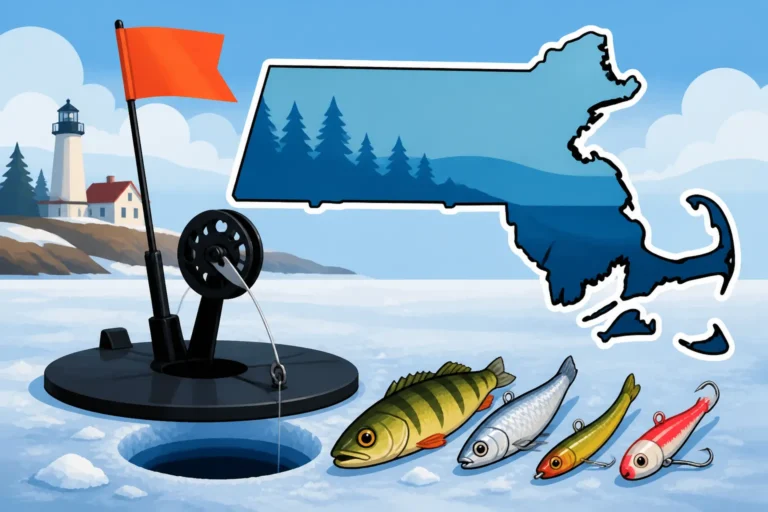
Winter flounder are another species that can be targeted during the colder months, although their populations have been under pressure and recreational opportunities can be limited. However, with the right gear and knowledge of specific spots, anglers can still find success. Ice fishing can even extend to some brackish estuaries, offering unique opportunities for species like white perch and small holdover stripers, though extreme caution regarding ice thickness is paramount.
Shellfishing: A Different Kind of Harvest
While not "fishing" in the traditional sense, shellfishing provides a year-round opportunity to harvest seafood from Massachusetts' saltwater environment. Clams, oysters, and mussels can be harvested in designated areas, often with specific local permits required from town conservation commissions. Different towns will have different seasons and regulations for various shellfish, often closing beds temporarily after heavy rainfall due to water quality concerns. It's a fantastic way to enjoy the bounty of our coastal waters, even when the fish aren't biting, and it can be a great family activity. Always check with the local town hall or harbormaster for specific town bylaws and permit requirements before heading out.
Navigating Regulations and Resources
The sheer volume and complexity of saltwater fishing regulations in Massachusetts can be daunting. From understanding different size limits to knowing specific reporting requirements, it often feels like a full-time job just to stay compliant. But with a few reliable resources and a commitment to staying informed, it's manageable.
Official Sources: Mass DMF and Federal Agencies
Your absolute first stop for any regulation query should be the Massachusetts Division of Marine Fisheries (Mass DMF) website. They publish annual guides, regulation updates, and often have interactive maps or species-specific pages. For highly migratory species like tuna and sharks, you'll also need to consult NOAA Fisheries for federal regulations, permits, and reporting requirements. Don't forget that many regulations also cover specifics like Massachusetts Recreational Fishing Rules and Bag Limits beyond just seasons, including gear restrictions and specific closed areas.
It's also worth downloading their mobile apps or subscribing to email alerts, if available, to get real-time updates. The official MassFishHunt system, which many anglers use to buy their licenses, also often provides links to current regulations. The convenience of buying your Massachusetts fishing license online is a great start, but keeping up with the rules is an ongoing responsibility.
Local Knowledge and Angling Communities
While official sources are paramount, don't underestimate the value of local knowledge. Chatting with staff at local bait and tackle shops (many are also Massachusetts Fishing License Vendor Locations) can provide invaluable insights into current fishing conditions, recent changes, and effective techniques. These folks are on the water constantly and hear firsthand what's working and what's not. Joining online fishing forums or local angling clubs can also be a fantastic way to connect with other passionate anglers, share information, and learn from experienced individuals. However, always cross-reference any advice with official regulations to ensure accuracy.
Planning Your Massachusetts Saltwater Fishing Calendar
With so much variety, planning your saltwater fishing trips in Massachusetts can be a year-long adventure. By understanding the seasons and opportunities, you can maximize your time on the water and enjoy the diverse bounty our state has to offer.
Seasonal Highlights and Species Focus
To make the most of your time, think about what species you want to target during specific times of the year.
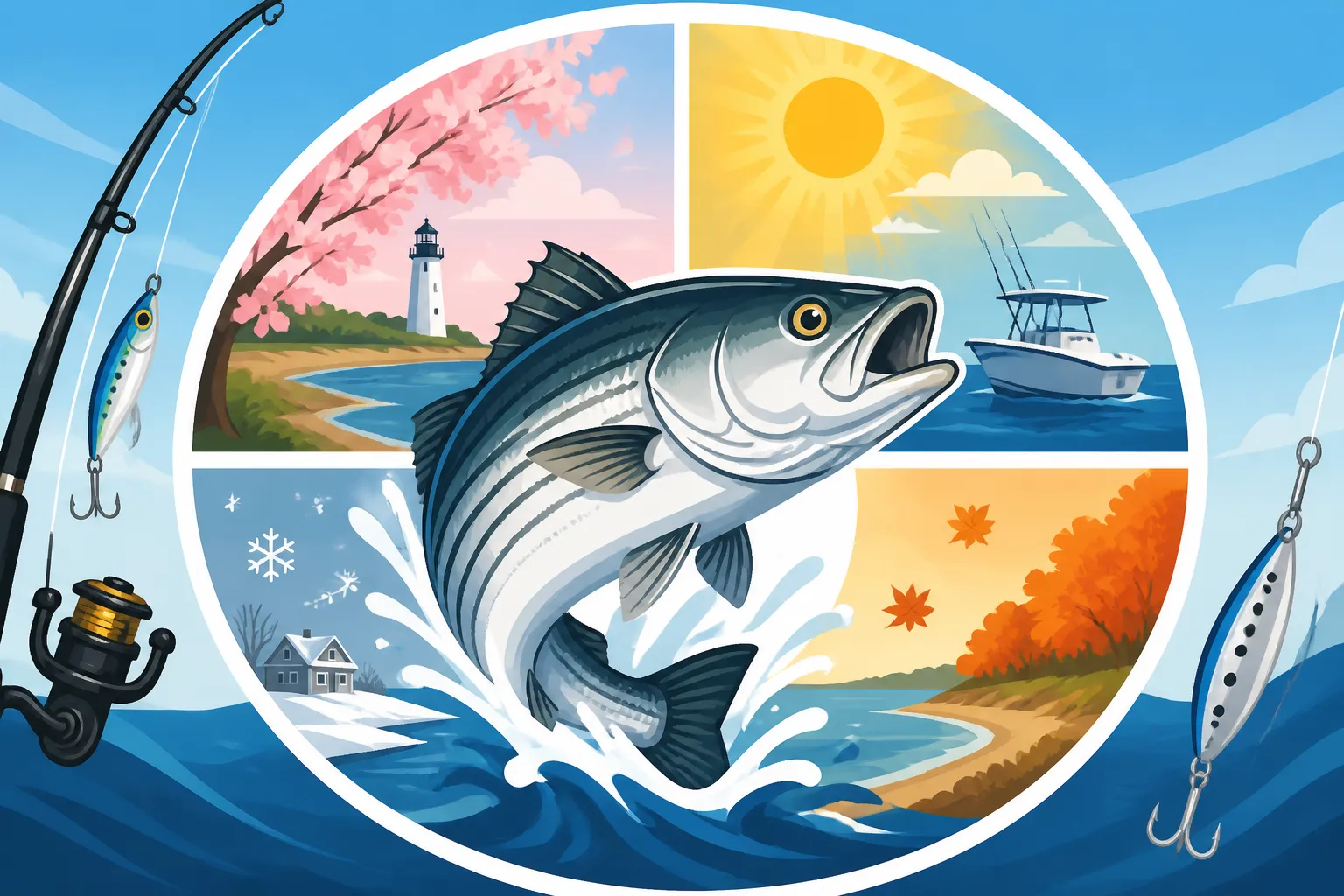
- Spring (April – May): This is when the waters start to warm, and the first migratory fish begin to arrive. Early season striped bass are a major draw, often found in estuaries and harbors. Tautog season reopens, and winter flounder can still be present. It's a time of anticipation and fresh starts.
- Summer (June – August): The peak season for most saltwater species. Striped bass and bluefish are abundant and active, offering fantastic opportunities for both shore and boat anglers. Fluke, scup, and black sea bass provide excellent bottom fishing. Offshore, tuna season is in full swing. This is often when many anglers head for the Best Saltwater Fishing Spots on Cape Cod, Massachusetts.
- Fall (September – November): The "fall run" is a legendary period, with striped bass and bluefish feeding aggressively before their migration south. Tautog fishing is excellent, and offshore tuna action can remain strong. Water temperatures are cooling, making for comfortable fishing. This is often considered by many to be the best time of year to fish in Massachusetts due to the intense feeding activity.
- Winter (December – March): The quiet season. Limited opportunities for holdover striped bass and late-season tautog. Shellfishing remains a viable option. It's a time for maintenance, planning, and perhaps tying flies for the coming spring.
Gear Preparation and Seasonal Maintenance
Regardless of the season, being prepared with the right gear is key. Saltwater fishing takes a toll on equipment, so regular maintenance is crucial. Rinse your rods and reels with fresh water after every trip, especially after fishing in the surf, and check your lines for nicks and abrasions. A well-stocked tackle box is essential, containing a variety of lures, hooks, weights, and leaders appropriate for the species you're targeting. Many reliable brands of fishing line, lures, and tackle storage solutions can be found on Amazon, making it easy to replenish your supplies.
Consider the weather, too. Even in summer, coastal breezes can make it chilly, and rain can pop up unexpectedly. Always pack layers and good rain gear. For colder seasons, proper thermal clothing and waterproof outerwear are non-negotiable for comfort and safety. A good pair of polarized sunglasses will also help you spot fish and structure, and protect your eyes from the sun.
By familiarizing yourself with the nuances of Massachusetts saltwater fishing seasons, staying on top of regulations, and preparing your gear, you'll be well-equipped to enjoy the incredible angling experiences our state has to offer, year-round.
Disclaimer
Please be aware that fishing regulations are dynamic and can change frequently. The information provided in this guide is intended for general informational purposes only and may not reflect the most current rules. It is the angler's sole responsibility to consult the official Massachusetts Division of Marine Fisheries (Mass DMF) website and, for federal waters or highly migratory species, the NOAA Fisheries website, for the most up-to-date and accurate regulations before engaging in any fishing activity. Non-compliance with fishing regulations can result in significant fines and penalties.