How Quabbin Reservoir fishing changes by season
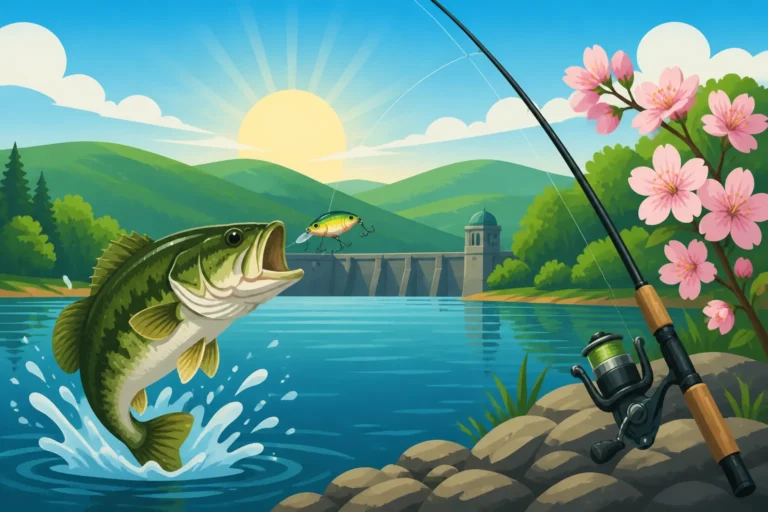
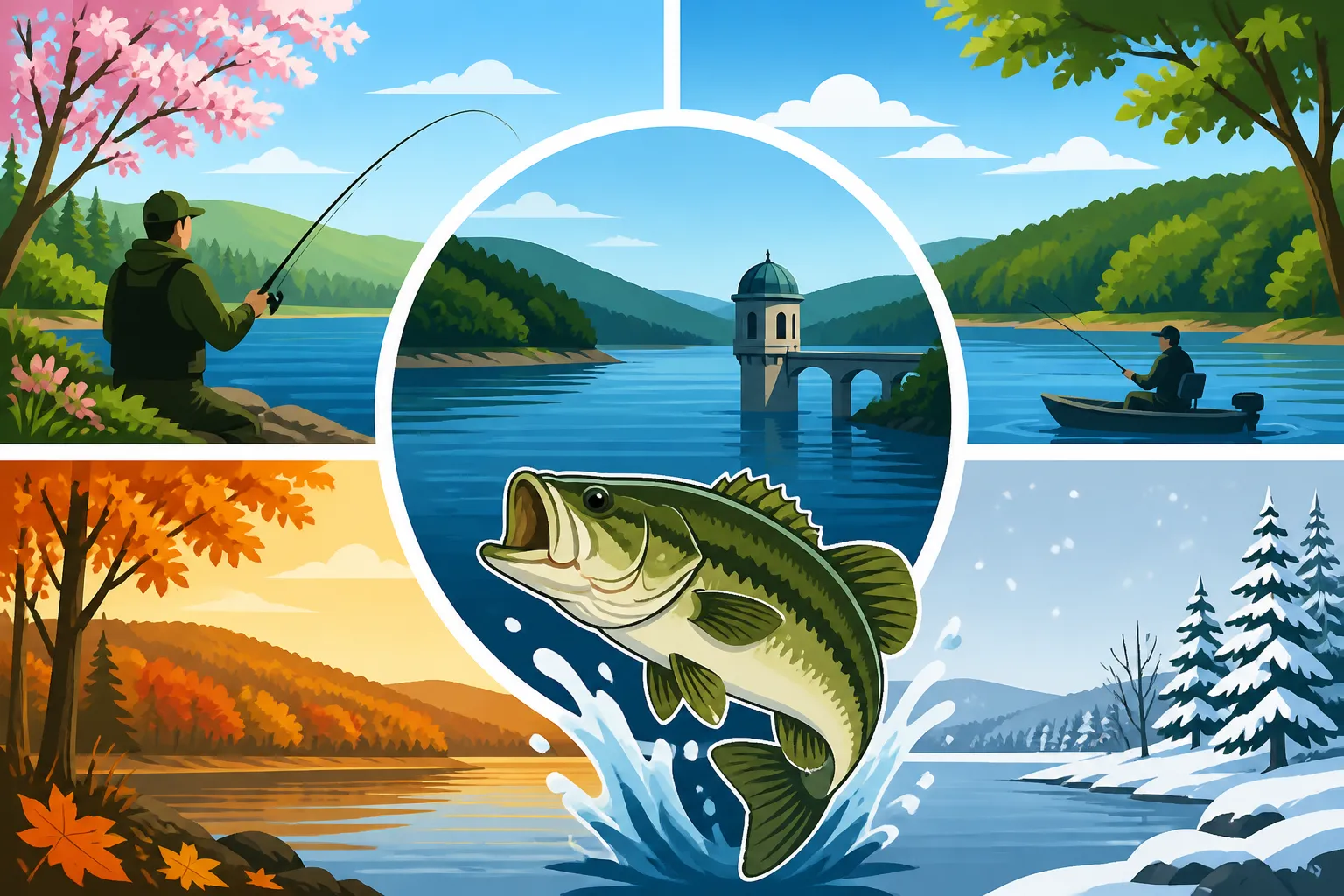
Fishing at Quabbin Reservoir isn't just about dropping a line in the water; it's a dynamic experience that shifts dramatically with the changing seasons in Massachusetts. Many anglers, myself included, have stood on its shores or navigated its vast waters, only to realize that what worked last month might not yield a single bite today. This guide aims to demystify those seasonal shifts, helping you understand how fish behavior, accessible areas, and effective techniques evolve from the first thaw to the deep freeze, ensuring you're always prepared for the unique challenges and incredible rewards Quabbin has to offer.
Spring Fishing at Quabbin Reservoir
Ah, spring at Quabbin. There’s something truly invigorating about those first few warm days when the ice finally relinquishes its grip and the reservoir begins to wake up. It’s a time of renewed hope for anglers, but also a period of significant transition that requires a flexible approach. The water is cold, often quite murky from snowmelt and spring rains, and the fish are just starting to become active after their winter lethargy.
Early Spring Tactics for Cold Water Fish
As soon as the ice is off, usually around April, the cold-water species really start to shine. We're talking about lake trout, salmon, and even some big brown trout. These fish are often found cruising the shallower water columns where the sun's rays can penetrate, providing a slight warmth, or near inflows where fresh, oxygenated water enters. Don't expect them to be in the deep, lethargic state they held during winter. They're hungry and looking for an easy meal.
For these early spring behemoths, trolling with spoons or stickbaits is incredibly effective. The key is to go slow. Think "snail's pace" slow, especially in those initial weeks. Vary your depths until you find where the fish are holding, but generally, stay within the top 15-20 feet. Many anglers swear by vibrant, reflective colors on their lures, which can grab a fish's attention in the still-cloudy waters. You can find a fantastic selection of these specialized spoons on Amazon, often with reviews from other cold-water anglers.
The Trout Stocking Rush and Salmon Season
Once the water warms just a bit more, usually in late April to early May, MassWildlife starts its annual trout stocking efforts. While Quabbin Reservoir itself is home to a robust population of wild and holdover trout, the surrounding ponds and feeder streams will also see a fresh influx, creating excellent opportunities throughout the region. For Quabbin specifically, spring is prime time for species like rainbow trout and impressive Atlantic salmon. These salmon, true beauties, become much more active, often chasing baitfish near the surface.
Targeting salmon requires a bit more finesse. Fly fishing with streamers or small bucktail jigs can be incredibly productive, especially around the mouths of feeder streams or points where baitfish congregate. If you’re trolling, small spoons or even shiners fished behind a dodger or flasher can entice a strike. Remember, the Quabbin Reservoir 2026 boat fishing season opening date is crucial knowledge, as access restrictions play a big role in when you can actually get on the water to pursue these fish. It's always a mad dash when that season officially kicks off.
Summer Fishing at Quabbin Reservoir
Summer at Quabbin is a whole different ballgame. The waters have warmed considerably, and the fish, particularly the cold-water species, will move to deeper, cooler areas. This means your tactics need to adapt dramatically. The leisurely pace of spring gives way to more strategic approaches, and knowing the underwater topography becomes paramount. It's a challenging but rewarding time if you know where to look.
Deep Water Strategies for Lake Trout and Salmon
As surface temperatures rise, lake trout and salmon will seek refuge in the thermocline – that distinct layer where warm surface water meets cooler, deeper water. This typically occurs anywhere from 20 to 50 feet down, depending on the summer heat. This is where downriggers, lead-core line, or weighted trolling systems become invaluable. You’re no longer just casting from shore or shallow trolling. You're trying to present your bait right in their comfort zone.
For these deeper dwellers, consider larger spoons, heavy jigs, or even live bait (where permitted) fished deep. Focus on areas with significant depth changes, underwater humps, or old river channels, which are essentially underwater highways for these fish. Knowledge of the Best technique for salmon at Quabbin Reservoir or How to troll for lake trout at Quabbin Reservoir becomes essential during this period. Remember, summer days can be long and hot, so ensure you have plenty of water and sun protection, easily found on Amazon alongside your deep-diving lures.
Bass and Panfish in Warmer Waters
While the big cold-water fish head deep, the shallower areas don't become barren. Summer is fantastic for targeting largemouth and smallmouth bass, as well as various panfish species. These fish thrive in the warmer surface waters, especially around submerged structure like fallen trees, weed beds, and rocky outcrops. They're actively feeding and can be quite aggressive.
For bass, try topwater lures in the early morning or late evening when they're most active. During the day, switch to Texas-rigged worms, jigs, or crankbaits fished near structure. Panfish like yellow perch and crappie can be found in similar areas, often schooling up. Small jigs tipped with bait, or even just a worm under a bobber, can provide steady action, especially for family outings. Always check the specific access rules for Quabbin Reservoir's William E. Pula Fishing Area or other spots, as not all shorelines are open to all activities.
Fall Fishing at Quabbin Reservoir
Fall at Quabbin is, for many, the absolute pinnacle of the fishing year. The scorching summer heat gives way to crisp, cool air, and the water temperatures begin to drop. This signals a remarkable change in fish behavior across the board. Fish that were sluggish in the summer heat suddenly become incredibly active, feeding aggressively to build up reserves for the coming winter. The stunning foliage around the reservoir only adds to the magic of the experience.
Aggressive Feeding Before Winter
As the water cools, the thermocline starts to break up, allowing cold-water species to move back into shallower depths, often surprising anglers who were used to targeting them deep. Lake trout, salmon, and brown trout will make forays closer to shore, particularly during overcast days or in the mornings and evenings. They're on the hunt, and they're not shy.
This is the time for larger presentations. Big spoons, minnow-imitating crankbaits, and even live bait (again, check regulations) can produce some truly monstrous fish. Trolling remains effective, but you can often find success by casting from shore or a boat into promising areas like points, rocky ledges, or sudden drop-offs. The Best Time of Year to Fish in Massachusetts often includes fall, and Quabbin is a prime example of why.
Shoreline Opportunities and Wildlands Stamp
The cooler weather of fall makes shoreline access much more comfortable, and fish are often within casting range. This is especially true for bass and other warm-water species that are also in a pre-winter feeding frenzy. They'll be targeting baitfish trying to escape the colder waters, making them vulnerable to twitchbaits, spinnerbaits, and soft plastics.
Remember that Quabbin Reservoir has specific access rules and may require an additional Quabbin Reservoir Fishing Permits and Rules in Massachusetts in addition to your general state license. Moreover, anyone over 12 needs to purchase the The Massachusetts Wildlands Conservation Stamp Explained to fish in the Commonwealth's waters. These funds directly contribute to habitat protection, helping to maintain the incredible fishing opportunities we enjoy at Quabbin and beyond.
Winter Fishing at Quabbin Reservoir
Winter at Quabbin is a season of quiet solitude and specialized techniques. Once the reservoir freezes over, usually sometime in December or January, ice fishing takes center stage. It’s a completely different discipline, requiring specific gear, safety precautions, and a deep understanding of how fish behave under a blanket of ice.
Ice Fishing for Cold and Warm Water Species
When the ice is thick enough – and I can't stress this enough, safety first! – Quabbin offers some fantastic ice fishing opportunities. Lake trout are often found patrolling various depths, but don't discount the yellow perch, crappie, and even chain pickerel that will hold in shallower coves and structures. Unlike open water, where fish can roam freely, the ice concentrates them, making them somewhat easier to locate if you know their preferred habitats.
For lake trout, jigging with heavy spoons or shiners on tip-ups is a popular and effective method. For panfish, small jigs tipped with wax worms or other live bait, fished with ultra-light tackle, can provide steady action. Always have a spud bar or auger to check ice thickness as you go, and consider carrying a set of ice picks, which you can easily purchase from Amazon, as a crucial safety measure. Make sure you know What license you need to fish at Quabbin Reservoir before heading out on the ice.
Access and Safety Considerations
Accessing Quabbin for ice fishing typically involves specific entry points, and you'll need to be aware of any regulations regarding portable shanties, motorized vehicles (usually prohibited), and the use of bait. The quiet beauty of a frozen Quabbin is unmatched, but it demands respect for its power and the harsh conditions.
| Season | Primary Target Species | Common Techniques | Key Considerations |
|---|---|---|---|
| Spring | Lake Trout, Salmon, Brown Trout, Rainbow Trout | Slow Trolling (spoons, stickbaits), Fly Fishing (streamers), Casting Jigs | Cold Water, Post-Spawn Hunger, Opening Dates, Quabbin Permits |
| Summer | Lake Trout, Salmon (deep), Largemouth Bass, Smallmouth Bass, Panfish | Deep Trolling (downriggers), Jigging (deep), Topwater (bass), Worms/Jigs (panfish) | Thermocline, Structure Fishing, Hot Weather, Hydration |
| Fall | Lake Trout, Salmon, Brown Trout, Bass | Aggressive Trolling/Casting (large spoons, crankbaits), Fly Fishing | Pre-Winter Feed, Cooler Temps, Shoreline Access, Wildlands Stamp |
| Winter | Lake Trout, Yellow Perch, Crappie, Pickerel | Ice Fishing (jigging spoons, tip-ups with shiners/worms) | Ice Safety, Specialized Gear, Specific Access Points, Solitude |
Navigating Regulations and Resources
Fishing at Quabbin Reservoir, while incredibly rewarding, comes with its own set of rules and regulations that are often more stringent than other bodies of water in Massachusetts. This isn't a criticism; it's a necessary measure to protect a vital drinking water source and its unique ecosystem. Ignoring these rules can lead to significant penalties, so staying informed is just as important as knowing your fishing techniques.
Understanding Quabbin's Unique Rules
Unlike most lakes, Quabbin has specific limitations on boat types, motor sizes, and even where you can launch. You can't just show up with any old boat; it often needs to be a Quabbin-approved vessel or undergo a stringent inspection process. This applies to kayaks and canoes as well. This information, along with details on the required special Quabbin permit, is usually found on the DCR's official website. It's truly different from just getting a standard Massachusetts Fishing License Guide.
Furthermore, there are often restrictions on bait, especially live bait, to prevent the introduction of invasive species. Knowing the current Quabbin Reservoir Fishing Permits and Rules in Massachusetts is absolutely non-negotiable before planning your trip. These aren't just suggestions; they are strictly enforced for the protection of this precious resource. Don't be that angler who gets a surprise fine because they didn't check the latest guidelines.
Leveraging MassWildlife and DCR Resources
The Massachusetts Division of Fisheries and Wildlife (MassWildlife) and the Department of Conservation and Recreation (DCR) are your best friends when it comes to fishing Quabbin. They publish annual guides, regulation pamphlets, and maintain websites with up-to-date information on everything from seasons and bag limits to access points and special rules. These resources are indispensable for any angler serious about fishing Quabbin. You can often find a copy of the Massachusetts Fishing Regulations Pamphlet, Explained at bait shops or DCR offices, and it's always available online.
They also provide valuable insights into stocking schedules and fish surveys, which can indirectly help you predict fish behavior. For example, knowing if a particular species had a strong spawning year can inform your expectations for the future. Always make it a habit to check these official sources annually, as rules and conditions can change. It’s a bit of homework, but it pays off in successful, legal, and worry-free fishing trips.
The Broader Massachusetts Fishing Context
While Quabbin Reservoir offers some truly exceptional and unique fishing, it's also part of a larger, vibrant fishing scene across Massachusetts. Understanding how Quabbin fits into that broader context, especially regarding different types of licenses and the species you might encounter elsewhere, can enhance your overall experience as an angler in the Commonwealth.
Freshwater vs. Saltwater Licenses
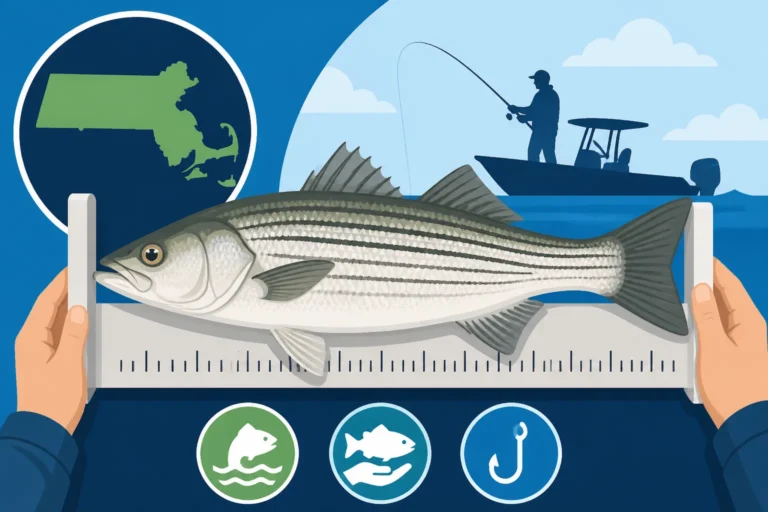
One common point of confusion for anglers, especially those visiting Massachusetts or new to the sport, is the distinction between freshwater and saltwater fishing permits. While Quabbin is exclusively freshwater, if your travels take you to the coast, you'll need a different kind of permit. A general freshwater fishing license, which covers your Quabbin adventures, won't cover you for chasing striped bass in Boston Harbor or fluke off Cape Cod.
It's crucial to understand these distinctions, as highlighted in topics like the Massachusetts Freshwater vs Saltwater License Differences. Many anglers choose to get both if they plan to fish diverse waters throughout the year. You can generally purchase both through the MassFishHunt system, making it relatively straightforward to stay compliant, no matter where your angling adventures take you.
Other Prime Fishing Destinations
While Quabbin is undeniably a jewel for freshwater fishing, especially for cold-water species, Massachusetts boasts an incredible array of other fishing opportunities. If you're looking to broaden your horizons, consider exploring some other fantastic spots. The Connecticut River Fishing in Massachusetts offers superb opportunities for smallmouth bass and carp, while the Cape Cod Canal Fishing Guide for Massachusetts Anglers is legendary for striped bass.
Each body of water has its own charm, its own resident species, and its own seasonal rhythms. From the trout streams of the Berkshires to the offshore grounds for tuna, Massachusetts truly has something for every angler, no matter the season. Quabbin is a fantastic start, but it's just one piece of the incredible fishing puzzle that the Bay State offers.
Disclaimer
This article is for general informational purposes only and does not constitute professional advice. Laws, prices and regulations vary by location and change over time. Consult a qualified professional for guidance on your specific situation.