Fly Fishing in Massachusetts
Many anglers in Massachusetts find themselves overwhelmed by the sheer variety of fishing opportunities, often wondering where to even begin with fly fishing, what gear they truly need, and how to navigate the specific rules for different waters and species. This comprehensive guide is designed to cut through that confusion, offering detailed insights into the unique world of fly fishing across the Commonwealth's diverse freshwater and saltwater environments, from the serene Berkshires to the bustling Cape Cod coastline.
Why Fly Fishing in Massachusetts is So Unique and Rewarding
Massachusetts, though a small state, packs an incredible punch for fly fishing enthusiasts. What makes it truly stand out isn't just the sheer number of rivers, streams, ponds, and coastline, but the incredible diversity of fish species you can target, often within a relatively short drive. It's an experience that goes beyond simply catching fish; it's about the precision, the patience, and the profound connection to nature that only a fly rod can offer.
Diverse Habitats and Fish Species
From the cold, clear waters of the western Massachusetts mountains to the rich, salty estuaries of the Atlantic, our state provides a spectacular array of habitats. This translates directly into an impressive list of fly-rod-friendly species. In freshwater, you can chase after wily native brook trout in tiny, hidden streams, cast for hard-fighting rainbow and brown trout in larger rivers, or target aggressive largemouth and smallmouth bass in our numerous lakes and ponds. Even panfish like bluegill and crappie offer fantastic fly rod fun, especially for beginners or those looking for consistent action.
Shift your focus to the coast, and a whole new world opens up. Saltwater fly fishing in Massachusetts is synonymous with striped bass, known for their powerful runs and willingness to hit a well-presented fly. But the adventure doesn't stop there. Bluefish provide an exhilarating, toothy challenge, while false albacore and bonito offer blistering speed in the late summer and fall. There's even opportunity for tautog, fluke, and other bottom dwellers with the right flies and techniques, making every trip a potential exploration into a new piscatorial pursuit.
The Challenge and Artistry of the Cast
Unlike traditional spin fishing, fly fishing elevates the act of casting to an art form. It's about gracefully presenting a nearly weightless fly with the weight of the line itself. This requires a different kind of finesse and skill, offering a constant learning curve that keeps even seasoned anglers engaged. Whether you're mastering a delicate dry fly presentation to a rising trout or launching a heavy saltwater streamer into a stiff ocean breeze, the satisfaction of a perfect cast is immense.
The artistry also extends to fly tying. Many Massachusetts fly anglers find immense joy in crafting their own imitations of local insects and baitfish. There's a deep satisfaction in catching a fish on a fly you meticulously tied yourself, a true testament to understanding the local ecosystem and the fish's feeding habits. This combination of skill, knowledge, and hands-on creation is a core reason why so many are drawn to fly fishing and find it so uniquely rewarding in the Bay State.
Conservation and Connection to Nature
Fly fishing often fosters a deeper appreciation for aquatic environments and the critical importance of conservation. Spending hours on a river or a coastline, keenly observing insect hatches, baitfish movements, and water conditions, inherently connects you to the natural world in a profound way. It’s not uncommon to spot deer, osprey, eagles, and a myriad of other wildlife while on the water.
In Massachusetts, many fly anglers are strong advocates for protecting our precious waterways. They understand that clean water, healthy habitats, and responsible angling practices are vital for the future of our fisheries. The Massachusetts Department of Fish and Game (MassWildlife) actively works to manage and protect these resources, and the fly fishing community often plays a significant role in supporting these efforts, from volunteer cleanups to advocating for sustainable fishing policies.
Essential Gear for Massachusetts Fly Fishing
When you're ready to dive into fly fishing in Massachusetts, getting the right gear is fundamental. It's easy to feel overwhelmed by the sheer volume of options out there, but focusing on the essentials for our specific conditions will set you up for success without breaking the bank. Think about the types of water you'll fish and the species you'll target first, then build your kit from there.
Rods, Reels, and Lines for Freshwater Pursuits
For general freshwater fly fishing in Massachusetts, targeting trout, bass, and panfish, you'll want a versatile setup. A 9-foot, 5-weight fly rod is often considered the gold standard for its all-around capability. This rod will handle most trout situations, from small brookies to larger rainbows, and is perfectly capable of casting poppers and streamers for smaller bass and panfish. If you're primarily after bigger bass or northern pike in lakes and ponds, stepping up to a 7 or 8-weight rod will give you more power to cast larger flies and muscle bigger fish. For delicate trout work on smaller streams, a 3 or 4-weight rod is a joy to cast, allowing for very subtle presentations.
Matching your reel to your rod weight is crucial. For a 5-weight rod, a corresponding 5/6-weight reel will balance nicely and hold the appropriate fly line and backing. While expensive reels are beautiful, for freshwater, you don't need a high-end, sealed drag system; a reliable, smooth drag is sufficient. As for lines, a weight-forward floating line is the most versatile choice for freshwater. You can also carry a spare spool with an intermediate or sinking line if you plan to target fish deeper in the water column, especially for bass or lake trout. You can find a wide range of these setups on Amazon, offering convenience and competitive pricing for beginners.
Saltwater Specific Fly Gear and Corrosion Protection
Saltwater fly fishing in Massachusetts demands more robust gear due to the larger, stronger fish and the corrosive environment. For striped bass, bluefish, and smaller false albacore, a 9-foot, 9 or 10-weight fly rod is a common choice. This power allows you to cast large, wind-resistant flies, fight strong fish, and handle larger leader setups. If you're venturing out for bigger false albacore or even small tuna, some anglers prefer an 11 or 12-weight rod.
Saltwater reels are a significant investment but are well worth it. Look for reels with sealed, powerful drag systems that can withstand saltwater intrusion. Brands like Tibor, Hatch, or Lamson are popular for their durability and performance. These reels need to be rinsed thoroughly with fresh water after every saltwater outing to prevent corrosion. For lines, a weight-forward intermediate or sinking line is often preferred in saltwater to get flies down quickly in currents or to deeper feeding fish. Floating lines are also useful, especially for targeting fish on the surface or in very shallow water. Don't forget ample backing – at least 200 yards for striped bass, and even more for speedsters like false albacore, as they can spool you quickly.
Waders, Boots, and Essential Accessories
Beyond the rod and reel, a few key accessories will significantly enhance your fly fishing experience in Massachusetts. Waders are almost non-negotiable for comfortable and effective freshwater fishing, allowing you to wade into rivers and ponds. Breathable stockingfoot waders are the most popular, paired with separate wading boots. Choose boots with good ankle support and felt or rubber soles with studs for traction on slippery riverbeds. For saltwater, if you're not on a boat, chest waders are essential for surfcasting or wading tidal flats.
Other critical items include a fishing vest or sling pack to carry flies, tippet, nippers, forceps, a net, and other small essentials. Polarized sunglasses are vital for seeing into the water and protecting your eyes from errant flies. A hat, sunscreen, and insect repellent are also must-haves for comfort and safety. Many of these smaller items, like fly boxes, leader materials, and even quality nippers, are readily available on Amazon and are crucial for a smooth day on the water. Finally, always carry a small first-aid kit, especially if you're venturing into remote areas.
Understanding Massachusetts Fly Fishing Licenses and Regulations
Before you even think about casting a line in Massachusetts, understanding the licensing requirements and regulations is paramount. The last thing any angler wants is to get fined or, worse, contribute unknowingly to unsustainable fishing practices. Our state has a robust system in place to manage its diverse fisheries, and it's up to each of us to be informed.
Securing Your Massachusetts Fishing License
The most fundamental step for any angler in the Commonwealth is obtaining a valid fishing license. Whether you're fly fishing for trout in the Berkshires or chasing striped bass off Cape Ann, a license is almost always required. Massachusetts offers various license options, including annual resident and non-resident licenses, as well as shorter-term options for visitors. For comprehensive details, you'll want to check out the Massachusetts Fishing License Guide.
It's important to remember that these licenses fund vital conservation efforts, fish stocking programs, and habitat restoration projects carried out by MassWildlife. So, when you purchase your license, you're not just getting permission to fish; you're directly contributing to the health and future of Massachusetts' incredible aquatic resources. You can purchase your license easily online through the MassFishHunt system, or visit an authorized vendor. Always keep proof of your license with you while fishing, whether it's a physical copy or a digital one on your phone.
Navigating Freshwater and Saltwater Permit Requirements
Massachusetts has a unique dual-licensing system that often confuses newcomers. In addition to a general freshwater fishing license, if you plan to fish in saltwater, you'll also need a separate Massachusetts Saltwater Recreational Fishing Permit. This permit is required for most saltwater fishing activities, including fly fishing from shore, a boat, or a pier. However, there are some exemptions, particularly for very young children or those fishing on a licensed charter boat. For a full breakdown of who needs what, refer to the Massachusetts Saltwater Recreational Fishing Permit Explained guide.
It's also worth noting that specific freshwater bodies, like the renowned Quabbin Reservoir or Wachusett Reservoir, might have additional permit requirements or stricter access rules beyond your standard freshwater license. For example, to fish at Quabbin Reservoir, you might need an additional daily or seasonal permit, and there are strict rules about boat types and inspections. Always check the specific regulations for any body of water you plan to visit, especially our larger reservoirs and protected areas. The MassWildlife website is your best friend for up-to-date information.
Species-Specific Regulations and Catch Limits
Beyond the general license and permit, you must be aware of species-specific regulations. These rules dictate everything from minimum and maximum sizes (slot limits), daily bag limits, and even seasonal closures for certain fish. For instance, trout fishing often has specific seasons and bag limits that can vary by water body. Understanding these nuances is key to responsible angling.
For saltwater species, regulations can be particularly dynamic, especially for highly managed fish like striped bass or cod. The Massachusetts Striped Bass Slot Limit Explained is a perfect example of a regulation designed to protect breeding stock while allowing recreational harvest. Bluefish, tautog, fluke, and black sea bass also have their own specific rules regarding size, bag limits, and seasons. Before heading out, always consult the most current MassWildlife regulations pamphlet or their online guide to ensure you're compliant. Ignorance of the law is never an excuse, and penalties for violations can be significant.
Top Freshwater Fly Fishing Destinations in Massachusetts
Massachusetts freshwater fly fishing offers a fantastic mix of experiences, from secluded wild trout streams to productive bass ponds. Knowing where to go and what to expect is half the battle, and the Bay State truly delivers for those willing to explore.
Trout Streams and Rivers of Western Massachusetts
When most anglers think of freshwater fly fishing in Massachusetts, their minds often drift to the pristine, cold-water streams and rivers of the western part of the state. This region is a trout angler's paradise, offering opportunities for native brook trout, as well as stocked brown and rainbow trout.
The Deerfield River stands out as a premier destination, especially the sections designated as "Catch and Release" or "Delayed Harvest" areas. These stretches, often running through towns like Conway and Charlemont, are managed for trophy trout and offer exceptional fly fishing from spring through fall. The river boasts a healthy population of wild brown trout, along with regularly stocked rainbows, providing a challenging yet rewarding experience. Access points are plentiful, and the varied currents and riffles make for excellent nymphing, dry fly, and streamer fishing depending on the season and conditions. You can find more targeted information on specific access and techniques in our Deerfield River Trout Fishing Spots in Massachusetts guide.
Other notable trout waters include the Westfield River branches (East, Middle, and West) and the Swift River, particularly the "Catch and Release" section below the Quabbin Reservoir's Winsor Dam. The Swift River is famous for its year-round cold water and consistent hatches, making it a favorite for even winter fly fishing. These rivers require careful wading and presentation but offer the chance at truly memorable catches. Fly selection here is critical, as the trout can be highly selective, so always try to "match the hatch" or use versatile nymph patterns.
Warmwater Ponds and Lakes for Bass and Panfish
While trout often get the spotlight, Massachusetts' numerous warmwater ponds and lakes offer phenomenal fly fishing opportunities for species like largemouth bass, smallmouth bass, pickerel, and various panfish. These waters are often more accessible and can provide consistent action, especially for beginners.
Lakes and ponds across the state, from Lake Quinsigamond in central Massachusetts to Long Pond in southeastern Massachusetts, are teeming with largemouth bass that eagerly strike topwater poppers and subsurface streamers. Early mornings and late evenings during the summer are prime times for explosive surface action. Fly fishing for bass can be incredibly exciting, as these fish often hit with aggressive takes. Smallmouth bass can be found in larger lakes and reservoirs, as well as some of our larger rivers like the Connecticut River, offering a different kind of fight with their acrobatic jumps.
Don't overlook the humble panfish! Bluegills, pumpkinseeds, and crappie are abundant in almost every pond and small lake. They are perfect for teaching kids or honing your casting skills with smaller rods and tiny poppers or nymphs. These fish are eager biters and can provide non-stop entertainment, making them a fantastic target for a relaxing day on the water. Many of these ponds are easily accessible, offering shore fishing or kayak/canoe opportunities.
Special Regulations Areas: Quabbin and Wachusett Reservoirs
Massachusetts is home to two world-class reservoirs, Quabbin and Wachusett, which offer unique and often exceptional freshwater fly fishing experiences. Both are primary drinking water sources, meaning they have strict regulations and require a different approach.
Quabbin Reservoir is a true gem, famous for its landlocked salmon, lake trout, and enormous smallmouth and largemouth bass. Fly fishing here, particularly from a boat, can be incredibly productive, but it requires specific permits and adherence to strict rules regarding boat access, inspections, and fishing methods. Trolling streamers or fishing deep with sinking lines can entice the resident salmon and lakers. Shore fishing is also permitted in designated areas, offering chances at smallmouth bass. For anyone planning a trip, our Quabbin Reservoir Fishing Guide for Massachusetts Anglers is an indispensable resource.
Similarly, Wachusett Reservoir is known for its impressive brown trout, rainbow trout, and landlocked salmon, alongside a healthy population of smallmouth and largemouth bass. Shore fishing is popular here, with various access gates opening seasonally. Fly fishing for trout and salmon can be fantastic, especially in the spring and fall. Like Quabbin, Wachusett has specific rules and access points that anglers must respect. Our Wachusett Reservoir Fishing Guide for Massachusetts Anglers provides all the essential details you'll need to plan a successful outing. Both reservoirs are truly special places, offering big fish and a sense of wilderness within an hour or two of major population centers.
Exploring Saltwater Fly Fishing Opportunities in Massachusetts
Saltwater fly fishing in Massachusetts is an exhilarating experience, offering powerful fights and the chance to target iconic species against the backdrop of our beautiful coastline. It's a different beast than freshwater, requiring specialized gear and a willingness to brave the elements, but the rewards are immense.
Chasing Striped Bass Along the Coast
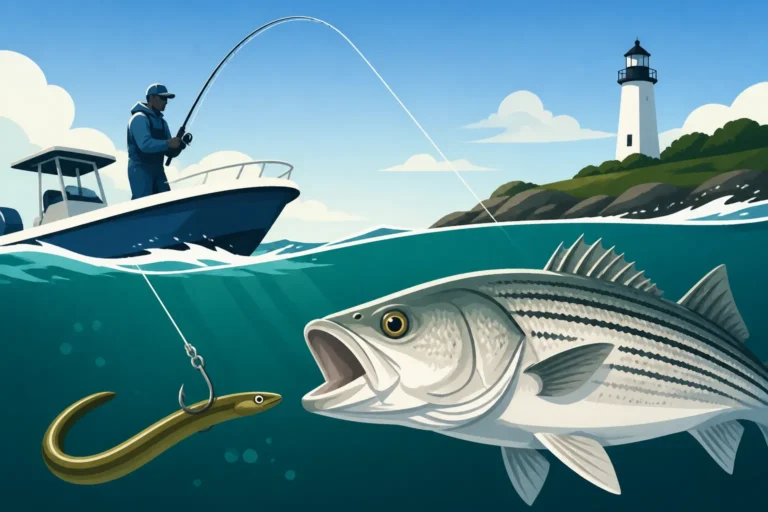
Without a doubt, striped bass are the rock stars of Massachusetts saltwater fly fishing. These migratory anadromous fish return to our waters each spring, offering incredible opportunities from May through October. Stripers can be found in a vast array of coastal environments: tidal rivers, estuaries, rocky shorelines, sandy beaches, and offshore rips.
Fly fishing for stripers is often done from shore, especially during the spring and fall migrations when fish are feeding close to the beach or in shallow flats. Surfcasting with a fly rod requires skill to cast heavy flies into the wind and navigate breaking waves. Kayak or boat fishing opens up even more possibilities, allowing access to deeper channels, structure, and offshore schools. Large baitfish imitations, like deceivers, clousers, and various synthetic patterns, are the flies of choice. The thrill of a striped bass smashing a fly near the surface is an experience that keeps anglers coming back year after year. To truly master this, you'll want to delve into specifics like our How to Catch Striped Bass in Massachusetts guide.
Fly Fishing for Bluefish and False Albacore
While stripers are the main draw, Massachusetts' waters also host other incredible fly rod targets, each offering a unique challenge. Bluefish are common visitors to our shores, particularly in the warmer summer months. Known for their voracious appetites and razor-sharp teeth, bluefish strike flies with aggression and fight with incredible power. They can destroy flies quickly, so robust patterns with wire leaders are often necessary. Finding a blitz of blues tearing into baitfish is an unforgettable sight and provides non-stop action on the fly rod.
As summer transitions to fall, the speedsters arrive: false albacore and bonito. These pelagic powerhouses are typically found off Cape Cod and the islands (Martha's Vineyard and Nantucket). Chasing "albies" on a fly rod is the ultimate test of casting accuracy, speed, and gear. When they're feeding on small baitfish, they can be incredibly frustrating and selective, but when you hook into one, their blistering runs and powerful dives will test your drag and your stamina. Matching their tiny bait with small, sparse flies is often the key. Bonito, while not as prevalent, offer a similar challenge with slightly less power but equal beauty.
Nearshore and Offshore Saltwater Fly Rod Targets
Beyond the main three, there are other exciting possibilities for the adventurous saltwater fly angler in Massachusetts. In calmer waters and estuaries, especially around dock pilings or rocky bottoms, you can target tautog (also known as blackfish) with crab imitations. These fish are powerful bottom dwellers that require a solid strip set and strong tackle. Fluke (summer flounder) can also be caught on flies, particularly jigging imitations near the bottom from a boat or kayak.
For those with access to offshore boats, there are even opportunities for larger pelagic species. While less common on a fly rod, smaller bluefin tuna or even mahi-mahi can be targeted if encountered feeding on the surface, requiring heavy gear and incredible luck. Even bottom fish like cod and haddock can, on rare occasions, be enticed by large flies fished deep, though this is definitely an unconventional approach and typically done by dedicated offshore anglers. The vastness of the ocean truly offers endless, albeit often challenging, opportunities for the fly angler in Massachusetts.
Key Fly Fishing Techniques and Strategies for Massachusetts Waters
Mastering fly fishing involves more than just owning the right gear; it's about understanding and applying various techniques to present your fly effectively and entice fish to strike. Different situations in Massachusetts' diverse waters call for different strategies, and a versatile angler will have several approaches in their toolkit.
Mastering the Basic Cast and Presentation
Before you can catch anything, you need to be able to cast. The overhead cast is the fundamental building block of fly fishing. It involves loading the rod with the weight of the fly line, creating a smooth loop forward and backward. Practicing this on a lawn or open water until it becomes fluid and accurate is crucial. The goal is not just distance, but precise presentation – placing your fly gently and accurately where you believe the fish are.
Beyond the basic overhead, several other casts are vital in Massachusetts. The roll cast is incredibly useful in tight quarters with overhead obstructions, allowing you to launch a fly forward without a backcast. The double haul is a more advanced technique that significantly increases line speed and distance, essential for cutting through wind on larger rivers or in saltwater. Learning to mend your line, which involves repositioning the line on the water to control the fly's drift, is critical for achieving a natural presentation in moving water. Understanding how to "read the water" – identifying likely holding spots like eddies, riffles, and structure – goes hand-in-hand with casting, as a perfect cast to the wrong spot is often wasted effort.
Nymphing and Streamer Fishing in Rivers
When fishing many of Massachusetts' trout rivers and streams, two techniques often outperform dry fly fishing, especially when fish aren't actively rising: nymphing and streamer fishing. Nymphing involves presenting subsurface insect imitations (nymphs) that mimic the larval and immature stages of aquatic insects, which constitute a large portion of a trout's diet.
There are various nymphing methods. Indicator nymphing uses a small bobber-like indicator to detect subtle strikes, allowing you to fish with split shot to get your flies down to the fish's feeding zone. Euro nymphing (or contact nymphing) is a highly sensitive technique that uses a long, specialized leader and no indicator, relying on direct contact and visual cues on the line to detect strikes. Both are incredibly effective for catching trout year-round.
Streamer fishing, on the other hand, involves imitating baitfish, leeches, or larger insects. It's an aggressive technique that often triggers predatory strikes from larger trout, bass, and even pickerel. Casting streamers across or downstream and retrieving them with varying strips and pauses can provoke a chase. Streamer fishing can be particularly effective in higher, off-color water or when targeting more aggressive, meat-eating fish in rivers and deeper ponds.
Targeting Fish with Dry Flies and Poppers
There's arguably no more iconic or thrilling form of fly fishing than dry fly fishing. This technique involves presenting a fly that floats on the surface, mimicking an adult insect that has hatched or fallen onto the water. The visual aspect of seeing a fish rise and take your fly is incredibly exciting. Dry fly fishing is most effective when fish are actively feeding on the surface, often during specific insect hatches (e.g., caddis, mayflies, midges).
In Massachusetts, many of our trout streams experience excellent dry fly hatches, especially in the late spring and early summer. Proper presentation, including a drag-free drift, is crucial to fool wary trout. Matching the size, shape, and color of the natural insects (the "hatch") is also vital.
For warmwater species like largemouth bass, smallmouth bass, and panfish, topwater poppers and deer hair bugs offer an equally exciting, albeit often more aggressive, surface bite. These flies splash and gurgle, drawing fish from cover with their commotion. Casting poppers into lily pads, along weed lines, or near submerged structure and retrieving them with various pops and pauses can trigger explosive strikes. It's a fantastic technique for summer mornings and evenings in our many bass-filled ponds and lakes. For smallmouth bass in rivers like the Connecticut, subtle poppers can be incredibly effective when cast near rocky banks or current seams.
Matching the Hatch and Fly Selection for Massachusetts Species
Fly selection is often where the "art" of fly fishing truly shines, blending entomological knowledge with fishing experience. Knowing what flies to tie on is crucial, and in Massachusetts, with our diverse fish species and habitats, it means having a varied fly box.
Trout Flies: From Nymphs to Dry Flies
For the trout streams and rivers of Massachusetts, a well-rounded fly box will include a variety of nymphs, dry flies, and streamers.
Nymphs: These are the workhorses, mimicking the underwater larval and pupal stages of insects. Essential patterns include the Pheasant Tail Nymph, Hare's Ear Nymph, Prince Nymph, and various stonefly and caddis larvae imitations. Sizes typically range from #12 to #20, with smaller sizes often needed for picky fish in clear water. Pat's Rubber Legs are excellent for larger stonefly patterns.
Dry Flies: When trout are rising, dry flies are key. Standard patterns like the Parachute Adams, Elk Hair Caddis, Blue-Winged Olive, and various terrestrials (hoppers, ants, beetles) are reliable. Keeping a range of sizes from #10 to #22 will cover most hatches. Having a few stimulators or larger attractor dry flies can also be useful when the hatch isn't obvious.
Streamers: For larger, more aggressive trout, streamers are highly effective. Woolly Buggers (in black, olive, and brown) are arguably the most versatile streamer. Clouser Minnows and Zonkers can also be very productive, especially in larger rivers or for bigger fish. Sizes typically range from #4 to #10.
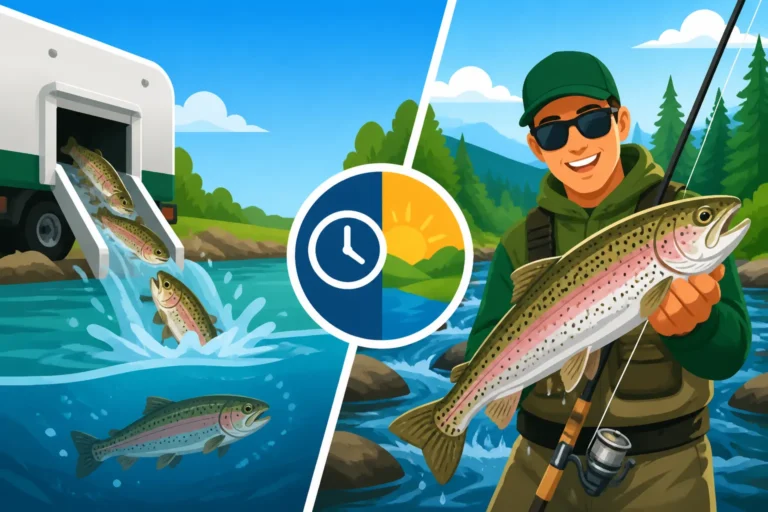
Understanding the Massachusetts Trout Stocking Schedule can also give you clues, as newly stocked trout often respond well to simpler, brighter patterns.
Bass and Panfish Flies for Stillwaters
Fly fishing for bass and panfish in Massachusetts ponds and lakes often calls for flies that create more commotion or present a larger profile.
Topwater Poppers and Bass Bugs: For exciting surface strikes, various deer hair poppers, cork poppers, and foam spiders (for panfish) are essential. Colors like chartreuse, black, and white are popular. Sizes from #6 for panfish up to #2/0 for big bass.
Streamers: Subsurface streamers are incredibly effective for bass, imitating baitfish like shiners, perch, and juvenile herring. Clouser Minnows, Deceivers, and larger Woolly Buggers are excellent choices. White, olive, black, and chartreuse are reliable colors. Sizes from #4 to #2/0. Even on Amazon, you can find some fantastic multi-packs of bass flies.
Nymphs and Wet Flies: While less common for aggressive bass, smaller nymphs and wet flies can be deadly for panfish and even smaller bass, especially fished under an indicator or with a slow retrieve. Bead head nymphs and traditional wet flies in sizes #10-#16 work well.
Saltwater Flies for the Massachusetts Coast
Saltwater flies need to be durable, cast well in the wind, and imitate the diverse forage found in our coastal waters.
Baitfish Imitations: This is the bread and butter for striped bass, bluefish, and false albacore.
* Clouser Minnow: Arguably the most versatile saltwater fly, it's effective for nearly every species. White and chartreuse, white and blue, white and olive, and all chartreuse are popular color combinations. Sizes from #1 to 4/0.
* Deceiver: Another classic, especially effective for striped bass, mimicking slender baitfish. White, chartreuse, olive, and blue variations. Sizes from #1 to 4/0.
* Gummy Minnow: Excellent for imitating small, translucent baitfish like sand eels, crucial for false albacore.
* Surf Candy: Epoxy-bodied flies that sink quickly and have a realistic baitfish profile, great for stripers and albies.
Crab and Shrimp Patterns: For targeting tautog, redfish (if found), or other bottom dwellers in estuaries, crab and shrimp patterns like the Fleeing Crab or EP Crab are vital.
Poppers and Gurglers: For aggressive surface strikes from striped bass and bluefish, larger poppers and gurglers can be incredibly exciting.
Always check your leader and tippet for wear after catching a few fish, especially with toothy bluefish. Using a bite guard or heavier fluorocarbon tippet can save your flies. High-quality fly hooks are also a must in the salt, resisting corrosion and holding strong during tough fights.
Seasonal Considerations for Fly Fishing Success in Massachusetts
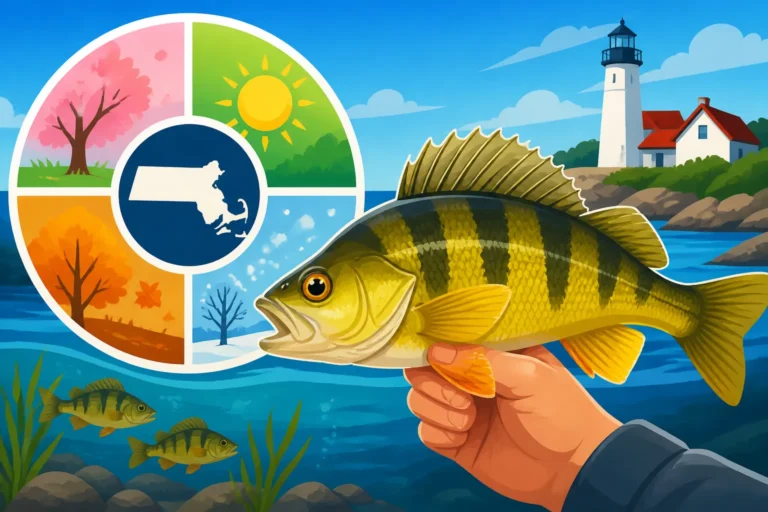
Understanding the seasons is perhaps one of the most critical elements of successful fly fishing in Massachusetts. The Commonwealth experiences four distinct seasons, each bringing unique opportunities, challenges, and target species. Being aware of these shifts will dramatically improve your chances of a memorable day on the water. Our Best Time of Year to Fish in Massachusetts article provides a broader overview, but let's dive into the fly-fishing specifics.
Spring Thaw and Opening Day Trout
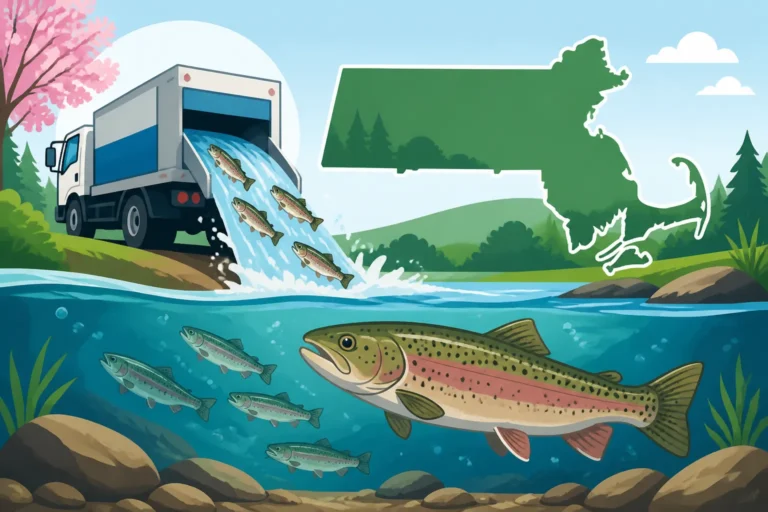
Spring is a time of renewed hope and excitement for Massachusetts fly anglers. As the ice melts and water temperatures begin to rise, fish become more active. The trout season officially opens in early April, and this "opening day" is a major event. MassWildlife works tirelessly to stock thousands of rainbow, brown, and brook trout into ponds and rivers across the state in the weeks leading up to and following opening day.
In the early spring, focus on slower-moving water and deeper pools in rivers, as fish are often sluggish due to cold water. Nymphs and streamers are particularly effective during this time. As the spring progresses and water temperatures warm, insect hatches become more prevalent, leading to excellent dry fly opportunities. Caddisflies, Quill Gordons, and Hendrickson mayflies are common early-season hatches. For saltwater, striped bass begin their migration into Massachusetts waters, with the first arrivals usually appearing in May in our southern coastal areas and estuaries, providing early opportunities for fly anglers.
Summer Warmth and Early Morning/Late Evening Action
Summer in Massachusetts brings warmer temperatures, longer days, and a shift in fishing tactics, especially in freshwater. While trout fishing can slow down in warmer rivers, requiring a focus on higher elevation, colder streams or the deep, cold waters of reservoirs like Quabbin and Wachusett, bass and panfish fishing heats up.
For warmwater species, early mornings and late evenings are prime times, as fish move into shallower water to feed before the midday sun drives them to deeper, cooler lies or into dense cover. Topwater poppers and bass bugs are incredibly effective during these low-light periods. Terrestrial patterns, like hoppers and ants, can also be productive on warm summer days when fished along grassy banks. In saltwater, the full force of the striped bass and bluefish run is underway, with fish actively feeding along the coast. False albacore and bonito typically make their appearance in late summer, offering their blistering runs. Night fishing for striped bass, using large dark flies, can also be incredibly productive during the summer, especially around lights or structure.
Fall Runs and Cooler Water Opportunities
Fall is arguably one of the most beautiful and productive seasons for fly fishing in Massachusetts. The cooler air and water temperatures revitalize trout, bass, and especially saltwater species. Freshwater trout become more active, often feeding aggressively in preparation for winter. Fall trout stocking also provides fresh opportunities. Streamer fishing for large brown trout is particularly effective during the fall spawn. Bass also go on a feeding frenzy, bulking up for winter, making them aggressive targets for streamers and even large poppers.
In saltwater, the fall run of striped bass and bluefish is legendary. As baitfish begin to migrate south, stripers and blues follow, often pushing huge schools of bait to the surface, creating spectacular feeding frenzies (blitzes). This is often the best time to target these species on a fly rod, with consistent action. False albacore and bonito remain a strong draw through October, offering their incredible speed before migrating out of our waters. Fall also brings better conditions for targeting species like tautog in rocky areas with crab flies.
Winter Challenges and Ice Fishing with a Fly Rod
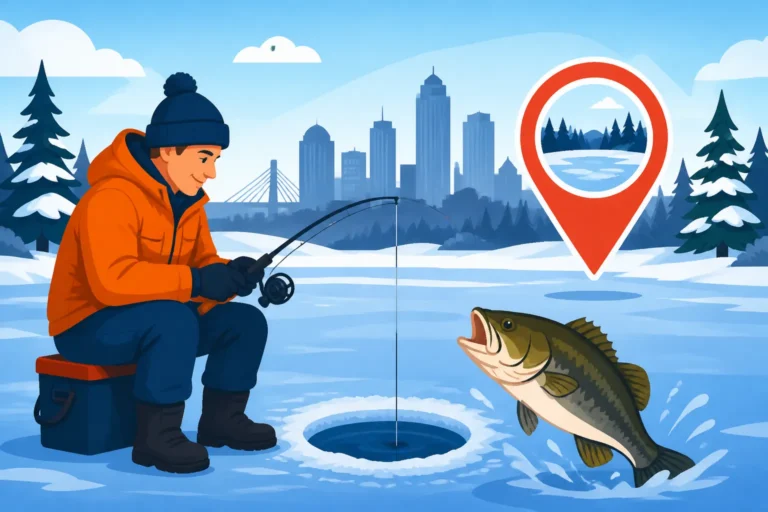
Winter presents the most challenging, yet often rewarding, fly fishing opportunities in Massachusetts. Many open waters are covered in ice, leading some adventurous anglers to try Ice Fishing in Massachusetts. While traditional ice fishing uses jigging rods, some fly anglers embrace the cold, targeting trout, perch, and pickerel through the ice with micro jigs and weighted nymphs. It requires specialized gear and strict attention to ice safety.
For open water fly fishing, only a few places remain viable. The Swift River, with its consistent cold water outflows from Quabbin Reservoir, offers year-round trout fishing. Anglers brave the cold to target highly selective trout with tiny nymphs and midges. Other spring-fed ponds or tailwater fisheries might also offer limited opportunities. Winter fly fishing is not for the faint of heart, but it offers solitude and the chance to hook into some truly hard-earned fish, making a successful outing feel even more significant.
| Species Targeted | Recommended Rod Weight | Primary Fly Type Examples | Typical Seasons for Fly Fishing |
|---|---|---|---|
| Freshwater | |||
| Brook/Rainbow Trout | 3-6 weight | Nymphs, Dry Flies, Small Streamers | Spring, Summer, Fall, Winter (Swift R.) |
| Largemouth Bass | 6-8 weight | Poppers, Streamers | Spring, Summer, Fall |
| Smallmouth Bass | 6-8 weight | Poppers, Streamers, Nymphs | Spring, Summer, Fall |
| Panfish (Bluegill, Crappie) | 2-4 weight | Small Poppers, Nymphs, Wet Flies | Spring, Summer, Fall |
| Landlocked Salmon (Quabbin/Wachusett) | 6-8 weight | Streamers, Smelt Patterns | Spring, Fall, limited Winter |
| Saltwater | |||
| Striped Bass | 8-10 weight | Deceivers, Clousers, Poppers | Late Spring, Summer, Fall |
| Bluefish | 9-10 weight | Large Streamers, Poppers | Summer, Early Fall |
| False Albacore/Bonito | 9-12 weight | Gummy Minnows, Small Deceivers | Late Summer, Fall |
| Tautog | 9-10 weight | Crab Patterns | Spring, Fall |
Disclaimer
This guide is intended for informational purposes only and serves as a general overview of fly fishing in Massachusetts. Fishing regulations, license requirements, and seasonal rules can change frequently. Always consult the official Massachusetts Division of Fisheries and Wildlife (MassWildlife) website or their most current regulations pamphlet before heading out on any fishing trip to ensure compliance with all state and local laws. Anglers are responsible for knowing and adhering to all current regulations.