Best ponds for ice fishing near Boston
For many of us who love the quiet thrill of fishing, the onset of winter in Massachusetts can feel like a long, cold pause in our favorite pastime. But for those brave enough to embrace the chill, it actually opens up a whole new world of angling opportunities: ice fishing! Finding truly great, safe, and accessible ice fishing ponds close to the hustle and bustle of Boston can feel like searching for a needle in a snowdrift, often leading to frustration and wasted time. This guide is designed to cut through that noise, helping you discover some of the best local spots for hardwater action right in the greater Boston area, along with crucial tips to make your outing successful and safe.
Why Ice Fishing Near Boston is a Winter Gem
There's something uniquely serene and invigorating about stepping onto a frozen pond, knowing there's a whole world of fish just beneath your feet. While it might seem daunting to find suitable spots so close to a major metropolitan area like Boston, the reality is that the region boasts a surprising number of accessible and productive ponds perfect for ice fishing. It's not just about catching fish; it's about embracing the unique beauty of a New England winter, enjoying the crisp air, and experiencing a different side of our local waterways.
The Allure of Hardwater Angling
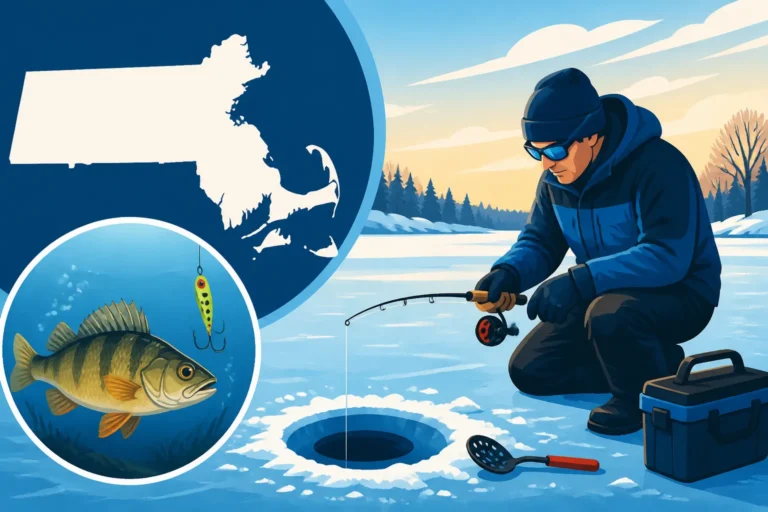
When the surface freezes solid, it changes everything. Fish patterns shift, and the angler's approach becomes a precise, almost meditative dance. You're not casting and retrieving long distances; instead, you're focused on a small, isolated hole, jigging baits or watching tip-ups, waiting for that subtle twitch that signals a bite. This intimate style of fishing allows for a different kind of connection to the water and the fish, often providing a peaceful escape from the everyday.
Moreover, ice fishing can be incredibly social. Imagine bundling up with friends or family, sharing hot coffee or cocoa, and cheering each other on as a flag pops up. It's a fantastic way to spend quality time outdoors, especially with younger anglers who might enjoy the novelty and the hands-on nature of tending tip-ups. Many of these ponds are nestled in state parks or conservation areas, offering picturesque winter landscapes that enhance the entire experience, making it more than just about the catch.
Challenges and Rewards of Urban Ice Fishing
Let's be real, ice fishing near a city like Boston isn't without its challenges. The biggest one, of course, is finding safe ice. Urban ponds can be susceptible to warmer microclimates, fluctuating water levels, and runoff that can affect ice formation and stability. It requires a diligent approach to safety, which we'll delve into later. Another challenge can be parking and accessibility, as some popular spots might have limited winter access. However, the rewards far outweigh these hurdles.
The sheer convenience of being able to hit the ice without a multi-hour drive is a huge plus. You can often squeeze in a morning or afternoon session without dedicating an entire day to travel. Furthermore, many of these ponds are well-stocked, or naturally teeming with robust populations of panfish, pickerel, and bass, providing plenty of action even on shorter outings. The joy of pulling a vibrant yellow perch or a feisty pickerel through a hole in the ice, with the Boston skyline (or at least its surrounding suburbs) in the distance, is a unique reward in itself. It proves that you don't need to venture deep into the wilderness to find excellent fishing opportunities.
Top Ponds for Ice Fishing in the Greater Boston Area
Now, let's talk about where you can actually drop a line! While ice conditions can vary wildly year to year and even week to week, these ponds consistently offer some of the best opportunities for ice fishing within a reasonable drive of Boston. Always, always check local conditions and ice thickness before heading out.
Walden Pond, Concord
Walden Pond, nestled in Concord, is more than just a literary landmark; it's a fantastic spot for ice fishing, particularly for those targeting trout. This deep, crystal-clear pond offers a unique challenge and a rewarding experience for hardwater anglers. While it might not boast the sheer numbers of panfish that some shallower ponds do, the quality of the trout fishing here is renowned.
Anglers often target rainbow and brown trout that are stocked in the spring and fall. The clear water means that subtle presentations are key, and using lighter lines and smaller jigs or spoons can make a big difference. Many ice anglers enjoy the peaceful, almost spiritual atmosphere of fishing on Walden Pond, a sentiment undoubtedly shared by Henry David Thoreau himself. You'll want to layer up, as the open expanse can be quite exposed to winter winds, but the chance to catch a beautiful trout in such an iconic setting makes it well worth the trip.
Lake Cochituate, Natick
A short drive west of Boston, Lake Cochituate in Natick is a large, diverse body of water composed of three basins: North, Middle, and South. This variety means different fishing experiences, but all offer solid ice fishing potential for a range of species. Lake Cochituate is particularly popular for its healthy populations of largemouth bass, chain pickerel, yellow perch, and black crappie.
The shallower coves and weed lines within each basin are prime locations to set up your tip-ups for pickerel and bass, while deeper holes can hold schools of perch and crappie. Its size means you can find quieter spots even when others are out, and the access points are generally good. Just be mindful of ice conditions, especially around the bridges connecting the basins, where currents can create thinner ice. For those looking for a mix of panfish and predatory species, Lake Cochituate offers ample opportunity for a successful day on the hardwater.
Ashland State Park, Ashland
Ashland State Park, centered around Ashland Reservoir, is another excellent option for ice anglers seeking a productive and accessible spot near Boston. This reservoir offers good fishing for largemouth bass, chain pickerel, perch, and occasionally some stocked trout. Its relatively easy access and open areas make it a popular choice for families and beginners.
The contours of the reservoir provide various depths and structures to explore. Anglers often find success targeting shallower areas with weeds for pickerel and bass, or drifting jigs and small baits in slightly deeper sections for panfish. Like most reservoirs, ice conditions can be affected by inflow and outflow, so constant vigilance regarding ice thickness is paramount. The park setting itself, with its winter trails and peaceful environment, adds to the overall enjoyment of an ice fishing trip here, offering more than just the fishing itself.
Wompatuck State Park Ponds, Hingham
Heading south of Boston, Wompatuck State Park in Hingham offers several smaller ponds that can provide fantastic ice fishing, especially for panfish. While not as large or deep as some of the other options, these ponds often freeze solid earlier and offer consistent action for yellow perch, bluegill, and sometimes pickerel. These smaller bodies of water are ideal for a relaxed day of fishing, perfect for introducing kids to the sport or for anglers who prefer a more intimate setting.
The ease of access and the relatively sheltered nature of these ponds make them appealing. You might not find trophy-sized fish here, but the consistent bites from panfish can keep the excitement high. Remember to spread out your tip-ups and try different depths until you find where the fish are holding. Always consult local regulations for specific pond rules within state parks, as they can sometimes vary. For a pleasant, low-key ice fishing experience with good panfish action close to the South Shore, Wompatuck's ponds are certainly worth considering.
Here's a quick overview of some of these excellent ice fishing destinations:
| Pond Name | Location | Primary Species Targeted | Notes |
|---|---|---|---|
| Walden Pond | Concord | Rainbow Trout, Brown Trout | Deep, clear water; excellent for trout. Iconic, peaceful setting. |
| Lake Cochituate | Natick | Largemouth Bass, Pickerel, Perch, Crappie | Large, diverse lake with multiple basins; good species variety. |
| Ashland State Park | Ashland | Largemouth Bass, Pickerel, Perch, Stocked Trout | Reservoir setting; good accessibility and mixed bag potential. |
| Wompatuck State Park | Hingham | Yellow Perch, Bluegill, Pickerel | Smaller, sheltered ponds; great for panfish and family outings. |
Essential Gear and Safety Tips for Boston Ice Anglers
Successfully and safely enjoying ice fishing near Boston isn't just about knowing where to go; it's also about being properly equipped and understanding the critical importance of ice safety. A little preparation goes a long way in ensuring your day on the hardwater is fun and memorable for all the right reasons.
Your Ice Fishing Arsenal
Having the right gear makes a huge difference in comfort, efficiency, and success. You don't need to break the bank to get started, but investing in a few key items will pay dividends. First and foremost, you'll need an ice auger to drill holes. Manual augers are great for beginners and lighter use, while powered augers (gas or electric) make quick work of thicker ice. Next, consider your fishing setup: short ice fishing rods with sensitive tips are perfect for jigging, or you can opt for tip-ups, which allow you to fish multiple holes simultaneously with minimal effort, especially effective for species like pickerel or larger bass. You can find a wide array of options for both Best Ice Fishing Gear for Massachusetts Winters online or at local tackle shops.
Beyond the actual fishing equipment, don't forget the essentials for comfort and safety. A sturdy sled or bucket for hauling your gear, a comfortable portable chair, and a shelter (like a pop-up ice shanty) can dramatically improve your experience on windy or very cold days. For baits, small jigs tipped with wax worms, mealworms, or small shiners are often irresistible to panfish and trout, while larger shiners on tip-ups are excellent for predatory species. Having a small tackle box with a variety of lures and baits is always a good idea. Remember, the goal is to make your time on the ice enjoyable, so don't skimp on the little things that add to your comfort. You can often find great deals on specialized ice fishing gear, from augers to tip-ups and warm layers, on platforms like Amazon.
Prioritizing Ice Safety Above All Else
This is not just a suggestion; it's a non-negotiable rule. Ice safety is paramount, especially on ponds closer to urban areas where conditions can be more unpredictable. The general rule of thumb is a minimum of 4 inches of clear, solid ice for foot traffic, and even more for groups or equipment like ATVs. However, this is just a guideline, and conditions can vary drastically across a single body of water due to springs, currents, or varying depths. Always exercise extreme caution. You can learn more about Massachusetts Ice Fishing Safety and Ice Thickness through official resources.
Before you even step foot on the ice, check with local bait shops or online forums for current ice conditions. When you arrive, always spud your way out from shore with an ice spud or a heavy chisel to check the thickness as you go. Never fish alone, and always tell someone where you're going and when you expect to return. Carry safety gear like ice picks (worn around your neck for easy access), a rope, and a whistle. Avoid areas around inlets, outlets, bridges, and aerators, as these spots are notorious for weak or unstable ice. Dress in layers, wear waterproof outer clothing, and consider flotation suits for added peace of mind. A portable charger for your phone is also a smart idea, as cold weather can drain batteries quickly. Being safe allows you to focus on the joy of fishing.
Understanding Massachusetts Ice Fishing Regulations
Just like any other form of fishing in the Bay State, ice fishing comes with its own set of rules and regulations. Navigating these can sometimes feel like a chore, but they're in place to protect our precious natural resources and ensure everyone can enjoy fishing responsibly. Getting familiar with them before you head out is crucial.
Licensing Requirements and Statewide Rules
First things first: you need a valid fishing license. For freshwater ice fishing, a Massachusetts freshwater fishing license is required for anyone 15 years of age or older. This is a common point of confusion, but yes, even when the water is frozen solid, that license is essential. You can easily purchase your Massachusetts Fishing License Guide online through the MassFishHunt system, or at various authorized vendors. This license contributes directly to the conservation and management of our fisheries, ensuring there are plenty of fish for future generations to catch.
Beyond the license, there are statewide rules that apply to ice fishing. These include limitations on the number of lines or tip-ups you can use simultaneously. Generally, anglers are allowed up to five devices (a combination of jigging rods and tip-ups) at one time. It’s also crucial to remember that all lines must be under the immediate control of the angler, meaning you can't just set up tip-ups and wander off far from them. There are also specific rules about bait, particularly regarding the use of live bait, to prevent the spread of invasive species. Always carry proof of your license, whether it's a physical copy or an electronic version on your phone, as wildlife officers can and do check.
Pond-Specific Regulations and Catch Limits
While general statewide rules apply, it's vital to remember that some ponds or bodies of water may have specific, localized regulations. These might pertain to tackle restrictions, bait choices, or even specific seasons for certain species. For instance, some ponds might be designated "trout management waters" and have different rules regarding trout size and bag limits, or even a different closed season. Always consult the most current Massachusetts Fishing Regulations Pamphlet, Explained published by MassWildlife before heading to any new body of water. This pamphlet is an invaluable resource and should be your go-to guide.
Furthermore, catch and possession limits for various species are strictly enforced. For example, there are specific Massachusetts Freshwater Daily Catch Limits for species like bass, trout, and pickerel, which can vary depending on the body of water. It's not enough to simply know what fish you're catching; you also need to know if it's a keeper and how many you're allowed to keep. Ignorance of the law is never an excuse, and penalties for violations can include fines and even loss of fishing privileges. Taking the time to understand these rules ensures you're fishing legally and helping to maintain the health of our aquatic ecosystems for everyone.
Disclaimer
This article is for general informational purposes only and does not constitute professional advice. Laws, prices and regulations vary by location and change over time. Consult a qualified professional for guidance on your specific situation.