Best Ice Fishing Gear for Massachusetts Winters
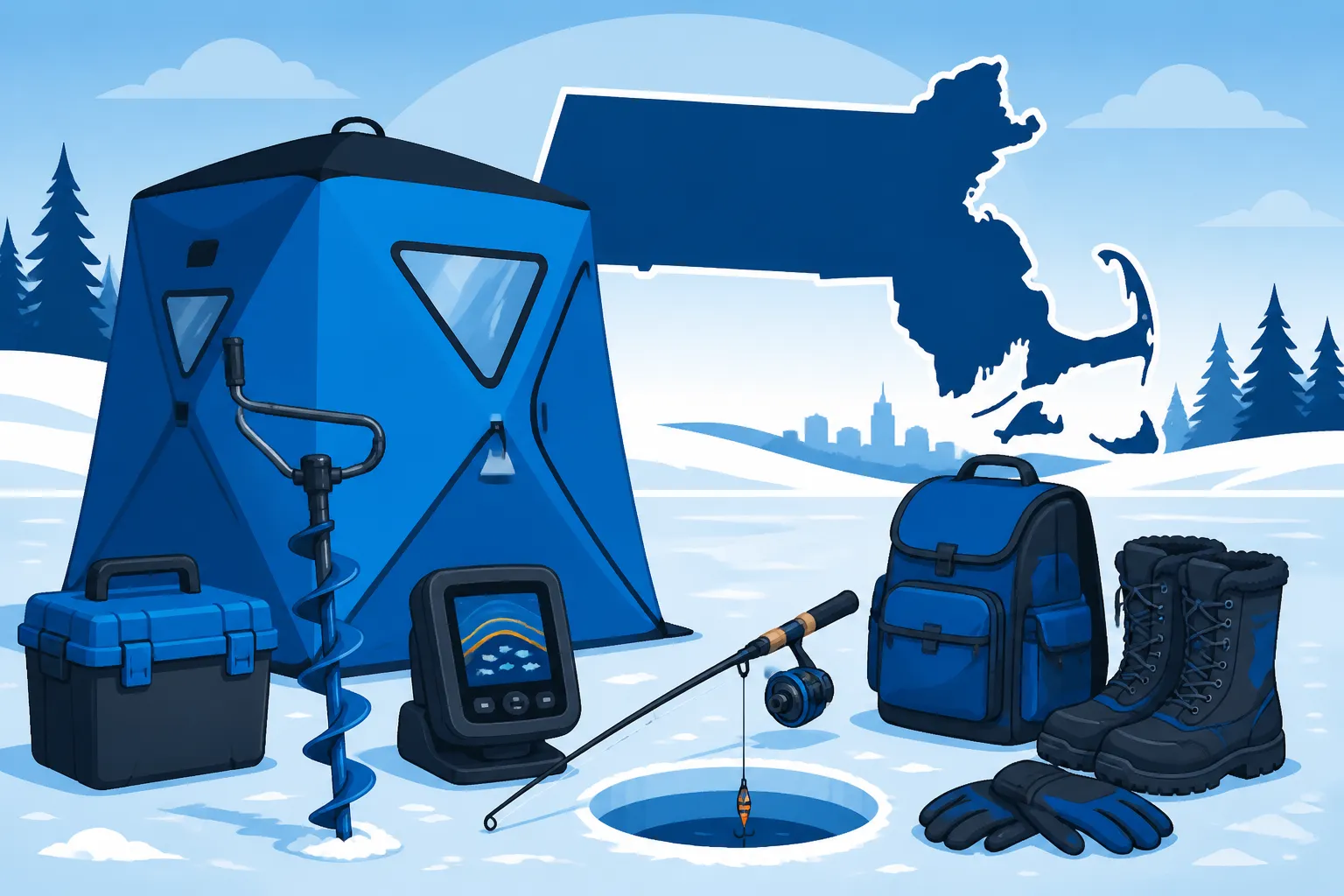
The crisp, clean air of a Massachusetts winter can be incredibly invigorating, but let's be honest, staring down a hole in the ice when you're not properly prepared can quickly turn from an adventure into a shivering, frustrating ordeal. Many anglers feel the pull of the hard water season, yet hesitate because they're unsure what gear truly makes a difference in staying warm, safe, and actually catching fish. This comprehensive guide will strip away the guesswork, detailing all the essential ice fishing gear you need to confidently tackle Massachusetts winters, from crucial safety equipment to specialized rods, reels, and the electronics that'll put you on the fish.
Prioritizing Safety Gear on the Ice
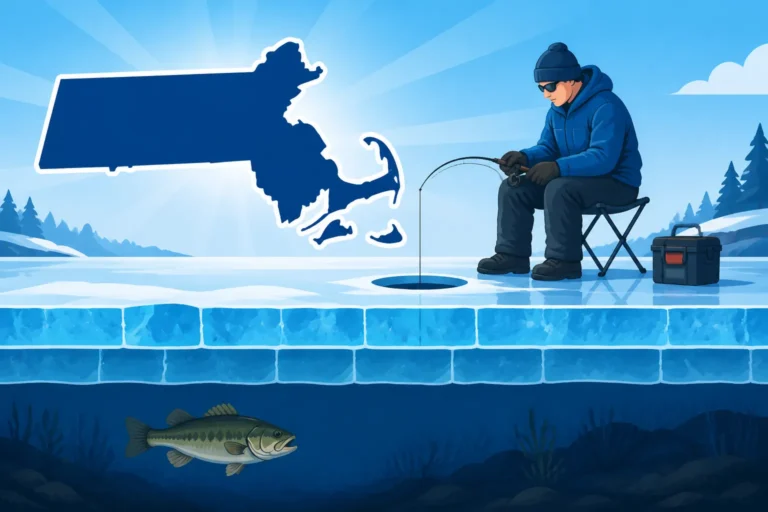
Venturing onto frozen lakes and ponds in Massachusetts demands respect for the ice. The conditions can change quickly, and what looks solid from shore might tell a different story just a few yards out. Never take shortcuts when it comes to safety on the hard water. It's not just about protecting yourself, but also ensuring that if something unexpected happens, you're equipped to handle it. Many experienced anglers in our region have a healthy dose of caution, having witnessed or experienced close calls due to unpredictable ice.
Essential Safety Tools
When you're out there, a few small, inexpensive items can make all the difference. First and foremost, you absolutely need a pair of ice picks. These aren't just for decoration; they're life-saving tools. Worn around your neck and tucked into your sleeves, these sharp spikes allow you to pull yourself out of the water if you fall through. Imagine the sheer panic and struggle of trying to grip slick, frozen ice with numb fingers – picks give you purchase, potentially preventing a hypothermic tragedy. They're like a seatbelt; you hope you never need them, but you'll be eternally grateful if you do.
Another non-negotiable item is a spud bar. Before you take a single step onto unfamiliar ice, or venture into a new area of a familiar pond, you should be using a spud bar. This heavy chisel-tipped tool allows you to test the ice ahead of you with a forceful jab. If it breaks through easily, you know the ice is unsafe. It's a much safer way to assess ice thickness than just walking blindly, especially early in the season or around inlets and outlets where currents can thin the ice from below.
While often overlooked, wearing a personal flotation device (PFD) or a specialized flotation suit is a wise move, especially when fishing alone or in early/late season conditions. Even if the ice feels solid, unexpected weak spots can exist, and having that extra buoyancy can keep your head above water, conserving critical body heat and giving you precious time to self-rescue or await help. Flotation suits, like those from brands such as Striker Ice or Clam, offer insulation and built-in flotation, providing dual benefits. Finally, always carry a loud whistle and ensure your cell phone is fully charged and stored in a waterproof bag. If you're with a group, establish a plan for staying within earshot or visual range, especially in white-out conditions or on large bodies of water. The ability to signal for help is paramount. For more detailed information on staying safe, be sure to check out our guide on Massachusetts Ice Fishing Safety and Ice Thickness.
Understanding Ice Thickness and Conditions
Massachusetts ice is notoriously unpredictable. Just because a pond froze solid last night doesn't mean it's uniformly safe everywhere. General guidelines suggest at least 4 inches of clear, solid ice for foot travel, 5-7 inches for snowmobiles or ATVs, and 8-12 inches for small vehicles. However, these are just guidelines, not guarantees. Many anglers in the Bay State have learned the hard way that "good" ice can quickly turn "bad."
Several factors drastically impact ice safety in Massachusetts. Fresh snow can insulate the ice, preventing it from thickening, and can also hide dangerous slush pockets or thin spots. Areas with current, like river inlets and outlets, or even underwater springs, will have significantly weaker ice. Larger bodies of water, like some of the bigger lakes in Central Massachusetts, tend to freeze later and are more susceptible to wind and waves that can break up ice sheets. Always be vigilant around structures like docks, rocks, or bridge abutments, as these can absorb heat and create weak spots. Regularly spudding and observing the ice for color changes (darker ice often indicates thinner ice) are crucial habits. It's a continuous assessment, not a one-and-done check. Always check local ice reports or talk to experienced anglers who know the specific body of water you plan to fish.
Staying Warm and Dry: Clothing and Shelter Essentials
The biggest battle in Massachusetts ice fishing isn't always with the fish; it's often with the elements. Nothing will send you packing faster than being cold and wet. Investing in proper clothing and shelter isn't a luxury; it's a necessity for enjoying your time on the ice. The key to enduring those frigid New England days lies in layering and having a warm haven to retreat to.
Layering for Massachusetts' Variable Cold
Massachusetts winters can throw anything at you, from relatively mild, sunny days to brutal, windy blizzards. This is why layering is the absolute cornerstone of ice fishing attire. You need the flexibility to add or shed layers as conditions and your activity level change. The cardinal rule of winter outdoor activity is: no cotton. Cotton absorbs moisture and holds it against your skin, making you feel colder faster once you start to sweat or get damp.
Start with a quality base layer. This is your first line of defense, designed to wick moisture away from your skin. Synthetic materials like polyester or natural fibers like merino wool are excellent choices. Merino wool, available from many reputable brands on Amazon, is a personal favorite because it excels at wicking, insulates even when damp, and has natural odor-resistant properties, which is a bonus for those longer trips. Your base layer should fit snugly but not restrictively. For your mid-layers, focus on insulation. Fleece jackets, down vests, or insulated synthetic pullovers trap warm air, providing critical warmth. You might wear one or two mid-layers depending on the temperature. Finally, your outer layer is your shield against wind, snow, and slush. Look for something truly windproof and waterproof, yet breathable to prevent overheating. Brands like Columbia or ArcticShield offer excellent outer shells designed for extreme cold. Think of it as your personal force field against the elements.
Footwear, Headwear, and Hand Protection
Your extremities are the most vulnerable to frostbite and heat loss, so protecting them is paramount. For your feet, forget your everyday boots. You need heavily insulated, waterproof ice fishing boots with excellent traction. Brands like Muck Boots, Baffin, or Kamik are popular choices among Massachusetts anglers for their ability to keep feet toasty even when standing on ice for hours. Look for boots rated for temperatures well below freezing, and consider sizing up slightly to accommodate thick wool socks without restricting circulation. Nobody wants cold feet on the ice, as that's usually the first sign it's time to pack it in.
Your head is a major source of heat loss, so a warm hat is non-negotiable. A fleece-lined beanie, a wool cap, or even a trapper hat with ear flaps will make a huge difference. On particularly windy days, or if you're out on the ice exposed to the elements, a balaclava or neck gaiter can protect your face and neck from biting winds. When it comes to hands, it's a constant struggle between warmth and dexterity. Many anglers opt for a system: a pair of thin, warm liner gloves for fine motor tasks (like tying knots) covered by larger, insulated, waterproof mittens or flip-mitts. Brands like IceArmor or Simms make excellent options that balance these needs. Keeping an extra pair of dry gloves or mittens in your shelter is always a good idea, as wet hands get cold incredibly fast.
Portable Shelters and Heaters
For many, a major game-changer for comfortable ice fishing in Massachusetts is a portable ice fishing shelter. These come in two main styles: pop-up hub-style shelters and flip-over shelters. Pop-up shelters, like those from Eskimo or Clam, offer ample space for multiple anglers and gear, providing a significant wind break and a cozy environment when combined with a heater. Flip-over shelters, often mounted on a sled, are designed for mobility and quick setup, perfect for solo anglers or pairs who like to move around to find fish. Both styles provide crucial protection from brutal winds and snow squalls, making long days on the ice not just tolerable, but genuinely enjoyable.
And what's a shelter without a heat source? A portable propane heater is a must-have for turning your shelter into a warm sanctuary. The Mr. Heater Buddy series is almost universally recognized and loved by ice anglers for its reliability and efficiency. Remember to always ensure adequate ventilation to prevent carbon monoxide buildup, and never leave a heater unattended. These heaters run on small 1-lb propane tanks, but adapters are available to connect them to larger 20-lb tanks for extended use. Having a warm place to dry off your gloves, warm up your hands, and enjoy a hot cup of coffee truly elevates the entire ice fishing experience.
The Tools of the Trade: Rods, Reels, and Line
Once you're safe and warm, it's time to focus on the actual fishing! Ice fishing rods, reels, and lines are specialized tools, designed to perform optimally in freezing temperatures and for the unique challenges of vertical jigging through a small hole. Using your open-water gear for ice fishing just won't cut it.
Choosing the Right Ice Rods
Ice fishing rods are typically much shorter than their open-water counterparts, usually ranging from 24 to 36 inches. This shorter length is practical for fishing inside a small shelter and for the vertical presentation required. However, the action and power of the rod still vary significantly depending on your target species in Massachusetts. For delicate panfish like perch and crappie, a ultra-light or light action rod with a very sensitive tip (often called a "spring bobber" or "noodle" tip) is ideal for detecting subtle bites. When targeting larger species like northern pike or even substantial largemouth bass, you'll want a medium to medium-heavy action rod with more backbone to handle stronger fights.
Most ice rods are made from graphite or fiberglass. Graphite offers superior sensitivity, allowing you to feel even the lightest nibbles, which is critical when fish are lethargic in cold water. Fiberglass, while less sensitive, is incredibly durable and more forgiving, making it a good choice for beginners or for techniques where brute strength is more important than finesse. Look for rods with comfortable cork or foam handles that remain grippy even with cold, wet hands. Many brands, including Clam, 13 Fishing, and Fenwick, offer excellent ice fishing rod options.
Reels Built for the Cold
Your reel needs to withstand freezing temperatures without seizing up. Standard open-water spinning reels can work, but specialized ice fishing reels offer advantages. For jigging, small spinning reels (500-1000 size) are common, but ensure they have a smooth, reliable drag system that won't freeze. High-quality grease and lubricants designed for cold weather are a must. Some anglers prefer inline reels, which are popular for their ability to eliminate line twist, a common nuisance with spinning reels, especially when using small jigs. Brands like 13 Fishing and No. 8 Tackle offer popular inline ice reels.
Regardless of the type, look for reels with an extended reel stem or a larger handle knob that's easier to grip with gloves on. Some reels even feature larger anti-reverse levers that are easier to manipulate when your hands are cold. The key is smooth operation. You don't want a sticky drag or a frozen bail wire when you've finally hooked that trophy fish from the cold waters of a Massachusetts lake.
Ice Fishing Line Selection
Line selection for ice fishing often boils down to balancing strength, low stretch, and resistance to freezing. Monofilament line is a classic choice. It's affordable, has some stretch (which can be good for absorbing headshakes), and is relatively easy to handle in the cold. However, it can absorb water and become brittle or prone to memory in extreme cold. For panfish, 2-4 lb test monofilament is usually sufficient.
Fluorocarbon line is increasingly popular. It's nearly invisible underwater, has low stretch for good sensitivity, and is highly abrasion-resistant. It doesn't absorb water like mono, making it more resistant to freezing. Many anglers will use a small diameter fluorocarbon leader with a braided main line. Speaking of braided line, it offers extreme sensitivity and strength with virtually no stretch. This is excellent for feeling subtle bites in deep water. The downside is that braided line can absorb water and freeze, making it stiff and difficult to work with. Some manufacturers offer "ice braid" specifically designed to resist water absorption. A common setup in Massachusetts is to use 4-8 lb test braided line as a main line with a 2-4 lb fluorocarbon leader, especially for finicky trout or crappie. When targeting pike or pickerel, you might jump up to 8-12 lb braid with a heavier fluorocarbon or even steel leader to prevent bite-offs. Don't forget to review the current Massachusetts Freshwater Daily Catch Limits for any species you intend to target.
Augers, Tip-Ups, and Transducers: Drilling and Detecting
This is where the real work (and fun!) of ice fishing begins. You need to get through the ice and then find the fish. The right tools for drilling holes and locating fish can drastically improve your success rate on the frozen waters of Massachusetts.
Augers for Effortless Ice Drilling
Unless you enjoy a strenuous workout in freezing temperatures, a good auger is your best friend. There are three main types, each with its advantages.
Manual augers are the most basic and affordable. They work best for thinner ice (under 12 inches) or if you only plan to drill a few holes. They're lightweight and don't require fuel or batteries, making them reliable. However, drilling many holes, especially in thick Massachusetts ice, can be exhausting.
Propane or gas-powered augers offer power and speed, capable of cutting through thick ice with ease. They're loud and require fuel, but are fantastic for drilling many holes quickly. Brands like Eskimo and Jiffy are well-known for their robust gas augers.
Electric augers have surged in popularity in recent years. They're quiet, environmentally friendly (no fumes), and incredibly powerful, often capable of drilling dozens of holes on a single charge. They are heavier than manual augers but lighter than most gas models. Companies like ION and Strikemaster dominate this market. The choice depends on how many holes you plan to drill, the typical ice thickness you encounter, and your budget. Regardless of the type, keep your blades sharp; dull blades make every auger a pain to use. Knowing how to maintain your blades will save you a lot of frustration and effort when you're out on the ice.
Here's a quick comparison of popular auger types:
| Auger Type | Noise Level | Weight (Typical) | Speed (Ice Drilling) | Cost Range | Maintenance |
|---|---|---|---|---|---|
| Manual | Very Low | Light | Slow | Low | Blade sharpening |
| Propane/Gas | High | Heavy | Fast | Medium-High | Fuel, oil, spark plug, blade sharpening |
| Electric | Low | Medium | Fast | High | Battery charging, blade sharpening |
Mastering Tip-Ups for Multi-Rod Fishing
In Massachusetts, anglers are often allowed to fish with multiple lines (check current regulations for specific numbers), and tip-ups are the perfect tool for this. A tip-up is a simple device that sits over a drilled hole. It suspends a baited line in the water, and when a fish bites, a flag "tips up," signaling a strike. This allows you to cover more water and target different depths simultaneously.
There are various types of tip-ups, from traditional wooden designs to more advanced plastic models with thermal covers that prevent holes from freezing over. Setting them up correctly is key: ensure your bait is at the desired depth, and the trip mechanism for the flag is sensitive enough to detect bites but not so sensitive that it flags on its own due to wind or bait movement. Tip-ups are incredibly effective for targeting larger, cruising fish like pike and pickerel in Massachusetts ponds, often rigged with live shiners. Learning How to Catch Pickerel Through the Ice using tip-ups can greatly increase your success.
The Advantage of Sonar and Underwater Cameras
Modern electronics have revolutionized ice fishing. A sonar flasher is arguably the most valuable piece of ice fishing technology you can own. Devices like the Vexilar FL-8 or Marcum LX-7 provide a real-time, illuminated display of what's directly beneath your hole: your jig, the fish, and the bottom structure. This allows you to see fish approaching your bait, gauge their reaction to your presentation, and adjust your technique on the fly. It's like having X-ray vision into the underwater world and significantly reduces guesswork, especially when you're trying to locate fish holding tight to the bottom or structure.
For the budget-conscious, many portable fish finders (often designed for kayaks or small boats) can be adapted for ice fishing by purchasing an ice transducer. Some even come with built-in GPS, allowing you to mark productive spots for future trips. For a truly immersive experience, an underwater camera can be fascinating. Brands like Aqua-Vu allow you to visually observe fish behavior, identify species, and even see how they react to your bait. While not as practical for actively fishing as a flasher, an underwater camera can be an incredible educational tool and provide entertainment during slower periods on the ice, letting you witness the underwater world of many Massachusetts Freshwater Fish Species.
Baits, Lures, and Tackle Box Essentials
Having the right baits and lures is crucial for enticing fish in the cold, often lethargic conditions of Massachusetts winter. What works in open water might not be as effective when fish metabolism slows down. And a well-organized tackle box means less fumbling with cold hands.
Live Bait for Massachusetts Ice Fishing
Live bait is often the most effective offering for many species under the ice, especially when fish are less active. Shiners are king for targeting predatory fish like northern pike, chain pickerel, and even larger trout. Small shiners are excellent for jigging, while larger ones are irresistible on a tip-up for those bigger game fish in ponds all over the state, especially those listed in our guide to the Best Ice Fishing Ponds in Massachusetts. Always check regulations regarding baitfish usage and transport.
Worms, particularly mealworms or spikes (maggots), are incredibly versatile for panfish like yellow perch, bluegill, and crappie. They offer a natural scent and subtle movement that can trigger bites from finicky fish. Wax worms are another popular choice, known for their durability and attractiveness to a wide range of panfish species. Keeping your live bait alive and active in freezing temperatures is critical, so invest in a good insulated bait bucket with an aerator. You can find excellent options for live bait containers and aerators on Amazon.
Artificial Lures for Different Species
While live bait often shines, artificial lures have their place, especially for active jigging. Jigging spoons are a staple for ice fishing. Their flashing and wobbling action mimic dying baitfish, attracting aggressive fish like perch, trout, and even bass. Spoons come in various sizes and colors, and tipping them with a live or artificial bait can significantly increase their appeal.
For panfish, small tungsten jigs are incredibly effective. Tungsten is denser than lead, allowing for a smaller profile lure that still sinks quickly. These tiny jigs, tipped with a wax worm, spike, or small plastic, are perfect for finesse presentations to detect the subtlest of bites. Small plastic lures, such as micro soft plastics that imitate insects or small minnows, can also be deadly when fished on a small jig head. Experiment with different colors; sometimes a bright chartreuse will outperform a natural silver, especially in stained water, while more natural patterns work better in clear water. Understanding the Massachusetts Trout Stocking Schedule can help you predict where and when certain trout species will be available for targeting with these lures.
The Must-Haves in Your Tackle Box
A well-stocked and organized tackle box is crucial for efficiency, especially when your fingers are numb. Beyond your chosen baits and lures, here's a list of tackle box essentials:
- Pliers: Long-nose pliers for hook removal, especially from toothy critters like pickerel, and side cutters for snipping wire or heavy line.
- Line Clippers: Small, sharp clippers are indispensable for clean line cuts.
- Hook File/Sharpener: Sharp hooks are critical for good hook sets, especially when fish are biting lightly.
- Extra Hooks and Swivels: Have a variety of sizes to match your lures and bait.
- Split Shot/Sinkers: For adjusting bait depth or adding weight to your line.
- Tip-up line and Leaders: Pre-tied leaders or materials to tie your own, especially wire leaders for toothy fish.
- Small Flashlight/Headlamp: Essential for early morning, late evening, or checking tip-ups in the dark.
- Hand Warmers: Chemical hand warmers are a luxury that feels like a necessity on bitter days.
- Small First-Aid Kit: Basic essentials for minor cuts or scrapes.
Consider a small, portable tackle box that's easy to carry and can fit inside your shelter. Look for models with adjustable compartments to keep everything neatly organized. Having your gear sorted means less time fumbling and more time fishing. You can find a vast selection of tackle boxes suitable for ice fishing on Amazon, ranging from compact utility boxes to larger multi-tray organizers.
Disclaimer
Fishing conditions and regulations in Massachusetts can change rapidly. Always consult the latest Massachusetts Division of Fisheries and Wildlife (MassWildlife) regulations before heading out on the ice. This guide is for informational purposes only and does not supersede official government regulations. Always prioritize safety and exercise caution when ice fishing.