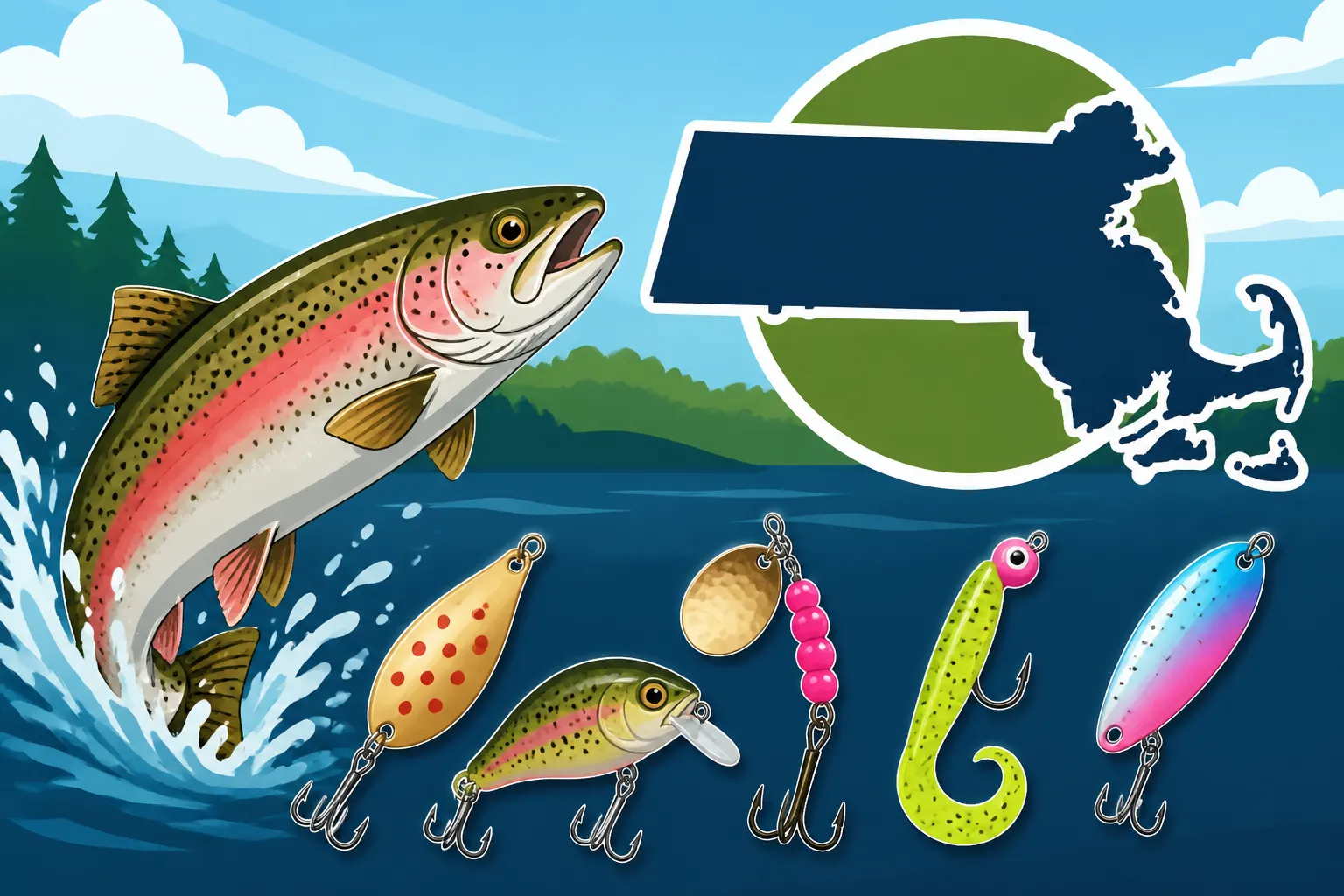
Best Lures for Stocked Trout in Massachusetts
It's incredibly frustrating, isn't it? You've heard the trucks, seen the MassWildlife reports, and know those fresh trout are in the water, but then you spend hours casting with no luck. Stocked trout, especially those newly introduced to a pond or river, can be notoriously picky, often ignoring what seems like the perfect offering. This comprehensive guide will cut through the confusion and equip you with the best lures and techniques to consistently entice those finicky, freshly stocked trout in Massachusetts.
Understanding Stocked Trout Behavior
Before we even talk about specific lures, it's vital to understand the "psychology" of a stocked trout. They're not wild, stream-born predators, and expecting them to behave like one can lead to a lot of wasted time and frustration.
Why Stocked Trout Are Different
Most of the trout MassWildlife introduces into our waters are hatchery-raised, primarily rainbows, brookies, and browns. These fish have spent their entire lives in a controlled environment, accustomed to a steady diet of pellets. They haven't had to hunt for their food, chase down minnows, or instinctively react to the subtle movements of insects. Their world has been predictable and food has been abundant.
When they're released into a new pond or stream, it's a huge change. They're disoriented, stressed, and often school up in tight groups, especially in the immediate aftermath of stocking. They're also not initially conditioned to natural forage, which means a lure that perfectly imitates a local minnow might be completely ignored simply because it's an unfamiliar food source. This is why sometimes the simplest, most unnatural-looking baits can be incredibly effective.
Key Factors Influencing Lure Choice
Choosing the right lure isn't just about what's in your tackle box; it's about matching your offering to the specific conditions and the current mood of the trout. The water these fish are stocked into can vary wildly, from crystal-clear mountain streams to murky urban ponds.
Firstly, water clarity plays a huge role. In clear water, natural colors, smaller presentations, and less flash are often more effective. The trout can see your line, your hardware, and any imperfections, making them warier. Conversely, in stained or turbid water, brighter colors, more flash, and stronger vibrations are necessary to get noticed. You need to present something that stands out in limited visibility. Think about how Massachusetts Trout Stocking Schedule varies, and how different bodies of water respond to these changes.
Secondly, light conditions matter. On bright, sunny days, metallic lures with too much flash can spook fish or appear unnatural. Matte finishes, natural colors, or even darker lures can be better. On overcast days, or in low-light conditions like dawn and dusk, brighter, more reflective lures, or even those with glow properties, can be highly effective. The depth you're fishing at also impacts light penetration, so a bright lure might be perfect deeper down, even on a sunny day.
Lastly, don't forget water temperature and current. Trout are cold-water fish, and their activity levels fluctuate with temperature. In colder water, slower, more subtle presentations are key. As the water warms, they become more active and willing to chase. Current, especially in rivers, dictates how you present a lure, often requiring upstream casts to drift naturally or heavier lures to get down. The sheer number of anglers also contributes to fishing pressure, making trout more cautious over time.
Spinner Lures: The Classic Choice
If there's one category of lure that has probably caught more stocked trout than any other, it's the spinner. They're simple, effective, and require minimal technique to get results.
Inline Spinners
Inline spinners are a staple in any trout angler's tackle box, and for good reason. They feature a revolving blade that creates flash and vibration, mimicking a small, struggling baitfish or an insect. Brands like Mepps, Panther Martin, and Rooster Tail are iconic for a reason – they consistently produce. Their appeal lies in their ability to call out to fish using both sight and sound, two senses that even hatchery-raised trout can't ignore. The constant rotation of the blade sends out pulses that trout can detect through their lateral line, often drawing them in from a surprising distance.
For Massachusetts stocked trout, sizes #0 through #2 are generally the sweet spot. You want something small enough to appear like an easy meal but substantial enough to cast effectively. When it comes to colors, you can't go wrong with classic metallic finishes: silver, gold, and brass are universal producers. For added attraction, especially in stained water or on overcast days, patterns with chartreuse, white, black, or even bright orange accents often prove irresistible. Many anglers find excellent selections of these lures on platforms like Amazon or at local sporting goods stores.
The key to fishing inline spinners effectively is varying your retrieve. Start with a steady retrieve, just fast enough to get the blade spinning. If that doesn't work, try a stop-and-go retrieve, letting the spinner flutter down a bit between pauses. You can also vary your depth by letting the spinner sink for a few seconds before starting your retrieve, or by reeling faster to keep it higher in the water column. Experiment with different speeds and depths until you find what triggers a strike. Remember, a natural presentation is often less important than an enticing one for these hatchery fish.
Spoon Lures
Spoon lures, while perhaps not as universally popular as inline spinners for trout, are incredibly effective in their own right, especially for covering a lot of water or when trout are looking for a slightly different presentation. Spoons like the Kastmaster or Little Cleo are designed to wobble and flash erratically as they're retrieved, perfectly imitating a wounded baitfish struggling through the water. This erratic action, combined with the reflective surface, can be a potent combination for triggering aggressive strikes.
When targeting Massachusetts stocked trout with spoons, stick to smaller sizes, typically 1/8 to 1/4 ounce. Larger spoons can be too intimidating for these smaller fish and might not be perceived as a viable meal. In terms of finishes, silver, gold, and copper are always excellent choices, mirroring natural baitfish scales. However, don't shy away from spoons with painted patterns, especially those that mimic trout or perch, or even bright, fluorescent colors like chartreuse or orange on the back. For low-light conditions or deeper water, some spoons even feature glow-in-the-dark properties that can make a difference.
To fish spoons, you can cast them out and retrieve them steadily, allowing their natural wobbling action to do the work. Vary your retrieve speed – sometimes a slow, almost lazy wobble is best, while other times a faster, more erratic retrieve can draw a reaction strike. Spoons are also excellent for jigging, particularly if you're fishing from a boat or a pier. Let the spoon sink to your desired depth, then use sharp, upward jerks of your rod tip, letting the spoon flutter back down on a semi-slack line. The strikes often come on the fall, so pay close attention.
Soft Plastics and Jigs: Subtle Appeal
Sometimes, trout want something a little more subtle, something they can really mouth without suspicion, or something that simply smells good enough to eat. This is where soft plastics and jigs come into their own.
PowerBait and Scented Artificial Baits
For many anglers chasing stocked trout, especially right after a fresh stocking, nothing beats Berkley PowerBait. This isn't your granddad's worm; it's a moldable, scented dough bait specifically engineered to appeal to the pellet-fed palate of hatchery trout. Its bright colors and potent scent mimic their familiar food source while providing an easy target. Beyond the classic PowerBait Dough, you'll find PowerBait Eggs, Gulp! Alive! baits, and other scented offerings that are designed to be irresistible.
The beauty of PowerBait is its versatility in rigging. The most common method is to mold a small ball around a tiny treble hook (size 14-18) or a small single baitholder hook, ensuring the hook point is completely covered. Since PowerBait floats, it's often fished off the bottom with a small sinker, allowing the bait to suspend just above any weeds or debris. Many anglers will use a small bobber to suspend the PowerBait at a specific depth, especially when trout are cruising higher in the water column. You can easily find a wide range of colors and styles on Amazon.
Color selection can make a huge difference. Chartreuse, orange, and rainbow are perennial favorites for PowerBait, but don't underestimate the effectiveness of white, pink, or even natural browns and greens. Experiment with different colors until you find what the trout prefer on a given day. Sometimes, a subtle change from bright chartreuse to a more muted 'salmon peach' can be the difference between an empty stringer and a limit. These baits are designed for patience – cast them out, let them sit, and wait for the trout to find them. They're often fantastic for when trout are still a bit sluggish or when fishing pressure has made them cautious of moving lures.
Micro Jigs and Grub Tails
When trout are a bit more finicky, or when you're looking for a more active presentation than simply soaking PowerBait, micro jigs and tiny grub tails can be incredibly effective. These are small, weighted hooks with soft plastic bodies that mimic small aquatic insects, nymphs, or even tiny baitfish. Brands like Trout Magnet have popularized these diminutive lures, but any small jig head paired with a 1 to 2-inch curly tail grub or a straight-tail worm can work wonders. They offer a subtle profile and action that can be hard for even wary trout to resist.
The key with micro jigs is their small size and light weight. Jigs ranging from 1/64 ounce to 1/8 ounce are perfect, allowing for a slow, natural fall. As for colors, white, black, chartreuse, pink, and various shades of green or brown are excellent starting points. White and chartreuse often perform well right after stocking, while more natural colors can be better once the trout have acclimated a bit. Pairing the right jig head color (e.g., black head with a black grub, or a bright head with a bright grub) can also enhance the presentation. You can find these small lures in multi-packs on Amazon, which is a great way to build up your color arsenal.
Presenting micro jigs and grub tails requires a delicate touch. One very effective method is to suspend them under a small fixed or slip bobber, letting the jig hang motionless or drift naturally with the current or wind. Tiny twitches of the rod tip can impart subtle action. Another technique is a slow, steady retrieve with occasional pauses, allowing the grub's tail to flutter. For a more vertical presentation, jig them gently off the bottom, just enough to make them hop and fall, mimicking a feeding insect. This precise presentation, often effective for triggering bites, is also a great way to target fish where Massachusetts Freshwater Daily Catch Limits might apply.
Small Plugs and Crankbaits: Aggressive Bites
While often associated with bass, don't overlook the effectiveness of small plugs and crankbaits for stocked trout, especially when they become more aggressive or have settled into their new environment. These lures are designed to imitate baitfish with realistic profiles and enticing actions.
Minnow-Imitation Plugs
Minnow-imitation plugs are precisely what they sound like: small, hard-bodied lures designed to look and swim exactly like a small baitfish. Think of classics like the Rapala Original Floater or Countdown, or the slender Yo-Zuri Pin's Minnow. Their realistic profile, tight wobbling action, and ability to be twitched erratically make them deadly for trout that are actively feeding or have become more accustomed to chasing prey. They come in various diving depths, allowing you to target fish throughout the water column.
For stocked trout, you'll want to focus on smaller plugs, typically ranging from 1 to 3 inches in length. Any larger and they might seem too big for a trout to comfortably eat. Natural baitfish patterns, such as silver/black, gold/black, or a realistic trout pattern, are excellent choices. However, don't be afraid to experiment with brighter, more aggressive patterns like firetiger (bright green/orange/black) or clown (red/white/black), especially if the water is stained or if you're looking for a reaction strike.
Working these plugs effectively involves a blend of steady retrieves and erratic movements. Cast them out and begin a slow to moderate retrieve. Every few cranks, give your rod tip a sharp twitch or two, then pause briefly. This "twitch-pause" or "rip-stop" action makes the lure dart and pause, mimicking a wounded baitfish – an irresistible signal to a hungry trout. Pay attention to how the trout are reacting; sometimes a continuous, steady retrieve works best, while other times, a more aggressive, stop-and-go approach is needed. These are particularly good for exploring shorelines and drop-offs where bigger trout might be lurking.
Small Crankbaits
Beyond the slender minnow plugs, small crankbaits with more rounded profiles and prominent diving lips can also be fantastic for stocked trout. Lures like miniature Rapala Shad Raps or Berkley Flicker Shads are designed to dive quickly and produce a tight, high-frequency wobble that can be incredibly appealing. They're excellent for covering water quickly and for getting down to where the fish are holding, especially in slightly deeper ponds or slow-moving rivers.
Again, size is crucial here. Look for crankbaits in the 1 to 2-inch range. Anything much bigger will likely be ignored. Color choices can range from natural shad or crawfish patterns to bright, eye-catching hues like hot pink, chartreuse, or firetiger. The diving depth of these lures varies, so having a few that run at different depths (shallow divers for shorelines, medium divers for deeper sections) can be advantageous.
Crankbaits are often best fished with a steady retrieve, allowing their built-in action to do the work. The resistance of the diving lip against the water creates the signature wobble and vibration. However, you can also incorporate pauses or speed changes to add a little extra enticement. These lures are particularly effective when cast near cover like submerged timber or weed lines. In larger ponds, they can also be slowly trolled behind a kayak or small boat to cover expansive areas and find schooling fish.
Fly Fishing Favorites Even for Spin Anglers
Even if you're primarily a spin angler, there's no reason to ignore the proven effectiveness of fly patterns. With a little adaptation, many traditional flies can be incredibly productive when fished on spinning gear for stocked trout. This bridges the gap between traditional methods and modern approaches, letting you tap into the best of both worlds.
Woolly Buggers and Streamers
The Woolly Bugger is arguably one of the most versatile and effective fly patterns ever created. It mimics a wide array of trout forage, including leeches, baitfish, nymphs, and even crayfish. Its marabou tail undulates enticingly in the water, making it look alive and irresistible. Other streamer patterns, designed to imitate small fish, are also excellent choices for targeting aggressive trout. When you're thinking about Trout species Massachusetts stocks each year, these patterns often appeal to all of them.
For spin anglers, a Woolly Bugger or small streamer (hook sizes 8-12 are ideal) can be fished in a couple of ways. The easiest is to use a casting bubble (often called a "water bobber"). Fill the bubble with water to give it weight, tie it to your main line, and then attach a 2-4 foot leader of light fluorocarbon (4-6 lb test) to the back of the bubble. Tie your Woolly Bugger to the end of the leader. Cast it out and retrieve slowly, imparting small twitches with your rod tip to make the fly "swim." The bubble provides the necessary casting weight while keeping the fly at a desired depth.
Colors for Woolly Buggers and streamers are typically black, olive, brown, or white. Black and olive are particularly deadly, especially for mimicking leeches or darker baitfish. White can be excellent for imitating small shiners. Experiment with different colors and sizes. The key is to make the fly move in a natural, enticing way, rather than a robotic retrieve. This technique allows you to present a very subtle, natural-looking offering over long distances that would otherwise be impossible with just a lightweight fly.
Nymphs and Wet Flies
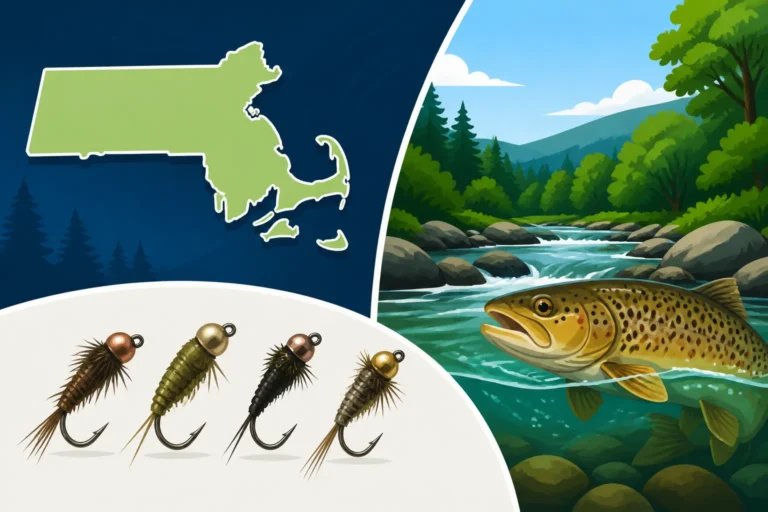
Nymphs and wet flies imitate the aquatic insect larvae and pupae that make up a significant portion of a trout's natural diet. While often thought of as purely fly fishing fare, spin anglers can present these tiny, lifelike imitations with great success, especially when trout are ignoring more aggressive lures or when the bite is slow. Think of patterns like the Pheasant Tail, Hare's Ear, or Prince Nymph. These flies are tied to be subtle, relying on natural materials and realistic profiles.
To fish nymphs or wet flies with spinning gear, you'll again turn to the trusty casting bubble or a very small, weighted float. Attach a 3-6 foot leader of light fluorocarbon (2-4 lb test is ideal here) to the bubble. Tie your nymph or wet fly to the end of the leader. Cast it out and let it drift naturally with the current or wind, slowly reeling in any slack. The goal is to imitate a free-drifting insect. You can also add a tiny split shot a foot or so above the fly to help it sink faster, especially if you suspect trout are holding deeper.
The presentation with nymphs and wet flies should be incredibly subtle. Avoid aggressive retrieves. Instead, focus on a dead drift or a very slow, almost imperceptible retrieve that just takes up slack. Watch your line and the casting bubble carefully for any twitch or pause – this often signals a strike, which can be very light and hard to detect. This method is particularly effective in streams or rivers where trout are naturally accustomed to feeding on drifting insects. Pairing these tiny patterns with very light line can be the secret weapon when other lures aren't producing.
Live Bait: The Ultimate Temptation
Sometimes, despite all the fancy lures and clever techniques, nothing beats the natural appeal of live bait. For stocked trout, especially those fresh out of the hatchery, live bait can often be the easiest and most reliable way to get a bite, tapping into their most basic instincts. This is often the first resort for many anglers on a Massachusetts Free Fishing Weekend Rules day, looking for consistent action.
Worms and Mealworms
The humble worm, whether it's an earthworm, nightcrawler, or even a smaller garden worm, is universally effective for trout. It's probably the most common and accessible live bait you can find, available at almost any bait shop, gas station, or even your own backyard. Mealworms, often sold for pet reptiles or birds, are another fantastic option, particularly for smaller trout or when you need a more compact bait. Their wriggling action and natural scent are hard for any fish to resist.
Rigging worms is straightforward. For smaller trout, a single piece of worm on a small hook (size 10-14) is usually sufficient. You can thread the worm onto the hook, leaving a tail end to wiggle, or simply hook it once or twice through the body. Mealworms can be hooked once through the head, allowing the rest of the body to move freely. These baits can be fished in multiple ways:
- Drift Rig: Let them drift naturally with the current in a stream or river, perhaps with a small split shot upstream to help it sink.
- Under a Bobber: Suspend the worm or mealworm under a small float at varying depths, adjusting until you find where the fish are holding. This is a classic method for pond fishing.
- Bottom Rig: For deeper water or when trout are holding close to the bottom, a simple bottom rig with a weight and a leader can keep your bait where the fish are.
The availability of worms and mealworms makes them a convenient choice. Just be sure to check local regulations for any bait restrictions in specific waters.
Shiners and Fatheads
For targeting larger stocked trout, or when trout become more predatory after acclimating to their new environment, live baitfish like small shiners or fatheads can be incredibly effective. These are natural prey items that appeal to a trout's growing hunting instincts. The vibrant flash and panicked swimming action of a live minnow can trigger an aggressive strike that other lures might not.
When using live minnows, proper rigging is crucial to keep them lively and appealing. A common method is to gently hook the minnow through the back, just behind the dorsal fin, being careful not to hit its spine. This allows the minnow to swim naturally. Alternatively, you can hook it lightly through both lips. Use a small, light wire hook (size 8-12) to minimize harm to the minnow and maintain its natural movement. For fishing under a bobber, set the bobber depth so the minnow swims just above any structure or at the depth where you've observed trout.
Using live baitfish does come with its challenges and specific rules. Always check the MassWildlife regulations regarding the use of live bait, as some waters may have restrictions on live bait or require you to use only species caught from that specific water body to prevent the spread of disease or invasive species. Keeping your minnows lively requires a bait bucket with an aerator, especially on warmer days. Despite these considerations, the effectiveness of live minnows, particularly for more elusive, larger trout, makes them a valuable tool in your arsenal.
Key Lure Comparison for Stocked Trout
To help you quickly decide what to tie on, here’s a handy comparison of the most effective lure types for stocked trout in Massachusetts:
| Lure Type | Best Conditions | Pros | Cons |
|---|---|---|---|
| Inline Spinners | All-around, clear to stained water, active fish | Easy to use, high visibility/vibration, wide color range | Can twist line, sometimes too aggressive for wary fish |
| Spoon Lures | Covering water, deeper areas, active fish | Casts far, erratic action, good for jigging | Less vibration than spinners, requires varying retrieve |
| PowerBait / Scented Bait | Finicky fish, slow bite, still water, newly stocked | Potent scent attraction, floats off bottom, very effective for hatchery fish | Passive fishing, less active presentation, can get messy |
| Micro Jigs / Grubs | Finicky fish, clear water, subtle presentation | Small profile, subtle action, versatile rigging (bobber, jigging) | Difficult to cast far, light line needed, strikes can be subtle |
| Minnow Plugs | Aggressive fish, searching for larger trout | Realistic imitation, erratic action, covers various depths | Can be expensive, may snag in shallow water |
| Small Crankbaits | Covering water, deeper areas, moderate current | Fast diving, distinct wobble, good for reaction strikes | Can be too aggressive for very finicky fish, limited depth range |
| Woolly Buggers / Streamers | Versatile, mimics various forage, adaptable for spin gear | Natural movement, very appealing, good for subtle presentations | Requires casting bubble/weight on spin gear, can be hard to cast |
| Nymphs / Wet Flies | Finicky fish, clear water, insect hatches | Realistic insect imitation, very subtle, effective on wary trout | Very light, requires casting bubble/weight, subtle strikes |
| Live Worms / Mealworms | All conditions, highly effective, easy to use | Natural scent and movement, universally appealing, cheap/accessible | Can be messy, worms can come off hook easily, passive fishing |
| Live Minnows | Larger trout, aggressive bite, natural presentation | Highly effective natural prey, triggers strong strikes | Requires careful handling, bait bucket, specific regulations apply |
The Art of Experimentation
The biggest secret to consistently catching stocked trout in Massachusetts isn't finding one magic lure; it's the willingness to experiment. What worked yesterday might not work today, and what works in one pond might fail miserably in another. Here’s how to approach it:
First, start with a few tried-and-true options. Perhaps a small, shiny inline spinner, some chartreuse PowerBait, and a tiny jig. Cast each for a good 15-20 minutes, varying your retrieve speed and depth. If nothing is hitting, don't be afraid to change. Try a different color, a different size, or a completely different lure type. Sometimes, just changing from a silver spinner to a gold one can turn a slow morning into a productive one.
Consider the time of day and how that might influence trout behavior. Best Time of Day to Catch Stocked Trout in Massachusetts often coincides with cooler temperatures and lower light, which can make fish more active. Early morning and late afternoon are often prime times. Also, think about the overall conditions. Is it sunny or cloudy? Is the water clear or murky? These environmental factors should guide your initial lure choices. If the trout are not biting, don't stubbornly stick with what you know. Be flexible and try to think like a trout – what would appeal to them right now? Often, a tackle box stocked with a diverse array of lures, easily replenished from online retailers like Amazon, gives you the most options.
Finally, remember that fishing pressure plays a huge role. Newly stocked trout might be aggressive and hit anything, but after a few days of intense angling, they become much warier. This is when smaller, more subtle presentations like micro jigs or natural-colored PowerBait might outperform flashy spinners. Keep an eye on other anglers – if everyone around you is using a certain bait without success, it's a good sign to try something completely different. Learning to read the water, understand trout behavior, and adapt your tactics is what truly makes a successful trout angler, not just having the "best" lure.
Disclaimer
Fishing regulations, including license requirements, bag limits, and specific rules for certain water bodies, can change. Always consult the most current Massachusetts Division of Fisheries and Wildlife (MassWildlife) regulations before heading out to fish. This guide is for informational purposes only and does not supersede official regulations.