Massachusetts Trout Stocking Schedule
One of the most exciting, yet sometimes frustrating, parts of being a Massachusetts angler is anticipating the annual trout stocking schedule. You know those fresh, feisty trout are out there, just waiting to bite, but pinning down exactly when and where MassWildlife plans to release them can feel like trying to catch smoke! This comprehensive guide is here to demystify the Massachusetts trout stocking schedule, helping you understand the process, find the latest information, and get your line in the water at just the right moment for some fantastic fishing.
Understanding Massachusetts Trout Stocking Basics
Massachusetts is home to some incredible fishing, and a big part of that vibrant scene, especially for freshwater enthusiasts, is MassWildlife's dedicated trout stocking program. It’s not just about dumping fish in a pond; it's a carefully planned operation designed to enhance recreational opportunities across the state.
Why MassWildlife Stocks Trout Annually
Let's be real: while Massachusetts has some natural trout populations, especially the beautiful native brook trout in colder, pristine streams, these alone wouldn't be enough to support the sheer number of anglers eager to cast a line. That's where MassWildlife's hatcheries come in. Every year, millions of trout are raised with the sole purpose of providing diverse and accessible fishing opportunities. This isn't just a nicety; it's crucial for several reasons. Firstly, it provides immediate gratification for anglers. Stocked trout are typically catchable-size and often more aggressive than their wild counterparts, especially right after release. This makes them perfect for families, beginners, and anyone looking for a reliable day out.
Secondly, stocking helps to relieve pressure on wild trout populations. By providing a ready supply of fish in readily accessible waters, anglers are less likely to overfish sensitive wild trout habitats. It’s a smart conservation strategy that balances recreational demand with ecological preservation. And let's not forget the economic boost! Local bait and tackle shops, gas stations, and eateries all benefit when anglers flock to a freshly stocked pond or river. MassWildlife manages five state hatcheries across the Commonwealth, like the McLaughlin State Fish Hatchery in East Sandwich or the Sandwich State Fish Hatchery, producing hundreds of thousands of trout annually, including robust rainbow, feisty brown, and beautiful brook trout, ensuring a steady supply for eager anglers.
The Different Trout Stocking Seasons
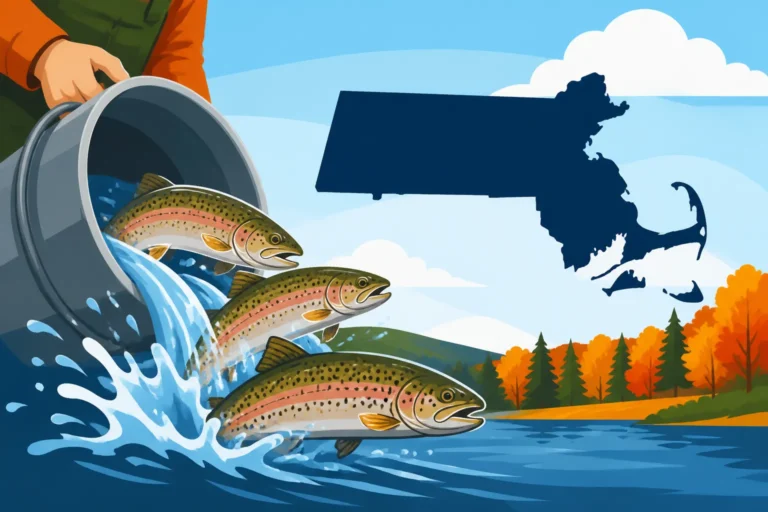
When you talk about trout stocking in Massachusetts, you're primarily talking about two distinct seasons: spring and fall. These aren't just arbitrary dates; they're strategically chosen to coincide with optimal water temperatures and angler interest. The spring stocking season is undoubtedly the big one, kicking off as soon as the ice melts and water temperatures begin to rise but before they get too warm. This period, usually from late March through May, sees the vast majority of trout released into rivers, streams, and ponds across the state. It's a time of renewal and excitement, as anglers emerge from winter hibernation, eager for the first bites of the year.
Then there's the fall stocking season, which is a real treat for those who appreciate cooler weather fishing. This usually runs from mid-September through October, and sometimes even into November. Fall stocking targets waters that have cooled sufficiently after the summer heat, rejuvenating ponds and lakes that might have become too warm for trout during July and August. These fall fish often include some larger "brood stock" trout that were used for breeding at the hatcheries, offering the chance at a truly impressive catch. Each season brings its own unique charm, fishing conditions, and opportunities, catering to different preferences and making Massachusetts a year-round destination for trout enthusiasts.
Who Benefits from Trout Stocking
Trout stocking benefits a wide array of people, making fishing a truly inclusive activity in Massachusetts. For starters, it’s a godsend for families with young children. Imagine the joy on a child’s face as they reel in their first rainbow trout! Stocked ponds are often easily accessible, and the high concentration of fish means a better chance of success, which is crucial for keeping kids engaged and fostering a love for the outdoors. Many local community ponds, especially those found in suburban and urban areas, receive regular stockings specifically to provide these kinds of close-to-home opportunities.
Beyond families, stocking programs are vital for casual anglers and beginners. You don't need a boat or specialized gear to enjoy success at a freshly stocked pond. A simple spinning rod, some worms or PowerBait, and a valid Massachusetts freshwater fishing license are often all it takes. This accessibility helps break down barriers to entry for new anglers, ensuring the sport continues to grow. And let's not forget the seasoned veterans who still enjoy the consistent action that stocked waters provide, or those who use these opportunities to introduce friends and family to the sport. The vibrant fishing community in Massachusetts thrives on these diverse opportunities, strengthening bonds and creating lasting memories by the water. To ensure you're compliant, always make sure you have your Massachusetts Freshwater Fishing License Costs and Rules understood before heading out.
Deciphering the Spring Trout Stocking Schedule
Spring is arguably the most anticipated time of year for trout anglers in Massachusetts. After months of ice and cold, the thought of open water and eager trout is enough to get anyone excited. But when exactly does it all begin, and how do you find out where the fish are going?
When Spring Stocking Typically Kicks Off
The exact kickoff date for spring trout stocking in Massachusetts is never set in stone, and that's often the first frustration for eager anglers. Generally, MassWildlife begins its spring operations in late March or early April, but it's highly dependent on weather conditions and, more specifically, water temperatures and ice melt. A prolonged cold snap or a late heavy snowfall can push things back, while an early warm-up might accelerate the schedule. The key is that MassWildlife needs water bodies to be largely ice-free and stable enough for the stocking trucks to access shorelines and boat ramps safely.
They also monitor water temperatures to ensure the trout have the best chance of survival and acclimation. Releasing fish into water that's too cold can shock them, while water that warms too quickly can stress them. So, while you're itching to get out there, remember that MassWildlife is working behind the scenes to create the optimal conditions for a successful stocking. Patience is a virtue, but constant vigilance on their official channels is your best bet to be ready the moment those trucks start rolling.
How MassWildlife Announces Stocking Locations
This is where many anglers feel the most suspense! MassWildlife doesn't typically release a full, detailed calendar of stocking dates and locations months in advance. Why? Because the process is incredibly dynamic. Weather, road conditions, hatchery logistics, and even unexpected truck breakdowns can all alter the plan on a dime. Instead, MassWildlife announces its stocking efforts on a rolling basis, usually daily or weekly, as fish are actually being released.
Your absolute best resource for this real-time information is the official Mass.gov website, specifically the MassWildlife section. They maintain an updated trout stocking report that lists the date, town, water body, and species stocked. It's not uncommon for them to post updates in the late afternoon or early evening, detailing where fish went out that day. Social media channels, particularly MassWildlife's Facebook page, also often provide timely alerts and sometimes even photos or videos of the stocking in action, which is always a fun bonus. The trick is to check these sources frequently, especially from late March through May. Don't expect a notification; you have to go looking for it!
Major Spring Stocking Regions and Water Bodies
When the spring stocking season is in full swing, MassWildlife blankets the state with trout, hitting a diverse range of water bodies from the Berkshires to Cape Cod. You'll find fish released into everything from small, accessible community ponds to larger lakes and cold-water rivers. In Western Massachusetts, iconic rivers like the Deerfield River and Westfield River systems receive significant trout plants, attracting fly anglers and spin fishermen alike. The central part of the state sees numerous ponds and lakes stocked, including sections of the Quinsigamond and its feeder streams, as well as the larger Wachusett Reservoir access points (though Wachusett has specific rules for fishing).
Moving east, you'll find plenty of smaller ponds throughout Middlesex, Essex, and Norfolk counties getting their share of rainbows and browns. And, of course, Cape Cod is a prime target for spring stockings, with dozens of its kettle ponds replenished with thousands of trout, offering excellent shore fishing opportunities. These ponds, often easily accessible, are perfect for an afternoon outing. While MassWildlife doesn't provide a precise "Massachusetts Spring Trout Stocking Towns List" far in advance, their weekly updates will show the breadth of their efforts. It's smart to focus on popular, historically stocked waters in your region and keep an eye on those official reports.
Navigating the Fall Trout Stocking Schedule
While spring gets all the glory, the fall trout stocking in Massachusetts is a fantastic secret weapon for anglers looking to extend their season and enjoy cooler, often quieter, fishing conditions. It's a different vibe entirely, but just as rewarding, if not more so for some.
The Timing and Purpose of Fall Stocking
The fall trout stocking season typically kicks off in mid-September and continues through October, sometimes even stretching into early November, weather permitting. This period is a breath of fresh air after the often-challenging warm water conditions of summer. The purpose of fall stocking is twofold: first, to extend recreational fishing opportunities well into the cooler months, giving anglers a chance to enjoy the crisp air and vibrant foliage while reeling in fish. Many popular ponds and lakes that became too warm for trout during July and August have now cooled down sufficiently, making them prime targets for fresh fish.
Secondly, fall stockings often include some larger, feistier fish. MassWildlife often releases "brood stock" trout during this season—these are the adult fish that have been used for breeding at the hatcheries. They are typically larger than the spring-stocked fish, sometimes measuring 15 inches or more, and they offer a thrilling fight. These larger fish, combined with the cooler water, make for a truly exciting fishing experience. For many, fall fishing for these larger trout is a highlight of the angling year. It’s a chance to experience some of the best Massachusetts trout fishing without the spring crowds. For specific dates, you'll want to keep an eye on updates for When fall trout stocking happens in Massachusetts.
Key Differences Between Spring and Fall Stocking
While both spring and fall stockings aim to provide great fishing, there are some noticeable differences that keen anglers will pick up on. In the spring, the sheer volume of fish released is usually much higher, spreading thousands of trout across a vast number of water bodies. The fish tend to be of a more uniform, "catchable" size, ideal for high-volume recreational angling. Spring fishing often coincides with higher water levels due to snowmelt and spring rains, and the fish, still getting acclimated, can be quite eager to bite on a variety of baits and lures.
Fall stocking, while still substantial, typically involves fewer fish overall but often includes a higher percentage of those larger brood stock trout. The focus shifts a bit more towards individual quality catches. The water levels in fall might be lower after a dry summer, and the trout, while still hungry, can sometimes be a bit warier once they've settled in. Another difference is the type of water body targeted. While spring covers a wide range, fall often concentrates on ponds and lakes that have a good cold-water refuge or have thoroughly cooled, making them suitable for trout after the summer heat. This difference means different strategies for anglers, from gear choices to preferred fishing spots.
Popular Fall Stocking Destinations
When MassWildlife turns its attention to fall stocking, certain types of water bodies become prime targets. You'll find a strong emphasis on ponds and smaller, accessible lakes that have a good history of sustaining trout through the cooler months. These are often easier to access for shore anglers and provide consistent action. Ponds on Cape Cod, such as Peter's Pond in Sandwich or Gull Pond in Wellfleet, are frequently replenished, offering fantastic opportunities for anglers enjoying the quieter, post-summer Cape.
In other parts of the state, popular community ponds that see heavy spring use get a fresh injection of fish, rejuvenating the fishing for the autumn. Smaller rivers and streams that maintain cold water flow, especially those with good public access, also benefit. Places like Walden Pond in Concord, known for its serene beauty, often receive fall stockings, making it a picturesque spot to pursue trout. The fall also tends to feature those larger broodstock trout, making certain larger ponds and smaller reservoirs, which might not be stocked in spring, excellent destinations for trophy-sized fish. It's a great time to explore those local gems that might be overlooked during the busier spring season.
Trout Species Stocked in Massachusetts
MassWildlife's stocking program isn't just a one-size-fits-all approach. They strategically stock different species of trout, each with its own characteristics, preferred habitats, and appeal to anglers. Understanding these differences can really help you target your catch and choose the right spots.
Rainbow Trout – The Angler's Favorite
When most people think of stocked trout, they're probably picturing rainbow trout. These vibrant fish, easily identifiable by the iridescent pink or red stripe along their flanks, are by far the most commonly stocked species in Massachusetts. There's a good reason for their popularity: rainbow trout are known for their strong fighting spirit, putting up a spirited battle even on light tackle. They also adapt remarkably well to a wide range of freshwater environments, from ponds and lakes to rivers and streams, making them versatile for MassWildlife's extensive stocking efforts.
Hatchery-raised rainbow trout are also quite eager to bite, especially when newly introduced to a water body. This makes them an ideal target for beginners and a reliable option for experienced anglers looking for consistent action. Their diet is varied, meaning they'll readily take everything from worms, corn, and PowerBait to a wide array of artificial lures and flies. If you're heading out to a recently stocked pond or river, chances are high that you'll encounter a good number of rainbow trout. They truly are the backbone of Massachusetts' recreational trout fishery. For more specific information, check out our guide on Rainbow Trout Stocking in Massachusetts.
Brown Trout – The Wary and Wild
Brown trout offer a different challenge and reward compared to their rainbow cousins. While still stocked in significant numbers, brown trout are generally considered more elusive and warier than rainbows. They possess a striking appearance, with golden-brown flanks adorned with distinct red and black spots, often encircled by lighter halos. Brown trout tend to prefer cooler, more structured waters, often seeking out cover like submerged logs, undercut banks, or rocky bottom features. They are notorious for being a bit pickier eaters, especially once they've acclimated to their new surroundings.
Many anglers view catching a brown trout as a greater accomplishment due to their intelligence and harder-to-fool nature. They can also grow to impressive sizes in Massachusetts waters, with trophy-sized browns being a prized catch. Because of their predatory instincts, larger brown trout often feed on smaller baitfish, making artificial lures that mimic minnows, or even live shiners, highly effective. If you're looking to target a more challenging and potentially larger trout, seeking out waters known for brown trout stockings, particularly rivers or larger ponds with good structure, is a rewarding pursuit. You can learn more about targeting these beautiful fish in our Brown Trout Fishing in Massachusetts guide.
Brook Trout and Other Less Common Stocked Species
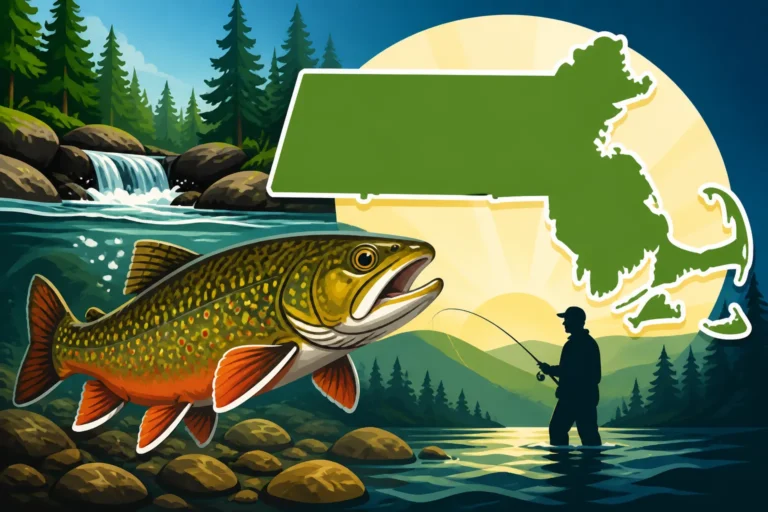
The brook trout holds a special place in the hearts of Massachusetts anglers, as it is the only trout species native to the Commonwealth. With their stunning mottled olive-green coloration, vermiculated patterns, and vibrant red spots often ringed with blue halos, they are truly a sight to behold. Brook trout typically prefer colder, crystal-clear streams and smaller ponds, often associated with pristine wilderness settings. While MassWildlife does stock brook trout, especially in smaller streams and ponds, their numbers are generally lower than rainbows and browns. Many anglers seek out wild brook trout in remote, untouched areas, but stocked brookies still provide a wonderful opportunity to appreciate this iconic species.
Beyond the main three, MassWildlife occasionally stocks other unique trout, notably tiger trout. These are a sterile hybrid of a brown trout and a brook trout, easily recognized by their striking vermiculated "tiger stripe" patterns. While not a regular, widespread stocking, they are sometimes introduced into specific waters, offering a rare and exciting catch. You might be wondering, Whether tiger trout are stocked in Massachusetts waters? Yes, they are, though less frequently. Additionally, MassWildlife sometimes releases larger, older trout known as "retired brood trout," which are no longer needed for breeding. These fish can be absolute giants and provide an exhilarating challenge. Knowing What a retired brood trout is can add an extra layer of excitement to your fall fishing plans, as these big fish often show up during that season.
Maximizing Your Chances After a Stocking
So, you've checked the MassWildlife report, and your favorite pond or river just got stocked – fantastic! But simply showing up isn't always enough. To truly maximize your chances of a successful day, a little preparation and understanding of trout behavior can go a long way.
Essential Gear and Bait Recommendations
When targeting newly stocked trout, you don't need a boatload of expensive, specialized gear. Simplicity and subtlety are often key. A light to ultralight spinning rod and reel combo, typically in the 5 to 6.5-foot range, spooled with 4 to 6-pound monofilament or fluorocarbon line, is perfect. This lighter setup allows for longer, more accurate casts and makes even smaller trout feel like a trophy. A selection of small hooks (sizes 8 to 12), split shots, and bobbers will round out your terminal tackle.
As for bait, stocked trout often have a preference for what they were fed in the hatchery. This makes artificial dough baits, like PowerBait (in various colors like rainbow, chartreuse, or even glitter-infused options), incredibly effective. These baits float, so using a small hook and a split shot a foot or two above it will present the bait just off the bottom, right in the trout's strike zone. Other classic baits include garden worms, mealworms, and even kernels of corn, which stocked trout seem to love. For those who prefer lures, small inline spinners (such as Mepps Aglias or Rooster Tails) in silver, gold, or black, or tiny spoon lures (like a 1/8 oz Kastmaster), are absolute killers. You can find a huge variety of these proven baits and lures at your local tackle shop, or for sheer convenience, a quick browse on Amazon can get you set up in no time. For a deeper dive, check out our guides on Best Lures for Stocked Trout in Massachusetts and Best Bait for Trout Fishing in Massachusetts.
Fishing Techniques for Newly Stocked Trout
The beauty of fishing for newly stocked trout is that they often aren't picky, at least initially. This means a range of techniques can be highly effective. For bait fishing, a simple float-and-wait approach is often deadly. Rig a small bobber a few feet above your hook, add a split shot to get your bait down, and cast it out. Watch for any movement of the bobber, as even a subtle dip can indicate a bite. This is perfect for shore anglers and kids, as it requires minimal active fishing.
Alternatively, bottom fishing with bait can also be productive. Use a heavier sinker to keep your bait on the bottom, with a leader that allows your bait to float up a bit. This is especially good if you suspect trout are hugging the bottom structure. For lure fishing, casting and retrieving is the name of the game. Make a cast, let your lure sink for a few seconds (or immediately start retrieving if using an inline spinner), and then retrieve at a steady, slow to medium pace. Vary your retrieve speed and add small twitches to entice strikes. The key is to cover different depths and retrieve speeds until you find what the fish are responding to. Remember that newly stocked fish might school up, so if you catch one, keep fishing that exact spot!
Understanding Trout Behavior Post-Stocking
Trout behavior immediately after stocking can be quite predictable, but it changes over time. When first released, hatchery trout are often a bit disoriented and hungry. They'll often school up in the areas they were stocked, or near deeper water, and can be incredibly aggressive, biting almost anything that moves. This is what anglers refer to as the "stupid fish" phase, and it's the best time for high catch rates. However, this period typically only lasts a few days, or sometimes just hours, depending on fishing pressure.
As time passes, and especially after they've been pressured by anglers, trout become warier. They'll start to spread out, seeking natural cover like submerged vegetation, fallen trees, or rocky ledges. Their diet will also diversify as they adapt to the natural food sources in the water body. They'll become more sensitive to noise, movement on the shore, and heavy fishing lines. This means that after the initial rush, you'll need to employ more stealth, lighter lines, and more natural presentations to continue finding success. Understanding this progression allows you to adjust your tactics, moving from aggressive presentations right after stocking to more subtle and patient approaches in the days and weeks that follow.
Finding and Using the Official Stocking Information
The internet has revolutionized how we access fishing information, and MassWildlife has made it relatively easy to track their trout stocking operations. Knowing exactly where to look and how to interpret the data is crucial for planning your trips.
How to Access MassWildlife's Official Schedule
The most accurate and up-to-date source for trout stocking information in Massachusetts is directly from MassWildlife's official website. You'll want to navigate to Mass.gov and then search for "MassWildlife" or "trout stocking report." The site is generally well-organized, and they make an effort to keep this section prominent during the stocking seasons. Once there, you'll find a dedicated "Trout Stocking Report" page.
This page is updated regularly, often daily or every few days, throughout the spring and fall stocking seasons. It typically provides a searchable or filterable list of all recent stockings. You can usually sort by date, town, or water body, allowing you to quickly find relevant information for your preferred fishing areas. It's a fantastic tool, but it does require you to be proactive – bookmark the page and check it frequently, especially on weekdays during the peak stocking months. There's no automatic notification system, so the onus is on you to stay informed.
Interpreting the Stocking Reports
Once you've found the official MassWildlife stocking report, understanding the information presented is straightforward but essential. Each entry on the report will typically include several key pieces of information: the Date of the stocking, the Town where the water body is located, the specific Water Body Name (e.g., "Manning Pond," "Connecticut River"), the Species of trout stocked (Rainbow, Brown, Brook, or sometimes Tiger), and sometimes the Number of Fish released.
Pay close attention to all these details. The species tells you what you're likely to catch, and the number of fish gives you an idea of the density. "Recently stocked" usually means within the last 24-48 hours, indicating that the fish will still be quite active and congregated. Using this information, you can map out your fishing trip. If you see a local pond was stocked yesterday, that's your cue to get there as soon as possible! Conversely, if a pond was stocked a week ago, you might need to employ different, more patient tactics, as the fish will have spread out and become warier. The more consistently you check and interpret these reports, the better your chances of hitting a freshly stocked spot.
Other Resources for Stocking Information
While the official MassWildlife report is your primary resource, it's not the only way to stay informed. Local bait and tackle shops are invaluable hubs of real-time, ground-level intelligence. The folks working behind the counter often know exactly which trucks went where, when, and how the fish are biting. They hear reports from dozens of anglers every day, giving them an unmatched perspective on local fishing conditions. Building a relationship with your local tackle shop can provide insights even before MassWildlife updates its official page, or offer tips on the best bait for that specific stocking.
Beyond local shops, various online fishing forums, social media groups dedicated to Massachusetts fishing, and even local community pages can sometimes provide early intel or anecdotal reports of stockings. While these aren't official, they can be helpful supplements. Just be mindful that information on unofficial channels can sometimes be inaccurate or outdated. However, the true secret weapon for finding freshly stocked trout often comes down to observation and exploration. If you see a MassWildlife truck by a local pond, or spot a cluster of anglers in an unusual spot, it's a pretty good indicator something exciting just happened! Don't forget to review the Massachusetts Fishing Regulations Pamphlet, Explained for full rules and regulations.
Responsible Angling and Conservation Practices
Being a successful angler isn't just about catching fish; it's also about being a responsible steward of our natural resources. Massachusetts' trout stocking program, while designed to provide abundant fishing, relies on all of us to practice ethical and sustainable angling.
Respecting Bag Limits and Regulations
This cannot be stressed enough: always know and adhere to the Massachusetts fishing regulations, particularly daily bag limits and size restrictions for trout. These rules aren't arbitrary; they are carefully crafted by MassWildlife to ensure the long-term health and sustainability of our fisheries. For example, in most waters open to public fishing in Massachusetts, the daily creel limit for trout is three fish. However, certain trophy trout waters or specific areas might have different regulations. Make sure you're aware of the specific rules for the water body you're fishing.
Taking more than your legal limit not only deprives other anglers of the opportunity to catch fish but also undermines the conservation efforts that MassWildlife works so hard to maintain. It's crucial to properly identify your catch before keeping it and, if in doubt, release it. Carrying a measuring tape is a good practice, even for trout, to ensure you're compliant with any potential size requirements. Ignorance of the law is never an excuse, and penalties for violations can be steep. Always double-check the current Massachusetts Freshwater Daily Catch Limits before you cast your line.
Catch and Release Best Practices
While many stocked trout are destined for the dinner plate, practicing catch and release, especially for larger brood stock or if you've already filled your limit, is a fantastic way to contribute to the fishery. The goal of catch and release is to ensure the fish swims away healthy and unharmed. A few simple practices can make a huge difference. First, minimize the time the fish is out of the water. Trout are extremely sensitive to air exposure.
Second, handle the fish with wet hands. Dry hands can remove the fish's protective slime coat, making it vulnerable to disease. Avoid squeezing the fish, especially around the belly. If the hook is deeply set, consider cutting the line rather than trying to rip the hook out, as this can cause more damage. Use barbless hooks, or pinch down the barbs on your hooks, as this makes removal much easier and quicker. If the fish appears sluggish after release, gently hold it in the water, facing upstream, until it regains its strength and can swim away on its own. Every fish released properly is another opportunity for someone else to catch it, or for it to grow larger and contribute to the ecosystem.
Protecting Our Waterways and Fisheries
Beyond the fish themselves, responsible angling extends to protecting the entire aquatic environment. One of the most fundamental rules is to "leave no trace." This means packing out everything you pack in, including all trash, discarded fishing line, and bait containers. Monofilament fishing line, in particular, is incredibly harmful to wildlife if left in the environment. Consider carrying a small bag specifically for trash.
Furthermore, be mindful of the spread of invasive species. Before moving between different water bodies, always clean your fishing gear, waders, and boat (if applicable) to prevent the transfer of aquatic hitchhikers like zebra mussels or invasive plants. These species can decimate native ecosystems. Finally, be respectful of other anglers and property owners. Maintain a reasonable distance from other people, especially in popular spots, and always ask permission before accessing private land. Remember, access to many great fishing spots is a privilege, not a right. Understanding regulations like Do You Need a License to Fish in Massachusetts Ponds? is part of being a responsible angler and ensuring access for everyone.
| Feature | Spring Trout Stocking | Fall Trout Stocking |
|---|---|---|
| Typical Season | Late March – May | Mid-September – November |
| Volume of Fish | Generally higher numbers of fish released | Fewer fish overall, but often includes larger brood stock |
| Average Fish Size | Primarily catchable-size (8-14 inches) | Mix of catchable-size and larger brood stock (15+ inches) |
| Water Temperature | Warming, post-winter thaw | Cooling, post-summer heat |
| Target Waters | Wide variety of rivers, streams, lakes, and ponds | Focus on ponds and lakes that have cooled sufficiently |
| Angler Crowds | Can be very high, especially on opening days | Generally lower, more relaxed atmosphere |
| Behavior Post-Stocking | Often aggressive, disoriented; schools in stocking areas | Can be aggressive, but may acclimate faster and be warier |
| Gear Focus | Versatile, simple setups effective | Light tackle, subtle presentations often more effective for larger, warier fish |
Disclaimer
Please remember that fishing regulations, stocking schedules, and local conditions can change. Always check the official Massachusetts Division of Fisheries and Wildlife (MassWildlife) website for the most current information before planning your fishing trip. This guide is for informational purposes only and should not be considered legal advice.