Rainbow Trout Stocking in Massachusetts
Oh, the thrill of catching a feisty rainbow trout! There's nothing quite like it, especially when you know Massachusetts' dedicated stocking programs make those moments possible. But let's be real, showing up at a freshly stocked pond or river without a game plan can feel a bit like trying to find a needle in a haystack, even when there are plenty of fish around. This guide is here to unravel the mysteries of rainbow trout stocking in our beloved Bay State, helping you understand where, when, and how to successfully hook into these vibrant beauties, turning frustration into fishing glory.
Understanding Massachusetts Rainbow Trout Stocking Program
Many of us grew up hearing stories of bountiful fishing, but the reality for many wild trout populations in accessible areas can be challenging due to habitat loss, warming waters, and increased angler pressure. That's where Massachusetts' robust stocking program comes in, ensuring that there are ample opportunities for anglers of all skill levels to enjoy the sport. It's a massive undertaking, designed to keep our lines tight and our spirits high.
The 'Why' Behind Stocking: Boosting Angler Opportunities
You might wonder why MassWildlife puts so much effort into raising and releasing trout. The primary reason is simple: to provide recreational fishing opportunities that wouldn't otherwise exist or would be extremely limited. Many of the ponds, lakes, and rivers we enjoy fishing don't have the ideal conditions (like cold, clean water year-round) for trout to naturally reproduce and thrive in large numbers. Without stocking, these waters would offer very little trout fishing, leaving many anglers feeling disappointed. Think of it as a gift that keeps on giving, ensuring there's always a chance to experience that exciting tug on your line, especially for families and new anglers. It also helps alleviate pressure on our more sensitive wild trout fisheries, allowing them to recover and maintain their natural balance.
Beyond just the catch, stocking programs foster a love for the outdoors. They give kids their first unforgettable fish, create memories for families, and provide a peaceful escape for adults. When you think about it, these programs are crucial for the health of our fishing culture, ensuring that future generations can experience the same joy we do when we hit the water. It’s an investment in both recreation and conservation, keeping our fishing heritage alive and well.
How MassWildlife Manages Trout Stocking
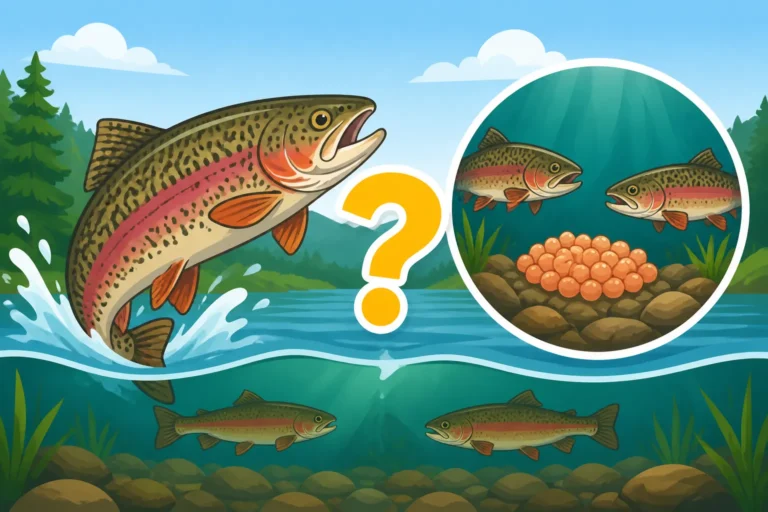
MassWildlife operates several hatcheries across the state, working tirelessly behind the scenes to raise millions of trout each year. These aren't just any trout; they're typically rainbow trout, brown trout, and brook trout, chosen for their hardiness and popularity with anglers. The process is incredibly precise, from egg fertilization and early development in raceways to growing them to catchable sizes in large ponds. It's a year-round commitment involving careful feeding, water quality management, and disease prevention to ensure healthy fish.
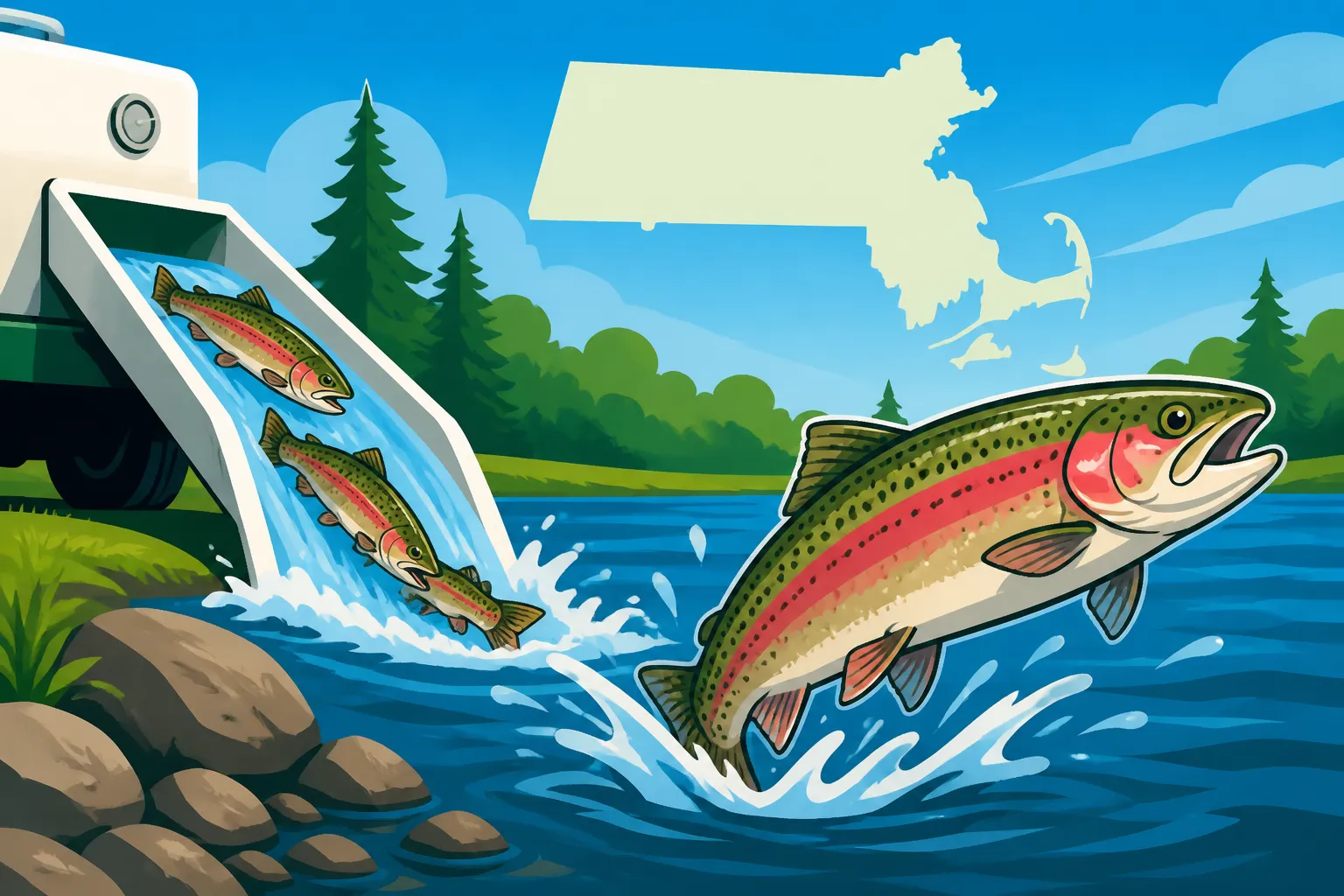
When it's time for stocking, specialized trucks, often equipped with oxygenated tanks, transport the trout to designated release points. This process is carefully planned to distribute fish widely and fairly across the state, targeting specific ponds, lakes, and sections of rivers. They consider factors like water temperature, access points, and projected angler use. The goal is to maximize the chances of successful releases and subsequent catches, providing fresh fishing experiences throughout the season. You can often find information about how to buy a Massachusetts fishing license online, which supports these vital programs.
What Kinds of Rainbow Trout Are Stocked
When we talk about "rainbow trout stocking," we're usually referring to hatchery-raised fish that are typically a year or two old and have reached a catchable size. These fish are bred for growth and survival in the hatchery environment, and while they might not have the same vibrant colors and fin condition as a truly wild trout, they certainly make up for it in their willingness to bite! Their diet in the hatchery prepares them to readily accept common baits and lures once released into the wild.
MassWildlife primarily stocks rainbow trout, often alongside brown trout and brook trout. Rainbows are incredibly popular due to their fighting spirit and relatively fast growth rate. They are also quite adaptable to a variety of water conditions, making them a good fit for many of Massachusetts' diverse water bodies. While they are stocked at a size that makes them an immediate target for anglers, they often continue to grow in their new environment, providing a fun challenge and a tasty meal. Keep an eye out for larger "brood stock" trout too; these older, bigger fish are sometimes released and provide an extra thrill for those lucky enough to hook into one.
Where to Find Stocked Rainbow Trout in Massachusetts
One of the biggest questions for any angler looking to target stocked rainbows is, "Where do I even go?" Thankfully, MassWildlife is quite transparent about their stocking efforts, making it easier than you might think to find prime locations. It takes a bit of research and sometimes a little bit of legwork, but the rewards are definitely worth it.
Key Rivers and Streams Known for Rainbows
Massachusetts has a fantastic network of rivers and streams that receive regular trout stockings. In Central Massachusetts, the Nashua River and its tributaries, as well as the Quaboag River, are popular choices. Moving west, the Westfield River, especially its East Branch, is renowned for its trout fishing, with sections receiving generous stockings of rainbow and other trout species. The Deerfield River, particularly the Clesson Brook and other sections, also offers excellent opportunities, often drawing fly anglers. These rivers often feature a mix of deeper pools, riffles, and runs, providing diverse habitats where stocked fish will spread out.
When targeting river fish, remember that they tend to move and spread out more than fish in a pond. Focus on areas with good cover like fallen trees, undercut banks, or large rocks, and look for deeper pockets where trout might feel safe from predators and strong currents. Access points can vary, so always check local regulations and public access points before heading out. Sometimes, a short hike off the beaten path can lead you to less pressured stretches of water.
Ponds and Lakes: Accessible Stocking Destinations
For many anglers, especially those with families or who prefer easier access, the state's numerous ponds and lakes are the go-to for stocked rainbow trout. These waters often receive the highest volume of fish due to their accessibility and ability to hold a large number of trout. Some perennial favorites include Lake Cochituate in Natick, Long Pond in Lakeville, and Big Chauncey Pond in Northbridge. Many smaller municipal ponds, even within suburban areas, are stocked, providing fantastic local opportunities.
Ponds and lakes are generally easier to fish, offering shore access, and often allowing for small boats, canoes, or kayaks. The stocked trout tend to cruise along the edges or congregate near deeper sections, especially in the days immediately following a stocking. Keep an eye on areas where feeder streams enter the pond, or near underwater structures like old foundations or weed beds. These spots can concentrate baitfish and insects, making them attractive to hungry trout. If you're looking for specific spots, checking resources like Best Freshwater Ponds and Lakes in Massachusetts can be a great starting point for your adventure.
Finding the Latest Stocking Information
The absolute best way to stay informed about where and when trout are being stocked is by checking the official MassWildlife website. They typically publish a detailed trout stocking schedule, which is updated regularly during the spring and fall stocking seasons. This schedule usually lists the water body, the town it's in, and sometimes even the species of trout that were stocked. This information is a goldmine for planning your next trip!
Beyond the official website, local bait and tackle shops are invaluable resources. The folks working there are often avid anglers themselves and have up-to-the-minute local knowledge, sometimes even knowing which specific sections of a river received fish. Online fishing forums and social media groups dedicated to Massachusetts fishing can also be a good way to get real-time reports from fellow anglers. Just remember that once the word gets out, those fresh stockings can draw a crowd, so consider going on a weekday if possible to avoid the weekend rush. Keeping an eye on the Massachusetts Trout Stocking Schedule is really key to success here.
Best Times and Seasons for Stocked Rainbow Trout
Timing is everything when it comes to fishing for stocked trout. These fish are often eager to bite, but their behavior and availability are heavily influenced by the stocking schedule and the changing seasons. Knowing when to hit the water can make all the difference between a slow day and a banner day.
The Frenzy of Spring Trout Stocking
Spring is undoubtedly the prime season for stocked rainbow trout in Massachusetts. As soon as the ice melts and water temperatures begin to rise, usually from late March through May, MassWildlife kicks into high gear with its most extensive stocking efforts. This is when millions of trout are distributed across the state, creating a period of intense angler activity. The fish are often hungry from their hatchery environment and eagerly take a variety of baits and lures.
The days immediately following a stocking event are often the most productive. The trout are disoriented but actively feeding, making them relatively easy targets. This is the time when you'll see crowds at popular spots, so be prepared for company! As the spring progresses, the fish settle into their new homes, becoming a bit more wary, but still offering excellent fishing. Pay attention to water temperatures; early spring can still be quite cold, so fish might be a bit lethargic, preferring slower presentations. Later in spring, as temperatures warm, they become more active.
Fall Stocking: A Second Chance
While spring gets most of the fanfare, don't overlook the fall stocking season! As summer heat gives way to cooler temperatures, typically from September through November, MassWildlife conducts a second, albeit smaller, round of trout stockings. This provides a fantastic opportunity for anglers to enjoy crisp autumn days on the water without the same crowds often seen in spring. The cooler water temperatures are ideal for trout, making them active and feisty.
Fall-stocked trout are often just as aggressive as their spring counterparts. The changing leaves and cooler air make for a beautiful fishing experience, and the fish are often looking to pack on weight before winter. Focus on the same types of locations as in spring – ponds, lakes, and rivers with good access. The key is to once again consult the stocking schedule, as fall stockings can be a bit less frequent and more targeted than the spring blitz. It's a fantastic time to get out there, enjoy the scenery, and catch some beautiful rainbows before winter truly sets in.
Understanding Daily and Seasonal Trout Behavior
Beyond the major stocking seasons, understanding the daily habits of stocked rainbow trout can significantly improve your success. In the spring and fall, when water temperatures are generally cooler, trout are often active throughout the day. However, early mornings and late afternoons are frequently the most productive, especially as the sun gets higher and brighter. These low-light periods offer trout a sense of security and often coincide with insect hatches or increased baitfish activity.
During the warmer parts of summer, if certain waters maintain cool enough temperatures to hold trout, their activity will shift dramatically. They'll often retreat to deeper, cooler waters during the day, becoming more active only during dawn, dusk, or even into the night. Look for areas with cold spring inputs or oxygenated deeper sections. Conversely, if you're fishing immediately after a stocking in cold early spring, the trout might be lethargic, requiring a slower, more deliberate presentation. For more specific insights, reading up on Best Time of Day to Catch Stocked Trout in Massachusetts can give you an edge.
Effective Techniques and Gear for Stocked Rainbow Trout
Alright, you've found the spot, you know the season, now what? Actually catching those stocked rainbow trout requires the right approach. These fish, especially soon after stocking, can be surprisingly eager, but having the right baits, lures, and gear in your arsenal will significantly increase your chances of success.
Top Baits and Lures for Hungry Stockers
Stocked rainbow trout are often quite receptive to a wide array of offerings, making them a great target for both beginners and seasoned anglers. For bait fishing, classics like PowerBait (in various colors and forms like nuggets or dough), canned corn, and small worms (nightcrawlers or mealworms) are consistently effective. These baits offer scent and visual appeal that hatchery fish often recognize and readily consume. Many anglers swear by a small piece of PowerBait floated off the bottom with a tiny split shot, or a worm drifted naturally.
When it comes to lures, smaller is often better. Spinners like Mepps, Panther Martin, and Roostertail in sizes #0 to #2 are deadly, especially when retrieved slowly in rivers and streams. Their flashing blades and vibrating action mimic small baitfish or insects, triggering an aggressive strike. Small spoons, such as Kastmasters or Little Cleos, also work wonderfully, particularly in ponds where you can cast them a good distance and vary your retrieve. Keep a selection of colors, from bright golds and silvers to natural browns and greens. You can easily find a fantastic variety of these baits and lures on sites like Amazon, ensuring you're always prepared. For a deep dive into options, check out Best Lures for Stocked Trout in Massachusetts and Best Bait for Trout Fishing in Massachusetts.
Essential Gear for Bank and Wade Anglers
Whether you're casting from the shore of a pond or wading a cool river, having the right basic gear makes a world of difference. A light to medium-light spinning rod, typically 6 to 7 feet long, paired with a matching spinning reel spooled with 4-6 pound test monofilament or fluorocarbon line, is the perfect setup. This allows for sensitive bites and offers enough backbone to handle a feisty rainbow. You'll also want a selection of small hooks (size 8-12), split shot weights, and small swivels.
Beyond the rod and reel, a small tackle box stocked with your chosen baits and lures is essential. A pair of needle-nose pliers or a hook remover will save you from getting pricked, and a small net will help land fish safely, especially if you plan on practicing catch and release. For wade anglers, a good pair of waders and wading boots will keep you dry and provide good grip on slippery riverbeds. A small backpack can hold your gear, snacks, and water, keeping your hands free. Finding comfortable waders and a good fishing vest on Amazon can make your day on the water much more enjoyable.
Fly Fishing for Stocked Rainbows
For those who prefer the art and challenge of fly fishing, stocked rainbow trout offer excellent opportunities. A 3-weight to 5-weight fly rod, 8.5 to 9 feet long, paired with a floating fly line is a versatile setup. Focus on nymph patterns (like Pheasant Tail Nymphs, Hare's Ear Nymphs, or Prince Nymphs) when fish are feeding sub-surface, which is often the case. Woolly Buggers and other small streamer patterns can also be incredibly effective, particularly if you suspect trout are feeding on baitfish.
Dry flies can work during specific insect hatches, so having a few Adams, Caddis, or Parachute Adams patterns on hand is always a good idea. The key to fly fishing for stocked trout is often presentation: a natural, drag-free drift is crucial. Don't be afraid to experiment with different patterns and depths until you find what the fish are keying in on. Many Massachusetts rivers, especially those with good public access, are ideal for this. For more detailed techniques, exploring resources like Fly Fishing for Trout in Massachusetts Rivers can greatly expand your skills.
Regulations and Conservation for Rainbow Trout
Fishing is a privilege, and with that comes responsibility. Understanding and adhering to Massachusetts' fishing regulations, particularly those concerning trout, is not just about avoiding fines; it's about ensuring the sustainability of our fisheries and the continued enjoyment of the sport for everyone. Our efforts help preserve these precious resources.
Massachusetts Trout Regulations You Need to Know
Massachusetts has specific regulations that apply to trout fishing, and these can sometimes vary between freshwater and saltwater, or even by specific water bodies. Generally, you'll need a valid Massachusetts Freshwater Fishing License Costs and Rules to fish for rainbow trout in any of the state's inland waters. There are usually daily bag limits and minimum size requirements for trout, which can differ based on the time of year or specific management areas. For instance, some waters might have a "catch and release only" rule, or special tackle restrictions.
It's crucial to consult the current Massachusetts fishing regulations pamphlet, which you can usually find online via MassWildlife's website or at local bait shops. Pay close attention to trout management areas, which often have their own specific rules designed to protect or enhance the fishery. Ignorance of the law is never an excuse, so take the time to read up before you cast a line. This ensures you're fishing legally and responsibly, helping to maintain healthy fish populations for years to come. Checking specific articles like Massachusetts Freshwater Daily Catch Limits will give you the precise numbers you need.
Practicing Responsible Catch and Release
While many anglers enjoy taking home their catch for a delicious meal, practicing responsible catch and release is vital, especially for stocked trout that may contribute to the fishery for a longer period. If you plan to release a fish, handle it as little as possible. Wet your hands before touching the fish to protect its slime coat, which is its primary defense against disease. Avoid squeezing the fish, especially around its belly. Use barbless hooks or gently pinch down the barb on your hooks to make removal easier and reduce harm.
When removing the hook, use pliers or a hook remover if the hook is deep. If a fish is deeply hooked and removing the hook would cause significant trauma, it's sometimes better to cut the line as close to the hook as possible. Get the fish back into the water quickly and gently. If it seems stunned, hold it upright in the current or move it gently back and forth until it swims away on its own. Responsible handling minimizes stress and injury, giving the released fish the best chance of survival.
The Importance of the Wildlands Conservation Stamp
When you purchase your Massachusetts fishing license, you'll notice a small additional fee for something called The Massachusetts Wildlands Conservation Stamp Explained. This isn't just another charge; it's a critical component of conservation funding in the state. The revenue generated from this stamp directly supports MassWildlife's efforts to acquire and manage lands and waters for public recreation and wildlife habitat. This means that every time you buy this stamp, you're directly contributing to the protection and enhancement of the very places you love to fish.
These funds help ensure public access to rivers and ponds, improve habitat for fish and wildlife, and support vital conservation projects that benefit not only fish populations but also a wide array of other species. It's a small investment with a huge impact, making you an active participant in preserving Massachusetts' natural beauty and its fishing future. So, next time you're securing your license, remember that modest fee is going straight back into the wildlands that provide us with so much joy.
| Bait/Lure Type | Description | Ideal Conditions | Technique |
|---|---|---|---|
| PowerBait/Trout Dough | Scented, moldable bait in various colors (e.g., neon green, chartreuse) | Post-stocking, still water, slow current; effective in ponds/lakes | Fished off the bottom with a small hook and sinker, or suspended under a bobber. |
| Worms (Nightcrawlers, Mealworms) | Natural, irresistible scent and movement | All conditions, especially after rain or when fish are lethargic | Drifted naturally with minimal weight, or under a bobber in still water. |
| Spinners (Mepps, Panther Martin, Roostertail) | Flashing blades, vibrating action, often with a colorful skirt | Moving water (rivers/streams), sunny days, actively feeding fish | Cast upstream and retrieve slowly enough for the blade to spin, or cast across current. |
| Small Spoons (Kastmaster, Little Cleo) | Wobbling, fluttering action that mimics injured baitfish | Deeper water (ponds/lakes), windy days, when fish are suspended | Cast and retrieve with pauses, allowing it to flutter; can also be jigged. |
| Flies (Nymphs, Wet Flies, Streamers) | Imitate aquatic insects, baitfish, or crustaceans | Clear water, specific hatches, deeper pools (nymphs), swift currents (streamers) | Fly fishing with proper line control for a natural drift, or stripping streamers. |
Rainbow trout stocking in Massachusetts truly offers a fantastic opportunity for anglers of all stripes to get out and enjoy our beautiful waters. By understanding where these fish are released, when they're most active, and what techniques work best, you're well on your way to a successful and rewarding fishing experience. Remember, it's not just about the catch; it's about the connection to nature and the shared passion for the outdoors. So grab your gear, check the latest reports, and make some memories on the water.
Disclaimer
This article is for general informational purposes only and does not constitute professional advice. Laws, prices and regulations vary by location and change over time. Consult a qualified professional for guidance on your specific situation.