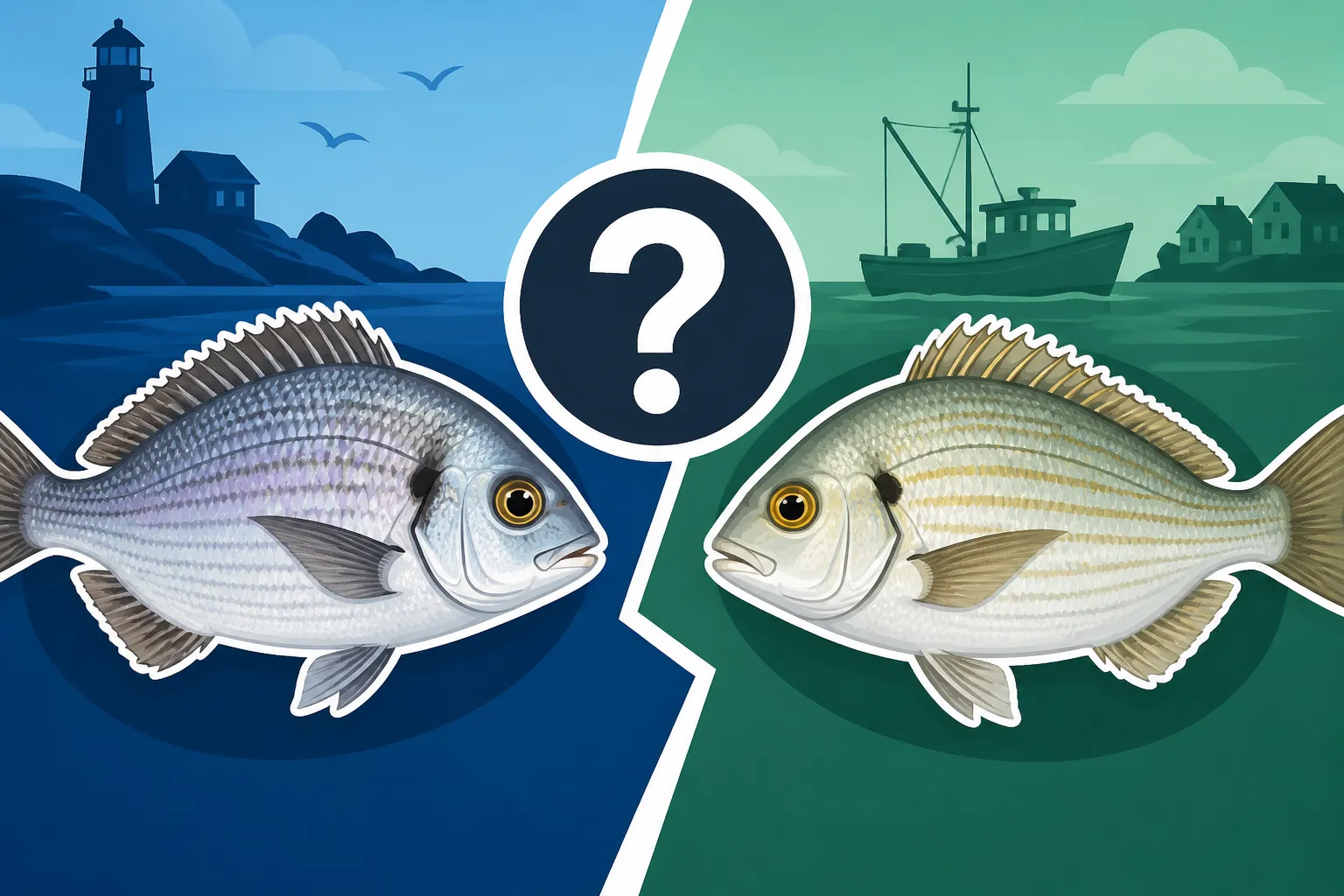
Whether scup and porgy are the same fish
It's incredibly common to hear anglers on the docks or at the bait shop toss around terms like "scup" and "porgy" interchangeably, leaving many folks wondering if they're actually talking about the same fish. This can be a real head-scratcher, especially for new anglers in Massachusetts trying to keep their catch straight. But don't you worry, because this guide is going to clear up all that confusion and tell you exactly what you need to know about these popular bottom dwellers in our local waters.
Unraveling the Nomenclature: Are Scup and Porgy the Same Fish?
Let's dive right into the heart of the matter, because this is where a lot of the initial confusion lies. If you've ever felt a bit lost when someone says "porgy" one minute and "scup" the next, you're not alone. It's a classic case of common names sometimes creating more questions than answers in the fishing world.
The Simple Answer: Yes, and No.
I know, I know – that sounds like a politician's answer, but bear with me! Here's the deal: "Porgy" is actually a broad, common name that refers to a whole family of fish known scientifically as Sparidae. Think of it like "cat." There are many different types of cats – lions, tigers, house cats – but they're all part of the cat family. In the same way, there are many different species of porgies around the world.
Now, when we talk about scup here in Massachusetts, we are almost always talking about one specific species within that larger porgy family. So, in our neck of the woods, when someone says "porgy," they're most likely referring to the scup. It’s like how a "labrador" is a specific kind of "dog." All scup are porgies, but not all porgies are scup. This regional usage often leads to the interchangeable use of the terms, which is perfectly understandable. It’s just how local fishing vernacular evolves!
The Scientific Perspective: Stenotomus chrysops
To truly cut through the confusion, we can turn to science, which gives us a much more precise way of identifying fish. The specific species we commonly call scup in Massachusetts (and much of the Northeast Atlantic) has the scientific name Stenotomus chrysops. This scientific name is unique to the scup, ensuring that no matter where you are in the world or what local name is used, everyone knows exactly which fish you're discussing.
While Stenotomus chrysops is our beloved scup, the broader Sparidae family includes many other species. For instance, down south, you might hear about sheepshead porgies or red porgies. These are also part of the porgy family, but they are distinct species with their own unique scientific names and characteristics. They look different, live in different areas, and have their own quirks. So, while your Massachusetts scup is indeed a porgy, it’s important to remember it’s our specific, local porgy that gets anglers excited when they're bottom fishing. This distinction is really important for understanding regulations and even just communicating clearly with other anglers about what you're targeting.
Getting to Know Massachusetts Scup (Our Local Porgy)
Okay, now that we've cleared up the name game, let's get down to what really matters: understanding the scup themselves! These are genuinely fantastic fish to target in Massachusetts, especially if you're looking for consistent action and some delicious fillets for dinner. They might not get the same glamour as a giant striped bass, but they offer a ton of fun and a great experience, whether you're fishing from shore or a boat.
What Scup Look Like and Where They Live
Scup are really quite distinctive once you know what to look for. They have a sleek, silvery body, often with a subtle bluish or purplish sheen when they first come out of the water. Their bodies are somewhat compressed, meaning they're relatively flat from side to side, which helps them navigate rocky structures. They have small, downturned mouths, which are perfectly adapted for nipping at prey on the bottom. Their fins are typically spiny, especially the dorsal fin, so be mindful when handling them! A typical "keeper" scup in Massachusetts might be anywhere from 10 to 15 inches, though bigger ones are certainly out there, often surprising anglers with their feisty fight on light tackle.
As for where they live, scup are creatures of structure. They absolutely love rocky bottoms, artificial reefs, mussel beds, and even sunken wrecks. You'll find them in a variety of environments, from shallow inshore bays and estuaries to deeper offshore waters. They're primarily saltwater fish, and in Massachusetts, they’re abundant in places like Buzzards Bay, Nantucket Sound, and around the Cape Cod shoreline. They are highly migratory, moving into our warmer inshore waters in late spring and early summer after spending the colder months in deeper, warmer offshore areas. They tend to school up, sometimes in huge numbers, which makes for some incredible fishing action when you find a good spot. If you're looking for great places to find them, checking out areas around Best Saltwater Fishing Spots on Cape Cod, Massachusetts is a fantastic starting point.
Scup Behavior and Diet
Scup are classic bottom feeders, and their entire biology is geared towards this lifestyle. They use those small mouths to peck and graze along the seafloor, rooting out crustaceans, marine worms, and small mollusks. They're opportunistic eaters and aren't particularly picky. This makes them a bit easier to target with bait, as they're constantly on the hunt for a meal. Their schooling behavior is also a key aspect of their life cycle. When you catch one scup, chances are there are many more right beneath you, which can lead to rapid-fire action that's a blast for anglers of all ages.
Their seasonal movements are driven primarily by water temperature. As the waters off Massachusetts warm up in late spring, usually around May or June, scup begin their migration from their offshore wintering grounds into our shallower coastal waters. They'll stick around throughout the summer and well into the fall, providing excellent fishing opportunities. As the water temperatures begin to drop in late autumn, they'll head back offshore. Understanding these patterns is crucial for successful scup fishing. Knowing the Massachusetts Saltwater Fishing Seasons for scup will definitely help you plan your trips.
Fishing for Scup in Massachusetts: Tips and Techniques
Fishing for scup is a fantastic way to spend a day on the water, offering a blend of constant action and the reward of a tasty meal. They might be small, but they pull hard for their size, making them a great target for light tackle enthusiasts.
Gear Up for Scrappy Scup
You don't need heavy-duty gear to catch scup. In fact, lighter tackle often makes the fight even more enjoyable!
- Rods and Reels: A light to medium spinning rod, typically 6 to 7 feet long, paired with a matching spinning reel spooled with 10-15 pound monofilament or braided line, is perfect. Braided line offers excellent sensitivity, allowing you to feel even the subtlest bites.
- Rigs: The most popular rig for scup is a simple hi-lo rig. This rig usually consists of two small dropper loops for hooks and a sinker on the bottom. This allows you to present two baits at different depths close to the seafloor. Another effective option is a simple Carolina rig or a three-way swivel rig.
- Hooks: Small, sharp hooks are key. Size 4 to 1/0 Octopus or Kahle hooks are usually perfect. Scup have small mouths, so bigger hooks will result in missed bites. You can find a wide range of reliable hooks and rigs online; a quick search on Amazon can reveal some great options for putting together your tackle box.
- Sinkers: The weight of your sinker will depend on the current and depth, but typically a 1-4 ounce bank or pyramid sinker will do the trick to keep your bait on the bottom.
- Bait: This is where scup really shine – they're not picky!
- Clams: Fresh clams are often considered king. Cut them into small, bite-sized pieces.
- Squid: Small strips of fresh or frozen squid are incredibly effective and stay on the hook well.
- Sea Worms: Bloodworms or sandworms are also excellent choices, often enticing a quick bite.
- Artificials: While bait is king, small jigs tipped with a piece of bait can sometimes work, especially if you're jigging around structure.
Remember, presentation is key. Small pieces of bait on small hooks will get you more bites. For more ideas on effective bottom-fishing baits, you might want to check out Best Bait for Tautog Fishing in Massachusetts, as many of the same principles apply.
Prime Locations and Best Times
The beauty of scup fishing in Massachusetts is its accessibility. You don't always need a boat, though a boat certainly opens up more opportunities.
- Shore Fishing: Many jetties, piers, and rocky shorelines are fantastic places to catch scup. Think about areas where there's some current and plenty of structure. Popular spots include the rocky sections of Cape Cod and various public piers around the coast. Just be sure to check local regulations and access points.
- Boat Fishing: If you have access to a boat, target rocky reefs, mussel beds, and wrecks. Your fish finder will be your best friend here, helping you locate schools of scup hugging the bottom. Anchoring up-current from a piece of structure and letting your bait drift back into it is a killer technique.
- Tide: Scup are often active throughout the tide cycle, but many anglers find success during the incoming or outgoing tides, especially around slack tide when the current is less strong, making it easier to keep your bait on the bottom.
- Season: As mentioned, late spring through fall is prime scup season in Massachusetts. They are most abundant when water temperatures are comfortably warm, typically from late May through October.
Whether you're fishing from a busy pier or a quiet boat, always be prepared with enough tackle. It's not uncommon to lose a few rigs to the rocky bottom that scup love so much. Having a tackle bag stocked with extra sinkers, hooks, and pre-tied rigs, perhaps one you picked up on Amazon, can save your day.
Regulations and Why Scup Matter
Fishing is not just about catching; it's also about conservation and understanding the role each species plays in our marine ecosystem. Scup are no exception, and adhering to regulations ensures that these delightful fish remain plentiful for generations of anglers to come.
Massachusetts Scup Regulations
Like all species, scup are subject to specific regulations designed to manage their populations sustainably. These rules can change from year to year, so it's absolutely vital to always check the most current information before you head out. Generally, scup regulations involve:
- Size Limits: There will be a minimum legal length that a scup must meet to be kept. Fish smaller than this must be immediately released.
- Bag Limits: There's usually a daily limit on the number of scup an individual angler can keep.
- Seasons: While scup are generally available for a good portion of the year in Massachusetts, there might be specific open and closed seasons or even different limits for shore-based versus boat-based anglers.
These regulations are put in place by state fisheries agencies to ensure healthy fish stocks. Always consult the Massachusetts Division of Marine Fisheries (MassDMF) website or obtain a current copy of the regulations pamphlet. You also need to make sure you have a valid Massachusetts Saltwater Recreational Fishing Permit Explained if you're fishing in marine waters. Being aware of the Massachusetts Recreational Fishing Rules and Bag Limits and specifically the Massachusetts Saltwater Bag Limits by Species will keep you on the right side of the law and help protect our fisheries.
Culinary Delights and Ecological Role
Beyond the fun of catching them, scup are genuinely fantastic eating fish. Their flesh is mild, white, and flaky, making them incredibly versatile in the kitchen. They are excellent grilled whole, pan-fried, baked, or even used in fish tacos. Because of their relatively small size and delicate flavor, they're a favorite for many families. If you're wondering Are Scup Good to Eat?, the answer is a resounding yes! They offer a delicious, fresh seafood option right from our local waters. You can even find some great cookbooks on Amazon that feature easy recipes for panfish and other bottom dwellers.
From an ecological perspective, scup play a crucial role in the marine food web. As prolific bottom feeders, they help control populations of crustaceans and other invertebrates. In turn, they serve as an important food source for larger predatory fish, including popular game fish like striped bass and bluefish, and even some shark species. Their abundance makes them a cornerstone of the inshore ecosystem, contributing to the health and balance of our coastal waters. So, every scup you catch is part of a much larger natural system. Understanding these connections deepens our appreciation for every fishing trip.
| Feature | Porgy (General Term) | Scup (Stenotomus chrysops – Our Local Porgy) |
|---|---|---|
| Definition | A family of marine ray-finned fish (Sparidae) | A specific species within the Porgy family |
| Common Usage (MA) | Often used interchangeably with "scup" in Massachusetts | The precise name for the common porgy in MA |
| Scientific Name | Sparidae (family name) | Stenotomus chrysops |
| Physical Traits | Varies widely by species | Silvery, compressed body, spiny fins, small mouth |
| Habitat (MA) | Not applicable as a single species | Rocky bottoms, reefs, jetties, inshore and offshore |
| Diet | Varies by species | Crustaceans, worms, mollusks, bottom-dwelling prey |
| Culinary Value | Varies by species | Excellent, mild, flaky white meat |
Hopefully, this clears up the confusion about scup and porgy. Next time you're out on the water in Massachusetts and someone mentions porgies, you'll know they're most likely talking about our feisty and delicious scup! Happy fishing!
Disclaimer
This article is for general informational purposes only and does not constitute professional advice. Laws, prices and regulations vary by location and change over time. Consult a qualified professional for guidance on your specific situation.