How big bluefish get in Massachusetts waters
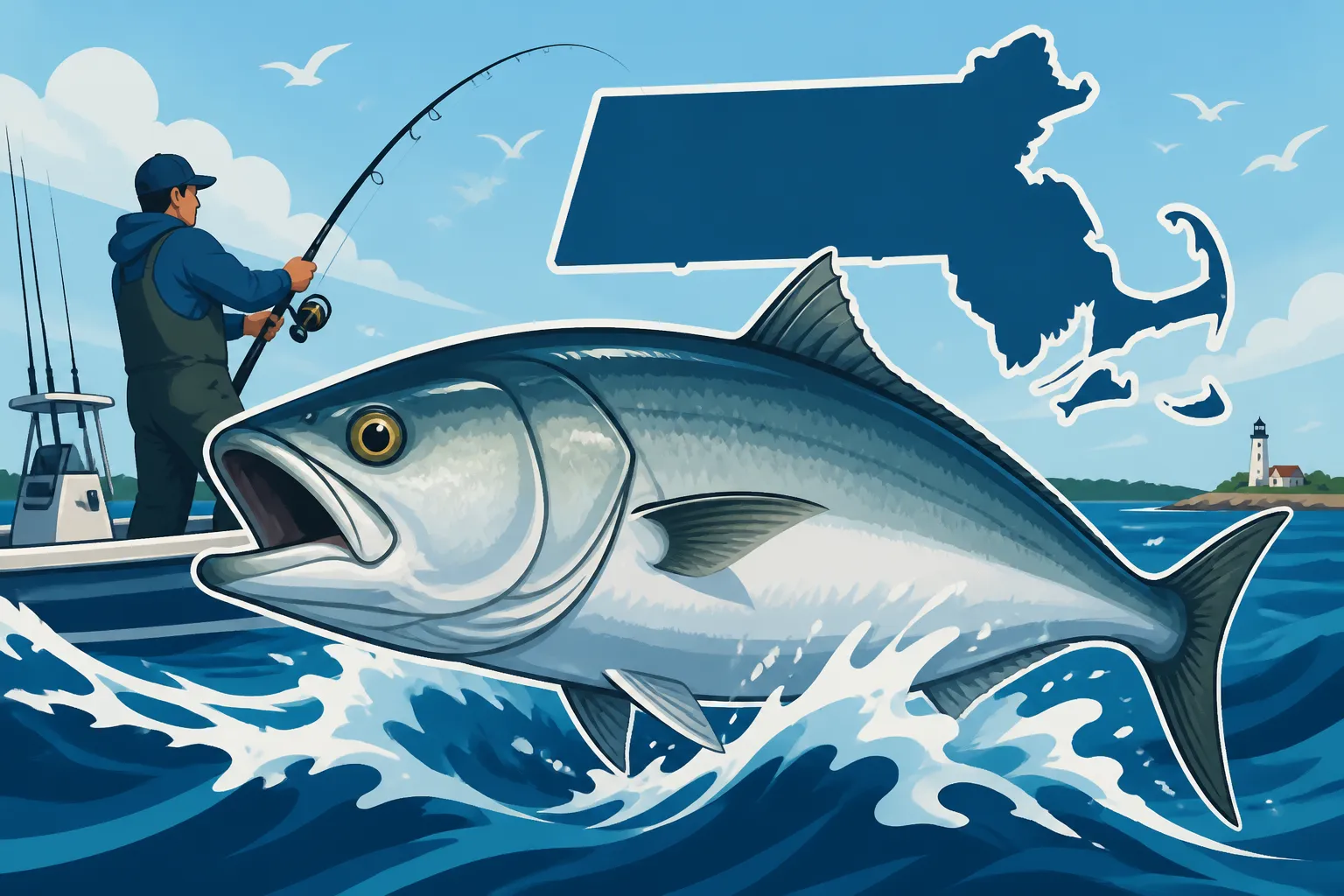
There's nothing quite like the sudden, violent strike of a bluefish on your line. These aggressive predators offer an exhilarating fight, often leaving anglers wondering just how big these toothy critters can get here in Massachusetts. While many of us are familiar with the smaller "snapper" blues, or the more common "choppers" we encounter, some true monsters lurk in our waters. This guide dives deep into the typical sizes, trophy potential, and the factors that contribute to the impressive growth of bluefish in the Bay State, helping you understand what to expect when you hook into one of these powerful swimmers.
The Typical Range of Bluefish in Massachusetts Waters
When you're out fishing in Massachusetts, whether from shore, a pier, or a boat, you'll encounter bluefish in a pretty broad range of sizes. It's not a one-size-fits-all situation, and what you consider a "big" blue might depend on your past experiences and the specific fishery you're targeting. Generally, bluefish in our waters can range from small, feisty "snappers" to substantial "choppers" and even larger, less common "gators."
From Snappers to Choppers: The Common Catch
The smallest bluefish, often called "snappers," are usually caught in estuaries, harbors, and protected bays during late summer and early fall. These are often young-of-the-year fish, typically ranging from about 6 to 12 inches in length. While they might be small, they're surprisingly aggressive and provide fantastic fun on light tackle, making them a great target for young anglers or those looking for fast action. They school up tightly and will hit almost anything shiny or moving quickly.
Moving up the scale, the most commonly encountered bluefish in Massachusetts are the "choppers." These are the bread-and-butter bluefish that anglers consistently target from Cape Cod to Plum Island. Choppers usually measure between 18 to 30 inches and typically weigh anywhere from 3 to 10 pounds. These are the fish that give bluefish their reputation for brutal strikes and powerful runs. When a school of choppers is feeding, it's a spectacle, with water churning as they slash through baitfish. They are prolific eaters and can quickly strip a bait or destroy a soft plastic lure. Their robust jaws and sharp teeth are built for shearing, so always use a wire leader or heavy monofilament to prevent bite-offs. If you're looking to gear up, a quick browse on Amazon can show you the variety of affordable heavy-duty pliers and de-hookers that are essential for handling these fish safely.
The Elusive Gators: Searching for the Giants
Beyond the common choppers, there are the "gators" – the true trophy bluefish that every dedicated angler dreams of catching. These larger specimens generally start around 30 inches and can easily exceed 15 pounds, sometimes even pushing past 20 pounds. These are less common than choppers but are definitely present in Massachusetts waters, especially during the peak of their migration and in areas with abundant large baitfish. You'll often find these giants patrolling deeper rips, around offshore structure, or lurking at the edges of large schools of mackerel or pogies (menhaden). They require heavier tackle, stout rods, and strong reels capable of handling their immense power. Catching a gator bluefish is a memorable experience that will test your tackle and your stamina.
What Makes a Bluefish Grow Big? Factors at Play
Several environmental and biological factors contribute to how large a bluefish can grow. It’s not just about luck; it’s a complex interplay of where they live, what they eat, and how long they survive in our challenging marine environment. Understanding these elements can give you an edge, or at least a better appreciation, of why certain areas tend to produce bigger fish.
Food Availability and Diet
This might seem obvious, but food availability is paramount to a bluefish's growth. Bluefish are voracious predators, known for their aggressive feeding frenzies. In Massachusetts, their diet is incredibly diverse, shifting with the seasons and the availability of different baitfish. They feast on mackerel, herring, sand eels, squid, and most notably, large schools of pogies (menhaden) that move into our coastal waters during the warmer months. When there's an abundance of these high-fat, protein-rich baitfish, bluefish grow quickly and attain impressive sizes. Areas like Nantucket Sound, Buzzards Bay, and the waters around Cape Cod are often teeming with bait, providing ideal conditions for bluefish to bulk up. A consistent food source means less energy spent hunting and more energy dedicated to growth.
Conversely, years with scarce baitfish populations can lead to smaller average bluefish sizes, as they have to expend more energy to find food, leading to slower growth rates. This is why you often hear anglers discussing bait cycles when talking about the quality of the fishing season. When striped bass arrive in Massachusetts waters they are often chasing the same baitfish, creating intense competition and sometimes driving larger predators to more isolated, richer feeding grounds.
Water Temperature and Migration Patterns
Bluefish are migratory fish, and their presence and growth in Massachusetts waters are heavily influenced by water temperature. They prefer warmer waters, typically migrating north into New England in late spring as ocean temperatures rise, and heading south again in the fall as waters cool. Their active feeding and rapid growth phases occur during the warmer months when they are present in our state. During this time, their metabolism is high, and they feed almost constantly.
The specific timing of their arrival and departure, as well as the duration of their stay, impacts how much time they have to feed and grow in our productive waters. A longer, warmer summer often translates to more opportunities for bluefish to pack on pounds. Cooler springs or early autumns can shorten their prime feeding window, potentially affecting their overall size. This seasonality is key to understanding Massachusetts Bluefish Bag Limit and Season and knowing when to target these fish.
Age and Lifespan
Like most fish, bluefish continue to grow throughout their lives, although their growth rate slows down significantly after their first few years. The largest bluefish caught in Massachusetts are typically older, more experienced fish that have managed to avoid predators and anglers for several seasons. Bluefish can live up to 9-12 years, possibly even longer in some cases, giving them ample time to reach impressive sizes.
However, older fish are also often warier and harder to catch, having learned to avoid common angling tactics. They might frequent deeper water or less pressured areas. The typical bluefish you catch will likely be in the 2-5 year old range, which aligns with the "chopper" sizes we commonly see. The gators are those rare individuals that have survived longer, making them truly special catches.
The Massachusetts State Record and Trophy Potential
Every angler loves to dream of breaking a state record. For bluefish in Massachusetts, while a truly monumental task, it's not entirely out of the realm of possibility to hook into a true monster. Understanding the existing records gives you a benchmark for what's possible and what constitutes a truly exceptional catch.
The Current Massachusetts Bluefish Record
The Massachusetts state record for bluefish currently stands at an impressive 25 pounds, 10 ounces. This colossal fish was caught in July 1985 in Vineyard Sound. Imagine the fight that fish put up! While specific details of the catch are often sparse for older records, it's safe to assume it was caught by a dedicated angler using heavy-duty gear and likely targeting large baitfish or fishing a deep, productive rip. This record illustrates that our waters certainly hold bluefish capable of reaching immense proportions. Chasing a record means being in the right place at the right time with the right gear, and perhaps a little bit of magic. You can often find the full list of Massachusetts State Record Fish by Species for other game fish as well.
How Your Catch Compares: Trophy vs. Everyday
So, how does your bluefish stack up?
- Average Catch (1-5 lbs): These are the smaller choppers or even snappers. Fun on light tackle, great for quick action, often found in large schools.
- Good Catch (5-10 lbs): The typical chopper that gives bluefish their reputation. These are strong fighters, commonly targeted by most anglers. A great eating fish if properly bled and iced.
- Trophy Catch (10-15 lbs): These are substantial bluefish. A double-digit bluefish is a fantastic catch for most anglers and represents a mature, well-fed fish. You'll likely encounter these in areas with abundant bait.
- Gator/Exceptional Catch (15+ lbs): These are the giants, getting closer to the state record. Catching a bluefish over 15 pounds in Massachusetts is a rare and truly noteworthy achievement, putting you in an elite category.
Remember, the thrill of the catch isn't just about weight. A 7-pound bluefish on light tackle can feel like a 20-pounder! Focus on enjoying the experience and the fight.
| Bluefish Size Category | Typical Weight Range (lbs) | Typical Length Range (inches) | Common Location/Context |
|---|---|---|---|
| Snapper Blues | Less than 1 | 6-12 | Estuaries, protected bays, late summer/early fall |
| Chopper Blues | 3-10 | 18-30 | Coastal waters, beaches, rips, common throughout season |
| Gator Blues | 10-20+ | 30+ | Deeper rips, offshore structure, specific bait concentrations |
| State Record | 25 lbs, 10 oz | N/A | Vineyard Sound, July 1985 |
Spotting the Difference: Bluefish vs. Other Massachusetts Species
Sometimes, in the heat of the moment, with a strong fish on the line, it can be easy to confuse a bluefish with other species, especially if you're relatively new to saltwater fishing in Massachusetts. However, bluefish have distinct characteristics that, once you know them, make them unmistakable. Correct identification is important not just for bragging rights, but also for adhering to Massachusetts Recreational Fishing Rules and Bag Limits.
Bluefish vs. Striped Bass: A Common Mistake
The most common mix-up in our waters is between a bluefish and a striped bass. Both are powerful, predatory fish that often share the same habitats and prey, and both put up a tremendous fight. However, there are clear ways to tell them apart:
- Teeth: This is the most obvious difference. Bluefish have incredibly sharp, razor-like teeth, perfectly designed for shearing baitfish. If you catch a bluefish, you'll immediately notice those formidable chompers. Striped bass, on the other hand, have small, sandpaper-like teeth that feel rough to the touch, but they aren't designed for cutting like a bluefish's. This difference is why wire leaders are crucial for bluefish, but not always necessary for stripers.
- Body Shape: Bluefish have a more streamlined, torpedo-like body, often with a slightly compressed, deeper profile. Striped bass are generally more elongated and cylindrical.
- Coloration: Bluefish typically have a distinct blue-green back that fades to a silvery white belly, often with a yellowish tint on the fins. Striped bass have a darker, olive-green to black back with prominent horizontal stripes running along their silver sides. These stripes are a dead giveaway.
- Fins: Bluefish have two dorsal fins that are separate, with the first being spiny and the second soft-rayed. Striped bass also have two dorsal fins, but they are closer together, and the first spiny dorsal fin often folds into a groove.
Understanding Difference Between Bluefish and Striped Bass is vital for compliance and for simply knowing what you've caught. If you're using braid or fluorocarbon leaders, bluefish will often bite through them quickly, while stripers are less likely to.
Bluefish vs. Mackerel and Other Baitfish
While less likely to be confused with adult bluefish, young bluefish (snappers) might sometimes be mistaken for larger mackerel or other robust baitfish.
- Size and Mouth: Snapper blues, even at a small size, have that characteristic wide mouth and incredibly sharp teeth. Mackerel and most other baitfish have much smaller mouths and lack the prominent, sharp teeth of a bluefish.
- Behavior: Even small bluefish are extremely aggressive and will actively hunt and slash. Mackerel, while fast swimmers, often feed by filtering or snapping at smaller prey.
When you're dealing with bluefish, always remember those teeth. Even a small snapper can inflict a nasty bite if handled improperly. Using a good set of Boga grips or fishing pliers, easily found on Amazon, can make a huge difference in safe handling.
Maximizing Your Chances: Tips for Targeting Larger Bluefish
While bluefish are often considered opportunistic feeders, there are definitely strategies you can employ to increase your odds of hooking into a bigger "gator" rather than just a chopper. It often comes down to location, timing, and bait choice.
Choosing the Right Locations and Time
Larger bluefish tend to be more wary and often prefer areas with deeper water, strong currents, and abundant large baitfish. Here are some spots to consider:
- Deepwater Rips and Channels: Areas where strong currents create rips, especially over deeper structure or along channel edges, are prime locations. These currents concentrate baitfish, making them ideal ambush points for big blues. Think about areas like the deeper cuts around Cape Cod or along the main channels leading into large bays.
- Offshore Humps and Lumps: If you have access to a boat, venturing a few miles offshore to known humps, ledges, or wrecks can put you on larger bluefish that are targeting bigger pelagic bait.
- Inlets and River Mouths: These are often pathways for migrating baitfish, and large bluefish will stage at these locations, especially during outgoing tides, to intercept food.
- Dawn and Dusk: While bluefish can bite all day, low light conditions often bring out the biggest predators. Early mornings and late evenings, or even night fishing, can be incredibly productive for gators, particularly when Fishing the Cape Cod Canal by Season.
- Targeting Bait Schools: Look for signs of baitfish, like diving birds, nervous water, or actual schools of bunker (menhaden) on your fishfinder. Where there's a feast, there are big bluefish. Chumming for Bluefish and Striped Bass can also be very effective to draw them in.
Tackle and Lure Selection for Big Blues
To land a gator bluefish, your tackle needs to be up to the task. They are powerful fighters with destructive jaws.
- Rods and Reels: Opt for medium-heavy to heavy spinning or conventional setups. A rod with a fast action and strong backbone will help you cast heavier lures and turn a strong fish. Pair it with a robust reel capable of holding at least 200-300 yards of 30-50 lb braided line. Brands like Penn, Shimano, and Daiwa offer excellent options, which you can often research and find good prices for on Amazon.
- Line: Braided line is almost essential for bluefish due to its strength and sensitivity. Use at least 30 lb test, but 40 or 50 lb is better for larger fish. A strong monofilament or fluorocarbon leader of 40-80 lb test is crucial to absorb shock and provide some abrasion resistance, but for bluefish, you absolutely need a bite-proof leader.
- Leaders: Steel or heavy-duty fluorocarbon leaders are non-negotiable. Bluefish will slice through regular monofilament in an instant. Pre-made wire leaders are readily available, or you can make your own. A 6-12 inch section of 30-50 lb wire or 80-100 lb fluorocarbon is a good starting point.
- Lures: Larger bluefish often respond well to bigger offerings.
- Large Poppers and Stickbaits: Topwater lures that create a lot of commotion are excellent for drawing aggressive strikes from big blues, especially at dawn and dusk.
- Metal Jigs: Heavy Kastmasters, Deadly Dicks, or similar metal lures can be cast a mile and retrieved quickly, mimicking fleeing baitfish. These are great for reaching distant schools.
- Large Soft Plastics: Paddle tail swimbaits rigged on heavy jig heads can be deadly when fished around structure or through bait schools.
- Live Bait: If you're serious about gators, live bait is often the ticket. Large pogies (menhaden), mackerel, or even eels are irresistible to big bluefish. Fishing these under a balloon or free-lining them can produce epic strikes. Live-Lining Eels for Massachusetts Striped Bass techniques can often be adapted for large bluefish.
Remember, bluefish have an incredibly strong bite. Always use caution when unhooking them, and consider a good pair of long-nosed pliers or a de-hooker to keep your fingers safe. If you plan to release the fish, minimize handling time and keep it in the water as much as possible. These tips, combined with an understanding of How to Catch Bluefish in Massachusetts, should help you in your quest for a true Massachusetts gator.
Bluefish Management and Conservation in Massachusetts
While bluefish are generally abundant and not currently considered an endangered species, responsible angling practices and adherence to regulations are vital for ensuring healthy populations for future generations. Massachusetts, along with other Atlantic states, manages bluefish through size limits, bag limits, and seasons to maintain sustainability.
Current Regulations and Why They Matter
Massachusetts typically has a specific bag limit for bluefish, meaning the maximum number of fish you can keep per day. There might also be a minimum size limit to ensure that fish have a chance to mature and spawn at least once before being harvested. It's important to note that these regulations can change, so always consult the latest information from the Massachusetts Division of Marine Fisheries (DMF) before heading out. The Massachusetts Fishing Regulations Pamphlet, Explained is an excellent resource for this.
These regulations are put in place for several reasons:
- Population Health: Limiting the number of fish an angler can keep helps prevent overfishing and ensures that enough bluefish remain to reproduce, contributing to the overall health of the stock.
- Trophy Opportunities: Minimum size limits allow younger fish to grow larger, increasing the chances of anglers catching bigger, trophy-sized bluefish in the future.
- Ecosystem Balance: Bluefish play a crucial role as apex predators in the marine ecosystem. Healthy bluefish populations help maintain the balance of baitfish populations.
By understanding and respecting these rules, we all contribute to a thriving fishery. It's part of being a responsible angler, ensuring that the thrill of catching a big bluefish remains a possibility for years to come. For example, knowing the Massachusetts Saltwater Bag Limits by Species helps us understand that these rules aren't arbitrary but part of a larger conservation effort.
Disclaimer
This article is for general informational purposes only and does not constitute professional advice. Laws, prices and regulations vary by location and change over time. Consult a qualified professional for guidance on your specific situation.