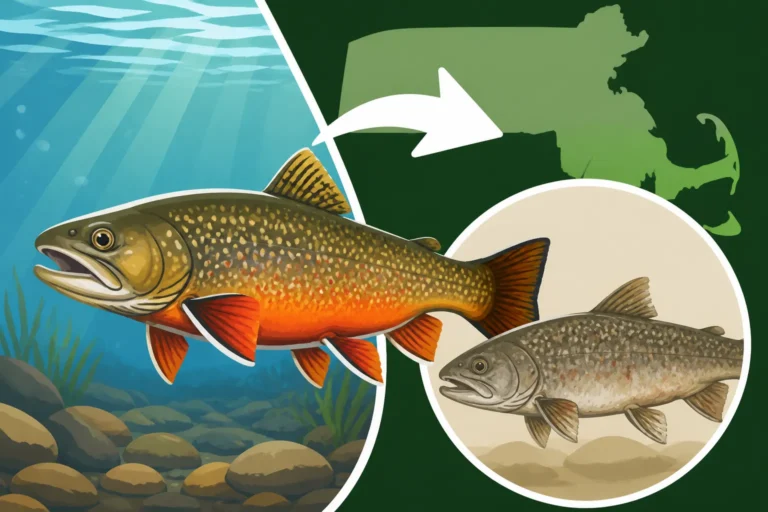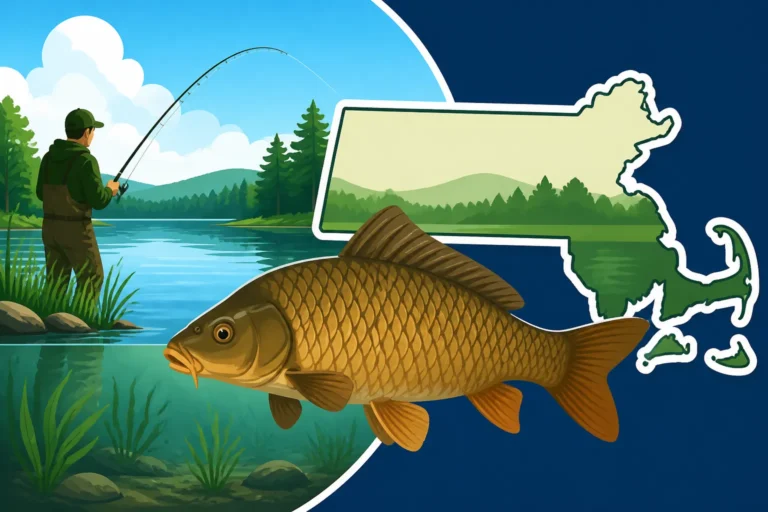
Game fish found only in freshwater in Massachusetts
It can be incredibly confusing to sort out which fish in Massachusetts truly live their entire lives in freshwater, and which ones just visit for a while. You might be standing at the edge of a beautiful pond, wondering if that big fish you just saw jump is strictly a freshwater resident, or if it's one of those species that heads out to the salty stuff at some point. This guide is here to clear up that mystery, focusing specifically on the game fish species that are only found in the freshwater bodies of Massachusetts, helping you understand their habits, where to find them, and how to catch them.
Understanding What "Freshwater Only" Really Means for Game Fish
When we talk about "freshwater only" game fish, we're really honing in on species that complete their entire life cycle within lakes, ponds, and rivers that don't have a direct, regular connection to the ocean. This might seem like a simple distinction, but in a state like Massachusetts, with its diverse waterways, it can get surprisingly nuanced. Many fish can tolerate a range of salinity, leading to a lot of common misunderstandings.
Why the Distinction Matters for Anglers
Knowing whether a fish is strictly a freshwater species isn't just a fun fact; it profoundly impacts your fishing experience, from the gear you choose to the regulations you follow. Think about it: a saltwater species, even if found temporarily upstream in a river, might require heavier tackle designed for the ocean's currents and larger, more powerful fish. Conversely, delicate freshwater presentations won't cut it in the surf.
Beyond tackle, the regulations themselves are often split. You might need a Massachusetts Freshwater Fishing License Costs and Rules for a certain body of water, but a Massachusetts Saltwater Recreational Fishing Permit Explained for another, or even a different set of rules entirely if you're fishing in a tidal river where species from both worlds mingle. It's truly frustrating when you're trying to do the right thing and the lines feel blurry. Understanding which fish are true freshwater stalwarts helps you prepare correctly, ensuring you have the right license, the right equipment, and are following the correct rules for your target species, avoiding any unpleasant surprises from wildlife officials.
Common Misconceptions: Not All Pond Fish are Strictly Freshwater
It's easy to assume that if you're fishing in a pond or a river, every fish you catch is a "freshwater fish." However, Massachusetts' geography creates some interesting biological crossovers. For example, some trout species, particularly certain strains of brown trout or even rainbow trout, are anadromous, meaning they spend part of their lives in saltwater and return to freshwater to spawn. We even have "landlocked" salmon in some of our larger reservoirs, a relic of ancient sea-run populations.
Then there are species like white perch, which are incredibly adaptable. While you'll find them thriving in many freshwater ponds and lakes, they are just as comfortable, if not more so, in brackish estuaries and coastal rivers, and they'll readily move between the two. And, of course, the mighty striped bass, while famous for their ocean runs, will pursue baitfish far up tidal rivers, sometimes making anglers think they're catching a "river fish" when it's truly a marine visitor. For the purposes of this guide, we're strictly focusing on the fish species that, within Massachusetts, are known to only reside and complete their life cycles in non-tidal, purely freshwater environments.
The True Freshwater Game Fish Residents of Massachusetts
Now that we've cleared up what we mean by "freshwater only," let's dive into the fantastic array of game fish that truly call the lakes, ponds, and rivers of Massachusetts their exclusive home. These are the species you can confidently pursue knowing they won't be making a dash for the open ocean.
The Bass Family: Largemouth and Smallmouth
When most people think of freshwater game fish, the first thing that often comes to mind are the bass, and for good reason! Massachusetts is home to both largemouth and smallmouth bass, and these fierce fighters are exclusively freshwater residents here.
The largemouth bass (Micropterus salmoides) is arguably the king of many Massachusetts ponds and shallow, weedy lake coves. These fish are ambush predators, often found lurking among lily pads, fallen trees, and docks. They thrive in warmer, stiller waters and are known for their explosive strikes and powerful, head-shaking fights. Catching a trophy largemouth is a truly exhilarating experience, and many anglers spend countless hours perfecting their techniques specifically for this species. You can find more in-depth advice in our guide to Largemouth Bass Fishing in Massachusetts.
Smallmouth bass (Micropterus dolomieu), on the other hand, prefer cooler, clearer waters, often found in rocky lakes, reservoirs, and rivers with current. They are streamlined and incredibly powerful for their size, known for acrobatic jumps and dogged fights once hooked. While they might not grow as large as the biggest largemouths, their spirited fight makes them a favorite among many freshwater anglers. Targeting smallmouth often involves different tactics, such as fishing drop-offs, submerged humps, and current seams. Our Smallmouth Bass Fishing in Massachusetts article provides excellent detail on these river and lake dwellers.
Pickerel, Perch, and Crappie: Panfish and More
Beyond the bass, Massachusetts boasts a fantastic array of other game fish that are purely freshwater, offering year-round angling opportunities, including fantastic ice fishing. These species might not always get the same glory as a trophy bass, but they provide endless fun and are often excellent table fare.
The chain pickerel (Esox niger) is Massachusetts' toothy freshwater predator. Easily identifiable by its distinctive chain-like markings, these fish are aggressive eaters found in weedy lakes and ponds across the state. They're often the first fish to hit a lure or bait, especially in colder water, making them a popular target for early spring and ice fishing. While they can be a bit bony, pickerel offer a fast-paced fishing experience. For tips on battling these feisty fish, check out our piece on Chain Pickerel Fishing in Massachusetts.
Yellow perch (Perca flavescens) are a beloved panfish in Massachusetts, known for their distinctive vertical stripes and delicious flaky meat. They are schooling fish, often found in large numbers in ponds and lakes, making them a fantastic target for anglers of all ages, particularly through the ice. Catching a bucket of perch is a rite of passage for many Massachusetts ice fishermen. Simple bait like worms or small jigs often does the trick. You can find a wide variety of tiny jigs and small spoons perfect for perch fishing on Amazon. Our guide to Yellow Perch Fishing in Massachusetts has more insights.
Black crappie (Pomoxis nigromaculatus) are another favorite panfish, known for their beautiful speckled appearance and willingness to bite. They tend to school around submerged cover like brush piles, docks, and bridge pilings in lakes and slow-moving rivers. Crappie fishing can be incredibly productive, with anglers often catching many fish in a single outing. They're excellent eating and offer a fun, light-tackle fight. Learn more about targeting these speckled beauties in Crappie Fishing in Massachusetts Ponds.
Catfish and Sunfish: Bottom Dwellers and Colorful Fighters
Delving deeper into Massachusetts' freshwater-only species, we find some truly unique fish that offer different angling experiences. From powerful bottom dwellers to dazzlingly colorful panfish, these species round out the diverse freshwater fishery.
Channel catfish (Ictalurus punctatus) and brown bullhead (Ameiurus nebulosus) are the primary catfish species found exclusively in Massachusetts freshwater. Channel cats are the larger of the two, known for their whisker-like barbels, forked tail, and strong fighting ability. They thrive in larger rivers and lakes, often feeding on the bottom, especially at night. Brown bullheads are smaller, stouter, and more commonly found in muddy ponds and slow-moving rivers, easily recognizable by their square tails. Both offer a different kind of angling challenge and are sought after for their unique flavor. For specialized catfish baits and heavy-duty circle hooks, Amazon is a great resource. Dive into their world with our Catfish Species Found in Massachusetts article.
Then there are the various sunfish species, including pumpkinseed (Lepomis gibbosus), bluegill (Lepomis macrochirus), and redbreast sunfish (Lepomis auritus). These vibrant, colorful fish are the quintessential childhood fishing experience. Found in virtually every pond and slow-moving river, they are eager biters, making them perfect for beginners or anyone looking for consistent action on light tackle or a fly rod. Despite their small size, they put up a surprisingly spirited fight and are beautiful to behold. They are truly the unsung heroes of our freshwater systems and are exclusively freshwater residents. Discover more about these delightful panfish in Freshwater Panfish Species in Massachusetts.
Northern Pike and Walleye: Less Common, But Purely Freshwater
While not as widespread as bass or panfish, Massachusetts does host populations of two other significant purely freshwater game fish: northern pike and walleye. These species are typically found in specific, managed waters, offering a specialized and exciting angling pursuit.
Northern pike (Esox lucius) are torpedo-shaped predators, similar to pickerel but much larger, often reaching impressive sizes in Massachusetts waters. They are ambush hunters, lying in wait in heavy cover before exploding onto their prey. Catching a large pike is an unforgettable experience, characterized by powerful runs and sharp, toothy fights. They are found in a limited number of lakes and reservoirs, primarily in the central and western parts of the state. If you're looking to target these freshwater giants, knowing Where northern pike are stocked in Massachusetts is crucial.
Walleye (Sander vitreus) are a prized freshwater species, renowned for their delicious fillets and challenging nature. With distinctive, large, light-sensitive eyes, walleye are often most active in low light conditions, like dawn, dusk, or cloudy days, and are typically found in larger, deeper lakes and reservoirs. They can be finicky biters, requiring a methodical approach, often involving jigging or trolling. While their populations are more localized, successful walleye fishing in Massachusetts is incredibly rewarding. You'll want to read up on Where to find walleye in Massachusetts to pinpoint the best spots.
Gear, Tactics, and Where to Find These Freshwater Gems
Now that you know which game fish are purely freshwater in Massachusetts, let's talk about how to pursue them. Successfully targeting these species requires the right tools and techniques, along with knowing where to cast your line.
Essential Gear for Freshwater-Only Species
Having the right gear makes all the difference, whether you're chasing a massive largemouth or a feisty panfish. For most of these freshwater-only species, a medium-light to medium power spinning rod and reel combo is a fantastic all-around choice. This setup offers versatility for casting a variety of lures and handling fish from panfish up to decent-sized bass or pickerel. For larger pike and walleye, or for heavy cover bass fishing, a medium-heavy baitcasting setup might be more appropriate.
Line choice is also important. Monofilament line in 6-10 lb test is a good general-purpose option for many freshwater situations, offering good knot strength and shock absorption. However, for fishing in heavy weeds or seeking larger predators, braided line in 20-30 lb test, often with a fluorocarbon leader, provides superior sensitivity and strength.
When it comes to lures and baits, the choices are vast. Soft plastic worms and jigs are deadly for bass, while small spoons and crankbaits can entice pickerel and pike. For perch, crappie, and sunfish, tiny jigs tipped with a grub or a simple hook with a worm are often irresistible. Don't forget a tackle box, pliers, and a decent net – you can find a huge selection of all these essentials on Amazon.
Top Tactics for Massachusetts Freshwater Game Fish
The beauty of freshwater fishing in Massachusetts is the sheer variety of techniques you can employ. For bass, mastering techniques like Texas rigging soft plastics for weed beds, or working topwater lures over submerged structure, can be incredibly effective. Our detailed guide on How to Catch Largemouth Bass in Massachusetts offers a wealth of tactical advice.
When targeting pickerel and pike, casting spoons, spinnerbaits, or large crankbaits near weed lines and drop-offs is often productive. For panfish like perch and crappie, jigging small lures or using bobber-and-bait rigs around docks, fallen trees, or brush piles will yield results. During the colder months, Ice Fishing in Massachusetts becomes a popular and effective method for many of these freshwater species, utilizing tip-ups and small jigging rods.
Catfish anglers often rely on still fishing with smelly baits on the bottom, especially during twilight hours or at night. For walleye, vertical jigging blade baits or slowly trolling crankbaits along contours can be highly effective, but often requires patience and precise boat control. Always tailor your approach to the specific species, water conditions, and time of year.
Finding Your Freshwater Honey Holes
Locating these freshwater gems starts with understanding their preferred habitat. Largemouth bass will be in warmer, weedy ponds, while smallmouth will gravitate towards rocky lakes and rivers with current. Pickerel are almost always found in heavy vegetation. Perch, crappie, and sunfish can be found in a wide variety of waters, often schooling around structure. Pike and walleye are more specific, often requiring research into stocked or managed fisheries.
A great starting point is to consult MassWildlife's official resources. They provide valuable information on public access points, fish stocking programs (especially for trout, though trout are not strictly freshwater-only as some strains are anadromous), and species distribution. Checking out our guide on the Best Freshwater Ponds and Lakes in Massachusetts can give you a head start on some proven locations. Maps are your friend, too – topographic maps can reveal underwater structure, while online tools or our guide on Where to find MassWildlife fishing access maps can show you where public access is available. Don't be afraid to explore smaller, lesser-known ponds; sometimes the quietest spots hold the biggest surprises.
Freshwater-Only Game Fish in Massachusetts: A Snapshot
Here's a quick look at the truly freshwater-only game fish you can find across Massachusetts, along with their general characteristics.
| Species | Primary Habitat | Typical Size (Massachusetts) | Notable Characteristics | Best Time to Target |
|---|---|---|---|---|
| Largemouth Bass | Weedy ponds, shallow lake coves | 1-5 lbs (trophies larger) | Aggressive strike, powerful fight | Spring, Summer, Fall |
| Smallmouth Bass | Rocky lakes, clear rivers | 1-4 lbs (trophies larger) | Acrobatic jumps, strong runs | Spring, Summer, Fall |
| Chain Pickerel | Heavy vegetation, shallow water | 1-3 lbs (up to 5 lbs+) | Toothy predator, aggressive bites | Year-round (incl. ice) |
| Yellow Perch | Ponds, lakes, slow rivers | 6-12 inches | Schooling fish, excellent eating, distinct stripes | Year-round (esp. ice) |
| Black Crappie | Brush piles, docks, submerged structures | 8-12 inches | Speckled appearance, schooling, good eating | Spring, Fall (pre-spawn) |
| Channel Catfish | Larger lakes, rivers, deep holes | 2-10 lbs (larger possible) | Forked tail, nocturnal, strong fight | Summer (esp. night) |
| Brown Bullhead | Muddy ponds, sluggish rivers | 6-14 inches | Square tail, bottom feeder, common | Year-round |
| Sunfish (Bluegill, Pumpkinseed) | Almost all freshwater, shallow areas | 4-8 inches | Colorful, eager biters, great for kids | Spring, Summer, Fall |
| Northern Pike | Larger lakes, reservoirs, deep weeds | 5-15 lbs (trophies larger) | Torpedo shape, ambush predator | Spring, Fall, Winter (ice) |
| Walleye | Larger, deeper lakes, reservoirs | 2-8 lbs (trophies larger) | Large eyes, elusive, excellent eating | Spring, Fall (low light) |
This table serves as a handy reference to quickly identify and understand the characteristics of our strictly freshwater game fish. Knowing these details will help you become a more knowledgeable and successful angler here in Massachusetts.
Disclaimer
This article is for general informational purposes only and does not constitute professional advice. Laws, prices and regulations vary by location and change over time. Consult a qualified professional for guidance on your specific situation.