Game fish found only in saltwater in Massachusetts
It can be incredibly frustrating to head out for a day of fishing, only to realize you're targeting a species that simply doesn't live in the waters you're in, or worse, you're using the wrong gear entirely. Many anglers, especially those new to the diverse waters of the Bay State, often wonder which fish truly call the ocean home and won't be found in a freshwater pond. This guide is here to clarify which exciting game fish are exclusively found in Massachusetts's saltwater environments, helping you tailor your tackle and techniques for a successful day on the briny deep.
Why Distinguish Saltwater-Only Game Fish?
Knowing whether a fish is exclusively saltwater isn't just a fun fact; it's absolutely crucial for effective and enjoyable fishing in Massachusetts. Our state offers an incredible variety of aquatic environments, from the smallest trout streams to the vastness of the Atlantic Ocean, and each habitat has its unique inhabitants and, consequently, its unique challenges and rewards for anglers. Misunderstanding where a species lives can lead to a lot of wasted time, effort, and even money on inappropriate gear.
Gear and Tackle Considerations
Think about it: the tackle you'd use for a brook trout in a clear mountain stream is vastly different from what you need to battle a powerful striped bass in a churning ocean current. Freshwater fish, generally speaking, don't grow to the sheer size and power of many ocean predators. Their mouths might be smaller, their fight less prolonged, and the environments they inhabit often don't demand the same level of corrosion resistance. Saltwater, with its abrasive nature and larger, stronger fish, requires heavier rods, reels built to withstand corrosion, stronger lines, and more robust hooks. Using freshwater gear in saltwater can quickly lead to equipment failure, not to mention a lost fish of a lifetime. Getting it right means your rod won't snap, your reel won't lock up from salt spray, and your line won't part under pressure.
Regulatory Differences
Beyond the gear, the rules and regulations governing freshwater and saltwater fishing in Massachusetts are entirely distinct. You might think, "fishing is fishing," but MassWildlife and the Division of Marine Fisheries (DMF) operate under different mandates and set different rules. For instance, while a Massachusetts Freshwater Fishing License Costs and Rules governs inland waters, you'll need a Massachusetts Saltwater Recreational Fishing Permit Explained for the ocean. These permits have different costs, validity periods, and often different age requirements. Even within saltwater, specific species have unique size limits, bag limits, and open seasons. Failing to understand these distinctions could result in a hefty fine or, at the very least, an unpleasant encounter with an environmental police officer. It's about respecting the resource and playing by the rules that help sustain these incredible fisheries.
The Stars of the Massachusetts Saltwater Show
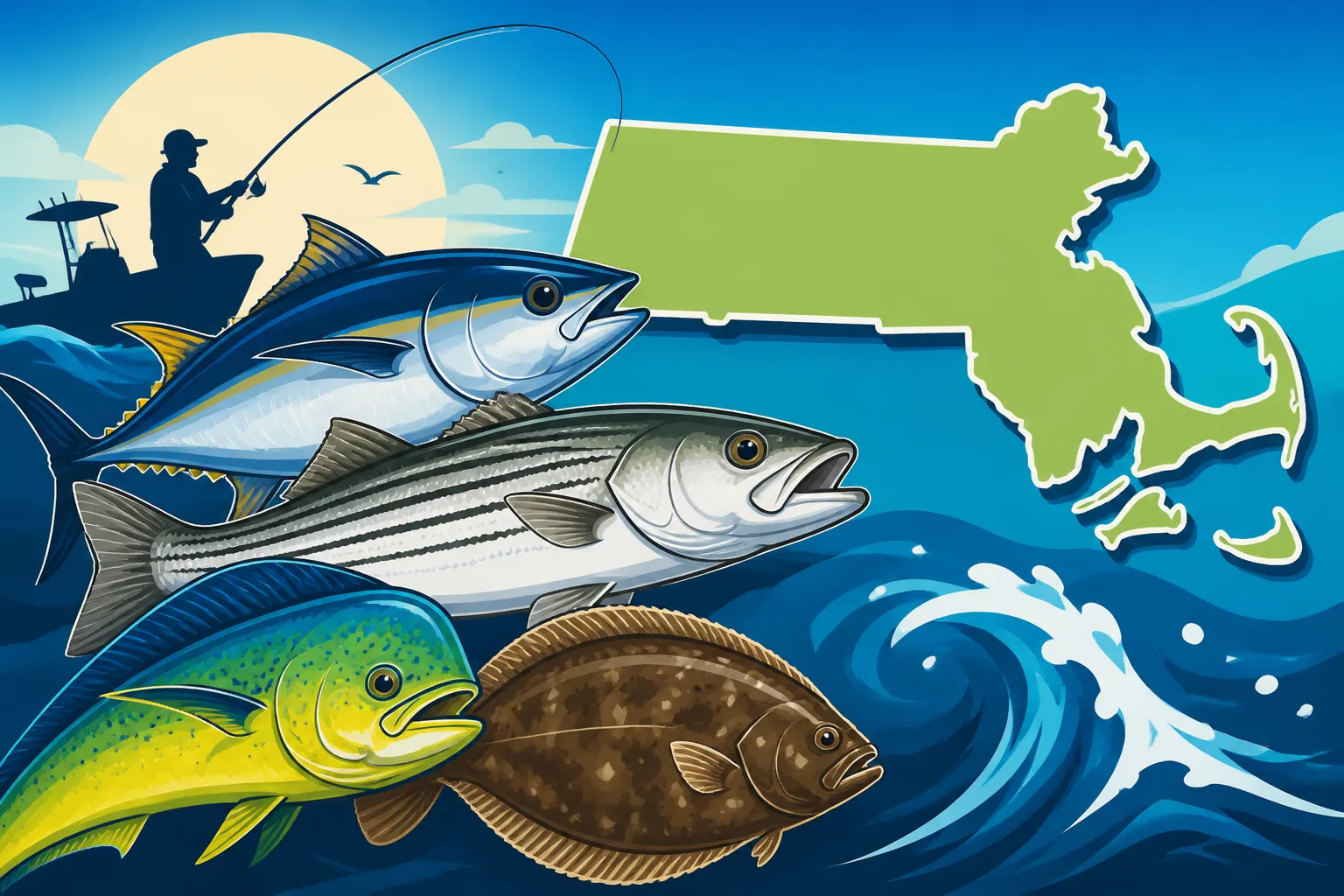
When we talk about game fish found exclusively in Massachusetts saltwater, a few iconic species immediately come to mind. These are the fish that draw anglers from all over the country to our shores, known for their fighting spirit and, often, their culinary appeal.
Striped Bass: The Iconic Coastal Fighter
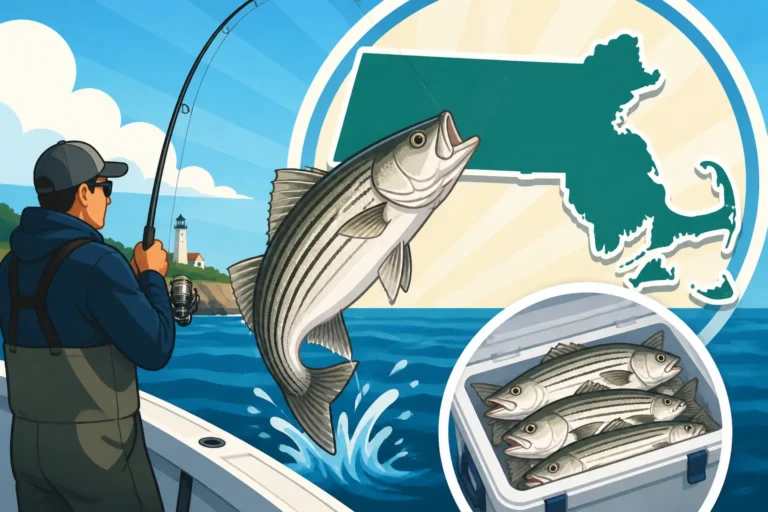
Ah, the striped bass – the undisputed king of Massachusetts inshore fishing. These magnificent fish are truly a coastal phenomenon, migrating along the Atlantic seaboard and spending their summers feasting in our bays, estuaries, and along the rocky coastline. You won't find a striped bass living permanently in a freshwater lake, although they do enter brackish rivers for spawning, like the Connecticut River. Their powerful runs, broad tails, and tendency to strike hard make them a favorite target for surfcasters, boat anglers, and kayakers alike. Catching a "cow" striper in the surf or sight-casting to a school feeding on baitfish is an experience that keeps anglers coming back year after year. Understanding their habits, such as what Best Lures for Striped Bass in Massachusetts to use or Best Tides for Striped Bass Fishing in Massachusetts, is key to success.
Bluefish: The Aggressive Chopper
If striped bass are the kings, then bluefish are the unruly pirates of our coastal waters. Known for their voracious appetites, razor-sharp teeth, and incredibly aggressive strikes, bluefish provide an adrenaline rush like no other. They travel in large schools, often boiling on the surface as they chase baitfish into a frenzy. These true ocean dwellers thrive in saline environments, from shallow harbors to offshore rips. While they may not have the same "trophy" appeal as a giant striper for some, their sheer power and willingness to hit almost any moving lure make them a fantastic target, especially during the warmer months. Be warned: they can destroy tackle, so using strong leaders is a must!
Tautog: The Bottom-Dwelling Brawler
Moving from the pelagic fighters to the bottom-dwellers, tautog (often called "blackfish") are a truly unique saltwater-only game fish found hugging the rocky structure along our coast. You won't find these guys in open water; they prefer wrecks, jetties, rock piles, and mussel beds. Tautog have incredibly powerful jaws and a knack for picking crabs and shellfish off the rocks, which also means they have a very distinct fighting style – a powerful, head-down pull that tests an angler's strength and tackle. Targeting tautog is a specialized game, often requiring specific baits like green crabs and a keen sense of touch to detect their subtle bites. They are absolutely delicious, making them a highly sought-after species by those in the know.
Black Sea Bass: A Delicious Deepwater Delight
Black sea bass are another fantastic bottom-dwelling species that are strictly saltwater residents. These vibrant, dark-bodied fish are typically found over rocky bottoms, wrecks, and artificial reefs in deeper coastal waters. They are highly prized for their firm, white flesh and make for excellent table fare. Catching black sea bass often involves jigging or bait fishing with squid or clams near structure. While not known for epic runs, they put up a respectable fight, especially on lighter tackle, and their abundance in many areas makes for consistent action. Like tautog, their habitat preferences keep them firmly in the saltwater realm.
Fluke (Summer Flounder): The Ambush Predator
Fluke, also known as summer flounder, are classic saltwater flatfish, perfectly camouflaged to lie in wait on sandy or muddy bottoms. These fish are masters of ambush, darting out from their hiding spots to snatch baitfish, squid, or crabs. You'll find them in estuaries, bays, and out to deeper offshore waters, always on the bottom. Fluke fishing typically involves drift fishing with bucktail jigs tipped with bait or Gulp! soft plastics, allowing your offering to bounce along the seafloor. Their distinctive fight, characterized by head shakes and a strong pull, combined with their delicious taste, makes them a favorite target throughout the summer. How to Catch Fluke in Massachusetts explains the methods for targeting these tasty flatfish.
Offshore Pelagics: Tuna, Bonito, and False Albacore
Venturing further offshore, Massachusetts is home to some truly epic saltwater-only pelagic game fish, most notably various species of tuna, bonito, and false albacore. These powerful, migratory speedsters spend their entire lives in the open ocean, chasing baitfish schools across vast distances. While you might occasionally hear of a freshwater fish called a "tuna" (like a tuna perch), the real deal – bluefin, yellowfin, bigeye – are exclusively marine. Bluefin tuna, in particular, are a legendary catch off Cape Cod, attracting anglers from around the globe for their incredible size and fighting power. Bonito and false albacore, often found closer to shore, offer a thrilling light-tackle experience with their blistering runs. You'll need specialized boats and heavy-duty gear to pursue these offshore giants, a testament to their saltwater-exclusive domain.
Beyond the Famous: Other Saltwater-Only Species
While the striped bass and bluefish often steal the spotlight, Massachusetts's saltwater environment is brimming with other exciting game fish that are exclusively marine. These species might not get as much press, but they offer fantastic fishing opportunities and contribute to the rich tapestry of our coastal ecosystem.
Scup (Porgy): Abundant and Fun
Scup, commonly known as porgy, are incredibly abundant saltwater fish found over rocky bottoms, reefs, and shell beds throughout our coastal waters. They are a fantastic target for anglers of all skill levels, especially families, due to their cooperative nature and delicious taste. You'll never find a scup in freshwater; they are true ocean dwellers. Often targeted with small pieces of bait like clam, squid, or seaworms on a simple bottom rig, scup provide consistent action and are a great way to introduce newcomers to the joys of saltwater fishing. Don't let their smaller size fool you; they put up a spirited fight on light tackle, making for a very fun day on the water.
Winter Flounder: A Cold-Water Classic
Before the summer flounder (fluke) arrive in force, and even overlapping with them, winter flounder are a prized saltwater-only species in Massachusetts. These flatfish prefer colder water and are typically found in bays, estuaries, and shallow coastal areas with muddy or sandy bottoms. While fluke are more aggressive, winter flounder are subtle biters, requiring a delicate touch to detect their takes. Often caught on small hooks baited with seaworms or clam bellies, they are a beloved target for early spring anglers, offering a tasty reward for those patient enough to pursue them. Their entire life cycle is tied to the ocean, making them a definitive saltwater species.
Atlantic Cod: A Storied Fishery
While not as abundant as they once were, Atlantic cod remain an iconic saltwater-only species in Massachusetts, especially for those venturing into deeper, colder waters. Cod are groundfish, meaning they live near the ocean floor, preferring rocky or gravelly bottoms. You won't find cod in a pond or lake; their existence is entirely marine. Historically, cod were the backbone of New England's fishing industry. Today, recreational anglers still target them, often using jigs or bait (like clam or squid) while deep sea fishing. Landing a robust cod, with its distinctive thick body and powerful pull, connects anglers to centuries of maritime heritage. Massachusetts recreational cod fishing rules are important to understand before targeting them.
Understanding Habitat and Migration Patterns
For these exclusively saltwater species, understanding their habitat and migration patterns is paramount to locating and successfully catching them. The ocean is vast, and fish aren't just swimming aimlessly; they follow currents, temperature changes, and, most importantly, their food sources.
Inshore vs. Offshore Habitats
Many of our popular saltwater game fish can be broadly categorized as either "inshore" or "offshore" species, though there's certainly overlap. Inshore species, like striped bass, bluefish, tautog, and flounder, generally prefer the shallower, warmer, and often more protected waters of bays, estuaries, and close to the coastline. These areas are rich in baitfish and structure, providing both food and shelter. Offshore species, such as tuna, mahi-mahi (though less common in Massachusetts for game fishing), and certain sharks, inhabit the deeper, colder, and more exposed waters far from land. These pelagic species often follow vast schools of bait across the open ocean. Knowing which category your target species falls into helps you decide whether to launch your kayak into an estuary or book a deep-sea charter.
Seasonal Movements
Almost all of Massachusetts's saltwater game fish exhibit strong seasonal migration patterns. For example, striped bass and bluefish spend their winters in warmer southern waters and migrate north to Massachusetts as water temperatures rise in spring, staying through the fall. False albacore and bonito are typically late summer and early fall visitors, chasing baitfish closer to shore. Even bottom-dwelling species like black sea bass and fluke will move into shallower waters to feed during warmer months and retreat to deeper areas as temperatures drop. Paying attention to water temperature and local fishing reports, often found through online forums or local tackle shops like those found on Amazon, can give you crucial insights into when and where these fish are likely to be found. Timing your fishing trips to coincide with these movements is often the biggest factor in success.
Essential Gear for Saltwater-Only Species
Since we're focusing on fish that only live in saltwater, it's worth reiterating the importance of having the right tools for the job. You wouldn't bring a butter knife to a sword fight, and you shouldn't bring ultralight freshwater gear to battle a hard-hitting bluefish.
Rods, Reels, and Line
For general inshore saltwater fishing in Massachusetts, you'll want a medium to medium-heavy spinning rod, typically 7 to 9 feet long, paired with a reliable spinning reel in the 4000 to 6000 size range. These reels should explicitly state they are "saltwater resistant" or have features like sealed drags and corrosion-resistant components. A good quality braided line, in the 20 to 50 lb test range, is almost universally preferred for its strength, sensitivity, and casting distance. You'll then tie a fluorocarbon leader (30-60 lb test) to the end of your braid for abrasion resistance and stealth. If you're targeting truly large offshore species like bluefin tuna, your gear requirements escalate dramatically, often involving heavy conventional reels, specialized tuna rods, and much heavier line. Buying quality gear, even for beginners, will save you headaches in the long run. Many reputable brands offer excellent entry-level saltwater combos that you can find and have delivered quickly from retailers like Amazon.
| Species Group | Typical Rod Length (feet) | Reel Size (Spinning) | Recommended Line (Braided) | Leader Material |
|---|---|---|---|---|
| Striped Bass / Bluefish | 7-9 | 4000-6000 | 20-50 lb | Fluorocarbon (30-60 lb) |
| Tautog / Black Sea Bass | 6-7 (jigging/bottom) | 3000-5000 | 15-30 lb | Fluorocarbon (20-40 lb) |
| Fluke (Summer Flounder) | 6-7 (drift/jigging) | 3000-4000 | 15-25 lb | Fluorocarbon (15-30 lb) |
| Offshore Pelagics | 6-7 (heavy duty) | 8000+ (or conventional) | 60-100+ lb | Heavy Mono/Fluoro |
Lures, Baits, and Rigs
The diversity of saltwater-only game fish in Massachusetts means a wide array of lures and baits are effective. For striped bass and bluefish, artificial lures like topwater plugs, stickbaits, soft plastics rigged on jig heads, and metal jigs are incredibly productive. Live bait such as eels, mackerel, or pogies can also be deadly. For bottom species like tautog, black sea bass, scup, and flounder, natural baits often reign supreme. Green crabs are king for tautog, while squid, clams, and seaworms work wonders for the others. Simple bottom rigs (like a hi-lo rig or a slip-sinker rig) are often all you need. Always carry a variety, as fish preferences can change throughout the day and with different tides. You can stock up on a huge range of these essentials from online fishing shops, including those available through Amazon, ensuring you're ready for any scenario the Massachusetts coast throws at you. Don't forget a good pair of pliers or de-hookers; those bluefish teeth are no joke!
Conclusion
The saltwater environment of Massachusetts is a vibrant and exciting place for anglers, teeming with game fish that are truly unique to the ocean. From the powerful runs of a striped bass to the subtle tug of a winter flounder, these saltwater-only species offer endless opportunities for thrilling catches and delicious meals. By understanding their distinct habitats, migration patterns, and the specialized gear required, you can elevate your fishing game and make the most of every outing on our beautiful coast. So grab your saltwater gear, check your Massachusetts Saltwater Recreational Fishing Permit Explained, and get ready to experience some truly incredible fishing that only our ocean waters can provide.
Disclaimer
This article is for general informational purposes only and does not constitute professional advice. Laws, prices and regulations vary by location and change over time. Consult a qualified professional for guidance on your specific situation.