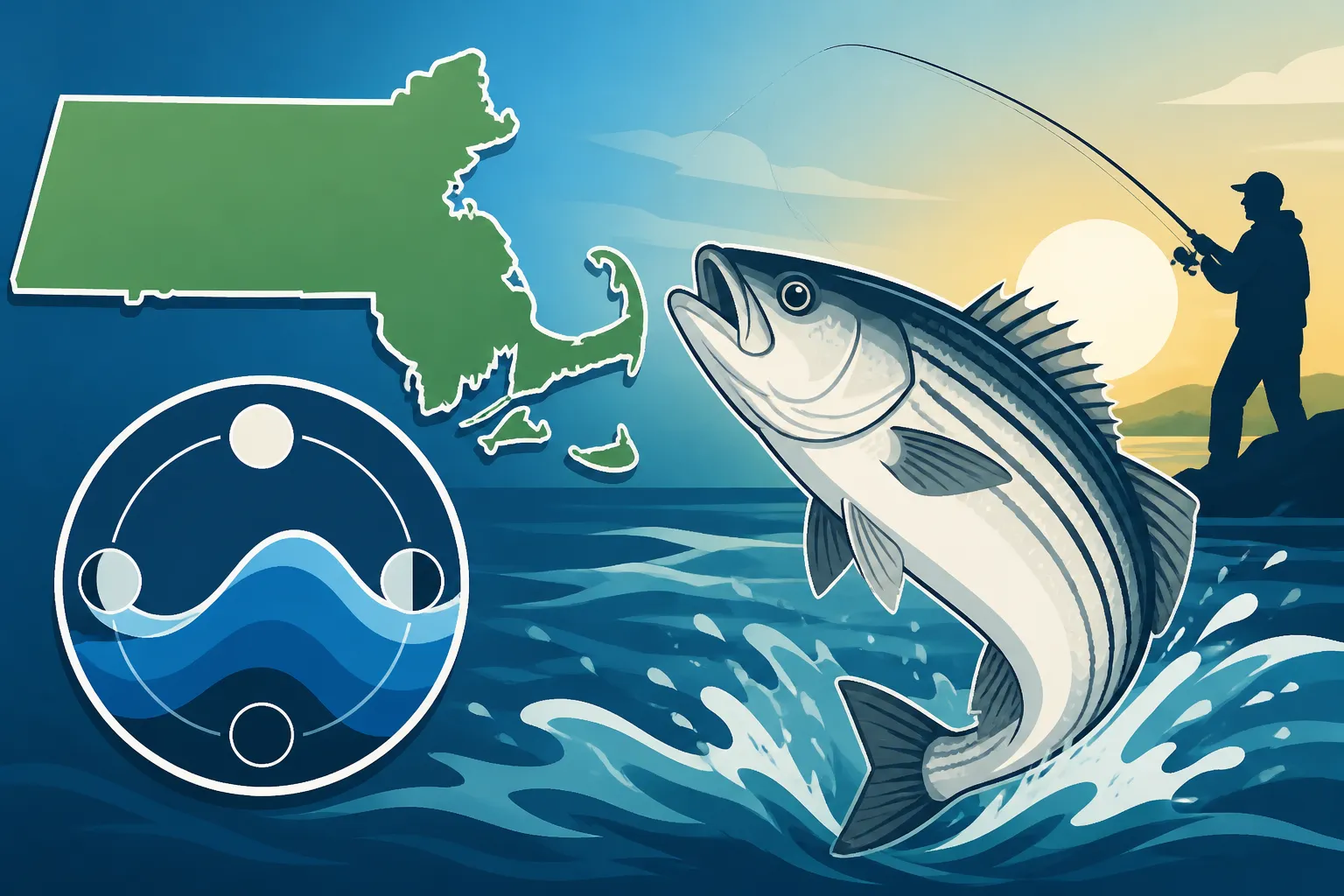
Best Tides for Striped Bass Fishing in Massachusetts
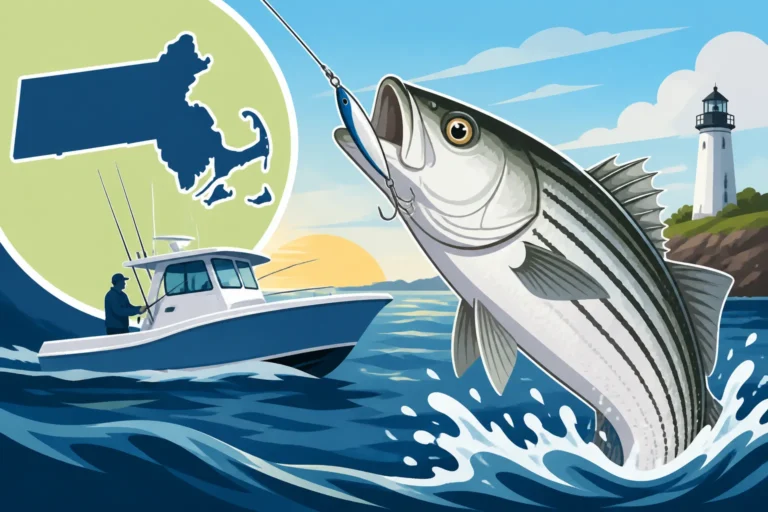
There are few things more frustrating for a Massachusetts angler than heading out, full of hope, only to find the water completely dead, despite perfect weather and promising reports. Often, the culprit isn't your gear or your technique, but simply missing the prime tidal window for striped bass. These magnificent fish are deeply influenced by the ebb and flow of the ocean, and understanding their rhythmic dance with the tides is the key to consistent success. This guide will demystify the power of tides, helping you pinpoint those crucial moments when the stripers are most active and ready to strike.
Understanding the Rhythmic Dance of Tides and Stripers
Striped bass are not random wanderers; they are creatures of opportunity, constantly seeking easy meals. Their entire feeding strategy revolves around exploiting currents and structure, and it’s the tides that orchestrate this complex interaction.
Why Tides Matter So Much for Striped Bass
Imagine a conveyor belt constantly moving food past a hungry fish. That's essentially what tides do for striped bass. As water moves, it dislodges baitfish, crustaceans, and other forage from their hiding spots, sweeping them into the open where hungry stripers lie in wait. Without this movement, the water can become stagnant, and baitfish can find refuge more easily, making the stripers less inclined to feed aggressively. It’s incredibly disheartening to cast for hours into calm water, knowing the fish should be there, only to come up empty. This frustration often stems from not aligning your fishing efforts with the natural foraging patterns dictated by the tides.
Tides also impact where stripers can position themselves. During higher tides, more shallow areas and structures become submerged, providing new ambush points and feeding grounds. Conversely, as the tide recedes, certain structures might become exposed, funneling baitfish through narrower channels. Understanding this interplay allows you to predict where the fish will be, based on the current water level and flow. It’s not just about the presence of water, but the way that water is moving and interacting with the environment.
The Basics of Massachusetts Tidal Movement
Massachusetts, with its diverse coastline ranging from sandy beaches to rocky shores and expansive estuaries, experiences a classic semi-diurnal tidal cycle. This means we generally have two high tides and two low tides each day, separated by approximately six hours. The complete cycle usually takes about 12 hours and 25 minutes.
Let's break down the key terms:
- High Tide: The point when the water reaches its maximum height. The period leading up to it is the "incoming" or "flood" tide.
- Low Tide: The point when the water reaches its minimum height. The period leading up to it is the "outgoing" or "ebb" tide.
- Incoming (Flood) Tide: The period when water levels are rising, moving from low tide to high tide. Currents generally flow towards shore or up rivers/estuaries.
- Outgoing (Ebb) Tide: The period when water levels are falling, moving from high tide to low tide. Currents generally flow away from shore or down rivers/estuaries.
- Slack Tide: The brief period around the peak of high tide and the bottom of low tide when the water movement is minimal or pauses before reversing direction. This can last anywhere from a few minutes to an hour, depending on the location.
The tidal range, or the difference between high and low tide, varies significantly across Massachusetts. For instance, areas like Boston Harbor might see a range of 9-10 feet, while sections of Buzzards Bay could be much less. Stronger tidal ranges often equate to stronger currents, which are crucial for active striper feeding. Knowing these fundamentals is your first step in becoming a more effective striper angler in the Bay State.
The Ebb and Flow: Prime Tidal Stages for Striped Bass
While the idea of "moving water" is a golden rule for striped bass, not all moving water is created equal. The specific stage of the tide often dictates the fish's behavior and, consequently, your best approach.
The Magic of Moving Water: Incoming and Outgoing Tides
For the vast majority of striped bass fishing scenarios, you want to be fishing when the water is moving – actively. This is where the magic truly happens. Moving water stirs up the bottom, disorients baitfish, and creates current seams and eddies where stripers love to ambush prey. Many seasoned anglers will tell you that the hour or two leading up to a high or low tide, and the hour or two immediately following, are often the most productive.
The incoming tide, or flood tide, is particularly effective in many areas. As the water rises, it pushes baitfish closer to shore, into estuaries, and over shallow flats and submerged structures that were previously exposed or inaccessible. Stripers will often follow this rising tide, moving into these newly flooded areas to hunt. For surfcasters, the incoming tide can bring schools of baitfish within casting range, while boat anglers might find stripers moving into deeper channels or along submerged rock piles. This is a fantastic time for targeting fish that are actively pursuing their prey as it gets swept along.
Conversely, the outgoing tide, or ebb tide, can be equally, if not more, productive, especially in areas with significant tidal marshes, estuaries, or river mouths. As the water recedes, it literally flushes baitfish, crabs, and other food sources out of these shallower areas and into deeper channels or towards the open ocean. Stripers will position themselves at the mouths of creeks, along the edges of channels, or near choke points where they can intercept this outgoing buffet. Think of it as a giant drain – all the food gets funneled to specific points, and the stripers know exactly where to wait. The strength of the current is also a major factor; too weak, and bait can hide; too strong, and even stripers might struggle to hold their position effectively.
The Lull: When Slack Tide Can Still Produce (Sometimes!)
Slack tide often gets a bad rap, and for good reason – it’s generally the toughest time to catch striped bass. The water goes still, the baitfish can take a breather, and the stripers tend to settle down. It can feel like fishing in a bathtub. However, to write off slack tide entirely would be a mistake, as there are specific situations where it can still yield results. It’s less about aggressive feeding and more about targeting resting or slightly less active fish.
One key scenario where slack tide can be productive is when targeting stripers holding deep near significant underwater structure, like wrecks, deep rock piles, or bridge pilings. During strong currents, these fish might be tucked in tight to the structure to conserve energy, only darting out for passing prey. At slack tide, with the current momentarily absent, they might move slightly off the structure, making them more accessible to anglers who can present baits or lures effectively right on top of them. This is often a situation where a slow, deliberate presentation with natural baits or vertical jigging can entice a strike.
Another instance is immediately following the true "dead" slack, right as the current begins to shift. This can be a brief but potent window as the fish anticipate the renewed movement of bait. In some locations, large, migratory stripers might also move through during the slack water, especially if they are transitioning between feeding grounds or seeking refuge before the next strong current cycle. While not the prime time, don't pack up entirely during slack tide without trying a few casts, particularly in deeper areas or where distinct structure provides cover. You might just surprise yourself, though it often requires more patience and precise angling than the active tidal periods.
Hyper-Local Tidal Strategies for Massachusetts Hotspots
Massachusetts boasts an incredible diversity of striped bass habitats, and what works tide-wise in one location might be completely different in another. Tailoring your approach to specific geographic features is crucial.
Cracking the Code of the Cape Cod Canal
The Cape Cod Canal is legendary for its striped bass fishery, and it’s arguably the most tide-dependent fishing spot in Massachusetts. The Canal experiences some of the strongest tidal currents on the East Coast, with water moving at speeds up to 5-6 knots. This creates an incredibly dynamic and often challenging environment, but also one where massive stripers are regularly caught. For more specific insights, you might find this guide on the Best Time of Day to Fish the Cape Cod Canal really helpful.
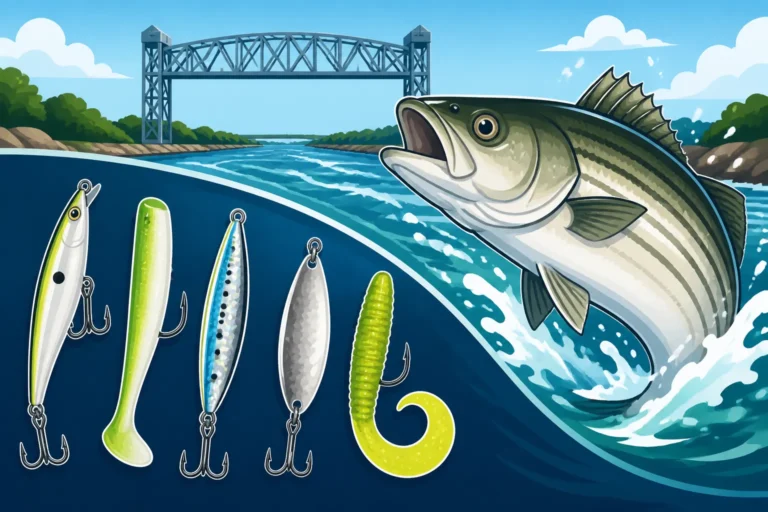
The key to fishing the Canal is understanding the "breaking tides." These are the periods when the current is at its strongest, often occurring about halfway between high and low tide. During these intense flows, massive schools of baitfish, primarily mackerel and herring, get swept through the Canal, creating a feeding frenzy for large striped bass. Anglers target these powerful currents by using heavy jigs (up to 6-8 ounces or more) and large plugs designed to "swim" in the heavy flow. Positioning yourself correctly is vital; you want to be able to cast into the current and allow your lure to swing naturally into areas where stripers are holding, often in eddies or seams behind prominent rock structures. You can find robust jigs and suitable heavy-duty spinning reels you can find on Amazon, which are essential for tackling the Canal's demanding conditions.
Both the strong incoming and outgoing tides can be productive, but anglers often develop preferences based on the section of the Canal they fish. The west end and east end have different dynamics, for instance. The beginning and end of the strong currents are also critical transition periods. As the current starts to pick up or slow down, stripers might become more active, moving out of deeper holding areas to ambush prey. Fishing the entire tide swing is often necessary to find the most productive windows, as the exact sweet spot can shift daily based on bait presence and other factors.
Bay and Estuary Fishing: Different Strokes for Different Tides
Massachusetts is dotted with numerous bays and estuaries, from the expansive waters of Buzzards Bay to the marshy creeks of Plum Island Sound and Ipswich Bay. These shallower, more protected environments offer different tidal challenges and opportunities compared to the Canal or open ocean. An article specifically about Ipswich Bay Fishing Spots in Massachusetts could give you more detail on one such area.
In these systems, the outgoing tide is often highly favored. As the tide recedes, water drains out of the vast network of salt marshes and shallow flats, flushing out countless shrimp, crabs, and baitfish like silversides and mummichogs. Striped bass will stage themselves at the mouths of creeks, along the edges of marsh banks, or in deeper channels to intercept this exodus of food. This is a prime time for casting soft plastics, topwater lures, or live bait near these outflow areas. The clearer, deeper water of the main channels might also hold fish as the shallower areas become too exposed.
Conversely, the incoming tide also has its moments, particularly as it pushes new schools of baitfish into the bays and estuaries, or as it floods shallow flats, creating new feeding zones. Stripers might move onto these flats to hunt for crabs or burrowing worms, especially during the higher stages of the tide. This can be excellent for sight-fishing with flies or lighter tackle, targeting fish cruising in inches of water. Kayak anglers often find great success by following the incoming tide into these skinny water areas. The best strategy is often to assess the predominant bait source and the structure of the specific bay or estuary you're fishing and then align your efforts with the tide that best concentrates that forage.
Surfcasting and Beach Fronts: Reading the Waves and the Tide
Surfcasting along Massachusetts' extensive coastline, from the outer beaches of Cape Cod to the rocky shores of the North Shore, is a quintessential striper experience. Here, tides work in conjunction with wave action, bottom contours, and features like sandbars and jetties to create dynamic feeding zones. To master this art, understanding Massachusetts Surf Fishing Techniques is key.
For surfcasters, the incoming tide is often highly productive. As the water rises, it provides stripers with access to the deeper sides of sandbars, washes baitfish closer to shore, and creates "wash-outs" – areas where waves crash and then recede, pulling sand and disoriented bait with them. Stripers will patrol these wash-outs, waiting for an easy meal. The rising water also allows anglers to cast over submerged sandbars and into deeper troughs that become accessible only at higher stages. This is an excellent time for throwing metal lip swimmers, pencil poppers, or chunks of bait into the surf.
The outgoing tide can also be good, especially as it starts to expose structure or create rips and current lines where bait might be concentrated. However, as the tide drops, many shallow beach fronts can become too skinny to hold active fish, forcing them to retreat to deeper water further offshore. This often means longer casts are required, or targeting specific deep holes and cuts close to the beach. Reading the waves and understanding how they interact with the tide to form rips, troughs, and cuts is paramount for successful surfcasting. A good pair of polarized sunglasses and time spent observing the water before you cast can often reveal these subtle, yet crucial, features. Many anglers also find browsing top-rated lures on Amazon helps them discover what others are successfully using in the surf.
| Fishing Location/Scenario | Prime Tidal Stage(s) | Why It Works | Suggested Techniques |
|---|---|---|---|
| Cape Cod Canal | Strong incoming/outgoing (breaking tides) | Concentrates bait, creates current seams | Heavy jigs, large plugs, live lining |
| Estuary Mouths/Creeks | Outgoing tide (mid- to late ebb) | Flushes bait from marshes, funnels to choke points | Soft plastics, topwater, live bait, chunking |
| Shallow Flats | Incoming tide (mid- to high flood) | Floods new feeding grounds, bait pushed in | Flies, shallow-running plugs, soft plastics |
| Sandy Ocean Beaches | Incoming tide (mid- to high flood) | Creates wash-outs, brings bait close, covers bars | Poppers, metal lips, chunk bait, soft plastics |
| Rocky Shores/Jetties | Mid-incoming to mid-outgoing | Bait disoriented by surge, stripers ambush in structure | Live bait, bucktails, plastic shads, swimmers |
| Deep Channels/Rips | Strong incoming/outgoing | Bait concentrated by current, stripers hold in rips | Jigging, trolling, chunking, live lining |
Gear, Techniques, and Advanced Tidal Considerations
Successfully leveraging the tides for striped bass isn't just about knowing when to fish; it's also about knowing how to adapt your gear and techniques to those conditions.
Matching Your Approach to the Tidal Flow
The strength and direction of the tidal current should directly influence your choice of lures, baits, and presentation. It's a dynamic puzzle that requires constant adjustment. For a general overview of striper fishing, check out our guide on How to Catch Striped Bass in Massachusetts.
When facing strong currents, like those found in the Cape Cod Canal or major inlets, heavier lures are often necessary to get down to the strike zone and maintain contact with your offering. Large bucktail jigs, heavy flutter spoons, and specialized Canal plugs are designed to cut through strong water movement. Your retrieve speed will also need to be adjusted; often, a slower retrieve is effective, allowing the current to impart natural action to your lure. For bait fishing, heavier sinkers are crucial to hold your bait in place, or conversely, a carefully presented live bait on a light line might be allowed to drift naturally with the current into a striper's ambush point.
During periods of lighter current or slack tide, you can lighten up your tackle. Smaller, lighter jigs, soft plastics, or even flies become more effective as they can be presented more subtly. Stripers might be less aggressive, so a slower, more enticing retrieve that mimics a wounded baitfish can be the ticket. Topwater lures, which are often less effective in heavy chop or current, can shine during calmer slack water periods, drawing explosive strikes from fish feeding on the surface. Don't be afraid to experiment; carrying a diverse selection of lures, including some of the Best Lures for Striped Bass in Massachusetts, will allow you to adapt on the fly. Reading angler reviews on Amazon for specific gear can also provide invaluable insights into what's working for others in similar conditions.
Planning Your Trip: Tidal Charts and Real-Time Intel
Trying to fish for striped bass without consulting a tide chart is like driving across the state without a map – you might get there, but it'll be a lot of wasted time and frustration. Tidal charts are your essential planning tool. You can often find great deals on specialized tide books or charts on Amazon, or simply rely on widely available online resources.
Start by looking up the tide predictions for your specific fishing location. Websites like NOAA's Tides & Currents or various fishing forecast apps provide detailed hourly predictions for thousands of locations along the Massachusetts coast. Pay close attention to the times of high and low tide, and then mentally calculate the periods of strongest current (usually mid-way between high and low). This initial planning helps you decide when to arrive and when to focus your efforts. For example, if you're fishing a spot known for a hot outgoing tide, you'll want to be there an hour or two before the high tide, fishing through the peak ebb.
Beyond just the tides, consider other environmental factors. Moon phases significantly influence tidal ranges, with new and full moons ("spring tides") producing stronger currents and king tides, while quarter moons ("neap tides") result in weaker tidal flows. Wind direction and strength can also affect water movement, especially in shallower bays and estuaries, either enhancing or countering the natural tidal current. Furthermore, water temperature and bait presence, which often correlate with the Best Time of Year to Fish in Massachusetts, play huge roles. Combining tide charts with real-time weather forecasts and local fishing reports gives you the most comprehensive picture for a successful outing. Many anglers use apps that integrate all this data, making planning much easier.
Overcoming Challenges and Maximizing Your Chances
Even with the best tidal knowledge, fishing for striped bass can present its challenges. Learning to adapt and prioritize safety will make your time on the water more rewarding.
When the Tides Don't Seem to Cooperate
We've all been there: you've planned your trip around the perfect tide, you arrive, and for whatever reason, the fish just aren't biting. It happens. The ocean is a complex system, and tides are just one piece of the puzzle. When the tides don't seem to be cooperating, or the fish are being particularly finicky, it's time to adjust your strategy rather than give up.
One of the first things to consider is moving locations. Perhaps the spot you chose isn't reacting to the tide as you expected, or the bait simply isn't there. Have a backup plan for different tidal stages. For example, if your prime outgoing tide spot isn't producing, consider moving to a deeper channel or an area known for holding fish during slack water as the tide shifts. Sometimes, even a short move of a few hundred yards can make all the difference.
Experiment with your presentation. If you're throwing big plugs, try switching to a smaller, more subtle soft plastic. If bait isn't working, try a lure. Change your retrieve speed, try fishing deeper or shallower, or cast in a completely different direction. Stripers can be incredibly particular on any given day. Persistence is also key; sometimes, waiting out a slow period for another shift in the tide, or for a new school of bait to move in, is the best approach. Don't be afraid to try something completely different from what you originally planned – flexibility is the hallmark of a successful angler. Remember that even on tough days, a better understanding of the Massachusetts Fishing Seasons Explained can help manage expectations.
Safety First: Understanding Tidal Currents and Hazards
While chasing striped bass in strong tidal currents can be exhilarating, it's absolutely crucial to prioritize safety. The powerful water movement, especially in areas like the Cape Cod Canal or major inlets, can create dangerous conditions for both shore anglers and boaters. We discuss various regulations in our Massachusetts Recreational Fishing Rules and Bag Limits but safety goes beyond just legal compliance.
For shore anglers, strong currents can lead to slippery rocks, unstable footing, and even the risk of being swept off your feet or into deep water. Always wear appropriate footwear with good grip, such as Korkers or sturdy wading boots. A personal flotation device (PFD) is highly recommended, especially when fishing rocky shorelines or near fast-moving water. Be aware of your surroundings, understand where the current is flowing, and never turn your back to the ocean, especially on surf-swept beaches. Changing depths caused by the tide can expose hidden hazards or suddenly put you in over your head. A good headlamp, easily found on Amazon, is essential if fishing during dawn, dusk, or night tides, to navigate safely.
For boaters, strong currents demand extra caution. They can make anchoring difficult, affect steering, and create dangerous standing waves or rips, especially when battling against wind. Always ensure your boat is in good working order, your engine is reliable, and you have all required safety gear, including enough PFDs for everyone on board. If fishing the Cape Cod Canal, be particularly mindful of commercial traffic and the sheer power of the current, which can quickly pull you into dangerous situations if you're not experienced. Understanding the specific Cape Cod Canal Fishing Guide for Massachusetts Anglers and local boat traffic rules is paramount. Never overestimate your abilities or take unnecessary risks when dealing with powerful tidal forces.
Disclaimer
Please note that fishing regulations, seasons, and licensing requirements in Massachusetts can change. Always consult the latest official rules and guidelines from the Massachusetts Division of Fisheries and Wildlife (MassWildlife) or the Massachusetts Division of Marine Fisheries (DMF) before heading out. This guide provides general information and recommendations but should not be considered a substitute for official resources.