Massachusetts Surf Fishing Techniques
There's nothing quite like the thrill of standing on a Massachusetts beach, the waves crashing at your feet, a salty breeze on your face, and the anticipation of a tug on your line. But let's be real, surf fishing isn't just about casting and hoping; it’s a strategic dance with the ocean, often met with frustrating empty retrieves or confused glances at the seemingly endless expanse of water. If you've ever felt overwhelmed by reading the waves, choosing the right lure, or just knowing where to even start, this guide is for you. We're going to break down everything you need to know to transform those frustrations into successful, exhilarating surf fishing adventures across the Bay State's stunning coastline.
Understanding Massachusetts Beaches and Surf Conditions
Before you even think about casting, you've got to learn to speak the language of the surf. The ocean isn't just a flat surface; it's a dynamic environment with hidden structures and constant movement that dictate where fish will be and how they'll behave. Understanding these elements is the first, and arguably most crucial, step to becoming a successful surf angler in Massachusetts.
Reading the Beach: Rips, Bars, and Cuts
When you look out at the ocean, don't just see waves; look for patterns, disruptions, and changes in color. These are your clues. Sandbars are elevated areas of sand that can run parallel to the shore, often creating a calmer, shallower trough between the bar and the beach. Fish love to patrol these troughs, especially on an incoming tide, as baitfish get trapped or are forced into these channels. You can spot a sandbar by seeing where waves break first, then reform, or by observing patches of lighter-colored water beyond the initial breakers. On the Outer Cape, like at Nauset Beach or Coast Guard Beach, these sandbars can be quite pronounced, creating excellent holding areas for striped bass.
Cuts (or sloughs) are deeper channels that run through a sandbar, connecting the inshore trough to the deeper water beyond. These are prime ambush points for predatory fish like striped bass and bluefish, as baitfish use these highways to move in and out with the tide. A cut might appear as a darker patch of water where waves aren't breaking, or where a current seems to be flowing more strongly. If you're fishing a broad, flat beach like those on Plum Island, identifying these subtle changes can make all the difference. Waves will often reform or surge more violently over a shallower bar, then quiet down momentarily as they pass over a deeper cut. These are visual cues you need to train your eye to recognize.
Rips are areas where opposing currents meet or where a strong current flows over an underwater structure, creating turbulent water. These can be visible as distinct lines of choppy water or areas where baitfish are congregating. Rips often form around jetties, inlets, or prominent points of land, like the turbulent waters often found near the mouth of the Merrimack River. These frothy, moving patches of water are essentially a buffet line for larger fish, disorienting bait and making them easy targets. Casting into the calmer edges of a rip, or just beyond it, can be incredibly productive.
Tides, Currents, and Moon Phases
The rhythm of the ocean is largely dictated by the tides, and understanding this rhythm is fundamental to Massachusetts surf fishing. Incoming tides often push baitfish closer to shore, making game fish like striped bass and bluefish follow them into shallower waters. The last hour or two of the incoming tide and the first hour or two of the outgoing tide are often considered the "sweet spots" for many surf anglers, as fish become more active and are forced to move. However, certain spots, particularly those with strong currents like the Cape Cod Canal, can be fished productively throughout various stages of the tide, but understanding the optimal window for casting and retrieval in specific areas is key.
Currents are the silent forces that move water, bait, and fish. Strong currents can disorient bait, making them vulnerable, or they can simply be highways for migratory species. Knowing which way the current is flowing helps you present your bait or lure naturally. If you’re fishing a breachway or an inlet, the current can be incredibly powerful, requiring heavier weights or more precise casting to keep your offering in the strike zone. The direction and speed of the current are also heavily influenced by the moon phase. Full and new moons typically bring stronger tidal swings (spring tides), resulting in faster currents, which can be fantastic for pushing bait but also challenging to fish. Quarter moons bring weaker tides (neap tides). Paying attention to the moon phase can help you anticipate the intensity of the day's currents and plan your approach accordingly.
Weather and Water Temperature
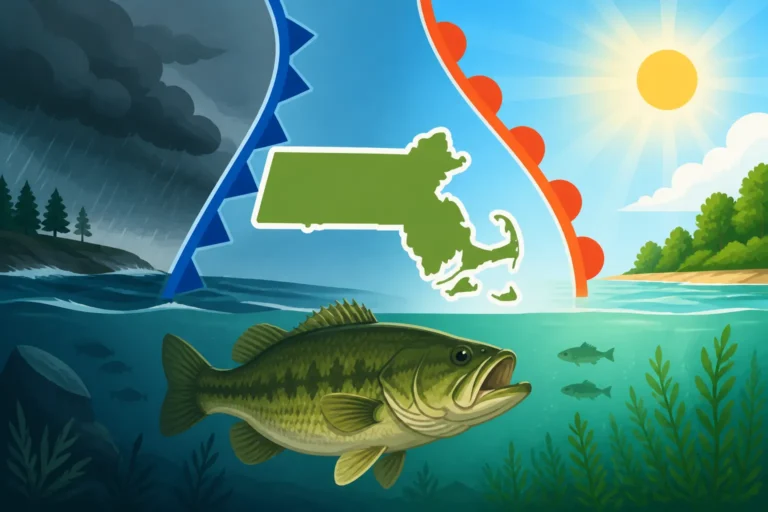
While you can't control the weather, you can certainly use it to your advantage. A little bit of wind can actually be a good thing for surf fishing. An onshore wind (blowing from the ocean towards the beach) can create chop that disorients baitfish and pushes them closer to shore, masking your presence and making fish more comfortable feeding in shallower water. However, too much wind, especially a strong crosswind, can make casting nearly impossible and your line difficult to manage. A stiff offshore wind (blowing from land out to sea) can flatten the surf and make for tough fishing, as it pushes bait away from shore. Overcast days or light rain can often be excellent for fishing, as the reduced light makes fish less wary and more willing to feed throughout the day.
Water temperature is a non-negotiable factor. It dictates the presence and activity level of nearly all game fish. Striped bass, for instance, prefer water temperatures between 55 and 68 degrees Fahrenheit. In the spring, as water temperatures rise into this range, the first waves of migrating stripers move into Massachusetts waters. Conversely, in the fall, as temperatures drop, they begin their migration south. Bluefish are generally more tolerant of warmer water, often showing up later in the spring and staying longer into the fall than stripers. Carrying a small thermometer to check the water temperature at your chosen spot can provide invaluable insight into what species might be present and how active they might be. Sudden drops or spikes in temperature, often due to strong winds or upwellings, can shut down a bite instantly.
Essential Gear for Massachusetts Surf Fishing
You wouldn't go hiking without the right boots, and you shouldn't hit the Massachusetts surf without the proper gear. The ocean environment is harsh, and the fish you're targeting are powerful. Having the right rods, reels, lines, and accessories isn't just about comfort; it's about efficiency, safety, and ultimately, success.
Rods and Reels for the Northeast Surf
For serious surf fishing in Massachusetts, you're going to need a robust setup. Rods typically range from 9 to 12 feet in length, though some anglers go longer in specific situations, such as fishing the outer beaches of Cape Cod National Seashore where maximum casting distance is paramount. The extra length helps with casting heavier lures and baits, clearing the breaking waves, and fighting powerful fish. A medium-heavy to heavy action rod with a fast tip is usually preferred. This allows you to launch baits a long way, but still feel subtle bites. Common ratings might be for lures between 2-6 ounces or 3-8 ounces. Brands like Penn, Shimano, and Lamiglas offer excellent surf rods built to withstand the rigors of the Northeast coast.
When it comes to reels, spinning reels are by far the most popular choice for surf fishing due to their ease of use, especially for casting repeatedly. You'll want a large, robust spinning reel, typically in the 6000 to 10000 size range, built with saltwater resistance in mind. Look for features like sealed bodies, strong drags, and high line capacity. The Penn Spinfisher or Shimano Saragosa series are popular choices known for their durability and performance in saltwater. While conventional reels are used by some seasoned surfcasters for specific techniques or heavy chunking, spinning reels offer more versatility for a broader range of tactics you'll employ. Whatever you choose, ensure it's rinsed thoroughly with fresh water after every outing to prevent salt corrosion.
Line, Leaders, and Terminal Tackle
Your main line is your direct connection to the fish, and in the surf, you need something strong and abrasion-resistant. Braided line has become the standard for most surf anglers due to its superior strength-to-diameter ratio, minimal stretch, and excellent casting distance. Common pound tests range from 30 lb to 65 lb test, depending on the conditions and target species. The lack of stretch in braid means you feel every bump and bite, which is crucial when fishing at long distances. Monofilament line still has its place, particularly for bait fishing where some stretch can be beneficial, but it's generally thicker and doesn't cast as far. A good quality braided line from brands like PowerPro or Daiwa J-Braid is a wise investment, easily found on platforms like Amazon.
Leaders are essential for protecting your main line from abrasion against rocks, fish teeth, and sharp gill plates. Fluorocarbon or a heavy monofilament leader (50-80 lb test) is typically tied to your main line with a strong knot like an FG knot or a double uni knot. The leader length can vary, but usually 3-5 feet is a good starting point. For toothy critters like bluefish, you might even consider a short section of wire leader, though this can deter striped bass.
Your terminal tackle includes everything at the very end of your line: swivels, clips, weights, and hooks. High-quality barrel or ball bearing swivels prevent line twist, especially important when using rotating lures. Strong snap swivels or specialized clips like the Tactical Anglers Clips allow for quick lure changes, which is a huge advantage when conditions are changing or you're trying to "match the hatch." For bait fishing, a variety of sinker styles are needed: pyramid sinkers for holding bottom in current, Sputnik sinkers for extremely strong currents or rough surf, and egg sinkers for fish-finder rigs. Hooks should be sharp, strong, and sized appropriately for your bait and target species. Circle hooks are often preferred for bait fishing to promote jaw hooking and easier release.
Waders, Apparel, and Safety Gear
Surf fishing can be a wet and wild experience, so having the right waders and apparel is paramount for comfort and safety. Breathable stockingfoot waders made from Gore-Tex or similar materials are popular for their comfort and versatility, allowing you to layer underneath. Neoprene waders offer more warmth in colder water but can be bulky. Always wear a wading belt to cinch your waders tight, which is a critical safety measure in case you take a tumble and your waders fill with water. A good pair of studded or felt-soled wading boots provides crucial grip on slippery rocks and sand.
Layering your clothing is key for the variable New England weather. Start with moisture-wicking base layers, add insulating mid-layers, and top with a waterproof and windproof jacket. Polarized sunglasses are essential not only for eye protection but also for cutting glare off the water, helping you spot subtle changes in the surf. A good headlamp with both red and white light settings is a must for night fishing, allowing you to see without spooking fish (red light is less visible to fish).
Beyond clothing, a few other safety items should always be with you. A surf belt equipped with D-rings for attaching pliers, a knife, and a small first-aid kit is incredibly useful. Pliers (especially corrosion-resistant ones like those from Danco or a similar brand) are indispensable for unhooking fish and cutting line. A sharp knife is vital for various tasks, from cutting bait to emergency situations. Always tell someone where you're going and when you expect to return. Fishing with a buddy is always a good idea, especially in treacherous spots. Be aware of your surroundings, understand the power of waves, and never turn your back on the ocean.
Popular Baits and Lures for Massachusetts Surf Species
Once you're geared up and have a rudimentary understanding of the beach, it's time to think about what you'll present to the fish. Massachusetts surf anglers have a vast arsenal of baits and lures, each with its own time and place. Matching your offering to the conditions and the fish's feeding patterns is a game-changer.
Natural Baits: The Classic Choices
There’s an old saying, "nothing beats fresh bait," and for many surf species in Massachusetts, it still holds true. Clams, particularly surf clams or sea clams, are an absolute staple for striped bass and a host of other bottom feeders. They're soft, scent-filled, and irresistible. You can buy them shelled or shucked from bait shops, or even dig them yourself in certain areas. To rig them, simply thread a piece of clam meat onto a snelled hook, making sure the hook point is exposed. For casting longer distances, use clam bags (small mesh bags) to keep the bait on the hook.
Worms are another classic. Sandworms and bloodworms are incredibly effective, especially for spring-run striped bass, winter flounder, and various panfish. Their natural wiggling action and scent can entice even finicky feeders. Thread them carefully onto a worm hook, ensuring a natural presentation. While often purchased from local bait shops, you can sometimes find good deals on bulk orders online, though fresh is always best.
Eels are a top-tier bait for large striped bass, especially at night. Live eels are fished either free-lined or with a light weight, allowing them to swim naturally. Rigging involves hooking them lightly through the jaw or eye socket. Dead eels can also be effective, fished on a weighted rig. The Cape Cod Canal, in particular, is famous for its live eel fishery for "cow" stripers.
Bunker, also known as menhaden, are oily baitfish that striped bass and bluefish absolutely gorge themselves on during their migrations. They can be caught with cast nets or snagged, or purchased frozen as chunk bait. A fresh bunker head or a large chunk of its body, fished on a fish-finder rig with a heavy pyramid sinker, is a deadly offering when these baitfish are present. Mackerel, herring, and squid are also excellent baits when available.
Artificial Lures: Plugging and Jigging
For anglers who prefer a more active approach, artificial lures (often called "plugs") offer endless possibilities. The key is to have a variety and know when to use them.
Poppers are topwater lures designed to mimic a struggling baitfish on the surface. They create a commotion that can draw explosive strikes, especially from aggressive bluefish and active striped bass during dawn, dusk, or in choppy conditions. Popular choices include the Rebel Pop-R or larger pencil poppers.
Darters are designed to dive and swim with a wide, erratic wobble. They are particularly effective in turbulent water and strong currents, where they can mimic a disoriented baitfish. They are a go-to lure for striped bass in spots like the Cape Cod Canal or any breachway with a strong rip.
Swimmers or minnow plugs come in various styles, some floating, some sinking, some jointed. They mimic baitfish like herring or mackerel and are often retrieved with a slow, steady motion, or with pauses and twitches. Brands like Yo-Zuri, Bomber, and SP Minnows are popular and widely available on Amazon or at local tackle shops. Metal-lip swimmers, with their distinct diving lip, have an irresistible wobble that can call in big fish from a distance.
Soft plastics offer incredible versatility. Paddle tail shads (like the Gulp! or Tsunami Swim Shads), soft plastic stick baits, and "sluggos" can be rigged on jig heads or weightless. They excel when fish are picky or when you need a more subtle presentation. They can be worked slowly along the bottom or jigged through the water column.
Jigs, particularly bucktail jigs, are incredibly effective in current or when fishing deeper water. They can be tipped with a piece of pork rind or a soft plastic trailer for added bulk and scent. Lead-head jigs with various soft plastic bodies are also extremely popular. They can be vertically jigged or cast and retrieved with a bounce along the bottom.
Matching the Hatch and Conditions
The phrase "matching the hatch" refers to selecting a lure or bait that closely resembles the natural forage that fish are currently feeding on. This is a critical concept in surf fishing. If stripers are feeding on small sand eels, throwing a large bunker chunk might not be effective. Instead, a slender, soft plastic imitation or a Kastmaster tin might be more productive. Observe what baitfish are in the water, or what fish are spitting up when you catch them.
Beyond the specific baitfish, consider the conditions. On bright, sunny days with clear water, a more natural presentation, perhaps a natural-colored soft plastic or a subtle swimming plug, might be best. In dirty or turbulent water, or at night, a larger, more noisy lure like a popper or a dark-colored, silhouette-creating plug might be more effective. The time of day also plays a role. Live eels are often synonymous with night fishing for large striped bass, while poppers might shine more during the dawn or dusk bite. Always have a variety of options in your surf bag, and don't be afraid to experiment until you find what the fish are keying in on.
Here's a quick reference table for common lures and baits:
| Lure/Bait Type | Description & Presentation | Primary Target Species | Best Conditions |
|---|---|---|---|
| Live Eel | Free-lined or lightly weighted, natural swimming | Striped Bass (large) | Night, strong currents, rocky areas |
| Fresh Clam/Bunker | Bottom fished on a fish-finder rig, scent attracts | Striped Bass, Flounder, Scup | All conditions, especially incoming/outgoing tide |
| Popper | Retrieved with jerks to create surface commotion | Bluefish, Striped Bass | Dawn/Dusk, choppy water, active fish |
| Darter | Erratic diving and wobbling retrieve | Striped Bass, Bluefish | Strong currents, turbulent water, night |
| Soft Plastic Shad | Retrieved steadily or jigged along bottom/mid-water | Striped Bass, Fluke, Bluefish | All conditions, subtle presentation |
| Bucktail Jig | Bounced or jigged along bottom, tipped with trailer | Striped Bass, Fluke, Tautog | Current, deeper water, near structure |
| Spoon/Tin | Fast retrieve for distance and flash | Bluefish, Striped Bass | When baitfish are fleeing, strong winds |
| Minnow Plug | Steady retrieve mimicking baitfish | Striped Bass, Bluefish | Calm water, dawn/dusk, mimicking local bait |
Targeting Key Species from the Massachusetts Surf
Massachusetts boasts a fantastic array of fish species that can be caught directly from its beaches and rocky shorelines. While the techniques might vary, understanding the habits and preferences of these key players will significantly improve your catch rates.
Striped Bass: The Surf King
Without a doubt, the striped bass (often called "stripers" or "linesiders") is the reigning monarch of Massachusetts surf fishing. These powerful, migratory fish draw anglers from all over the Northeast. They typically arrive in Massachusetts waters in late April to early May, with the main body of fish moving in during May and June as water temperatures rise. The fall run, from September through November, sees them heading south, often in huge schools, creating some of the most exciting fishing of the year.
For surfcasting, targeting striped bass often involves either casting artificial lures or fishing natural baits. When they are actively feeding on baitfish, casting plugs like darters, metal-lips, and large soft plastics is incredibly effective, especially during low light conditions or at night. Topwater poppers can yield exhilarating strikes if the fish are on the surface. Many anglers also find success chunking fresh bunker or mackerel on fish-finder rigs, particularly when fish are feeding on the bottom or when you want to put a lot of scent in the water. Live eels are perhaps the most potent bait for larger striped bass, especially after dark. To learn more about how to legally keep your catch, check out our guide on the Massachusetts Striped Bass Slot Limit Explained.
Bluefish: The Tooth Busters
If you're looking for an aggressive fight and don't mind a bit of chaos, bluefish are your species. These fierce predators arrive in Massachusetts waters when the temperatures warm, usually from June through October. Known for their voracious appetites and razor-sharp teeth, bluefish will strike almost anything that moves. They can decimate schools of baitfish, often creating frenzies that are visible from shore.
Bluefish respond exceptionally well to fast-moving lures. Metal spoons, large poppers, and aggressive swimming plugs are all excellent choices. When you hook into a bluefish, be prepared for a strong, head-shaking battle. Because of their teeth, a short, heavy monofilament or fluorocarbon leader (50-80 lb) is usually sufficient, but some anglers opt for a small section of wire leader for absolute tooth protection, though this can sometimes deter stripers. Handling bluefish requires caution; their bite can be severe. Use a good pair of pliers to remove hooks. For detailed strategies on these aggressive fighters, you'll want to read up on How to Catch Bluefish in Massachusetts.
Other Common Surf Catches: Fluke, Tautog, and More
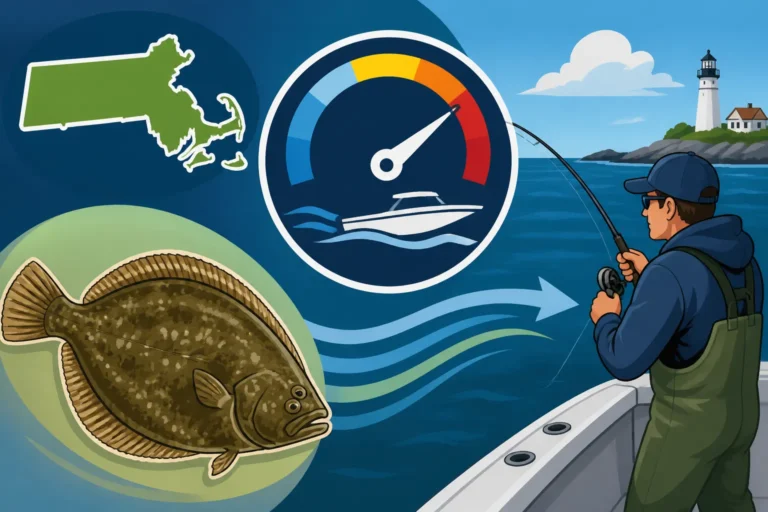
While stripers and bluefish get most of the glory, the Massachusetts surf offers opportunities for other delicious and challenging species. Fluke (summer flounder) can be caught from sandy beaches and estuaries, particularly where there are deeper channels or troughs. They are ambush predators that lie on the bottom, so a jig head tipped with a Gulp! shrimp or a strip of natural bait (like squid or a spearing) retrieved slowly with a lift-and-drop motion is often effective. Drift fishing baits or small bucktails can also entice them. Dive deeper into specific techniques with our guide on How to Catch Fluke in Massachusetts.
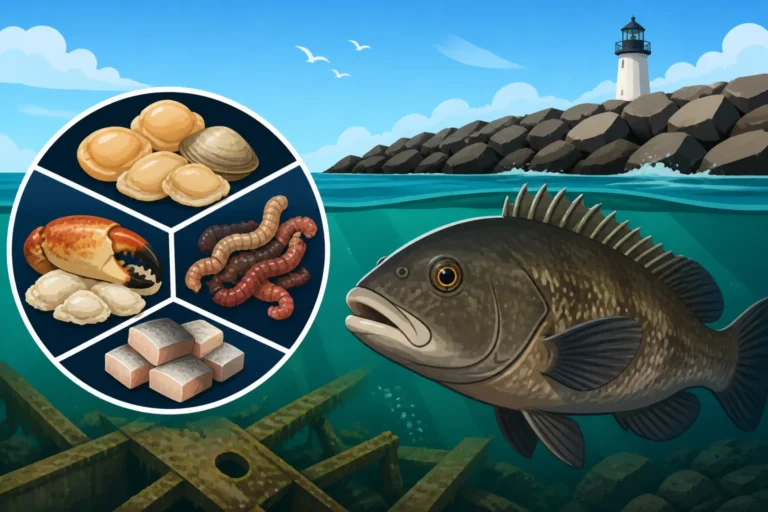
Tautog, known as "blackfish" by many, are powerful fighters that prefer rocky bottoms and structure. While more commonly targeted from boats or jetties, they can be caught from the surf in areas with significant rock piles, jetties, or mussel beds. Green crabs or Asian crabs are their preferred baits, fished on a small, heavy jig head or a bottom rig with a short leader. These fish are incredibly strong and will try to pull you into the rocks, so heavy tackle is a must. If you're interested in pursuing these tough bottom dwellers, explore the techniques detailed in Bottom Fishing for Tautog in Massachusetts.
Other species like winter flounder (a spring-time delight), scup (porgy), and various panfish can also be caught from Massachusetts beaches, typically using smaller hooks and baits like seaworms, clams, or squid. Each offers a different challenge and rewards the patient angler. Understanding the bag limits and seasons for all these species is critical, so always consult the latest Massachusetts Saltwater Bag Limits by Species before heading out.
Mastering Surf Casting and Retrieval Techniques
Having the best gear and knowing your target species won't matter much if you can't effectively present your bait or lure. Mastering casting for distance and accuracy, varying your retrieval, and knowing how to safely land a fish are core skills for any Massachusetts surf angler.
Basic Casting for Distance and Accuracy
The goal of surf casting is often to send your lure or bait as far as possible, reaching past the close-in breakers to deeper water or distant rips. The overhead cast is the most fundamental and widely used cast. With practice, you can achieve respectable distances. It involves bringing the rod back over your shoulder, pausing briefly, and then accelerating forward, releasing the line as the rod tip points towards your target. The key is a smooth, continuous motion and timing your release perfectly.
For greater distances, particularly with heavier weights and longer rods, the pendulum cast or modified pendulum cast can be employed. These casts involve swinging the lead (or lure) in front of you like a pendulum before launching it, using the momentum to generate incredible distance. However, these are advanced casts that require significant practice to master safely and effectively, especially around other anglers.
Accuracy is just as important as distance. It's not always about how far you can cast, but how accurately you can place your lure into a specific cut, alongside a jetty, or into a visible rip. Practice casting at targets on an open beach to develop precision. Keep your eyes on your target throughout the cast. Remember, even with the best gear from Amazon, consistent casting accuracy comes from repetition and proper form.
Varied Retrieval Methods for Lures
Once your lure hits the water, the way you retrieve it dictates its action and how appealing it is to a fish. Rarely is a simple, straight retrieve the most effective.
- Steady Retrieve: This is your baseline. It's a continuous reeling motion, often used with swimming plugs or spoons. Varying the speed of a steady retrieve can mimic different baitfish speeds.
- Stop-and-Go: Reel for a few seconds, pause, then reel again. This erratic action can often trigger strikes from fish that are following but hesitant to commit. It makes the lure appear injured or disoriented.
- Twitching/Jerking: With lures like soft plastics or some minnow plugs, short, sharp twitches of the rod tip can impart a darting, lifelike action. This is particularly effective when trying to mimic a panicked baitfish.
- Sweeping: For darters and metal-lip swimmers, a long, slow sweep of the rod followed by reeling up the slack can create a wide, enticing wobble, especially in strong currents.
- Jigging: With bucktails or soft plastic jig heads, you lift the rod tip to make the lure jump, then drop it, allowing it to fall on a semi-slack line. This mimics a crab or a bottom-dwelling baitfish.
The best retrieval method often depends on the type of lure, the prevailing conditions, and the mood of the fish. Don't be afraid to experiment! If one retrieve isn't working, try another. Fish can be finicky, and finding the right cadence can turn a slow day into an epic one.
Fighting Fish in the Wash and Landing Techniques
Hooking a fish is only half the battle; successfully landing it from the surf requires skill, patience, and often, some quick thinking.
When you have a fish on, especially a powerful striped bass or bluefish, keep constant pressure on the fish. Pump the rod to gain line, then reel down to take up slack. Your rod acts as a shock absorber. Crucially, learn to use the waves to your advantage. As a wave pushes the fish towards shore, reel quickly to gain ground. As the wave recedes, the fish might try to swim back out; at this point, maintain pressure and be ready to give a little line if needed.
Landing a fish in the wash (the turbulent zone where waves break and surge) can be tricky. For larger fish, try to time your landing with an incoming wave. As the wave pushes the fish almost onto the sand, quickly backpedal up the beach, pulling the fish out of the wash. Never wade deep into strong surf to land a fish, as it can be dangerous.
Once the fish is on the sand, handle it with care. For striped bass, a lip gripper can be invaluable for control. For bluefish, always use pliers to remove the hook to avoid their sharp teeth. If you intend to release the fish, minimize its time out of water. Take a quick photo, then revive it in the shallows, facing it into the current until it can swim off on its own. Understanding proper handling and catch-and-release techniques is vital for conservation.
Top Massachusetts Surf Fishing Spots and Considerations
Massachusetts offers an incredible diversity of surf fishing environments, from the vast sandy expanses of the Outer Cape to the rocky shores of the North Shore. Knowing where to go, and understanding access rules, can make your trip much more enjoyable and productive.
Iconic Beaches and Coastlines
When it comes to legendary surf fishing, a few Massachusetts locales immediately come to mind. The Cape Cod National Seashore is undoubtedly a jewel. Stretching from Nauset Beach in Orleans all the way to Race Point in Provincetown, these miles of pristine sandy beaches are prime territory for striped bass and bluefish. Spots like Race Point, with its deep water access and strong currents, and Nauset Beach, known for its dynamic sandbars and cuts, are magnets for migratory fish. The fishing here can be truly world-class, but it often requires long walks, an understanding of changing beach conditions, and respect for the natural environment.
Further north, Plum Island and the surrounding North Shore beaches near Newburyport offer fantastic surf fishing, particularly around the mouth of the Merrimack River, where strong currents and migrating baitfish create ideal ambush points for stripers. The South Shore, including beaches in Duxbury, Marshfield, and Scituate, also provides excellent opportunities, especially for those seeking more accessible spots closer to Boston. Places like Horseneck Beach in Westport, on the edge of Buzzards Bay, can also be very productive for a mix of species. For a more exhaustive list of great fishing spots, check out our guide on the Best Shore Fishing Spots in Massachusetts.
Access, Parking, and Regulations
One of the biggest frustrations for surf anglers in Massachusetts can be access and parking. Many of the prime fishing spots, especially along the Cape Cod National Seashore, require a 4×4 Oversand Vehicle (OSV) permit if you want to drive onto the beach. Without one, be prepared for significant walks, often carrying heavy gear. Many municipal beaches have strict parking regulations, seasonal closures, or require town-specific parking permits. Always check local rules and regulations before heading out. Websites for the National Seashore or town recreation departments are good resources.
Understanding and adhering to regulations is paramount. Every angler 16 years or older needs a Massachusetts Saltwater Recreational Fishing Permit Explained. Beyond the permit, you must be aware of species-specific rules, including minimum sizes, maximum lengths (like the striped bass slot limit), and bag limits. These rules can change annually, so always consult the latest Massachusetts Recreational Fishing Rules and Bag Limits issued by MassWildlife or the Division of Marine Fisheries. Ignorance of the law is no excuse, and fines for violations can be steep. Many local bait and tackle shops are excellent resources for the most up-to-date information.
Respecting the Environment and Fellow Anglers
Surf fishing in Massachusetts is a shared privilege, and it's essential to practice responsible angling. Leave no trace – pack out everything you pack in, including discarded fishing line, bait containers, and any other trash. Respect beach closures, especially those for nesting birds or seal haul-outs. Be mindful of beachgoers during peak summer months, and consider fishing during less crowded times (early morning, late evening, or offseason).
Angler etiquette is also important. If you arrive at a spot and someone is already fishing, give them ample space. Don't cast over their lines or crowd them. If a fish is landed, offer a hand but don't interfere unless asked. Share information respectfully, but don't reveal someone else's hard-earned secret spot without permission. Conservation is also key; practice responsible catch and release, especially for larger breeding fish, and only keep what you plan to eat. By respecting the environment and your fellow anglers, we can ensure that Massachusetts surf fishing remains a fantastic experience for generations to come. For a broader understanding of all licenses and permits you might need, including both freshwater and saltwater, the Massachusetts Fishing License Guide is an indispensable resource.
Seasonal Strategies for Massachusetts Surf Fishing
The Massachusetts coastline transforms throughout the year, offering distinct opportunities for surf anglers. Understanding these seasonal shifts and adapting your strategy accordingly is vital for consistent success. Each season brings different challenges, different rewards, and often, different target species or fish behaviors.
Spring Run: Awakening the Coast
The spring run is a highly anticipated time for surf anglers in Massachusetts. As water temperatures slowly climb into the low to mid-50s (Fahrenheit) in late April and early May, the first migratory striped bass begin to arrive. These are often smaller "schoolie" stripers, eager to feed after their long journey north. They'll typically follow baitfish like herring and mackerel into estuaries, river mouths, and protected bays.
During the spring, focus your efforts on these warmer, shallower areas. Light tackle can be incredibly fun for schoolies. Small soft plastics, bucktail jigs, and slender swimming plugs that imitate sand eels or juvenile herring are very effective. The key is to be present during the early part of the migration. Many anglers find success in areas like the Cape Cod Canal and its adjacent beaches, or around the mouths of major rivers like the Merrimack or Taunton, as fish navigate these waterways. This early season can be quite productive, offering a chance to shake off the winter rust and enjoy some fast-paced action before the summer crowds. To get a full overview of how the seasons impact fishing, our Massachusetts Fishing Seasons Explained guide is a great read.
Summer Heat: Dawn, Dusk, and Night Fishing
Summer in Massachusetts brings warmer waters and an abundance of bait, but also increased recreational activity on the beaches. While fish are plentiful, the bright sun and crowded beaches during the day can push larger game fish into deeper water or make them more wary.
Therefore, summer surf fishing often shifts to the low-light hours: dawn, dusk, and especially night. The cooler water and reduced boat traffic after dark make stripers and bluefish much more comfortable feeding in the shallows. Night fishing is a different beast altogether, requiring good headlamps (with a red-light option), confidence in your casting, and an intimate knowledge of your fishing spot. Large swimming plugs (like metal-lips), darters, and live eels are prime choices for big striped bass at night. Poppers can still be effective during the golden hours of sunrise and sunset for aggressive bluefish and active stripers. During the daytime, if you must fish, focus on areas with strong currents or deep water access, like jetties or breachways, where fish might hold regardless of the sun. Also, consider early mornings when the beach is quiet and the air is cool.
Fall Blitz: The Grand Finale
For many, the fall run is the pinnacle of Massachusetts surf fishing. From September through November, baitfish like peanut bunker, mullet, and herring begin their southward migration, often in massive schools. Striped bass and bluefish follow close behind, feeding voraciously to build up fat reserves for their winter journey. This creates what's often referred to as a "blitz" – intense feeding frenzies where fish erupt on the surface, pushing baitfish into tight balls.
The fall run can offer incredible fishing across the entire Massachusetts coast. The Outer Cape becomes a hotbed of activity, with large schools of stripers pushing bait right onto the beaches. The Cape Cod Canal, in particular, can be legendary during the fall, with huge fish moving through with the powerful tides. During a blitz, almost any lure will work, but poppers, metal spoons, and large soft plastics are excellent choices for covering water and mimicking fleeing bait. When the fishing is slower, chunking fresh bunker or mackerel, or live-lining eels, can still entice the larger, more cautious fish. This is the time of year to pack a variety of lures, be prepared for long walks, and be ready to move quickly to follow the action. For specific insights into this prolific waterway, be sure to consult our detailed guide on Fishing the Cape Cod Canal by Season.
Disclaimer
Fishing conditions and regulations in Massachusetts can change frequently. The information provided in this guide is for general informational purposes only and should not be considered legal advice. Always consult the latest official regulations from the Massachusetts Division of Fisheries and Wildlife (MassWildlife) and the Division of Marine Fisheries (DMF) before engaging in any fishing activities. Ensure you have all necessary licenses and permits. Stay safe, respect the environment, and happy fishing!