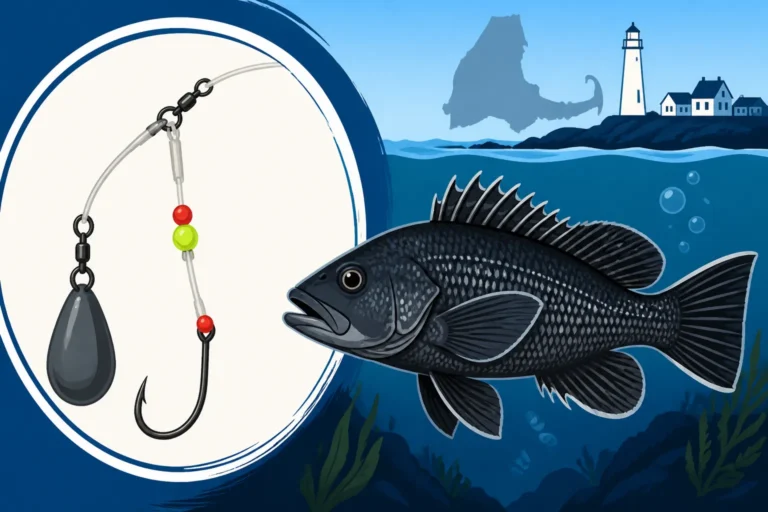
Best early morning technique for bass fishing
Waking up before the sun to hit your favorite Massachusetts pond or lake, only to cast fruitlessly as the first light breaks, can be incredibly frustrating. We've all been there, wondering what magic touch those "early bird gets the worm" anglers possess. This guide is here to unravel the secrets of successful early morning bass fishing, offering proven techniques and insights to help you capitalize on those golden hours when bass are most active in the Bay State.
Why Early Morning is Prime Time for Bass in Massachusetts
There's a reason seasoned anglers swear by those pre-dawn and early morning hours for chasing largemouth and smallmouth bass. It's not just about the tranquility; it's about physics, biology, and the natural rhythm of the water. Understanding these factors will dramatically improve your chances of hooking into some impressive fish.
Low Light Conditions and Bass Behavior
Imagine yourself under a blazing sun in the middle of a clear lake. You're exposed, vulnerable, and likely seeking shade. Bass feel the same way. As nocturnal or crepuscular (active at dawn and dusk) predators, bass use the cover of low light to their advantage. The muted light allows them to ambush prey more effectively without being easily spotted. Their eyes are well-adapted to dim conditions, giving them a distinct edge over many baitfish in the gloom.
Think about fishing on Lake Quinsigamond or the many ponds around the state; as the sun begins to peek over the tree line, the surface glimmers, making it harder for baitfish to see a lurking bass. This brief window, from roughly 30 minutes before sunrise to about an hour or two after, is when bass are often at their most aggressive and willing to chase down a meal. They move out from deeper, darker cover into shallower feeding grounds, actively searching for breakfast. Missing this window means missing out on some of the most exciting topwater action of the day.
Optimal Water Temperatures and Oxygen Levels
Massachusetts summers can get warm, and that means water temperatures in many ponds and lakes can rise significantly by midday. Warm water holds less dissolved oxygen, which can make bass sluggish and less inclined to feed aggressively. Early mornings, however, offer a reprieve. Overnight, the water cools, and dissolved oxygen levels tend to be at their highest. This invigorates bass, making them more active and eager to feed.
This is particularly true for shallow coves, flats, and weed lines where temperatures can fluctuate more dramatically. As the sun climbs, these areas heat up quickly, pushing bass back to deeper, cooler water or dense cover. Getting out before that happens means you're fishing when the bass are most comfortable and active. It's about presenting your bait when the fish are naturally inclined to strike, rather than trying to coax a bite from a lethargic fish seeking refuge from the heat. This cooler, oxygen-rich environment sets the stage for success. For more on seasonal changes, check out Massachusetts Freshwater Fishing Season Calendar.
Reduced Angler Pressure
Let's be honest, not everyone is an early bird. While the most dedicated anglers are out there before the crack of dawn, many weekend warriors prefer a more leisurely start to their fishing day. This means less boat traffic, fewer kayaks paddling over your honey holes, and generally a more peaceful environment. Bass, like most wildlife, are sensitive to pressure. Constant boat noise, casting shadows, and fishing lines splashing down can put them on edge, making them less likely to bite.
By getting out early, you have the advantage of pristine conditions. You can hit those prime spots—like the lily pad fields of Long Pond or the shallow edges of Lake Chauncy—before anyone else spooks the fish. This reduced pressure allows bass to behave more naturally, often remaining in shallower, more accessible feeding areas for longer. It's not just about what the bass are doing, but about minimizing external factors that can shut down a bite.
Mastering Top Early Morning Bass Techniques
When the alarm clock blares before the sun has even thought about making an appearance, your immediate thought might be to roll over. But for bass anglers in Massachusetts, those pre-dawn hours are pure gold, offering some of the most thrilling and productive fishing of the day. Choosing the right technique is paramount to capitalizing on this narrow window of opportunity.
Topwater Lures: The Heart-Pounding Thrill
There’s nothing quite like the explosive strike of a bass on a topwater lure. In low light, especially at dawn, topwater baits are often your most effective weapon. Bass are looking up for prey silhouetted against the brightening sky, and the commotion on the surface gets their attention.
- Walking Baits (e.g., Zara Spooks, Heddon Super Spooks): These lures glide side-to-side across the water with a "walk-the-dog" retrieve. They mimic a struggling baitfish, and the rhythmic, darting action is irresistible to bass. The key here is a consistent, almost hypnotic cadence. Cast your lure into likely ambush points—along weed lines, near submerged timber, or parallel to a rocky bank—and let it sit for a few seconds. Then, use short, downward twitches of your rod tip while reeling in slack to make the lure "walk." The strikes are often violent, so be ready! Many anglers find a good selection of these on platforms like Amazon, making it easy to prepare for your next trip.
- Poppers (e.g., Rebel Pop-R, Rapala Skitter Pop): Poppers have a cupped face that creates a "splosh" or "pop" sound when twitched, mimicking a feeding fish or a struggling insect. These are fantastic in calmer conditions or when bass are feeding aggressively on the surface. Try a "pop-pop-pause" retrieve, letting the ripples dissipate between pops. This gives the bass time to hone in on the disturbance. Poppers are particularly effective around docks, laydowns, or over shallow grass beds in places like Lakeville's Long Pond. Remember, patience is key with poppers; sometimes the longest pause triggers the most aggressive strike. For more specific topwater strategies, consider reading Topwater Fishing for Bass in Summer.
Spinnerbaits and Buzzbaits for Active Bass
If the bass aren't committing to a purely stationary topwater or you need to cover water more quickly, spinnerbaits and buzzbaits are excellent choices for active, early morning fish.
- Spinnerbaits: These lures feature a lead head, a skirt, and one or more spinning blades that create flash and vibration. In low light, the flash of the blades (especially silver or gold) can be a huge attractant. They're incredibly versatile, allowing you to fish different depths. In the early morning, focus on burning them just below the surface, or "bulging" them so the blades just break the surface. They can crash through light cover where bass might be hiding. Look for spinnerbaits with tandem willow leaf blades for more flash or Colorado blades for maximum thump, especially if the water has a bit of chop. You can find a vast array of colors and blade combinations on Amazon.
- Buzzbaits: A buzzbait is designed to create a disturbance on the surface, with a propeller-like blade that churns water and produces a distinct buzzing sound. This noise and surface commotion are fantastic for drawing aggressive strikes from bass hiding in heavy cover. Cast them close to lily pads, submerged logs, or dense weed beds, and start reeling as soon as the lure hits the water to ensure it stays on the surface. Their weedless nature makes them ideal for fishing through thick stuff where other lures might snag. Don't be afraid to experiment with different retrieve speeds; sometimes a slow, gurgling retrieve is better than a fast burn. These are great for awakening sleepy bass in the shallows of places like Otis Reservoir.
Wacky Rigs and Senkos for Finesse
Sometimes, even aggressive early morning bass need a more subtle presentation. When the topwater bite isn't quite happening, or if the bass are being a bit finicky after an initial flurry of activity, a wacky rig or Texas-rigged Senko can be a game-changer.
- Wacky Rigs: A wacky rig involves hooking a soft plastic stickbait (like a Yamamoto Senko or a similar brand) through its center, allowing both ends to wiggle seductively as it falls. This presentation is incredibly natural and irresistible to bass. The key is to let it sink slowly on a semi-slack line, watching for any twitch or jump in your line—that's often a bite. Cast it into open pockets in weed beds, along sparse cover, or near boat docks. The subtle shimmy as it falls is often all it takes. This technique excels in clear water conditions often found in smaller, less pressured Massachusetts ponds.
- Texas-Rigged Senkos: For slightly heavier cover or when you need to get down faster, Texas-rigging your Senko is the way to go. This involves inserting the hook point into the worm and then burying it back into the plastic, making it weedless. You can use a weight with a Texas rig to get it into deeper cover or fish it weightless for a slower fall. This is a fantastic search bait for those mornings when bass aren't showing themselves but are likely tucked away in dense grass or under fallen trees. The subtle, natural action of the Senko, whether wacky or Texas-rigged, makes it a reliable choice for consistent bites when the flashier lures aren't cutting it. It's particularly effective when you suspect bass are relating to specific pieces of structure, like a solitary stump in Lake Assawompset.
Essential Gear for Dawn Bass Patrols
Having the right tackle can make all the difference, especially when you're out there in the low light of early morning. You don't want to be fumbling with gear or realize you're underprepared when that big bass decides to strike. Thoughtful preparation beforehand ensures you can focus on the fishing itself.
Rod and Reel Combinations
Your rod and reel are extensions of yourself, and choosing the right setup for early morning bass fishing is crucial. Different techniques call for different tools.
- For Topwater and Buzzbaits: A medium-heavy (MH) action casting rod, typically 6'6" to 7'6" in length, paired with a baitcasting reel is ideal. The medium-heavy action provides the backbone to cast larger, heavier topwater lures and get a solid hook set, while still having enough tip flex for accurate casting and working the lure. Look for a reel with a moderate to fast retrieve ratio (around 6.4:1 to 7.1:1) to quickly pick up slack and keep lures moving on the surface. A quality baitcasting setup allows for precise presentations around cover in places like the Sudbury Reservoir.
- For Spinnerbaits: A similar medium-heavy casting rod works well for spinnerbaits. However, some anglers prefer a slightly faster retrieve reel (7.1:1 or higher) to keep the spinnerbait high in the water column and maximize flash. The rod's power helps you rip through weeds if needed and handle strong bass strikes.
- For Wacky Rigs and Senkos: These finesse techniques often benefit from a spinning setup. A medium-light (ML) to medium (M) action spinning rod, around 6'9" to 7'3" in length, provides the sensitivity needed to detect subtle bites. Pair this with a high-quality spinning reel in the 2500-3000 size. The lighter rod allows for softer casts that don't rip the hook out of the soft plastic, and the open-face reel provides excellent line control for slack-line presentations.
Line Choices
The type of line you spool onto your reel impacts everything from castability to sensitivity and strength.
- Braided Line: For topwater and buzzbaits, braided line is often the preferred choice. It has zero stretch, which means incredible sensitivity for detecting subtle bites and maximum power for setting the hook, even at a distance. It also floats, which helps keep topwater lures riding high. Use 30-50 lb test braid for these applications. The lack of stretch also makes it easier to impart the "walk-the-dog" action. While braid is great for power, its visibility can be an issue in clear water. Consider adding a short fluorocarbon leader (12-20 lb) if you suspect bass are line-shy, especially in clearer ponds like Walden Pond.
- Fluorocarbon Line: When using spinnerbaits or when you need a more subtle presentation with Texas-rigged Senkos, fluorocarbon is an excellent option. It's nearly invisible underwater, has low stretch for good sensitivity, and sinks, which can be an advantage for getting spinnerbaits just under the surface or weighting a Texas rig. A 10-17 lb test fluorocarbon is a good all-around choice.
- Monofilament Line: While less common for these techniques, monofilament line's stretch can be beneficial for certain topwater situations where a little give prevents hooks from tearing out of a bass's mouth during aggressive strikes. It's also more forgiving for beginners.
Essential Terminal Tackle and Storage
Don't forget the small but mighty details! These items are crucial for success and can easily be organized in a compact tackle box.
- Hooks: For wacky rigs, specialized wacky hooks (often weedless versions with small wire weedguards) are fantastic. For Texas rigs, extra-wide gap (EWG) hooks are essential to ensure a good hook set with thicker soft plastics.
- Weights: For Texas rigs, carry an assortment of bullet weights (1/8 oz to 1/2 oz) to adjust your sink rate and get into different types of cover. Tungsten weights are more sensitive and compact than lead, though they can be pricier.
- Swivels and Leaders: Small barrel swivels can help prevent line twist, especially with spinning gear. Always have a spool of fluorocarbon leader material on hand to tie leaders for braid.
- Pliers/Forceps: Essential for removing hooks safely from fish, especially those that have swallowed a bait deeply.
- Line Clippers: Keep a pair handy for clean knot tying and quick line adjustments.
- Headlamp: Absolutely critical for setting up your gear, navigating to your spot, and tying knots in the pre-dawn darkness. An Amazon search for "fishing headlamp" will yield many great, waterproof options.
- Rain Gear: Massachusetts weather can be unpredictable, even in the morning. A lightweight, packable rain jacket and pants can save your trip from a sudden shower.
Staying organized is key. Having a small tackle bag or box dedicated to your early morning bass essentials means less fumbling and more fishing.
Reading the Water: Locating Bass in Low Light
Finding bass in the low light of early morning isn't always about seeing them. It's about knowing where they should be and recognizing the subtle cues that indicate their presence and feeding activity. Understanding their habits at this time is a significant advantage.
Cover and Structure as Early Morning Magnets
Just like us, bass prefer comfort and security. Early morning, they often venture out from deep cover but still remain close to it for protection and ambush opportunities.
- Weed Lines and Lily Pads: These are classic early morning haunts. As the sun rises, bass will often patrol the edges of dense weed beds or under floating lily pads, waiting to ambush baitfish, frogs, or insects. Focus your casts on the outside edges, points, and any pockets or lanes within the vegetation. Spinnerbaits and buzzbaits can be fantastic for ripping through sparse weeds, while a wacky-rigged Senko dropped into a pocket can entice a strike from a wary bass. This is prime territory in many of the state's smaller ponds and lakes.
- Submerged Timber and Laydowns: Fallen trees, old stumps, and brush piles offer excellent ambush points and protection. Bass will often position themselves on the shaded side of these structures. Cast topwater lures or buzzbaits over the top or along the edges. If nothing hits, switch to a Texas-rigged Senko to probe the deeper pockets within the structure. This strategy is particularly effective in places like the Housatonic River or areas of the Connecticut River that have submerged wood.
- Docks and Piers: These man-made structures provide shade, cover, and often hold baitfish. In early morning, bass will cruise the edges and underneath docks, especially those with deeper water nearby. Skipping a wacky rig under a dock can be incredibly effective, or throwing a popper along the pilings. Just be mindful of private property! For ideas on good spots, check out Best Shore Fishing Spots in Massachusetts.
Baitfish Activity
The presence of baitfish is like a neon sign telling you where the predators are. Keep an eye and ear out for any signs of activity.
- Surface Splashes and Flickers: As dawn breaks, you might notice small splashes on the surface. This could be schooling baitfish being chased by bass. Focus your casts on these areas immediately. Sometimes you’ll see larger, more aggressive blow-ups—that's a bass actively feeding! If you see this, get a topwater lure there fast.
- Shad and Herring Runs: In certain rivers and coastal ponds, early morning can coincide with migratory runs of baitfish like shad or river herring. Bass will stack up to feast on these, offering incredible opportunities. Pay attention to local reports or ask at bait shops about these seasonal movements. While this guide is primarily about bass, it's worth noting that River Herring Runs in Massachusetts can indicate areas of high predator activity.
Weather and Water Conditions
While you can't control the weather, understanding its impact on early morning bass behavior helps you adjust your approach.
- Calm vs. Chop: On calm, still mornings, topwater lures with subtle actions (like a "walk-the-dog" bait or a slowly retrieved popper) often work best. The quiet conditions allow bass to see and hear the lure's disturbance more clearly. If there's a light chop on the water, more aggressive topwater lures or a buzzbait can cut through the surface disturbance and still get noticed.
- Cloud Cover: Overcast mornings can extend the effective topwater bite window, as the clouds help maintain low light conditions for longer. Bass may remain in shallower feeding areas and be more active for an extended period. These are the mornings to really maximize your time on the water.
- Water Clarity: In clearer waters, bass can be more line-shy, so consider lighter fluorocarbon leaders or more natural bait presentations like a wacky rig. In stained or murky water, lures that create more vibration and sound (like spinnerbaits and buzzbaits with large Colorado blades) can be more effective. The low light of dawn, however, generally makes bass less concerned with line visibility across various water clarities.
Common Pitfalls and How to Avoid Them
Even with the best techniques and gear, early morning bass fishing can sometimes throw you a curveball. Avoiding common mistakes can turn a slow morning into a memorable one.
Over-reliance on a Single Technique
It's easy to get stuck in a rut, especially when one lure or technique has worked for you in the past. You might have had an incredible day last week throwing only buzzbaits, and now you're convinced that's the only way to go. However, bass can be fickle, and conditions change daily, sometimes hourly.
- The Pitfall: Sticking to your favorite topwater lure for two hours even when nothing bites, convinced the fish must be there.
- How to Avoid: Be prepared to switch it up! Start with a few different techniques in rotation. Begin with a fast-moving topwater or buzzbait to cover water and find active fish. If that doesn't produce, slow down and try a spinnerbait fished just under the surface, or a Texas-rigged Senko probing deeper cover. If the bite is still tough, scale down to a wacky rig in known bass haunts. Think of your early morning fishing as an experiment: test different theories until you find what the bass are reacting to that day. A truly prepared angler will have multiple rods rigged with different presentations, ready to swap out instantly.
Making Too Much Noise or Disturbing the Water
Early mornings are often calm, and sound travels easily across the water. Bass are highly sensitive to disturbances, especially in shallow feeding areas.
- The Pitfall: Slamming tackle box lids, stomping around in a boat, dropping oars, or carelessly bumping into the kayak while rigging up. These seemingly small noises create vibrations that travel through the water and can send bass scattering.
- How to Avoid: Practice stealth. Approach your fishing spots quietly. If you're using an electric trolling motor, go slow. If you're paddling a kayak, be mindful of paddle splashes. When on foot, watch your step. Keep your gear organized and easily accessible to minimize rummaging and noise. Even simple things like talking loudly can spook fish in quiet conditions. Treat the early morning stillness as a sacred part of the fishing experience, and the bass will reward your respect. Using a headlamp with a red-light option on Amazon can help you see without spooking fish or ruining your night vision.
Ignoring the Subtle Signs
Bass fishing isn't always about explosive strikes. Sometimes, the most important clues are incredibly subtle, especially in the low light conditions of dawn.
- The Pitfall: Only reacting to obvious strikes or visual cues, missing soft bites or changes in line movement.
- How to Avoid: Pay attention to every detail. Watch your line like a hawk, especially when fishing wacky rigs or Senkos. A slight twitch, a sudden sideways movement, or even just your line "feeling heavy" can indicate a bite. For topwater, sometimes a bass will "boil" on your lure without actually taking it. If this happens, don't give up on the spot! Try casting back with a slower, more subtle presentation. Feel for changes in retrieve resistance with spinnerbaits – a sudden lightness or heaviness could be a fish following or nudging the lure. Developing this heightened sense of awareness comes with practice, but it's crucial for maximizing your early morning success. You might also want to review How to Catch Largemouth Bass in Massachusetts for a broader understanding of bass behavior.
Here's a quick reference for common early morning bass techniques:
| Technique | Lure Type | Best Conditions | Retrieve Style | Pros | Cons |
|---|---|---|---|---|---|
| Topwater (Walking) | Zara Spook, Heddon Super Spook | Calm to light chop, low light | "Walk-the-dog" (rod tip down, steady twitch/reel) | High visibility, aggressive strikes, covers water | Can be missed strikes, requires practice for cadence |
| Topwater (Popper) | Rebel Pop-R, Rapala Skitter Pop | Calm water, less aggressive fish, targeting specific cover | "Pop-pop-pause" (twitch rod, let ripples dissipate) | Irresistible sound, works well around docks & pads | Slower retrieve, covers less water |
| Spinnerbait | Tandem blade, Colorado blade | Light to moderate chop, stained water | Fast retrieve just under surface, "bulging" | Covers water quickly, creates flash & vibration, weedless | Less effective in clear, calm water |
| Buzzbait | Single/tandem propeller | Overcast, choppy water, heavy cover | Steady, fast retrieve on surface as soon as it lands | Creates maximum commotion, draws aggressive fish, weedless | Can be ignored by finicky bass, less versatile for depth |
| Wacky Rig | Senko, stickbait | Clearer water, sparse cover, finicky bass | Slow fall, light twitches, watch line | Extremely natural presentation, high hook-up ratio | Slow retrieve, can be tedious, not for heavy cover |
| Texas Rig | Senko, creature bait | Heavy cover, deeper water, windy conditions | Drag, hop, or slow reel on bottom | Weedless, versatile for depth, good for probing cover | Less action than wacky rig, can get snagged with weight |
Making the Most of Your Early Morning Angling Adventures
The early bird definitely gets the worm—or, in our case, the bass—in Massachusetts. While it might feel like a struggle to pull yourself out of bed when it's still dark, the rewards of those golden hours on the water are undeniable. From the peaceful stillness that greets the dawn to the explosive topwater strikes that wake you up faster than any coffee, early morning bass fishing is an experience unlike any other.
Remember, success isn't just about a single magic lure or secret spot; it's a combination of understanding bass behavior, choosing the right techniques for the conditions, and coming prepared with the right gear. Don't be afraid to experiment, adapt, and learn from every cast. Whether you're targeting largemouth bass in a quiet back cove or probing for smallmouth along a rocky river section, the dawn offers a fresh start and the best chance at some thrilling action. So, set that alarm, pack your gear, and get ready to experience the magic of Massachusetts early morning bass fishing. You might just find your new favorite time to hit the water. And for more specific information on what to expect, consider reviewing Massachusetts Freshwater Daily Catch Limits before you head out!
Disclaimer
This article is for general informational purposes only and does not constitute professional advice. Laws, prices and regulations vary by location and change over time. Consult a qualified professional for guidance on your specific situation.