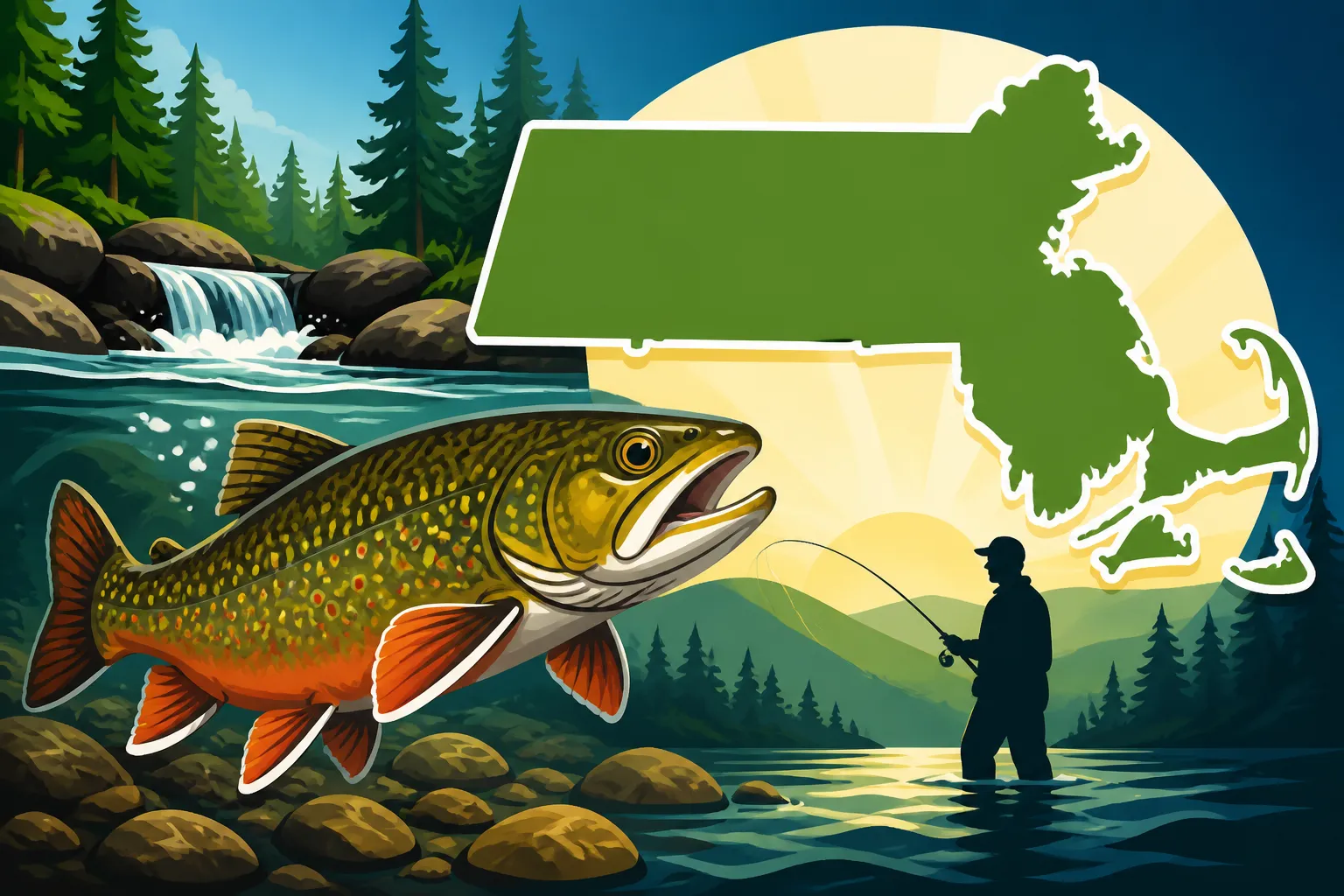
Does Massachusetts Have Wild Brook Trout Streams?
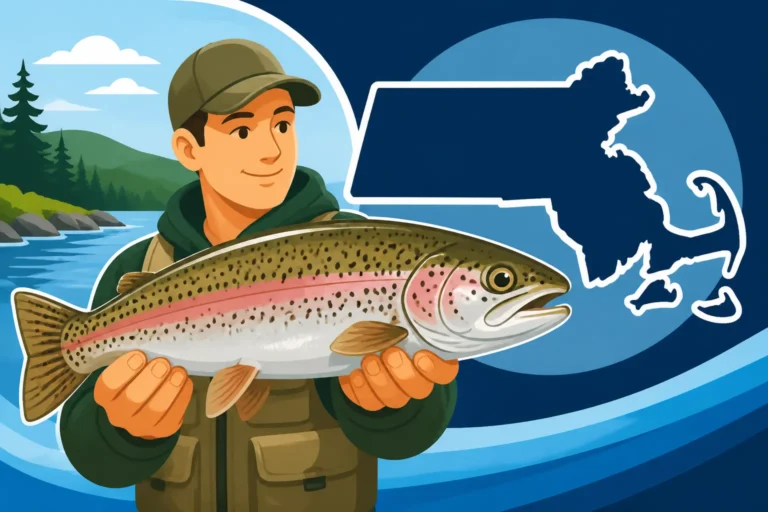
For many anglers, the thought of catching a truly wild fish, especially a native brook trout, is the stuff of dreams. You might picture pristine, untouched waters deep in the wilderness, far from the crowds and the hatchery trucks. It’s easy to wonder if such places even exist anymore in a densely populated state like Massachusetts. This comprehensive guide will explore the reality of wild brook trout populations in the Commonwealth, where to find them, and how to approach these special fisheries responsibly.
The Elusive Charm of Wild Brook Trout in Massachusetts
There’s something uniquely captivating about brook trout. Perhaps it’s their vibrant, jewel-toned colors, their preference for cold, crystal-clear water, or the fact that they are the only truly native salmonid species to Massachusetts. For many, catching a wild brook trout isn't just about the fight; it's about connecting with a piece of the state's natural heritage in its purest form.
What Makes a Stream "Wild"?
When we talk about a "wild" brook trout stream, we're referring to a waterway where these fish reproduce naturally, sustaining their populations without the intervention of stocking programs. These streams are typically pristine, exhibiting specific ecological characteristics that allow brook trout to thrive from egg to adult. They are a testament to healthy aquatic ecosystems, acting as living indicators of environmental quality.
Unlike stocked trout, which are raised in hatcheries and released into various water bodies, wild brook trout are born and live their entire lives in the stream. This inherent difference contributes to their hardiness, their stunning natural coloration, and often, their more elusive nature. They are perfectly adapted to their environment, having evolved over millennia to survive and reproduce in the challenging conditions of wild New England waters.
Why Wild Brook Trout are So Special
The allure of wild brook trout goes beyond just their beauty. They represent an undisturbed segment of nature, a rare glimpse into what Massachusetts’ waterways were like before widespread development. Finding and catching one is a profound experience, a challenge that rewards anglers with a deep appreciation for conservation and the delicate balance of nature. It's a true treasure hunt for those who value solitude and an authentic wilderness connection.
These fish are incredibly sensitive to changes in water temperature, oxygen levels, and pollution. Their presence signifies a healthy, cold-water ecosystem – a vital resource that benefits not just trout but countless other species. Pursuing them often means venturing into less accessible areas, offering a chance to escape the hustle and bustle and truly immerse yourself in the tranquil beauty of Massachusetts' less-traveled corners.
Massachusetts' Hidden Gems: Finding Wild Brook Trout Waters
Yes, Massachusetts absolutely has wild brook trout streams! While they might not be as widespread as stocked fisheries, these precious habitats are carefully managed and protected by MassWildlife. They are predominantly found in the colder, higher-elevation regions of the state, particularly in the western and central uplands where pristine headwater streams and smaller tributaries flow.
Key Characteristics of Brook Trout Habitat
Wild brook trout need very specific conditions to survive and reproduce. They thrive in water that remains cold year-round, ideally below 68°F, with high oxygen content. This usually means shaded streams, often fed by cold springs, with a good mix of riffles and pools. The streambed itself is crucial, typically composed of gravel and small cobbles for spawning, with plenty of underwater structure like fallen logs, undercut banks, and boulders to provide cover from predators and strong currents.
These ideal conditions are becoming increasingly rare due to factors like climate change, habitat fragmentation, and development that can warm waters or introduce pollutants. That's why the streams that still harbor wild brook trout are so important. They are often narrow, sometimes barely a trickle, but they offer the perfect sanctuary for these resilient, native fish.
Geographic Regions and Specific Examples
While MassWildlife keeps specific locations of wild trout streams somewhat guarded to protect these sensitive populations, general areas known for supporting them include the Berkshire Hills in Western Massachusetts, parts of the Quabbin Reservoir watershed, and the upland regions of Central Massachusetts. For instance, many tributaries feeding into larger rivers like the Deerfield River or the Westfield River system in the Berkshires are known to hold wild brook trout. You might find them in small, unnamed feeder streams, often requiring some bushwhacking to access.
These smaller, less-known brooks and rivulets are where you'll often discover these wild gems. They require careful exploration and a respect for the environment. Anglers who consistently find success often spend years exploring and learning the nuances of these micro-habitats, understanding that patience and persistence are key. Checking local topographical maps for high-elevation, spring-fed streams can be a good starting point for your own exploration.
| Stream Type | Key Characteristics | Typical Fish Present | Stocking Status | Angler Experience |
|---|---|---|---|---|
| Wild Brook Trout Stream | Cold, clean, spring-fed, high oxygen, abundant cover, gravel bottom | Wild Brook Trout, occasionally other native species | No stocking | Challenging, rewarding, solitary, pristine |
| Stocked Trout Stream | Variable water quality, often larger, more accessible | Rainbow, Brown, Brook Trout (stocked) | Regularly stocked by MassWildlife | Accessible, higher catch rates, often crowded |
| Mixed Fishery | May have areas of both wild and stocked fish, larger rivers | Wild and Stocked Trout, Bass, Panfish | Partial or seasonal stocking | Diverse, can be less predictable |
How MassWildlife Supports Wild Trout
MassWildlife plays a critical role in identifying, protecting, and enhancing these unique wild trout resources. They conduct extensive surveys, monitor water quality, and implement habitat restoration projects to ensure these populations can continue to thrive. Their efforts often involve working with landowners, advocating for stream buffer zones, and removing barriers to fish passage. If you're looking for more information on their conservation efforts or where some of these sensitive fisheries might be, visiting the MassWildlife website is a great start. You can also learn about broader conservation efforts by checking out the guide on the Massachusetts Fishing License Guide.
Their dedication to native trout goes beyond just fishing opportunities. It's about preserving biodiversity and ensuring the ecological health of Massachusetts' waterways for future generations. Knowing that there are professionals actively working to safeguard these precious resources adds to the experience for any angler fortunate enough to connect with a wild brook trout.
Strategies for Pursuing Wild Brook Trout
Fishing for wild brook trout is a different game than casting for hatchery-raised fish in a popular pond. It requires a more subtle approach, a willingness to explore, and a deep respect for the delicate nature of their environment. Think small, think stealth, and think about minimizing your impact.
Gear and Techniques for Remote Streams
When targeting wild brook trout, "less is more" often applies. These fish are typically smaller, though incredibly feisty, and inhabit tight, overgrown spaces. An ultralight spinning rod (around 4-5 feet) paired with a small reel spooled with 2-4 pound test line is ideal. For fly anglers, a short (6-7.5 foot), light-action fly rod (2-4 weight) is perfect for navigating brush and making delicate presentations in small currents. You might even find some excellent, compact Tenkara rods on platforms like Amazon, which are fantastic for this kind of tight-quarters fishing.
Lure choices should be equally diminutive. Tiny spinners (like Panther Martins or Mepps in sizes #0 or #1), small spoons, or micro-jigs are very effective. For fly fishermen, small dry flies (like Adams, Caddis, or Parachute Adams in sizes #14-20), nymphs (Pheasant Tail, Hare's Ear), and even tiny stream patterns like a Woolly Bugger can entice a strike. Live bait, such as small worms or crickets, can also be highly effective, but be sure to check local regulations as some wild trout streams might have bait restrictions. You can learn more about bait options in our article on the Best Bait for Trout Fishing in Massachusetts.
Ethical Angling and Conservation
Catch and release is highly recommended, if not outright required, for wild brook trout. These fish are slow-growing and vital to the health of their populations. Handle them as little as possible, with wet hands, and release them quickly. Barbless hooks minimize damage and make release easier. Beyond handling fish, practice leave-no-trace principles: pack out everything you pack in, stay on existing paths to prevent erosion, and respect private property.
The goal is to leave the stream exactly as you found it, or better. This ethical approach ensures that these precious resources remain vibrant for future generations. Remember, you're not just fishing; you're visiting a fragile ecosystem. Understanding the Massachusetts Recreational Fishing Rules and Bag Limits for trout is also crucial before you head out. These small acts of stewardship contribute significantly to the long-term health of these wild fisheries.
Challenges and Rewards of Wild Brook Trout Fishing
Embarking on a quest for wild brook trout in Massachusetts isn't always easy, but the rewards often far outweigh the difficulties. It's an adventure that tests your patience, your skills, and your willingness to step off the beaten path, offering experiences that stocked ponds simply cannot provide.
The Difficulty Factor
Let's be real: wild brook trout fishing can be tough. The fish are often small, ranging from 6 to 10 inches, and incredibly spooky. A heavy footstep, a shadow cast over the water, or a sloppy presentation can send them darting for cover. Accessing their preferred habitats often involves navigating dense woods, steep banks, and sometimes slippery terrain. These aren't the wide-open, easily castable waters you might find in a state park. You'll likely encounter plenty of brush, fallen trees, and tight spaces that challenge even experienced anglers.
Furthermore, catch rates can be significantly lower than in stocked streams. You might spend hours covering a stretch of stream for only a few bites, or sometimes none at all. It requires a different mindset, one that values the journey and the environment over a bulging creel. But don't let this discourage you; the pursuit itself is a huge part of the appeal. For those accustomed to the predictability of stocked waters, this can be a steep learning curve, but a highly gratifying one.
The Unforgettable Experience
Despite the challenges, the experience of catching a wild brook trout in Massachusetts is truly unforgettable. The fish themselves are stunning – their worm-like markings, red spots, and white-tipped fins are a marvel of natural artistry. The surroundings are often breathtakingly beautiful: secluded forests, crystal-clear water gurgling over rocks, and the peaceful sounds of nature. It’s a chance to truly disconnect from the digital world and immerse yourself in an untamed corner of New England.
This type of fishing offers a deep sense of accomplishment and a profound connection to the natural world. It’s about more than just catching fish; it’s about the adventure, the solitude, and the satisfaction of outsmarting a truly wild creature in its native element. Many anglers find a spiritual connection in these remote places, discovering not just trout, but a deeper understanding of themselves and the wilderness. If you're ready to experience this, make sure you have your Massachusetts Fishing License Guide handy, and consider exploring some Fly Fishing in Massachusetts techniques to maximize your chances.
Disclaimer
The information provided in this guide is for general informational purposes only and is not intended as legal or professional advice. Fishing regulations and conditions can change rapidly. Always consult the official Massachusetts Division of Fisheries and Wildlife (MassWildlife) website or their current regulations pamphlet for the most up-to-date rules, licensing requirements, and specific fishing season dates before planning any fishing trip. Adherence to all local, state, and federal laws is the sole responsibility of the angler.