Massachusetts Fishing Seasons Explained
Fishing in Massachusetts can often feel like a constantly shifting puzzle, with fish moving, regulations changing, and the unpredictable New England weather throwing curveballs. It's frustrating to plan a perfect fishing trip only to find out you've missed the peak season for your target species or, worse, that the season isn't even open! This comprehensive guide will unravel the mysteries of Massachusetts fishing seasons, helping you understand when and where to target your favorite species, whether you're chasing trophy stripers, bountiful trout, or powerful tuna.
Understanding the Massachusetts Fishing Calendar: A Year-Round Pursuit
Massachusetts offers incredible fishing opportunities throughout the year, but success hinges on understanding the rhythm of its waters. From icy winter ponds to sweltering summer seas, each season brings unique challenges and rewards. Knowing what to expect helps you prepare your gear, plan your trips, and align with the natural cycles of fish behavior and migration.
The Dynamic Nature of New England Seasons
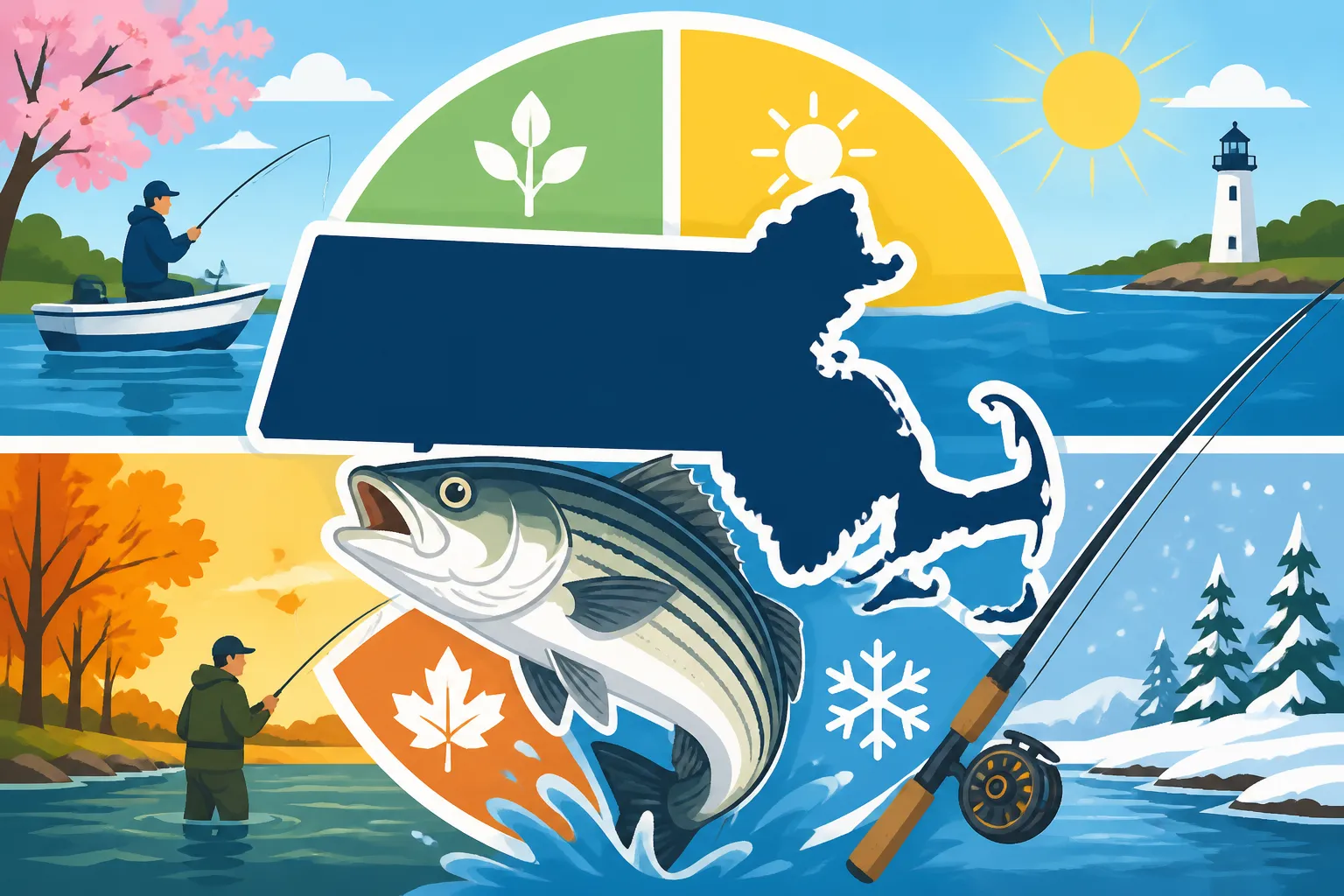
New England is renowned for its distinct and often dramatic seasonal changes, and these shifts profoundly impact fishing. Spring brings melting snow, rising water temperatures, and fish becoming more active after winter dormancy. Summer is a time of abundant baitfish, warm waters, and migratory species populating our coastlines. Fall witnesses massive bait migrations and aggressive feeding frenzies as fish prepare for winter, while winter itself, though quiet, offers unique ice fishing experiences or hardy efforts for cold-water species. Each transition means adjusting your strategy, tackle, and even your expectations. It’s a dance with nature, and she calls the tune!
Why Seasons Matter for Fish Behavior
Fish are cold-blooded creatures, and their activity levels, feeding habits, and migratory patterns are directly tied to water temperature, light cycles, and food availability. For instance, cold water in early spring often means slower metabolism for freshwater bass, requiring a different approach than their aggressive summer bites. Similarly, saltwater species like striped bass are highly migratory; they follow baitfish up the coast in spring, spend their summer feeding in our bays and estuaries, and then head south again in the fall. Understanding these natural inclinations is the foundation of successful fishing. It's not just about when a season is open, but why fish are active or present during that time.
The Importance of MassWildlife Regulations
Beyond natural cycles, the Massachusetts Division of Fisheries and Wildlife (MassWildlife) and the Division of Marine Fisheries (DMF) set specific regulations to manage fish populations, ensuring sustainable fishing for generations to come. These rules dictate everything from daily bag limits and minimum/maximum size limits to open and closed seasons for specific species. Ignoring these regulations can lead to hefty fines and impact conservation efforts. Always check the most current Massachusetts Recreational Fishing Rules and Bag Limits before heading out. It's not just about following the law; it's about being a responsible angler and contributing to the health of our fisheries. You can often find the most up-to-date information in the Massachusetts Fishing Regulations Pamphlet, Explained, available online or at bait shops.
Spring Fishing: The Awakening of Massachusetts Waters
Spring is a season of renewed hope for Massachusetts anglers. As the ice melts and temperatures gradually climb, both freshwater and saltwater species begin to stir, signaling the start of more consistent fishing action. It's a time for casting off the winter blues and getting back on the water.
Trout Stocking Frenzy: Early Season Opportunities
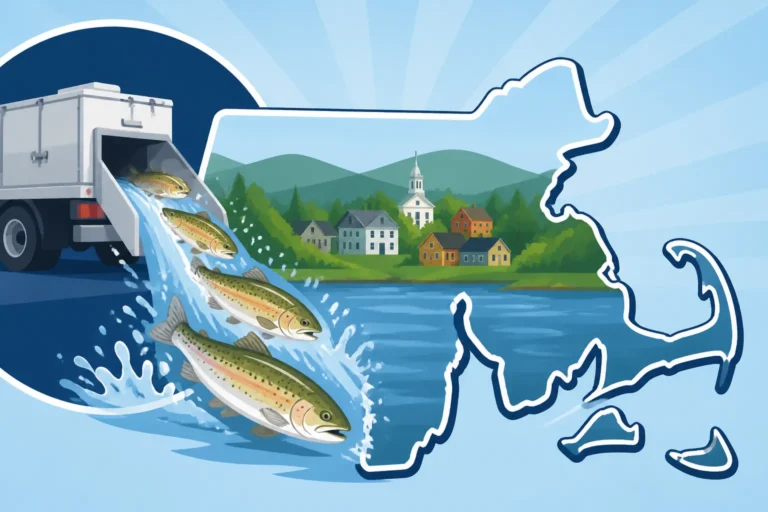
For many freshwater anglers, spring means one thing: trout. MassWildlife undertakes a massive trout stocking effort each spring, releasing hundreds of thousands of brook, brown, and rainbow trout into ponds, lakes, and rivers across the state. This creates fantastic "put-and-take" fisheries, especially in late March and April. Anglers flock to these freshly stocked waters, using everything from worms and power bait to small spoons and spinners. You can find specific dates and locations by checking the Massachusetts Trout Stocking Schedule, which is updated regularly. It's a fantastic way to get kids hooked on fishing, as the action can be fast and furious right after a fresh stocking. Just remember that many stocked waters have special regulations, so be sure to double-check those before you go.
Anticipating the Arrival of Striped Bass
As spring progresses and ocean temperatures rise, the highly anticipated arrival of striped bass begins. These magnificent migratory fish start their journey north from their wintering grounds, with the earliest arrivals typically showing up in southern Massachusetts waters, like Buzzards Bay and the Rhode Island border, by late April or early May. Initially, these are often smaller "schoolie" stripers, eager to feed after their long journey. They can be found in estuaries, rivers, and along beaches, targeting herring, seaworms, and other early baitfish. Early season striped bass fishing is all about finding those warmer pockets of water where bait is congregating. Many anglers start with soft plastics, small plugs, or flies to entice these hungry firstcomers. This is the time when anglers start to hone their skills for How to Catch Striped Bass in Massachusetts throughout the season.
Early Freshwater Bass and Panfish Action
While trout dominate the early spring narrative, freshwater bass (largemouth and smallmouth) and various panfish species (perch, crappie, bluegill) also become increasingly active. As water temperatures move into the 50s and low 60s, bass begin to shake off their winter lethargy and move into shallower waters to feed and prepare for spawning. This prespawn period can offer some excellent fishing, with bass willing to hit spinnerbaits, crankbaits, and jerkbaits. Panfish, too, become more aggressive, providing fun and accessible fishing for anglers of all ages. Simple live bait setups with worms or small jigs are often all you need. Targeting Massachusetts Largemouth Bass Fishing in Massachusetts during this time means focusing on areas like submerged structure, rocky points, and shallow coves that warm up faster in the spring sun.
Summer Fishing: Peak Season Excitement in the Bay State
Summer truly is prime time for fishing in Massachusetts, offering a wide array of options for both freshwater and saltwater enthusiasts. The longer days, warmer weather, and abundance of baitfish create ideal conditions for consistent action.
Striped Bass and Bluefish Domination
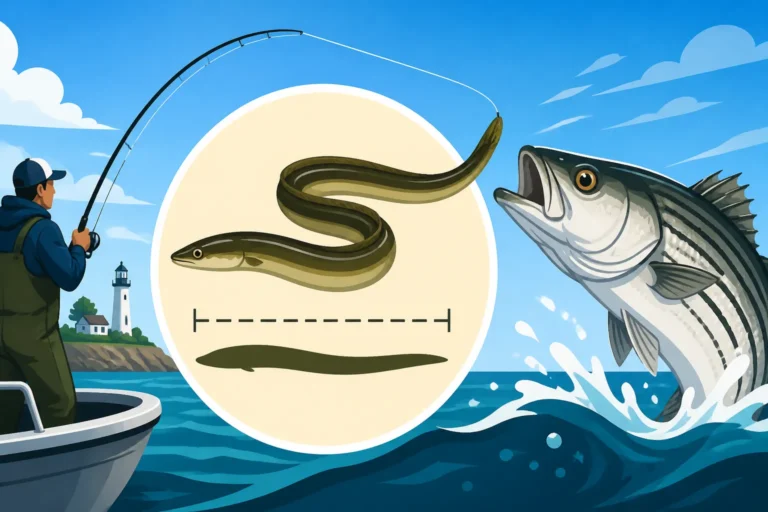
Once summer truly settles in, typically from June through September, striped bass fishing reaches its peak. Larger fish have moved into Massachusetts waters, inhabiting estuaries, rocky shorelines, open beaches, and offshore structure. The Cape Cod Canal becomes a legendary battleground for stripers, where anglers use various techniques including jigging, live baiting with eels or pogies, and throwing large plugs. Bluefish also arrive in force, often alongside stripers, bringing their toothy aggression and powerful fights. These strong swimmers are a blast to catch on topwater lures or by chunking bait. Many anglers find themselves employing Massachusetts Surf Fishing Techniques during the summer months, hitting beaches from Plum Island to the Outer Cape for these exciting species. The sheer volume of fish and the variety of fishing methods available make summer a truly dynamic period for chasing these popular gamefish.
Fluke, Tautog, and Bottom Fishing Bonanza
Beyond stripers and blues, summer opens up fantastic opportunities for bottom fishing and targeting other popular species. Fluke (summer flounder) are prevalent in sandy areas and estuaries, often caught by drifting with Gulp! artificial baits or strips of squid. Tautog, known for their strong pull and delicious meat, become active around rocky structures, wrecks, and jetties, with green crabs being a top bait choice. Black sea bass also provide excellent fishing, found on rocky bottom and wrecks in deeper waters. This is also a great time for scup, often referred to as porgies, which are plentiful and provide fast action for light tackle anglers. You'll find many head boats and charters running trips specifically for these bottom dwellers, making it accessible even if you don't have your own boat. Learning about Massachusetts Black Sea Bass Fishing in Massachusetts or chasing fluke offers a different, yet equally rewarding, experience.
Warmwater Freshwater Fishing: Largemouth and Smallmouth Bass
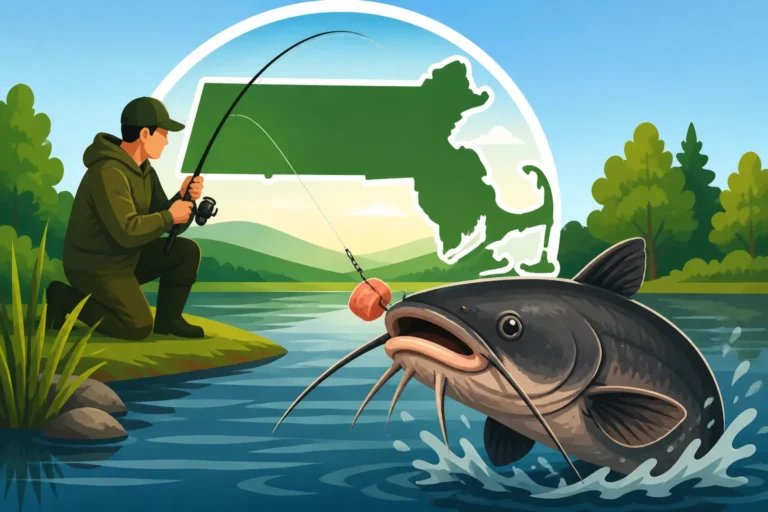
In freshwater, summer means warmwater fishing is in full swing. Largemouth bass will be holding in and around weeds, lily pads, and submerged timber in ponds and lakes, often hitting topwater lures in the early morning and late evening, or soft plastics and jigs during the heat of the day. Smallmouth bass, found in larger lakes, reservoirs, and rivers like the Connecticut River, will often be on rocky points, ledges, and drop-offs. Their aggressive strikes and acrobatic fights make them a favorite. Panfish like yellow perch and crappie are also abundant, offering continuous action for lighter tackle and a great way to introduce beginners to the sport. Summer nights can even offer opportunities for targeting catfish, which are more active in warmer water.
Fall Fishing: The Epic Migration and Feeding Blitz
For many seasoned anglers, fall fishing in Massachusetts is the absolute pinnacle of the year. As water temperatures begin to cool, fish sense the impending winter and embark on a furious feeding spree, creating some of the most memorable and action-packed fishing of the season.
The Legendary Striped Bass Fall Run
The fall run of striped bass is legendary. As baitfish like peanut bunker, mullet, and herring begin their migration south along the coast, striped bass follow in hot pursuit, often in massive schools. From late September through November, the fishing can be truly exceptional, especially along the Outer Cape, Buzzards Bay, and the North Shore. Anglers often find themselves casting into incredible blitzes where stripers are actively busting on baitfish on the surface. This is the time for big plugs, large soft plastics, and even fly fishing with oversized patterns. The fish are often fat and feisty, making for incredible battles. Understanding the patterns of the fall run and targeting migratory routes can lead to some of the best striper fishing Massachusetts has to offer.
False Albacore and Bonito: The "Albies" Blitz
While striped bass are the main event, the fall also brings another highly anticipated spectacle: the "albies" blitz. False albacore and bonito, known for their incredible speed and powerful runs, invade Massachusetts waters, particularly around Cape Cod, Martha's Vineyard, and Nantucket, usually from late August through October. These pelagic speedsters provide an exhilarating light-tackle experience, often caught by casting small metal jigs or flies into breaking schools. The sight of albies crashing bait on the surface is unforgettable, and the fight they put up on light gear is truly something to behold. They are incredibly wary, making them a challenging but rewarding target for anglers seeking an adrenaline rush. Finding the right gear, often a sensitive rod and a fast-retrieve reel, is key to success during this exciting, but often fleeting, fishery. You might even find specialized "albie" lures on Amazon during this season.
Late Season Freshwater Trout and Bass Opportunities
As saltwater action cools down with dropping temperatures, freshwater fishing continues to offer good opportunities. MassWildlife conducts a fall trout stocking program, refreshing many ponds and rivers with eager fish, providing a chance for anglers to extend their trout season into November and sometimes even December. These trout, often larger than their spring counterparts, are typically less pressured. For bass anglers, the fall means fish are actively feeding to pack on weight for winter. They'll often be found in deeper water or transitioning between shallow and deep areas, hitting jigs, crankbaits, and swimbaits. The cooler water also means less weed growth, making it easier to fish certain areas. It's a quieter time on the freshwater, but often yields some truly quality fish for those willing to brave the cooler weather.
Winter Fishing: Ice and Open Water Challenges
Winter in Massachusetts certainly presents the toughest fishing conditions, but it's far from a closed season. For dedicated anglers, it offers unique experiences, particularly for those who embrace the hardwater.
Embracing Massachusetts Ice Fishing Culture
Once lakes and ponds freeze over safely, ice fishing becomes a beloved winter pastime for many Massachusetts anglers. Popular species include yellow perch, crappie, chain pickerel, trout, and even largemouth bass. Anglers use tip-ups, jigging rods, and portable shelters to brave the cold, drilling holes through the ice to access the fish below. Ice fishing requires specialized gear, including ice augers, warm clothing, and safety equipment like ice picks and flotation suits. Always prioritize safety and ensure the ice is thick enough (at least 4 inches of clear, solid ice) before venturing out. MassWildlife provides excellent resources on ice safety. Discovering the joys of Ice Fishing in Massachusetts is a unique way to connect with the state's natural beauty during the colder months.
Open Water Opportunities for Cod and Ling
While ice fishing dominates the freshwater scene, some hardy anglers still pursue open water opportunities, especially in saltwater. When weather windows allow, offshore grounds can still hold cod and ling. These trips often require venturing further offshore on larger charter boats, braving colder temperatures and rougher seas. Cod fishing during winter can be productive, with large fish often found on rocky bottom and wrecks. However, recreational cod fishing has strict regulations and often limited open seasons due to conservation efforts, so it's absolutely crucial to check the latest rules from the Division of Marine Fisheries before planning any such trip. This isn't a fishery for the faint of heart, but it can yield impressive catches for those who are prepared.
Planning for the Next Season
For many, winter is also a time for preparation and dreaming of the next season. It's when tackle boxes are reorganized, reels are serviced, and new gear is researched. Many anglers spend hours online browsing for new lures, rods, or other equipment on platforms like Amazon, or studying maps of new fishing spots to explore. It's also an excellent time to delve into educational resources, learn new techniques, or tie flies. This downtime is crucial for ensuring you're fully ready when spring rolls around again, allowing you to hit the water running when the first schoolie stripers arrive or the trout stockings begin.
Navigating Key Freshwater Fishing Seasons in Detail
Massachusetts boasts a diverse array of freshwater fisheries, each with its own seasonal nuances. Understanding these specifics helps tailor your approach and maximize your chances of success.
Trout Season Openers and Closures
While MassWildlife’s extensive stocking program offers year-round opportunities in some waters, the traditional trout season opener, typically the first Saturday after April 1st, is a highly anticipated event. This signals the start of prime trout fishing in many waters that have been closed or restricted during the winter. Beyond the opener, trout fishing remains strong through spring and early summer in cooler streams and deeper ponds. As waters warm in mid-summer, trout often retreat to colder, deeper areas or feed more actively during dawn and dusk. The fall stocking provides a resurgence of activity, extending the season well into November or even December in some areas. Always be aware that certain "catch and release" or "fly-fishing-only" regulations may apply to specific trout waters. You can learn more about these specific rules in the Massachusetts Freshwater Fishing License Costs and Rules guide.
Bass and Panfish: Year-Round, but Best Times
Largemouth and smallmouth bass, along with panfish like perch, crappie, and sunfish, are technically open year-round in most Massachusetts waters. However, their activity peaks vary dramatically with the seasons. Spring, particularly the prespawn and spawn periods (April-June), offers aggressive feeding as bass move shallow. Summer sees them retreat to cover or deeper structures during the heat of the day, with topwater action often best at low light. Fall triggers another strong feeding bite as they bulk up for winter, often found in transition areas or deeper structure. Even in winter, dedicated ice anglers can find bass and panfish through the ice, though their metabolism is slower. For Massachusetts Largemouth Bass Fishing in Massachusetts, patience and adapting your presentation to the water temperature are paramount throughout the year.
Specialty Freshwater Seasons: Shad and Salmon
Massachusetts also has special seasons for anadromous fish like American Shad and Landlocked Salmon. American Shad make their annual spawning runs up major rivers like the Connecticut River in late spring (typically May to early June). This run attracts a passionate following of anglers who target these feisty fish using small darts, spoons, or flies. While challenging to catch, shad offer a unique freshwater experience. Landlocked salmon are a prized catch, found predominantly in large, deep, cold-water reservoirs like the Quabbin and Wachusett. Their season often opens in spring and extends through fall, but specific regulations and permits (especially for Quabbin Reservoir Fishing Permits and Rules in Massachusetts) are critical. Trolling with spoons or streamers is a common method for these powerful gamefish. These specialty seasons offer exciting, albeit sometimes short-lived, opportunities for anglers seeking unique freshwater challenges.
Decoding Saltwater Fishing Seasons and Migrations
The vast Massachusetts coastline, from Cape Ann to Cape Cod and the Islands, is a highway for numerous migratory saltwater species. Understanding their movements is crucial for successful ocean fishing.
Striped Bass: The Most Anticipated Migration
The striped bass migration is arguably the most significant event in Massachusetts saltwater fishing. As mentioned, they begin arriving in southern waters in late April/early May, with larger fish spreading throughout the state's estuaries, bays, and open coastlines by June. Peak season for these fish runs from June through early October, with the fall run (September-November) often yielding the largest fish and most consistent action as they prepare to head south. The season is open for recreational fishing during these months, but strict slot limits and bag limits are in place to protect the spawning stock. Keeping up with the current Massachusetts Saltwater Recreational Fishing Permit Explained and associated regulations is vital.
Bluefish, Fluke, and Black Sea Bass Windows
While stripers are often the main draw, other popular saltwater species have their own distinct seasonal windows. Bluefish typically arrive in Massachusetts waters in late May or early June, following the striped bass and baitfish. They are abundant and aggressive throughout the summer and into early fall, usually departing by late October. Fluke (summer flounder) season generally opens in late May and continues through September, making summer the best time to target them in sandy areas. Black sea bass have a more complex season, often opening in mid-May, closing for a period in summer, and then reopening for a fall fishery. These regulations can change annually, so always consult the Massachusetts Division of Marine Fisheries (DMF) for the most current information. These species provide excellent complementary fishing options throughout the warmer months.
Offshore Giants: Tuna Seasons and Peak Times
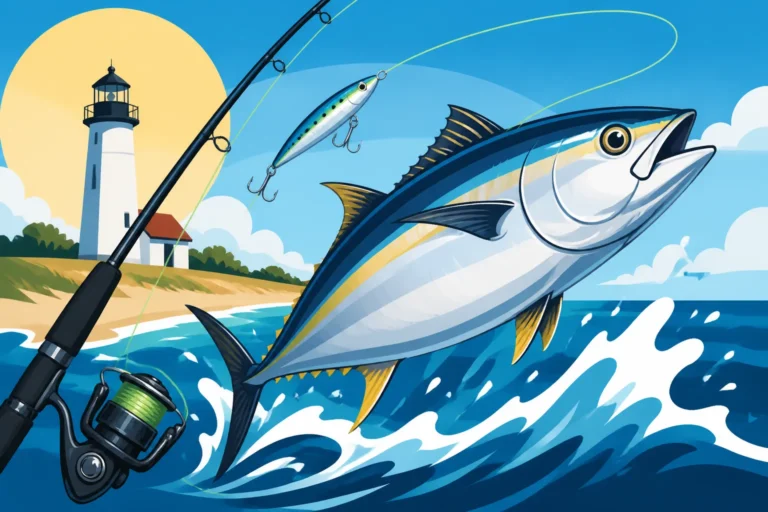
For the truly adventurous, Massachusetts is a world-class destination for bluefin tuna, along with yellowfin and bigeye tuna. The bluefin season typically kicks off in June and can run all the way into November, with peak action usually from late summer into fall (August-October) when the largest giants are often caught. This is a highly regulated fishery, with strict permitting, quota systems, and size limits (often complex categories for "school" vs. "giant" tuna). Chartering a dedicated Massachusetts Bluefin Tuna Charters is almost a necessity for this pursuit, as specialized gear and knowledge are required. Tuna fishing takes place miles offshore, often south of Martha's Vineyard and Nantucket, or east of Cape Cod. It's an expensive and demanding venture, but the thrill of hooking a powerful tuna is an experience of a lifetime.
Essential Gear and Preparation for Each Season
Being properly equipped and prepared for the specific challenges of each season is just as important as knowing when and where to fish. The right gear not only enhances your success but also ensures your comfort and safety.
Seasonal Rods, Reels, and Line Choices
Your rod and reel setup should match the species you're targeting and the conditions you expect. For spring trout, a light action spinning rod (6-7 feet) with a 1000-2500 series reel spooled with 4-8 lb test monofilament or braid is ideal. For summer striped bass, especially from shore, you might need a heavier surf rod (9-11 feet) paired with a large spinning reel (5000-8000 series) and 30-50 lb braided line. Freshwater bass fishing might call for a medium-heavy baitcasting or spinning setup with 10-20 lb test. In fall, for false albacore, a fast-action medium-light spinning rod (7-8 feet) and a 3000-4000 series reel with 15-20 lb braid is perfect for making long casts with small lures. And for ice fishing, short, sensitive jigging rods are crucial. Thinking ahead about your target will save you frustration and allow you to find the best deals on Amazon or at local tackle shops.
Baits, Lures, and Tackle Box Adjustments
Just as rods and reels change, so too do your bait and lure selections. Spring trout will hit worms, PowerBait, small spoons (like Kastmasters), and inline spinners. As summer progresses, largemouth bass might prefer topwater frogs, plastic worms, and jigs. Saltwater species like striped bass will take a variety of lures, from soft plastics (like the popular Fin-S Fish) and bucktail jigs to large swimming plugs and live eels. Bluefish are less picky, often attacking poppers, metal jigs, or cut bait. For fall false albacore, tiny metal jigs (1/2 oz to 1 oz) that can be cast a mile are essential. And in winter, ice fishing often involves small jigs tipped with wax worms or minnows. Keeping your tackle box organized and stocked with seasonal essentials, rather than a disorganized mess, will make your time on the water much more productive.
Safety and Comfort in Changing Conditions
New England weather can be notoriously fickle, so safety and comfort should always be top priorities. In spring and fall, layered clothing is key to adapt to fluctuating temperatures. Waterproof outerwear is a must year-round. For winter ice fishing, extreme cold weather gear, flotation suits, and ice safety equipment are non-negotiable. When fishing from a boat, always have appropriate PFDs (personal flotation devices) for everyone aboard. Sun protection (hat, sunglasses, sunscreen) is important in all seasons, even on cloudy days. Bring plenty of water to stay hydrated. A well-stocked first-aid kit is also a smart addition to your gear, no matter the season. Planning for the elements ensures you can focus on the fishing, not on being cold, wet, or uncomfortable.
| Season | Key Freshwater Species | Key Saltwater Species | Typical Months | Primary Gear Considerations |
|---|---|---|---|---|
| Spring | Trout, Bass, Panfish, Shad | Striped Bass (schoolies), Herring | March – May | Light spinning gear for trout; medium rods for bass; small plugs, jigs, worms, PowerBait; rain gear. |
| Summer | Bass, Panfish, Catfish | Striped Bass, Bluefish, Fluke, Tautog, Black Sea Bass, Scup | June – August | Medium-heavy spinning/baitcasting for bass; heavy surf rods for stripers/blues; bottom rigs; topwater lures, soft plastics, live bait. |
| Fall | Trout, Bass, Panfish | Striped Bass (big fish), Bluefish, False Albacore, Bonito | September – November | Medium-heavy rods for bass; heavy surf/boat rods for stripers; light spinning for albies; large plugs, metal jigs, live eels. |
| Winter | Trout, Pickerel, Perch, Bass (Ice Fishing) | Cod, Ling (limited offshore) | December – February | Ice fishing rods, tip-ups, augers; heavy offshore gear; small jigs, minnows, wax worms; extreme cold weather gear. |
Disclaimer
The information provided in this guide is for general informational purposes only and is subject to change. Fishing regulations, seasons, and stocking schedules are determined by state and federal agencies (MassWildlife, DMF) and can be updated at any time. Always consult the most current official Massachusetts fishing regulations before planning any fishing trip to ensure compliance with all laws and to stay informed about any advisories or closures.