How many towns get trout stocked in Massachusetts each spring
It's a question every angler in the Bay State has probably asked at some point: just how many lucky towns in Massachusetts get to experience the excitement of fresh trout stockings each spring? It can feel a bit like a mystery, especially if you're trying to figure out if your local pond or river will be brimming with eager trout. This guide is here to shed some light on the extensive efforts MassWildlife puts into its annual stocking program, giving you a clear picture of the sheer scale and reach of this beloved tradition across the Commonwealth.
Understanding Massachusetts' Trout Stocking Program
For many of us, the spring trout stocking is the official start of the fishing season. It's not just about tossing a few fish into a pond; it's a meticulously planned operation designed to provide incredible recreational opportunities for anglers of all ages and skill levels across the state. MassWildlife, our state's wildlife agency, takes on the monumental task of raising and distributing hundreds of thousands of trout each year, ensuring that our public waters are well-supplied.
The primary goal of this program is to enhance fishing opportunities in water bodies that might not naturally sustain robust trout populations due to habitat limitations, warmer summer temperatures, or heavy fishing pressure. Think about those smaller ponds or stretches of river that get fished hard – without stocking, the trout fishing experience would be a shadow of what it is. It's a way to keep the joy of trout fishing accessible and vibrant for everyone, from seasoned fly fishers stalking the Deerfield River to a parent helping their child catch their first rainbow trout in a local town pond. This program also plays a crucial role in supporting the local communities by drawing anglers who then support bait shops, restaurants, and other small businesses.
The Scope of Spring Trout Stocking in Massachusetts: The Numbers
So, let's get down to the core question: how many towns in Massachusetts typically receive trout stockings each spring? While the exact list and numbers can fluctuate slightly year to year based on environmental conditions and resource availability, MassWildlife's spring trout stocking program is truly expansive. We're talking about a massive undertaking that sees fish distributed far and wide.
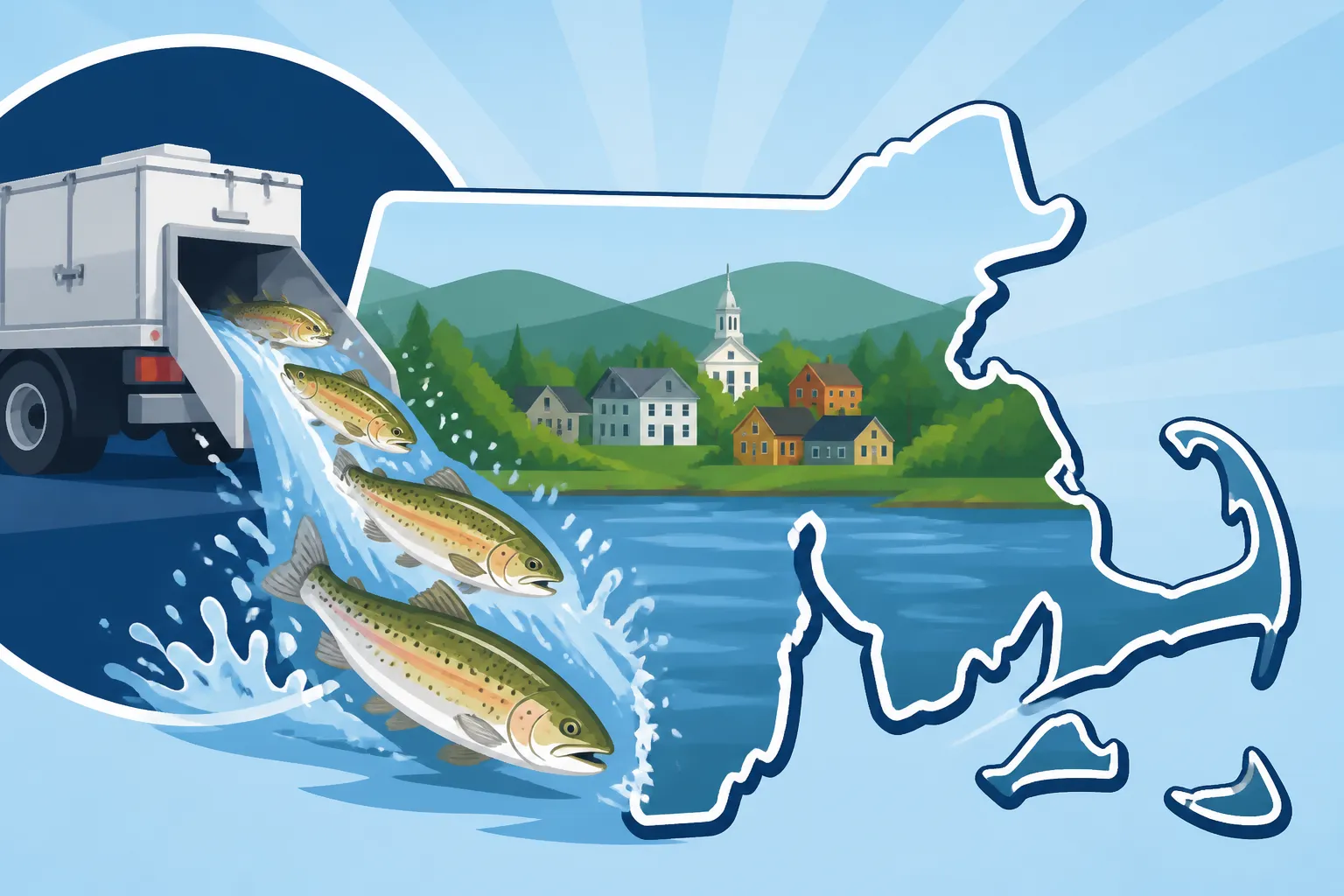
Each spring, MassWildlife actively stocks trout in over 200 cities and towns across Massachusetts. This isn't just a handful of popular spots; it's a geographically diverse effort that touches nearly every corner of the state, from the Berkshires to the Cape and Islands, and everything in between. This wide distribution ensures that a fishing spot is often within a reasonable driving distance for most residents, making it easier for families and individuals to get out and enjoy the sport.
The scale of this operation isn't just in the number of towns, but also the sheer volume of fish. Every spring, MassWildlife aims to stock approximately 500,000 brook, brown, rainbow, and tiger trout. These fish are raised at five state-run hatcheries located in Sandwich, Palmer, Belchertown, Sunderland, and Montague. The majority of these fish are legal-sized, meaning they are ready to be caught when stocked, providing immediate gratification for anglers. Some larger broodstock trout, often weighing several pounds, are also distributed, offering the chance for a true trophy catch. You can often find details about specific species and stocking locations in the Massachusetts Trout Stocking Schedule released by MassWildlife.
To give you a clearer picture of the magnitude, here's a general overview of the trout species stocked and their typical sizes:
| Trout Species | Average Size Stocked (inches) | Primary Characteristics |
|---|---|---|
| Rainbow Trout | 9-14 | Most common, aggressive, good fighters |
| Brown Trout | 9-14 | More elusive, strong fighters, often larger |
| Brook Trout | 8-12 | Native, colorful, prefers colder, clear water |
| Tiger Trout | 10-16 | Sterile hybrid, unique striped pattern, aggressive |
This vast network of stocking locations includes nearly 200 ponds and lakes, and over 100 rivers and streams. The selection process ensures that both larger, well-known bodies of water and smaller, more intimate fishing spots are included. It's important to remember that while the general number of towns remains consistent, the specific water bodies within those towns can vary, so always check the most current stocking reports.
What Makes a Town a Prime Trout Stocking Location?
It might seem arbitrary, but the selection of which water bodies in which towns get stocked is a highly scientific and logistical process. MassWildlife doesn't just pick names out of a hat; they have very specific criteria that help ensure the success of the stocking program and provide the best possible fishing experience. Understanding these factors can help you anticipate where the trout might be headed.
Public Access and Water Quality
First and foremost, a water body must be publicly accessible. This means lakes, ponds, rivers, and streams where anglers can legally and safely reach the shore or launch a boat. MassWildlife primarily focuses on public waters, ensuring that the fish they stock are available for everyone. You won't typically find state-stocked trout in private, inaccessible ponds, no matter how good the fishing might be there. This emphasis on public access is a cornerstone of providing equitable recreational opportunities.
Beyond access, the water quality is paramount. Trout, especially brook and rainbow trout, require specific water conditions to survive, even for a short time. This means:
- Adequate Oxygen Levels: Trout need well-oxygenated water to thrive.
- Cool Water Temperatures: While stocked trout are often more tolerant than wild trout, they still need relatively cool water, especially in spring before summer heats up. This is why spring is such a critical stocking period.
- Absence of Pollutants: The water must be clean and free from harmful chemicals or excessive sediment.
MassWildlife biologists routinely monitor water bodies across the state, evaluating these factors to determine their suitability for stocking.
Fishing Pressure and Angler Demand
Another significant factor is angler demand and historical fishing pressure. Water bodies that see a lot of recreational use from anglers are prioritized because the goal is to provide fishing opportunities where people want to fish. If a pond in a particular town is known for being a popular spot for families or local fishing clubs, it's a strong candidate for consistent stocking. This ensures that the investment in raising and transporting trout yields the greatest return in terms of angler satisfaction.
Conversely, some towns with excellent water quality might not receive as many trout if they have very limited public access or low angler interest. It's a balance between environmental suitability and community need.
Logistical Considerations
Finally, there are practical, logistical considerations. Can a stocking truck safely and efficiently access the water body? Are there suitable launch points or shoreline areas where the fish can be released without undue stress? The process of stocking involves specialized trucks that transport live fish, and careful planning is required to minimize travel time and handling stress. A well-maintained boat ramp, for instance, makes a pond an ideal candidate for stocking by boat, allowing for wider distribution of fish. These considerations are part of what you'll find outlined in the annual Massachusetts Fishing Regulations Pamphlet, Explained.
Getting Ready for Spring Stocking: Tips and Gear
Once you know your town, or a nearby town, is on the stocking list, the real fun begins: preparing for your fishing adventure! Catching freshly stocked trout is often a fantastic experience, especially for new anglers or kids, as these fish are typically quite eager to bite.
Best Time to Fish After Stocking
One of the most common questions is "How soon after stocking you can catch trout?" The good news is, often within hours or a day or two! Stocked trout are usually quite active and hungry upon release. They haven't been in the wild long enough to become super wary. However, the initial rush right after stocking can also mean crowded conditions at popular spots. If you prefer a bit more solitude, waiting a few days to a week after the initial stocking can still yield excellent results, as the fish will have spread out a bit more.
Water temperature also plays a significant role. In early spring, trout are often found in shallower areas where the water warms up faster. As the season progresses and temperatures rise, they might seek deeper, cooler waters.
Essential Gear and Tactics
You don't need highly specialized gear to catch stocked trout, which is part of their appeal. A light to medium-light spinning rod and reel combo, spooled with 4-6 pound test monofilament or fluorocarbon line, is perfect. Many anglers find great success with simple live baits like worms, mealworms, or PowerBait (often found readily available online from retailers like Amazon or at your local bait shop), fished under a bobber or on the bottom with a small weight.
For those who prefer lures, small inline spinners (such as those from Mepps or Panther Martin) in silver, gold, or bright colors are incredibly effective. Spoon lures, like the ever-popular Kastmaster, also work wonders. Soft plastic baits, especially those mimicking minnows or small worms, can be jigged or retrieved slowly. You can browse a huge selection of these lures on Amazon and have them delivered right to your door. For more specific recommendations, check out our guide on the Best Lures for Stocked Trout in Massachusetts.
When fishing ponds, try casting near inlets, outlets, or any submerged structure. In rivers and streams, focus on deeper pools, eddies behind rocks, and undercut banks. Remember to always be respectful of other anglers, especially if it's a crowded stocking day. And, of course, make sure you have your Massachusetts Fishing License Guide in hand – a requirement for anyone 15 years or older!
More Than Just Numbers: The Impact of Trout Stocking
While the numbers of towns and fish are impressive, the true impact of the Massachusetts trout stocking program extends far beyond mere statistics. It’s a vital component of our state’s outdoor recreation and conservation efforts, creating ripple effects that benefit communities, the economy, and the natural environment.
Fostering a Love for the Outdoors
For countless individuals, the annual spring stocking is their introduction to fishing. It provides consistent, accessible opportunities for children and adults to connect with nature, learn new skills, and create lasting memories. Imagine a parent teaching their child how to cast, or a group of friends sharing stories on the riverbank – these moments are directly facilitated by the robust stocking program. It cultivates a new generation of anglers who will hopefully become stewards of our natural resources, appreciating the importance of conservation.
Economic Contributions
The economic impact of trout stocking is often underestimated. When anglers head out to fish, they spend money. They buy fishing licenses, tackle (maybe a new rod and reel set from Amazon or a local sporting goods store), bait, fuel, food, and often stay in local accommodations. This influx of activity supports countless small businesses in Massachusetts towns, providing jobs and contributing to the local economy. It’s a tangible benefit that goes hand-in-hand with recreational enjoyment.
Supporting Conservation through Licensing
It's also crucial to remember that the funding for these extensive stocking programs primarily comes from the sale of fishing licenses and permits. When you purchase a Massachusetts Resident Fishing License Cost, you're directly contributing to the rearing and stocking of these fish, as well as broader MassWildlife conservation initiatives, habitat restoration, and enforcement of fishing regulations. It’s a self-sustaining cycle where anglers' fees directly fund the programs that enhance their fishing experience, demonstrating a powerful model of user-pays, user-benefits conservation. The Massachusetts Wildlands Conservation Stamp Explained is another example of how anglers contribute to broader conservation efforts.
So, when you see those stocking trucks rolling through town each spring, know that it's more than just a delivery; it's a testament to a well-managed program that enriches lives, supports local economies, and helps conserve our precious natural resources for future generations.
Disclaimer
Please remember that fishing regulations, stocking schedules, and accessibility can change. Always consult the latest official Massachusetts Angler's Guide and MassWildlife stocking reports before planning your fishing trip to ensure you have the most up-to-date information and are in compliance with all rules and regulations.