Best hook size for chunking bluefin tuna
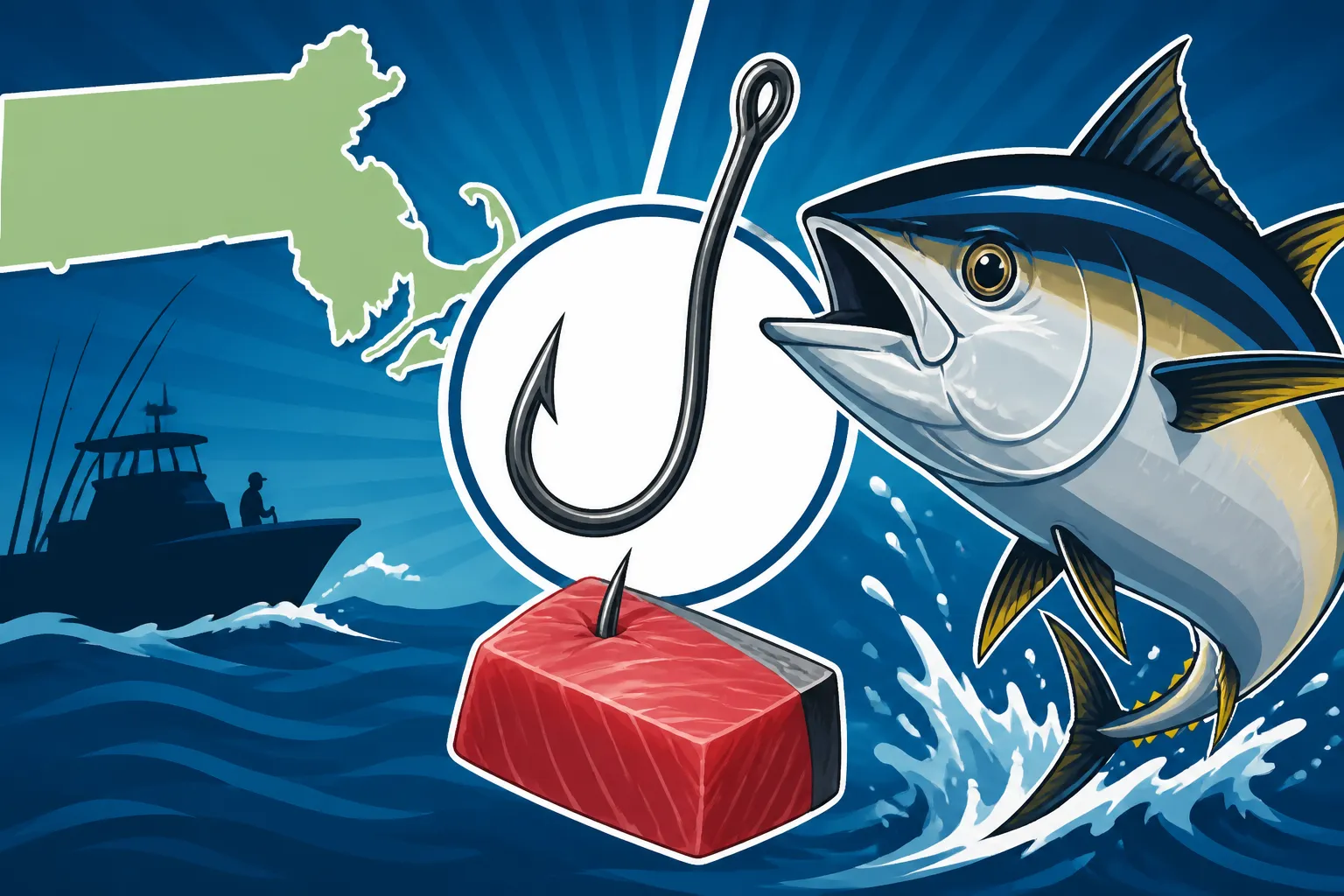
For anglers venturing into the exhilarating world of bluefin tuna fishing off Massachusetts, one of the most persistent frustrations is ensuring every detail is perfect, especially when a giant is on the line. Choosing the right hook size for chunking can feel like a high-stakes gamble; a hook too small might straighten, while one too large could deter a bite. This comprehensive guide will meticulously break down the science and art behind selecting the best hook sizes and types to maximize your chances of landing that magnificent bluefin when fishing the rich waters of the Bay State.
Understanding Bluefin Tuna Behavior and Feeding
Before we even talk about hooks, it’s vital to grasp a bit about bluefin tuna themselves and their preferred feeding strategies, especially when it comes to chunking. These are not your average fish; they are apex predators, built for speed and power, and they can be incredibly discerning.
The Discerning Appetite of Bluefin
Bluefin tuna, whether the smaller "schoolies" or the colossal "giants" that roam our offshore waters, possess an acute sense of their surroundings. They're often feeding on large schools of baitfish like mackerel, herring, or menhaden, but they also scavenge on smaller, injured fish or chum slicks. When you're chunking, you're essentially creating a steady stream of cut bait (chunks) to draw them in and keep them interested, leading them right to your hooked offering. The goal is to make your chunk bait look as natural and effortless as possible, indistinguishable from the freebies.
Imagine a bluefin cruising through a chum line. It's evaluating every piece of food. If your hook is too bulky, too obvious, or even subtly changes the way your chunk drifts, that tuna might just ignore it and move on to the next piece. They are smart, and they are powerful, so every detail matters. This is particularly true in areas where they've seen a lot of fishing pressure, as they become more wary. Understanding their feeding habits helps us approach the hook selection with the necessary precision.
Differences in Tuna Size and Feeding Aggression
Massachusetts waters are home to a range of bluefin tuna sizes. You might encounter smaller recreational "schoolie" tuna (typically 50-150 pounds), medium-sized "foots" (150-300 pounds), or the truly massive "giants" (300+ pounds, often pushing into the 500-800+ pound range). Their feeding aggression and mouth size can vary significantly based on their size and what they are currently feeding on.
Smaller tuna often feed more aggressively and are less wary. They might be quicker to take a hook that isn't perfectly presented. Larger tuna, on the other hand, especially the true giants, can be incredibly cautious. They've survived many seasons and learned to avoid unnatural presentations. Their mouths are also substantially larger, meaning a small hook might simply disappear or get engulfed in a way that doesn't provide a solid hookset. Conversely, a hook that's too large for a schoolie might prevent a proper bite entirely. When targeting these behemoths, careful consideration of your bait, tackle, and especially your hooks, is absolutely paramount. It's also worth noting that the Bluefin Tuna Fishing Techniques Near Cape Cod can differ slightly based on the size of fish you're targeting.
The Critical Role of Hook Size in Chunking
The hook, though seemingly small, is the single most important piece of terminal tackle when it comes to chunking. Its size directly impacts your presentation, hook-up ratio, and ultimately, whether you land the fish or just tell a sad story.
Achieving a Natural Presentation
When you're chunking, you want your baited hook to look exactly like the free chunks you're throwing over. This is called a "stealth presentation." If your hook is too large or too heavy, it can cause the chunk to sink faster or drift differently from the unweighted chunks, immediately signaling to the tuna that something is amiss. Even a slight change in drift or a glint of metal can make a wary bluefin turn away.
The ideal hook size for chunking allows the hook to be subtly concealed within the bait, without compromising the bait's natural buoyancy or drift. It should be small enough to be easily swallowed with the chunk but robust enough to withstand the immense power of a bluefin. Think of it as a Trojan horse; the tuna should eat the bait without ever detecting the hidden danger until it's too late. Many anglers spend hours preparing their bait and chum, only to overlook the crucial detail of hook presentation. For general offshore trips, you might find more comprehensive advice on Massachusetts Deep Sea Fishing Charters.
Maximizing Hook-Up Ratio and Landing Success
The goal is to get a solid hook-set in the corner of the tuna's mouth, or sometimes deeper in the jaw, to minimize the chance of the hook pulling out during the fight. A hook that's too small might only catch a shallow bite, tearing free under the immense pressure a bluefin applies. It could also be swallowed too deeply, leading to gut-hooking, which makes catch and release much harder and can be detrimental to the fish.
Conversely, a hook that is excessively large might be too difficult for the tuna to properly ingest with the chunk, leading to missed bites or a "prick" where the tuna feels the hook but doesn't get fully impaled. The right hook size finds that sweet spot: big enough to get a secure hold and withstand the fight, but small enough to be taken confidently with the bait. The strength of the hook itself is also critical; cheap, flimsy hooks will straighten under the strain, costing you a trophy.
Specific Hook Size Recommendations for Bluefin Tuna Chunking
Now, let's get down to the nitty-gritty of actual hook sizes. When chunking for bluefin tuna, especially in Massachusetts, you'll primarily be looking at heavy-duty circle hooks or J-hooks, depending on your preference and whether you intend to release the fish.
Circle Hooks: The Gold Standard for Bluefin Tuna
Circle hooks have become the overwhelming favorite for bluefin tuna chunking, particularly for recreational anglers and charter boats, due to their incredible ability to consistently hook fish in the jaw corner, minimizing gut hooks and increasing survival rates for released fish. This is crucial given the Massachusetts Bluefin Tuna Size and Bag Limit regulations, which often encourage catch and release for certain sizes.
When chunking, the hook's design allows it to rotate and catch in the corner of the fish's mouth as the line tightens, rather than setting deep in the throat. This means you don't "strike" to set the hook; instead, you simply let the fish take the bait, and then slowly and steadily apply pressure.
Here’s a general guide for circle hook sizes for bluefin tuna chunking:
- For "Schoolie" Tuna (50-150 lbs): You're generally looking at 12/0 to 16/0 circle hooks. Brands like Owner (e.g., Super Mutu or Jobu), Gamakatsu (Tuna Bait Hook), and Mustad (Demon Perfect Circle) are highly trusted. You can often find a great selection of these on Amazon, making it easy to stock up before your next trip.
- For Medium "Foots" (150-300 lbs): Step up to 16/0 to 18/0 circle hooks. These heavier-gauge hooks provide the necessary strength for larger, more powerful fish. Again, Owner and Gamakatsu are top-tier choices for their sharpness and strength.
- For "Giant" Tuna (300+ lbs): This is where you don't skimp. Go with 18/0 to 20/0 (or even 22/0 for truly massive bait) heavy-duty circle hooks. The wire gauge of these hooks is significantly thicker to prevent straightening. You want the strongest hooks you can find, and the large eye makes it easier to thread heavy leader material. Some anglers even prefer a 24/0 for gargantuan chunks targeting true granders.
Remember, the actual "size" can vary slightly between manufacturers, so always compare the physical dimensions and wire gauge, not just the number.
J-Hooks: For the Experienced and Intentional
While circle hooks dominate, some experienced anglers still use J-hooks, particularly if they are targeting fish they intend to keep and are confident in their hook-setting abilities to avoid gut-hooking. J-hooks require a definitive strike to set the hook, which can be tricky to time perfectly when a tuna picks up a chunk.
If you opt for J-hooks, the sizes will generally be smaller than circle hooks for equivalent strength, as the hook gap is designed differently.
- For "Schoolie" to Medium Tuna: A 9/0 to 12/0 heavy-duty J-hook is typically used. These hooks need to be incredibly strong, with thick wire and a very sharp point.
- For "Giant" Tuna: You might see 12/0 to 14/0 heavy-duty J-hooks. Again, the emphasis is on strength and sharpness.
However, be warned: J-hooks carry a higher risk of gut-hooking, which can be fatal for tuna you intend to release. Given the strict Bluefin Tuna Size Limits off Massachusetts, many anglers practice catch and release for certain fish, making circle hooks the more responsible choice.
Factors Influencing Your Choice
Beyond the general size recommendations, several factors should guide your final hook decision:
- Bait Size: The size of your chunk bait is paramount. Your hook must fit naturally within the chunk, providing good coverage without being obvious. If you're using larger chunks (e.g., whole mackerel halves), you'll need a larger hook. If you're using smaller chunks (e.g., herring pieces), a slightly smaller hook might be appropriate.
- Leader Material: Bluefin tuna fishing involves heavy leader material, typically 150 lb to 400 lb monofilament or fluorocarbon. Your hook's eye needs to be large enough to accommodate this heavy leader and allow for strong crimps or knots.
- Water Clarity: In exceptionally clear water, tuna might be even warier. You might consider hooks with a stealthier finish or slightly smaller sizes if you can maintain the necessary strength.
- Current Strength: Strong currents can make bait drift unnaturally. A heavier-gauge hook can sometimes help a chunk sink more naturally in strong current, but it’s a trade-off with stealth. Most often, anglers adjust their weighting rather than hook size for current.
- Tuna Activity Level: If tuna are aggressively feeding, they might be less discerning. If they're finicky, a more subtle, perfectly presented hook is crucial.
Choosing the Right Hook Type and Rigging Techniques
Selecting the right hook size is only half the battle; the type of hook and how you rig it are equally important for success when chunking for bluefin tuna.
In-Depth Look at Hook Types
As mentioned, circle hooks are the preferred choice. But even within "circle hooks," there are variations:
- Non-Offset Circle Hooks: These hooks have the point running parallel to the shank. They are considered the safest for the fish, as they virtually eliminate gut-hooking. Most tournaments and responsible anglers advocate for non-offset circle hooks when chunking. They require no "strike" – just a steady lift of the rod when the fish takes the bait and swims away.
- Offset Circle Hooks: These have the point slightly offset from the shank. While they still tend to hook in the jaw, the offset can slightly increase the chance of a gut hook compared to non-offset versions, especially if the fish swallows the bait deeply. Always check local regulations, as some areas may mandate non-offset circles.
- Specific Brands and Models: High-quality hooks are an investment, not an expense. Brands like Owner, Gamakatsu, Mustad, and Eagle Claw are widely respected. For example, Owner Super Mutu and Jobu hooks are incredibly popular for their strength and extreme sharpness. Gamakatsu's Octopus Circle hooks are also excellent. When you're spending thousands on a Massachusetts Bluefin Tuna Charter, skimping on a $5 hook is false economy. You can find these premium brands and models easily on Amazon, often in bulk packs which can be more cost-effective.
Rigging Your Chunk Bait
Proper rigging ensures the hook is concealed and the bait presents naturally.
- Concealing the Hook: For most chunking, the hook should be entirely hidden inside the bait. For a mackerel or herring chunk, you might push the hook through the belly and then rotate it so the point and barb are completely embedded. The shank of the hook should run along the backbone area of the chunk.
- Leader Connection: Use strong leader material, typically fluorocarbon for its invisibility and abrasion resistance, in the 150-300 lb range, depending on the size of tuna you expect. For giant bluefin, you might even go up to 400 lb. Your connection to the hook should be either a perfectly tied knot (like a snell knot or an improved clinch knot, if the hook eye allows) or, more commonly for heavy leaders, a sturdy crimp. Ensure your crimps are correctly sized for your leader material and applied with a proper crimping tool to achieve maximum strength.
- Weighting (or lack thereof): For chunking, the idea is often to fish "freeline," meaning no added weight, allowing your chunk to drift naturally down the chum line. However, sometimes a small egg sinker (1/2 oz to 2 oz) is strategically placed a few feet above the hook to help the bait sink to a specific depth or in a strong current. If you do add weight, ensure it doesn't impede the bait's natural drift or alert the tuna. You might also want to explore Trolling for Striped Bass in Massachusetts if you find chunking isn't producing bites, as it's a different technique that might be more effective in certain situations.
Hook Care and Maintenance
Even the best hooks can fail if not properly cared for. Bluefin tuna can put immense strain on your gear.
- Sharpness: Always start with razor-sharp hooks. Even new hooks can benefit from a quick touch-up with a hook file or sharpener. A dull hook will not penetrate effectively, leading to missed opportunities. Check your hooks regularly, especially after a fish or if they've come into contact with the boat or bottom.
- Corrosion: Saltwater is brutal on metal. Rinse your hooks thoroughly with fresh water after each trip and store them in a dry place. Inspect them for any signs of rust or corrosion. If a hook shows any weakness, replace it.
- Strength Check: After a long, hard fight with a big bluefin, inspect your hooks closely for any signs of bending, twisting, or metal fatigue, especially around the eye or bend. Even if it looks okay, consider replacing it if it held a particularly large fish, as micro-fractures can be invisible to the naked eye. This kind of attention to detail is what separates successful anglers from those who constantly wonder why they're losing fish.
Choosing the best hook size for chunking bluefin tuna in Massachusetts is a nuanced process that combines understanding fish behavior, meticulous rigging, and selecting high-quality tackle. By focusing on natural presentation and robust strength, you'll significantly increase your chances of experiencing the thrill of a bluefin on the line.
| Tuna Size Category | Recommended Circle Hook Size Range | Typical Hook Gauge | Example Brands/Models |
|---|---|---|---|
| Schoolie (50-150 lbs) | 12/0 – 16/0 | Heavy | Owner Super Mutu, Gamakatsu Tuna Bait Hook |
| Medium (150-300 lbs) | 16/0 – 18/0 | Heavy | Owner Jobu, Mustad Demon Perfect Circle |
| Giant (300+ lbs) | 18/0 – 22/0 | Extra Heavy | Owner Jobu 20/0, Gamakatsu 22/0 |
Disclaimer
Please be aware that fishing regulations, including size and bag limits, can change. Always consult the latest Massachusetts Division of Marine Fisheries (MassDMF) regulations before heading out on the water. This guide is for informational purposes only and does not constitute official legal advice.