Fluke size limit for boat anglers in Massachusetts
Trying to keep up with fishing regulations in Massachusetts can feel like a full-time job, especially when you're out on the water. It seems like every species has its own set of rules, and what's legal from the beach might be totally different when you're fishing from a boat. If you're a boat angler targeting fluke, also known as summer flounder, and you're tired of sifting through dense legal jargon just to understand the size limits, you've come to the right place. This comprehensive guide will break down everything you need to know about the current fluke size limits for boat anglers in Massachusetts, making it easy to stay compliant and enjoy your time on the bay or offshore.
The Dance of Fluke Fishing and Its Regulations
Fluke fishing in Massachusetts is a cherished pastime for countless anglers. There's nothing quite like the subtle thump of a fluke taking your bait, or the thrill of reeling in a decent-sized flatfish. But as with any popular fishery, managing the stock responsibly is crucial to ensure future generations can experience the same joy. This is where regulations come into play, and frankly, they can be a real head-scratcher.
Why Fluke Regulations Exist for Sustainability
The primary reason we have these regulations isn't to make your life harder, but to ensure the long-term health of the fluke population. Summer flounder are highly migratory and a favorite target for both recreational and commercial anglers along the Atlantic coast. Without strict rules on size, bag limits, and seasons, the species could quickly become overfished. Imagine showing up to your favorite fluke spot year after year, only to find fewer and fewer fish. That's a nightmare scenario that regulations aim to prevent. These rules are usually set based on scientific data, factoring in spawning success, population health, and fishing pressure. The goal is always a delicate balance: allowing anglers to enjoy their sport while protecting the resource.
Navigating the Nuances: Shore vs. Boat Regulations
One of the most confusing aspects for many anglers is that regulations can actually differ based on where and how you're fishing. While the minimum size limit for fluke in Massachusetts is generally consistent regardless of whether you're fishing from shore or a boat, there have been times in the past, or with other species, where subtle differences exist. For fluke, the core rules tend to be the same, but the enforcement and application often feel different when you're offshore versus standing on a jetty. When you're in a boat, you might have access to different depths and structures, leading to encounters with larger fish, but also requiring you to be extra diligent about adhering to the letter of the law. You're far from the watchful eyes of shore-based observers, but marine patrols are absolutely out there. This guide focuses specifically on the boat angler experience, which often involves different gear, tactics, and considerations compared to someone surfcasting from a beach.
Current Fluke Size Limits for Boat Anglers in Massachusetts
Alright, let's get down to brass tacks. You're out on your boat, the sun is shining, and you've just landed a beautiful summer flounder. The immediate question flashes through your mind: "Is this a keeper?" Knowing the exact numbers is critical, and making a mistake can lead to hefty fines and a ruined day on the water.
The All-Important Minimum Size and Bag Limits
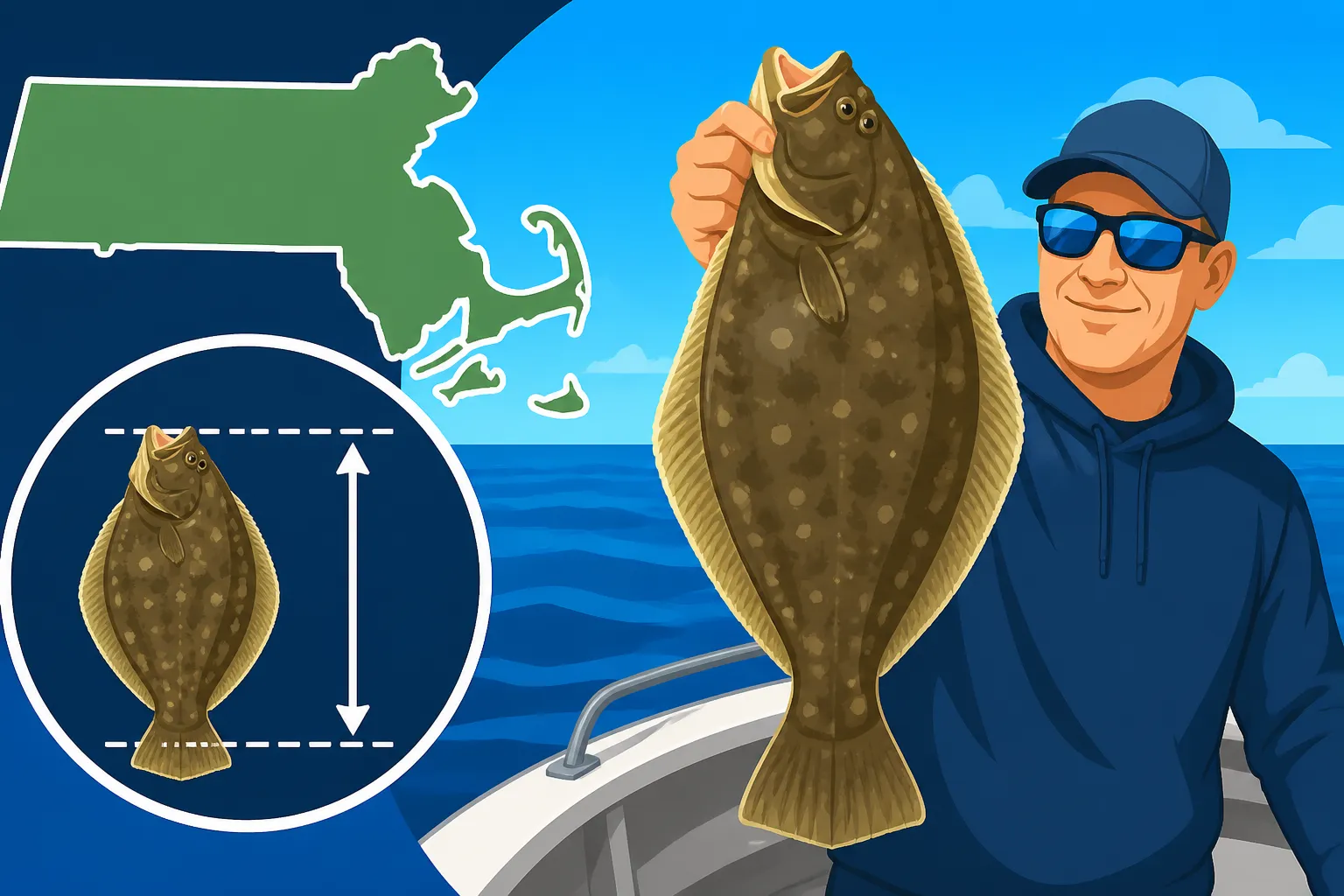
For boat anglers, and indeed all recreational anglers in Massachusetts, the minimum size limit for fluke (summer flounder) is 17 inches. This means that from the tip of its snout to the end of its tail, your fluke must measure at least 17 inches to be legally kept. Any fish shorter than this must be immediately released back into the water with as little harm as possible.
Beyond the size, there's also a daily bag limit. As of current regulations, recreational anglers are allowed to keep five fluke per person per day. This limit applies whether you're fishing alone or with a group of friends on a larger vessel. It's not a boat limit; it's a per person limit. So, if you have three anglers on your boat, collectively you could potentially keep 15 legal-sized fluke, assuming each angler catches their five.
It's vital to remember that these numbers can change. Fishing regulations are dynamic, often updated annually or even mid-season by the Massachusetts Division of Marine Fisheries (DMF) based on federal guidelines and stock assessments. Always check the most recent Massachusetts Recreational Fishing Rules and Bag Limits before heading out, especially at the start of a new season.
Accurate Measurement: Don't Get Caught Short
Measuring a fluke correctly is perhaps the most critical step after reeling one in. A common mistake is not fully extending the tail or not starting the measurement at the very tip of the snout. Here's how to do it right:
- Lay the fish flat: Place the fluke on a flat surface, ideally a measuring board designed for fish, or at least a flat deck surface with a reliable tape measure.
- Snout to Tail: Position the fish so its snout is against a fixed stop (like the end of a measuring board or the zero mark of your tape).
- Squeeze the Tail: Gently, but firmly, squeeze the tail fin together to get the maximum length. The measurement is taken to the end of the longest lobe of the tail fin. Don't just let the tail flop naturally; compress it.
- Read Clearly: Take a clear, accurate reading. If it's even a hair under 17 inches, it's a short fish and must go back.
Having a sturdy, clearly marked measuring device on board is non-negotiable. Many anglers swear by rigid plastic measuring boards because they eliminate any slack or bending that a tape measure might have, ensuring precise readings even with a flopping fish. You can find excellent, durable measuring tools on platforms like Amazon, designed specifically for saltwater fishing.
Key Season Dates: Timing is Everything
While the size and bag limits are crucial, you also need to know when you can legally target and keep fluke. The fluke season in Massachusetts typically runs from spring through early fall. For 2024, the season for recreational anglers in Massachusetts generally opened in May and continued into October. However, these dates are subject to change annually and are sometimes adjusted mid-season.
For example, you can check resources detailing the Massachusetts fluke season opening date for 2026 as those announcements are made. Planning your trips around these official season dates is just as important as knowing the size and bag limits. Catching a monster fluke outside of the open season means it's still an illegal catch, no matter its size. Keep an eye on the MassWildlife website or reliable fishing forums for the most up-to-date information.
| Fluke Regulation Aspect | Detail for Boat Anglers (Massachusetts) |
|---|---|
| Minimum Size Limit | 17 inches |
| Daily Bag Limit | 5 fish per person per day |
| Typical Season | May – October (Exact dates vary annually) |
| Measurement Method | Snout to tip of compressed tail |
Practical Tips for the Responsible Boat Angler
Being a responsible angler goes beyond just knowing the rules; it involves having the right tools and a mindset focused on conservation. When you're out on the water, prepared for anything, it makes adhering to regulations second nature.
Essential Gear for Measuring and Handling Fish
Let's face it, trying to measure a lively, slimy fluke on a rocking boat with a flimsy tape measure is a recipe for frustration and inaccuracy. Investing in the right gear makes all the difference.
- Rigid Measuring Board: As mentioned, a solid plastic or aluminum measuring board with clear markings is invaluable. Look for one that's long enough to comfortably measure larger fluke, usually up to 20-24 inches. Some even have a built-in "stop" for the fish's snout.
- Dehooking Tools: Sometimes fluke swallow the hook deep, especially when using bait. A good pair of long-nose pliers or a dedicated dehooker tool allows you to quickly and safely remove the hook, minimizing stress on the fish, particularly for those undersized ones you need to release.
- Gloves: Handling fluke can be tough on your hands. Their sandpaper-like skin can chafe, and their small, sharp teeth can give you a nasty nip. Gloves protect your hands and provide a better grip, allowing for safer handling and more efficient measurement and release.
- Scale: While not mandatory for regulations, a handheld digital scale can be fun for weighing your keepers and keeping track of your personal bests. Remember, the weight doesn't matter for legal keeping, only the length.
Having these tools readily accessible means you can measure and decide quickly, returning undersized fish to the water promptly, which dramatically increases their chances of survival.
Staying Informed: Navigating Regulation Changes
Massachusetts fishing regulations, especially for saltwater species, are frequently updated. This can be a major headache for anglers who just want to enjoy their hobby. The best way to stay on top of it is to make a habit of checking official sources before each season, or even before a specific trip if it's been a while.
- MassWildlife Website: The official source for all Massachusetts fishing regulations is the Massachusetts Division of Fisheries and Wildlife (MassWildlife) website. They publish annual guides and update alerts for any in-season changes.
- MassFishHunt Portal: This online system, which many use to purchase their Massachusetts Fishing License Guide or Massachusetts Saltwater Recreational Fishing Permit Explained, also often has links to current regulations. It's a convenient one-stop shop.
- Local Bait and Tackle Shops: Don't underestimate the power of your local bait shop. These folks are usually dialed into the latest changes and can offer practical advice on how to navigate them. They often have printed copies of regulations or summaries readily available.
- Fishing Forums and Social Media Groups: While not official sources, many dedicated Massachusetts fishing groups on platforms like Facebook are excellent for real-time discussions and updates from fellow anglers. Just be sure to cross-reference any critical information with an official source.
Remember, ignorance of the law is no excuse. It's your responsibility as an angler to know and follow the rules. This includes understanding all aspects of Massachusetts Saltwater Bag Limits by Species, not just fluke.
Responsible Catch and Release Practices
For every keeper fluke you catch, you're likely to encounter several undersized ones, especially if you're practicing Drift Fishing Techniques for Summer Flounder. How you handle those fish is paramount to their survival.
- Minimize Air Time: Keep the fish in the water as much as possible. If you must bring it aboard to measure, do so quickly.
- Wet Hands: Always wet your hands before handling a fish. Dry hands can remove the fish's protective slime coat, leaving it vulnerable to infection.
- Handle Gently: Support the fish horizontally, especially larger ones. Avoid holding them vertically by the jaw or tail, which can damage their internal organs or spine.
- Quick Release: Once measured and confirmed to be undersized, return the fish to the water headfirst, allowing water to flow over its gills. Sometimes a gentle push can help it swim away swiftly.
- Avoid Overexertion: If a fish is heavily stressed or bleeding, it's less likely to survive. Use appropriate tackle and fight the fish efficiently to reduce stress.
By following these practices, you're doing your part to ensure that those short fluke grow up to be legal-sized catches for another day. It's a small effort that makes a big difference in conservation, especially given the delicate nature of flatfish. You might also find it useful to learn about the Difference between fluke and flounder to ensure you're correctly identifying your catch before measuring.
Frequently Asked Questions About Fluke Regulations
Even with the clearest explanations, certain questions pop up time and again. Let's tackle some of the common concerns boat anglers have when it comes to fluke regulations in Massachusetts.
What Happens If You Keep an Undersized Fluke?
This is a serious question with a serious answer. Keeping an undersized fluke is a violation of Massachusetts fishing regulations and can result in significant penalties. You might think, "It's just one fish," but enforcement officers take these rules very seriously.
- Fines: The most common consequence is a fine, which can be substantial. These fines are often per fish, meaning if you have multiple undersized fish, the penalties add up quickly.
- Confiscation: Your catch, even legal fish, may be confiscated.
- License Suspension: In more egregious or repeat offenses, your fishing license or Massachusetts Saltwater Recreational Fishing Permit Explained could be suspended or revoked, preventing you from fishing for a period.
- Court Appearances: Depending on the severity and number of violations, you might even be required to appear in court.
It's simply not worth the risk. Always measure carefully, and when in doubt, release. It's far better to err on the side of caution than to face legal repercussions.
Are There Different Rules for Charter Boats and Party Boats?
This is where it gets a little nuanced, but generally, no, not for the recreational angler on board. When you book a charter or party boat trip, you are still considered a recreational angler, and therefore, the same 17-inch minimum size limit and 5-fish daily bag limit per person apply to your individual catch.
However, the vessel itself, particularly for charter boats, operates under commercial guidelines if the captain possesses the appropriate commercial permits. This primarily affects the captain's ability to keep fish for commercial sale, which is a different set of regulations altogether. For you as a paying passenger, your catch is governed by recreational limits.
It's common practice for charter captains to be extremely diligent about measuring and releasing, often having specialized measuring devices and rules on board to ensure all their clients stay compliant. They often have an in-depth understanding of the Massachusetts saltwater permit rules for boat captains and other relevant regulations. While the captain will guide you, it's still ultimately your responsibility to ensure the fish you keep are legal. If you're on a charter and someone else catches an undersized fish, you shouldn't encourage them to keep it, nor should you allow it to be counted as part of your bag limit. Understanding these distinctions is crucial, especially when considering a trip where you might be mixing with other anglers.
Final Thoughts on Your Fluke Adventures
Fishing for fluke from your boat in Massachusetts offers some incredible opportunities for delicious table fare and thrilling angling. While the regulations around size and bag limits can feel like a maze sometimes, they're truly designed to protect the resource we all cherish. By understanding the 17-inch minimum size limit and the five-fish daily bag limit, learning how to measure accurately, staying informed about season dates, and practicing responsible catch and release, you're not just avoiding fines – you're actively contributing to the health and abundance of the fluke fishery for years to come. So, gear up, check those regulations, and head out there with confidence. Happy fishing!
Disclaimer
Please note that fishing regulations, including size limits, bag limits, and season dates, are subject to change. This guide provides information based on generally current Massachusetts fishing regulations for fluke (summer flounder) for recreational boat anglers. It is the responsibility of every angler to consult the most recent official regulations published by the Massachusetts Division of Marine Fisheries (DMF) or MassWildlife before engaging in any fishing activity. This article is for informational purposes only and should not be considered legal advice.