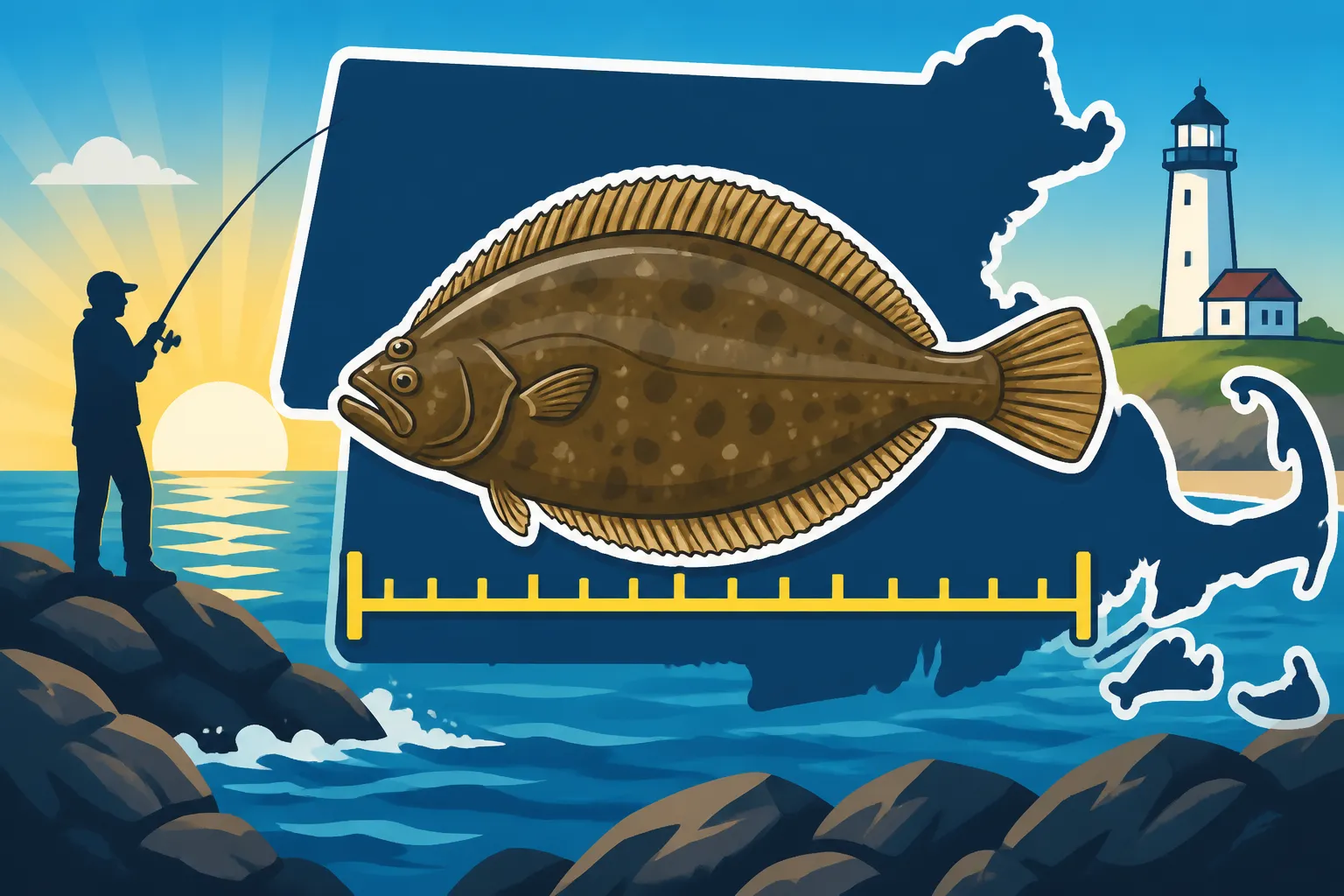
Fluke size limit for shore anglers in Massachusetts
There's nothing quite like the tug of a summer flounder, or "fluke," on your line when you're casting from a sandy beach or a rocky jetty here in Massachusetts. But as soon as that fish hits the sand, the immediate thought often turns to: "Is it a keeper?" It’s a common frustration trying to keep up with the ever-evolving regulations, especially when you’re just trying to enjoy a peaceful day by the water. This comprehensive guide will cut through the confusion and break down the specific size limits for fluke when you’re fishing from the shore in Massachusetts, ensuring you’re compliant with the rules and ready to make the most of your time on the coast.
Understanding Massachusetts Fluke Size Limits for Shore Anglers
Navigating the regulations for any fish species in Massachusetts can feel a bit like trying to solve a puzzle, and fluke (also known as summer flounder) are no exception. The rules are designed to protect the species and ensure healthy populations for future generations of anglers. For those of us who love to cast from the shore – whether it's a quiet stretch of beach on Cape Cod or a bustling pier in Boston Harbor – it's crucial to know the exact measurements that distinguish a legal keeper from a fish that needs to be released.
Currently, for recreational anglers fishing from shore in Massachusetts, the minimum size limit for summer flounder (fluke) is 16.5 inches. This means any fluke you catch must be at least 16.5 inches from the tip of its snout to the end of its tail, with the tail compressed, to be legally kept. Anything shorter than that, no matter how plump or healthy it looks, must be returned to the water immediately and with as little harm as possible. This specific measurement is a key piece of information that every shore angler needs to commit to memory before heading out.
It's also important to understand that these regulations can sometimes differ slightly based on whether you're fishing from a boat versus from shore, or if you're engaging in commercial fishing. While the 16.5-inch limit has been fairly consistent for recreational shore fishing recently, it’s always a good habit to double-check the latest Massachusetts Recreational Fishing Rules and Bag Limits before each season. Regulations can change annually based on scientific assessments of fish stocks and conservation needs. These changes are usually announced by the Massachusetts Division of Marine Fisheries (DMF) and MassWildlife.
Beyond the minimum size, there's also a daily bag limit to consider. For recreational anglers, the daily bag limit for fluke is five fish per person per day. So, even if you’re having an incredible day and catching fluke left and right, you can only keep five of those that meet the 16.5-inch minimum. These limits apply statewide in Massachusetts coastal waters, regardless of whether you're casting into Buzzards Bay, Nantucket Sound, or off the beaches of Plum Island.
Additionally, while fluke fishing is generally open for a long season through the warmer months, there are specific Massachusetts Saltwater Fishing Seasons to be aware of. The season typically opens in May and runs through October or November, but exact dates can vary year to year. Knowing when the season starts and ends for fluke is just as important as knowing the size and bag limits. For example, if you're itching to get out in early spring, you might be targeting other species while you wait for the fluke season to officially kick off. You can find up-to-date information on the Mass.gov website or by checking with local bait and tackle shops, which often have printed regulation summaries. Remember, having a valid Massachusetts Saltwater Recreational Fishing Permit Explained is also a prerequisite for pursuing these popular bottom dwellers.
Why Fluke Regulations and Conservation Efforts are Crucial
Understanding why these size and bag limits are in place can help foster a greater appreciation for responsible angling. It's not just about rules for the sake of rules; it’s about the health of our marine ecosystems and ensuring that future generations can experience the joy of fishing for fluke. These regulations are the cornerstone of effective fisheries management, built on scientific research and a commitment to sustainability.
Fluke, or summer flounder, are a fascinating species. They are bottom-dwelling predatory fish, known for their ability to camouflage themselves by changing color to match their surroundings. They migrate seasonally, moving into shallower, warmer coastal waters in the spring and summer, which is why they become accessible to shore anglers. When they’re young, fluke grow relatively quickly, but as they mature, their growth rate slows down. The 16.5-inch minimum size limit is specifically designed to protect these fish until they have had at least one opportunity to spawn. Female fluke typically reach sexual maturity around two to three years of age, often when they are just shy of or have just reached this minimum size. By allowing them to reproduce at least once, we help ensure that there are new generations of fluke entering the population.
Think of it like this: if anglers were allowed to keep very small fluke, the overall breeding stock would be significantly reduced. Over time, this could lead to fewer fish, smaller fish, and ultimately, a decline in the fishery itself. This is why strict Massachusetts Fluke Size Limits Explained are so vital. It’s a delicate balance, allowing recreational harvest while simultaneously safeguarding the ecological integrity of the species. Without these measures, we could quickly deplete a valuable resource that supports both our environment and our local economy through recreational tourism.
The impact of not adhering to these regulations can be significant, both for the individual angler and for the fishery as a whole. Getting caught with undersized fluke or exceeding the daily bag limit can result in fines and potential confiscation of your gear and catch. MassWildlife and environmental police officers actively patrol beaches, piers, and boat launches to ensure compliance. These penalties are not just punitive; they are deterrents designed to reinforce the importance of conservation. It’s a shared responsibility among all anglers to protect our marine resources, and following the rules is the easiest and most impactful way we can contribute.
Moreover, the collective efforts of individual anglers following these rules contribute to broader conservation goals. When you release an undersized fluke, you’re not just avoiding a fine; you’re directly contributing to the long-term health of the summer flounder population. This dedication to sustainable fishing practices helps maintain the delicate balance of the ecosystem and ensures that the thrill of catching a legal-sized fluke remains a possibility for years to come. This commitment extends to other species too, which is why understanding Massachusetts Saltwater Bag Limits by Species is so important. Every angler plays a role in keeping our waters vibrant and full of life.
Essential Gear and Techniques for Responsible Shore Fluke Fishing
To successfully target and, more importantly, legally harvest fluke from shore, having the right gear and employing responsible fishing techniques are paramount. It’s not just about catching fish, but doing so in a way that respects the regulations and ensures the health of the fish you release.
First and foremost, a reliable measuring device is absolutely non-negotiable. You can't guess if a fluke is 16.5 inches; you need to know for sure. Many anglers use soft tape measures designed for fish, often with a bump board or a flat surface to lay the fish on for accurate measurement. These are often made from durable, waterproof materials. You can find excellent, inexpensive options on Amazon or at any local bait and tackle shop. When measuring, lay the fish flat on the measuring device with its snout against the zero mark. Gently compress the tail to get the maximum length. It's critical that the measurement is accurate, so take your time.
Handling fish gently for release is another crucial skill. Undersized fluke, or those you've already filled your bag limit with, need to go back into the water quickly and unharmed. Avoid dragging fish on dry sand or rocks, which can remove their protective slime layer and make them vulnerable to disease. Instead, try to unhook them while they are still in the shallow water, or use a wet hand to gently hold them if you must bring them out for a quick photo and measurement. Barbless hooks or debarbed hooks can make unhooking much easier and less traumatic for the fish. Investing in a good pair of pliers or a dehooking tool will protect both the fish and your fingers. Many specialized tools are available on platforms like Amazon that can aid in quick and clean releases.
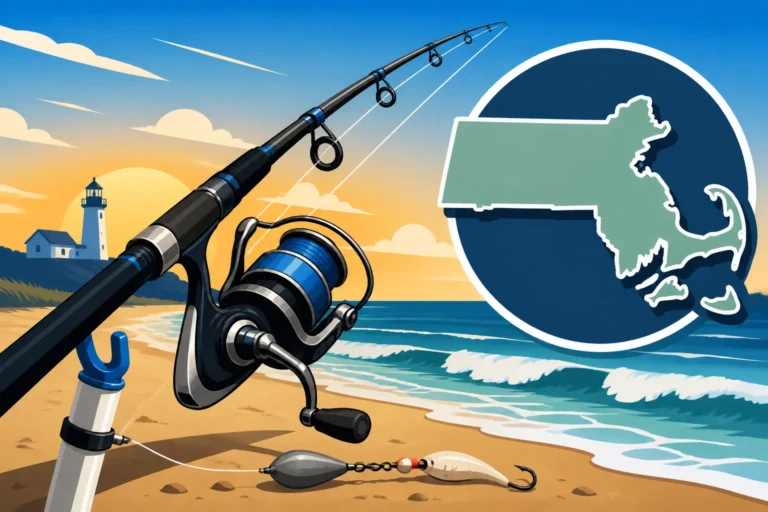
When it comes to tackle, a medium-light to medium action spinning rod, around 7 to 9 feet long, paired with a matching spinning reel spooled with 10-20 lb braided line, is often ideal for shore fluke fishing. The braid offers excellent sensitivity to feel those subtle fluke bites and provides strong hook-setting power. A fluorocarbon leader of 15-20 lb test, about 2-3 feet long, should be tied to your main line. Fluke have excellent eyesight, and the low visibility of fluorocarbon can make a big difference in getting them to bite. For rigs, a simple high-low rig or a standard fluke rig with a sinker at the bottom and a teaser or bait hook above it works wonders. Sinkers typically range from 1/2 oz to 2 oz, depending on current and depth.
Beyond the standard rig, understanding How to Catch Fluke in Massachusetts also involves knowing the best baits. Fluke are opportunistic predators, and they love a variety of offerings. Fresh or frozen squid strips are a classic and highly effective bait. Small strips of mackerel, sea herring, or spearing (silversides) also work well. Gulp! scented baits, particularly the Gulp! Swimming Mullet or Shrimp, are incredibly popular and effective, sometimes out-fishing natural bait. When using Gulp!, a slow, jigging retrieve often entices strikes. Many anglers will tip a Gulp! bait with a small strip of natural bait for added scent and attraction.
Maximizing Your Chances of Catching Legal Fluke from Shore
Catching fluke from shore requires a combination of local knowledge, the right techniques, and a bit of patience. While the regulations ensure sustainability, these tips will help you put more legal-sized fluke on your measuring board.
One of the most important aspects is reading the water. Fluke are ambush predators, often burying themselves in the sand or mud, waiting for unsuspecting prey to swim by. They prefer areas where baitfish congregate, especially around structure or drop-offs. Look for areas with changes in bottom contour, such as sudden ledges, channels, or the edges of sandbars. Inlets, outflows from estuaries, and areas around jetties or piers where current concentrates bait are prime spots. Pay attention to tidal flow; the incoming or outgoing tide can concentrate bait and stir up the bottom, making it easier for fluke to ambush prey. Many anglers find success during the last few hours of an outgoing tide and the first few hours of an incoming tide, particularly in spots like the rocky jetties of Cape Ann or the sandy expanses of Duxbury Beach. Exploring Best Shore Fishing Spots in Massachusetts can give you a head start on where to focus your efforts.
The way you present your bait or lure is crucial. Fluke often hit a bait that is slowly moving along the bottom, mimicking a wounded baitfish or a drifting piece of food. For shore fishing, casting out and slowly retrieving, with occasional pauses and subtle jigs, is highly effective. You want your sinker to occasionally tap the bottom, kicking up puffs of sand or mud, which can attract the attention of a nearby fluke. This technique is often referred to as a slow drag or Drift Fishing Techniques for Summer Flounder. If you're using a teaser or a Gulp! bait, the jigging motion adds lifelike action that can trigger a strike. Don’t be afraid to experiment with retrieve speeds and jigging patterns until you find what the fish are responding to on a given day.
Timing can also play a significant role. The warmer months, generally from late spring through early fall, are peak fluke season in Massachusetts. As water temperatures rise into the 60s Fahrenheit, fluke become more active and move closer to shore to feed. Early mornings and late evenings, or even overcast days, can often be more productive as the lower light conditions make fluke feel more comfortable to hunt. On bright, sunny days, they might retreat to slightly deeper water or areas with more cover. Keep an eye on the Massachusetts Freshwater vs Saltwater License Differences if you're venturing between different types of water bodies to ensure you're always properly licensed.
Finally, while fluke fishing can be slow at times, persistence pays off. Covering ground, moving along the beach or pier, and trying different depths and retrieves can lead to success. If you're not getting bites in one spot, don't be afraid to move a hundred yards down the beach and try again. Sometimes, even a small change in location can put you right on top of a school of feeding fluke. Being observant and adaptable are key traits of successful shore anglers targeting these delicious bottom dwellers.
Here's a quick reference table for Massachusetts fluke regulations for recreational anglers:
| Category | Shore Fishing Rule | Boat Fishing Rule (for comparison, subject to change) |
|---|---|---|
| Minimum Size Limit | 16.5 inches | 16.5 inches |
| Daily Bag Limit | 5 fish per person | 5 fish per person |
| Season | Typically May 22 – October 15 (always check current year's exact dates) | Typically May 22 – October 15 (always check current year's exact dates) |
| Required License | Massachusetts Saltwater Recreational Fishing Permit (free for MA residents, required for non-residents and certain ages) | Massachusetts Saltwater Recreational Fishing Permit (same as shore) |
Note: All regulations are subject to change by the Massachusetts Division of Marine Fisheries. Always confirm the latest rules before fishing.
Disclaimer
The information provided in this guide is intended for general informational purposes only and is subject to change. While we strive to offer the most accurate and up-to-date details, fishing regulations in Massachusetts, including those for fluke, can be modified by the Massachusetts Division of Marine Fisheries at any time. It is the individual angler's responsibility to verify and comply with all current federal, state, and local fishing laws and regulations before engaging in any fishing activity. Always consult the official Mass.gov website or the latest Massachusetts fishing regulations pamphlet for the most current and authoritative information.