How to catch American shad in Massachusetts
If you've spent any time casting lines in Massachusetts, you're likely familiar with the thrill of a hard-fighting largemouth bass or the delicate touch of a brook trout. But there's another incredible fish that graces our rivers each spring, offering a battle that many call the "poor man's salmon": the American shad. Anglers often overlook this feisty migratory fish, unsure of when or how to target them, leading to missed opportunities for an unforgettable spring fishing experience. This comprehensive guide will walk you through everything you need to know to successfully intercept and catch American shad in Massachusetts waters, ensuring you don't miss out on their epic annual run.
Understanding the American Shad Run in Massachusetts
The arrival of American shad in Massachusetts rivers is a true sign of spring, heralding a period of exciting and fast-paced fishing. For many, it's a cherished annual tradition, but for others, the timing and location can feel a bit mysterious. Knowing the rhythm of their migration is the first step to a successful shad outing.
The Annual Shad Migration Cycle
American shad are anadromous fish, which means they spend most of their lives in the salty ocean but return to freshwater rivers to spawn. This incredible journey is a marvel of nature, as mature shad navigate upstream against currents, driven by an instinct to reproduce. They're part of the herring family, and while not as widely recognized as some of their other anadromous relatives like river herring, their annual pilgrimage is just as significant for the ecosystem and for anglers seeking a unique challenge.
The timing of this migration is crucial. Generally, the shad run in Massachusetts begins in late April and continues through May and into early June. However, it's not a fixed calendar date; water temperature is the primary trigger. As river temperatures warm up, typically hitting between 50 and 68 degrees Fahrenheit, shad begin their upstream push in earnest. This window can be relatively short, often peaking for just a few weeks, which adds to the excitement and urgency of hitting the water at the right moment. Missing the peak can mean missing the action entirely.
During this migration, shad can travel significant distances, sometimes hundreds of miles, to reach their ancestral spawning grounds. They don't typically feed heavily once they enter freshwater, but they will strike at lures and flies out of aggression or instinct. This aggressive behavior is what makes them such a fantastic sport fish, offering powerful runs and acrobatic jumps that can rival much larger species. Understanding this cycle helps you anticipate their arrival and plan your trips accordingly.
Key Rivers for Shad Fishing in Massachusetts
While American shad runs occur in several rivers along the East Coast, in Massachusetts, one river stands out above all others for its consistent and often spectacular shad fishing: the Connecticut River. This mighty waterway serves as a vital corridor for thousands of shad making their way upstream from Long Island Sound. Anglers from all over New England flock to its banks and launch their boats in anticipation of the run.
Within the Connecticut River, there are several key areas that consistently produce good numbers of shad. The stretch of river around the Holyoke Dam in Holyoke, Massachusetts, is particularly famous. While the dam itself prevents upstream migration, a fish lift operates there to help shad and other anadromous species continue their journey. Below the dam, the concentrated fish often provide excellent fishing opportunities. Further south, the sections near South Hadley, Hadley, and Sunderland also see heavy concentrations of shad as they move upstream. Public access points and boat launches in these areas become bustling hubs during the peak season.
Other rivers in Massachusetts, such as the Merrimack River, Taunton River, and even parts of the Palmer River, can experience shad runs, though typically on a smaller scale than the Connecticut. The Merrimack River, especially sections near Lawrence and Lowell, offers some opportunities, but its run is generally less prolific. For the most consistent and action-packed American shad fishing experience in Massachusetts, your best bet is undoubtedly focusing your efforts on the lower and middle sections of the Connecticut River. Before heading out, it's always a good idea to check local fishing reports or stop by a bait shop in a riverside town for the most current information on where the fish are biting.
Essential Gear for Massachusetts Shad Fishing
One of the great things about shad fishing is that you don't need a boatload of specialized, expensive gear to get started. In fact, lighter tackle often makes the experience more enjoyable and the fight more thrilling. However, having the right components can make a significant difference in your success and overall enjoyment.
Rod, Reel, and Line Setup
When it comes to rods for American shad, you're looking for something that offers a good balance of sensitivity for detecting subtle bites and enough backbone to handle a spirited fight. A light to medium-light action spinning rod, typically between 6 and 7 feet in length, is often considered ideal. This length provides good casting distance for reaching prime spots in the river while still allowing you to feel every head shake and run. A fast action rod tip can be beneficial, as it helps transmit those light taps that often signify a shad strike.
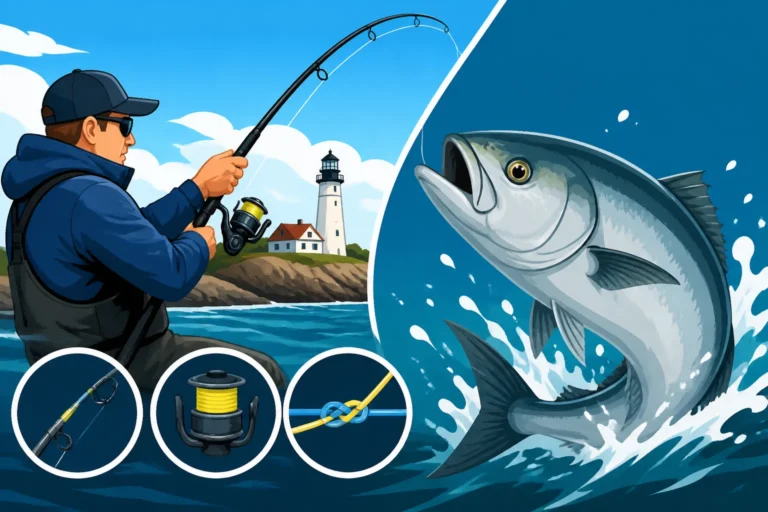
Pairing your rod with a small, lightweight spinning reel (a 2000 or 2500 series is usually perfect) will create a balanced setup that's comfortable to cast repeatedly. You'll want a reel with a smooth drag system, as shad are known for their sudden, powerful bursts of speed. A sticky drag can quickly lead to a broken line or a pulled hook. For line, many anglers opt for a good quality monofilament in the 4- to 6-pound test range. Monofilament offers some stretch, which can act as a shock absorber against a shad's strong runs and delicate mouth. Alternatively, a thin braided line (6- to 10-pound test) offers superior sensitivity and casting distance, but you'll absolutely want to tie on a 4- to 6-pound fluorocarbon leader (3-5 feet long) to absorb shock and provide invisibility in clearer water. Braided line alone can be unforgiving on a shad's tender mouth. You can often find excellent, affordable rod and reel combos perfectly suited for shad fishing on sites like Amazon.
Using lighter gear truly enhances the American shad fishing experience. These fish might not be massive, but their incredible power-to-weight ratio means even a 3-pound shad feels like a much larger fish on appropriate tackle. The lighter line and sensitive rod allow you to fully appreciate their acrobatic leaps and relentless runs, turning each hook-up into a memorable battle. It’s all about maximizing the sport, and a properly balanced light tackle setup is key to that enjoyment.
Lures and Baits of Choice
American shad aren't typically caught on natural baits once they enter fresh water to spawn, as their feeding instincts largely shut down. Instead, they strike out of aggression or curiosity, making artificial lures the name of the game. The undisputed champion for shad fishing is the shad dart. These are small, weighted jigs, typically featuring a lead head with a bucktail, synthetic hair, or plastic grub body. They come in a dazzling array of colors, with chartreuse, pink, white, red/white, and orange often being top producers. The key is their size and profile, mimicking small baitfish or simply irritating the shad into striking.
Another highly effective lure for shad is the small spoon. Think miniature Kastmasters, Al's Goldfish, or similar fluttering spoons in sizes ranging from 1/8 to 1/4 ounce. Silver, gold, and brass are classic colors, but sometimes a splash of bright color can make a difference. The erratic, flashing action of a spoon as it tumbles through the current can be irresistible to shad. Experiment with both spoons and darts; some days the fish prefer one over the other, or a specific color will be hotter than anything else. Having a variety in your tackle box is essential, and you'll find a vast selection of these specialized lures available from online retailers like Amazon if your local tackle shop has a limited stock.
While less common, some anglers have success tipping their shad darts or tiny jigs with a small piece of a worm or a scented soft plastic grub. This can sometimes provide just enough scent or texture to entice a reluctant bite. However, the vast majority of shad are caught purely on artificial lures, which speaks to their aggressive nature when migrating. Don't be afraid to try different combinations of colors and sizes until you find what the shad are keying in on that particular day.
Terminal Tackle and Accessories
Beyond your rod, reel, and lures, a few essential pieces of terminal tackle and accessories will make your Massachusetts shad fishing trip more efficient and enjoyable. First, small barrel swivels are invaluable. They help prevent line twist, which can be a major headache when repeatedly casting and retrieving lures, especially those that spin like spoons or darts retrieved quickly in current. Opt for the smallest size swivel that still offers adequate strength for your line.
Next, you'll need a way to get your lures down to where the shad are holding, especially in deeper, faster currents. A variety of weights can be used, from small split shot crimped directly onto your line a foot or two above your dart, to specialized pencil weights or dropper rigs that allow your dart to suspend at a certain depth. Having a selection of these weights on hand will allow you to adapt to varying water depths and current speeds. Remember, the goal is to get your lure into the strike zone without constantly snagging the bottom. You can find convenient assortments of swivels and weights on Amazon.
Finally, don't forget the small but mighty accessories. A good pair of needle-nose pliers or hemostats is crucial for safely unhooking fish, as shad have delicate mouths. Line clippers are obviously a must-have for quick knot tying and cutting. A small, fine-mesh landing net is also incredibly helpful for gently landing shad, reducing stress on the fish and preventing you from having to handle them excessively, which can damage their scales and slime coat. Polarized sunglasses are also highly recommended, not just for eye protection, but for reducing glare on the water, allowing you to potentially spot fish holding areas or even the flash of a shad dart in clearer water.
Mastering Shad Fishing Techniques in Massachusetts
Catching American shad isn't just about having the right gear; it's also about understanding their behavior and employing effective techniques. These fish are constantly on the move, and adapting your approach to the river conditions is key to consistent success.
Reading the River and Locating Shad
American shad, being migratory, are constantly moving upstream. However, they don't just swim blindly through the middle of the current. Like many river-dwelling fish, they tend to hold in specific areas that offer a balance of current relief and access to the main flow. Prime locations include current seams – where fast water meets slower water – as these often funnel bait and provide a less strenuous travel lane. Look for these seams downstream of bridge pilings, large rocks, or islands.
Deeper pockets and eddies are also important holding zones. Shad will often rest in these slightly calmer areas before making another push upstream. River bends that create deeper channels on the outside curve can be excellent spots, as can the slack water just downstream of any significant structure that breaks the current. The goal is to present your lure where the shad are likely to be resting or actively moving through without expending too much energy.
Water temperature also plays a critical role in where shad will be. While the overall run is triggered by warming water, within that range, shad might prefer slightly warmer, shallower areas early in the run, and then move to deeper, cooler channels as temperatures rise. Paying attention to subtle changes in the river's flow, depth, and temperature can give you a significant advantage. Don't be afraid to move around and explore different sections of the river until you find concentrations of fish. For specific access points, you might want to refer to a guide on Connecticut River Fishing Access in Western Massachusetts.
Popular Fishing Methods: Casting and Drifting
Once you've identified a promising stretch of river, it's time to put your techniques into action. Two primary methods dominate American shad fishing: casting and retrieving, and controlled drifting. Both can be highly effective, and often, combining elements of both or switching between them based on conditions is the best approach.
Casting and Retrieving: This method involves casting your shad dart or spoon upstream and slightly across the current, allowing it to sink to the desired depth. The goal is to let the current carry your lure downstream while you maintain a slow, steady retrieve, keeping just enough tension to feel subtle bites. The lure should "swing" through the current, presenting a broadside profile to any waiting shad. Experiment with retrieve speed; sometimes a slow, almost agonizingly slow, retrieve is key, while other times a slightly faster pace with small twitches can trigger a strike. Shad often hit on the pause, on the swing, or as the lure begins to rise in the water column. It's a game of finding the "zone"—the specific depth and speed that the fish prefer that day.
Drifting with Darts/Spoons: In stronger currents, drifting is often the most productive technique. This involves using just enough weight to get your lure near the bottom without constantly snagging. Many anglers use a dropper rig, where a small pencil weight or bank sinker is tied to the very end of the main line, and a shad dart or small spoon is tied to a short leader (6-12 inches) off a three-way swivel or directly above the weight. Cast upstream and let the current carry your rig downstream, keeping a slightly tight line so you can feel bites. The beauty of drifting is that it presents your lure in a very natural way, mimicking something being washed along by the current. Shad bites while drifting can be incredibly subtle—sometimes just a light "tap" or a sudden feeling of weight on the line, so pay close attention.
Adapting to Conditions and Ethical Angling
The river is a dynamic environment, and successful shad anglers are those who can adapt their techniques to changing conditions. Water clarity, for instance, can dictate your lure choice. In clearer water, more natural colors like silver, white, or light green might be more effective, mimicking the subtle hues of actual baitfish. If the water is murky after a rain event, brighter, more vibrant colors like chartreuse, hot pink, or orange can help your lure stand out. The time of day can also play a role; early mornings and late evenings often provide the best action, but during the peak of the run, shad can be caught all day long. Weather fronts, especially stable ones, can sometimes trigger increased activity.
Beyond the technical aspects, practicing ethical angling is paramount, especially with a valuable migratory species like American shad. These fish have delicate mouths, and aggressive hook sets or rough handling can easily injure them. Use a gentle touch when unhooking, and if you plan to release fish (which is encouraged for many, though shad are also excellent table fare), try to keep them in the water as much as possible. A fine-mesh net helps protect their scales. Always be sure to check the Massachusetts Recreational Fishing Rules and Bag Limits before you head out, as regulations on migratory species can sometimes change. Responsible angling helps ensure healthy shad runs for generations to come.
Maximizing Your Shad Fishing Experience
Catching American shad is a thrilling pursuit, but the overall experience of the spring run in Massachusetts offers so much more than just the fight of the fish. By timing your trip effectively and embracing the broader aspects of river fishing, you can elevate your outing to truly memorable status.
Timing Your Trip for Peak Action
As mentioned, the American shad run in Massachusetts is largely dictated by water temperature and typically occurs from late April into early June. However, within that window, there's often a "peak" period where the most concentrated numbers of fish are moving through. This peak can vary significantly year to year, influenced by factors like snowmelt from upstream, rainfall, and air temperatures. Trying to hit this peak is like finding a sweet spot on a rapidly moving target, but there are ways to improve your odds.
One of the best strategies is to consult local knowledge. Many bait and tackle shops located near prime shad rivers, such as those in South Hadley or Sunderland along the Connecticut River, are invaluable resources. They often receive daily reports from anglers and can tell you when the first fish are showing up, when the run is strong, and when it might be winding down. Online fishing forums and local social media groups dedicated to Massachusetts fishing can also provide real-time updates. Keeping an eye on river flow rates and water temperature charts (often available from USGS or other environmental sites) can also give you clues. Generally, consistent water temperatures in the mid-50s to low 60s Fahrenheit often signal prime conditions. For more details on the exact timing of the run, you might find this post helpful: When the shad run happens on the Connecticut River.
Don't be discouraged if you miss the absolute peak. Even on slower days, the opportunity to hook into a few hard-fighting shad is well worth the effort. The early part of the run often brings larger "roe shad" (females full of eggs), while the latter part can see a mix of smaller "buck shad" (males) and spent fish. Each stage of the run offers its own unique experience, so getting out there as soon as reports start coming in and staying flexible with your schedule is the best way to hit the most productive days.
Beyond the Catch: Enjoying the Massachusetts Shad Run
While the primary goal of any fishing trip is often to catch fish, the American shad run offers a wealth of ancillary pleasures that make the entire experience worthwhile, regardless of your creel count. Being out on the river in late spring is an experience in itself. The trees are budding, migratory birds are returning, and the general vibrancy of the Massachusetts landscape is in full swing. It's a wonderful opportunity for nature observation, whether it's spotting an osprey diving for a fish or simply enjoying the peaceful flow of the river.
The fight of the American shad truly deserves its reputation. They are incredibly strong for their size, and their tendency to make acrobatic jumps and long, drag-screaming runs makes every hook-up an adrenaline rush. Many anglers enjoy the pure sport of it, practicing catch and release to allow these magnificent fish to complete their spawning journey. If you do choose to keep some, shad are considered excellent table fare, often baked, planked, or smoked, though cleaning them can be a bit tricky due to their many small bones.
Consider bringing a fishing buddy along. Sharing the experience, whether it's cheering on a friend fighting a fish or simply enjoying the camaraderie on the riverbank, can amplify the enjoyment exponentially. Pack a thermos of coffee, some snacks, and perhaps a comfortable chair if you're shore fishing, and make a day of it. Embracing the entire atmosphere of the shad run, from the anticipation to the battle, to the peaceful moments between bites, is what truly maximizes the experience. You can even find specialized fishing apparel designed for comfort during long days on the water through retailers like Amazon.
| Lure Type | Common Sizes | Effective Colors | Best Use Case |
|---|---|---|---|
| Shad Darts | 1/16 oz – 1/4 oz | Chartreuse, Pink, White, Red/White, Orange | Casting and retrieving in varied currents, drifting |
| Small Spoons | 1/8 oz – 1/4 oz | Silver, Gold, Brass, Copper | Casting and retrieving with flash, faster currents |
| Small Jigs (tipped) | 1/16 oz – 1/8 oz | White, Chartreuse | Slower currents, deeper holes, subtle presentation |
Disclaimer
This article is for general informational purposes only and does not constitute professional advice. Laws, prices and regulations vary by location and change over time. Consult a qualified professional for guidance on your specific situation.