When shad run on the Connecticut River
For many anglers in Massachusetts, there's a certain anticipation that builds as winter gives way to spring, but it's not always for trout or bass. It's for the annual American shad run, a truly remarkable natural event on the Connecticut River. Missing this window means missing out on some of the most exciting and accessible freshwater fishing the state has to offer, and it can be frustrating if you don't know how to time your trip right. This guide aims to demystify the timing of the shad run on the Connecticut River, helping you plan your visit for maximum success and enjoyment.
The Marvel of the American Shad Migration
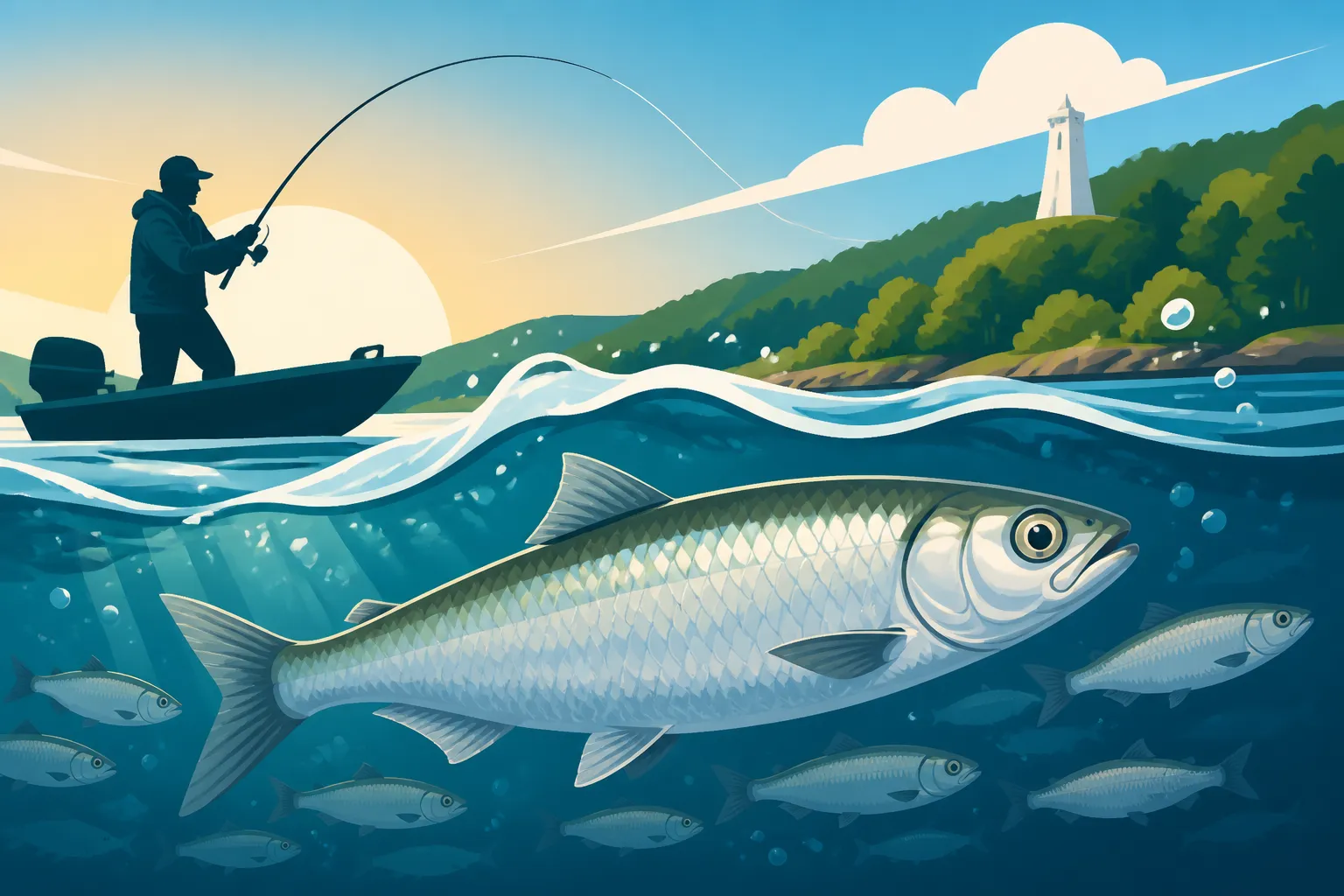
Before we dive into the "when," let's talk about the "what" and "why." American shad are anadromous fish, meaning they spend most of their lives in the ocean but migrate into freshwater rivers to spawn. They're actually the largest member of the herring family, known for their silvery scales and powerful fight when hooked. For centuries, these fish have been a vital part of the ecosystem and a cherished fishing tradition in New England.
Think about it: these fish travel thousands of miles in the ocean, growing strong and robust, only to return to the very river where they were born. It's an incredible journey driven by an innate biological clock. When they enter the Connecticut River, they're not just swimming; they're pushing against currents, navigating obstacles, all with one goal: to reproduce. This makes them incredibly active and, consequently, a blast to catch. Historically, the sheer abundance of shad made them a crucial food source for early American communities, and while commercial fishing has changed, the recreational pursuit remains a rite of spring for many. Understanding this natural cycle helps us appreciate why timing their arrival is so important and why so many anglers eagerly await their return each year.
Pinpointing the Shad Run Season on the Connecticut River
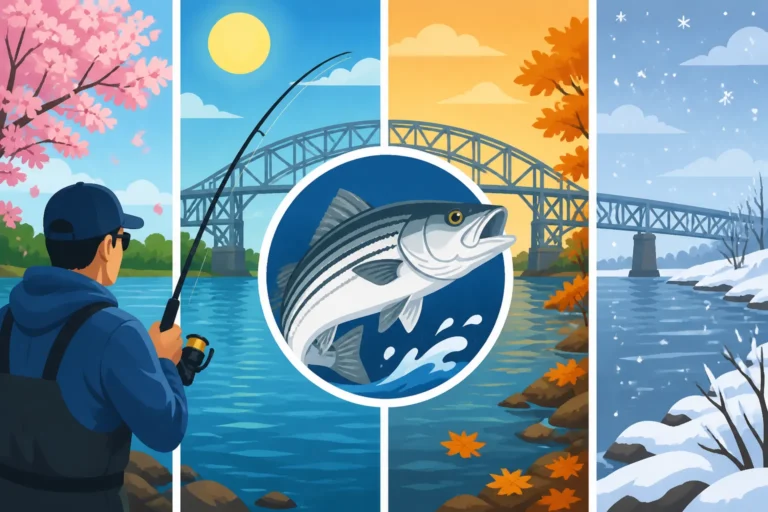
Now, for the million-dollar question: when exactly do these magnificent fish make their appearance in the Massachusetts stretch of the Connecticut River? While nature rarely adheres to a strict calendar, we can certainly identify a reliable window, and it generally kicks off in late April, building to a crescendo in May, and tapering off in early June.
In a typical year, you might start hearing whispers of shad in the lower Connecticut River (closer to the ocean) by the third or fourth week of April. As the water warms and spring progresses, they push upstream. By the time they reach Massachusetts, usually around Hadley, Holyoke, or further north towards Gill, the peak action is often in mid-May. This mid-May period is when the run is usually at its strongest, with large numbers of fish moving through. However, it's not unheard of for the run to be a bit earlier or later. An "early" run might see good numbers by the first week of May, especially if we've had a mild spring. Conversely, a "late" run, perhaps due to a cold, drawn-out spring or significant rainfall, could push the peak into late May or even the first week of June. Knowing these Massachusetts Freshwater Fishing Season Calendar generalities is the first step in planning your trip, but we need to dig a little deeper into the specific factors that truly dictate their arrival.
Factors Influencing the Shad Run's Schedule
While we wish shad would just show up on a specific date, their migration is heavily influenced by environmental cues. The two biggest factors are water temperature and river flow. These elements act as nature's green light for the shad to begin and sustain their upstream journey.
The Critical Role of Water Temperature
Water temperature is perhaps the single most important factor. Shad prefer to migrate and spawn when the water temperature falls within a specific range, typically between 50 to 65 degrees Fahrenheit. When the river water is too cold, the fish simply won't move upstream in significant numbers. As the spring sun warms the river, it triggers their migration. If Massachusetts experiences an unusually warm spell in April, you might see the run start a bit early. Conversely, a prolonged cold spring can delay their arrival. Many dedicated shad anglers keep a close eye on local river temperature gauges, knowing that once the temperature consistently hits that low 50s mark, it's time to get their gear ready. You can often find these gauges online, or simply by checking the water yourself with a reliable thermometer. This is why knowing the Best Time of Year to Fish in Massachusetts requires a bit of environmental detective work.
River Flow and Its Impact
The flow of the Connecticut River, largely dictated by rainfall and snowmelt, also plays a critical role. Ideal conditions for shad migration involve moderate to slightly higher than normal flows. This gives them enough current to navigate but not so much that it becomes an exhausting upstream battle. Heavy spring rains, especially after a winter with significant snowpack, can lead to very high and fast water, often accompanied by murkiness. While shad will still move through high water, fishing can become much more challenging due to reduced visibility and strong currents. In these conditions, fish might hold in eddies or slower pockets of water, making them harder to locate. Conversely, if the spring is unusually dry and the river levels are very low, the fish might pass through certain stretches more quickly or become more wary. Monitoring local rainfall patterns and river flow data, often available from the U.S. Geological Survey (USGS), can give you a significant advantage in timing your trip. Remember, like How weather fronts affect bass fishing in Massachusetts, changing weather can rapidly alter river conditions.
| Factor | Early Run (e.g., Late April) | Peak Run (e.g., Mid-May) | Late Run (e.g., Late May/Early June) |
|---|---|---|---|
| Water Temp. | Consistently 50-55°F | Consistently 55-62°F | Approaching or exceeding 65°F |
| River Flow | Moderate, stable, or slightly rising | Moderate, consistent | Lower, potentially receding |
| Weather | Mild spring, fewer cold snaps | Stable spring weather, warm days | Warmer, possibly drier periods |
| Shad Activity | First arrivals, increasing numbers | High numbers, active spawning | Fewer new arrivals, spent fish moving out |
| Fishing | Scouting, catching early movers | Excellent, high catch rates | Catching remaining active fish, slower |
Tips for a Successful Connecticut River Shad Fishing Trip
Once you have a handle on when the shad are likely to be running, it's time to prepare for your actual fishing trip. Success often comes down to a combination of understanding the fish, using the right gear, and knowing where to go.
Gear Up for Shad
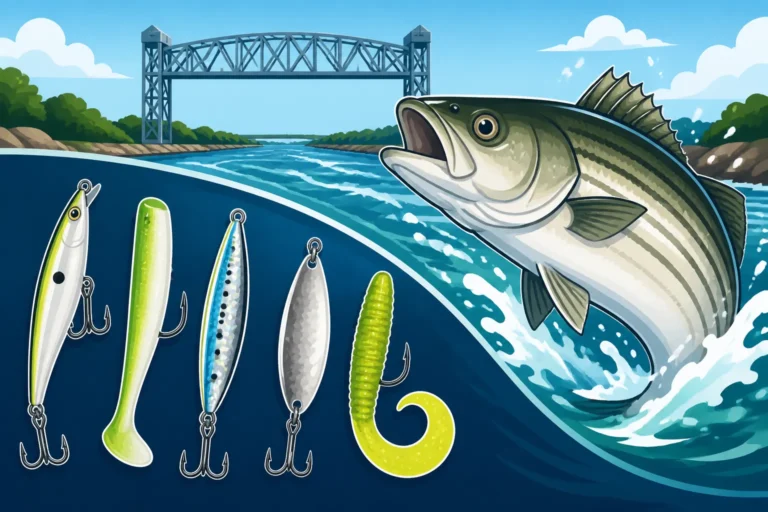
Shad are incredibly strong for their size, providing a thrilling fight on light tackle. Most anglers opt for a light to medium-light spinning rod, around 6 to 7 feet long, paired with a small reel spooled with 6-8 pound test monofilament or fluorocarbon line. The sensitivity of lighter line helps detect the subtle strikes that shad often deliver. When it comes to lures, shad darts are king. These small, weighted jigs come in a variety of colors, with chartreuse, pink, white, and red being perennial favorites. You can find a great selection of shad darts on Amazon, often in multi-packs, which is smart because you're likely to lose a few to snags in the fast current. Small, brightly colored spoons, like a tiny silver or gold Kastmaster, can also be very effective. Fly anglers will find success with small, weighted streamer patterns in similar color combinations, often fished with a sinking line. Remember, the goal is often to imitate a small baitfish or simply to annoy the shad enough to strike.
Where to Focus Your Efforts on the Connecticut River
When the shad are running in Massachusetts, there are several key areas along the Connecticut River that consistently produce good fishing. The stretch around Hadley and Northampton, particularly below the Holyoke Dam, is a renowned hotspot. While access directly below the dam can be tricky due to restricted areas, many public access points downstream offer excellent opportunities. Connecticut River Fishing Access in Western Massachusetts provides more details on specific spots. Areas like the riverbanks in South Hadley or Sunderland, where the river flows at a moderate pace, are great places to start. Look for eddies, current seams, and areas where the faster water transitions to slower water. These are often where shad will pause during their upstream migration. Shore access is available at many bridge crossings and town boat ramps. If you're fishing from a boat, you'll have more flexibility to explore different current breaks and deeper channels. Just be mindful of local regulations and other boaters.
Effective Techniques and Angler Etiquette
The most common technique for shad fishing involves casting your dart or spoon upstream and allowing it to drift naturally with the current, retrieving slowly as it swings downstream. The retrieve should be just fast enough to impart a subtle action to your lure, making it enticing. Sometimes, a slight jigging motion can trigger a strike. It's often a matter of experimenting with retrieve speed and depth until you find what the fish prefer on a given day. When you feel that distinctive "thump," set the hook firmly but gently, and be prepared for a spirited fight!
Finally, always practice good angler etiquette. The shad run can attract a crowd, especially on prime weekends. Give fellow anglers space, be mindful of casting lanes, and never leave trash behind. Respect the resource by adhering to all Massachusetts Recreational Fishing Rules and Bag Limits set by MassWildlife, including daily catch limits. While a fishing license covers American Shad in the Connecticut River, specific limits are in place to ensure the sustainability of this incredible fishery. Bringing a small cooler, easily purchased from Amazon, to keep your catches fresh is always a good idea if you plan to keep some for the table. Knowing How to catch American shad in Massachusetts isn't just about technique; it's about responsible enjoyment.
Disclaimer
This article is for general informational purposes only and does not constitute professional advice. Laws, prices and regulations vary by location and change over time. Consult a qualified professional for guidance on your specific situation.