Best season for shad fishing on the Connecticut River
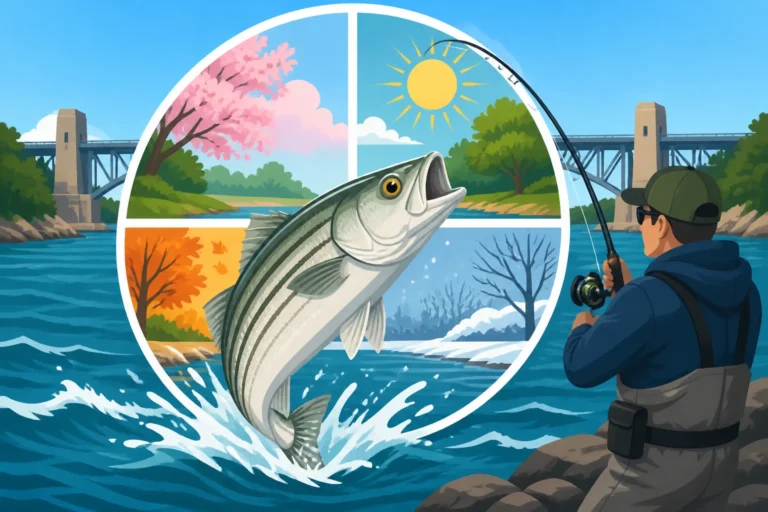
There’s nothing quite like the anticipation of the annual shad run on the Connecticut River in Massachusetts. For many anglers, it marks a true rite of spring, a chance to chase these acrobatic, silver beauties as they make their incredible journey upstream. But if you’ve ever found yourself wondering exactly when the best time to hit the river is, or why some days are red-hot while others are a bust, you’re not alone. This guide is here to unravel the mysteries of the American shad migration, helping you pinpoint the prime season for unforgettable fishing on the Connecticut River.
The Annual Spectacle: Understanding the Connecticut River Shad Run
The American shad run on the Connecticut River is one of nature's marvels, and for anglers in Massachusetts, it's a cherished tradition. These fish, often called "poor man's salmon" due to their fight and delicious flesh, undertake an epic journey each spring. Understanding why and how they migrate is key to knowing when and where to intercept them.
Why American Shad Head Upstream
American shad are anadromous fish, a fancy word meaning they live most of their lives in saltwater but return to freshwater to spawn. After spending three to five years maturing in the Atlantic Ocean, often traveling incredible distances, an innate drive calls them back to the very rivers where they were born. For those in our neck of the woods, that river is often the mighty Connecticut. They're not just swimming; they're pushing against currents, navigating rapids, and overcoming obstacles with a singular purpose: to propagate their species. This instinctual migration brings them within reach of shore anglers and boaters alike, offering a unique opportunity that saltwater fish don't typically provide. The Connecticut River isn't just a waterway; it's a vital highway for these incredible fish, linking the ocean directly to our inland fishing opportunities here in Massachusetts.
The Role of Water Temperature in Migration
While the urge to spawn is ingrained, the precise timing of the shad run is largely dictated by one crucial factor: water temperature. Think of it as their internal thermometer for hitting the road. As winter's grip loosens and spring rains swell the river, the water gradually warms. American shad typically begin their most active migration when river temperatures reach around 50 to 60 degrees Fahrenheit. If we have a cold, late spring, the run might be delayed. Conversely, a warm spring can bring them in earlier. This means that merely looking at a calendar isn't enough; you really need to keep an eye on river conditions. Early season fish often enter colder water, while the peak of the run happens as the water consistently stays in that ideal range. This explains why checking local reports, or even investing in a simple fishing thermometer available on platforms like Amazon, can make a huge difference in your success.
Pinpointing the Peak: When to Target American Shad in Massachusetts
So, with all this talk of water temperatures and migration, when exactly is the sweet spot for shad fishing on the Connecticut River? It's the question every eager angler wants answered, and while nature always has the final say, we can certainly narrow it down.
The "Sweet Spot" for Shad Fishing on the Connecticut River
Generally speaking, the prime time for American shad fishing on the Connecticut River in Massachusetts typically falls from late April through the entire month of May. This is when the water temperatures usually stabilize within that optimal 50-60°F range, triggering the main push of fish upriver. You might see the first few "scouts" trickling in during mid-April, especially if it's been a mild spring, but the real numbers arrive as May progresses.
Imagine this: you arrive at your favorite spot, perhaps a bend in the river near Gill or Turners Falls, the air is crisp, the trees are just budding green, and you start casting your shad dart. During the peak, it’s not uncommon to catch several fish in a short session. However, it's not a static event. The run progresses upriver. Fish will arrive in the lower sections of the Connecticut first, further south in the river's course, before making their way into the Massachusetts stretches. This means that if you hear reports of great fishing in Connecticut, Massachusetts isn't far behind! Keeping an eye on the official MassWildlife updates or local fishing forums can give you real-time insight into the progress of the run, helping you time your trip perfectly.
Early Season vs. Late Season Opportunities
While May is generally considered the peak, both the early and late fringes of the run offer distinct opportunities for the dedicated angler.
Early Season (Mid-April to Early May): This period can be a bit of a gamble, but it often rewards persistence. The water might still be on the colder side, and the fish numbers won't be as high. However, the shad that arrive early are often the largest and most robust, particularly the "roe" shad, which are the females packed with eggs. Catching a big, powerful roe shad on light tackle is an exhilarating experience. The river also tends to be less crowded, offering a more peaceful angling experience. You might have to work harder for fewer bites, but the quality of the fish can be exceptional. These early arrivals are truly fresh from the ocean, full of fight.
Late Season (Late May to Early June): As the run winds down, usually towards the end of May and into the first week or two of June, you might find different conditions. The water will be warmer, and while there are still plenty of fish, they tend to be the smaller "buck" shad (males) and females that have already spawned. These fish can still be very aggressive, but they might not have the same size or fighting power as their early-season counterparts. The river can also be more crowded during this period as word has spread and more anglers are out. One benefit, however, is that sometimes the fish are schooling in larger numbers, making for fast action if you find the right pocket. Just remember to check the Massachusetts Freshwater Daily Catch Limits and consider releasing some fish, especially those that have already spawned, to help ensure the future health of the run.
Gear Up and Go: Effective Techniques for Connecticut River Shad
Once you know when to go, the next step is getting prepared with the right tackle and techniques. Shad are powerful fighters on light gear, and choosing your setup wisely can make all the difference between a memorable day and a frustrating one.
Essential Tackle for Shad Success
You don't need heavy-duty gear to catch American shad; in fact, lighter tackle makes the fight all the more exciting. Most anglers opt for a light to medium-light action spinning rod, typically in the 6 to 7-foot range. Pair this with a small spinning reel spooled with 4- to 6-pound test monofilament or braided line. The lighter line allows for better casting distance with small lures and maximizes the thrilling fight these fish offer.
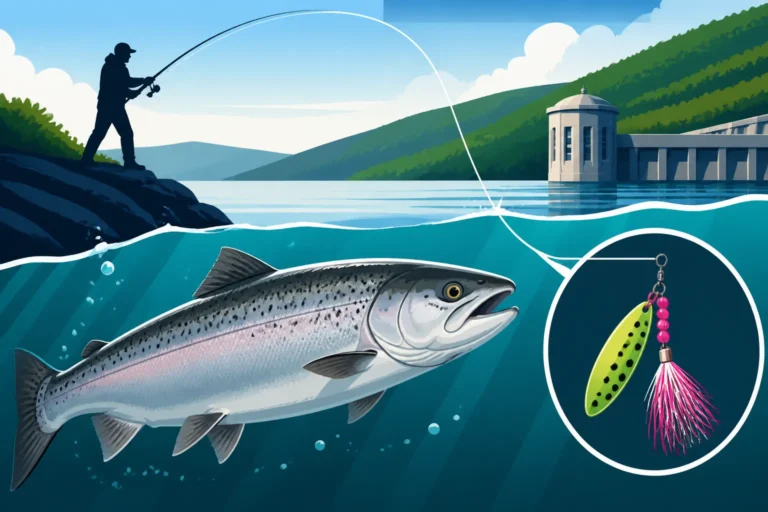
When it comes to lures, the humble shad dart is king. These small, weighted jigs are specifically designed to mimic the forage shad pursue or simply to annoy them into striking. Common weights are typically 1/8 to 1/4 ounce, and colors like chartreuse, pink, white, and bright green are perennial favorites. Often, combinations of these colors work best, like a chartreuse head with a white body. Many anglers carry an assortment of colors and weights to adapt to varying water conditions and fish preferences. You can easily find a great selection of shad darts and small spoons on Amazon, often in multi-packs, which is a convenient way to stock up. Another effective lure is a small, flashy spoon, like a tiny Kastmaster or similar spoon, which can also tempt a strike. These lures don't necessarily imitate bait fish; rather, they are "reaction strikes" – the shad strike out of aggression or curiosity.
Casting and Retrieval Strategies
Shad tend to hold in specific areas of the river, often in current seams, eddies, or deeper pools behind structures where they can rest out of the main current. Your casting strategy should focus on presenting your lure to these zones.
The most common and effective technique involves casting slightly upstream and across the current, allowing your shad dart or spoon to sink and then "swing" downstream through the likely holding areas. As your lure swings, maintain a slow, steady retrieve, just fast enough to keep the lure off the bottom and give it some action. Pay close attention to your line; shad strikes can be subtle, sometimes feeling like a light tap or a sudden increase in weight. Other times, they can hit with a jarring thump that nearly rips the rod from your hands! Experiment with different retrieval speeds and depths until you find what the fish are responding to. If the current is strong, a slightly heavier dart might be needed to get down to where the fish are holding. Remember, patience and persistence are key, especially if you're fishing a new spot on the Connecticut River Fishing in Massachusetts.
Finding the Best Spots on the Connecticut River
The Connecticut River stretches a long way, and finding productive shad spots in Massachusetts involves looking for areas with good public access, suitable current, and deeper water. Popular spots often include areas around the Gill, Turners Falls, and Sunderland stretches. Look for public boat launches, access points under bridges, or designated shore fishing areas. These locations often have parking and established spots where anglers have historically had success.
Key features to look for:
- Current Breaks: Any structure that breaks the main current, like large rocks, bridge pilings, or submerged logs, can create an eddy where shad congregate.
- Seams: The transition zone between fast and slow water is a prime location.
- Deeper Channels: Shad prefer to migrate in deeper water, so targeting holes and channels is often fruitful.
- Confluence Areas: Where smaller tributaries meet the main river can also be hotspots.
Before you head out, make sure you have your Massachusetts Freshwater Fishing License Costs and Rules in order. It's an absolute must!
Maximizing Your Shad Run Experience
The shad run is a fantastic opportunity, but a little preparation and knowledge can elevate your experience from just catching fish to truly enjoying the entire event.
Checking Conditions and Forecasts
I can't stress enough how important it is to be a detective when it comes to shad fishing. Unlike some other species, shad are highly migratory, and their presence in a specific area is transient. Before heading out, always check the river conditions. While I can't provide live data, you should be looking for things like river flow rates (often available from geological survey websites for major rivers) and, most importantly, water temperature. A consistent temperature within that 50-60°F range is your green light. If the river is blown out from heavy rains or unusually low, your chances might be diminished.
Beyond river specifics, keep an eye on the general weather forecast. A cold snap can slow the bite, while stable, mild weather usually means happy, active shad. Talking to local bait shops or checking online fishing forums can provide invaluable real-time insights into where the fish are being caught and what they're hitting on. This local knowledge is gold, helping you avoid a wasted trip and instead focus on prime opportunities during the Massachusetts Freshwater Fishing Season Calendar.
| Condition Type | Optimal for Shad Fishing | What to Look For | Impact on Fishing |
|---|---|---|---|
| Water Temperature | 50-60°F (10-15°C) | Stable temps in this range, usually late April-May | Triggers migration, active feeding |
| River Flow | Moderate flow, not too high or too low | Check local river gauges; clear to slightly stained water | Too high = murky, difficult fishing; Too low = fish held up |
| Time of Day | Often best in early morning and late afternoon/evening | Focus on dawn and dusk, but can be good all day during peak | Shad can bite throughout the day, but these are peak times |
| Weather | Stable, mild spring days; light rain can sometimes trigger runs | Avoid drastic temperature drops or heavy storms | Sudden changes can slow the bite |
Handling Your Catch and Conservation
American shad are fantastic eating fish, renowned for their rich, distinctive flavor. However, they are notoriously bony, and preparing them requires a bit of technique. Many anglers learn to fillet them carefully to remove the numerous "Y-bones" or simply bake, smoke, or pan-fry them whole. If you plan to keep some for the table, bring a cooler with ice to keep your catch fresh.
Conservation is paramount to ensuring these incredible runs continue for future generations. While shad populations are generally healthy in the Connecticut River, it's always responsible to practice selective harvesting. Adhere strictly to the Massachusetts Freshwater Daily Catch Limits and consider releasing the larger roe shad, especially those caught early in the season, to allow them to complete their spawning. Gently handle fish you intend to release, minimizing their time out of water. A quick photo, then a careful release, ensures they can continue their journey.
Combining Shad Fishing with Other Opportunities
The beauty of fishing the Connecticut River during spring isn't just about the shad. This fertile waterway is home to a wide array of species, offering chances to diversify your catch or simply enjoy the broader natural experience. While you're targeting shad, you might also encounter smallmouth bass, particularly around rocky structures, or even trout in some of the cooler sections or tributaries feeding into the main river. Many anglers enjoy the challenge of fishing for Freshwater Fish Species in Massachusetts.
The social aspect of shad fishing is also worth noting. Popular spots often see a friendly gathering of anglers, sharing tips, stories, and the general camaraderie that comes with a shared passion. It’s a wonderful opportunity to connect with fellow fishing enthusiasts and soak in the vibrant atmosphere of a truly special spring event in Massachusetts. Remember, a comprehensive Massachusetts Fishing License Guide is your first step to enjoying all these opportunities.
Disclaimer
This article is for general informational purposes only and does not constitute professional advice. Laws, prices and regulations vary by location and change over time. Consult a qualified professional for guidance on your specific situation.