Fishing Quabbin Reservoir by Season
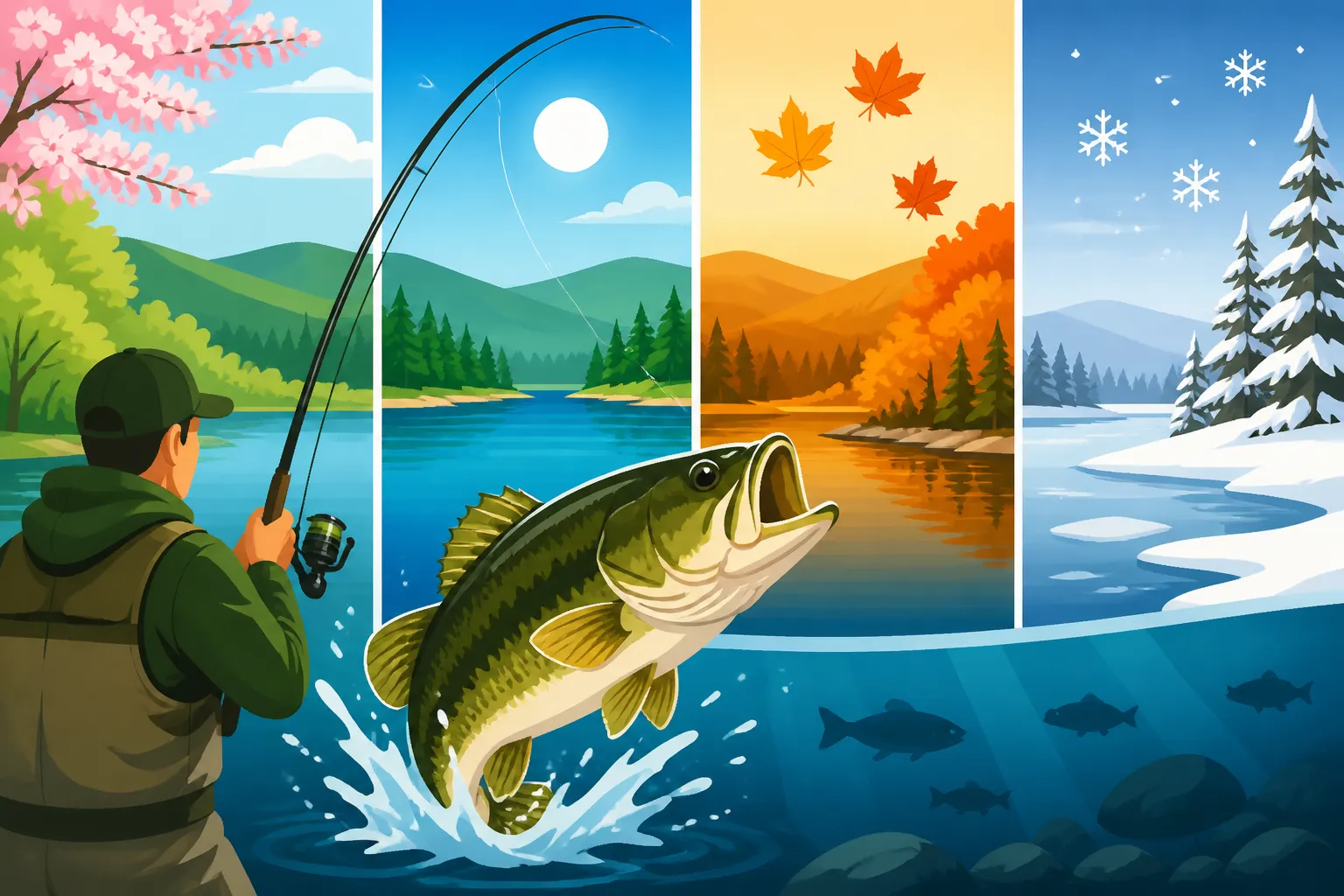
Figuring out the best time to fish Massachusetts' legendary Quabbin Reservoir can feel like solving a complex puzzle. This vast, deep, and often challenging body of water changes dramatically with the seasons, impacting everything from fish location and behavior to access rules and even the types of gear you'll need. This guide will walk you through what to expect when fishing Quabbin throughout the open season, offering practical advice to help you maximize your success and enjoy this truly special place.
Understanding Quabbin's Unique Fishing Season
Before we dive into the seasonal specifics, it's absolutely crucial to understand that Quabbin Reservoir isn't your average fishing hole. As a primary water supply for Boston, it operates under strict regulations from the Department of Conservation and Recreation (DCR), meaning its fishing season isn't year-round like many other Massachusetts waters. Generally, the season for boat fishing at Quabbin Reservoir kicks off in mid-April and wraps up around mid-October, though the exact dates can shift slightly each year. Shore fishing is often available for a bit longer, but boat access is strictly seasonal.
These seasonal windows dictate everything from what species are most active to where you can even access the water. For instance, knowing the current Quabbin Reservoir 2026 boat fishing season opening date is essential if you're planning your first spring outing. This unique environment demands a nuanced approach, acknowledging not just fish biology but also the specific rules that govern this majestic fishery. Anglers need to be proactive about checking the latest DCR announcements for any changes to dates or regulations before heading out.
Spring Fishing at Quabbin Reservoir
Ah, spring! The season of renewed hope and eagerly anticipated first casts at Quabbin. After the long winter, the reservoir awakens, and fish activity really starts to pick up. However, "spring" at Quabbin isn't a single event; it's a progression, with different strategies shining at various points.
Early Spring Tactics for Cold Water
When the season first opens in mid-April, the water in Quabbin is still incredibly cold, often hovering just above freezing in the deeper sections. This means the fish, particularly the cold-water species like lake trout and salmon, are often found higher in the water column and closer to shore than they will be later in the year. The initial weeks after the ice-out (though Quabbin doesn't actually have ice fishing due to DCR regulations) are prime for targeting these species.
Trolling with downriggers isn't always necessary right away. Instead, flat-lining Rapala-style stickbaits, spoons, or even live shiners close to the surface or with minimal weight can be incredibly effective. Look for areas near the boat launches, like those around Gates 8, 16, or 31, where fish might be cruising the shallower edges looking for an easy meal. Many anglers find success slow-trolling spoons like the Mooselook Wobbler or a Daredevil, matching the baitfish profile that lake trout and salmon are keying in on. For those who prefer a more hands-on approach, casting small jigs or shiners from accessible shorelines can also yield impressive results, especially for hungry trout fresh out of winter dormancy.
Targeting Salmon and Early Trout
As spring progresses into late April and May, the surface water temperatures begin to climb steadily, but the deeper sections remain cold, creating a thermal stratification that can concentrate different species. This period is fantastic for pursuing landlocked salmon, which often patrol the upper layers of the water column, especially early in the morning or late in the day. They're often chasing smelt or other baitfish, and a trolled streamer fly, a small spoon, or even a shiny stickbait can entice a strike.
Alongside salmon, rainbow trout and brown trout become more active. MassWildlife stocks these species annually, and the spring provides excellent opportunities to catch them before they move to deeper, cooler waters. Fishing near inflowing streams or shallower coves where newly stocked trout might congregate can be particularly productive. Light tackle with powerbait, worms, or small spinners like Mepps or Panther Martins are classic choices that consistently produce. For more information on what species you can expect, consult a detailed Massachusetts Freshwater Daily Catch Limits guide to ensure you're compliant with regulations.
Summer Fishing at Quabbin Reservoir
When the long, warm days of summer settle over Massachusetts, Quabbin Reservoir transforms. The once-chilly surface waters warm considerably, pushing many of the cold-water species into the cooler, deeper parts of the reservoir. This shift demands different tactics and a good understanding of thermal stratification to locate fish.
Deep Water Strategies for Lake Trout
During the peak of summer, lake trout at Quabbin head for the sanctuary of the deep, cold water. This means anglers need to employ specific techniques to get their baits down to where these magnificent fish reside. Downriggers become invaluable tools, allowing you to present spoons, flies, or dodger-and-worm rigs at precise depths, often 40-80 feet or even deeper, depending on the day and water temperature. Knowing how to troll for lake trout at Quabbin Reservoir is key, and it often involves covering a lot of water at slow speeds, watching your fish finder closely for signs of structure or bait balls.
Another effective summer strategy is vertical jigging. Position your boat over deep humps, drop-offs, or submerged timber, which you can often find using a good fish finder (available through retailers like Amazon). Dropping heavy jigs or spoons, then working them with a sharp jigging motion, can trigger aggressive strikes from lake trout that are holding tight to structure. This technique requires patience and a keen eye on your electronics, but it can be incredibly rewarding when you hook into a powerful laker from the depths.
Targeting Warmwater Species
While the lake trout seek the chill, summer also brings out the best in Quabbin's warmwater species. Smallmouth bass, in particular, thrive in the warmer months. They often school up around rocky points, submerged islands, and steep drop-offs, especially in areas with current or good baitfish concentrations. Early mornings and late evenings offer the best topwater action, with poppers and walk-the-dog lures bringing explosive strikes. As the sun climbs, switch to soft plastics like tubes or grubs, or crankbaits that mimic baitfish, fishing them along ledges and breaks.
Largemouth bass, though less abundant than smallmouths in many areas of Quabbin, can be found in shallower coves with more vegetation or woody debris. Flipping jigs, Texas-rigged worms, or throwing spinnerbaits into cover can produce some chunky bucketmouths. Remember that Quabbin is a vast system, so understanding the specific areas and types of structure where these bass prefer to hold is crucial. Don't forget to check the specific Massachusetts Freshwater Daily Catch Limits for bass to ensure you're fishing responsibly.
Fall Fishing at Quabbin Reservoir
Fall at Quabbin Reservoir is nothing short of spectacular, both for its breathtaking foliage and for some of the year's most exciting fishing. As the air cools and the water temperatures begin to drop, many fish species become more active and accessible, preparing for the lean winter months. This is often regarded as one of the best times to fish Quabbin.
The Autumn Salmon and Trout Runs
As the calendar flips to September and October, the cooling waters trigger significant movements in Quabbin's prized landlocked salmon and trout populations. The salmon, in particular, begin their annual migration towards tributary streams for spawning. While fishing directly in these protected tributaries is generally prohibited, the areas near the mouths of these streams become prime staging grounds for salmon. Trolling spoons, streamer flies, or baitfish imitations near these inflows can be incredibly effective.
Rainbow and brown trout, also feeling the chill, will often move into shallower areas to feed aggressively before the season closes. Casting from shore with traditional trout baits like worms, PowerBait, or small spinners, especially in the mornings and evenings, can yield excellent results. For those in boats, trolling a variety of lures at different depths, from the surface down to 20-30 feet, can intercept these roaming fish. The DCR usually announces when Quabbin Reservoir closes for boating in 2026, so be sure to plan your fall excursions accordingly.
Aggressive Bass Feeding
Fall isn't just for cold-water species; it's also a fantastic time for aggressive smallmouth and largemouth bass action. As baitfish like smelt and alewives become more concentrated and vulnerable, bass go on a feeding frenzy to fatten up for winter. Smallmouth bass will congregate around their typical rocky structures, but they'll often be more willing to chase faster-moving baits. Crankbaits, jerkbaits, and spinnerbaits can be incredibly productive as you cover water, looking for active schools.
For largemouth bass, they might be found in slightly deeper pockets of remaining cover or transitioning to ambush points on main lake points as vegetation begins to die back. Pitching jigs, Texas-rigged plastics, or even throwing a large topwater bait on overcast days can generate some huge strikes. Focus on areas where bait is plentiful and where there's a good transition from shallow to deeper water. A reliable fish finder, easily purchased from online retailers like Amazon, can be your best friend in locating these baitfish schools and the predators that follow them.
Quabbin Reservoir in Winter: No Ice Fishing and Season Closure
Unlike many other large lakes and reservoirs across Massachusetts, Quabbin Reservoir has a very distinct winter season when it comes to fishing: there is no ice fishing allowed. This is a critical regulation, primarily due to the reservoir's role as a drinking water supply for millions of people. For public safety and water quality protection, the DCR strictly prohibits anglers from venturing onto the ice.
Why No Ice Fishing at Quabbin?
The decision to disallow ice fishing at Quabbin Reservoir isn't arbitrary. The sheer size and depth of Quabbin, combined with variable winter conditions, can make ice unpredictable and extremely dangerous. Beyond safety, the DCR maintains stringent control over access to protect the integrity of the drinking water supply. This means that once the boat and shore fishing seasons officially close, typically by mid-October, angling at Quabbin ceases until the following spring.
While it might be disappointing for ice fishing enthusiasts, understanding and respecting these rules is paramount. Instead of trying to find a loophole, responsible anglers use this time to maintain their gear, tie flies, research new techniques, or explore other Massachusetts waters where ice fishing is permitted. If you're curious about different types of fishing licenses, our guide on Massachusetts Fishing License Requirements by Age can help you understand what's needed for other locations.
Preparing for the Next Season
The winter closure period, from late fall through early spring, is a great time for preparation. This is when you can check your reels, sharpen hooks, and restock your tackle box. Many anglers use this downtime to study maps of Quabbin, identifying potential new spots based on depth contours and submerged structures, all in anticipation of the next opening day.
Even though you can't fish, the winter is a good time to review the rules for Quabbin Reservoir Fishing Permits and Rules in Massachusetts and consider purchasing your next year's license. The excitement builds as spring approaches, and with good planning, you'll be ready to hit the water as soon as the DCR officially announces the opening of the season, typically around April 15th. Being prepared means you can be one of the first anglers out there when that initial horn blows, signaling the start of another fantastic fishing season.
Quabbin Seasonal Fishing Overview
To help you visualize the seasonal changes and best approaches, here's a handy overview of what to expect when fishing Quabbin:
| Season | Typical Dates (Approx.) | Primary Target Species | Key Techniques | Average Water Temp (Surface) | Access Notes |
|---|---|---|---|---|---|
| Spring | Mid-April – May | Lake Trout, Salmon, Rainbow Trout, Brown Trout, Smallmouth Bass (late spring) | Flat-line trolling, shore casting (spoons, shiners, worms, PowerBait), jigging (late spring) | 40°F – 60°F | Season opens. Boat launches at Gates 8, 16, 31 fully operational, but check for any specific Quabbin Reservoir Boat Permit Requirements in Massachusetts and shuttle schedules. Early season can be cold on the water. |
| Summer | June – August | Lake Trout, Smallmouth Bass, Largemouth Bass | Deep trolling with downriggers, vertical jigging, drop-shotting, crankbaits, topwater (early/late) | 65°F – 75°F | Full boat access. Prime time for navigating the reservoir, but boat shuttles may have longer waits. Sun protection and hydration are key. Consider a good quality polarized sunglass pair from Amazon for spotting structures. |
| Fall | September – Mid-October | Salmon, Lake Trout, Rainbow Trout, Brown Trout, Smallmouth Bass, Largemouth Bass | Trolling near tributaries, casting spoons/spinners, jigging, crankbaits, jerkbaits | 60°F – 50°F | Season closes mid-October. Boat access remains open until the very end. Foliage is stunning. Be prepared for cooler temperatures and potentially unpredictable weather. Check the Massachusetts Recreational Fishing Rules and Bag Limits for any changes that might affect fall fishing. |
| Winter | Mid-October – Mid-April | No Fishing Permitted | N/A | Freezing – 40°F | Reservoir is closed to all fishing (shore and boat). Ice fishing is strictly prohibited for safety and water supply protection. This is a good time to study maps and plan for the next season's opening. Review how to get a Massachusetts Fishing License Guide for next year's permit. |
Essential Tips for Quabbin Fishing Year-Round (During Open Season)
While each season at Quabbin presents its own unique challenges and rewards, there are some overarching principles that will help you succeed no matter when you visit during the open season.
Understanding Quabbin's Regulations and Permits
This cannot be stressed enough: Quabbin Reservoir has specific, often unique, regulations that differ from other Massachusetts waters. You absolutely need to understand these before you even think about putting a line in the water. First and foremost, you'll need a valid Massachusetts fishing license. Beyond that, anyone fishing from a private boat needs a special Quabbin Reservoir boat permit, which often requires a full inspection to prevent the introduction of invasive species. Knowing what license you need to fish at Quabbin Reservoir is fundamental.
Shore fishing generally doesn't require the boat permit, but access points are restricted to designated areas, often behind specific DCR gates. There are also strict rules about bait, motor types (electric only for private boats, with some horsepower limits for DCR rental boats), and even the types of safety gear you must have on board. Our article on the Massachusetts Fishing License Guide provides general licensing info, but for Quabbin, you'll always want to check the DCR's official Quabbin website or the annual fishing regulations pamphlet for the most up-to-date and reservoir-specific rules.
Gear and Equipment Considerations
Given Quabbin's vastness and depth, having the right gear is paramount. For boat anglers targeting lake trout or salmon, a reliable fish finder/depth sounder is almost a necessity. Brands like Humminbird or Lowrance offer excellent options for understanding bottom structure and locating fish. Investing in good quality rods and reels appropriate for both light tackle trout fishing and heavier duty trolling or jigging for large lake trout is also wise. Don't skimp on line; clear monofilament or fluorocarbon in the 8-15lb test range will serve you well for most applications.
For shore anglers, a longer rod (7-9 feet) can help with casting distance, especially in areas with limited access or shallow banks. Bringing a variety of lures and baits is also a good idea. Consider a tackle box from a brand like Plano, available on Amazon, to keep everything organized. And always, always bring appropriate clothing layers, rain gear, and plenty of water, regardless of the forecast. Quabbin can be quite exposed, and weather conditions can change rapidly. Remember, responsible anglers also carry a trash bag to pack out anything they pack in.
Safety First on the Water
Quabbin Reservoir is a truly massive body of water, and its size alone presents unique safety challenges. Sudden winds can whip up quickly, turning calm waters into treacherous conditions in a matter of minutes. Always check the weather forecast before heading out, and if you see dark clouds or feel a sudden change in wind, head for shore or a safe harbor immediately.
Wearing a life jacket is non-negotiable, especially if you're in a canoe or kayak. Even on larger boats, having easily accessible PFDs for everyone on board is a DCR requirement. Be sure to file a float plan with someone on shore, letting them know where you're going and when you expect to return. It's a vast wilderness out there, and cell service can be spotty in many areas. Being prepared with extra layers, a first-aid kit, and enough food and water can make all the difference in an unexpected situation. Check our guide on the Quabbin Reservoir Boat Permit Requirements in Massachusetts for more details on necessary safety gear.
Final Thoughts on Seasonal Fishing at Quabbin
Fishing Quabbin Reservoir by season is an incredible experience that challenges and rewards anglers in equal measure. Each period, from the vibrant opening days of spring to the crisp, colorful fall finale, offers distinct opportunities to connect with some of Massachusetts' most impressive freshwater fish. While the excitement of the catch is a huge part of the appeal, it's also about immersing yourself in the sheer beauty and wildness of this remarkable place.
The key to success at Quabbin, no matter the season, lies in preparation, adaptability, and a deep respect for the regulations that protect both the fishery and the drinking water supply. Stay informed about the specific Massachusetts Recreational Fishing Rules and Bag Limits and DCR rules, be mindful of changing weather, and most importantly, savor every moment you spend on these hallowed waters. Whether you're chasing landlocked salmon, battling a deep-water laker, or enjoying the feisty fight of a smallmouth bass, Quabbin offers a Massachusetts fishing experience that is truly second to none.
Disclaimer
The information provided in this guide is for general informational purposes only and is subject to change. Always consult the official Massachusetts Department of Conservation and Recreation (DCR) and MassWildlife websites for the most current regulations, season dates, and permit requirements before planning any fishing trip to Quabbin Reservoir. Fishing conditions and fish behavior can vary, and past success does not guarantee future results.