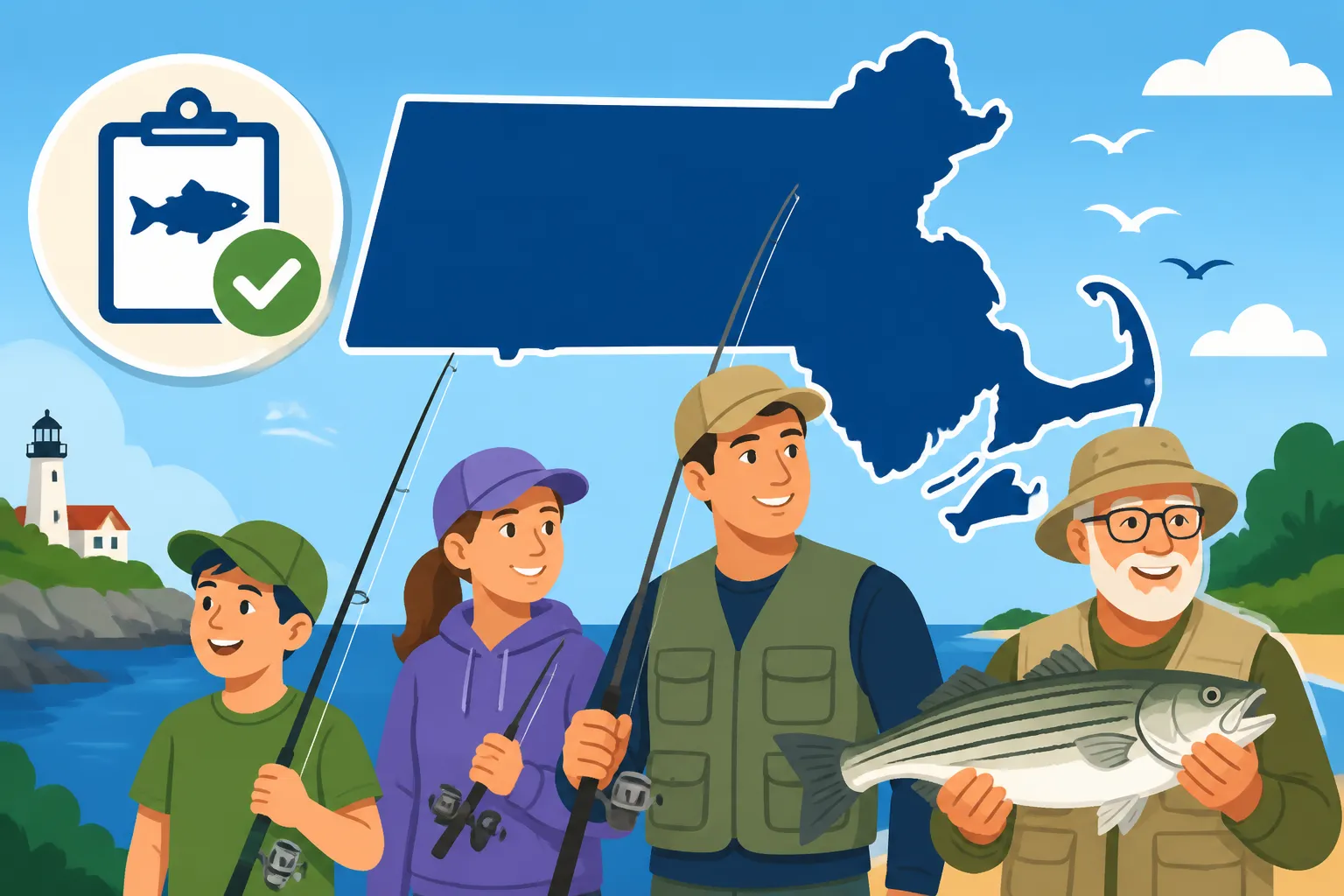
Massachusetts Fishing License Requirements by Age
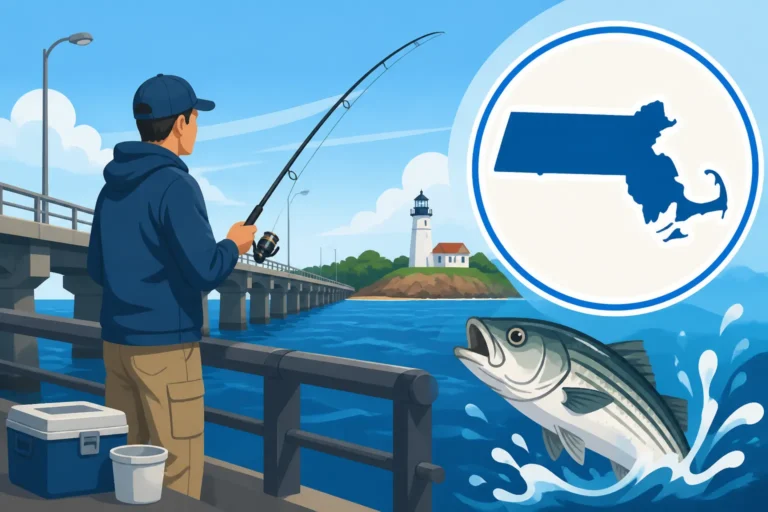
It’s a common scenario: you’re standing by a serene pond or gazing out at the vast ocean, fishing rod in hand, ready for a peaceful day of angling, when a nagging thought creeps in – do I even need a license for this? Navigating the rules and regulations around fishing in Massachusetts can feel a bit like trying to untangle a particularly stubborn fishing line, especially when it comes to who needs what at what age. This comprehensive guide is here to untangle that mess, laying out exactly what Massachusetts fishing license requirements by age entail, from the youngest aspiring angler to our seasoned senior citizens, ensuring you're compliant and ready to cast with confidence.
Understanding the Massachusetts Fishing License System
Massachusetts, with its incredible diversity of aquatic environments – from the freshwater ponds and rivers in the Berkshires to the expansive saltwater coastline stretching along Cape Cod and beyond – has a robust system in place to manage its fisheries. This system relies heavily on licensing to fund conservation efforts, monitor fish populations, and ensure sustainable practices for future generations of anglers. It’s not just about a piece of paper; it’s about contributing to the health of the very ecosystems we love to fish.
Freshwater vs. Saltwater: Two Different Worlds
One of the first things many new anglers, or even experienced ones crossing over from another state, discover is that Massachusetts generally treats freshwater and saltwater fishing as two distinct activities when it comes to licensing. This can be a source of confusion, as some states might have a single "all-species" license. Here, you'll find that if you're planning on casting a line into one of our many beautiful lakes, rivers, or ponds, you'll need a specific freshwater license. This covers everything from largemouth bass in Lake Quinsigamond to trout in the Deerfield River.
However, if your sights are set on the vast Atlantic, whether you're surfcasting for striped bass off Plum Island or deep-sea fishing for cod out of Gloucester, you'll need a Massachusetts Saltwater Recreational Fishing Permit. It’s crucial to understand these distinctions because mistakenly thinking one covers the other could lead to a fine. For a deeper dive into these differences, check out our guide on Massachusetts Freshwater vs Saltwater License Differences. These separate permits help MassWildlife, the state’s wildlife agency, manage and fund specific conservation programs tailored to each unique environment.
The Importance of Licensing for Conservation
Every time you purchase a fishing license or a saltwater permit in Massachusetts, you're doing more than just gaining legal access to fishing waters. You are directly contributing to the conservation, protection, and management of the state's precious marine and aquatic resources. The funds generated from these licenses are critical. They go towards vital programs such as fish stocking, habitat restoration, scientific research, and environmental enforcement. Without these funds, the vibrant fishing opportunities we enjoy in Massachusetts simply wouldn't be sustainable.
Imagine the annual trout stocking programs that bring thousands of brook, brown, and rainbow trout to our ponds and rivers each spring, providing incredible fishing opportunities for families and seasoned anglers alike. Or consider the research that helps biologists understand migratory patterns of striped bass or the health of cod populations. All of this is supported by license fees. So, when you pay for your license, you're not just buying permission to fish; you're investing in the future of fishing in the Commonwealth. It's a small price to pay for the incredible natural resources we have here.
Fishing License Requirements for Adults (Age 18-64)
For most adult anglers between the ages of 18 and 64, the process is straightforward but requires attention to whether you're fishing freshwater or saltwater. There’s no ambiguity here; if you’re in this age bracket, you’ll generally need a license to fish legally in Massachusetts. This is the demographic that forms the backbone of the state's fishing community and whose contributions directly fuel MassWildlife's conservation efforts.
Standard Freshwater License Rules
If you’re 18 years of age or older and not yet 65, and you plan to fish in any of Massachusetts' inland waters—meaning ponds, lakes, rivers, and streams—you absolutely need a valid freshwater fishing license. This includes popular spots like the Connecticut River for smallmouth bass, Wachusett Reservoir for trout, or countless smaller ponds for largemouth bass and panfish. The cost for a resident freshwater license is quite reasonable, and it’s valid for the calendar year, expiring on December 31st, regardless of when you purchase it.
Non-residents who fall into this age group also need a freshwater license, and while the cost is higher, it grants them access to the same fantastic fishing opportunities. Whether you’re a local from Springfield heading to Otis Reservoir or a visitor from New York hoping to catch a trophy bass, these licenses are your ticket. Our Massachusetts Freshwater Fishing License Costs and Rules article provides all the details you’ll need to understand the different pricing tiers and regulations for both residents and non-residents. Remember, even if you’re just catch-and-release fishing, the license is still required.
Saltwater Recreational Permit Specifics
Shifting gears to the coast, if you're an adult between 18 and 64 and intend to fish in Massachusetts' marine waters, you’ll need a Massachusetts Saltwater Recreational Fishing Permit. This applies whether you're casting from a beach on Cape Cod, fishing from a pier in Boston Harbor, or heading offshore on your own boat or a charter. The good news is that this permit is free for residents. Yes, you read that right – free for Massachusetts residents! However, you still need to "purchase" it (though no money changes hands) to ensure you are properly registered in the system. Non-residents, on the other hand, do have a fee associated with their saltwater permit.
This permit ensures that MassWildlife can track recreational fishing effort and gather crucial data on angler participation, which is vital for managing our marine resources like striped bass, bluefish, and fluke. Even if you're fishing from a party boat or a charter, you might still need your own permit, depending on the vessel's licensing. It's always best to clarify with your charter captain. For a comprehensive overview, including details on whether you need a permit when fishing on a charter, our guide on the Massachusetts Saltwater Recreational Fishing Permit Explained is an excellent resource.
Combination Licenses: Streamlining Your Fishing
For the truly enthusiastic angler who loves both the tranquility of freshwater lakes and the excitement of battling a striper in the surf, Massachusetts offers a convenient solution: the combination hunting and fishing license. While this guide focuses primarily on fishing, it’s worth noting that if you’re an adult who enjoys both outdoor pursuits, purchasing a combo license can often be more economical and certainly more convenient than buying separate licenses. It streamlines the process, allowing you to cover all your bases with one transaction.
This combination option is particularly popular among residents who frequently traverse the state's diverse landscapes, perhaps hunting deer in the western woods in the fall and fishing for trout in the spring, then hitting the coast for some summer saltwater action. It covers your freshwater fishing needs and also acts as your primary hunting license. While the saltwater permit is still handled separately (and is still free for residents), having a single document for your freshwater fishing and hunting activities simplifies compliance and keeps your wallet a little happier.
Youth and Child Fishing License Requirements in Massachusetts
When it comes to getting kids hooked on fishing, Massachusetts has some thoughtful regulations designed to encourage participation without burdening young anglers with immediate license requirements. It’s all about fostering a love for the outdoors from a young age, making fishing accessible and fun for the whole family. However, there is a specific age at which those rules change, and it's important for parents and guardians to be aware of it.
The Age Cutoff: When Kids Need a License
Here’s the golden rule for young anglers in Massachusetts: if you are under 15 years of age, you do not need a fishing license to fish in freshwater. That’s right – children aged 14 and under can fish for free, enjoying all the freshwater opportunities the state has to offer without needing to purchase a license. This is a fantastic incentive for families to get out on the water together, allowing kids to learn the ropes and experience the thrill of a catch without any bureaucratic hurdles. So, whether it's a small bluegill in a local pond or a rainbow trout from a stocked stream, kids can cast away without concern for a license.
However, once a child turns 15, they are then required to purchase a freshwater fishing license. This means that a 15-year-old, or any angler older than 14, needs a license to legally fish in Massachusetts' freshwater bodies. It's a common misconception that the age is 16, as it is in some other states, so parents and guardians should make a note of this Massachusetts-specific age cutoff. When it comes to saltwater, the rules are even more generous: all anglers under 18 years of age do not need a Massachusetts Saltwater Recreational Fishing Permit. This allows teenagers to enjoy coastal fishing without an extra step until they reach adulthood. For more details on this, our Do Kids Need a Fishing License in Massachusetts? article thoroughly explains these age requirements.
Encouraging Young Anglers: Exceptions and Free Days
Beyond the standard age exemptions, Massachusetts also actively encourages youth participation through initiatives like Free Fishing Days. These are specific days each year when everyone, regardless of age, can fish in freshwater without a license. It’s a perfect opportunity for families who are new to fishing to try it out without any initial investment in a license. While often promoted for all ages, these days particularly benefit those who might be just on the cusp of needing a license or simply want to experience fishing for the first time.
It's worth noting that while the license requirement is waived on these days, all other fishing regulations, such as bag limits, minimum sizes, and gear restrictions, still apply. These days are usually held once or twice a year, often in conjunction with national initiatives, making them easy to find and participate in. Make sure to check the MassWildlife website for specific dates for Free Fishing Days in Massachusetts. These events are frequently supported by local conservation groups and tackle shops, sometimes even offering loaner rods or basic instruction, further lowering the barrier to entry for aspiring young anglers.
Special Considerations for Youth Tournaments
While the general rules for youth fishing licenses are quite clear, sometimes specific events, like organized youth fishing tournaments or derbies, can have their own nuances. Most commonly, if the tournament is held in public freshwater and the participants fall within the age categories that require a license (i.e., 15 years old and up), they must possess one. However, some events might be specifically designed for younger participants (under 15) who are naturally exempt.
Event organizers are usually very good about clearly communicating any special licensing requirements or exemptions that might apply to their specific event. It’s always a good idea for parents or guardians to confirm with the tournament organizers whether their child needs a license to participate, especially if the child is 15 or older. While MassWildlife’s general rules apply, understanding the specific context of a tournament can prevent any last-minute surprises. These events are fantastic ways for kids to develop their skills, learn about sportsmanship, and meet other young fishing enthusiasts, so ensuring they are properly licensed (if needed) is just another part of the fun.
Senior Fishing License Benefits and Exemptions in Massachusetts
Massachusetts recognizes the invaluable contributions of its senior citizens, many of whom have been fishing the state's waters for decades. To honor this tradition and ensure fishing remains an accessible and enjoyable pastime for older anglers, specific exemptions and benefits are in place for seniors. These policies acknowledge that for many, fishing is not just a hobby, but a lifelong passion and a vital connection to nature.
Free Freshwater Licenses for Older Anglers
One of the most appreciated benefits for senior anglers in Massachusetts is the provision for free freshwater fishing licenses. Specifically, if you are a Massachusetts resident and you are 65 years of age or older, you are eligible for a free freshwater fishing license. This is a fantastic perk that removes the financial barrier for many who might be living on a fixed income or simply appreciate the gesture. It covers all the same freshwater species and locations as a paid license, allowing seniors to enjoy trout, bass, perch, and more across the Commonwealth's inland waters.
This free license still needs to be "obtained" through the MassFishHunt system, just like any other license, even though no payment is required. It ensures that the state has an accurate record of who is fishing, which is crucial for managing fish populations and understanding angling pressure. For those who enjoy the peace and quiet of a lakeside morning or a slow drift down a river, this exemption is a small but significant way the state supports their continued participation. Our Massachusetts Senior Fishing License Discounts guide delves into all the specifics of how to apply for and utilize these benefits.
Saltwater Permit Rules for Seniors
The benefits extend to saltwater fishing as well. For Massachusetts residents who are 60 years of age or older, the Massachusetts Saltwater Recreational Fishing Permit is also free. This means that if you're a resident aged 60 or above, you don't pay anything to fish in the state's marine waters. Similar to the freshwater license for seniors, you still need to officially "obtain" this permit through the MassFishHunt system, even though there's no charge. This ensures your registration is current and contributes to important data collection on saltwater recreational fishing activity.
This policy reflects a broad effort to make fishing accessible across all age groups, recognizing that coastal fishing, whether it's from a beach or a boat, is a cherished part of life for many Bay Staters. Imagine spending your retirement years casting for striped bass at dawn or bringing in scup from a local pier without worrying about annual fees. It's a wonderful benefit that ensures our most experienced anglers can continue to share their knowledge and passion with younger generations.
Proving Age for Senior Discounts
When you're applying for your free senior fishing licenses or permits, whether online or in person, you'll need to provide proof of your age and residency. Typically, this means having a valid form of identification, such as a Massachusetts driver's license or a state-issued ID card, that clearly shows your date of birth and current address. The MassFishHunt online system is designed to verify this information electronically, making the process relatively smooth for most users.
If you’re applying in person at a licensed vendor, they will also require to see your identification. It's a standard procedure to ensure that only eligible individuals receive the free licenses and that the system remains fair and accurate. So, before you head out to purchase your license, or if you're setting up your MassFishHunt account, just make sure you have your current ID handy. This small step ensures you can seamlessly access the well-deserved benefits provided to Massachusetts' senior fishing community.
Special Circumstances and Exemptions
While the age-based rules cover the vast majority of anglers, there are always a few special situations that can raise questions about license requirements. Massachusetts has considered these unique scenarios, providing clear guidelines and, in some cases, specific exemptions that ensure fairness and support particular groups of individuals.
Military Personnel and Disabled Veterans
Massachusetts offers significant benefits to military personnel and disabled veterans, recognizing their service and sacrifice. Active duty military personnel who are residents of Massachusetts are eligible for a free freshwater fishing license. This is a small token of appreciation for those currently serving our country. They still need to officially obtain the license through the MassFishHunt system and provide proof of their active duty status.
For disabled veterans who are residents, the benefits are even more extensive. Veterans with a service-connected disability of any percentage are eligible for a permanent, free freshwater fishing license. This truly lifetime privilege is a profound way to thank them for their service. Similar to other exemptions, proper documentation of their disability status will be required when applying. These provisions ensure that those who have given so much can find peace and enjoyment on the waters of Massachusetts without added financial burden. Check out our detailed article on Massachusetts Fishing License for Military Members for full eligibility criteria and application steps.
Fishing on Private Property and Stocked Waters
A common question that often arises, particularly for newer anglers, is whether a fishing license is required when fishing on private property. The general rule in Massachusetts is yes, a fishing license is still required to fish in most privately owned waters if those waters are accessible to public fish populations or are considered "great ponds" (which are effectively public waters, regardless of who owns the surrounding land). The only true exception would be a completely enclosed, privately stocked pond where fish cannot enter or leave through natural waterways. However, these are rare and usually explicitly designated.
Similarly, if a body of water is frequently stocked by MassWildlife, even if it feels like a private club, it is almost certainly public water and requires a license. The assumption should always be that if you're fishing in Massachusetts, you need a license unless you fall under one of the specific age exemptions or are participating in a designated free fishing day. Don’t assume that because a pond is small or feels secluded, it’s exempt from state licensing laws. When in doubt, it’s always safest to have a license.
Free Fishing Days in Massachusetts: A Great Opportunity
We touched on this briefly for youth anglers, but it bears repeating and expanding: Massachusetts holds designated Free Fishing Days each year where anyone can fish in freshwaters without a license. These are fantastic opportunities not just for kids, but for adults who might be considering getting into fishing but are hesitant to commit to buying a license right away. It's a chance to try out the sport, dust off an old rod, or introduce a friend to the joys of angling.
During these special days, all other fishing regulations, such as catch limits, minimum sizes, and species-specific rules, remain in effect. The license exemption solely applies to the requirement of possessing a physical license. These days are usually widely publicized by MassWildlife, often in late spring or early summer, making them accessible to many. It's a great way to experience Massachusetts' diverse freshwater fisheries, from the tranquil lakes to the rushing rivers, completely free of charge. Keep an eye on the official MassWildlife calendar for dates for Free Fishing Days in Massachusetts.
How to Obtain Your Massachusetts Fishing License
Getting your Massachusetts fishing license is a straightforward process, thanks to modern technology and a network of vendors across the state. Whether you prefer the convenience of online shopping or the personal touch of an in-store visit, MassWildlife has made it relatively easy to get properly licensed.
Online Purchases Through MassFishHunt
The most popular and arguably most convenient way to purchase your Massachusetts fishing license is online through the MassFishHunt portal. This user-friendly platform, managed by the Massachusetts Division of Fisheries and Wildlife, allows you to purchase freshwater licenses, obtain your free resident saltwater permit, and even buy conservation stamps or other permits from the comfort of your own home. You can create an account, manage your existing licenses, and print new ones if needed.
The process typically involves setting up an account (if you don't already have one), providing some personal information for identification, selecting the licenses or permits you need, and then processing payment if applicable. It’s incredibly efficient, and you receive an immediate digital copy of your license that you can print or display on your mobile device. Many anglers find the MassFishHunt system indispensable. For detailed, step-by-step instructions, our How to Buy a Massachusetts Fishing License Online guide is an excellent resource, ensuring a smooth online transaction. If you're new to the system, our MassFishHunt account setup guide can walk you through creating your profile.
In-Person Vendor Locations Across the State
While online purchasing is convenient, sometimes you prefer to handle things in person, perhaps while picking up some new bait or a fresh fishing lure. Massachusetts maintains a network of licensed vendors across the state where you can purchase fishing licenses. These vendors often include sporting goods stores like those found on Amazon, bait and tackle shops, and some town clerk offices. These locations are particularly helpful if you have questions, need immediate assistance, or just prefer a face-to-face transaction.
When purchasing in person, remember to bring a valid form of identification (like a driver's license) that proves your age and residency. This is crucial for obtaining the correct type of license and for verifying any age-based exemptions or discounts you might be eligible for. Many local tackle shops are fantastic resources, with knowledgeable staff who can not only help you with your license but also offer tips on local fishing spots or the best bait for the season. It’s a great way to support local businesses while getting ready for your fishing adventure.
What to Carry and How to Prove Your License
Once you've purchased your license, whether online or in person, the next crucial step is making sure you can prove you have it while fishing. Massachusetts law requires anglers to carry proof of their valid fishing license or permit while engaged in fishing activities. This doesn't necessarily mean a physical paper copy anymore. With the advent of digital technology, a clear display of your license on a smartphone or other mobile device is generally accepted.
However, it’s always a good idea to have a backup plan. What if your phone battery dies? What if you drop your phone in the water? Many anglers choose to print a paper copy of their license and keep it in a tackle box or wallet, perhaps even laminated for durability. You can often print these from your MassFishHunt account. The key is to be able to present your license to an Environmental Police Officer or other authorized enforcement agent upon request. Being unable to do so can be treated as fishing without a license, which can lead to fines. Our Carrying Proof of Your Massachusetts Fishing License article offers more insights into accepted forms of proof.
Common Misconceptions and Penalties
Even with clear rules, misconceptions about fishing licenses can persist. Understanding these nuances and the potential consequences of non-compliance is just as important as knowing the requirements themselves. Fishing without a proper license can turn an enjoyable day on the water into a costly headache, so it pays to be informed.
The "Catch and Release" Myth
One of the most persistent misconceptions among anglers, particularly those new to the sport or visiting from areas with different regulations, is the idea that you don't need a license if you're only planning to catch and release fish. This is unequivocally false in Massachusetts. The act of "fishing" itself, regardless of whether you intend to keep your catch or immediately release it, requires a valid license. This applies to both freshwater and saltwater fishing, with the appropriate permit for each.
The reasoning behind this is simple: even if you release a fish, you are still interacting with the fish population and potentially impacting it. The state's management efforts, including tracking angler activity and funding conservation, rely on all participants being licensed. So, whether you're a purist who never keeps a fish, or you're just out for the sport, a license is a non-negotiable requirement. Don't fall victim to this myth; always secure your license before casting a line.
Fines for Fishing Without a Valid License
Fishing without a valid license in Massachusetts is a direct violation of state law, and there are tangible penalties for doing so. An Environmental Police Officer (EPO) has the authority to issue a citation, and the fines can be quite significant. For a first offense, you could be looking at a fine that easily outweighs the cost of an annual license. Repeated offenses can lead to even higher penalties, and in some cases, confiscation of fishing gear or even loss of fishing privileges for a period.
The exact penalty can vary depending on the discretion of the officer and the specific circumstances, but it's never a pleasant experience. Imagine spending a relaxing afternoon fishing, only to have it interrupted by a hefty fine. It's simply not worth the risk. Always ensure you and anyone fishing with you (especially those 15 and older for freshwater, or 18 and older for saltwater) have the appropriate, valid licenses. Our article on Penalties for Fishing Without a License in Massachusetts provides a detailed overview of the potential consequences, serving as a stern reminder of why compliance is so important.
Understanding Reciprocity with Neighboring States
Another question that frequently arises, especially for anglers living near state borders, is whether a fishing license from a neighboring state (like Rhode Island, Connecticut, or New Hampshire) is valid in Massachusetts waters. The answer, in most cases, is generally no, there is no blanket reciprocity. Massachusetts requires its own specific licenses and permits to fish within its fresh and marine waters. So, a Rhode Island freshwater license won't cover you for fishing the Seekonk River on the Massachusetts side, just as a New Hampshire saltwater permit won't allow you to fish off Salisbury Beach.
There might be very limited, highly specific reciprocal agreements for certain border waters, but these are rare and always explicitly stated by MassWildlife. It's crucial not to assume reciprocity exists. If you plan to fish in Massachusetts, even if you hold a valid license from another state, you should always obtain the proper Massachusetts license or permit. The same applies to Massachusetts residents fishing in other states – you'll need their respective licenses. Always check the regulations of the state you intend to fish in to avoid any legal issues. This ensures a smooth and enjoyable fishing experience, wherever you cast your line.
Disclaimer
Please note that fishing regulations, including license requirements and fees, can change. While this guide aims to provide the most up-to-date and accurate information, it is always recommended to check the official Massachusetts Division of Fisheries and Wildlife (MassWildlife) website or contact them directly for the very latest regulations before heading out to fish. This content is for informational purposes only and should not be considered legal advice.