Do Kids Need a Fishing License in Massachusetts?
One of the most common questions and biggest headaches for parents who want to introduce their kids to the joys of fishing in Massachusetts revolves around licenses. It can be incredibly confusing trying to figure out if your child needs one, at what age, and which kind of license applies. This comprehensive guide will untangle all the red tape, break down the specific age requirements, and offer practical advice to ensure your young angler is legal and ready to cast a line without any unexpected surprises.
The Age-Old Question: When Do Kids Really Need a Fishing License in Massachusetts?
It’s a question that pops up in every fishing forum and bait shop: "Does my kid need a license?" The answer in Massachusetts, like many things in life, isn't a simple yes or no, but rather "it depends on their age." Navigating the regulations can feel like trying to land a trophy striper on ultralight tackle, but once you understand the core rules, it's quite straightforward.
The General Rule: Under 15 and Free to Fish
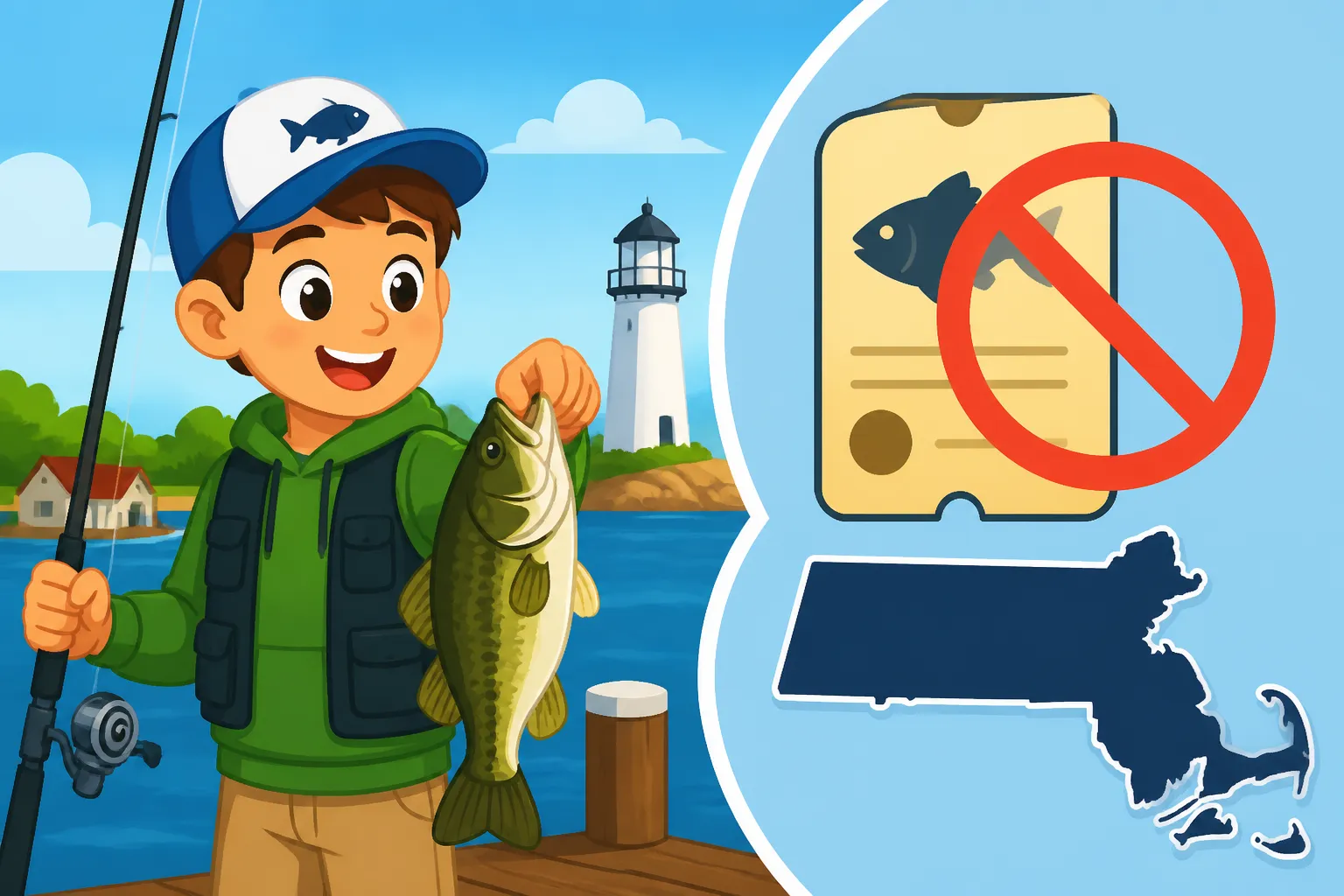
Let's start with the good news that brings a sigh of relief to many families: if your child is under the age of 15, they are generally exempt from needing a fishing license in Massachusetts. This applies to both freshwater and saltwater fishing. Imagine the excitement of a young angler, rod in hand, ready to explore the local pond or cast from a Cape Cod beach, knowing they don't need a special piece of paper to do it.
This exemption is a fantastic way the Commonwealth encourages youth participation in outdoor activities. It means kids can try out fishing without the financial barrier or the administrative hassle of obtaining a license. They don't need a freshwater fishing license, and they don't need a saltwater recreational permit. What’s more, they are also exempt from purchasing the Wildlands Conservation Stamp, which is usually required for those aged 12 and older who purchase a fishing or hunting license in Massachusetts. This truly makes fishing an accessible sport for the youngest enthusiasts.
This "free to fish" status means your 10-year-old can join you on a trout stream in Western Massachusetts or try for scup off a pier in Buzzards Bay, and as long as they are actively fishing and under 15, they are good to go. It's a wonderful opportunity to instill a love for nature and the sport without the complexities of adult regulations, allowing them to focus purely on the thrill of the catch.
The 15th Birthday Cliff: Transitioning to the Adult World
However, like turning 16 and needing a driver's license, there's a definite cutoff for fishing licenses. The moment your child turns 15 years old, the rules change significantly. On their 15th birthday, they transition from the "free to fish" youth category into the realm of adult licensing requirements. This can sometimes catch parents off guard, especially if they haven't planned for it.
Once they hit that milestone, a 15-year-old needs to purchase the appropriate Massachusetts fishing license, just like any adult. This means if they want to fish in freshwater, they'll need a Massachusetts freshwater fishing license. If they prefer the salty brine, they’ll also need a Massachusetts saltwater recreational fishing permit. It's no longer just about the fun of fishing; it's about understanding and complying with the regulations that help fund conservation efforts across the state.
Planning for this transition can be a fun way to celebrate their growing independence. Perhaps their 15th birthday gift could be their first official fishing license! You can guide them through the process of obtaining it online via the MassFishHunt system, or take them to a local vendor. This early introduction to responsibility within the sport can really cement their understanding of how licenses contribute to the health of our fisheries. You can learn more about the purchasing process in our comprehensive guide on How to Buy a Massachusetts Fishing License Online.
Understanding the Different Types of Licenses and Permits for Young Anglers
Massachusetts has distinct licensing requirements for freshwater and saltwater fishing, and these apply to young anglers aged 15 and over just as they do for adults. It’s important to understand which license or permit covers which type of water, especially if your child enjoys both pond fishing and ocean adventures. The fees are typically lower for minors compared to older adults, which is a nice gesture to keep the sport accessible.
Freshwater Fishing Licenses for Minors 15-17
For young anglers aged 15, 16, or 17, a specific freshwater fishing license is required if they want to cast a line in any of Massachusetts's beautiful lakes, ponds, rivers, or streams. While they fall under the general adult licensing umbrella, the cost for these youth licenses is usually a reduced rate compared to a full adult resident license. This helps encourage continued participation as they get older without making it cost-prohibitive.
This youth freshwater license grants them access to countless fishing opportunities, from chasing feisty largemouth and smallmouth bass in local ponds to seeking out brook, brown, and rainbow trout in the state’s well-stocked waters. They can fish for panfish like perch and crappie, or try their hand at chain pickerel. It's their ticket to exploring the diverse freshwater ecosystems Massachusetts has to offer.
These licenses can be easily purchased through the official MassFishHunt online portal, which is managed by the Massachusetts Division of Fisheries and Wildlife (MassWildlife). Many sporting goods stores and bait shops across the state are also authorized vendors. It's a straightforward process, and having their own license provides a sense of pride and ownership in their angling adventures. For a detailed walkthrough of the system, check out our article on How MassFishHunt Works for Buying a Massachusetts License.
Saltwater Recreational Permits for Youth 15-17
Beyond freshwater, if your 15, 16, or 17-year-old has their sights set on the ocean, they'll need a Massachusetts saltwater recreational fishing permit. This is a separate permit from the freshwater license, and it's absolutely crucial for anyone fishing in marine waters, whether from a boat, pier, or the shore. The permit requirement applies to all anglers 16 years of age and older, so if your child just turned 15, they actually have one more year before this one applies.
Let’s clarify that crucial detail: while a 15-year-old needs a freshwater license, the Massachusetts saltwater permit is specifically for anglers 16 years of age and older. This means a 15-year-old can still fish saltwater without a permit, but must obtain one on their 16th birthday. This is a common point of confusion, and it's easy to get the age cutoffs mixed up between freshwater and saltwater. It's a small window, but important to note.
Even though 15-year-olds are exempt, once they turn 16, the permit is required, though thankfully, the state offers it at no cost for resident anglers aged 60 and over. For those between 16 and 59, there is a modest fee. This permit allows young anglers to target popular species like striped bass, bluefish, flounder, and tautog along the vast coastline of Massachusetts. Regardless of whether they need a permit, all anglers, including those under 16, must still adhere to all size, season, and bag limits for all species. You can read more about these specific age requirements in our guide on Massachusetts Saltwater Permit Age Requirements.
Here's a quick reference table to help visualize the requirements:
| Age of Angler | Freshwater License Required? | Saltwater Permit Required? | Wildlands Conservation Stamp Required? |
|---|---|---|---|
| Under 15 | No | No (unless fishing a for-hire vessel where the vessel covers it for passengers) | No |
| 15 | Yes | No | Yes (if purchasing a freshwater license) |
| 16-17 | Yes | Yes | Yes (if purchasing a license/permit) |
| 18-64 | Yes | Yes | Yes (if purchasing a license/permit) |
| 65-69 | Yes (resident discount) | Yes (full price) | Yes (if purchasing a license/permit) |
| 70+ (Resident) | No (free) | Yes (free) | No |
| Non-Resident | Yes (regardless of age, different fee structure) | Yes (16+ only, different fee structure) | Yes (if purchasing a license/permit) |
Note: For-hire vessels (charters, party boats) typically cover the saltwater permit for all passengers, but it's always best to confirm with the captain.
Special Considerations and Exceptions for Young Anglers
While the general rules cover most situations, Massachusetts fishing regulations sometimes have specific nuances for certain locations or events that can impact young anglers. Being aware of these exceptions can save you a headache and ensure your family fishing trip goes off without a hitch.
Free Fishing Days and Weekends: A Great Starting Point
Massachusetts offers specific "Free Fishing Days" and "Free Fishing Weekends" throughout the year, which are absolutely fantastic opportunities for everyone, especially aspiring young anglers, to try fishing without needing a license. These designated periods allow anyone, regardless of age or residency, to fish in the state’s freshwaters without a license. This is a perfect scenario for a 15-year-old who might not yet have their license but wants to join in the fun.
During these special events, the licensing requirement is waived, making it an ideal time to introduce children to the sport or to let older kids who are just about to get their license (or whose license has lapsed) enjoy a day on the water. It’s truly a no-strings-attached way to experience fishing in Massachusetts, making it less intimidating for newcomers. All other fishing regulations, such as bag limits, minimum sizes, and gear restrictions, remain fully in effect, so it’s still important to understand the Massachusetts Recreational Fishing Rules and Bag Limits.
Keep an eye on the MassWildlife website for announcements on specific dates each year. Often, these events coincide with popular times for trout stocking, increasing the chances of a successful catch and an even more exciting day for young fishermen. It's an excellent way to gauge your child's interest before investing in a full season's license, removing that initial barrier to entry. For more details on these special events, check out our guide on Free Fishing Days in Massachusetts.
Quabbin and Wachusett Reservoir Specifics
When it comes to two of Massachusetts's most iconic and productive freshwater fishing destinations, the Quabbin and Wachusett Reservoirs, there are often additional rules that can seem confusing. These aren't just any bodies of water; they are vital drinking water supplies for a significant portion of the state, and as such, they have stricter access and use regulations. These rules can sometimes impact even those who are otherwise exempt from general licensing.
For Quabbin Reservoir, while a child under 15 does not need a state fishing license, there might be specific access requirements or permits needed for the accompanying adult, especially if fishing from a boat. The boat itself often requires a special permit, and there are strict rules about the type of boats allowed and how they must be cleaned and inspected. These local rules are paramount, and even if your child is too young for a state license, these reservoir-specific regulations must be adhered to by the adult supervising them. It's crucial to consult the DCR (Department of Conservation and Recreation) website for the latest Quabbin Reservoir regulations before planning a trip. Our guide on Quabbin Reservoir Fishing Permits and Rules in Massachusetts can provide more in-depth information.
Similarly, Wachusett Reservoir, another major water supply, also has its own set of unique rules regarding access and fishing. While a state fishing license is required for anglers 15 and over, and those under 15 are generally exempt from the state license, there might be specific access points or conditions for shore fishing that adults need to be aware of. Boat fishing is generally prohibited on Wachusett Reservoir, and there are often seasonal closures for certain areas. Always check the DCR guidelines for Wachusett to ensure you're in compliance, ensuring a smooth and enjoyable outing for your young angler. For more details, refer to our article on Wachusett Reservoir Fishing Access Rules in Massachusetts.
Gear, Safety, and the "What If" Scenarios
Beyond the licenses and regulations, ensuring your child has the right gear and understands basic safety can make or break a fishing trip. Having comfortable, functional equipment is key to keeping young anglers engaged and happy. Plus, knowing what to do if you encounter a conservation officer or lose a license can save you unnecessary stress.
Essential Gear for Young Anglers (and where to find it)
Outfitting a young angler doesn't have to be complicated or expensive, but having the right tools makes a huge difference. Imagine a child struggling with an oversized, heavy rod or constantly retying knots because their line keeps breaking—it’s a recipe for frustration. Investing in kid-friendly gear, even modest setups, ensures they have a positive experience. Look for lightweight, easy-to-handle rods and reels, often sold as combo kits, which are perfect for smaller hands.
Beyond a basic rod and reel, consider a small tackle box filled with simple essentials: a few bobbers, hooks (size 6-10 is versatile for panfish), sinkers, and maybe a small selection of colorful lures or soft plastics. A comfortable life vest is non-negotiable, especially if you're fishing near open water or from a boat; safety always comes first. Don't forget bug spray, sunscreen, and a hat for sun protection. These small additions, easily found on Amazon or at your local bait and tackle shop, significantly improve comfort and safety.
Finding this gear is usually pretty easy. Local bait shops are fantastic because the staff can offer personalized advice based on where you plan to fish in Massachusetts, recommending specific baits or techniques. For sheer convenience and variety, online retailers like Amazon offer a vast selection of kids' fishing combos, tackle boxes, and safety gear, often with competitive pricing and home delivery. Whether you choose to shop local or browse online, getting appropriate gear from Amazon or your favorite store ensures your child's focus stays on the fun, not on fighting their equipment.
Carrying Proof and Avoiding Penalties
Even if your child is under 15 and doesn't need a license, it’s still important for the supervising adult to be properly licensed if they are also fishing. And for those 15 and older, carrying proof of their own license is non-negotiable. Environmental Police Officers do conduct checks, and being unprepared can lead to fines and a ruined day on the water. The general rule of thumb is: if you're required to have a license, you must be able to present it upon request.
For adults and young anglers aged 15 and over, a physical copy of their license, printed from the MassFishHunt portal, is always a reliable form of proof. Alternatively, the MassFishHunt system allows you to display your license digitally on your smartphone. Many anglers find this incredibly convenient, as it means one less piece of paper to worry about losing at the water's edge. Just make sure your phone is charged!
Ignoring the licensing requirements for those who need them (anglers 15 and older) can result in stiff penalties. Fishing without a required license or permit can lead to fines, confiscation of gear, and potentially a court appearance. These are not minor infractions. It’s always better to be safe than sorry, so double-check everyone’s licensing status before heading out. If your 15-year-old has purchased their license, make sure they have it. For non-resident youth visiting Massachusetts, specific non-resident youth license rules apply, which you can learn about in our article on Massachusetts Fishing License for Nonresidents. If you're curious about the consequences, our detailed article on Penalties for Fishing Without a License in Massachusetts outlines them clearly.
Encouraging a Lifelong Love for Fishing in Massachusetts
While navigating license requirements is a practical necessity, the real goal is to ignite a lasting passion for fishing in the younger generation. It's about more than just catching fish; it's about connecting with nature, learning patience, and fostering an appreciation for conservation.
The Mentorship Role of Adults
The most powerful tool for encouraging a child's love for fishing is an adult's mentorship. As parents, guardians, or experienced anglers, we have a unique opportunity to share our knowledge, enthusiasm, and respect for the environment. It’s through these shared experiences that kids develop an understanding of the sport, from identifying fish species to understanding why regulations exist.
Teaching responsible angling practices, such as catch-and-release techniques for certain species, proper handling of fish, and leaving no trace, starts long before a child ever needs their own license. These lessons in stewardship are invaluable. They learn that fishing isn't just about what you take from the water, but how you treat the resource and the surrounding environment. It's a chance to bond, create cherished memories, and pass down traditions that can last a lifetime.
When you're out there, whether in freshwater or saltwater, take the time to explain the nuances: why certain baits work better, how to read the water, or the importance of different seasons for various species. These are the informal lessons that truly resonate and cultivate a deep appreciation for the outdoors, far beyond the initial thrill of hooking a fish.
Resources and Programs for Young Anglers
Beyond individual mentorship, Massachusetts offers various resources and programs designed to engage young anglers and provide structured learning opportunities. MassWildlife frequently sponsors youth fishing events, clinics, and educational programs aimed at teaching kids the basics of fishing, conservation ethics, and outdoor safety. These events often provide loaner rods and reels, making them even more accessible for families without their own gear.
Local conservation groups, regional parks, and even some town recreation departments also host youth fishing derbies or instructional sessions. These events are fantastic for kids to learn from experienced volunteers, meet other young anglers, and practice their skills in a supportive environment. Many local bait and tackle shops are also community hubs, often posting information about upcoming events or offering advice specific to local waters. You can often find a good selection of kid-friendly tackle and beginner guides on Amazon, which can be a great starting point before heading out to these local events.
Fostering an interest in fishing goes far beyond the initial license requirement. It’s about making the sport accessible, educational, and fun. By leveraging these resources, providing appropriate gear (perhaps even a starter kit from Amazon), and serving as a positive mentor, you can help cultivate a love for fishing that will bring joy and connection to the natural world for years to come in the beautiful waters of Massachusetts.
Disclaimer
Please remember that fishing regulations, license requirements, and fees can change. While every effort has been made to provide accurate and up-to-date information, it is always your responsibility to consult the official Massachusetts Division of Fisheries and Wildlife (MassWildlife) website or contact them directly for the most current regulations before you go fishing. This guide is for informational purposes only and should not be considered legal advice.