How to get a Quabbin Reservoir boat permit
Navigating the unique rules and regulations for fishing and boating on Massachusetts' Quabbin Reservoir can feel like trying to solve a puzzle while juggling your tackle box. It's not just about having a fishing license; accessing this pristine water body with your own boat requires a specific permit and adherence to a whole host of special guidelines. This comprehensive guide is here to untangle that process, walking you through everything you need to know to secure your Quabbin Reservoir boat permit and enjoy one of the state's most incredible fisheries.
Understanding Why a Quabbin Reservoir Boat Permit is Necessary
The Quabbin Reservoir isn't just another body of water; it's a critical component of Greater Boston's drinking water supply, and that primary function dictates every rule in place. It's easy to get frustrated by the extra steps, but once you understand the "why," it makes a lot more sense. This isn't about making things difficult; it's about protecting a vital natural resource for millions of people.
The Unique Ecology and Purpose of Quabbin
Imagine a reservoir so vast and clean it supplies drinking water to over two million people without filtration. That's the Quabbin. Its sheer size – over 41,000 acres of water and 81 miles of shoreline – contributes to its ecological significance, supporting a thriving ecosystem that includes some of Massachusetts' most sought-after game fish like lake trout, landlocked salmon, and smallmouth bass. But because every drop of water eventually makes its way to someone's tap, the Massachusetts Department of Conservation and Recreation (DCR) maintains incredibly strict controls on all recreational activities.
This means that fishing and boating here are absolute privileges, not something you can just do at will. The stringent regulations, from requiring special permits to limiting motor types and even what kind of bait you can use, are all designed to prevent water contamination and the introduction of invasive species. It's a delicate balance between allowing public access for recreation and safeguarding one of the cleanest water supplies in the country. Without these measures, the health and safety of communities downstream would be at risk.
General Rules and Restrictions for Boating
Before you even think about applying for a permit, it's crucial to grasp some fundamental boating restrictions at Quabbin. These are non-negotiable and apply to everyone. First and foremost, you can only use electric trolling motors on your private boat. That's right, no gas-powered engines are allowed. This rule is in place to prevent fuel and oil from potentially contaminating the drinking water supply. For many anglers, this might mean a significant gear adjustment, potentially requiring an investment in a good quality electric motor and marine battery if you don't already have one. You can find reliable electric trolling motors and deep cycle batteries on Amazon if you need to upgrade your setup.
Beyond motor types, there are strict rules about boat size. Private boats are generally limited to 17 feet, 11 inches in length. Canoes and kayaks are typically capped at 17 feet. These limits help manage the number and type of vessels on the water, reducing congestion and further minimizing environmental impact. Launching is also highly restricted; you can't just put your boat in anywhere. There are specific DCR-approved launch areas, and your boat will undergo mandatory inspections each season and often before each launch to check for invasive species. These rules are in place not to ruin your fun, but to preserve the reservoir's pristine condition and the quality of the water for millions of residents.
Step-by-Step Guide to Obtaining Your Quabbin Reservoir Boat Permit
The process for getting your boat permit for Quabbin Reservoir might seem a little daunting at first, but it's entirely manageable once you break it down into smaller steps. It's all about preparation and understanding the specific requirements laid out by the DCR. Don't rush it; missing a step could delay your access to this incredible fishery.
Initial Requirements Before You Apply
Before you even fill out a permit application, there are a few prerequisites you absolutely must meet. The first, and perhaps most obvious, is that anyone planning to fish from the boat must possess a valid Massachusetts Fishing License Guide. This isn't unique to Quabbin; it's a statewide requirement for anyone 15 years or older. You can easily check the requirements for a Massachusetts Freshwater Fishing License Costs and Rules on the MassWildlife website. Remember, this permit is for your boat, but you still need your personal fishing license to actually wet a line.
Next, your boat itself must meet DCR standards. As mentioned, it must be an approved length (generally under 17'11" for private boats, 17' for canoes/kayaks) and only propelled by an electric motor. The most critical, and often most time-consuming, step is the invasive species inspection and cleaning process. The DCR requires all private boats to undergo a mandatory, free inspection by DCR staff before their first launch of the season (typically from April 1 to December 1). This inspection checks for any aquatic hitchhikers like zebra mussels or Eurasian watermilfoil that could devastate Quabbin's ecosystem. After passing, your boat will receive a special Quabbin Boat Seal. You might also be required to perform a similar check before each subsequent launch, depending on where your boat has been used since its last Quabbin visit. So, make sure your boat, trailer, and all your gear are spotless – drained, cleaned, and thoroughly dry – before you head to the reservoir. This includes checking live wells, bilges, and any fishing equipment. Having a good boat cleaning kit on hand, like those available on Amazon, can make this process much smoother.
The Application Process: Online and In-Person Options
Once your boat is ready and you have your fishing license in hand, it's time to apply for the boat permit itself. The DCR has streamlined this process significantly, offering both online and in-person avenues. Most people find the online system the most convenient. You'll typically head to the MassWildlife or DCR Quabbin Reservoir section of the mass.gov website. Here, you can usually find the relevant application forms and payment portals.
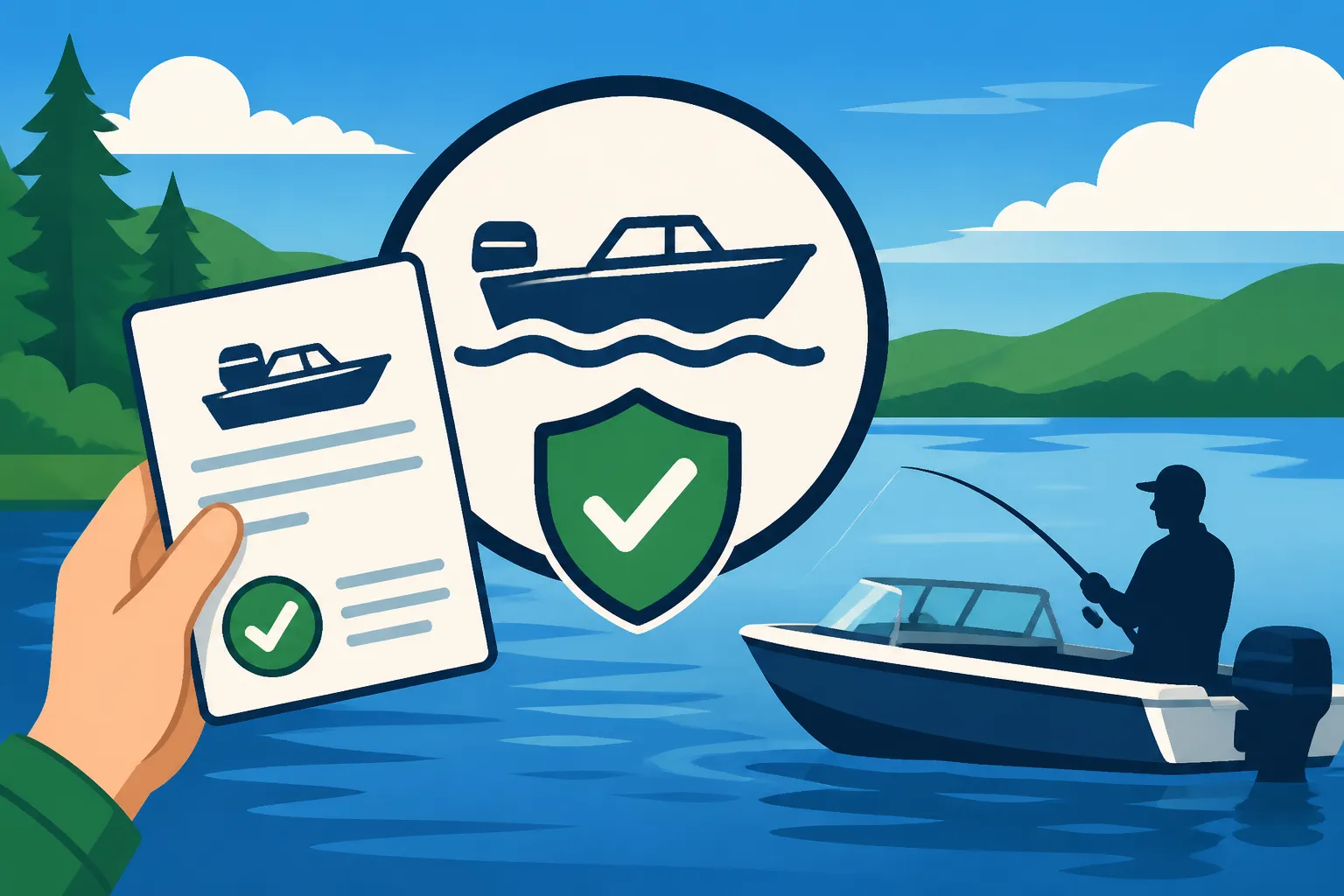
During the online application, you'll need to provide details about your boat, proof of ownership (like registration or title), and your personal contact information. Be prepared to upload digital copies of documents if required. You'll also select the type of permit you need – either a daily or a seasonal permit. After submitting the application and paying the associated fees, you'll usually receive a confirmation or your permit digitally, which you'll need to print and display or have accessible. For those who prefer an in-person approach, DCR Visitor Centers or specific Quabbin offices, such as the Quabbin Administration Building in Belchertown, may offer assistance or direct permit sales. It's always a good idea to call ahead to confirm operating hours and required documents for in-person applications. Remember that a valid Massachusetts fishing license is a prerequisite; you can learn How to Buy a Massachusetts Fishing License Online if you haven't already.
Permit Types and Associated Costs
The Quabbin Reservoir offers different boat permit options to suit varying needs, and the cost depends on your residency and how often you plan to visit. It’s important to select the right one to avoid overpaying or being caught without proper authorization.
Here’s a breakdown of the typical permit types and approximate costs (always check the official DCR website for the most current pricing, as these can change annually):
| Permit Type | MA Resident Cost (Approx.) | Non-Resident Cost (Approx.) | Key Features |
|---|---|---|---|
| Annual Private Boat Permit | $60 | $120 | Valid for the entire fishing season (April-October) |
| Daily Private Boat Permit | $10 | $20 | Valid for a single day's launch and retrieval |
| DCR Rental Boat (Daily) | $10 – $20 (plus deposit) | $10 – $20 (plus deposit) | For use of DCR-owned boats at designated areas |
Note: These prices are estimates and should be confirmed on the official Massachusetts DCR website.
As you can see, if you plan to fish more than six times a season as a Massachusetts resident, the annual permit quickly becomes the more economical choice. For non-residents, that break-even point is just as critical. Keep in mind that these fees are separate from your personal fishing license cost. For example, if you're a non-resident planning multiple trips, you'll need both your Massachusetts Fishing License for Nonresidents and the annual Quabbin boat permit. The funds generated from these permits directly contribute to the management and conservation efforts that keep Quabbin so special, so while it's an added expense, it serves a crucial purpose.
Essential Regulations and Best Practices for Boaters on Quabbin
Getting your permit is a significant first step, but it’s just the beginning. Boating and fishing on Quabbin Reservoir come with a strict set of regulations designed to protect this vital drinking water source. Adhering to these rules isn't just about avoiding fines; it's about being a responsible steward of one of Massachusetts' most treasured natural resources.
Navigating the Water: Zones, Motors, and Safety Gear
Once you're on the water, you'll quickly realize Quabbin isn't like other lakes. Its vastness is segmented by clearly marked zones, some of which are strictly off-limits. These restricted areas, often near the reservoir's intake structures, are critical for water quality protection and absolutely no entry is permitted. Always pay attention to buoys and signage. As previously mentioned, only electric trolling motors are allowed, and speed limits are rigorously enforced across the reservoir, often requiring no-wake speeds in many areas, particularly near shorelines and other boats. You'll need to be mindful of your battery life, especially on larger sections, so consider carrying a backup battery if you're venturing far or plan a full day on the water.
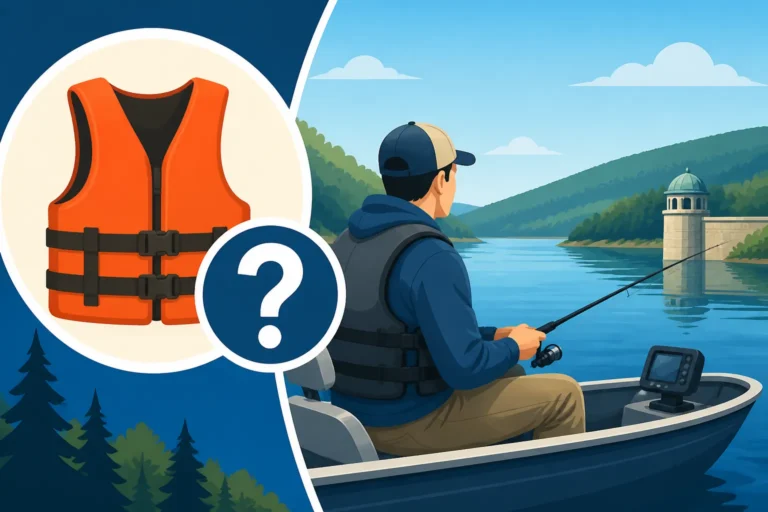
Safety is paramount. The DCR takes personal flotation devices (PFDs) seriously, and for good reason—Quabbin can be a big, unpredictable body of water. So, Is a Life Jacket Required to Boat at Quabbin Reservoir? Absolutely. Everyone on board must have an approved PFD readily accessible, and children 12 and under are generally required to wear them at all times. It's not just a suggestion; it's a legal requirement. Additionally, your boat will be inspected upon entry and exit for invasive species. Even with a seasonal seal, DCR staff might conduct a quick visual inspection before each launch, especially if you've been to other waters. This continuous vigilance is a small price to pay for such a pristine fishing experience.
Fishing Rules Specific to Quabbin
Fishing at Quabbin also comes with its own unique set of regulations that go beyond the general Massachusetts Recreational Fishing Rules and Bag Limits. These rules are specific to the reservoir to protect its delicate ecosystem and ensure sustainable fishing for generations to come. The most critical one for many anglers concerns bait: you can only use emerald shiners caught from Quabbin Reservoir itself, or artificial lures. Absolutely no live bait from outside the reservoir is permitted. This prevents the accidental introduction of non-native species or diseases that could harm Quabbin's fish populations.
Beyond bait, there are often special catch limits and size restrictions for certain species, particularly the highly prized lake trout and landlocked salmon. These regulations are designed to manage these coldwater fisheries carefully. For example, the daily limit for lake trout and salmon might be more restrictive than in other waters. You'll definitely want to consult the DCR's official Quabbin fishing regulations pamphlet, which can usually be found at the launch areas or downloaded from the DCR website. And don't forget, even with a boat permit, you'll still need to pay the Quabbin Reservoir daily fishing permit cost if you're opting for a single-day fishing permit, or have your annual permit ready, in addition to your state fishing license. Anglers should also familiarize themselves with the general Quabbin Reservoir Fishing Permits and Rules in Massachusetts before their trip to ensure compliance.
Maintaining Your Permit and Staying Compliant
Once you've gone through the effort of securing your Quabbin Reservoir boat permit, you'll want to make sure you maintain it correctly and always stay compliant. Your annual permit is typically valid for the calendar year of issue, covering the entire fishing season from spring to late fall. While the exact Quabbin Reservoir 2026 boat fishing season opening date will be announced annually, it generally opens in mid-April and closes around mid-October, or sometimes earlier if water temperatures become too warm for coldwater species.
It's absolutely essential to carry proof of your permit and your state fishing license with you at all times while on the water. Whether it's a physical paper copy or a digital version on your phone (though paper is always safer in case of technical issues), DCR staff will check. The consequences of non-compliance can be significant, ranging from hefty fines for fishing or boating without proper authorization to the revocation of your permit. Imagine getting all the way to one of the How many boat launch areas Quabbin Reservoir has after driving for hours, only to be turned away because your paperwork isn't in order! It's an easily avoidable frustration by simply double-checking everything before you leave home. Being a responsible angler means understanding and respecting these rules, ensuring that this incredible fishery remains accessible and healthy for everyone. For a more comprehensive overview of fishing in this unique area, refer to the Quabbin Reservoir Fishing Guide for Massachusetts Anglers. It outlines the nuances of angling in this special place, including What license you need to fish at Quabbin Reservoir.
Disclaimer
Please note that fishing regulations and permit requirements, including fees and dates, can change. Always consult the official Massachusetts Department of Conservation and Recreation (DCR) and MassWildlife websites for the most current and accurate information before planning your trip to the Quabbin Reservoir. This guide provides general information and should not be considered a substitute for official regulations.