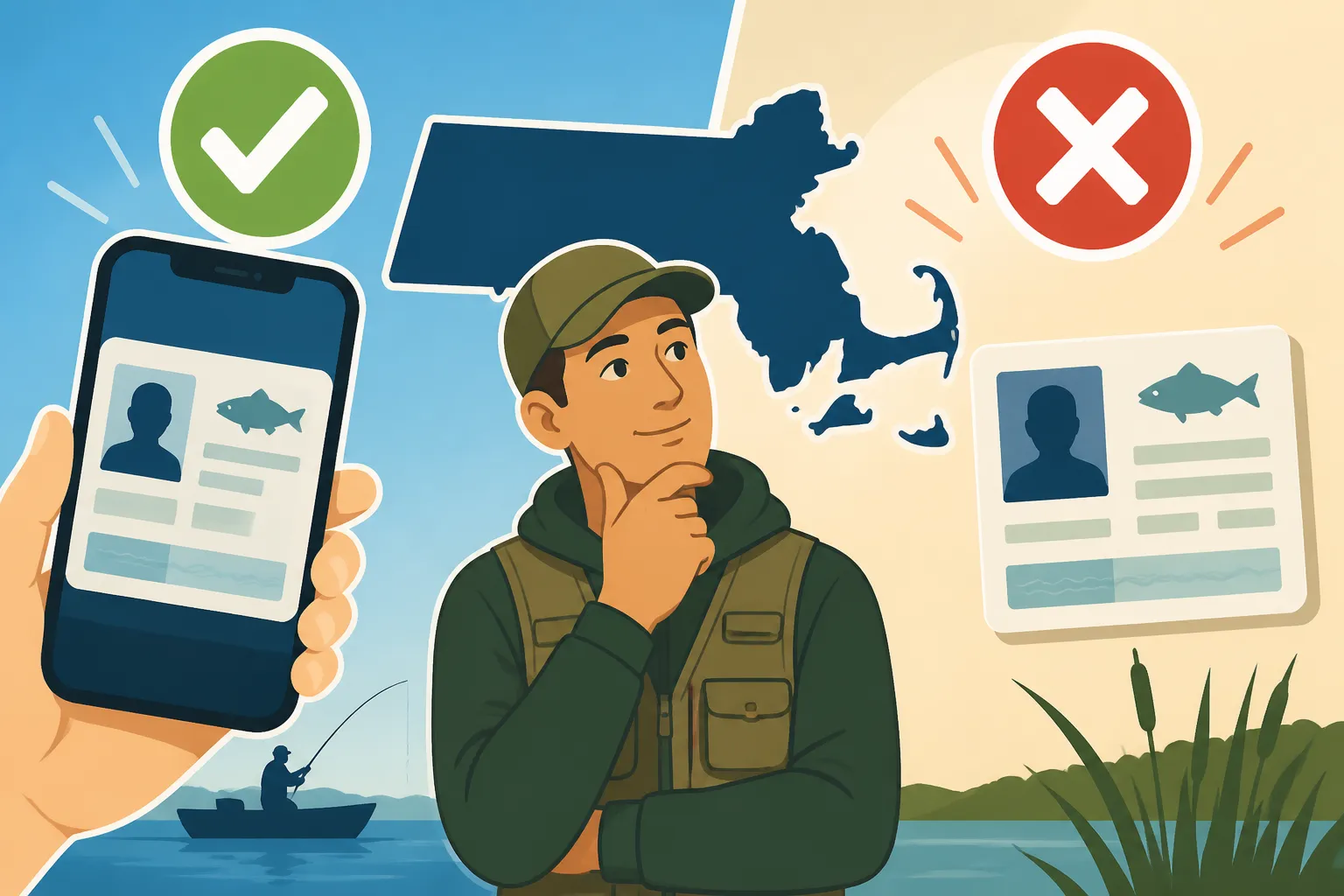
Whether a phone photo of your license is accepted in Massachusetts
It's happened to the best of us: you're heading out for a day of fishing, maybe you're already at your favorite spot by the water, and suddenly a thought sparks – do I have my fishing license with me? In this digital age, many of us instinctively reach for our phones, hoping a quick photo of the document will suffice. But when it comes to official Massachusetts fishing regulations, relying solely on a picture on your smartphone might land you in a bit of a pickle. This guide will clarify the official stance and help you understand how to avoid any unnecessary trouble.
The Official Stance on Digital Licenses in Massachusetts
The world has certainly gone digital, and in many aspects of our lives, a screen is all we need to prove our identity, our tickets, or even our bank balances. It's totally natural to assume the same flexibility would apply to something like your Massachusetts fishing license. After all, what could be more convenient than always having it accessible on the device that's practically glued to your hand?
What MassWildlife Says About Digital Proof
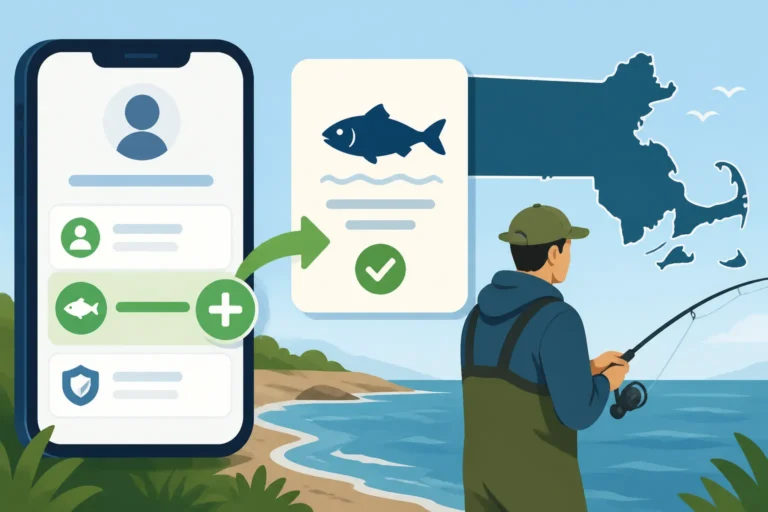
Here's the rub: while MassWildlife (the Massachusetts Division of Fisheries and Wildlife) has certainly embraced technology with its MassFishHunt system, which allows you to purchase and manage your licenses online, they haven't fully transitioned to accepting digital images as the sole, official proof of your license in the field. The current regulations state that you must have your valid fishing license on your person while actively engaged in fishing. While this might seem a little old-fashioned in a world of digital everything, it's a rule designed for clarity and enforceability, especially given the varying conditions out in the wild.
Think about it: an Environmental Police Officer (EPO) needs to quickly verify that you are legally licensed. A physical document, whether it’s the original or a clear printout, offers a consistent and easily verifiable form of proof. It eliminates issues like blurry photos, screen glare, dead phone batteries, or cracked screens, all of which could make an officer's job difficult and delay everyone involved. While some states have moved towards digital app-based licenses, Massachusetts hasn't fully adopted that for general use yet.
The Importance of a Physical or Printed License
So, if a phone photo isn't a sure thing, what is? The absolute safest bet is to carry your actual, physical license. When you purchase a Massachusetts fishing license, whether it's for freshwater, saltwater, or a combination, you typically receive a paper copy. If you've purchased it online through the MassFishHunt portal, you have the option to print it right at home. This printed document is considered valid proof.
The logic behind this requirement is quite practical. Imagine you're out on a remote pond in the Berkshires, deep in the woods, far from cell service. Your phone battery dies, or perhaps you drop it and the screen shatters. If that was your only "proof" of license, you'd instantly be in violation. A physical paper license doesn't rely on battery life or signal strength. It's a simple, tangible document that can be easily presented and inspected. This is why having a durable, printed copy is still highly recommended, if not outright required, by most enforcement officers. For more details on the process, check out our guide on How to Buy a Massachusetts Fishing License Online or even more specifically, How MassFishHunt Works for Buying a Massachusetts License.
Best Practices for Carrying Your Massachusetts Fishing License
Since the official word isn't a definitive "yes" to phone photos, it's really important to adopt habits that ensure you're always in compliance and can enjoy your fishing without any nagging worries or potential legal headaches. There are simple steps you can take to make sure you're always ready.
Printing Your License from MassFishHunt
After you've successfully completed your purchase on the MassFishHunt system, you'll almost always have an option to print your license immediately. This is your go-to method for securing a physical copy. I always advise anglers to print at least two copies. Keep one tucked safely in your wallet or a dedicated waterproof fishing license holder. This is the one you’ll typically present to an EPO. The second copy? Store it in your tackle box, boat, or even your car's glove compartment as a backup. You might even want to laminate a copy if you're prone to getting wet or just want extra durability.
It's also a good idea to refresh your memory on the specific rules of the waters you're fishing. For example, if you’re planning a trip to the iconic Quabbin Reservoir, you'll need to be aware of additional Quabbin Reservoir Fishing Permits and Rules in Massachusetts beyond your standard license. Having your license accessible ensures you're ready for any questions about your permit status. Remember, even if you have a copy, keeping up with your Massachusetts Fishing License Renewal Guide is essential, as expired licenses are, well, expired, no matter how nicely printed they are.
When a Digital Copy Might Be Permitted (and its Limitations)
Now, let's talk about those grey areas. While MassWildlife doesn't officially endorse digital photos as primary proof, the reality on the ground can sometimes vary. An Environmental Police Officer might accept a clear, legible photo of your license on your phone, especially if it's accompanied by another form of identification like your driver's license. This largely comes down to the individual officer's discretion and the specific circumstances of the encounter. However, you absolutely cannot count on this flexibility.
Imagine a scenario where an officer is doing a routine check, and you pull out your phone. If the photo is clear, recent, and all information is easily verifiable, they might give you a pass. But what if your phone is almost dead? What if the screen is cracked, obscuring vital details? Or what if you're fishing in a remote area with no cell service to even access your digital license if it's stored in a cloud service? In any of these situations, that digital convenience turns into a significant inconvenience, potentially leading to a citation. The safest approach is always to carry the tangible proof, avoiding any ambiguity or reliance on individual discretion. If you're wondering about simply Showing a Massachusetts fishing license on a phone app, understand that without an official state-sanctioned app for license display, it's not a guaranteed accepted form of proof.
Here’s a quick comparison of relying on a digital photo versus a printed license:
| Feature/Consideration | Digital Photo on Phone | Printed Paper License |
|---|---|---|
| Official Acceptance | Not officially recognized as primary proof; officer discretion. | Officially recognized and required. |
| Accessibility | Easy if phone is charged, working, and has signal. | Accessible regardless of battery or signal. |
| Durability | Susceptible to phone damage, water, battery life. | Susceptible to water damage (if not protected), tearing. |
| Legibility | Dependent on photo quality, screen condition, glare. | Generally clear and easy to read. |
| Verification Speed | Can be quick if clear, but issues can cause delays. | Typically very fast and straightforward for officers. |
| Risk of Penalty | Higher due to unofficial status and potential tech issues. | Lowest, as it meets requirements directly. |
| Convenience | High, as most carry phones anyway. | Low, requires conscious effort to carry and protect. |
Avoiding Hassle and Potential Penalties
The last thing anyone wants when they're enjoying a peaceful day on the water is an unexpected encounter that turns into a legal issue. Massachusetts has clear rules, and understanding them is your best defense against having your day ruined by a citation.
The Risk of Relying Solely on Your Phone
Imagine you're deep in the woods, fishing a remote trout stream near the Deerfield River, where cell service is spotty at best. You've been having a fantastic day, caught a few brook trout, and then an EPO approaches for a routine check. You reach for your phone, only to find the battery is completely dead, or perhaps your screen got wet and is unresponsive. Without that physical proof, you are, by definition, fishing without a license on your person. This isn't just an inconvenience; it can lead to a formal warning or even a fine for Penalties for Fishing Without a License in Massachusetts. Even if an officer is understanding, the hassle of trying to prove you do have a license – perhaps by having to drive to a place with cell service or even back home – is a significant interruption to your outdoor enjoyment. It's simply not worth the gamble when a few minutes spent printing a document can prevent all that stress.
This applies to all types of fishing, whether you're chasing Striped Bass Fishing in Massachusetts in the salt or targeting panfish in a local pond. The rule for carrying your license remains consistent.
Essential Items to Always Carry with Your License
Beyond your actual fishing license, there are a few other critical items you should always have on hand to ensure a smooth fishing experience and full compliance with Massachusetts law. First and foremost, always carry a valid photo identification, such as your driver's license. This helps an EPO confirm that the name on your fishing license matches you. If you're an adult resident, you'll also likely need to pay The Massachusetts Wildlands Conservation Stamp Explained fee as part of your license purchase, so ensure that’s reflected on your license document if applicable.
To protect your physical license, invest in a small, waterproof holder. Many sporting goods stores like those that stock fishing gear from brands you can find on Amazon sell these for just a few dollars. They protect your paper license from rain, splashes, and sweat, keeping it legible and intact for the entire season. You can also pick up a license at one of the many Massachusetts Fishing License Vendor Locations, which often provide a convenient printout on the spot. By taking these small, proactive steps, you guarantee a worry-free day on the water, allowing you to focus on what really matters: catching fish and enjoying the beauty of Massachusetts' natural environment.
Disclaimer
Please note that fishing regulations can change. While this guide provides the most current information available, it is always best practice to consult the official MassWildlife website or contact them directly for the very latest rules and requirements before heading out to fish in Massachusetts.