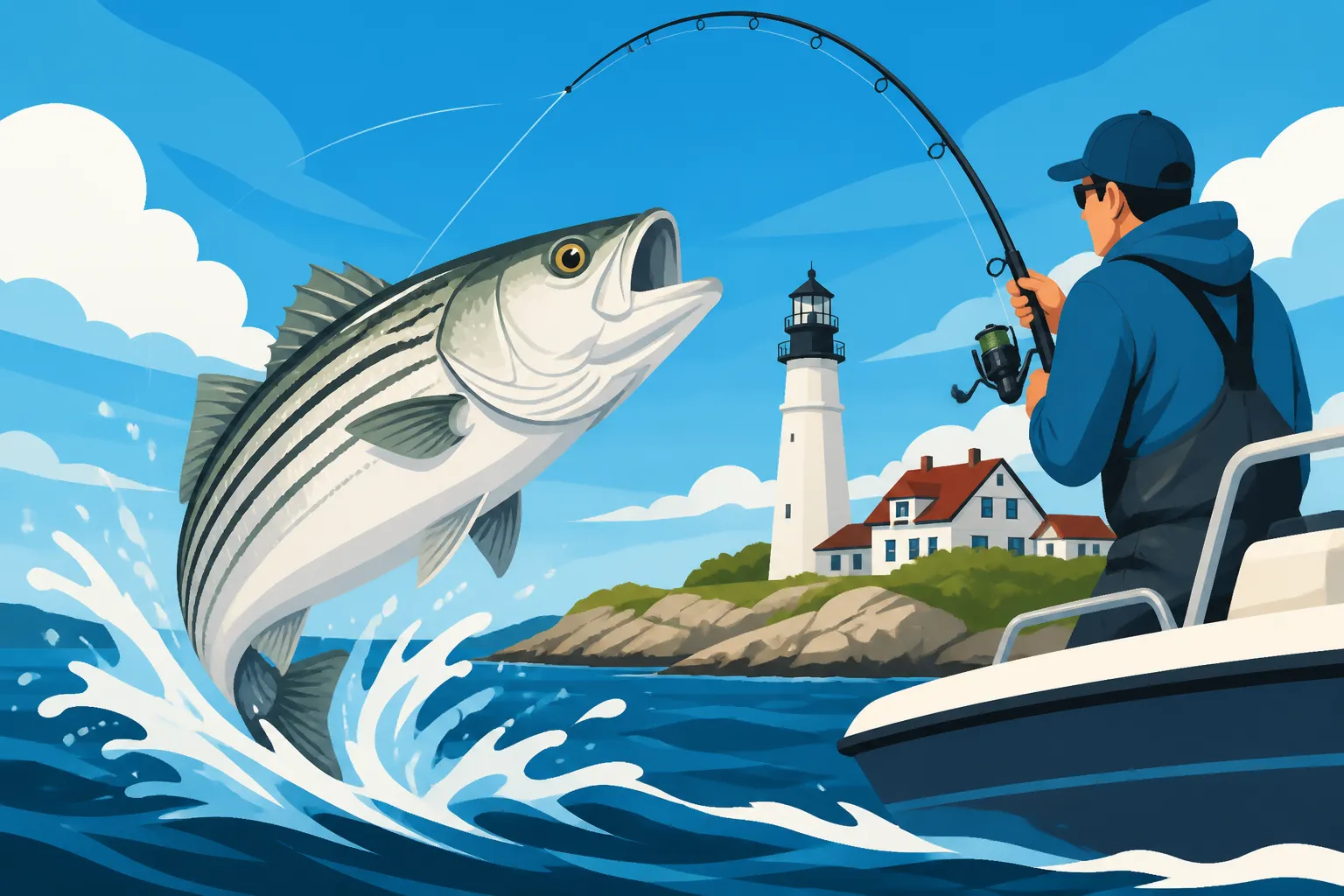
Striped Bass Fishing in Massachusetts
There’s nothing quite like the thrill of feeling a powerful tug on your line, knowing it’s a hard-fighting striped bass on the other end. For many anglers, the pursuit of these magnificent fish defines their Massachusetts fishing season, but knowing where and how to target them, along with understanding the ever-changing regulations, can be a real head-scratcher. This comprehensive guide is here to untangle all that, providing you with everything you need to know to successfully catch striped bass in the Bay State, from the rocky shorelines to the open ocean.
Why Striped Bass Are the King of Massachusetts Waters
Ask any angler in Massachusetts what fish gets their blood pumping, and chances are, they'll shout "Stripers!" from the rooftops. These incredible fish aren't just popular; they're an icon, a true symbol of our coastal waters, offering a challenge and a thrill that few other species can match.
The Allure of the Striper: A Beloved Game Fish
From the moment they arrive in our warming spring waters, striped bass become the obsession of thousands of dedicated anglers. There's a certain magic to targeting a fish that can range from a feisty schoolie to a tackle-busting cow, all in the same day. It's not just their size or strength, but their cunning and their willingness to strike a variety of baits and lures that makes them such a captivating quarry. You'll hear tales passed down from generation to generation about epic battles with giant stripers, creating a rich angling heritage unique to our region.
Many seasoned anglers, myself included, started their fishing journey chasing these elusive silver ghosts. They teach you patience, persistence, and the art of reading the water. Whether you're casting from a sandy beach, trolling from a boat, or meticulously working a river mouth, the potential for a massive strike is always there, keeping you on the edge of your seat. It’s this combination of challenge and reward that solidifies the striped bass’s reputation as the ultimate game fish in Massachusetts.
Striped Bass Biology 101: Understanding Your Quarry
To truly become a successful striped bass angler, it helps to understand a bit about the fish itself. Striped bass, or Morone saxatilis, are an anadromous species, meaning they spend most of their lives in saltwater but return to freshwater to spawn. Here in New England, our stripers primarily spawn in the Chesapeake Bay and the Hudson River, making an incredible migration northward to feast in our bait-rich waters.
They are predators through and through, with a diet that shifts depending on their size and location. Younger stripers, often called "schoolies," will target smaller baitfish, crustaceans, and worms. As they grow, their appetite grows with them, expanding to include mackerel, menhaden (pogies), squid, eels, and even lobsters. Knowing what they're likely feeding on in a particular area at a given time is a huge advantage, allowing you to "match the hatch" with your lure or bait. Their distinctive dark lateral lines running down their silvery bodies make them easily identifiable.
The Migratory Journey to Our Shores
The annual migration of striped bass to Massachusetts is a truly remarkable natural event, eagerly awaited by anglers each year. As spring turns to summer, these powerful fish make their way up the Atlantic coast from their spawning grounds, following the warming water and the vast schools of baitfish that also push north. They arrive hungry and ready to feed, making early season fishing often incredibly productive.
Typically, the first schoolies start showing up in the protected estuaries and warmer harbors of southern Massachusetts, like Buzzards Bay and Narragansett Bay, by late April or early May. As May progresses into June, the larger "cow" stripers begin to arrive, pushing further north along the coast, into Cape Cod Bay, Boston Harbor, and beyond. This migration continues throughout the summer, with different waves of fish moving through various parts of the state. By late fall, usually October and November, the fish begin their reverse migration, heading south to their overwintering grounds. This mass movement of fish creates some of the most exciting fishing opportunities of the year, particularly during the "fall run" when they gorge themselves before the long journey ahead.
Understanding the Massachusetts Striped Bass Season
Knowing when to expect striped bass and understanding the seasonal patterns is paramount to a successful fishing trip in Massachusetts. It's not just about what the calendar says, but how water temperatures and bait availability influence their presence.
When Stripers Arrive and Depart: The Annual Run
The striped bass season in Massachusetts isn't marked by a single opening and closing date, but rather by the natural migration of the fish themselves. As mentioned, the first arrivals, typically smaller schoolies, can show up in late April or early May in southern parts of the state. This initial wave is often driven by rising water temperatures and the arrival of early baitfish like herring. Anglers keep a keen eye on local fishing reports and water temperature gauges, knowing that 50-degree Fahrenheit water is often a trigger for their arrival.
By late May and early June, the larger, mature striped bass start to fill our waters, peaking through July and August. These are the months when you're most likely to encounter those impressive "cow" stripers that make for unforgettable battles. The season typically winds down as water temperatures drop in the fall. From mid-October through November, the "fall run" kicks into high gear, as stripers aggressively feed before heading south. This can be one of the most productive times to fish, especially from shore, as huge schools of baitfish are pushed out of the estuaries and along the beaches. You can find more details on general seasonal patterns in our Massachusetts Fishing Seasons Explained article.
Peak Fishing Times: Spring, Summer, and Fall Opportunities
Each season offers a unique striped bass fishing experience in Massachusetts. In spring, as the fish first arrive, they are often hungry and aggressive, making them susceptible to a variety of lures and baits. Focus on estuaries, shallow bays, and river mouths where baitfish concentrate. The initial bite can be furious, with plenty of action from schoolies and even some early cows.
Summer brings consistent action, though the fishing often shifts to dawn, dusk, and nighttime, especially for larger fish in shallower waters, as bright sun and warm water push them into deeper, cooler spots during the day. This is prime time for chasing stripers on deep rips, offshore structure, and the infamous Cape Cod Canal. As the waters cool in fall, the stripers go into a feeding frenzy, building up reserves for their migration. This is when they will often hit anything that moves, creating incredible topwater action and some of the best fishing of the entire year. Targeting blitzing schools of stripers and baitfish during the fall run is an experience every angler should have.
Factors Influencing the Season: Water Temperature and Bait
Striped bass are highly sensitive to water temperature. They generally prefer water temperatures between 55 and 70 degrees Fahrenheit. If the water gets too cold, they become sluggish and eventually migrate south. If it gets too warm, they tend to move into deeper, cooler waters, making them harder to find in traditional shallow spots during midday. This is why you'll often hear experienced anglers talk about "the right water temp" being key.
The availability of baitfish is perhaps the most critical factor influencing where and when stripers will be found. Striped bass are constantly on the hunt for food. The arrival of herring in the spring, followed by mackerel, menhaden (pogies), and squid throughout the summer, dictates the movements and feeding patterns of the stripers. Look for signs of baitfish – nervous water, diving birds, or even the baitfish themselves skipping on the surface – and you'll often find stripers not far behind. A sudden influx of bait can turn a slow day into an epic bite, while a lack of bait can make fishing tough, even in prime locations.
Navigating Massachusetts Striped Bass Regulations
Let's be clear: understanding and adhering to the Massachusetts striped bass regulations isn't just a suggestion; it's a legal requirement and crucial for the conservation of this beloved species. Regulations can and do change, so always check the latest rules from the Massachusetts Division of Marine Fisheries (DMF) before you head out. Getting caught without understanding the rules can lead to serious penalties.
The All-Important Slot Limit: What It Means for You
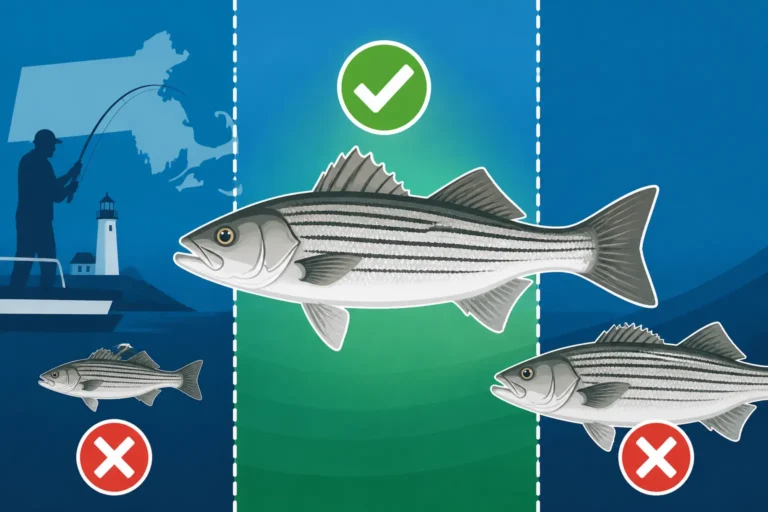
Massachusetts, like many other states, employs a "slot limit" for striped bass. This means you can only keep fish that fall within a very specific size range – not too small, and not too big. The purpose of a slot limit is primarily conservation: it protects the smaller, juvenile fish so they can grow and mature, and it protects the largest, most prolific spawning females, allowing them to continue reproducing. It's a way to ensure the future health of the population.
For instance, a common slot limit might be something like 28 to 31 inches. This means any striped bass you catch that is under 28 inches or over 31 inches must be immediately and carefully released. Only fish that measure exactly within that specified slot can be legally kept. This can be a bit tricky, especially when you're excited about a catch, but precision is key. Make sure you have a reliable measuring device on hand. Our guide Massachusetts Striped Bass Slot Limit Explained provides a deeper dive into this critical regulation.
Daily Bag Limits and Possession Rules
In addition to the slot limit, there's also a daily bag limit, which dictates how many legally-sized striped bass you can keep per day. Typically, this is one fish per angler per day. This doesn't mean one fish per person on the boat; it means one fish for each licensed angler on board. If you catch your one legal fish and decide to continue fishing, any subsequent striped bass you catch, regardless of size, must be immediately released.
"Possession rules" usually state that you cannot possess more than the daily bag limit at any time, even if you've been fishing for multiple days. For example, you can't go out and catch one fish on Monday, keep it, then go out Tuesday and catch another, and have two fish in your cooler. Always verify the current bag and possession limits before you go out, as these are frequently adjusted by regulatory bodies in response to stock assessments. Remember, these rules apply even if you're participating in events like free fishing days, as outlined in Do Bag Limits Still Apply on Massachusetts Free Fishing Days?.
How to Measure Your Catch Correctly
Accurate measurement is crucial to ensure you're compliant with the slot limit. The official measurement for a striped bass is taken from the tip of the snout (with the mouth closed) to the end of the tail (with the tail compressed). This is often referred to as "fork length" for some species, but for striped bass, it's typically the total length with the tail pinched.
Here's how to do it:
- Lay the fish flat: Place the fish on a flat surface, such as a measuring board or boat deck.
- Close the mouth: Gently push the fish's mouth closed.
- Position at zero: Align the tip of the snout with the zero mark of your measuring device.
- Compress the tail: Gently squeeze the tail lobes together so they form a straight line.
- Read the measurement: Note the length at the tip of the compressed tail.
It's a good idea to practice this with a ruler or tape measure at home, so you're proficient when you have a live, flopping fish in front of you. Having a sturdy, clearly marked measuring device, easily available from retailers like Amazon, is an absolute must-have in your tackle box.
The Penalties for Non-Compliance
Fishing without adherence to regulations can lead to significant consequences. Ignorance of the law is generally not considered an excuse. Penalties can range from substantial fines to the confiscation of your fishing gear, and in some cases, even legal action. Marine Fisheries Enforcement officers actively patrol our waters and shorelines, and they take these regulations very seriously.
For example, getting caught with an undersized or oversized striped bass outside the slot limit, or possessing more than the daily bag limit, can result in a hefty fine for a first offense. Repeat offenses often carry escalating penalties. Beyond the legal ramifications, non-compliance also harms the very fishery we all cherish. Each illegal fish removed from the population undermines the conservation efforts designed to protect striped bass for future generations of anglers. Always double-check Massachusetts Recreational Fishing Rules and Bag Limits before heading out.
Prime Hunting Grounds: Top Massachusetts Striped Bass Spots
Massachusetts is truly a striper paradise, boasting an incredible diversity of environments that hold these fish. From roaring rips to quiet estuaries, there's a spot for every type of angler and every fishing style.
The Legendary Cape Cod Canal: Tidal Powerhouses
Without a doubt, the Cape Cod Canal is one of the most famous and productive striped bass fishing locations in the world. This man-made waterway connects Buzzards Bay with Cape Cod Bay, creating a powerful tidal flow that acts as a superhighway for baitfish and, consequently, large striped bass. The currents here are incredibly strong, often exceeding 6-7 knots, which means the fish are constantly fighting the flow and actively feeding.
Fishing the Canal requires specialized techniques and a deep understanding of the tides. The "breaks" in the tide, particularly the hour or two leading up to slack tide and the beginning of the new tide, are often the most productive. Anglers line the banks, casting large plugs, jigs, and soft plastics into the swift current, hoping to intercept a hungry striper. Some of the most sought-after spots include the notorious "rip rap" sections, where the rocky banks create eddies and ambush points for bass. Our Cape Cod Canal Fishing Guide for Massachusetts Anglers goes into exhaustive detail on how to tackle this unique fishery.
Surfcasting the Beaches of Cape Cod and Beyond
For many, surfcasting is the quintessential Massachusetts striped bass experience. There's something primal and immensely satisfying about standing on a sandy beach or rocky point, casting into the waves, and waiting for that tell-tale strike. Cape Cod, with its miles of pristine beaches and diverse coastline, offers some of the best surfcasting opportunities anywhere. Places like Nauset Beach, Race Point, and the outer beaches of Chatham are legendary for their fall run blitzes.
But it's not just the Cape; the entire Massachusetts coastline, from the South Shore's rocky structure to the sandy stretches of the North Shore and Plum Island, can hold stripers. Look for areas with structure: jetties, rocky outcrops, sandbars, and current-swept points. These features break up the current and create ambush points for stripers hunting baitfish. The best times for surfcasting are typically dawn, dusk, and throughout the night, especially during the new and full moon tides when the currents are stronger and the bait is more active. For more tips on this exciting technique, check out How to Catch Striped Bass From the Surf in Massachusetts.
Estuaries, Harbors, and Inshore Waters
Beyond the big, dramatic spots, many of Massachusetts's estuaries, harbors, and inshore bays provide excellent, often overlooked, striped bass fishing. These calmer waters are particularly good in the spring when schoolies first arrive, seeking warmer water and abundant juvenile baitfish. Rivers like the Merrimack, Charles, and Taunton, as well as the numerous protected bays and coves along the coast, can be teeming with stripers.
Fishing in these areas often involves lighter tackle and more finesse. Kayaks, small boats, or even shore fishing from docks and bridges can be very productive. Look for areas where freshwater meets saltwater, as these often concentrate baitfish. Oyster beds, mussel beds, and grass flats are also prime spots where stripers will hunt for crabs and smaller fish. These calmer environments are also fantastic for beginners or those looking for a more relaxed fishing experience, though don't be fooled – big stripers certainly frequent these inshore havens, especially at night.
Offshore Structure and Rips: Boat Fishing Havens
For boat anglers, Massachusetts offers a wealth of offshore structure and rips that hold enormous concentrations of striped bass, especially during the summer months when larger fish move out of the shallows. "Rips" are areas where strong currents flow over underwater structure, creating turbulent water that disorients baitfish and attracts predatory stripers. Famous rips like those off Monomoy Island, Nantucket, and Martha's Vineyard are legendary for their potential to produce trophy-sized fish.
Additionally, offshore humps, ledges, and rocky bottom structures provide excellent habitat for bait and stripers. These areas are typically fished by trolling, drifting with live bait, or jigging. A good fishfinder and knowledge of the local charts are invaluable here. The depths can range from 20 to 100 feet or more, and the currents can be strong, so heavy tackle is often required. These boat-only locations, particularly around Cape Cod, offer some of the most consistent action for truly large striped bass. If you're planning a trip, be sure to consult Best Saltwater Fishing Spots on Cape Cod, Massachusetts.
Mastering the Techniques for Massachusetts Striped Bass
There's no single "best" way to catch striped bass in Massachusetts; rather, success comes from adapting your techniques to the conditions, location, and the fish's feeding patterns. A versatile angler is a successful angler.
Surfcasting Strategies: Reading the Waves and Structure
Surfcasting is an art form, and mastering it for striped bass involves more than just slinging a lure as far as you can. It's about reading the beach. Look for "cuts" or "washes" – deeper channels between sandbars where water rushes in and out with the tide, creating prime ambush points for stripers. "Undertows" or sudden drop-offs also hold fish. Pay attention to structure like jetties, rocks, and even submerged debris, as these provide cover and concentrate bait.
The timing of your cast is crucial. Often, it's not about distance, but about presentation. Cast parallel to the beach along a sandbar, or into a wash. Work your lure slowly, mimicking a wounded baitfish, especially at night. Popular lures include pencil poppers, darters, and various bucktail jigs. Your rod and reel setup should be stout enough to handle heavy lures and powerful fish, usually a 9-11 foot rod with a matching spinning reel spooled with braided line. The right gear is crucial for this demanding style of fishing.
Live Bait Tactics: Eels, Mackerel, and Pogies
When stripers get finicky, or you're specifically targeting trophy fish, live bait can be your secret weapon. Each baitfish has its own season and method.
- Eels: These serpentine baits are a favorite of large striped bass, especially at night. Eels are often fished with a simple Snell rig, unweighted or lightly weighted, allowing them to swim naturally. They're particularly effective in current-heavy areas like the Cape Cod Canal or around rocky structure. For a deep dive, check out Live-Lining Eels for Massachusetts Striped Bass.
- Mackerel: In the spring and early summer, when mackerel are abundant, they are irresistible to stripers. Mackerel can be caught by jigging small sabiki rigs and then immediately live-lined, either free-swimming or under a balloon or float. They're excellent when fished around rips, ledges, and channel edges.
- Menhaden (Pogies): These large, oily baitfish are like candy to big stripers. Often found in huge schools in bays and harbors during the summer, pogies can be netted and then either live-lined (often bridled for better hook-ups) or chunked. Chunking involves cutting the pogy into pieces and drifting them with the current, creating a scent trail that attracts stripers.
Using live bait requires a bit more effort in obtaining and keeping the bait fresh, but the results, especially for larger fish, can be well worth it.
Artificial Lures: Plugs, Jigs, and Soft Plastics
The world of artificial lures for striped bass is vast and exciting, offering endless possibilities.
- Plugs: These hard-bodied lures mimic baitfish and come in various styles:
- Surface Plugs (Poppers, Walk-the-Dog lures): Create explosive topwater strikes, particularly effective at dawn, dusk, and in low light.
- Diving Plugs (Minnow plugs, Swimmers): Mimic baitfish just below the surface and are excellent for covering water.
- Sinking Plugs (Darters, Needlefish): Designed for heavy current and deeper water, often fished with a slow retrieve.
- Jigs: Bucktail jigs are classic, versatile lures. They can be cast and retrieved, bounced along the bottom, or jigged vertically. Adding a soft plastic trailer can enhance their action and appeal. Heavy jigs are essential for the strong currents of the Cape Cod Canal; see Jigging Techniques for Cape Cod Canal Stripers.
- Soft Plastics: These incredibly versatile lures mimic a wide range of baitfish and creatures. From large paddle tail swimbaits rigged on jig heads to slender soft plastics fished weightless or with a small worm hook, they offer a natural presentation that stripers often can't resist. Brands like Berkley Gulp! offer scents that can make a difference. Many anglers find great success with these, often purchasing them from Amazon for convenience and selection.
Experimentation is key here. Different lures work better in different conditions (calm vs. rough water), light levels, and depending on what baitfish the stripers are keying on. Our Best Lures for Striped Bass in Massachusetts provides specific recommendations.
Trolling and Jigging from a Boat
Boat fishing opens up additional effective techniques for striped bass.
- Trolling: This involves dragging lures or baits behind a slow-moving boat. Trolling allows you to cover vast amounts of water, especially when fish are scattered or holding in deeper areas. Umbrella rigs, tube-and-worm combinations, and large swimming plugs are popular choices for trolling. Downriggers or leadcore line are often used to get lures to the desired depth. This method is particularly effective around rips, along channel edges, and over offshore structure.
- Jigging: From a boat, vertical jigging can be highly productive when stripers are holding in deeper water or congregating around structure. Heavy metal jigs, soft plastic jigs, and diamond jigs are dropped to the bottom and then rapidly retrieved with a jerking motion, mimicking a fleeing baitfish. This can be exhilarating when you hook a big striper deep. Pay attention to your fishfinder to locate schools of bait and stripers, then position your boat directly over them for precise jigging.
Essential Gear for Your Striper Quest
Having the right gear isn't just about comfort; it's about efficiency, safety, and ultimately, success. Striper fishing can be demanding, so investing in quality equipment tailored to the task is wise.
Rods and Reels: Matching Your Method
Your rod and reel setup should match the type of striped bass fishing you intend to do.
- Surfcasting: For long casts from the beach, a strong, heavy-duty spinning rod, typically 9 to 11 feet in length, is ideal. Pair this with a robust spinning reel in the 6000-8000 size range, capable of holding 250-300 yards of 30-50 lb braided line. This setup provides the leverage needed for powerful casts and the backbone to fight large fish in strong currents.
- Boat Fishing (Casting/Jigging): For casting from a boat, a shorter (7-8 feet) but still powerful spinning rod is suitable. For jigging or live-lining heavier baits, a conventional (baitcasting) rod and reel setup in a similar length often provides more cranking power and direct control over the line. Reels in the 4000-6000 size for spinning or similar capacity conventional reels are common.
- Light Tackle/Estuary Fishing: For smaller schoolies in calmer waters, a medium-heavy 7-foot spinning rod with a 3000-4000 series reel spooled with 15-20 lb braid is perfect. This lighter setup makes fighting schoolies a blast and is less fatiguing.
Consider durable, corrosion-resistant materials, especially for saltwater use. Many reputable brands offer excellent rods and reels suitable for Massachusetts stripers, and you can find a wide selection of them on Amazon.
Line and Terminal Tackle: Strength and Stealth
- Main Line: Braided line has become the standard for striped bass fishing due to its incredible strength-to-diameter ratio, minimal stretch (which means better sensitivity), and excellent casting properties. Choose a line strength appropriate for your rod and reel, usually 20-50 lb test. Color doesn't matter much to the fish, but some anglers prefer high-visibility line for tracking casts.
- Leader: Fluorocarbon or monofilament leaders are essential. They provide a bit of stretch, absorb shock, and are more abrasion-resistant than braid, which is crucial when fishing around rocks or toothy bluefish. A 3-6 foot leader of 30-60 lb test is common, connected to your braided main line with a strong knot like an FG knot or an Albright knot. The lower visibility of fluorocarbon is a definite advantage, especially in clear water.
- Hooks, Swivels, and Snaps: Use strong, saltwater-grade hooks (J-hooks or circle hooks, depending on regulations and personal preference for live bait), barrel swivels to prevent line twist, and heavy-duty snaps for quick lure changes. Ensure all terminal tackle is appropriately sized for the fish and the conditions.
Waders, Apparel, and Safety Gear
Comfort and safety are just as important as your fishing tackle.
- Waders: If you plan on surfcasting or wading into estuaries, a good pair of breathable chest waders and sturdy wading boots are indispensable. They keep you dry and warm, allowing you to access prime casting positions.
- Apparel: Dress in layers. Even in summer, early mornings or late nights can be cool, especially with ocean breezes. Waterproof outer layers are a must. Sun protection – hats, sunglasses, and long-sleeved UPF-rated shirts – is critical, even on cloudy days.
- Safety Gear: Never compromise on safety. A personal flotation device (PFD) is required for many situations, especially on boats or when wading in strong currents. A reliable headlamp (with a red light option to preserve night vision) is vital for night fishing. Always tell someone where you're going and when you expect to return. A sharp set of pliers or cutters for hooks, a first aid kit, and plenty of water are also smart additions to your gear bag.
Where to Find Quality Gear
You're in luck! Massachusetts has some fantastic local tackle shops that are goldmines of local knowledge and specialized gear. These shops, often family-owned, can give you the most up-to-date information on what's biting, where, and with what. Don't underestimate the value of their advice.
For a wider selection, especially for larger items or specific brands, online retailers like Amazon offer an incredible array of fishing rods, reels, lines, lures, and apparel. Many anglers also appreciate the convenience of having gear delivered right to their door. Whether you choose to support local businesses or shop online, make sure you're getting quality gear that can withstand the rigors of striped bass fishing.
| Fishing Method | Recommended Rod Type & Length | Recommended Reel Size | Ideal Line (Braid/Leader) | Key Lures/Baits | Best Conditions |
|---|---|---|---|---|---|
| Surfcasting | Heavy Spinning (9-11 ft) | 6000-8000 | 30-50 lb Braid / 40-60 lb Fluoro | Pencil Poppers, Darters, Jigs | Dawn/Dusk/Night, Moving Tides, Structure |
| Boat Casting/Jigging | Medium-Heavy Spinning (7-8 ft) | 4000-6000 | 20-40 lb Braid / 30-50 lb Fluoro | Soft Plastics, Metal Jigs, Plugs | Rips, Ledges, Baitfish Schools |
| Live Bait (Boat) | Medium-Heavy Conventional or Spinning (7 ft) | 4000-6000 | 20-40 lb Braid / 40-60 lb Fluoro | Eels, Mackerel, Pogies | Moving Tides, Structure, Night (for eels) |
| Trolling (Boat) | Medium-Heavy Trolling Rod (7-8 ft) | Conventional (40-50) | 40-60 lb Mono or Braid | Umbrella Rigs, Tube & Worm | Wide Open Water, Covering Ground |
| Light Tackle (Estuary) | Medium Spinning (6.5-7 ft) | 3000-4000 | 15-25 lb Braid / 20-30 lb Fluoro | Small Plugs, Soft Plastics, Flies | Calm Water, Tidal Creeks, River Mouths, Shallow Areas |
The Future of Striped Bass Fishing in Massachusetts: Conservation & Ethics
As anglers, we have a responsibility to not just enjoy the resource, but to protect it. Striped bass populations have faced challenges over the years, and our actions on the water directly impact their future. Sustainable fishing isn't just a buzzword; it's a practice vital for ensuring future generations can experience the thrill of catching these magnificent fish.
Practicing Responsible Catch and Release
Even if you intend to keep a legal fish, most of us practice catch and release for many of our catches. Doing it responsibly is key to the survival of the fish.
- Minimize Fight Time: Use appropriate tackle to bring the fish in quickly, reducing stress and exhaustion.
- Handle with Care: Avoid touching the fish's gills or eyes. Support its belly, especially for larger fish, to prevent internal organ damage. Use wet hands or a wet towel to minimize slime coat removal.
- Barbless Hooks: Consider using barbless hooks, or crimping down barbs on your hooks, to make removal easier and quicker.
- Quick Release: Have your pliers or de-hooking tool ready. Get the hook out quickly and cleanly.
- Revive if Necessary: For exhausted fish, gently hold them upright in the water, facing into the current, until they regain strength and can swim away under their own power. Never throw an exhausted fish back; give it time.
Remember, a released fish is a fish that can spawn again and provide future angling opportunities. This practice is crucial for the long-term health of the species.
Understanding Population Trends and Management Efforts
Striped bass populations are monitored and managed by federal and state agencies, including the Massachusetts Division of Marine Fisheries and the Atlantic States Marine Fisheries Commission (ASMFC). These bodies conduct stock assessments, analyze scientific data, and implement regulations (like our slot limit and bag limits) to ensure the population remains healthy and sustainable.
It's a complex balance, as striped bass are a highly migratory species, and management efforts must span multiple states. Anglers need to understand that regulations are not arbitrary; they are the result of scientific assessment and often difficult decisions aimed at preserving the species. When regulations change, it's usually because new data indicates a need for adjustment to maintain or rebuild the stock. Staying informed about these efforts is part of being a responsible angler.
Advocating for Sustainable Fishing Practices
Beyond individual actions, anglers can play an active role in advocating for the long-term health of the striped bass fishery. This can involve participating in public hearings, providing feedback on proposed regulations, or supporting organizations dedicated to marine conservation. Joining local fishing clubs or conservation groups is an excellent way to lend your voice and contribute to the collective effort.
Being a steward of the environment means understanding the broader ecological picture. It means appreciating the delicate balance of our marine ecosystems and recognizing the impact that fishing pressure, habitat degradation, and climate change can have on fish populations. By educating ourselves and others, practicing ethical angling, and supporting conservation initiatives, we can help ensure that striped bass remain a vibrant and cherished part of Massachusetts fishing for generations to come.
Disclaimer
This article is for general informational purposes only and does not constitute professional advice. Laws, prices and regulations vary by location and change over time. Consult a qualified professional for guidance on your specific situation.