When the shad run happens on the Connecticut River
For anglers across Massachusetts, the annual shad run on the Connecticut River is more than just a fishing opportunity; it's a rite of spring, a promise of warmer days and bending rods. But if you’ve ever found yourself asking, "Where are the shad?" after heading to the river, only to realize you were a week too early or a few days too late, you know the frustration. This guide is here to shed light on exactly when this incredible migration typically happens, helping you time your trips perfectly for some fantastic action.
Understanding the Annual Shad Run Phenomenon on the Connecticut River
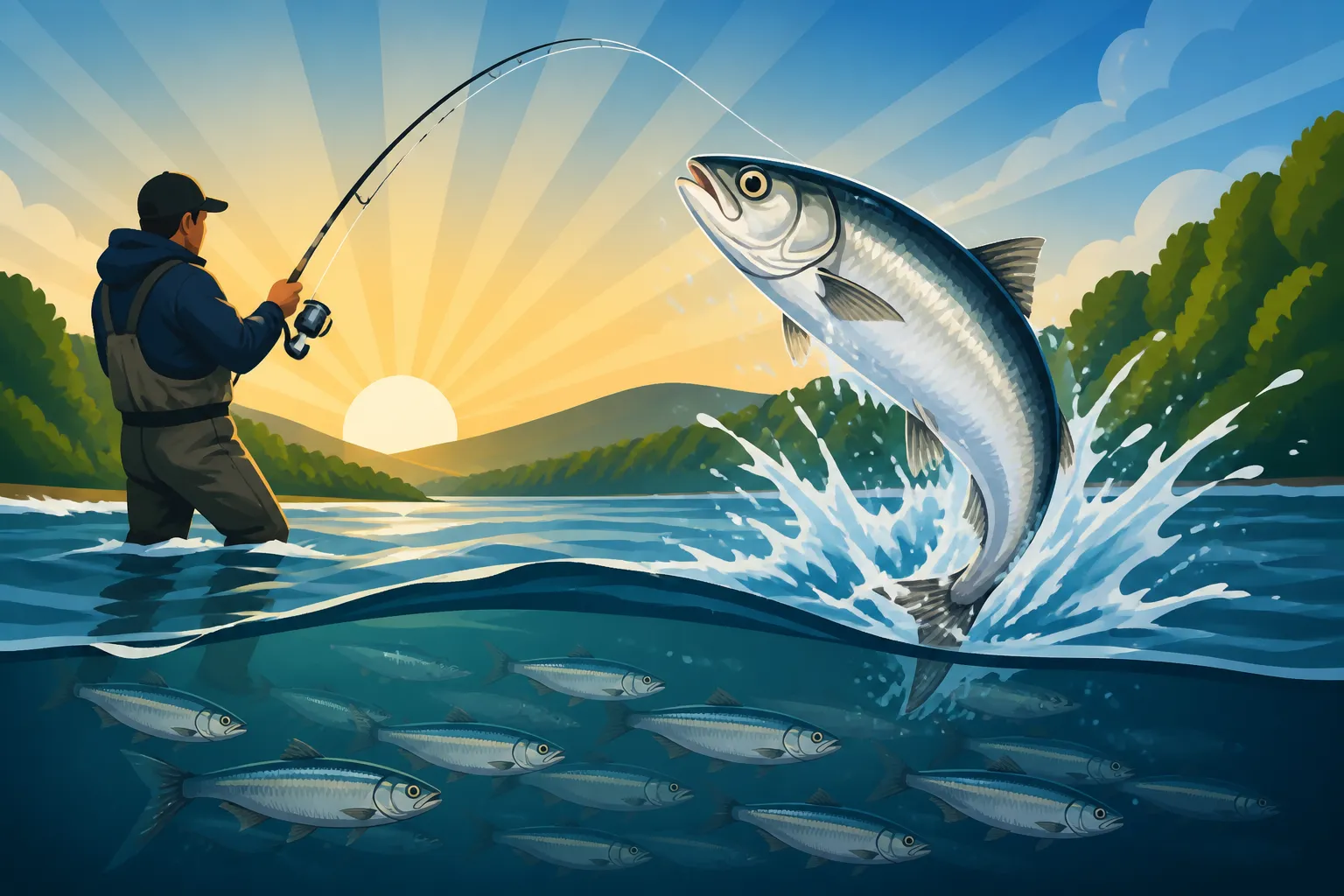
The American Shad migration up the Connecticut River is one of New England's most exciting natural events, bringing these powerful, silver-sided fish from the ocean back into freshwater to complete their lifecycle. It’s a spectacle and a challenge that draws anglers from far and wide, eager to experience the fight these fish offer.
What is the American Shad Run?
American Shad, often affectionately called "the poor man's salmon," are anadromous fish. This means they spend most of their adult lives in saltwater, growing strong and feasting in the vastness of the Atlantic Ocean, only to return to the freshwater rivers of their birth to spawn. Imagine the instinctual pull that guides them hundreds of miles, navigating currents and overcoming obstacles, all for the continuation of their species. It's a truly remarkable journey.
When they enter the river, these fish are full of energy, providing an incredible sport fishing experience. Their sheer numbers during the peak of the run can be astounding, making it possible to hook into fish after fish. Beyond the thrill of the catch, the shad run is a vital part of the river's ecosystem, providing food for other predators and enriching the entire aquatic environment. It's a time when the river truly comes alive.
Historically, the shad run was a crucial food source for indigenous peoples and early settlers, marking the arrival of spring and a bounty from the river. Even today, for many anglers, it’s not just about the fishing; it’s about connecting with that ancient rhythm, participating in a tradition that spans centuries. The sight of the river teeming with life, the feeling of a powerful shad on the end of your line, it all creates an unforgettable experience each spring.
Why the Connecticut River is a Prime Location
The Connecticut River holds a special place in the story of American Shad. It's the longest river in New England, stretching over 400 miles from the Canadian border through four states before emptying into Long Island Sound. This extensive network, coupled with dedicated conservation efforts and the strategic placement of fish ladders around various dams, makes it an exceptionally productive pathway for shad to migrate deep into Massachusetts.
Specifically within Massachusetts, the river offers diverse habitats, from wide, flowing sections to more structured areas with eddies and deeper pools, all of which attract and hold migrating shad. Towns like Holyoke, South Hadley, and Turners Falls become focal points during the run, as anglers gather near access points and public fishing areas. The sheer volume of water and the river's overall health contribute to a robust return of these fish year after year.
Furthermore, the Connecticut River's connection to a healthy ocean environment ensures a continuous supply of shad returning to spawn. The combination of its length, the quality of its water, and the navigational aids for fish creates an ideal environment for a strong and predictable run. For anyone looking to experience this unique fishery, focusing on the Massachusetts sections of the Connecticut River during the appropriate season is a surefire way to increase your chances of success. You can learn more about general fishing in the area by reading our Connecticut River Fishing in Massachusetts guide.
Pinpointing the Timing: When Does the Shad Run Truly Happen?
Ah, the million-dollar question! It's the one every angler asks as spring approaches, often leading to a bit of a guessing game. While there's a typical calendar window, the precise timing of the shad run on the Connecticut River isn't dictated by a flip of a switch on a specific date. It's much more nuanced, primarily driven by environmental factors.
The Crucial Role of Water Temperature
If you want to understand when the shad will arrive, forget your calendar for a moment and focus on your thermometer – specifically, the water temperature. This is the single most critical factor influencing the start and progression of the American Shad run. These anadromous fish are highly sensitive to water warmth, and they won't begin their serious push upstream until conditions are just right.
Generally, shad start entering the lower reaches of the Connecticut River and begin their journey in earnest once water temperatures consistently reach the mid-50s Fahrenheit. The peak of the run, when the most fish are actively moving and spawning, often occurs when temperatures are comfortably in the low to mid-60s. Any colder than that, and the fish tend to hold in deeper pools or slow their ascent; too warm, and they might rush through certain areas or finish spawning earlier.
This reliance on water temperature is why predicting the exact "start date" can be so frustrating. A warm spell in April can kick things off early, while a prolonged cold, wet spring can delay the main event by a week or even two. Anglers often find themselves checking online river gauges and weather forecasts religiously, trying to anticipate that perfect temperature window. It's a dance with Mother Nature, but knowing her cues makes all the difference. For more on how environmental factors affect fishing, you might find our article How weather fronts affect bass fishing in Massachusetts interesting.
Typical Calendar Window in Massachusetts
While water temperature is the ultimate arbiter, we can still talk about a general calendar window for the shad run on the Connecticut River in Massachusetts. Typically, you can expect to see the first signs of shad in the Massachusetts sections of the river in late April. These early arrivals are often scout fish, testing the waters and signaling that the main body of the run isn't far behind.
The peak of the shad run in Massachusetts usually occurs through May, especially from mid-May onwards. This is when the largest numbers of fish are present, actively migrating, and providing the most consistent fishing opportunities. It's the sweet spot that every shad angler eagerly anticipates, offering some of the most exciting action of the spring.
As we move into early June, the run generally starts to taper off. While you might still find shad in certain areas, particularly further upstream or holding in cooler pockets, the massive schools will have mostly passed through or completed their spawning. It's important to remember that this timeframe is an average; a particularly cold or warm spring can shift these dates earlier or later. Always consult current conditions, but planning your primary fishing efforts for May will generally put you in the best position. For a broader look at the season, check out Best season for shad fishing on the Connecticut River and American Shad in the Connecticut River.
Factors Influencing the Shad Run's Intensity and Duration
Beyond just water temperature, several other factors can significantly impact the intensity, duration, and even the locations where you'll find shad during their annual migration. Understanding these can help you adapt your fishing strategy and improve your chances of success.
Weather Patterns and River Conditions
Spring weather in New England can be notoriously fickle, and these fluctuations directly affect the Connecticut River and its shad run. Heavy spring rains, for instance, can cause the river level to rise dramatically, increasing current speeds and often leading to turbid, muddy water. While shad are powerful swimmers and can navigate these conditions, excessive turbidity might make them harder to locate or less willing to strike certain lures. On the flip side, higher water can open up new migratory paths and concentrate fish in specific eddies or slack water areas as they seek easier passage.
Conversely, a prolonged period of dry weather can lead to lower river levels and faster warming of the water. While this might kickstart the run earlier, it could also cause the fish to move through certain sections more quickly. Sudden cold snaps, even in May, can temporarily halt the migration, sending fish back to deeper, more stable water until temperatures rebound. Anglers must pay close attention to recent rainfall, river flows, and air temperatures to get a complete picture of conditions. These elements directly influence both fish behavior and the comfort of your day on the water, whether you're fishing from the bank or from a small craft you sourced from Amazon.
Upstream Migration and Obstacles
The Connecticut River is dotted with dams, some of which posed significant historical barriers to fish migration. However, thanks to incredible conservation efforts, many of these dams now feature state-of-the-art fish ladders, like the famous one at the Holyoke Dam. These ladders are critical in allowing American Shad, along with other anadromous species like lamprey and river herring, to bypass the dams and continue their journey upstream into the heart of Massachusetts.
These fish ladders act as both a gateway and a concentration point. As shad navigate the river, they naturally stack up below these structures, waiting for their turn to ascend. This often creates fantastic fishing opportunities directly below or near the ladders, as a massive number of fish congregate in a relatively small area. The progression of the run itself means that the timing will differ as you move upstream. Fish will arrive in towns like Holyoke and South Hadley before they reach areas further north, such as Turners Falls. Understanding this upstream movement is key to timing your trips to different sections of the river. For broader seasonal information, refer to Massachusetts Freshwater Fishing Season Calendar and Massachusetts Fishing Seasons Explained.
Gear and Techniques for a Successful Shad Season
Once you have a handle on when the shad run happens, the next step is to be prepared with the right gear and know-how. Shad are strong fighters for their size, and using appropriate tackle will make the experience much more enjoyable and successful.
Essential Tackle for Shad Fishing
When it comes to American Shad, you don't need heavy-duty gear; in fact, lighter tackle makes the fight all the more thrilling. A light to medium-light spinning rod, typically 6 to 7.5 feet in length, is ideal. This rod provides enough backbone to cast small lures effectively while still having enough flex to handle the sudden runs and head shakes of a powerful shad. Pair it with a small spinning reel, loaded with 6 to 10-pound test monofilament or braided line. Many anglers prefer braid for its sensitivity and casting distance, often adding a fluorocarbon leader for stealth.
The choice of lure is paramount. Shad are primarily caught on small, flashy offerings designed to imitate baitfish or simply provoke a reaction strike. Shad darts are perhaps the most iconic and effective lure, coming in various colors and weights. Chartreuse, pink, white, and orange are perennial favorites. Small spoons, especially those with a wobbly action and a silver or gold finish, also work incredibly well. Tiny jigs, often dressed with a piece of grub or small plastic tail, can also be deadly. You can find a vast selection of these lures, often in multi-packs, through online retailers like Amazon, making it easy to stock up on different colors and weights.
Having a selection of these lures in your tackle box is crucial because what works one day might not work the next. Shad can be finicky about color and presentation, so being able to switch things up can make all the difference. Remember, these fish are feeding reactively during their migration, so flash and movement are key.
Effective Fishing Strategies
Catching American Shad isn't usually a finesse game; it's often about covering water and finding active fish. The most common technique involves casting and retrieving your lure in areas where shad are likely to be staging or migrating. Look for current breaks, eddies, deeper holes, and the seams where faster water meets slower water. Shad often use these areas to rest and conserve energy during their upstream journey.
The retrieve speed is often crucial. A steady, moderate retrieve that keeps your lure just above the bottom or in the middle of the water column is usually effective. Some days, a faster, more erratic retrieve might trigger strikes, while other times a slower, more deliberate action is better. It's all about experimentation. For those fishing from shore, fan casting across a wide area can help you locate schools of fish. If you're fishing from a boat, anchoring upcurrent from a promising spot and casting down, allowing your lure to drift naturally before retrieving, can be very productive.
A popular method, especially with shad darts, is the "shad dart drift." This involves casting your dart slightly upstream and allowing the current to carry it naturally downstream, occasionally twitching your rod tip to give the lure some action. The key is to match the speed of the current as much as possible, making the dart appear like a natural piece of food drifting by. This technique is particularly effective in strong currents found in many parts of the Connecticut River. For more detailed instructions, you can consult our article on How to catch American shad in Massachusetts.
Conservation and Responsible Shad Fishing
The excitement of the shad run can be intoxicating, but it’s crucial to remember our responsibility as anglers to practice good conservation. The health of the shad population and the river itself depends on everyone playing their part.
Regulations and Limits
Massachusetts, like all states, has specific regulations governing the harvest of American Shad. These regulations are in place to ensure the sustainability of the population for future generations. It’s absolutely vital to check the current Massachusetts fishing regulations pamphlet before you head out. These rules can change from year to year based on population assessments and management goals.
Typically, there will be a daily bag limit, which dictates how many shad you are legally allowed to keep in a single day. There might also be restrictions on certain gear types or fishing methods in specific areas. Ignorance of the law is never an excuse, and violating regulations can result in fines and the loss of your fishing privileges. Always be certain you understand the rules. By adhering to these guidelines, you're not just avoiding penalties; you're actively contributing to the long-term health of this incredible fishery. You can find more information about these rules in our articles Massachusetts Recreational Fishing Rules and Bag Limits and Massachusetts Freshwater Daily Catch Limits.
Catch and Release vs. Keeping Your Catch
American Shad are primarily prized as a sport fish due to their powerful fight, but they also have a culinary appeal. Many anglers keep a portion of their catch for their roe (a delicacy for some) or for the meat, which can be challenging to prepare due to numerous small bones but is enjoyed by others.
If you plan to practice catch and release, handle the fish as little as possible. Use wet hands to minimize removing their protective slime coat, and try to unhook them quickly while they are still in the water. If the fish is deeply hooked, it's often best to cut the line as close to the hook as possible rather than tearing delicate tissues in an attempt to retrieve the hook. This gives the fish the best chance of survival.
If you intend to keep some shad for consumption, ensure you are within the legal bag limits. Dispatch the fish quickly and humanely. Placing them immediately on ice in a cooler, like one you might find on Amazon, will help preserve their freshness and quality. Remember that the enjoyment of the shad run extends beyond your personal catch to the health of the entire ecosystem. Responsible angling ensures that this amazing phenomenon will continue for years to come.
When to Hit the Water: A Seasonal Overview for Connecticut River Shad
To help you visualize the typical timing, here's a general overview of the shad run in the Massachusetts section of the Connecticut River. Remember, these are averages, and local conditions will always be the final determinant.
| Season Phase | Typical Timing (MA) | Water Temperature Range (F) | River Conditions | Fishing Focus |
|---|---|---|---|---|
| Early Run | Late April – Early May | 50-58°F | Variable, can be high/turbid after rain. | Scout for first arrivals, focus on current breaks. |
| Peak Run | Mid-May – Late May | 58-65°F | Generally stable, good flow. | High numbers of fish, consistent action. |
| Late Run | Early June | 65°F+ | Water levels may drop, warmer. | Fish thinning out, focus upstream or cooler pockets. |
This table provides a snapshot, but active monitoring of local conditions, river levels, and water temperatures will always be your best bet for timing your specific trips. Happy shad fishing! Don't forget to check out Best Time of Year to Fish in Massachusetts for more broad seasonal advice.
Disclaimer
This article is for general informational purposes only and does not constitute professional advice. Laws, prices and regulations vary by location and change over time. Consult a qualified professional for guidance on your specific situation.