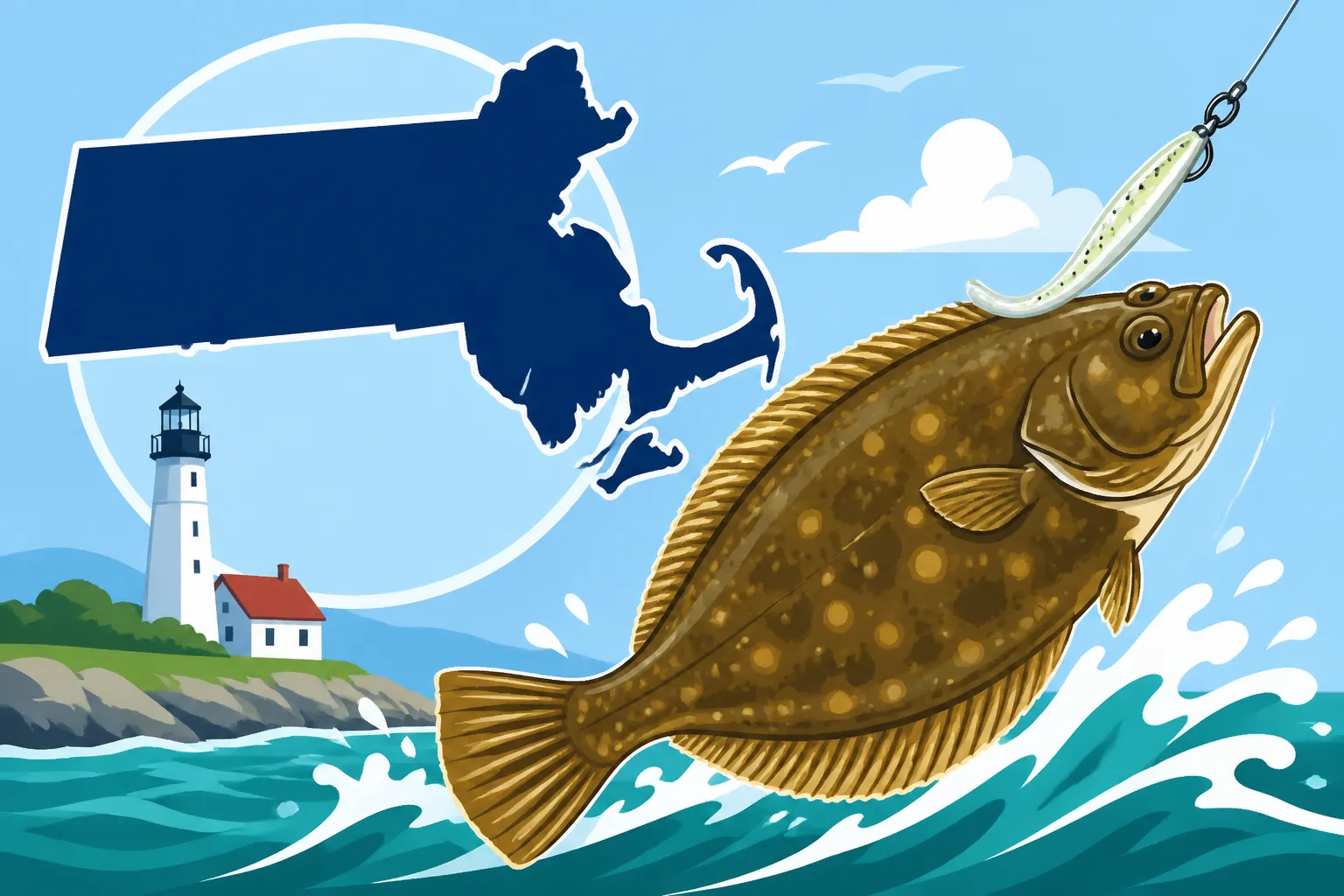
Fluke Fishing in Massachusetts
Ah, the quest for fluke! There's nothing quite like the excitement of a sharp tap on your line, followed by that distinctive head shake that tells you a beautiful summer flounder is on the other end. But let's be honest, fluke fishing in Massachusetts can sometimes feel like chasing a ghost, especially with ever-changing regulations and the sheer vastness of our coastal waters. If you've ever felt overwhelmed trying to figure out when, where, and how to target these delicious flatfish, you're absolutely not alone. This guide is here to untangle the complexities, offering you a clear, comprehensive roadmap to successful fluke fishing right here in the Bay State.
Understanding Fluke: The Massachusetts Summer Favorite
Before we cast a line, it's really helpful to get acquainted with our quarry. Knowing what makes a fluke tick, how they look, and where they like to hang out is half the battle won. They're a fascinating species, perfectly adapted to their sandy hunting grounds, and truly a prize catch for any angler.
What is a Fluke, Anyway?
First things first, when we talk about "fluke" here in Massachusetts, we're almost always referring to the summer flounder, or Paralichthys dentatus. Don't let the name confuse you; while they're called flounder, they're distinct from other flatfish you might encounter. Fluke are predatory flatfish, masters of camouflage, and incredibly powerful for their shape. They have both eyes on the left side of their head, which is one of their defining characteristics, and their bodies are typically mottled brown, tan, and sometimes speckled, allowing them to blend seamlessly into sandy or muddy bottoms.
These fish are ambush predators. They'll bury themselves in the substrate, often with just their eyes poking out, waiting for an unsuspecting baitfish or crustacean to swim by. Then, with a sudden burst of speed, they'll launch themselves from the bottom to snatch their meal. This predatory nature is what makes them such a fun and often aggressive fish to target. You'll often feel a solid thump when they hit your bait, a sensation that seasoned fluke anglers live for!
Their bodies are broad and thin, almost diamond-shaped, and they possess a row of sharp, conical teeth in their jaws, perfect for gripping slippery prey. Unlike some other bottom feeders, fluke are truly active hunters, often moving around quite a bit in search of food. This means they're not just waiting for food to come to them; they're actively looking for it, which works to our advantage when we're dragging baits.
Fluke vs. Other Flatfish: A Quick Guide
Massachusetts waters are home to several species of flatfish, and it's easy to get them confused, especially when they're small. The most common mix-up is between the summer flounder (fluke) and the winter flounder (blackback). However, there are key differences that once you know them, make identification pretty straightforward. It's crucial to know the difference because regulations, including size and bag limits, can vary wildly between species. Massachusetts Fluke Size Limits Explained delves deeper into the specifics for fluke, but let's clear up the main distinction.
The easiest way to tell a fluke from a winter flounder is by looking at which side their eyes are on. A summer flounder (fluke) will have both eyes on its left side when you hold it with its belly down and head pointing left. A winter flounder, on the other hand, will have its eyes on its right side. You can also feel their mouths; fluke have larger mouths with sharp teeth, while winter flounder have much smaller mouths better suited for nibbling at shellfish and worms. The body shape is also generally different; fluke are more diamond or pear-shaped with a larger tail fan, while winter flounder are typically rounder and thicker.
| Feature | Summer Flounder (Fluke) | Winter Flounder (Blackback) |
|---|---|---|
| Eye Location | Left side of head | Right side of head |
| Mouth Size | Large, with sharp teeth | Small, with blunt teeth |
| Body Shape | More diamond/pear-shaped, thin | Rounder, thicker |
| Coloration | Mottled brown/tan, spots | Dark brown/olive, no spots |
| Habitat | Sandy bottoms, channels | Muddy/silty bottoms, estuaries |
| Disposition | Aggressive predator | Bottom feeder, nibbler |
Where Fluke Thrive in Massachusetts Waters
Fluke are creatures of comfort, and their comfort zone generally includes sandy or gravelly bottoms, especially near structure or changes in depth. In Massachusetts, this means they can be found throughout our coastal waters, from the shallow estuaries to the deeper channels and offshore humps. They love areas where they can ambush prey, so think about places where currents create natural funnels or where baitfish gather.
Prime real estate for fluke often includes the edges of channels, sandbars, shoals, and areas where rock meets sand. They'll frequently lie on the sandy side, just waiting for something to drift or swim over the deeper rock structure. Estuaries and river mouths are also fantastic spots, particularly during outgoing tides when baitfish are swept out into the larger bays. You'll also find them congregating around mussel beds, clam flats, and any kind of underwater structure like wrecks or reefs that provide cover and attract prey.
While they can be found from the North Shore down to Buzzards Bay, the waters around Cape Cod and the Islands (like Martha's Vineyard and Nantucket) are particularly renowned for their fluke fishing. These areas offer vast expanses of ideal habitat, from the countless bays and harbors to the deeper sounds and shoals. But don't count out the South Shore or even specific spots in Boston Harbor; if there's sand and bait, there's a good chance a fluke isn't far away. They are migratory fish, moving into shallower, warmer waters in spring and summer, and then retreating to deeper, warmer waters offshore in the fall and winter.
Massachusetts Fluke Season and Regulations
Navigating fishing regulations can sometimes feel like trying to read a legal document written in a foreign language. It's definitely one of those frustrations that can dampen an otherwise perfect day on the water. But trust me, understanding the rules for fluke fishing in Massachusetts is absolutely essential, not just to avoid fines, but to contribute to the conservation of this incredible fishery. Rules, unfortunately, aren't static, so it's always wise to double-check the latest MassWildlife or DMF website for any current updates.
When Can You Catch Fluke in Massachusetts?
The beautiful thing about fluke fishing is that it's a quintessential summer activity here in Massachusetts. Fluke migrate into our coastal waters as the water temperatures rise, typically making their appearance in late spring or early summer, and they stick around through the warmer months. Generally speaking, you can expect the fluke season to kick off sometime in May and extend all the way through September or even early October, depending on water temperatures and migratory patterns.
The exact opening and closing dates can shift slightly each year, as can the specific regulations, which is why checking the Massachusetts Division of Marine Fisheries (DMF) website is always your best bet before planning your trip. But as a rule of thumb, Memorial Day weekend often marks the unofficial start of prime fluke season, with the fishing remaining strong throughout June, July, and August. As the water cools in September, fluke begin their migration offshore, though some lingering fish can still be caught well into the fall. Massachusetts Saltwater Fishing Seasons offers a broader look at what's biting when.
During the peak summer months, fluke are actively feeding in shallower bays, estuaries, and nearshore ocean waters. They're trying to put on weight for their offshore migration and spawning, making them more aggressive and eager to strike a well-presented bait or lure. This is when you'll find them scattered across sandy flats, hiding near channel edges, and patrolling areas with good baitfish presence.
Size Limits: The All-Important Numbers
This is where many anglers can get tripped up, and it's a detail you absolutely cannot afford to overlook. Massachusetts has a strict minimum size limit for fluke (summer flounder), and it's critical to measure your fish accurately as soon as you catch it. The rationale behind these limits is to allow enough fish to reach reproductive age and contribute to the next generation, ensuring a sustainable fishery for all of us.
The minimum size limit typically hovers around 17 inches total length. This measurement is taken from the tip of the snout to the end of the tail, with the tail compressed. Always lay the fish flat and measure it carefully. If your fluke doesn't meet the minimum size, it must be immediately released back into the water with as little harm as possible. This means handling it gently, removing the hook quickly, and returning it to the water headfirst.
One really important nuance for fluke fishing in Massachusetts, which can sometimes be a point of confusion for new anglers, is whether the size limit changes depending on if you're fishing from a boat versus shore. In some other states, this can be the case, but generally, in Massachusetts, the recreational minimum size limit for fluke applies universally, regardless of your fishing platform. However, it's always worth a quick check on the DMF website to confirm the latest specific regulation, as rules can occasionally be adjusted. Don't rely on old information from your fishing buddy's cousin – verify it yourself!
Daily Bag Limits and Possession
Beyond just the size, there's also a limit to how many legal-sized fluke you can keep per day. This is known as the "daily bag limit," and it's another cornerstone of responsible fishing practices. Similar to the size limit, the bag limit is designed to manage the overall harvest and prevent overfishing, ensuring healthy populations for future enjoyment.
The typical daily bag limit for fluke in Massachusetts is 5 fish per person per day. This means that once you've caught and kept five fluke that meet the minimum size requirement, you need to stop targeting them for the day. You can, of course, continue to fish for other species, but any additional fluke you catch must be immediately released. It's not uncommon to catch quite a few undersized "shorts" before you fill your limit with legal-sized fish, which only reinforces the importance of quick and careful release.
It's also important to understand the concept of "possession limit," which for recreational anglers, often mirrors the daily bag limit. This means you can't have more than the daily bag limit in your possession, whether that's on your boat, in your cooler, or in your vehicle, unless you're at your permanent residence. So, if you've got five legal fluke in your cooler from your morning trip, you can't go back out in the afternoon and catch another five unless you've already dropped the first five off at home. These rules are in place to ensure fair harvest and prevent stockpiling beyond what's allowed. Always err on the side of caution and adhere strictly to these limits. Massachusetts Fishing License Guide is a good resource for understanding all the general rules of the road.
Essential Gear for Massachusetts Fluke Fishing
Stepping into a tackle shop can be intimidating with the sheer volume of rods, reels, lines, and lures. But for fluke, you really don't need to break the bank or get overly complicated. Having the right gear, however, makes a huge difference in your success and enjoyment. It's about efficiency and sensitivity, allowing you to feel those subtle takes and bring in those powerful flatfish.
Rod and Reel Setup for Fluke
For fluke fishing, you're looking for a setup that offers a good balance of sensitivity and backbone. You need to be able to feel the bottom and the slightest tap from a fluke, but also have enough power to pull a decent-sized fish out of the current and away from snags. A medium-light to medium action spinning rod, typically in the 6'6" to 7'6" range, is a fantastic all-around choice for most Massachusetts fluke scenarios. If you prefer conventional gear, a similar action conventional rod with a baitcasting reel also works wonderfully, often providing even more direct contact and power for heavier weights.
When it comes to the reel, a spinning reel in the 3000 to 4000 size class is usually perfect. It should have a smooth drag system, which is crucial when a big fluke decides to make a run. For line, braid is king for fluke fishing. Its no-stretch properties give you incredible sensitivity, allowing you to feel every bump on the bottom and every soft bite. A 15 to 20 lb test braided line is a good starting point. You'll then tie a fluorocarbon leader of 15 to 30 lb test to the end of your braid. Fluorocarbon is nearly invisible in water, more abrasion-resistant, and helps prevent line twist, which is common when drifting. Many anglers find great deals on quality rods, reels, and braided line on Amazon, often with detailed reviews to guide their choices.
Remember, the goal is to be able to confidently work your bait near the bottom and detect those subtle bites. A rod that's too heavy might mask those bites, while one that's too light won't give you the leverage to handle a strong current or a strong fish.
Terminal Tackle: Rigs, Hooks, and Weights
This is where the magic happens – presenting your bait or lure in a way that fluke find irresistible. While there are countless variations, the classic "hi-lo" or "fluke rig" is a tried-and-true setup that consistently produces fish. This rig typically features two dropper loops or snelled hooks, one about 6-12 inches above the other, with a sinker tied to the very bottom. This allows you to present two baits at slightly different depths, increasing your chances of a strike.
For hooks, Kahle style hooks in sizes 2/0 to 4/0 are popular because their shape allows for easy hookups in the fluke's mouth. Some anglers prefer traditional J-hooks or even circle hooks if they're using live bait and want to ensure a corner-of-the-mouth hookup. For leader material, 20-30 lb fluorocarbon is ideal due to its strength and invisibility. You can buy pre-tied fluke rigs, or tie your own, which many experienced anglers prefer for customization.
Sinker weight is critical and depends entirely on the current and depth. You want to use just enough weight to maintain bottom contact without being so heavy that you're dragging excessively. A good rule of thumb is to use 1 ounce of weight for every 10 feet of depth in moderate current. So, if you're fishing in 30 feet of water, start with a 3-ounce sinker. You'll want to have an assortment of weights on hand, from 1 to 8 ounces, to adjust to changing conditions. Pyramid or bank sinkers are common choices as they hold bottom well.
Bait and Lure Choices That Fluke Can't Resist
Fluke are opportunistic predators, and they're not too picky when they're hungry. However, some baits and lures consistently outperform others. The key is often scent, flash, and action. Combining natural bait with an artificial lure is a deadly combination.
For natural bait, squid strips are probably the most popular and effective choice. A long, thin strip of squid (3-6 inches) provides excellent scent and a fluttering action in the current that fluke can't resist. Many anglers will tip their bucktail jigs or fluke rigs with a strip of squid. Other effective natural baits include spearing (small baitfish), killifish (mummichogs), or even strips of various fish belly. Freshness is always key; a lively bait or a fresh, smelly strip of squid will always get more attention.
On the artificial side, bucktail jigs are legendary. These lead-headed jigs dressed with deer hair are incredibly versatile. They come in various colors, but white, chartreuse, pink, and olive are perennial favorites. You can jig them bare, but they become even more effective when tipped with a strip of squid or a soft plastic trailer like a Berkley Gulp! Swimming Mullet or Grub. Gulp! baits are particularly effective because they combine the scent and taste of natural bait with the durability and action of an artificial lure. Many anglers swear by them, sometimes using them exclusively without any natural bait at all. You can find a fantastic selection of bucktail jigs and Gulp! products on Amazon, making it easy to experiment with different colors and sizes.
Teaser flies, often tied above a bucktail jig, also add an extra layer of attraction. These small, flashy flies mimic baitfish or shrimp and can tempt a fluke that might be wary of a larger presentation. The combination of a bucktail jig with a Gulp! or squid strip, and perhaps a teaser above it, creates a tantalizing spread that's hard for any fluke to ignore.
Top Techniques for Landing Massachusetts Fluke
Once you've got your gear dialed in, it's time to talk strategy. Fluke fishing isn't just about dropping a line in the water and hoping for the best. It's about understanding how these fish behave and presenting your offering in the most enticing way possible. These techniques are proven fish-catchers in Massachusetts waters.
Drifting: The Go-To Method
If there's one technique synonymous with fluke fishing, it's drifting. This method allows you to cover a lot of ground and present your bait naturally to actively feeding fluke. Whether you're in a boat, kayak, or even fishing from a pier on a windy day, the principle is the same: let the current or wind move your bait or lure along the bottom, mimicking a wounded baitfish or piece of food. Drift Fishing Techniques for Summer Flounder goes into greater detail, but let's cover the essentials.
From a boat, identify a promising area with good current flow and known fluke habitat, like a channel edge or a sandy flat adjacent to a drop-off. Position your boat upcurrent or upwind, and then deploy your rig, letting out enough line so your sinker maintains consistent contact with the bottom. The trick is to keep your bait just skimming the bottom, not dragging heavily, and not flying too high above it. You want to feel every bump, every texture change on the bottom, as these often indicate where a fluke might be lying in wait.
As you drift, periodically lift and drop your rod tip slightly, giving your bait or lure a subtle jigging action. This puff of sand or mud can attract attention, mimicking a baitfish darting or a shrimp kicking. Pay close attention to your rod tip; fluke bites can range from a violent strike to a very light tap. Sometimes, it feels like your sinker just got "stuck" for a moment. That's often a fluke sucking in your bait, and you need to set the hook! Don't be afraid to experiment with your drift speed and the amount of line you have out until you find the sweet spot.
Jigging for Aggressive Biters
While drifting is often passive, jigging is a much more active approach that can be incredibly effective, especially when you're targeting more aggressive fluke or working a specific piece of structure. Jigging with bucktails is an art form, and mastering it can lead to some impressive catches.
The basic premise of bucktail jigging for fluke involves casting your jig out, letting it sink to the bottom, and then working it back with a series of hops and bounces. Retrieve slowly, lifting your rod tip sharply to make the jig jump a foot or two off the bottom, then letting it fall back down on a semi-slack line. Most bites occur on the fall, so always be prepared to set the hook. The goal is to imitate a fleeing baitfish or a crustacean scurrying along the seabed.
Experiment with the intensity and height of your jigs. Sometimes fluke prefer a subtle, short hop; other times, a more aggressive, higher jump will trigger a strike. Tipping your bucktail jig with a strip of squid or a Gulp! bait will dramatically increase its effectiveness, adding scent and a fluttering action that's hard for fluke to ignore. Vary your retrieve speed and jigging cadence until you figure out what the fish are responding to on a given day. This technique works well from a boat, kayak, or even when shore fishing a strong current from a jetty or bridge.
Shore-Based Strategies for Fluke
You don't need a boat to catch fluke in Massachusetts! Many anglers successfully target these fish from shore, piers, jetties, and even beaches. The key is to understand how fluke utilize these environments and adapt your techniques accordingly. Saltwater permit rules for surfcasting from a Massachusetts beach are a good read if you're planning a beach adventure.
When fishing from a pier or jetty, you have the advantage of depth and often direct access to channels or deeper water. Cast your fluke rig or bucktail jig out, let it sink to the bottom, and then work it back with slow retrieves and subtle lifts and drops. Fan casting – casting to different spots in a fan-like pattern – helps you cover more water and locate fish. Areas around pilings, rocks, or any structure that offers ambush points are prime targets.
For beach fishing, especially surfcasting, you'll want to focus on areas with sandy bottoms, troughs (deeper channels parallel to the shore), and cuts (breaks in sandbars). The same drift and jigging principles apply, but you're relying more on casting distance and the natural movement of the waves and currents to present your bait. Use a slightly heavier sinker to hold bottom in the surf, and consider a longer rod for better casting distance. Walking the beach and casting into different areas until you find where the fish are holding can be very effective. Look for signs of baitfish, diving birds, or sudden drop-offs where fluke might be waiting.
Prime Fluke Fishing Spots in Massachusetts
Massachusetts offers a diverse range of coastal habitats, and fluke can be found in many of them. While they certainly have their favorite haunts, a successful angler knows how to pinpoint these productive areas across the state. From the bustling harbors to the quiet sounds, there's likely a good fluke spot closer than you think.
Cape Cod and the Islands: Fluke Hotbeds
When most people think of fluke fishing in Massachusetts, their minds often drift to Cape Cod and the surrounding islands. And for good reason! This region boasts an incredible array of prime fluke habitat, from vast sandy flats to intricate channel systems. The sheer amount of productive water here means endless opportunities for anglers.
Vineyard Sound and Nantucket Sound are absolute classic fluke grounds. These areas feature extensive sandy and gravelly bottoms, intersected by numerous channels and shoals that concentrate baitfish and provide perfect ambush points for fluke. Popular spots include the waters off Falmouth, Woods Hole, Edgartown, and the many rips and shoals scattered throughout the sounds. Drifting with fluke rigs or bucktail jigs is the standard approach here, often yielding excellent results. The currents can be strong, so bring a variety of sinker weights. Vineyard Sound Fishing Spots has more specific recommendations.
Buzzards Bay is another fantastic area, especially its eastern and southern portions. The bay's complex bottom structure, including numerous rocky outcroppings mixed with sandy pockets, creates ideal conditions. Areas around the Elizabeth Islands, New Bedford Harbor, and the entrance to the Cape Cod Canal can be very productive. The bay also sees healthy populations of baitfish like squid and spearing, which keeps the fluke well-fed and aggressive. Buzzards Bay Fishing Guide, Massachusetts offers a comprehensive overview of this rich fishing ground. Look for subtle changes in depth and current when drifting here.
Beyond the sounds and the bay, many of the smaller harbors and estuaries on Cape Cod, such as those in Barnstable, Hyannis, and Chatham, can hold good numbers of fluke, particularly during the early and late parts of the season. These shallower, warmer waters act as nurseries and feeding grounds before the fish move to deeper areas.
South Shore and Boston Harbor Opportunities
Don't think all the great fluke fishing is limited to the Cape! The South Shore of Massachusetts also provides excellent opportunities, and even within the bustling confines of Boston Harbor, fluke can be found if you know where to look. These areas offer convenience for many anglers, cutting down on travel time to the further reaches of the state.
Along the South Shore, towns like Duxbury, Plymouth, Marshfield, and Scituate offer fantastic fishing. Duxbury Bay and Plymouth Harbor, with their expansive sand flats and numerous channels, are particularly productive. These sheltered bays are often less affected by ocean swells, making for more comfortable fishing conditions. Target the edges of the main channels, the mouths of rivers, and any areas with good current flow. Clam flats and mussel beds within these bays also tend to hold feeding fluke. South Shore Fishing Spots Near Scituate and Plymouth details some prime locations in this accessible region.
Believe it or not, Boston Harbor can also be a surprisingly good spot for fluke. While you might not associate it with pristine fishing, the harbor's improved water quality and diverse bottom structure mean summer flounder are present. Focus on the outer harbor islands, the edges of main shipping channels, and areas with sandy bottoms away from heavy boat traffic. Quincy Bay, Hull Gut, and the waters around the various harbor islands can yield nice fluke. Look for clear water and areas with good current where baitfish might be congregating. Fishing the edges of structure around the harbor can be key. Best Places to Fish in Boston Harbor, Massachusetts provides deeper insights into this urban fishing oasis.
North Shore Gems for Fluke Anglers
While perhaps not as famous for fluke as Cape Cod, the North Shore of Massachusetts still offers solid opportunities for anglers willing to explore. These waters are often characterized by more rocky shorelines, but sandy pockets and estuaries exist where fluke can thrive.
Salem Sound and the waters around Cape Ann (Gloucester, Rockport) are excellent examples. Here, you'll find a mix of rocky reefs, kelp beds, and surprisingly extensive sandy stretches, particularly in the deeper harbors and protected coves. Fluke will often lie on the sandy edges of these rocky areas, waiting for baitfish to emerge from the cover. The mouths of rivers and protected bays in Ipswich, Essex, and Plum Island also provide good feeding grounds.
Anglers fishing the North Shore should look for areas where freshwater runoff meets saltwater, creating nutrient-rich zones that attract bait. Estuaries like the Essex River or the Parker River near Plum Island can hold fluke, especially during outgoing tides. Fishing near structured areas like jetties, breakwaters, and even the sandy sections near deeper channels can be productive. While the North Shore might require a bit more searching to find consistent fluke action, the rewards can be well worth the effort, often with less competition than the more crowded spots to the south.
Tips for a Successful Massachusetts Fluke Trip
Success in fluke fishing, like any angling pursuit, often comes down to attention to detail and a willingness to adapt. Even with the best gear and knowledge of prime spots, small adjustments can make a big difference. These tips will help you maximize your time on the water and put more fluke in the cooler.
Understanding Tides and Currents
If there's one factor that dictates fluke behavior and successful fishing, it's moving water. Fluke are ambush predators, and they rely heavily on currents to bring food to them. Still, stagnant water rarely produces good fluke fishing. Instead, focus your efforts on periods of moving water – the incoming and outgoing tides.
The strongest currents typically occur around the middle of the tide swing (mid-incoming or mid-outgoing). This is often the prime time to fish, as baitfish are actively moving, and fluke are more likely to be out of their sandy hiding spots, ambushing prey. The moving water also helps to spread the scent of your bait and gives your lures a more natural, lifelike action. As the tide slackens (high or low tide), the bite often slows down considerably. It's not uncommon to experience a furious bite for an hour or two, followed by a lull as the current dies.
Understanding the specific tide charts for your chosen fishing location is crucial. Plan your trip so you're on the water and fishing during the peak current flow. Stronger currents might require heavier sinkers to maintain bottom contact, but they also usually mean more active fish. Keep an eye on your boat's drift speed or how quickly your line is moving if you're shore fishing; adjusting your retrieve or weight to match the current is a constant dance.
Reading the Bottom: Structure and Depth
Fluke aren't just randomly distributed across the seabed. They actively seek out areas that provide an advantage for ambushing prey. Learning to "read the bottom," whether with electronics or by feel, is a skill that separates consistent fluke catchers from casual dabblers.
If you're fishing from a boat with a fishfinder or sonar, pay close attention to depth changes, humps, depressions, and transitions from hard to soft bottom. Fluke love to lie on the downcurrent side of a hump or along the edge of a channel, waiting for bait to be swept over or along these features. Mark these areas on your GPS if you find fish there, as fluke often return to the same advantageous spots. Even if you don't mark actual fish, marking changes in structure is a great way to build a mental map of productive areas.
Without electronics, you can still read the bottom by carefully feeling your sinker. A heavier "thud" might indicate rock or gravel, while a softer "mush" suggests mud or sand. Feel for sudden drops or rises as your sinker moves. These subtle changes are where fluke often congregate. Focus your drifts to pass directly over or parallel to these structural elements. Don't be afraid to experiment with different depths; sometimes fluke will be shallow, sometimes they'll be holding in deeper channels, depending on bait presence and water temperature.
Handling Your Catch and Ensuring Survival
Once you've hooked a fluke, the job isn't quite done. Proper handling is critical, especially for undersized fish that need to be released, but also for legal fish you intend to keep to ensure they remain fresh and delicious.
For undersized fluke (often called "shorts"), the goal is a quick and gentle release. Avoid touching the fish with dry hands, as this can remove their protective slime coat. Instead, use a wet rag or glove, or better yet, a dehooking tool. Try to remove the hook while the fish is still in the water or held gently just above it. If the fish is deeply hooked, sometimes it's better to cut the line as close to the hook as possible rather than tearing the fish's delicate internal organs trying to retrieve it. Get the fish back into the water quickly and allow it to swim away on its own power. Its survival depends on minimal stress and handling.
For legal-sized fluke you plan to keep, immediate and proper chilling is key to preserving their quality. Have a cooler filled with ice ready on your boat or nearby on shore. As soon as you determine a fish is legal, place it directly onto ice. Bleeding the fish immediately after catching it can also improve its taste and texture, especially for larger fish. A quick cut to the gills will do the trick, allowing the blood to drain before it's put on ice. If you're planning a long day, consider having an insulated fish bag, available on Amazon, to keep your catch even colder and prevent ice melt from waterlogging your fish. This care ensures that your hard-earned fluke dinner is as delicious as possible.
Beyond the Basics: Advanced Fluke Tactics
Once you've got the fundamentals down, you might be looking for ways to refine your approach and consistently put more, and bigger, fluke in the boat. The difference between a good fluke angler and a great one often lies in these subtle, advanced tactics.
Advanced Rigging for Tricky Conditions
Sometimes, the standard hi-lo rig just isn't cutting it, especially when fluke are finicky or the conditions are challenging. This is where advanced rigging comes into play. For extremely slow drifts or very light bites, consider extending your leader length significantly, sometimes up to 6-8 feet of fluorocarbon, connected to your braid via a swivel. This longer, lighter leader allows your bait to drift more naturally and gives the fluke more time to mouth the bait without feeling the resistance of the main line or sinker.
Another trick is to use lighter weights than you might typically, especially in shallower water with minimal current. Instead of a heavy bank sinker, try a lighter bullet sinker or a small egg sinker sliding on the leader, above a swivel. This "Carolina rig" style allows the bait to move more freely from the weight, again presenting a more natural offering. You can also experiment with different hook styles and sizes. If you're getting short strikes, where fish are nipping at your bait but not committing, try smaller, sharper hooks. Conversely, if you're targeting truly large fluke, sometimes going up to a 5/0 or 6/0 hook with a larger bait presentation can entice bigger bites.
Finally, don't be afraid to add extra attractants directly to your rigs. Small, brightly colored beads, tiny spinner blades, or even a small piece of Mylar flash can be added to your leader above the hook. These subtle additions can provide just enough extra flash or vibration to grab a fluke's attention in murky water or low light. The key is to make these additions subtle, not overwhelming the bait's natural presentation.
Using Electronics to Your Advantage
While not strictly "advanced" for seasoned boaters, truly maximizing your electronics for fluke fishing goes beyond just seeing depth. A good fishfinder, especially one with side-scan or down-scan capabilities, can be an invaluable tool for locating fluke. You're not just looking for "fish arches" anymore; you're looking for structure and distinguishing fluke from other bottom dwellers.
Learn to interpret what your sonar is telling you about the bottom composition. Sandy spots often appear as a softer return than rocky areas. Pay attention to subtle humps, depressions, and contours, as these are prime ambush points. With side-scan, you can literally "see" out to the sides of your boat, identifying channel edges, sunken wrecks, or isolated rocks that might be holding fish, allowing you to position your drifts perfectly over these features.
GPS is equally important. When you find a productive drift or a specific spot that yields fish, mark it immediately. This allows you to replicate successful drifts or return to hot spots. You can also use your GPS to monitor your drift speed, ensuring you're covering ground at the optimal pace for the current conditions. Many modern units allow you to overlay bathymetric charts, giving you an even clearer picture of the underwater landscape. Investing time in learning your unit's features can dramatically improve your fluke fishing success.
Targeting Trophy Fluke
Catching a legal fluke is great, but landing a true "doormat" – a fluke of 5 pounds or more – is a whole different ballgame. Trophy fluke often behave differently than their smaller counterparts and require a slightly adjusted strategy. They're often found in specific locations and tend to be more solitary.
Larger fluke often prefer slightly deeper water, especially around pronounced structures like deep wrecks, significant rock piles, or steep channel edges. These areas provide more cover and access to larger baitfish. While smaller fluke will hit almost anything, trophy fluke are often more discerning. Using larger baits can sometimes weed out the smaller fish and entice a bite from a true monster. Think larger squid strips, whole spearing, or even small live baitfish like a peanut bunker.
Another tactic for targeting bigger fluke is to slow down your drift or work an area more thoroughly. Big fish don't always chase aggressively; sometimes they prefer an easier meal. A slower drift allows your bait to stay in their strike zone longer. When jigging, try a slower, more deliberate retrieve with higher hops, making your lure appear as a struggling, easy target. Focus your efforts on times of strong current, as big fluke use these currents to their advantage when ambushing prey. Persistence and targeting specific, high-percentage areas are key to landing that elusive doormat.
| Bait/Lure | Ideal Conditions | Target Fluke Size | Notes |
|---|---|---|---|
| Squid Strips | All conditions, especially moderate current | Mixed | All-time favorite, versatile, great scent |
| Berkley Gulp! | All conditions, slow to fast drift | Mixed to Large | Excellent scent, durable, good action, popular |
| Bucktail Jigs | Strong current, active fish | Mixed to Large | Aggressive presentation, best with trailer |
| Spearing/Killies | Natural drift, light current | Mixed | Natural presentation, excellent live bait |
| Teaser Flies | Light current, finicky fish | Small to Mixed | Adds attraction above main bait |
| Large Live Bait | Targeting trophy fluke, specific spots | Large | Can be harder to rig, but attracts big fish |
Disclaimer
This article is for general informational purposes only and does not constitute professional advice. Laws, prices and regulations vary by location and change over time. Consult a qualified professional for guidance on your specific situation.